Alzheimer's prevalence is set to double in the next 25 years. Yet,...

Dalton (Analyze & Optimize)@Outdoctrination
110 views
May 27, 2025
~9 min read
Advertisement
1
Alzheimer's prevalence is set to double in the next 25 years.
Yet, mainstream treatments have been complete and utter failures.
Probably because they don't fundamentally understand the problem.
Here's what really behind it, and what you might be able to do about it: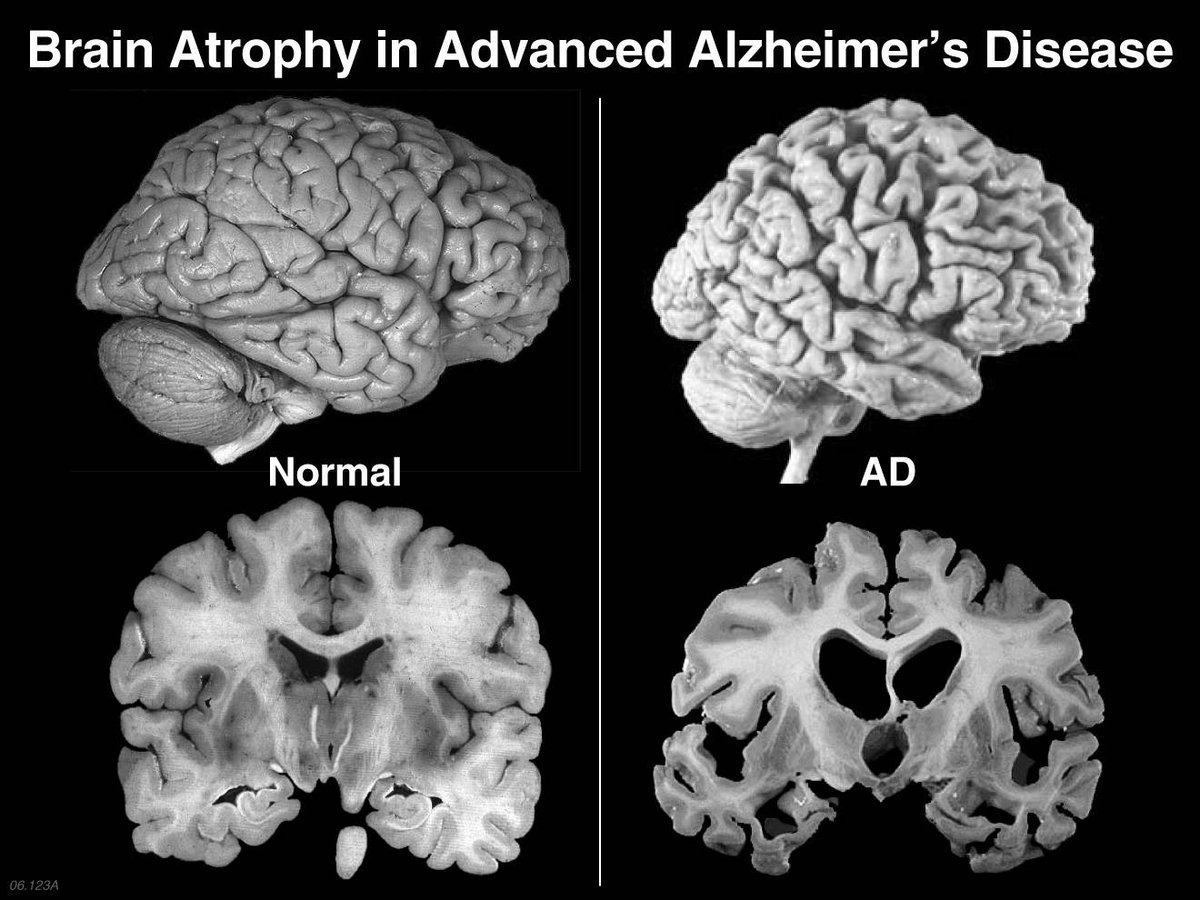
Yet, mainstream treatments have been complete and utter failures.
Probably because they don't fundamentally understand the problem.
Here's what really behind it, and what you might be able to do about it:
2
Over 99% of Big Pharma's Alzheimer's drugs are useless.
Why? - Because these drugs are missing the point.
Solving cognitive decline means understanding and addressing every angle of the brain's health.
Let's get into what that entails: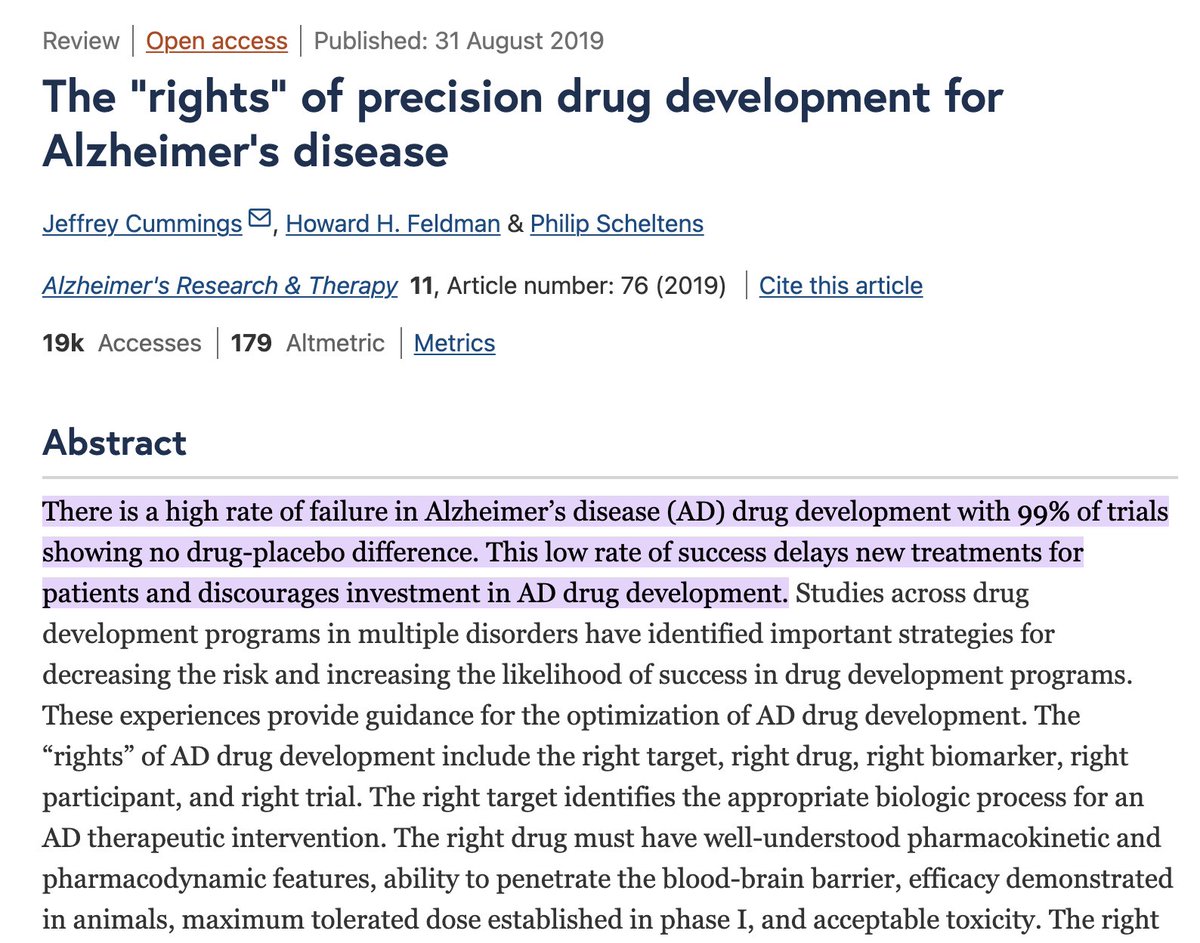
Why? - Because these drugs are missing the point.
Solving cognitive decline means understanding and addressing every angle of the brain's health.
Let's get into what that entails:
3
The key finding in Alzheimer's is the ATOPHY of certain brain regions.
Atrophy is the loss of functional tissue.
We see loss of key brain regions - the hippocampus and the frontotemporal lobe.
This is due to the death of the cells in these areas.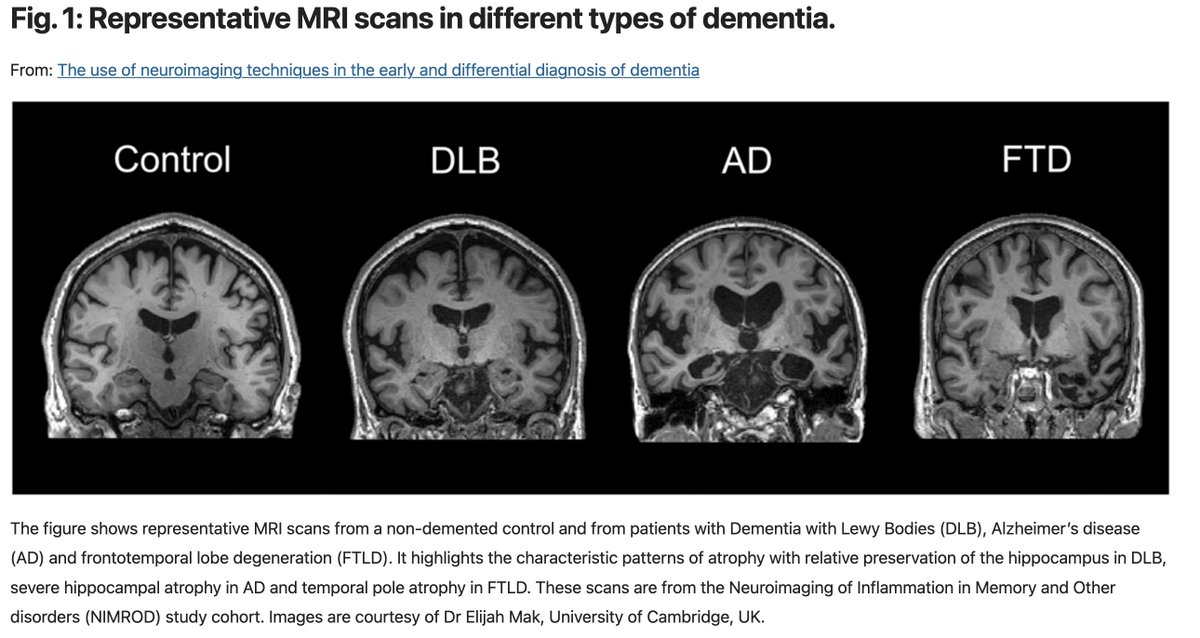
Atrophy is the loss of functional tissue.
We see loss of key brain regions - the hippocampus and the frontotemporal lobe.
This is due to the death of the cells in these areas.
4
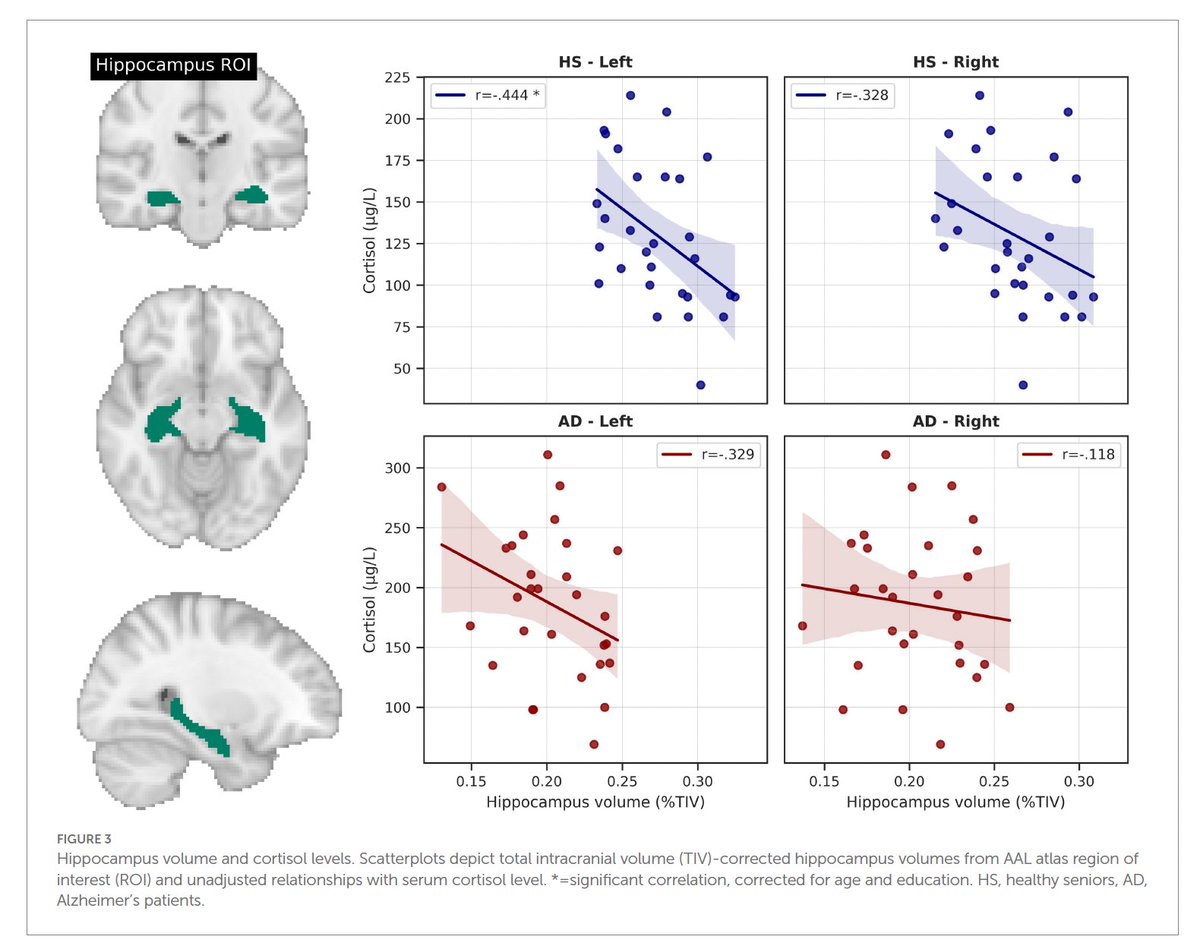
Cortisol shrinks the brain.
Cortisol is released during stress, and one of its primary roles is to break down tissue and turn it into energy to survive.
Cortisol levels predict:
◇ Memory performance
◇ Brain volume loss
Cortisol is released during stress, and one of its primary roles is to break down tissue and turn it into energy to survive.
Cortisol levels predict:
◇ Memory performance
◇ Brain volume loss
5
Lowering cortisol grows back the brain.
People with naturally elevated cortisol have lower brain volume in those same brain regions that are diminished in Alzheimer's.
Fixing the cortisol reverses this.
I put together a master guide on lowering cortisol below.


People with naturally elevated cortisol have lower brain volume in those same brain regions that are diminished in Alzheimer's.
Fixing the cortisol reverses this.
I put together a master guide on lowering cortisol below.
Dalton (Analyze & Optimize)@Outdoctrination
High cortisol, anxiety, and can’t sleep? This is for you.
This is the ULTIMATE GUIDE to STRESS - the signs, the biological mechanisms and what to do about it:
This is the ULTIMATE GUIDE to STRESS - the signs, the biological mechanisms and what to do about it:
6
Another key finding in Alzheimer's is reduced GLUCOSE metabolism.
Glucose is the brain's primary fuel source.
Just like type 2 diabetes is poor glucose metabolism in the body,
Alzheimer's has been called "Type 3 Diabetes" - it is poor glucose metabolism in the brain.
Glucose is the brain's primary fuel source.
Just like type 2 diabetes is poor glucose metabolism in the body,
Alzheimer's has been called "Type 3 Diabetes" - it is poor glucose metabolism in the brain.
7
Of course, mainstream dogma is also terrible at solving insulin resistance and fixing your glucose metabolism.
I have also gone into a deep dive on what that entails below - from a systemic perspective.
Things that help fix glucose metabolism also help Alzheimer's.

I have also gone into a deep dive on what that entails below - from a systemic perspective.
Things that help fix glucose metabolism also help Alzheimer's.
Dalton (Analyze & Optimize)@Outdoctrination
Diabetes & insulin resistance plague nearly 90% of the Western world,
because modern medicine doesn't understand, prevent or treat it properly.
Let's talk about the TRUTH about INSULIN RESISTANCE - how it REALLY happens, and what to do about it:
because modern medicine doesn't understand, prevent or treat it properly.
Let's talk about the TRUTH about INSULIN RESISTANCE - how it REALLY happens, and what to do about it:
8
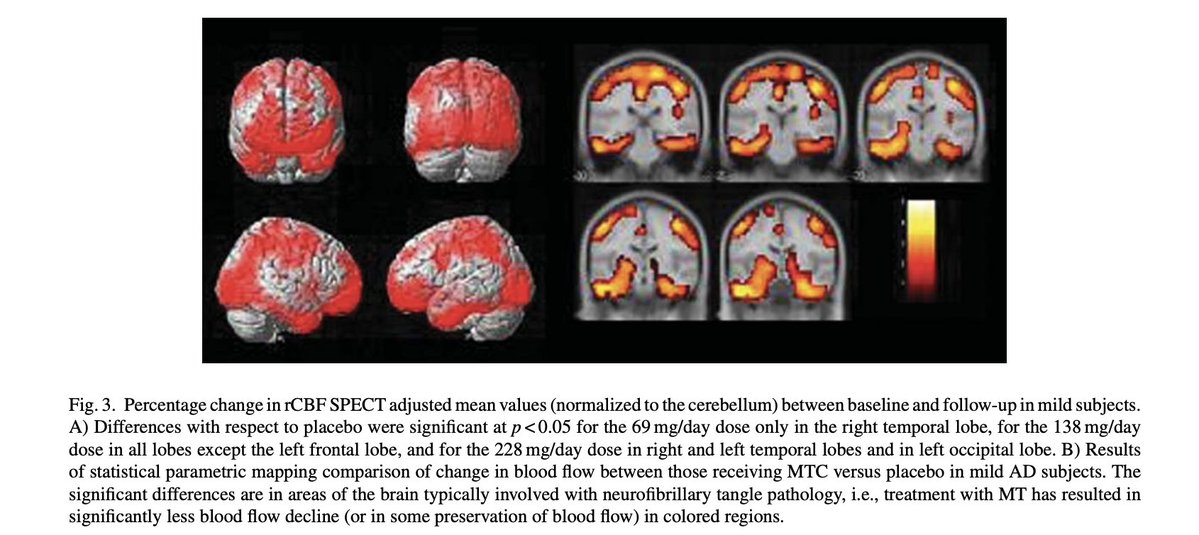
Methylene blue enhances cognitive function.
It's shown to improve Alzheimer's disease by:
⬩Increasing blood flow to the brain
⬩Enhancing brain energy production
⬩Protecting against brain oxidative damage
More on MB below.

It's shown to improve Alzheimer's disease by:
⬩Increasing blood flow to the brain
⬩Enhancing brain energy production
⬩Protecting against brain oxidative damage
More on MB below.
Dalton (Analyze & Optimize)@Outdoctrination
A literal blue dye somehow treats depression, Alzheimer's and even cancer.
Here’s just some of the incredible things METHYLENE BLUE can do for your health:
Here’s just some of the incredible things METHYLENE BLUE can do for your health:
9
Another example is red / infrared light therapy, which I covered in detail recently below.
Red / infrared light works by stimulating mitochondrial enzymes to produce more energy.
As we will see, all of the other biological phenomena seen in Alzheimer's are downstream of this.

Red / infrared light works by stimulating mitochondrial enzymes to produce more energy.
As we will see, all of the other biological phenomena seen in Alzheimer's are downstream of this.
Dalton (Analyze & Optimize)@Outdoctrination
An incredibly powerful tool for mental & cognitive health.
It heals depression, brain damage, Alzheimer's, and keeps your mind sharp.
The benefits of RED / INFRARED LIGHT THERAPY for the brain are astonishing:
It heals depression, brain damage, Alzheimer's, and keeps your mind sharp.
The benefits of RED / INFRARED LIGHT THERAPY for the brain are astonishing:
10
Coconut oil reverses brain damage from Alzheimer's plaques.
◈ Prevents deterioration of brain cell structure
◈ Preserves synaptic vesicles for neurotransmission
due to its MCTs - fats that support the brain's metabolism when glucose metabolism is impaired.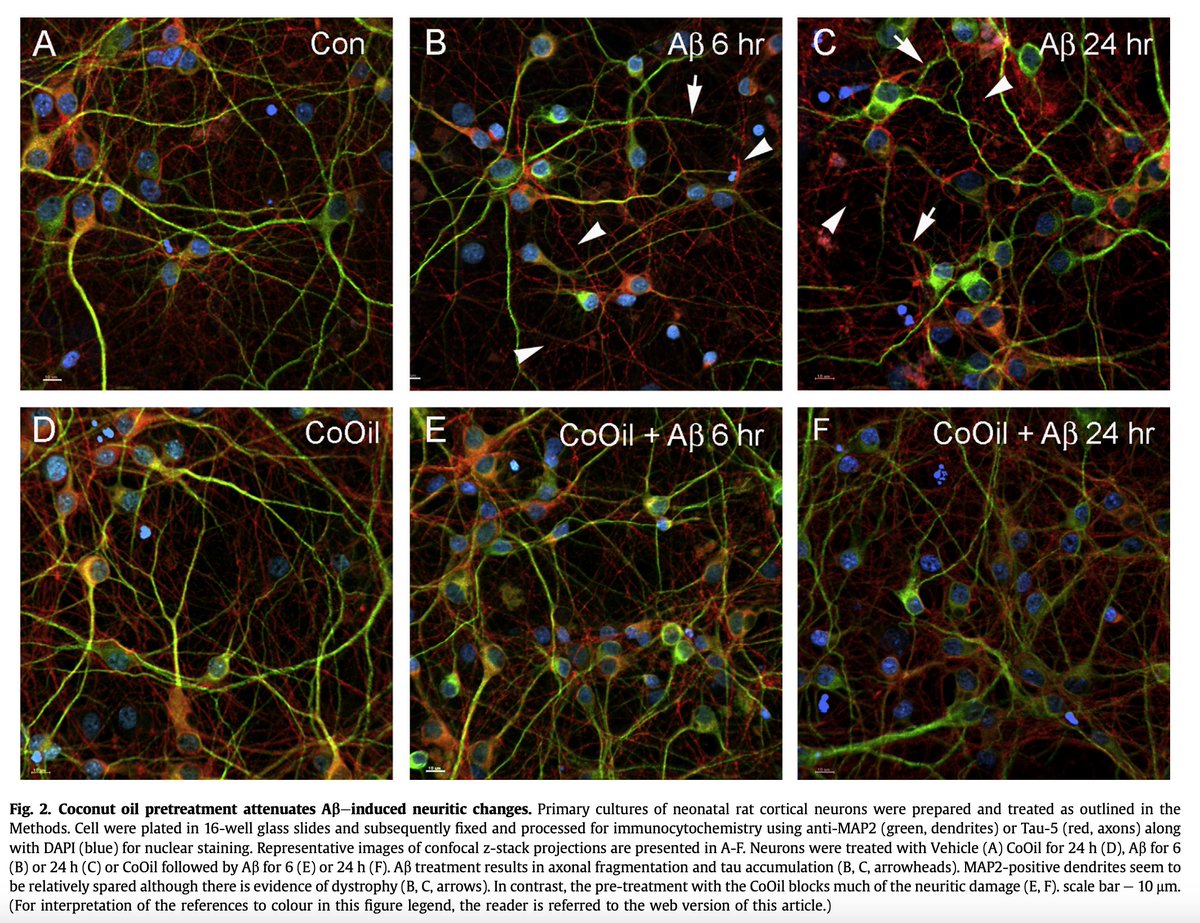
◈ Prevents deterioration of brain cell structure
◈ Preserves synaptic vesicles for neurotransmission
due to its MCTs - fats that support the brain's metabolism when glucose metabolism is impaired.
11
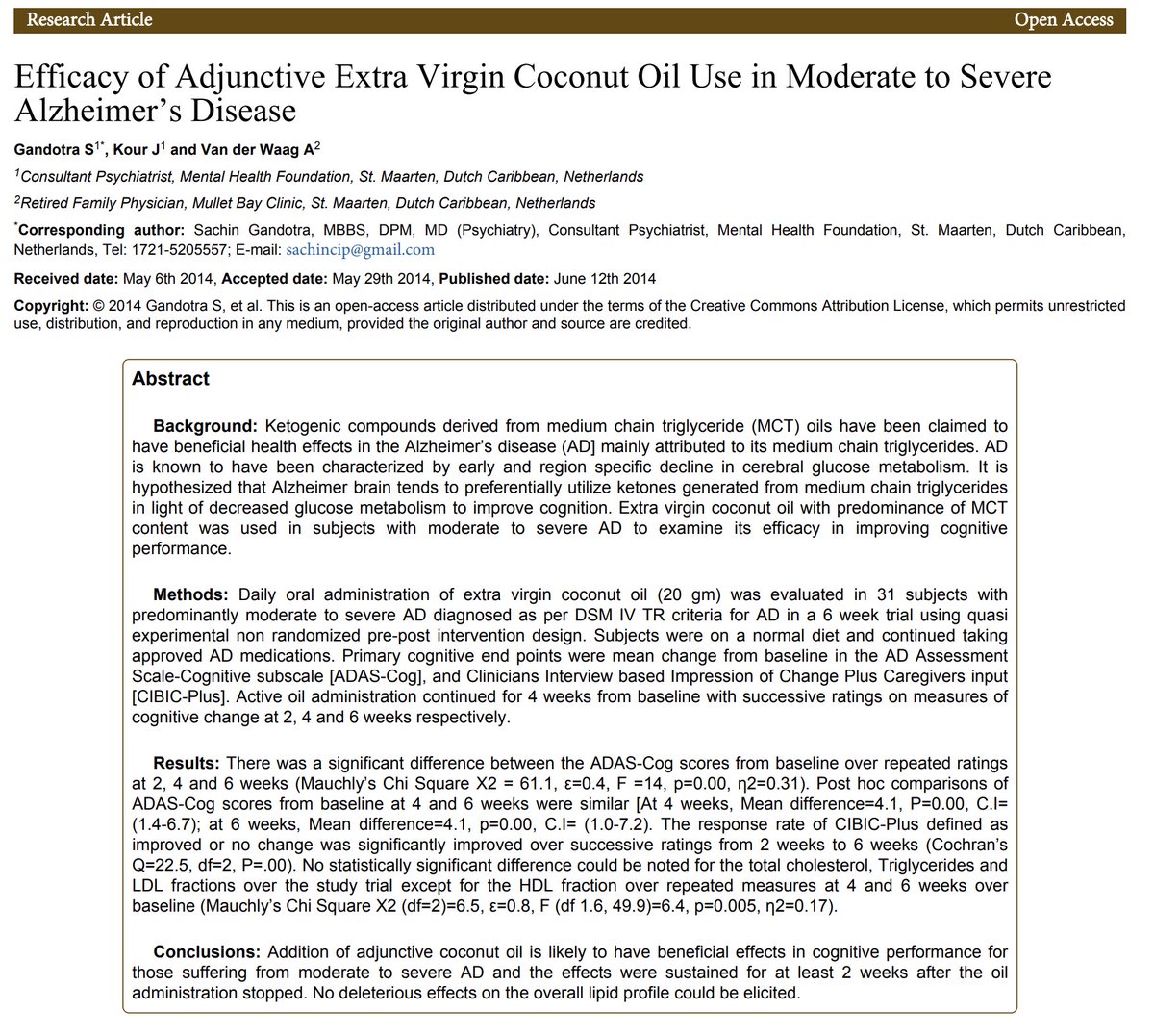
Coconut oil improves Alzheimer's disease.
20 g/day showed improvements in >80% of patients over 6 weeks.
More on the incredible benefits of coconut oil below.

20 g/day showed improvements in >80% of patients over 6 weeks.
More on the incredible benefits of coconut oil below.
Dalton (Analyze & Optimize)@Outdoctrination
The anti-cancer, metabolism boosting and cognitive enhancing tool that's been hiding in your cabinet.
COCONUT OIL is simply a marvel for your health, here's why:
COCONUT OIL is simply a marvel for your health, here's why:
12
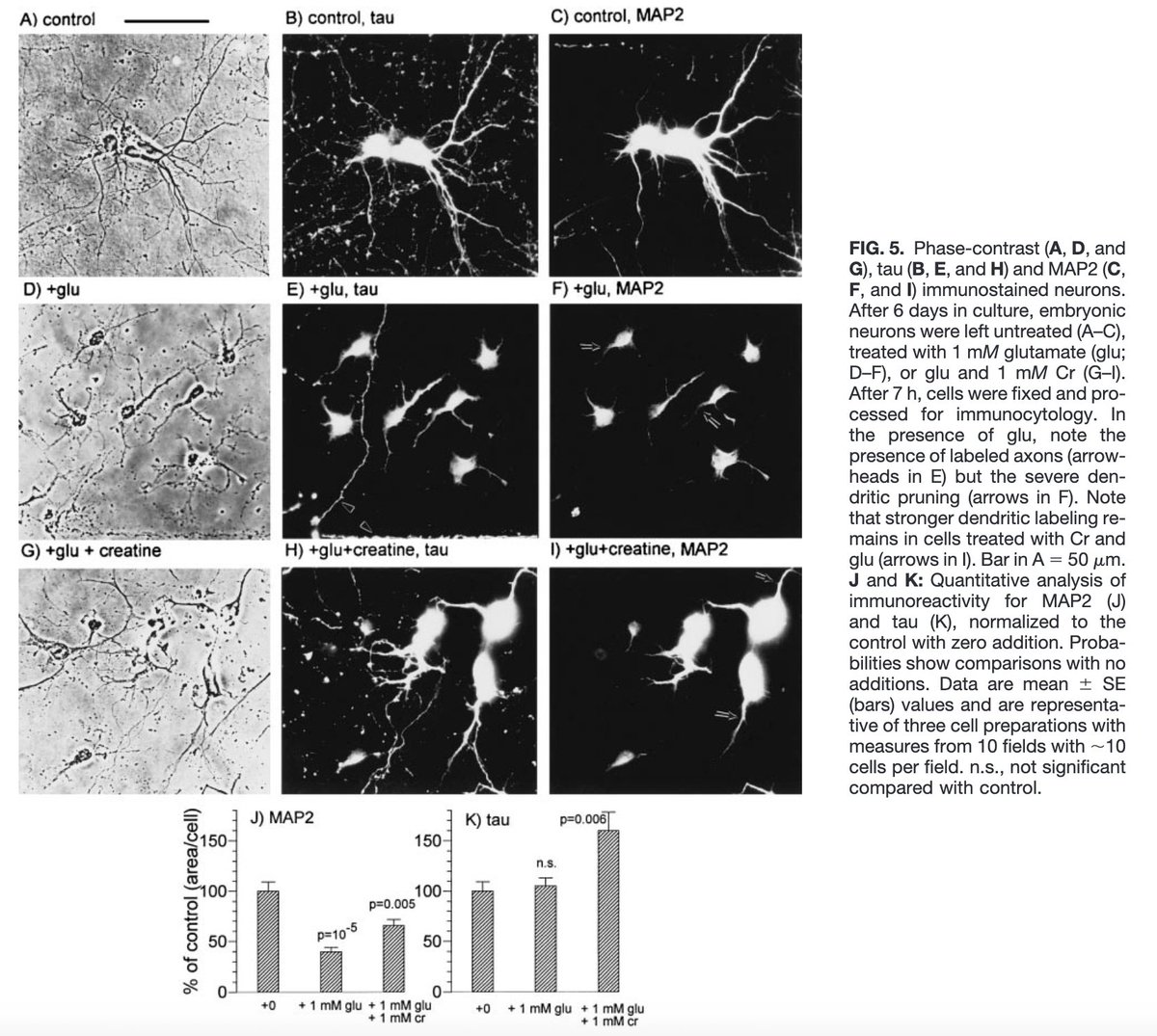
Creatine for Alzheimer's.
Impaired creatine metabolism can drive protein accumulation + brain cell damage.
Supplying creatine back combats this, protecting neurons and reducing protein accumulation.
This is because creatine supports glucose metabolism.
Impaired creatine metabolism can drive protein accumulation + brain cell damage.
Supplying creatine back combats this, protecting neurons and reducing protein accumulation.
This is because creatine supports glucose metabolism.
Dalton (Analyze & Optimize)@Outdoctrination
Gym goers have been taking this forever.
Little did they know the real gains came in their brain.
For mental health and cognitive enhancement, here's why CREATINE might be your missing link:
Little did they know the real gains came in their brain.
For mental health and cognitive enhancement, here's why CREATINE might be your missing link:
13
AMYLOID - the central player in Alzheimer's.
Amyloid β plaques are a household name at this point.
Amyloid β oligomers:
◇ Brain cell death
◇ Excitotoxicity
◇ Oxidative stress
◇ Neurotransmission imbalances
◇ Ion flux disruptions
◇ Inhibition of mitochondrial enzymes
◇ Mitochondrial membrane depolarization
◇ Inhibition of memory formation
◇ Inflammation
◇ Increased calcium uptake
◇ Impaired BDNF / TRKB signaling,
◇ Increased MMP9, which degrades neuron growth factor
So yeah, it's definitely bad.
HOWEVER, focusing on removing it, aka Pharma's approach, clearly is lackluster, at best.
The goal is - how can we:
1. Reduce harmful amyloid production to begin with
2. Reduce its toxicity of it does get formed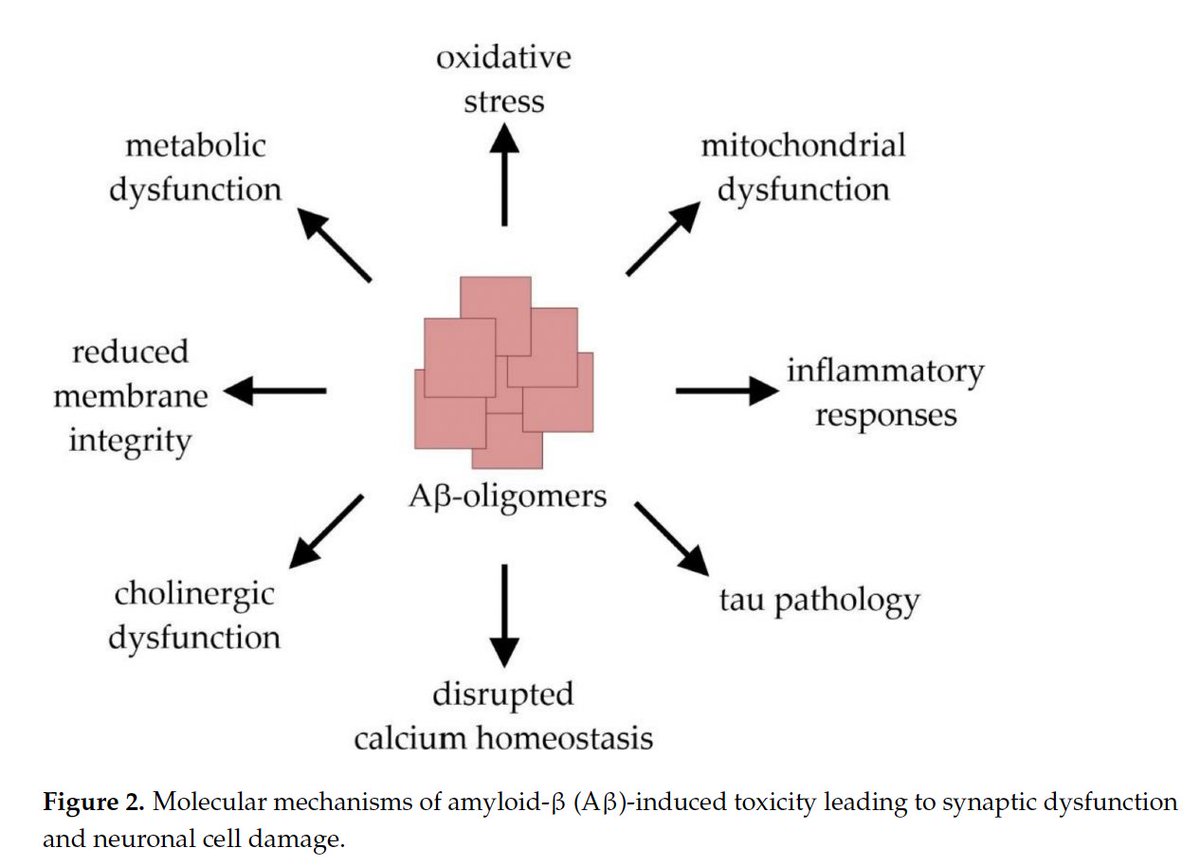
Amyloid β plaques are a household name at this point.
Amyloid β oligomers:
◇ Brain cell death
◇ Excitotoxicity
◇ Oxidative stress
◇ Neurotransmission imbalances
◇ Ion flux disruptions
◇ Inhibition of mitochondrial enzymes
◇ Mitochondrial membrane depolarization
◇ Inhibition of memory formation
◇ Inflammation
◇ Increased calcium uptake
◇ Impaired BDNF / TRKB signaling,
◇ Increased MMP9, which degrades neuron growth factor
So yeah, it's definitely bad.
HOWEVER, focusing on removing it, aka Pharma's approach, clearly is lackluster, at best.
The goal is - how can we:
1. Reduce harmful amyloid production to begin with
2. Reduce its toxicity of it does get formed
14
Tau proteins are also a key player.
These are proteins that wrap around structural proteins called microtubules.
They can become detached and drive all sorts of problems:
↦ Drive inflammation
↦ Cause oxidative stress
↦ Directly neurotoxic
Tau proteins actually induce chain reactions where they promote their own production, too. This is probably why Alzheimer's is a progressive condition in most instances.
But again, we are left asking how we can:
1. Reduce harmful tau hyperphosphorylation to begin with
2. Reduce its toxicity of it does get formed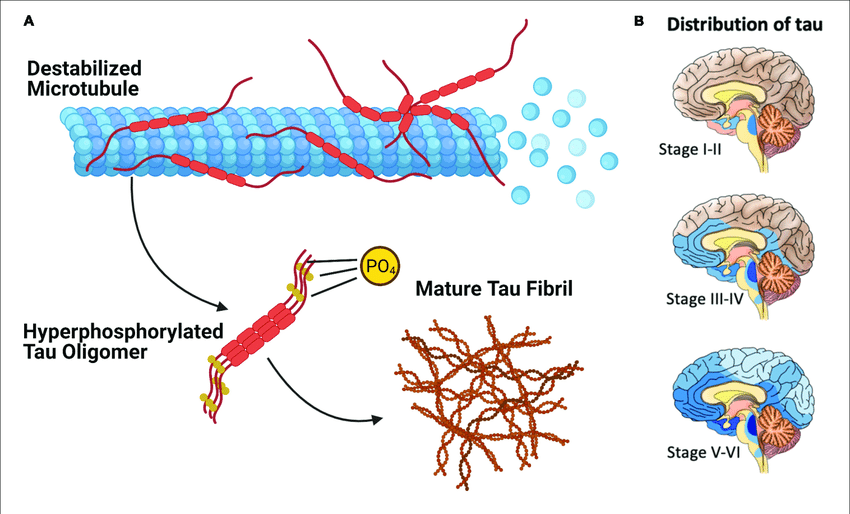
These are proteins that wrap around structural proteins called microtubules.
They can become detached and drive all sorts of problems:
↦ Drive inflammation
↦ Cause oxidative stress
↦ Directly neurotoxic
Tau proteins actually induce chain reactions where they promote their own production, too. This is probably why Alzheimer's is a progressive condition in most instances.
But again, we are left asking how we can:
1. Reduce harmful tau hyperphosphorylation to begin with
2. Reduce its toxicity of it does get formed
15
INFLAMMATION promotes amyloid production.
When neurons are exposed to inflammatory stimuli, they undergo molecular cascades that actually promote the cross seeding of amyloid peptides.
This cross seeding is what makes amyloid pathogenic.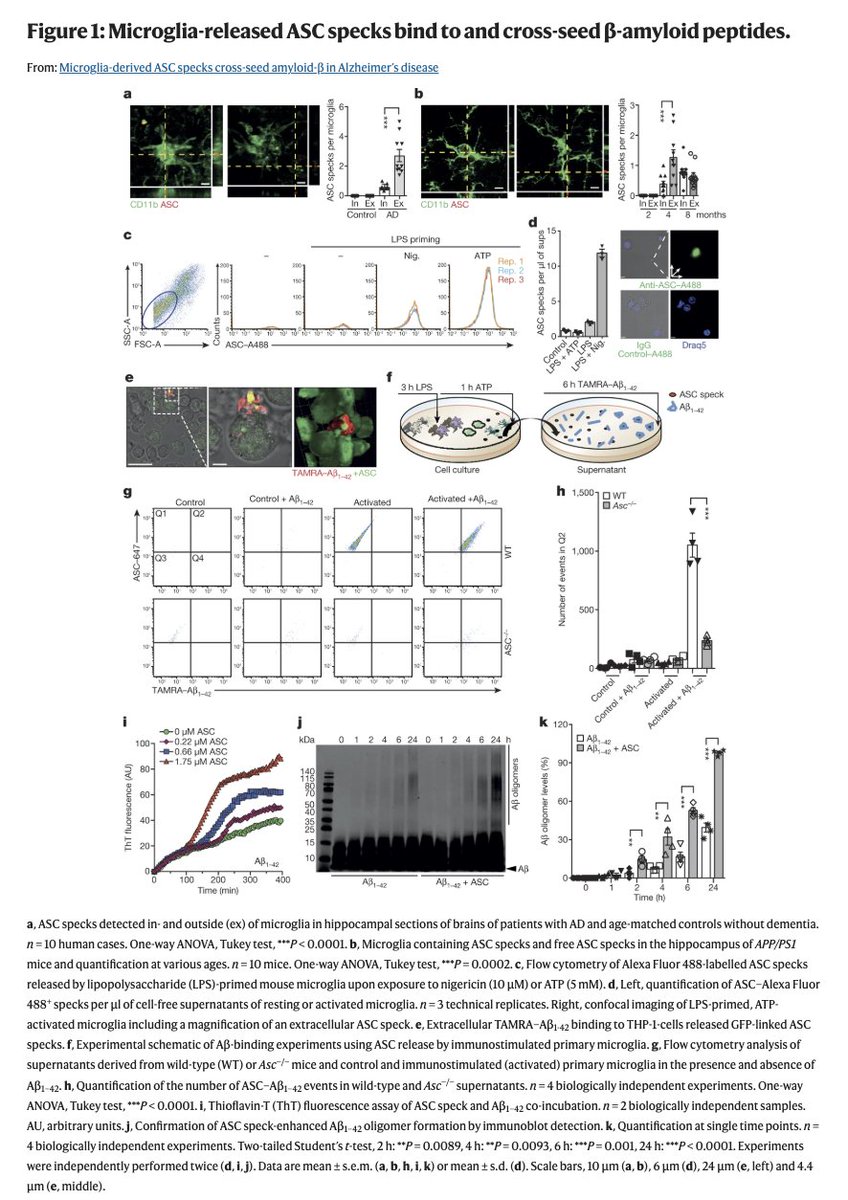
When neurons are exposed to inflammatory stimuli, they undergo molecular cascades that actually promote the cross seeding of amyloid peptides.
This cross seeding is what makes amyloid pathogenic.
16
Inflammation drives tau phosphorylation, and vice versa.
Inflammatory proteins can directly activate enzymes that phosphorylate tau, making it pathogenic.
Amyloid production ALSO increases tau phosphorylation, by increasing inflammation.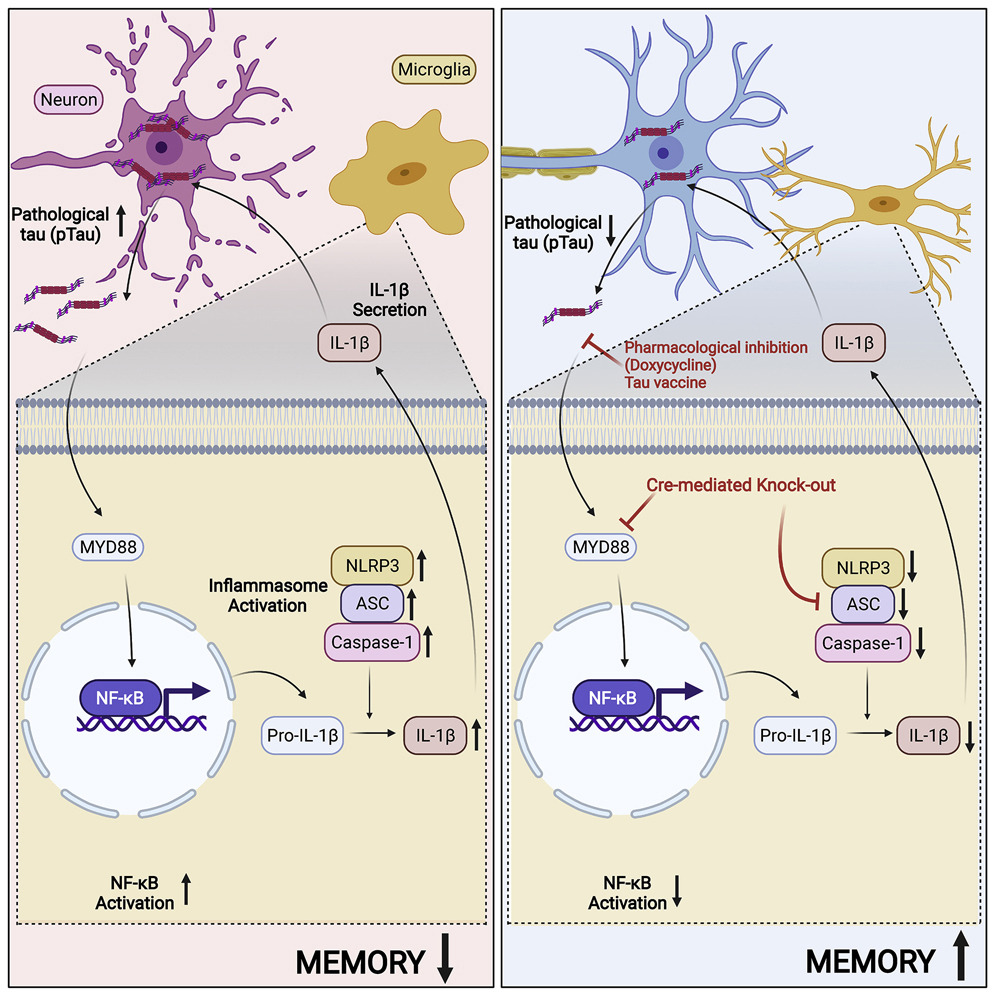
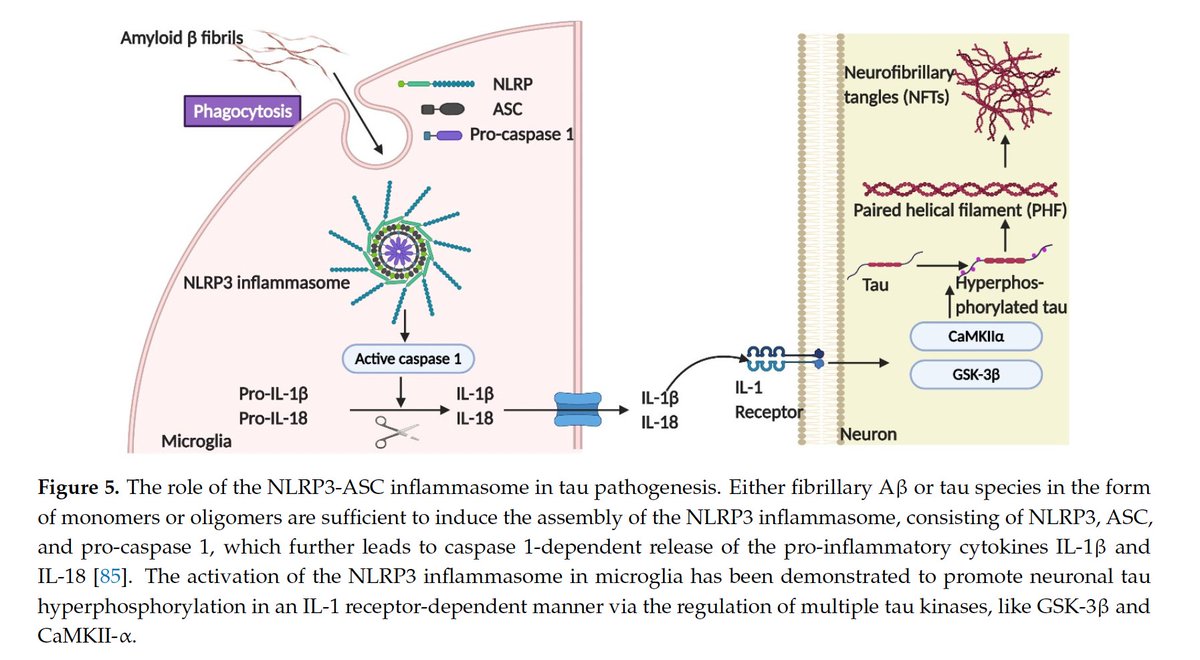
Inflammatory proteins can directly activate enzymes that phosphorylate tau, making it pathogenic.
Amyloid production ALSO increases tau phosphorylation, by increasing inflammation.
17
What is the inflammatory stimuli?
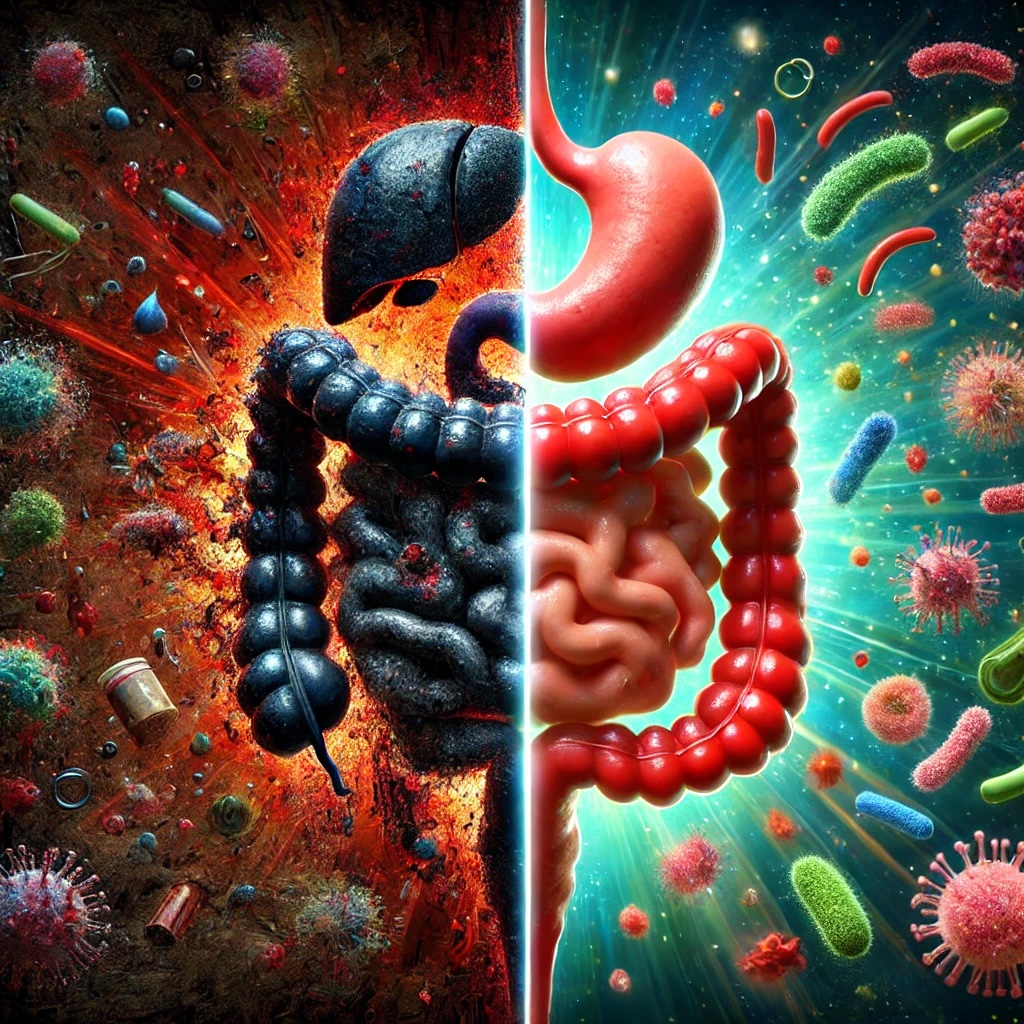
Well, it is often LPS (endotoxin).
This is a component of bacteria from the gut.
If your gut is unhealthy, it actually invades every inch of your body and drives inflammation + disease.
Fix your gut first.
Well, it is often LPS (endotoxin).
This is a component of bacteria from the gut.
If your gut is unhealthy, it actually invades every inch of your body and drives inflammation + disease.
Fix your gut first.
Dalton (Analyze & Optimize)@Outdoctrination
READ THIS IF YOU WANT TO FIX YOUR GUT.
If you have IBS, bloating, gas, poor bowel movements or brain fog, you NEED to see this.
This is a comprehensive DEEP dive into fixing your digestive health:
If you have IBS, bloating, gas, poor bowel movements or brain fog, you NEED to see this.
This is a comprehensive DEEP dive into fixing your digestive health:
18
Oxidative stress promotes amyloid production.
Increasing oxidative stress promotes the production of amyloid from its precursor.
Oxidative stress is when free radical production overrides our antioxidant capacity.
Inflammation drives oxidative stress (and vice versa).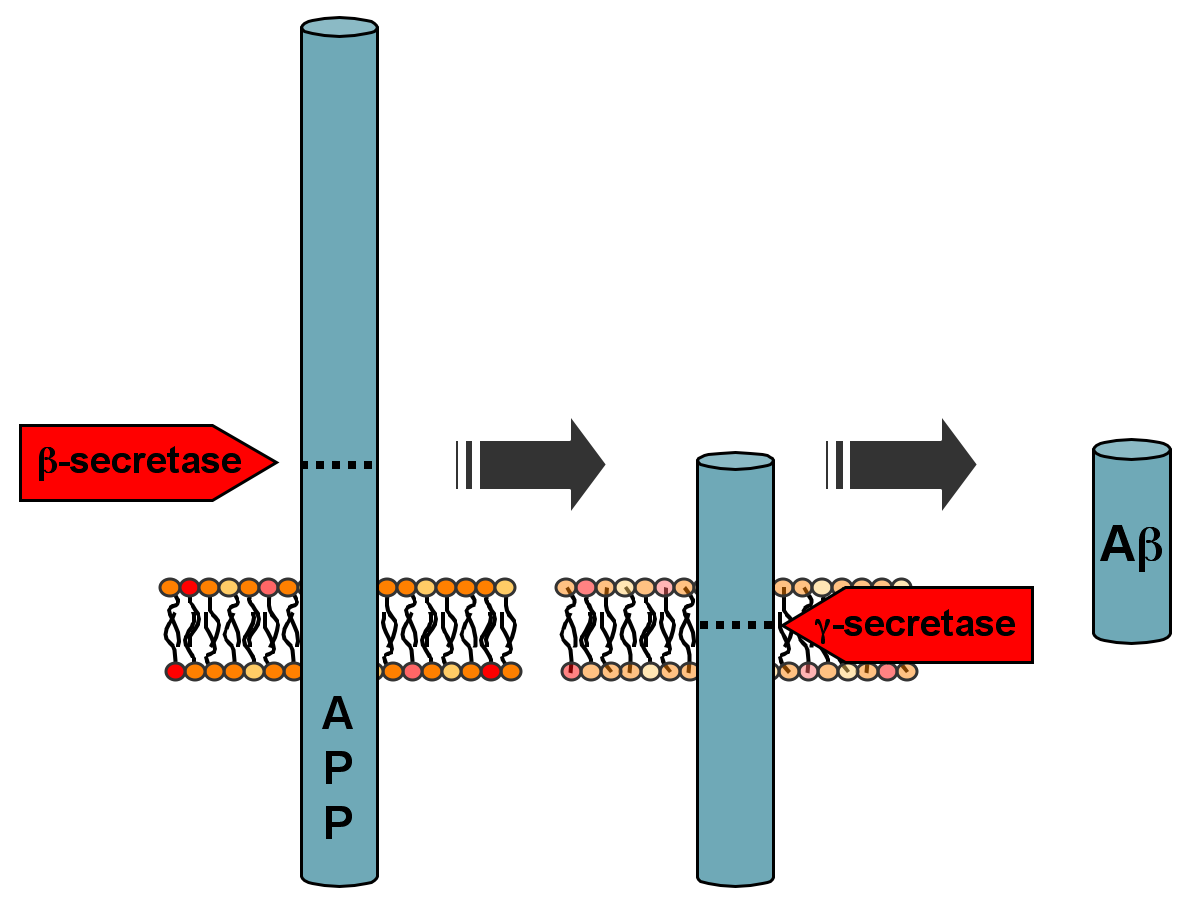
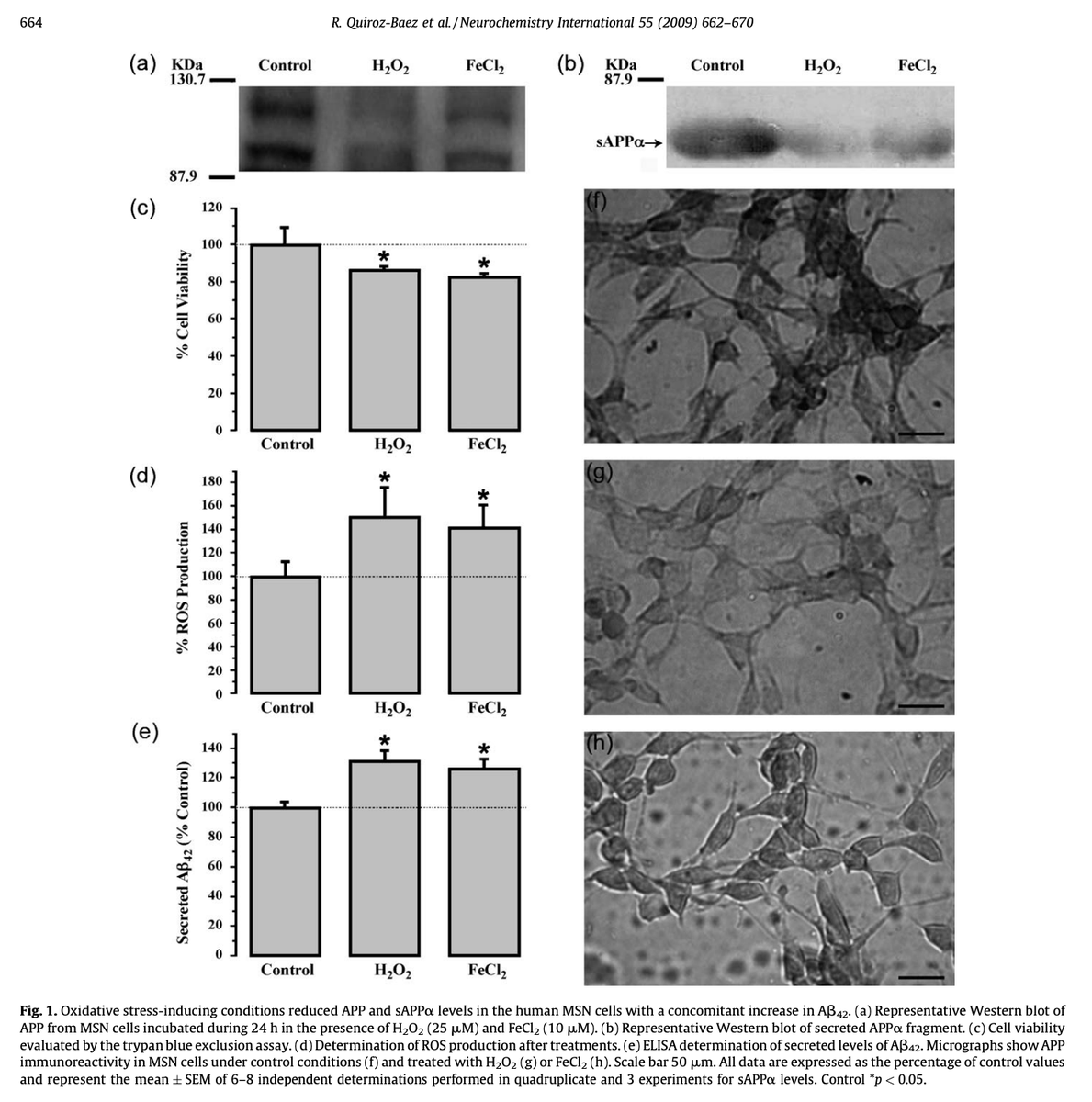
Increasing oxidative stress promotes the production of amyloid from its precursor.
Oxidative stress is when free radical production overrides our antioxidant capacity.
Inflammation drives oxidative stress (and vice versa).
19
SEED OILS in Alzheimer's.
Lipid peroxidation causes proteins to tangle up - which is seen in Alzheimer's.
Lipid peroxidation is the process by which oxidative stress damaged the fats in our tissues.
Specifically, the omega 6 fat linoleic acid, found mainly in SEED OILS.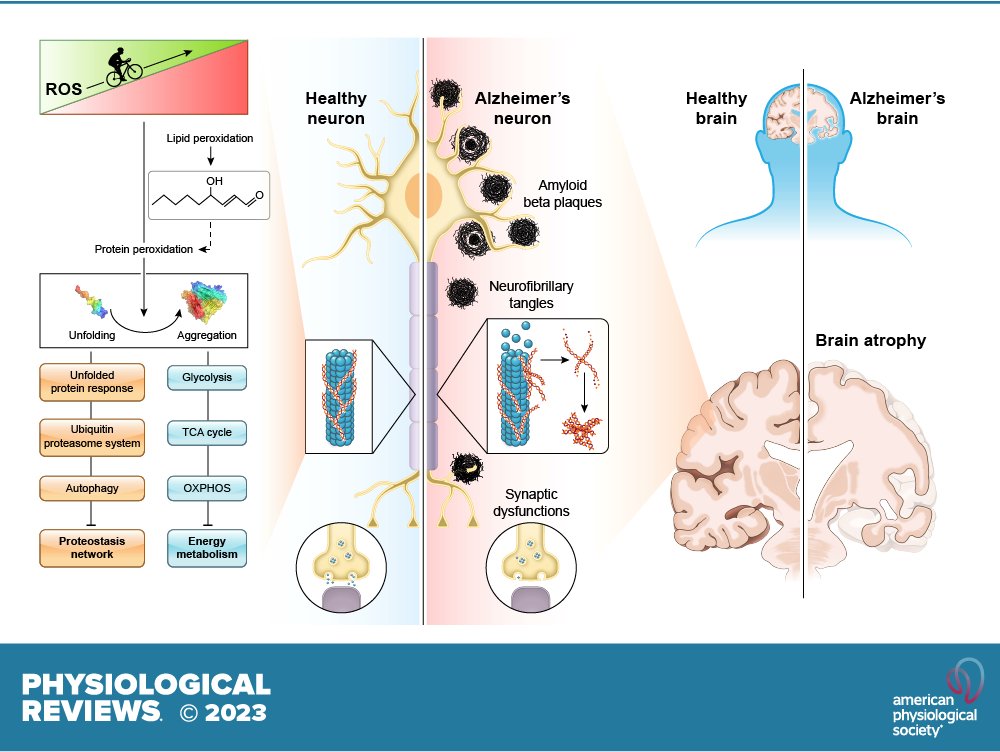
Lipid peroxidation causes proteins to tangle up - which is seen in Alzheimer's.
Lipid peroxidation is the process by which oxidative stress damaged the fats in our tissues.
Specifically, the omega 6 fat linoleic acid, found mainly in SEED OILS.
20
Amyloid plaques drive oxidative stress + lipid peroxidation.
All of these processes are bidirectional - but by focusing on the core causes we can address it from all angles.
Avoiding seed oils to minimize lipid peroxidation is paramount.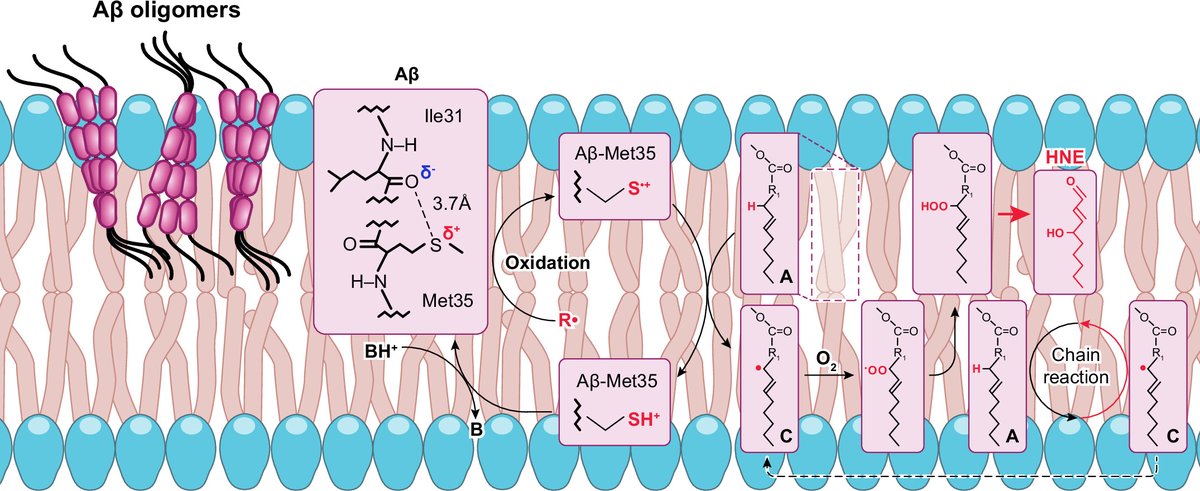
All of these processes are bidirectional - but by focusing on the core causes we can address it from all angles.
Avoiding seed oils to minimize lipid peroxidation is paramount.
21
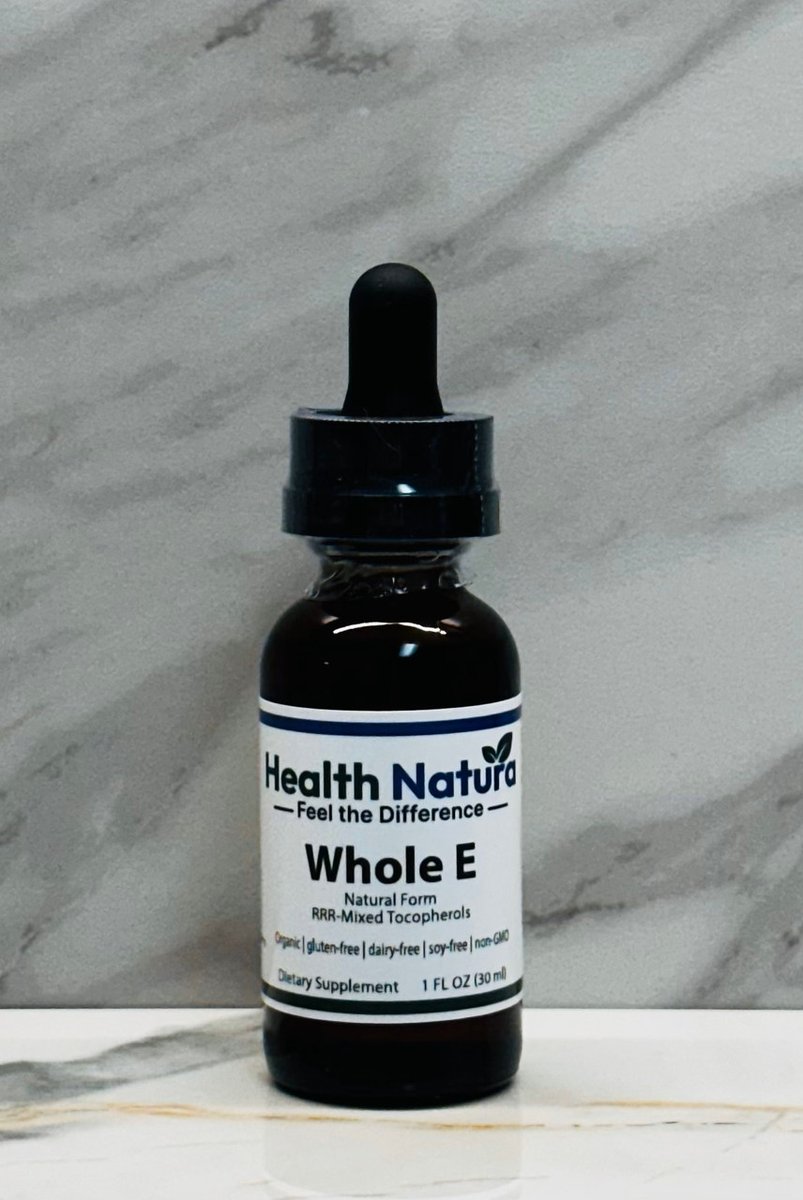
Vitamin E prevents Alzheimer's disease.
Dementia patients given 2,000 IU / d of vitamin E improved cognition and slowed disease progression.
Vitamin E is our body's natural antioxidant to stop lipid peroxidation.
More on the role / benefits of vitamin E below.
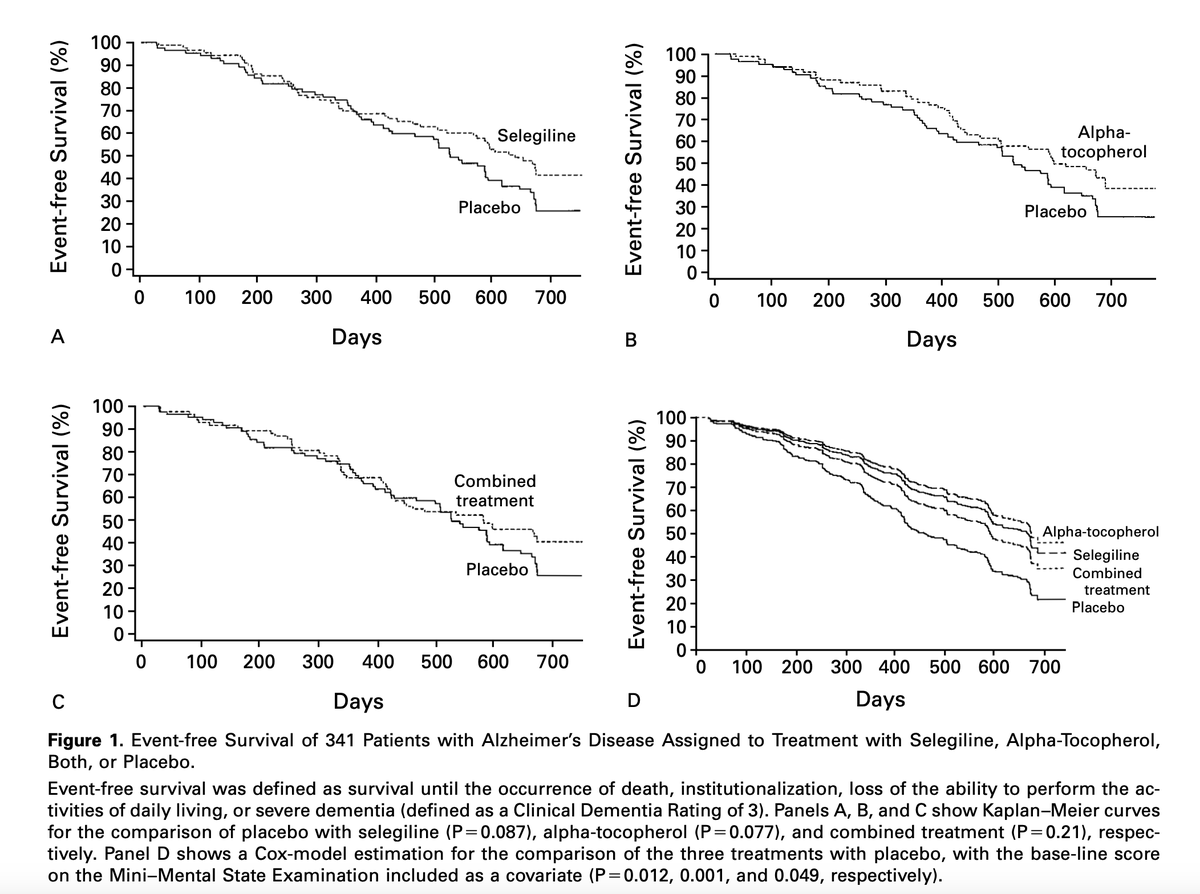
Dementia patients given 2,000 IU / d of vitamin E improved cognition and slowed disease progression.
Vitamin E is our body's natural antioxidant to stop lipid peroxidation.
More on the role / benefits of vitamin E below.
Dalton (Analyze & Optimize)@Outdoctrination
The universal protector.
For the poisons of the modern world, VITAMIN E is one of the best tools to maintain your health.
Here's why:
For the poisons of the modern world, VITAMIN E is one of the best tools to maintain your health.
Here's why:
22
One cause of oxidative stress and lipid peroxidation is TOXIC/HEAVY METALS.
Aluminum levels are high in the Alzheimer's brain.
⊛ Causes brain atrophy
⊛ Drives plaque deposition
⊛ Induces oxidative stress, inflammation
It's in plenty of foods and drugs (especially vaccines).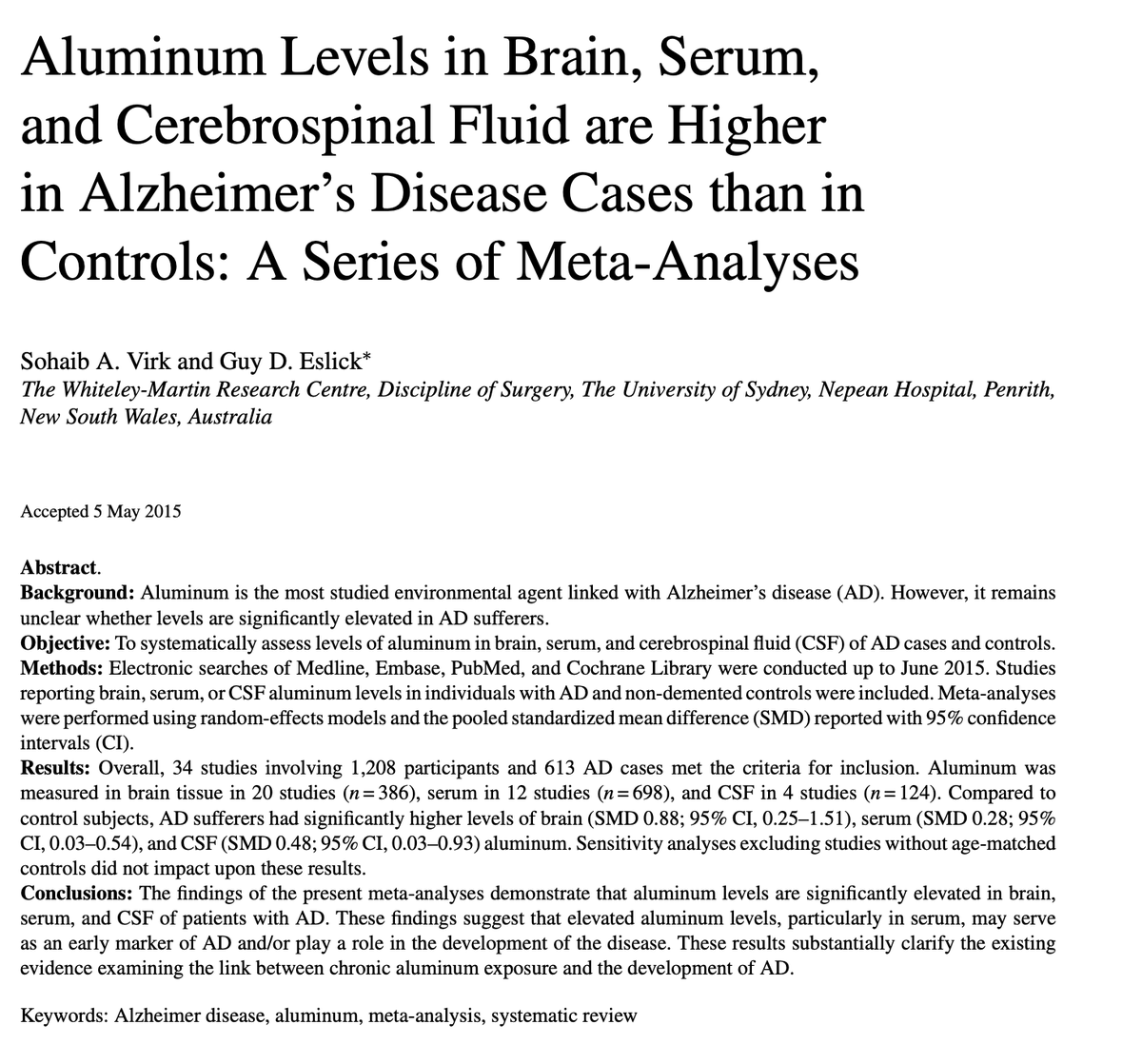
Aluminum levels are high in the Alzheimer's brain.
⊛ Causes brain atrophy
⊛ Drives plaque deposition
⊛ Induces oxidative stress, inflammation
It's in plenty of foods and drugs (especially vaccines).
23
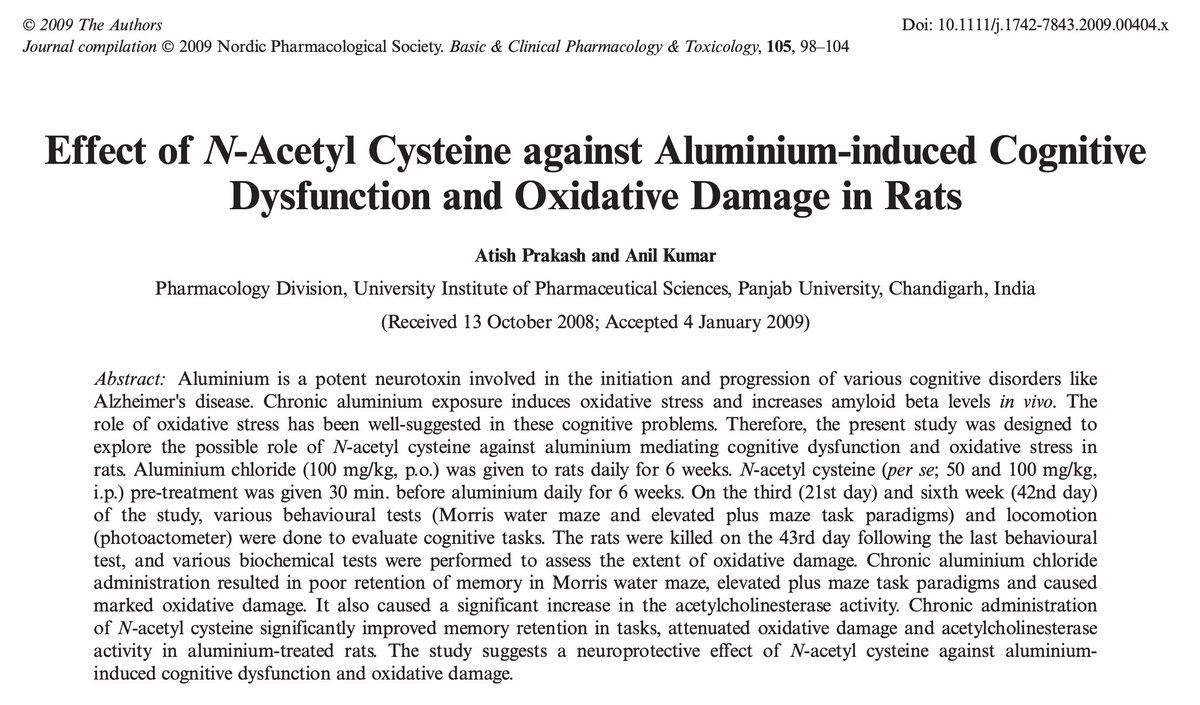
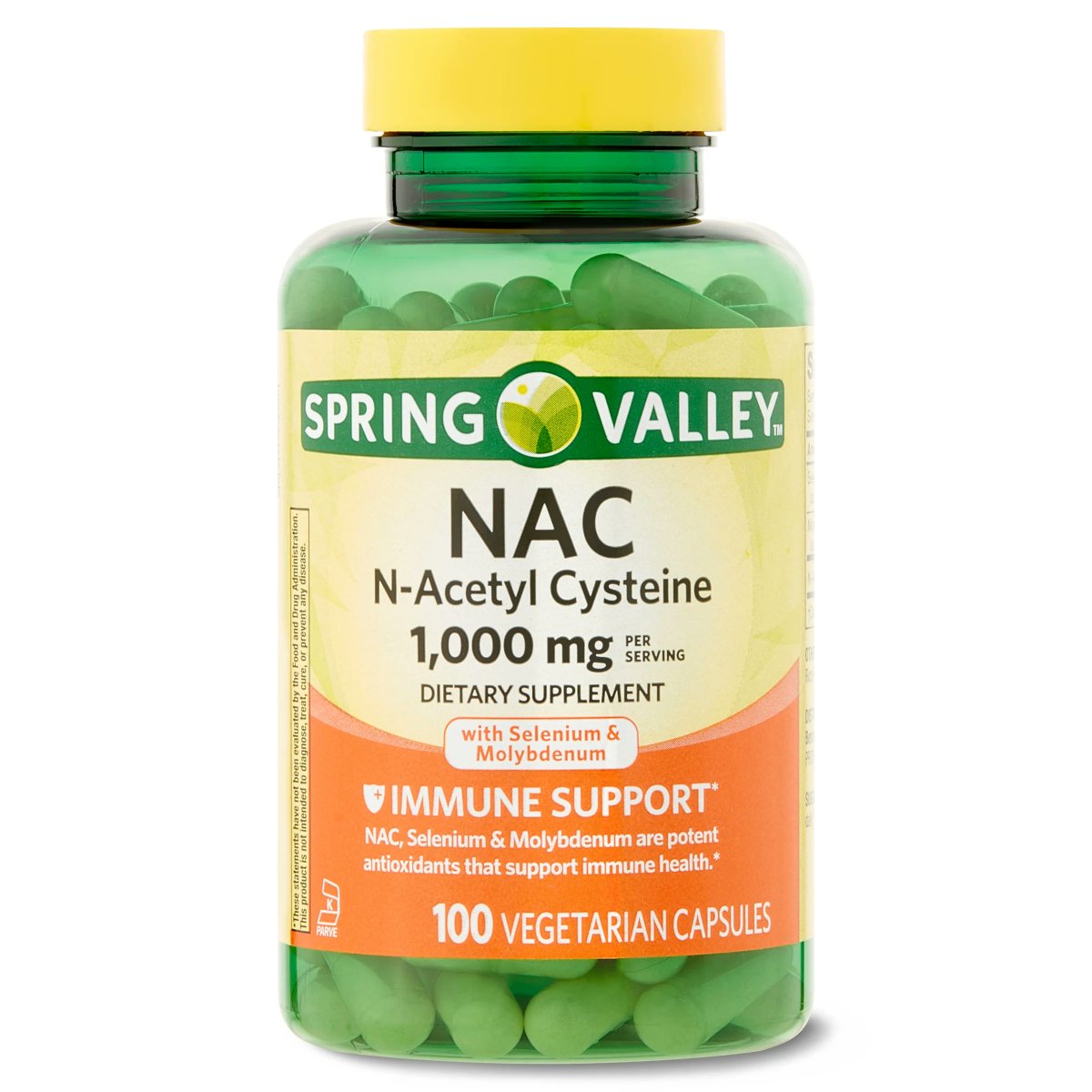
N-acetylcysteine (NAC) reverses brain damage from aluminum.
NAC ups our levels of glutathione - a master antioxidant / detoxifying peptide in the body.
This gives it protective properties against oxidative stress insults to the brain.
More on NAC below.
NAC ups our levels of glutathione - a master antioxidant / detoxifying peptide in the body.
This gives it protective properties against oxidative stress insults to the brain.
More on NAC below.
Dalton (Analyze & Optimize)@Outdoctrination
N-Acetylcysteine (NAC) is potent anti-aging medicine.
It extends lifespan, lowers inflammation, improves metabolism and even sexual function.
Let's cover the numerous benefits, the science and how you can implement it:
It extends lifespan, lowers inflammation, improves metabolism and even sexual function.
Let's cover the numerous benefits, the science and how you can implement it:
24
Mushrooms cut risk of Alzheimer's, dementia by over half.
One serving of mushrooms / week cuts risk by 75%.
This is likely due to the high ergothioneine content of mushrooms - a powerful antioxidant whose levels are low in Alzheimer's.
More on the incredible mushrooms below.
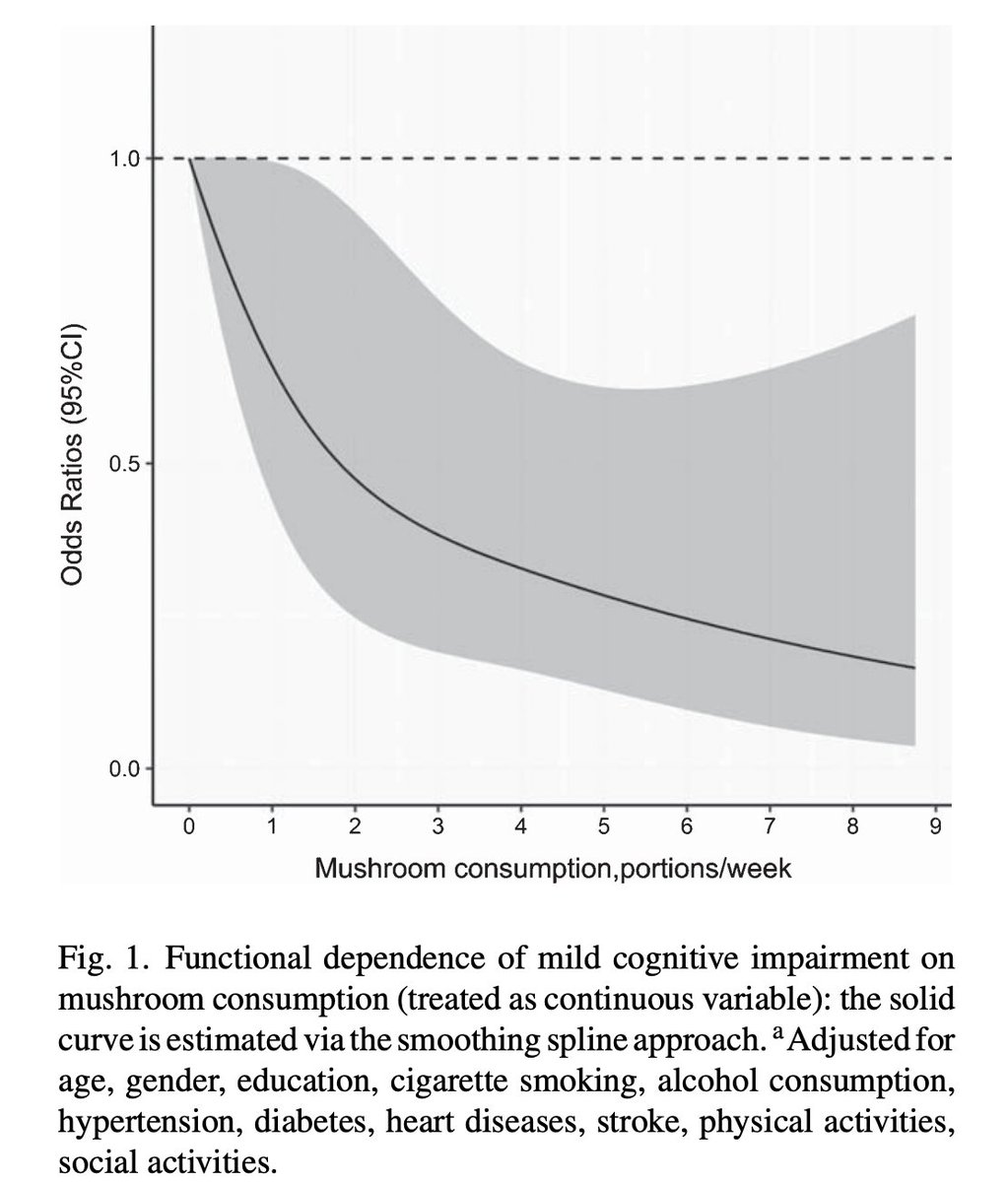

One serving of mushrooms / week cuts risk by 75%.
This is likely due to the high ergothioneine content of mushrooms - a powerful antioxidant whose levels are low in Alzheimer's.
More on the incredible mushrooms below.
Dalton (Analyze & Optimize)@Outdoctrination
Mushrooms' medicinal properties are incredible.
𓋼 Reduces cancer risk by nearly ~50%
𓋼 Reduce scognitive decline by ~75%
𓋼 Antidepressant
𓋼 Increases lifespanlth
𓋼 Increase lifespan
𓋼 Supports brain cell growth
𓋼 Improves sleep
𓋼 Lower estrogen
𓋼 Antibacterial
𓋼 Powerful antioxidants
You really only do need a handful of them a day (cooked), to get lots of the bioactive compounds.
Even 1-2 times per week can reap huge benefits.
I have them almost every day, and they're a staple with our clients, consistently reaping benefits.
Just make sure to cook them thoroughly.
𓋼 Reduces cancer risk by nearly ~50%
𓋼 Reduce scognitive decline by ~75%
𓋼 Antidepressant
𓋼 Increases lifespanlth
𓋼 Increase lifespan
𓋼 Supports brain cell growth
𓋼 Improves sleep
𓋼 Lower estrogen
𓋼 Antibacterial
𓋼 Powerful antioxidants
You really only do need a handful of them a day (cooked), to get lots of the bioactive compounds.
Even 1-2 times per week can reap huge benefits.
I have them almost every day, and they're a staple with our clients, consistently reaping benefits.
Just make sure to cook them thoroughly.
25
Other ways to support your antioxidant system:
☆ Vitamin C
☆ B1
☆ B2
☆ Selenium
☆ Copper
☆ Zinc
☆ NAc
☆ Glycine
☆ Taurine
☆ Red / near infrared / sun light
☆ Foods rich in these nutrients (liver, oysters, meat, gelatinous foods)
☆ Foods rich in flavonoids (fruits, whole juices, coffee, chocolate)
☆ Plenty of carbohydrates
☆ Run iron labs, potentially some more comprehensive panels if serious enough
☆ Vitamin C
☆ B1
☆ B2
☆ Selenium
☆ Copper
☆ Zinc
☆ NAc
☆ Glycine
☆ Taurine
☆ Red / near infrared / sun light
☆ Foods rich in these nutrients (liver, oysters, meat, gelatinous foods)
☆ Foods rich in flavonoids (fruits, whole juices, coffee, chocolate)
☆ Plenty of carbohydrates
☆ Run iron labs, potentially some more comprehensive panels if serious enough
26
Glutamate excess kills brain cells.
An excess of glutamate, the primary excitatory neurotransmitter, is another cause of brain cell death.
GABA is the primary inhibitory neurotransmitter - opposing glutamate's effects.
Things that increase GABA are therapeutic in Alzheimer's.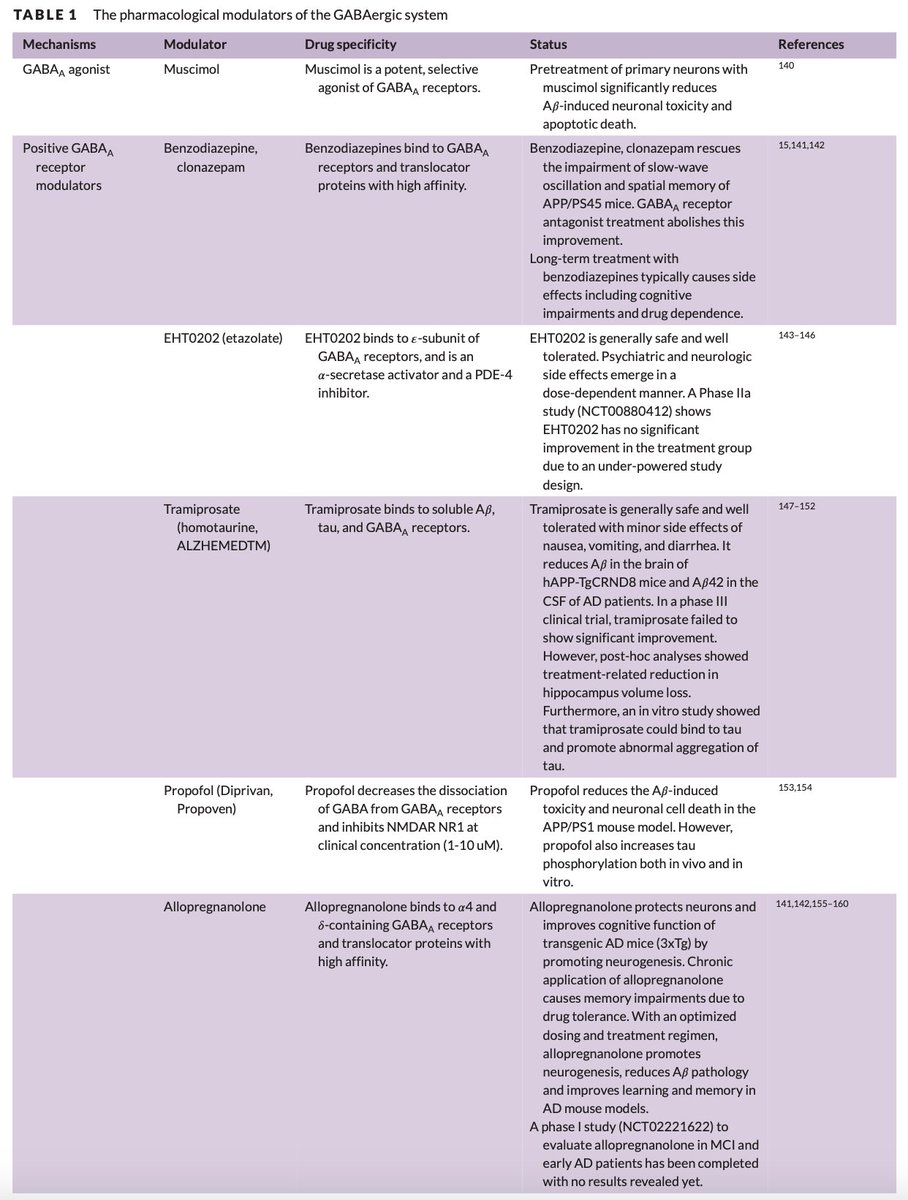
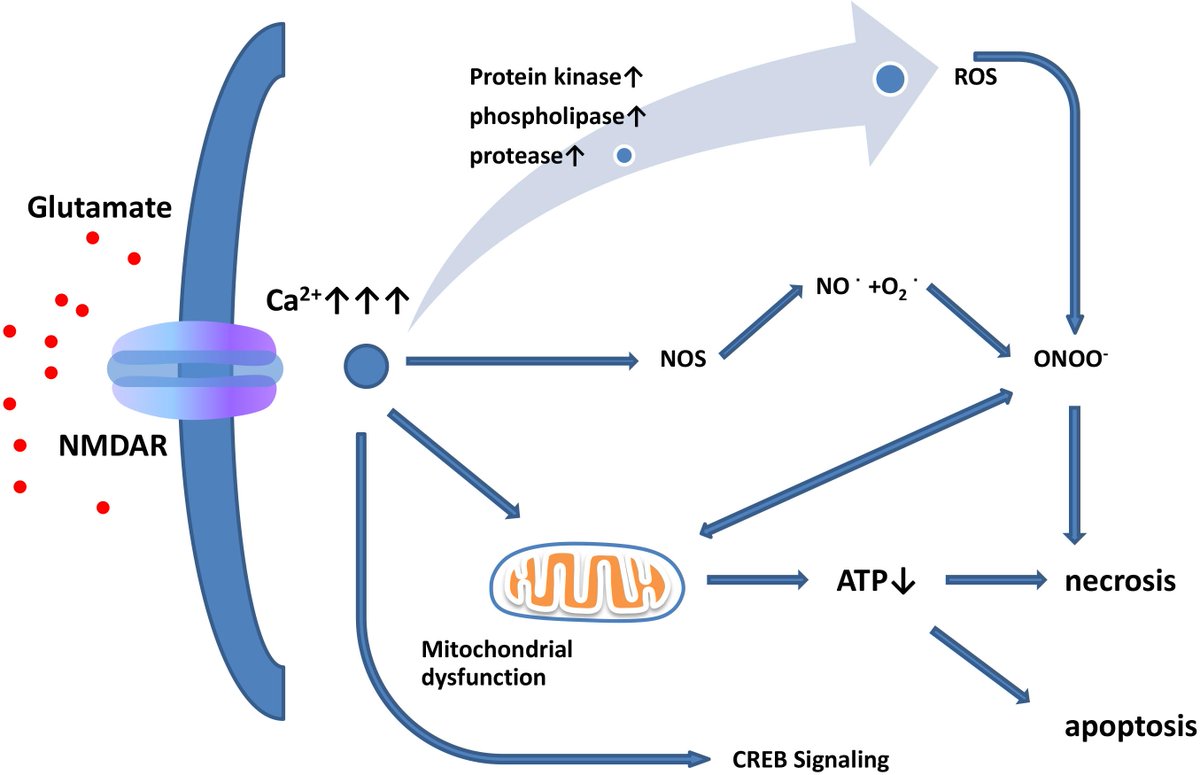
An excess of glutamate, the primary excitatory neurotransmitter, is another cause of brain cell death.
GABA is the primary inhibitory neurotransmitter - opposing glutamate's effects.
Things that increase GABA are therapeutic in Alzheimer's.
27
Glutamate can exert this toxicity through the NMDA receptors.
Some tools that promote GABA / lower glutamate / block NMDA receptors:
◇ Magnesium
◇ Zinc
◇ Agmatine
◇ Oral GABA
◇ Pregnenolone / Progesterone
◇ Theanine
◇ NAC
◇ Taurine
Some tools that promote GABA / lower glutamate / block NMDA receptors:
◇ Magnesium
◇ Zinc
◇ Agmatine
◇ Oral GABA
◇ Pregnenolone / Progesterone
◇ Theanine
◇ NAC
◇ Taurine
28
Pregnenolone metabolite therapeutic for Alzheimer's.
Allopregnanolone:
• Decreases hippocampal (brain region) volume loss
• Promotes myelination
• Increases neuron fiber density
• Increases brain connectivity
Achievable with 20+ mg doses oral pregnenolone/progesterone.

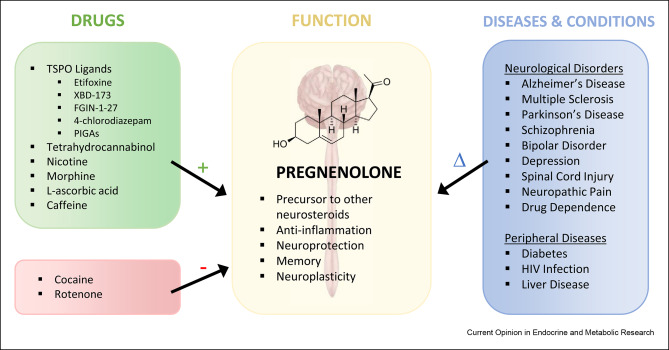

Allopregnanolone:
• Decreases hippocampal (brain region) volume loss
• Promotes myelination
• Increases neuron fiber density
• Increases brain connectivity
Achievable with 20+ mg doses oral pregnenolone/progesterone.
Dalton (Analyze & Optimize)@Outdoctrination
Your body’s ultimate neuroprotective, mood enhancing, and mental health bolstering endogenous steroid: PREGNENOLONE
29
Magnesium l-threonate improves cognitive function.
⇒ Executive function
⇒ Impulsivity
⇒ Visual search
⇒ Visual attention
⇒ Motor speed
⇒ Working memory
⇒ Object/facial recognition
⇒ Overall cognition
improved with this form of magnesium - optimized for brain delivery.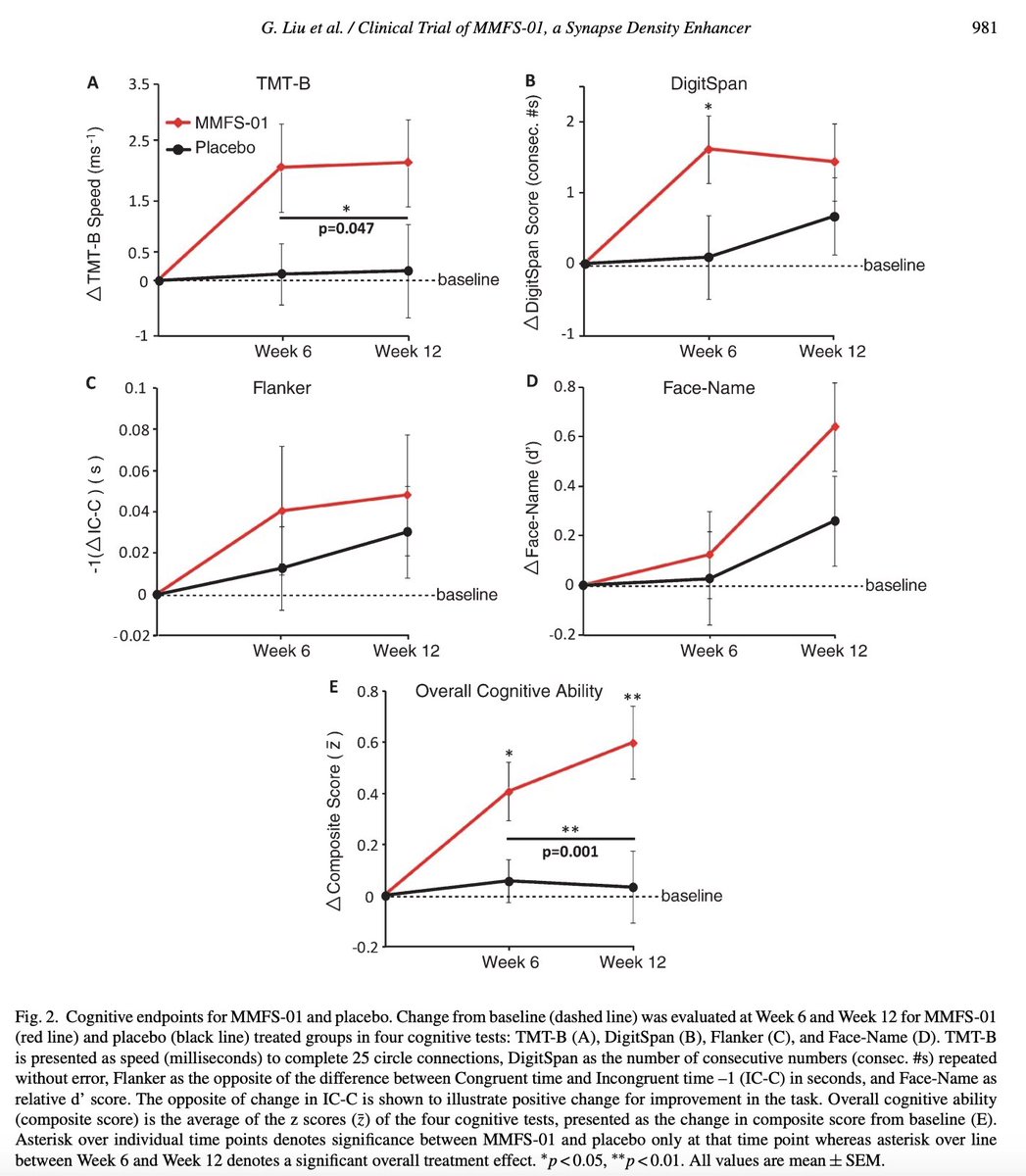
⇒ Executive function
⇒ Impulsivity
⇒ Visual search
⇒ Visual attention
⇒ Motor speed
⇒ Working memory
⇒ Object/facial recognition
⇒ Overall cognition
improved with this form of magnesium - optimized for brain delivery.
30
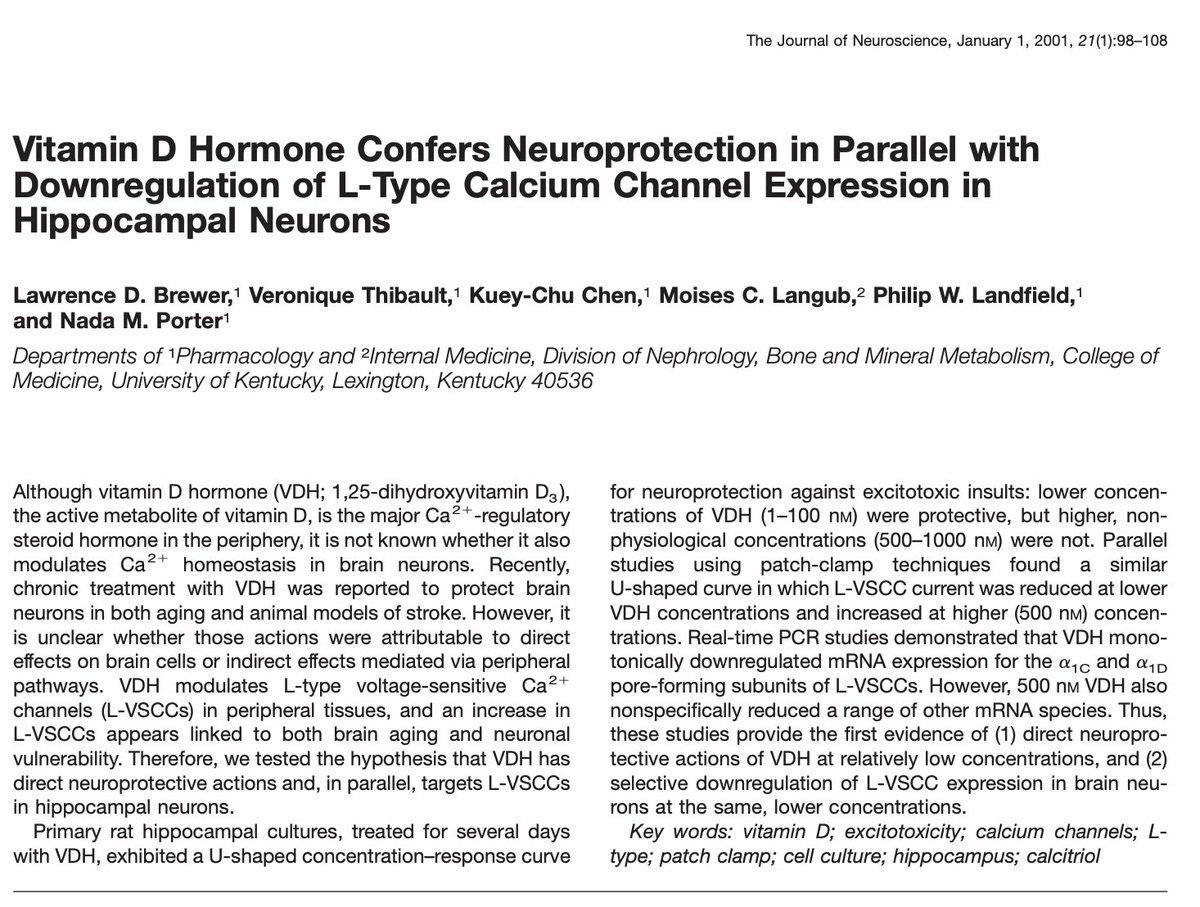
Vitamin D protects against brain cell death.
Vitamin D regulates calcium metabolism at many levels.
In brain cells, it prevents the excessive uptake of calcium, which is the key event that causes neuron death from glutamate.
I've written all about vitamin D below.
Vitamin D regulates calcium metabolism at many levels.
In brain cells, it prevents the excessive uptake of calcium, which is the key event that causes neuron death from glutamate.
I've written all about vitamin D below.
Dalton (Analyze & Optimize)@Outdoctrination
The FREE vitamin that NO ONE gets enough of.
WAY beyond preventing colds, it enhances brain function, crushes stress and massively improves energy.
Let's talk about the multifaceted benefits of VITAMIN D:
WAY beyond preventing colds, it enhances brain function, crushes stress and massively improves energy.
Let's talk about the multifaceted benefits of VITAMIN D:
31
Taurine improves Alzheimer's.
Increases glucose metabolism in the brain (red).
Taurine works on several of the key mechanisms we discusses:
● Improves antioxidant status
● Lowers inflammation
● Enhances mitochondrial function
● Decreases excitotoxicity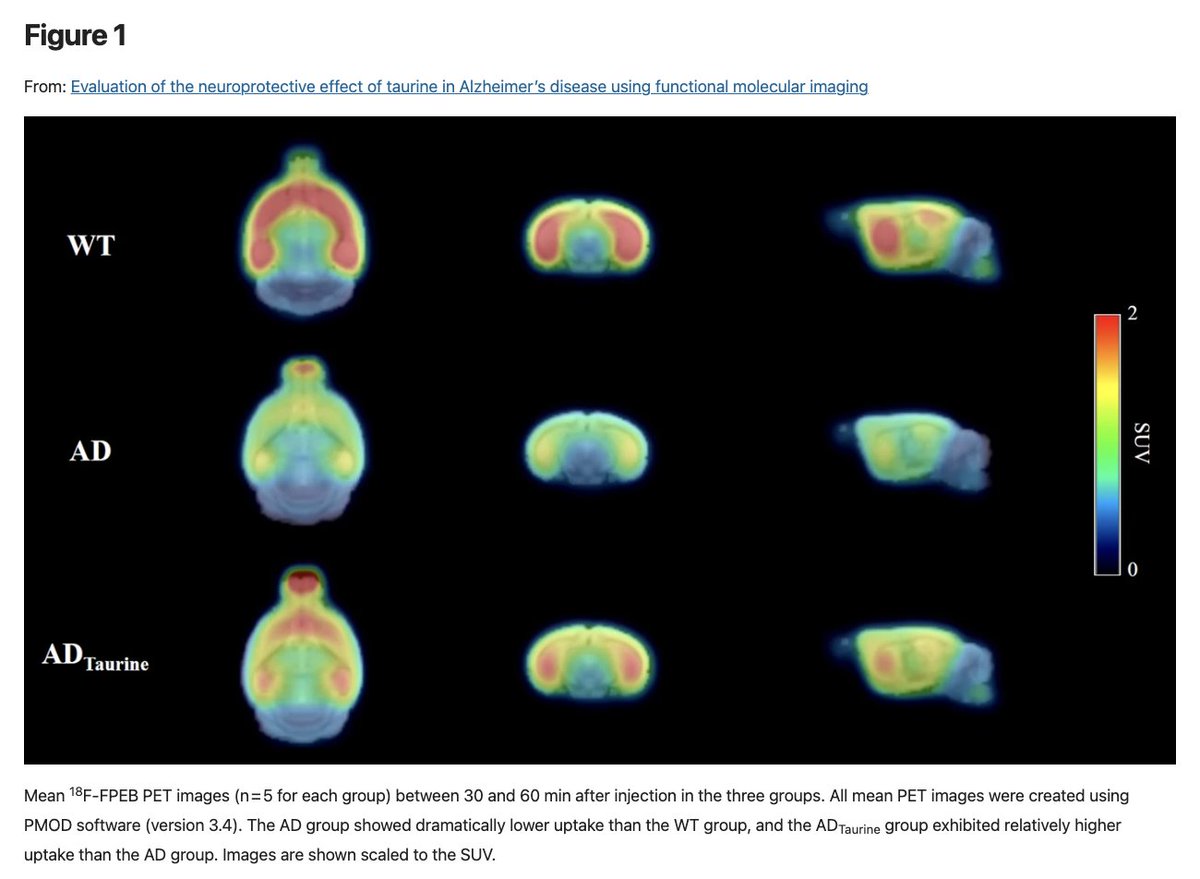
Increases glucose metabolism in the brain (red).
Taurine works on several of the key mechanisms we discusses:
● Improves antioxidant status
● Lowers inflammation
● Enhances mitochondrial function
● Decreases excitotoxicity
32
Enhancing glymphatic clearance is also key in preventing cognitive decline.
There is lymphatic fluid surrounding the brain that accumulates toxins, including the tau and amyloid proteins.
Without proper lymph flow, these proteins accumulate and cause all of these issues.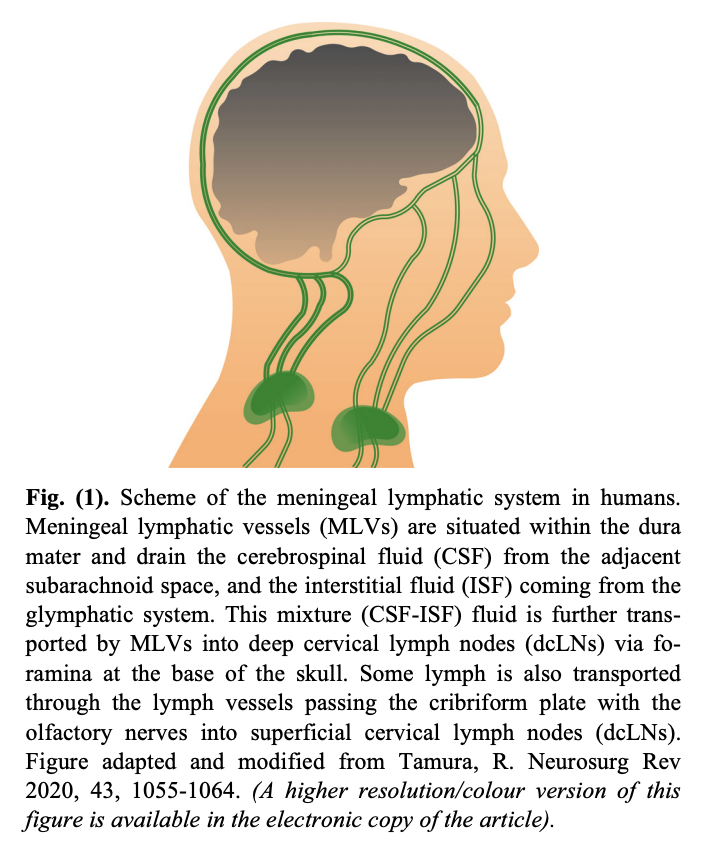

There is lymphatic fluid surrounding the brain that accumulates toxins, including the tau and amyloid proteins.
Without proper lymph flow, these proteins accumulate and cause all of these issues.
33
In fact, stimulating glymphatic clearance is already being used successfully for Alzheimer's.
Dalton (Analyze & Optimize)@Outdoctrination
Rapid recovery from Alzheimer's by enhancing lymphatic drainage.
The brain can accumulate toxic proteins Tau + β-Amyloid plaques, over time resulting in Alzheimer's.
The lymphatic system is there to drain out this "waste," but this process can become impaired and predisposes to cognitive decline.
Here, surgery to enhance lymph draining from the brain recovered memory within 3 days.
The brain can accumulate toxic proteins Tau + β-Amyloid plaques, over time resulting in Alzheimer's.
The lymphatic system is there to drain out this "waste," but this process can become impaired and predisposes to cognitive decline.
Here, surgery to enhance lymph draining from the brain recovered memory within 3 days.
34
Infrared light reduces accumulation of these proteins by supporting lymphatic clearance.
Infrared light improves lymph drainage from the brain.
This type of light is abundant in sunlight.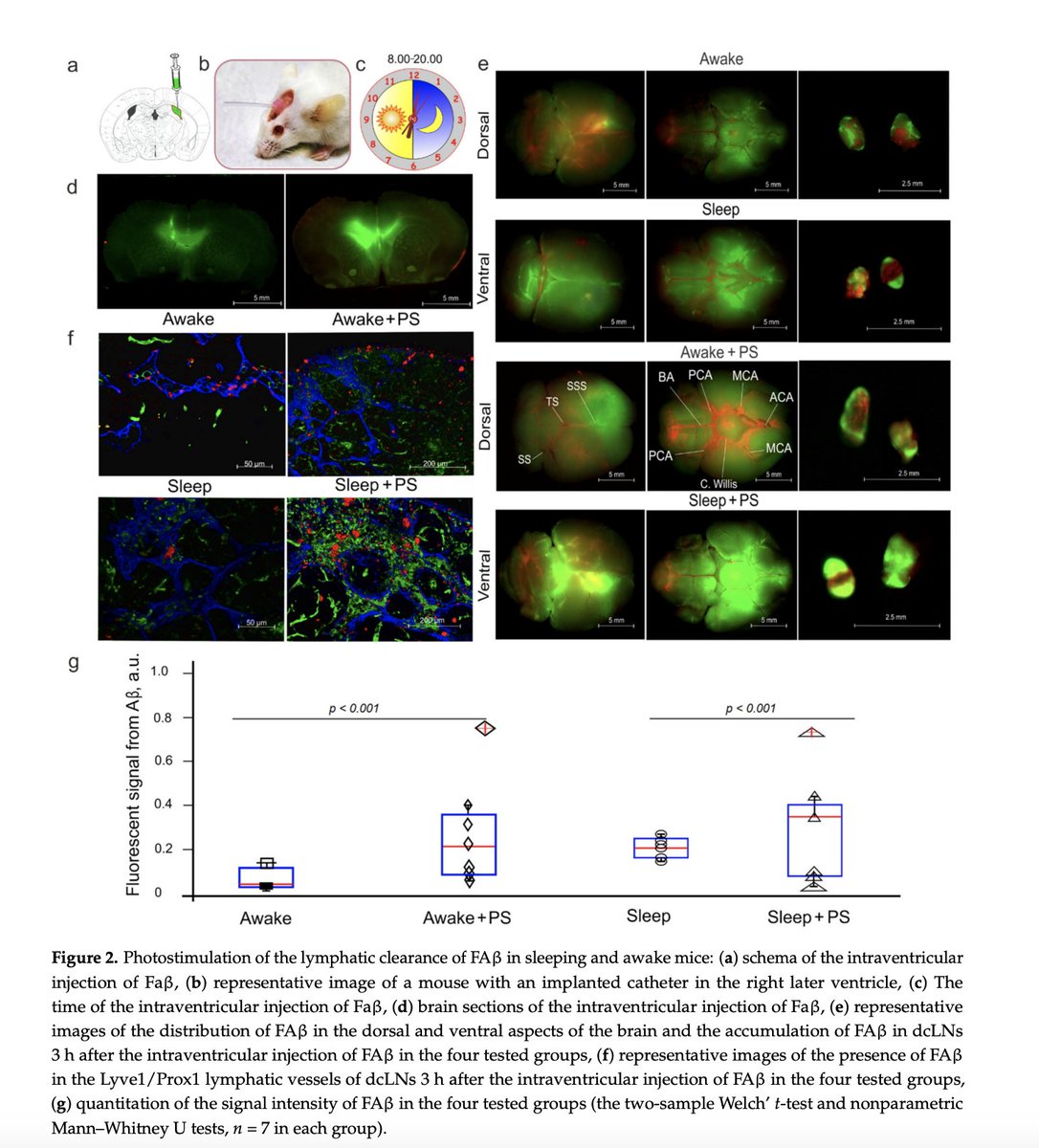

Infrared light improves lymph drainage from the brain.
This type of light is abundant in sunlight.
35
Lymph clearance is also inhibited by the sympathetic nervous system, and enhanced by parasympathetic tone.
Dampening the sympathetic + promoting parasympathetic:
• Grounding
• Humming
• Breathing practices
• Pets
• Plants
• Carnosine
• Nose breathing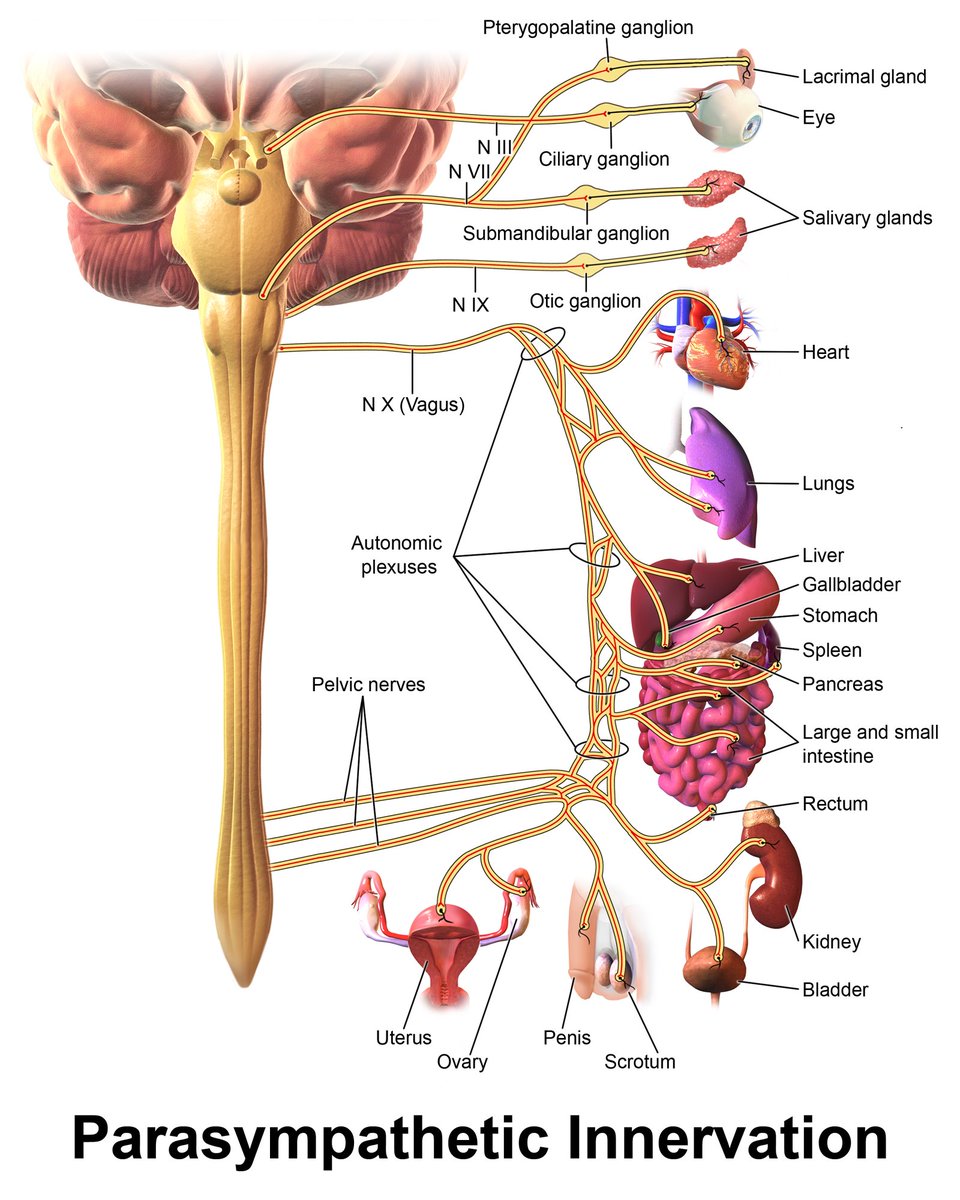
Dampening the sympathetic + promoting parasympathetic:
• Grounding
• Humming
• Breathing practices
• Pets
• Plants
• Carnosine
• Nose breathing
36
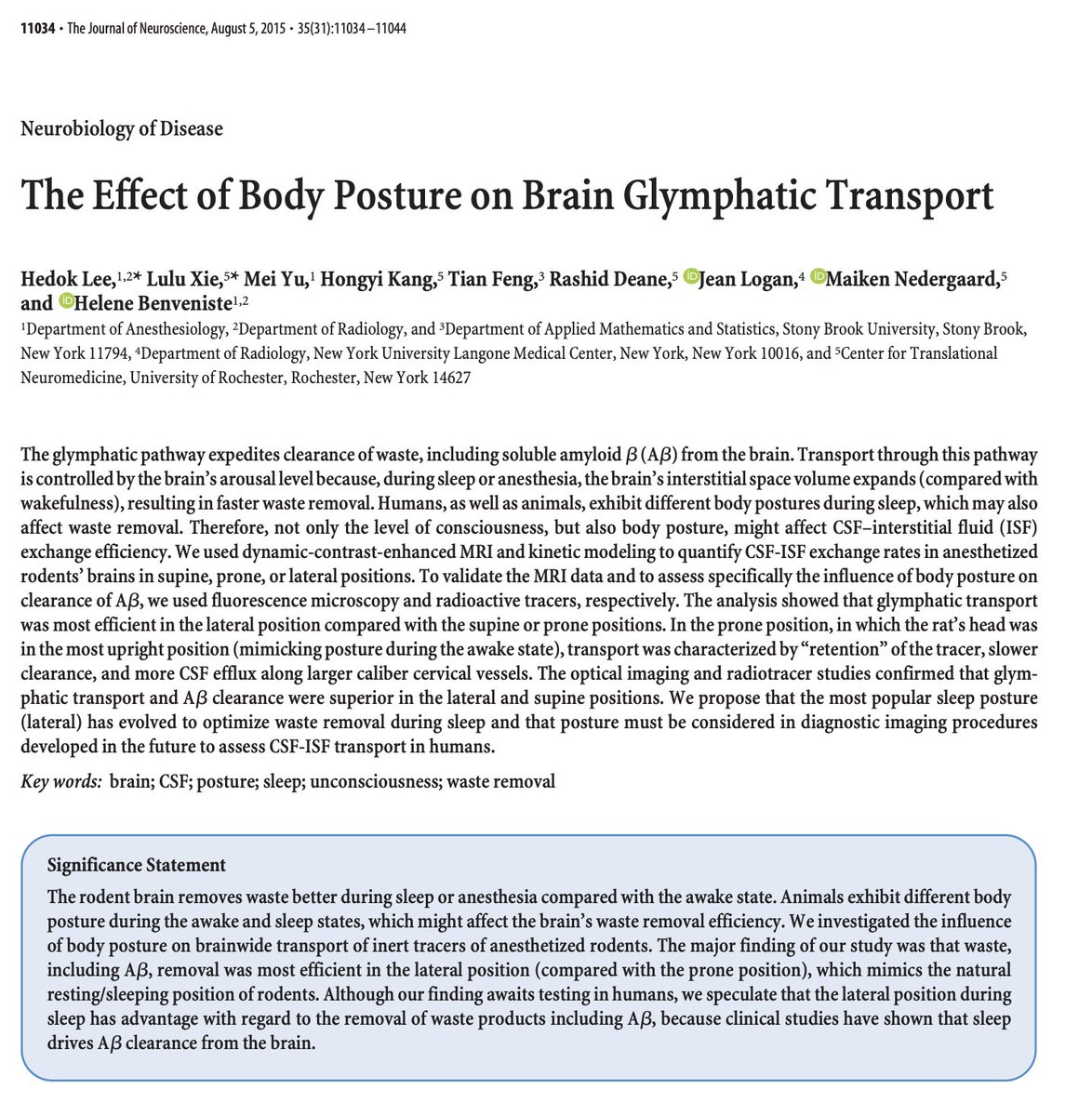
Glymphatic clearance is also highest during sleep, especially if you sleep on your side.
Optimizing sleep in general is going to be key.
People who don't sleep enough or sleep poorly have higher risks of Alzheimer's.
Below are some reasons why your sleep might suck.

Optimizing sleep in general is going to be key.
People who don't sleep enough or sleep poorly have higher risks of Alzheimer's.
Below are some reasons why your sleep might suck.
Dalton (Analyze & Optimize)@Outdoctrination
WHY YOU CAN'T SLEEP - 10 reasons you aren't considering:
1. Gut health: irritation and inflammation stemming from the gut can trigger the stress systems, which interrupt sleep patterns.
2. High protein dinner: during sleep, the levels of amino acid derived neurotransmitters are low. Eating high protein can cause elevations in these, contributing to wakefulness.
3. Sleeping too soon after dinner: Ideally, you give your meal time to empty out of your stomach and begin absorption. 1-3 hours after dinner, preferably with a post meal walk, would be optimal.
4. Circadian rhythm: How can you expect your body to know when to sleep if it doesn't even know what time of the day it is? Keeping consistent sleep + wake times is vital, your body will get better at both.
5. Light: Part of keeping a good circadian rhythm is to expose your eyes to bright morning sunlight - ideally sunrise. Then again periodically throughout the day, and ideally sunset as well. Then, keep things dark or free of artificial blue light. Blue blockers are awesome for this.
6. Journaling + planning: sometimes, it's hard to get to bed because you have a bunch of things to think about for the next day. A good way to get rid of this is to write it down, that way your brain isn't constantly trying to remember what to do next.
7. Not enough calories: restricting calories is a good way to increase the stress systems. No need to stuff your face, but eat to satiety. Hunger is one of the ultimate signals to stay awake.
8. A low carb dinner: if you ever wake up in the middle of the night thirsty or craving something sweet, chances are you've gone hypoglycemic. That's because you didn't eat enough carbs at your last meal and now your tank (liver) is empty. Carbing up before bed is the way to go, adding a bit of fat can help to slow the absorption making it last even longer.
9. Poor liver function: similar story here, if your liver isn't working well, it will have a tough time storing carbohydrate to keep you well fueled through the night. Taurine can help with this, glycine, caffeine, vitamin K2 are some other liver protective tools.
10. Not enough salt: salt helps suppress adrenaline and other stress hormones, notably antidiuretic hormone, which prevents you from peeing during the night.
Good dinners would be gelatinous meats (broths, shanks, oxtail), salty + easily digestible starches (mashed potatoes with butter, sourdough bread with olive oil, rice with coconut oil, etc.), and dessert (ice cream, honey, chocolate).
1. Gut health: irritation and inflammation stemming from the gut can trigger the stress systems, which interrupt sleep patterns.
2. High protein dinner: during sleep, the levels of amino acid derived neurotransmitters are low. Eating high protein can cause elevations in these, contributing to wakefulness.
3. Sleeping too soon after dinner: Ideally, you give your meal time to empty out of your stomach and begin absorption. 1-3 hours after dinner, preferably with a post meal walk, would be optimal.
4. Circadian rhythm: How can you expect your body to know when to sleep if it doesn't even know what time of the day it is? Keeping consistent sleep + wake times is vital, your body will get better at both.
5. Light: Part of keeping a good circadian rhythm is to expose your eyes to bright morning sunlight - ideally sunrise. Then again periodically throughout the day, and ideally sunset as well. Then, keep things dark or free of artificial blue light. Blue blockers are awesome for this.
6. Journaling + planning: sometimes, it's hard to get to bed because you have a bunch of things to think about for the next day. A good way to get rid of this is to write it down, that way your brain isn't constantly trying to remember what to do next.
7. Not enough calories: restricting calories is a good way to increase the stress systems. No need to stuff your face, but eat to satiety. Hunger is one of the ultimate signals to stay awake.
8. A low carb dinner: if you ever wake up in the middle of the night thirsty or craving something sweet, chances are you've gone hypoglycemic. That's because you didn't eat enough carbs at your last meal and now your tank (liver) is empty. Carbing up before bed is the way to go, adding a bit of fat can help to slow the absorption making it last even longer.
9. Poor liver function: similar story here, if your liver isn't working well, it will have a tough time storing carbohydrate to keep you well fueled through the night. Taurine can help with this, glycine, caffeine, vitamin K2 are some other liver protective tools.
10. Not enough salt: salt helps suppress adrenaline and other stress hormones, notably antidiuretic hormone, which prevents you from peeing during the night.
Good dinners would be gelatinous meats (broths, shanks, oxtail), salty + easily digestible starches (mashed potatoes with butter, sourdough bread with olive oil, rice with coconut oil, etc.), and dessert (ice cream, honey, chocolate).
37
You can't talk about Alzheimer's without talking about APOE.
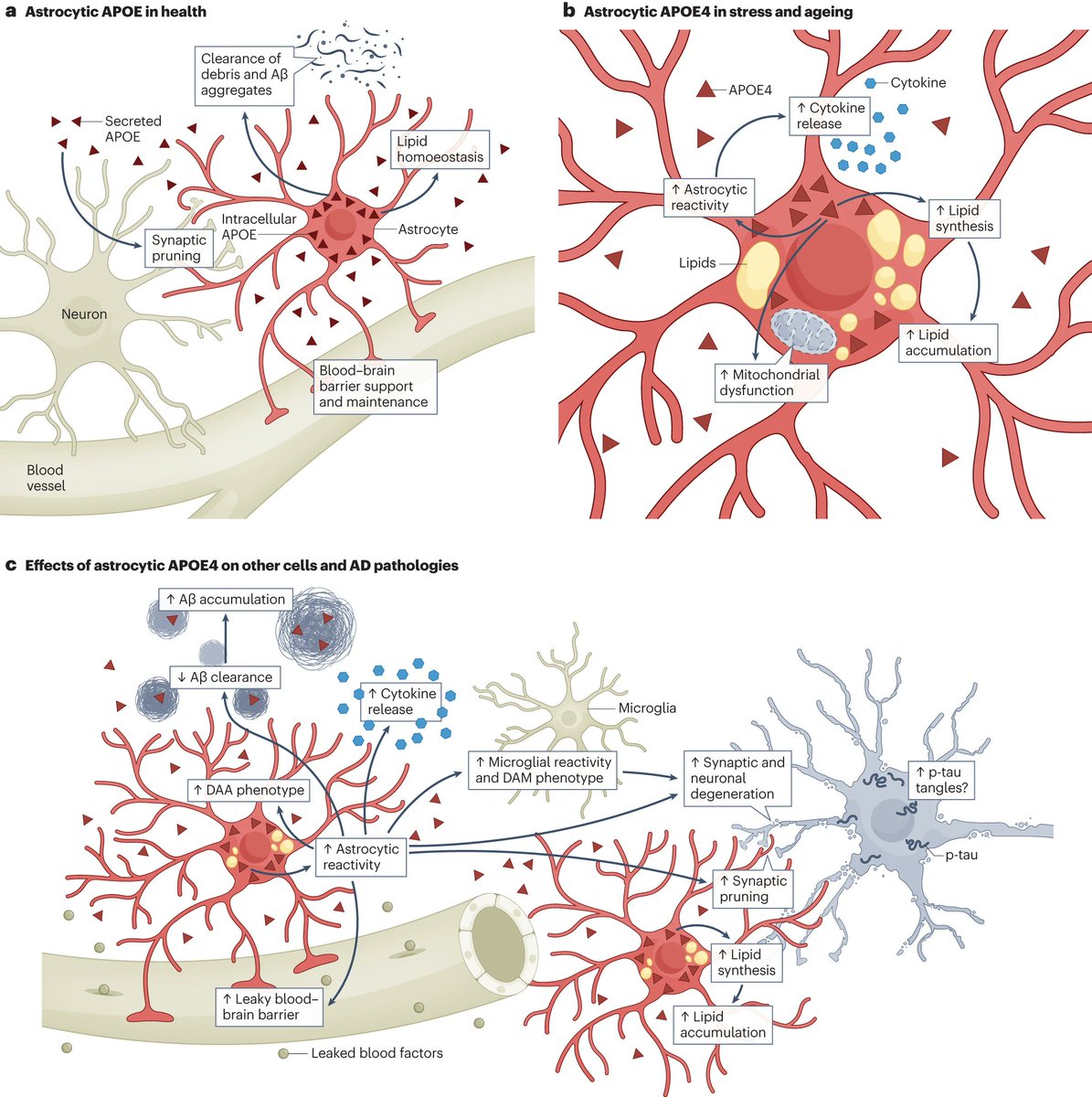
This is a protein that helps transport cholesterol and other fat soluble molecules between brain cells. It also clears out the toxic amyloid proteins.
The APOE4 gene is a huge risk for Alzheimer's, because it:
◇ Causes accumulation of lipids in cells - driving inflammation and mitochondrial dysfunction
◇ Decreases amyloid clearance
◇ Promotes lymphosclerosis - which impairs lymph flow
14% of people have it.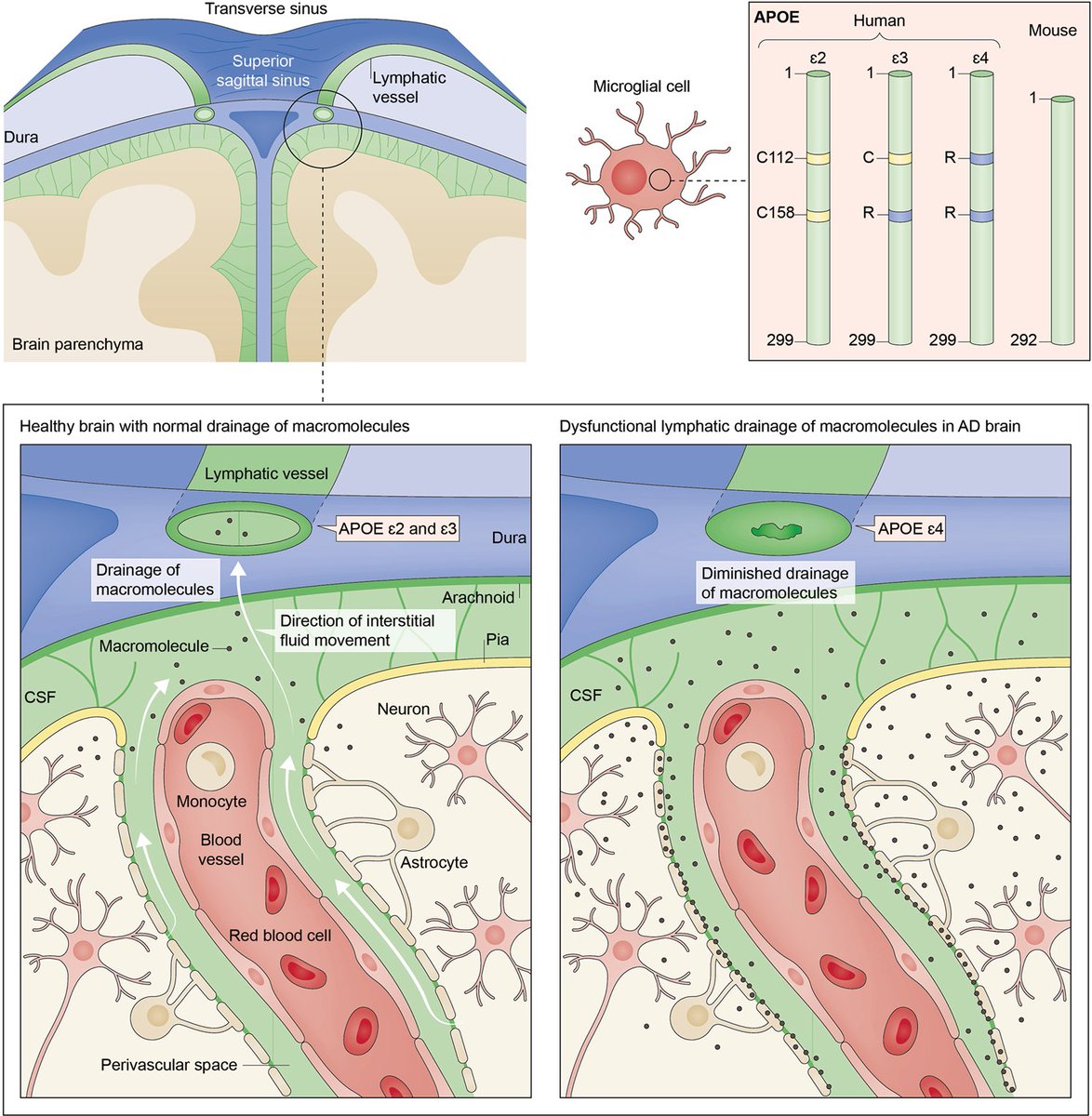

This is a protein that helps transport cholesterol and other fat soluble molecules between brain cells. It also clears out the toxic amyloid proteins.
The APOE4 gene is a huge risk for Alzheimer's, because it:
◇ Causes accumulation of lipids in cells - driving inflammation and mitochondrial dysfunction
◇ Decreases amyloid clearance
◇ Promotes lymphosclerosis - which impairs lymph flow
14% of people have it.
38
HOWEVER, this doesn't mean you automatically are screwed.
For example, in Nigeria, Alzheimer's is very rare despite a high prevalence of APOE4.
Just goes to show that YOU are in charge, not your genetics.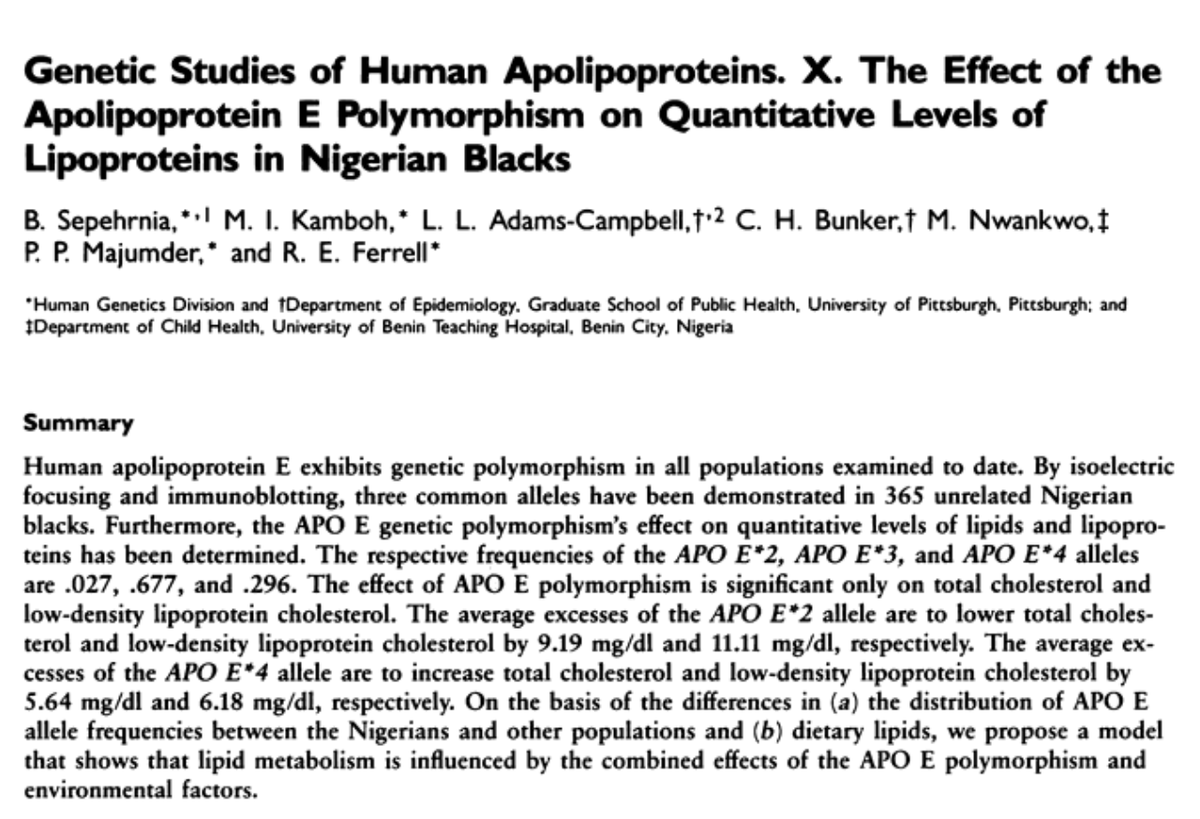
For example, in Nigeria, Alzheimer's is very rare despite a high prevalence of APOE4.
Just goes to show that YOU are in charge, not your genetics.
39
Finally, anything that can help stimulate brain cell growth, mainly through BDNF or NGF, is likely to be beneficial.
After all, Alzheimer's is all about brain cell death, so encouraging them to survive should be good.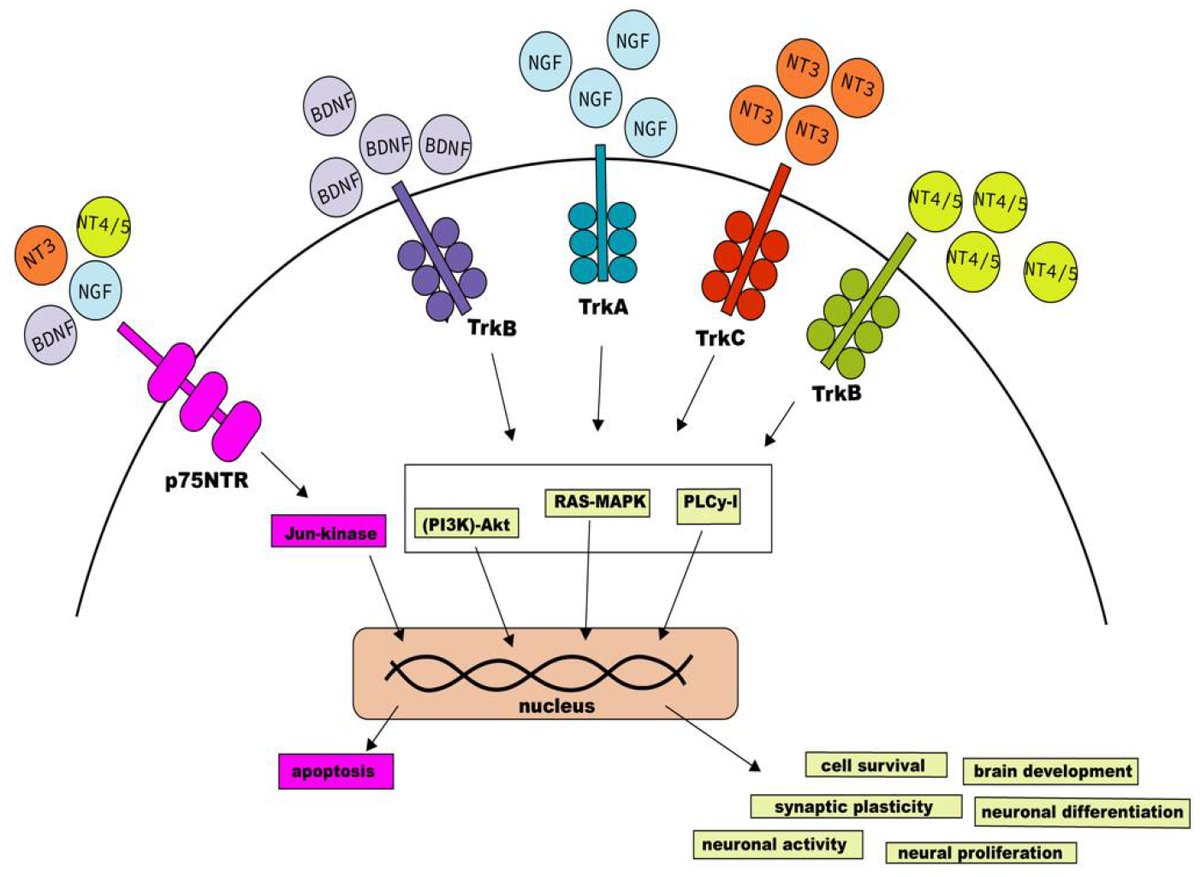
After all, Alzheimer's is all about brain cell death, so encouraging them to survive should be good.
40
Fresh orange juice improves cognitive function.
OJ:
➜ Stimulates BDNF (brain cell growth + development)
➜ Lowers nitric oxide (brain inflammation / oxidative stress)
➜ Lowers endotoxin
➜ Improves glucose metabolism
Which combine to improve mental performance metrics.
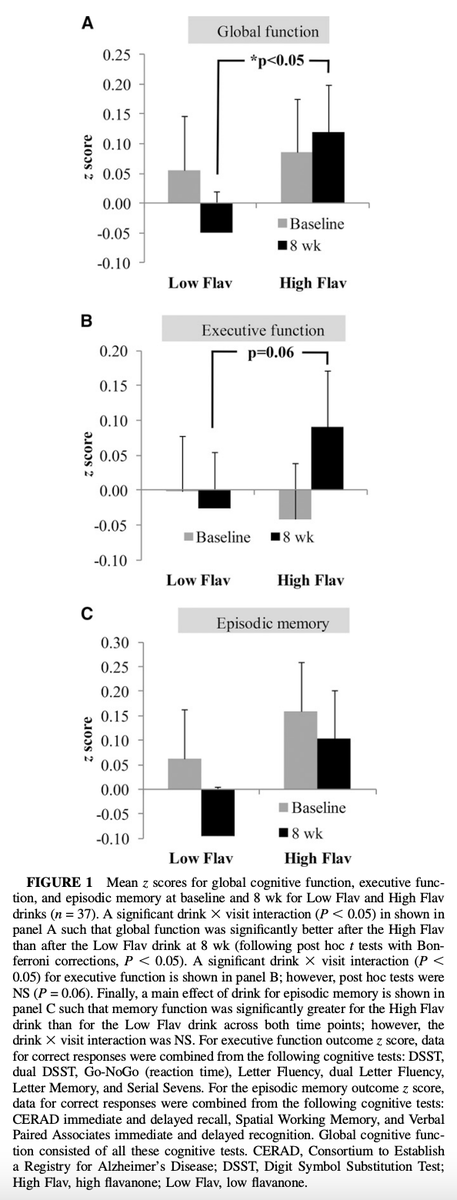

OJ:
➜ Stimulates BDNF (brain cell growth + development)
➜ Lowers nitric oxide (brain inflammation / oxidative stress)
➜ Lowers endotoxin
➜ Improves glucose metabolism
Which combine to improve mental performance metrics.
Dalton (Analyze & Optimize)@Outdoctrination
Orange juice is literally one of the healthiest foods on the planet.
It has proven antidepressant, anti-inflammatory, anti-diabetic and gut health promoting properties.
Don’t believe me? Let’s get into it:
It has proven antidepressant, anti-inflammatory, anti-diabetic and gut health promoting properties.
Don’t believe me? Let’s get into it:
41
6 months of lifting weights was shown to improve antioxidant status,
which downstream upregulates the expression of BDNF - a protein that has powerful antidepressant and neuron growth promoting properties.
Also should be good for cognitive decline.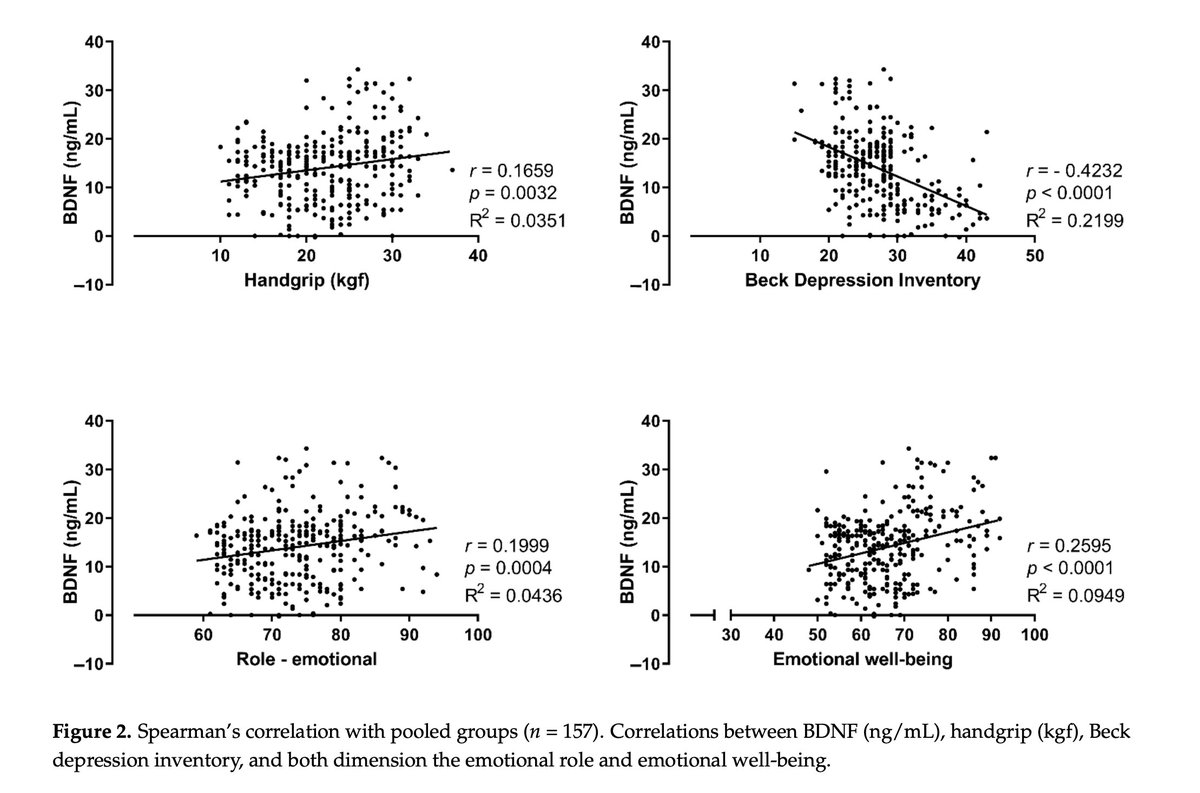
which downstream upregulates the expression of BDNF - a protein that has powerful antidepressant and neuron growth promoting properties.
Also should be good for cognitive decline.
42
DHEA activates the BDNF receptor, growing new brain cells.
DHEA is one of our "youth associated steroid" hormones that decline with age.
Part of its protective effect is to support neurogenesis by activating the TrkB receptor - normally activated by BDNF.
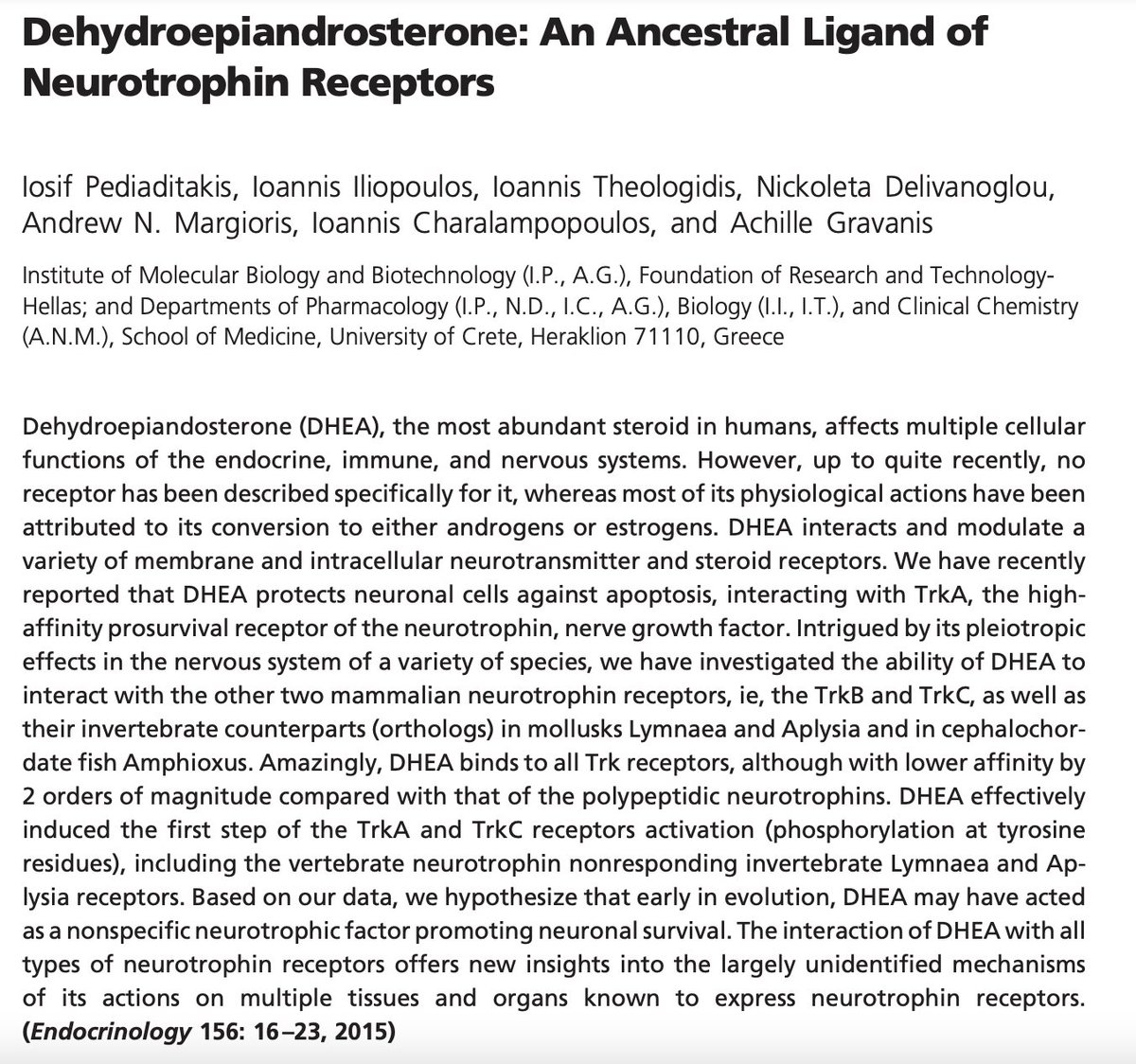

DHEA is one of our "youth associated steroid" hormones that decline with age.
Part of its protective effect is to support neurogenesis by activating the TrkB receptor - normally activated by BDNF.
Dalton (Analyze & Optimize)@Outdoctrination
DHEA: a fountain of youth.
For lowering cortisol, improving cognitive function & mood, vibrant skin and fat loss, it might be just what you need.
Here’s why researchers have called aging “DHEA deficiency syndrome:”
For lowering cortisol, improving cognitive function & mood, vibrant skin and fat loss, it might be just what you need.
Here’s why researchers have called aging “DHEA deficiency syndrome:”
43
Lion's mane powerfully regenerates the brain.
Extracts of the mushroom showed huge increases in the length and number of neural projections.
Various components in mushrooms have TrkB activity - promoting BDNF signaling that drives brain cell growth & maturity.
Extracts of the mushroom showed huge increases in the length and number of neural projections.
Various components in mushrooms have TrkB activity - promoting BDNF signaling that drives brain cell growth & maturity.
