Alzheimer's prevalence is set to double in the next 25 years.
Yet, mainstream treatments have been complete and utter failures.
Probably because they don't fundamentally understand the problem.
Here's what really behind it, and what you might be able to do about it:

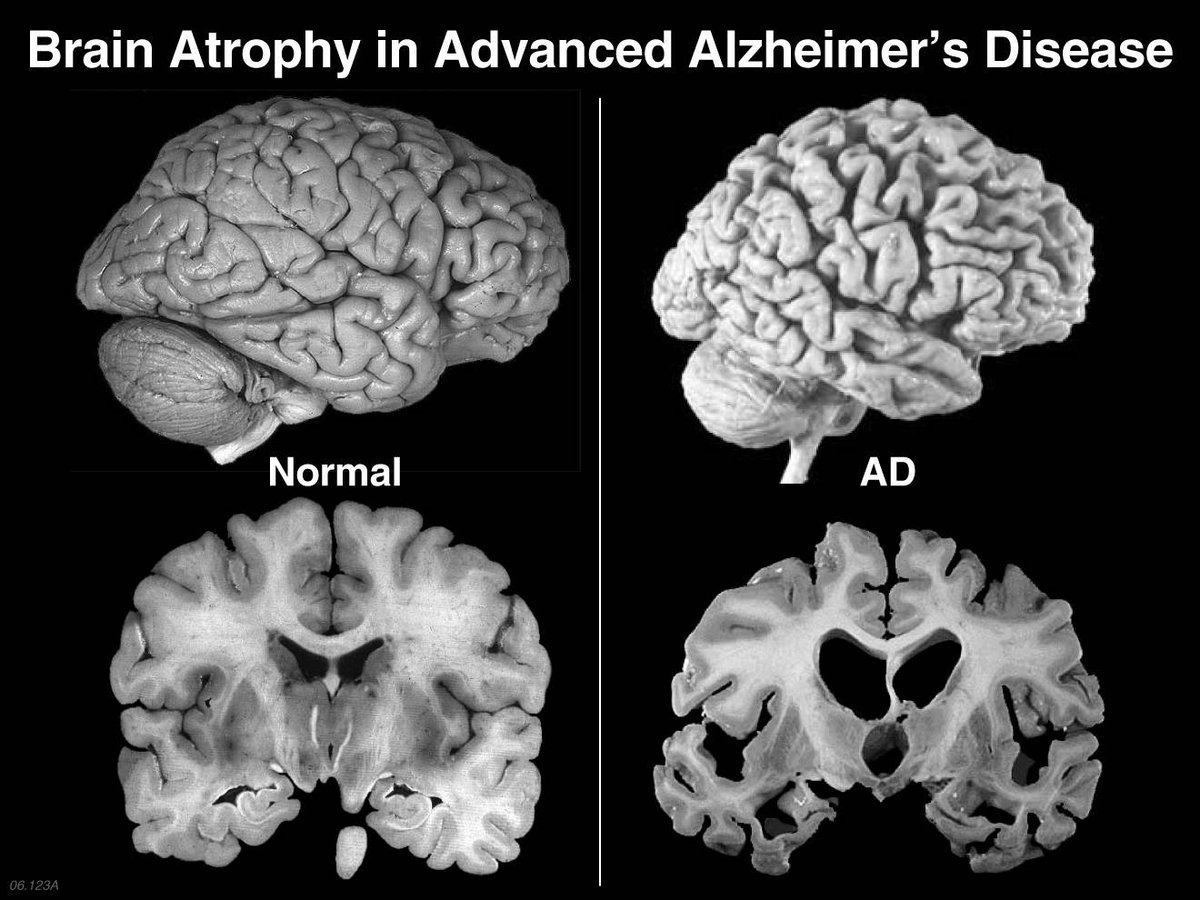
Over 99% of Big Pharma's Alzheimer's drugs are useless.
Why? - Because these drugs are missing the point.
Solving cognitive decline means understanding and addressing every angle of the brain's health.
Let's get into what that entails:
Why? - Because these drugs are missing the point.
Solving cognitive decline means understanding and addressing every angle of the brain's health.
Let's get into what that entails:
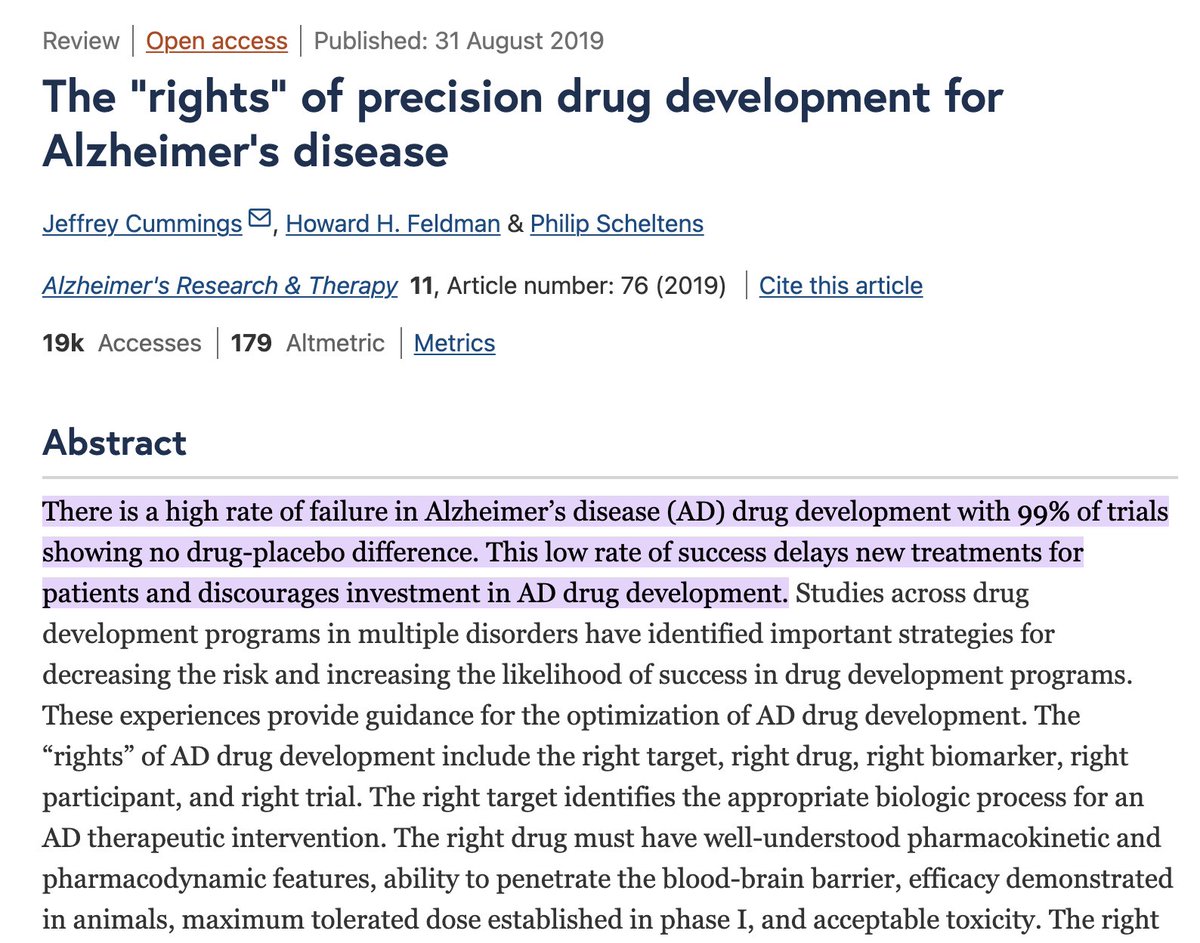
The key finding in Alzheimer's is the ATOPHY of certain brain regions.
Atrophy is the loss of functional tissue.
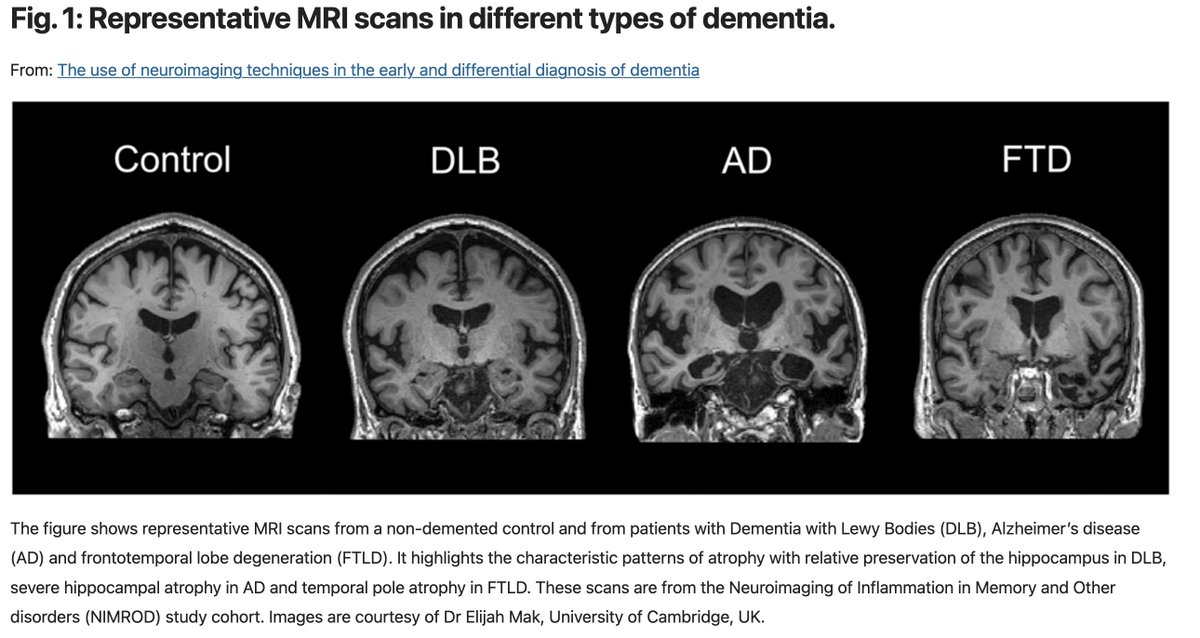
We see loss of key brain regions - the hippocampus and the frontotemporal lobe.
This is due to the death of the cells in these areas.
Atrophy is the loss of functional tissue.
We see loss of key brain regions - the hippocampus and the frontotemporal lobe.
This is due to the death of the cells in these areas.
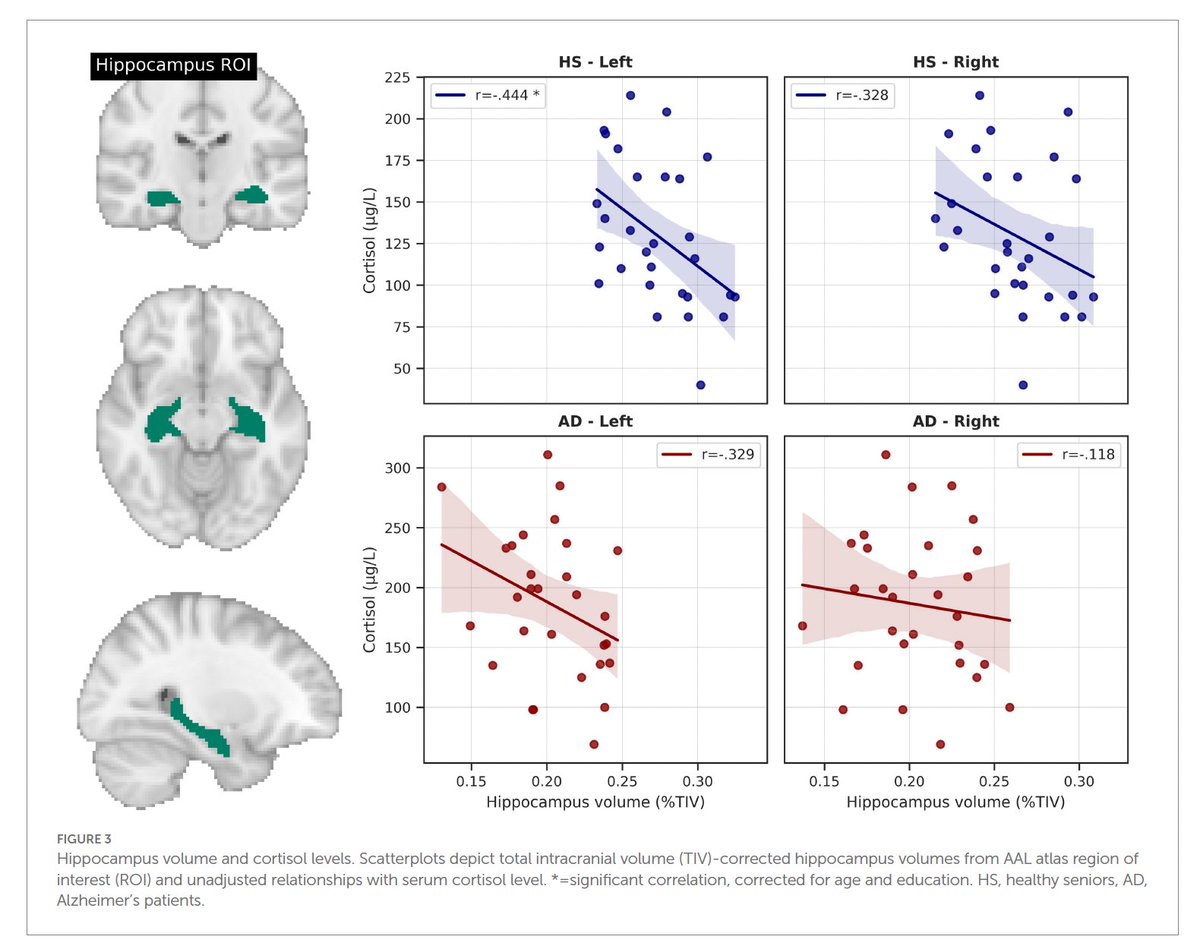
Cortisol shrinks the brain.
Cortisol is released during stress, and one of its primary roles is to break down tissue and turn it into energy to survive.
Cortisol levels predict:
◇ Memory performance
◇ Brain volume loss
Cortisol is released during stress, and one of its primary roles is to break down tissue and turn it into energy to survive.
Cortisol levels predict:
◇ Memory performance
◇ Brain volume loss

Lowering cortisol grows back the brain.
People with naturally elevated cortisol have lower brain volume in those same brain regions that are diminished in Alzheimer's.
Fixing the cortisol reverses this.
I put together a master guide on lowering cortisol below.
People with naturally elevated cortisol have lower brain volume in those same brain regions that are diminished in Alzheimer's.
Fixing the cortisol reverses this.
I put together a master guide on lowering cortisol below.
View Tweet

Another key finding in Alzheimer's is reduced GLUCOSE metabolism.
Glucose is the brain's primary fuel source.
Just like type 2 diabetes is poor glucose metabolism in the body,
Alzheimer's has been called "Type 3 Diabetes" - it is poor glucose metabolism in the brain.
Glucose is the brain's primary fuel source.
Just like type 2 diabetes is poor glucose metabolism in the body,
Alzheimer's has been called "Type 3 Diabetes" - it is poor glucose metabolism in the brain.

Of course, mainstream dogma is also terrible at solving insulin resistance and fixing your glucose metabolism.
I have also gone into a deep dive on what that entails below - from a systemic perspective.
Things that help fix glucose metabolism also help Alzheimer's.
I have also gone into a deep dive on what that entails below - from a systemic perspective.
Things that help fix glucose metabolism also help Alzheimer's.
View Tweet
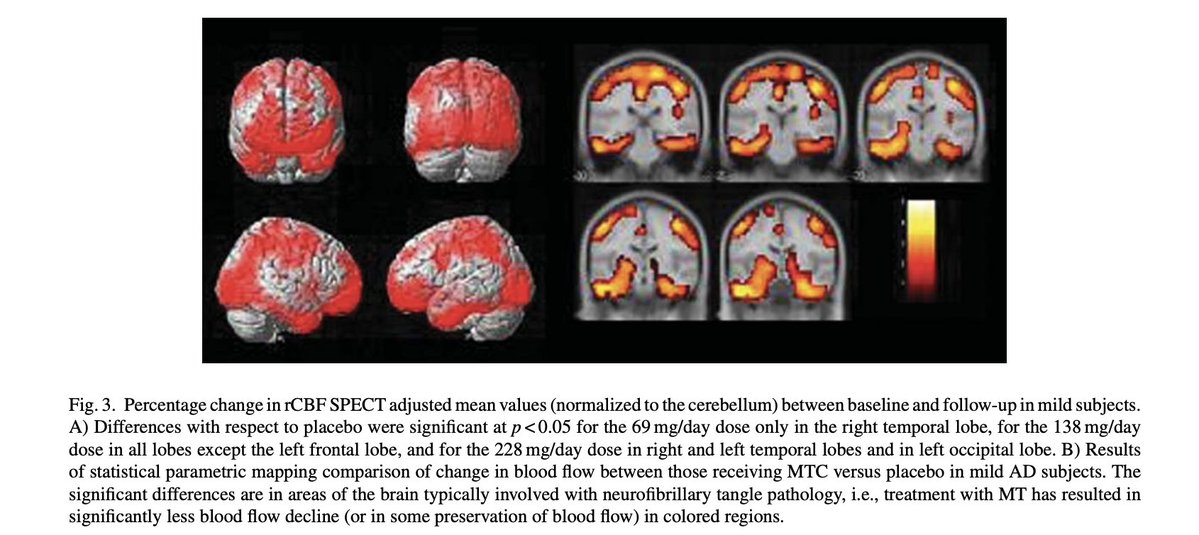
Methylene blue enhances cognitive function.
It's shown to improve Alzheimer's disease by:
⬩Increasing blood flow to the brain
⬩Enhancing brain energy production
⬩Protecting against brain oxidative damage
More on MB below.
It's shown to improve Alzheimer's disease by:
⬩Increasing blood flow to the brain
⬩Enhancing brain energy production
⬩Protecting against brain oxidative damage
More on MB below.
View Tweet
Another example is red / infrared light therapy, which I covered in detail recently below.
Red / infrared light works by stimulating mitochondrial enzymes to produce more energy.
As we will see, all of the other biological phenomena seen in Alzheimer's are downstream of this.
Red / infrared light works by stimulating mitochondrial enzymes to produce more energy.
As we will see, all of the other biological phenomena seen in Alzheimer's are downstream of this.
View Tweet
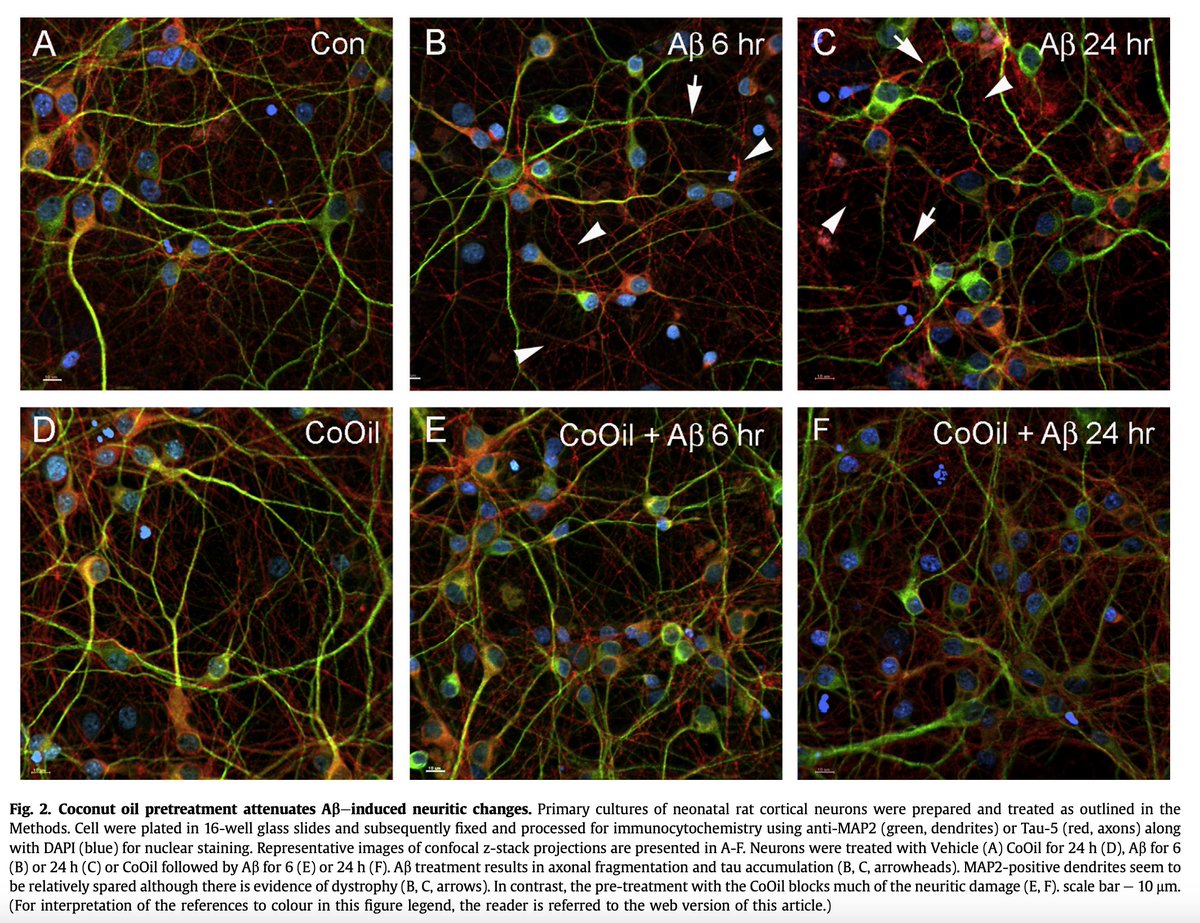
Coconut oil reverses brain damage from Alzheimer's plaques.
◈ Prevents deterioration of brain cell structure
◈ Preserves synaptic vesicles for neurotransmission
due to its MCTs - fats that support the brain's metabolism when glucose metabolism is impaired.
◈ Prevents deterioration of brain cell structure
◈ Preserves synaptic vesicles for neurotransmission
due to its MCTs - fats that support the brain's metabolism when glucose metabolism is impaired.
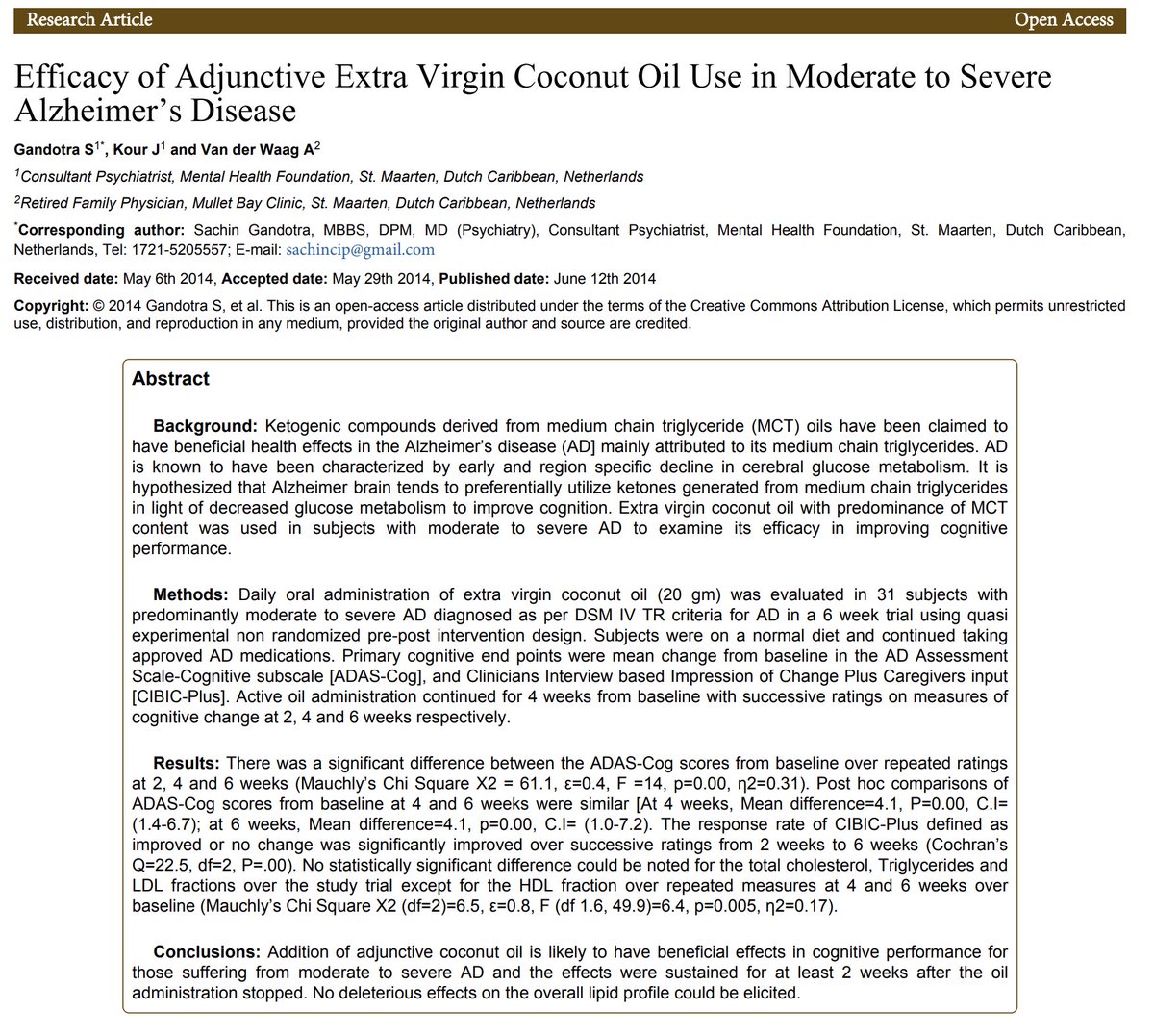
Coconut oil improves Alzheimer's disease.
20 g/day showed improvements in >80% of patients over 6 weeks.
More on the incredible benefits of coconut oil below.
20 g/day showed improvements in >80% of patients over 6 weeks.
More on the incredible benefits of coconut oil below.
View Tweet
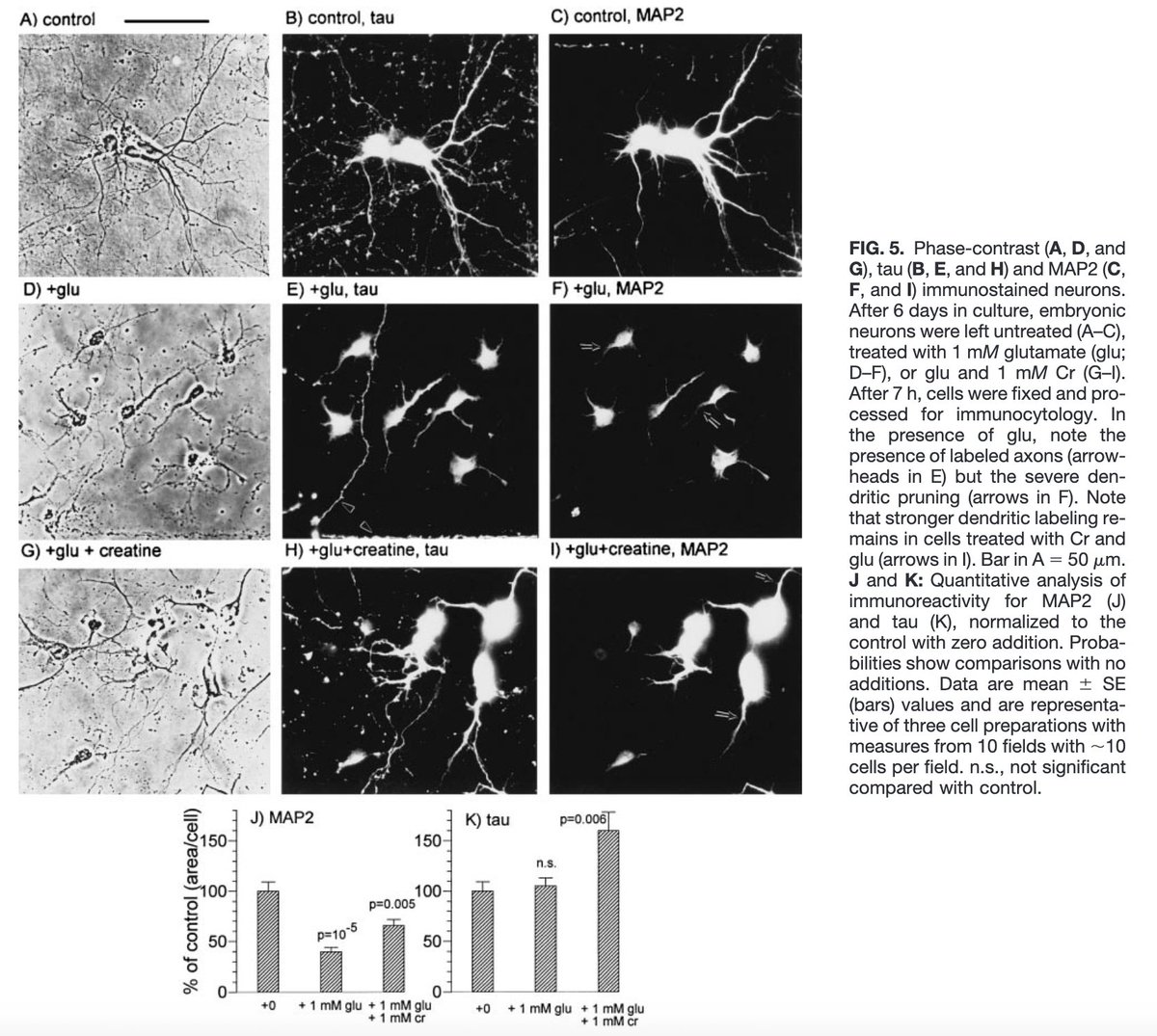
Creatine for Alzheimer's.
Impaired creatine metabolism can drive protein accumulation + brain cell damage.
Supplying creatine back combats this, protecting neurons and reducing protein accumulation.
This is because creatine supports glucose metabolism.
Impaired creatine metabolism can drive protein accumulation + brain cell damage.
Supplying creatine back combats this, protecting neurons and reducing protein accumulation.
This is because creatine supports glucose metabolism.
View Tweet
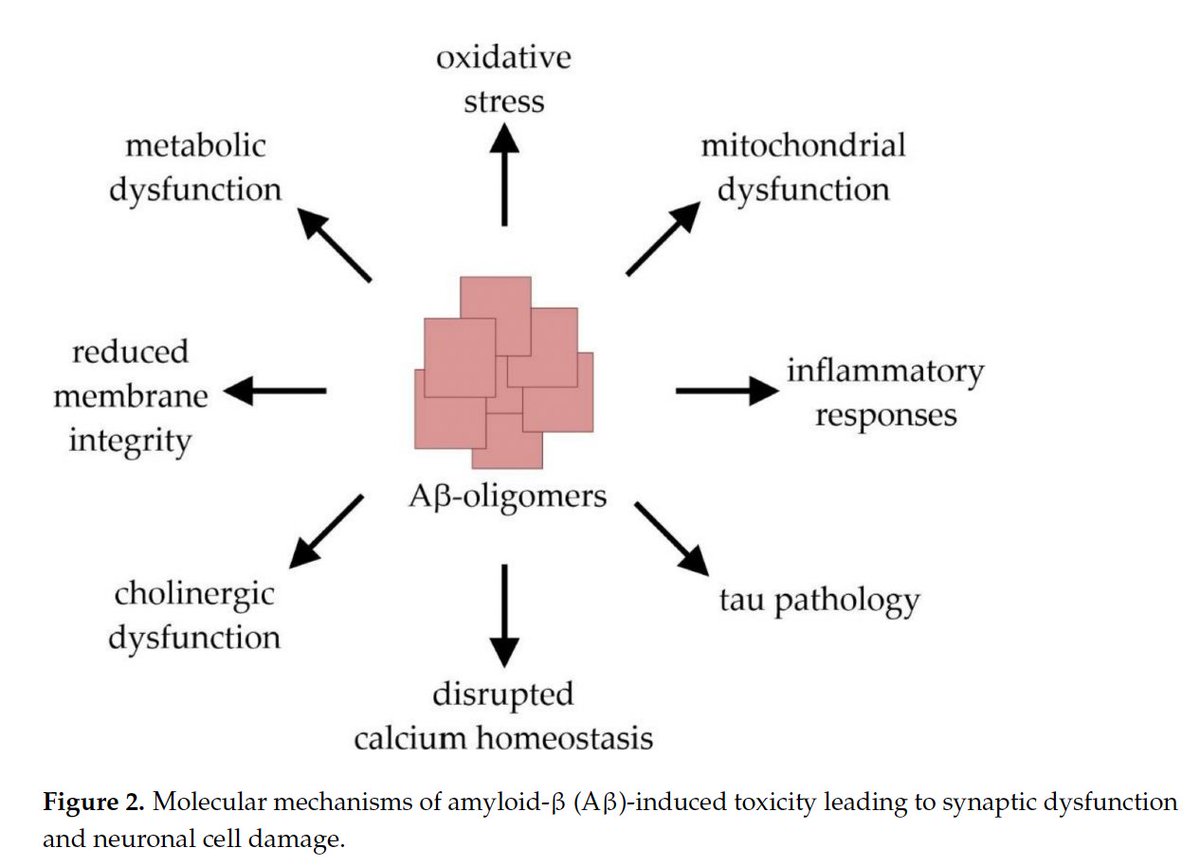
AMYLOID - the central player in Alzheimer's.
Amyloid β plaques are a household name at this point.
Amyloid β oligomers:
◇ Brain cell death
◇ Excitotoxicity
◇ Oxidative stress
◇ Neurotransmission imbalances
◇ Ion flux disruptions
◇ Inhibition of mitochondrial enzymes
◇ Mitochondrial membrane depolarization
◇ Inhibition of memory formation
◇ Inflammation
◇ Increased calcium uptake
◇ Impaired BDNF / TRKB signaling,
◇ Increased MMP9, which degrades neuron growth factor
So yeah, it's definitely bad.
HOWEVER, focusing on removing it, aka Pharma's approach, clearly is lackluster, at best.
The goal is - how can we:
1. Reduce harmful amyloid production to begin with
2. Reduce its toxicity of it does get formed
Amyloid β plaques are a household name at this point.
Amyloid β oligomers:
◇ Brain cell death
◇ Excitotoxicity
◇ Oxidative stress
◇ Neurotransmission imbalances
◇ Ion flux disruptions
◇ Inhibition of mitochondrial enzymes
◇ Mitochondrial membrane depolarization
◇ Inhibition of memory formation
◇ Inflammation
◇ Increased calcium uptake
◇ Impaired BDNF / TRKB signaling,
◇ Increased MMP9, which degrades neuron growth factor
So yeah, it's definitely bad.
HOWEVER, focusing on removing it, aka Pharma's approach, clearly is lackluster, at best.
The goal is - how can we:
1. Reduce harmful amyloid production to begin with
2. Reduce its toxicity of it does get formed
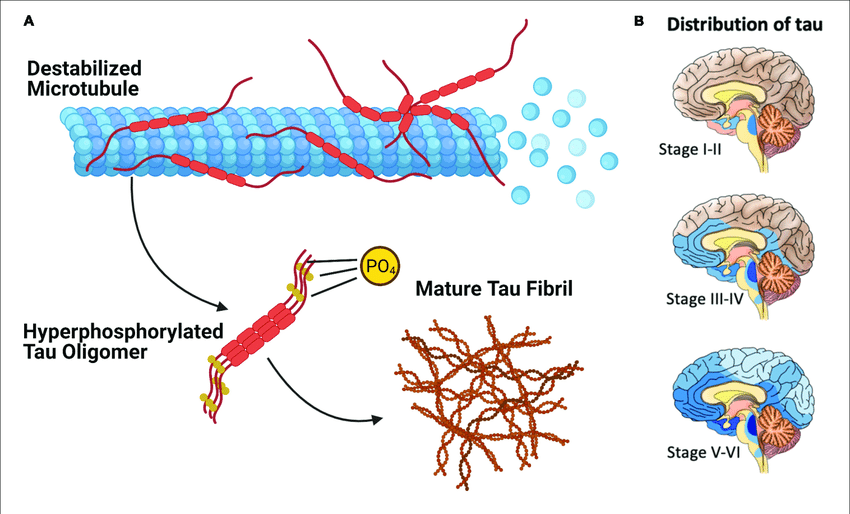
Tau proteins are also a key player.
These are proteins that wrap around structural proteins called microtubules.
They can become detached and drive all sorts of problems:
↦ Drive inflammation
↦ Cause oxidative stress
↦ Directly neurotoxic
Tau proteins actually induce chain reactions where they promote their own production, too. This is probably why Alzheimer's is a progressive condition in most instances.
But again, we are left asking how we can:
1. Reduce harmful tau hyperphosphorylation to begin with
2. Reduce its toxicity of it does get formed
These are proteins that wrap around structural proteins called microtubules.
They can become detached and drive all sorts of problems:
↦ Drive inflammation
↦ Cause oxidative stress
↦ Directly neurotoxic
Tau proteins actually induce chain reactions where they promote their own production, too. This is probably why Alzheimer's is a progressive condition in most instances.
But again, we are left asking how we can:
1. Reduce harmful tau hyperphosphorylation to begin with
2. Reduce its toxicity of it does get formed
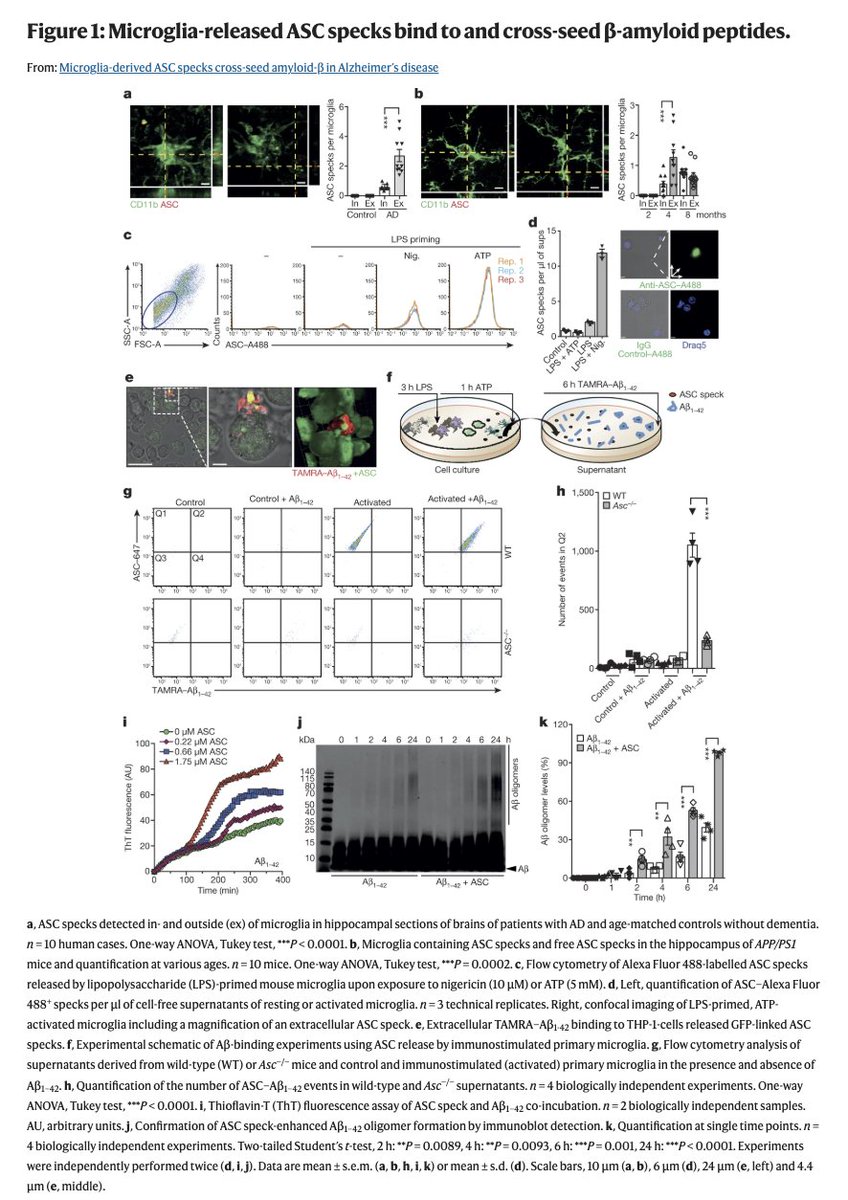
INFLAMMATION promotes amyloid production.
When neurons are exposed to inflammatory stimuli, they undergo molecular cascades that actually promote the cross seeding of amyloid peptides.
This cross seeding is what makes amyloid pathogenic.
When neurons are exposed to inflammatory stimuli, they undergo molecular cascades that actually promote the cross seeding of amyloid peptides.
This cross seeding is what makes amyloid pathogenic.
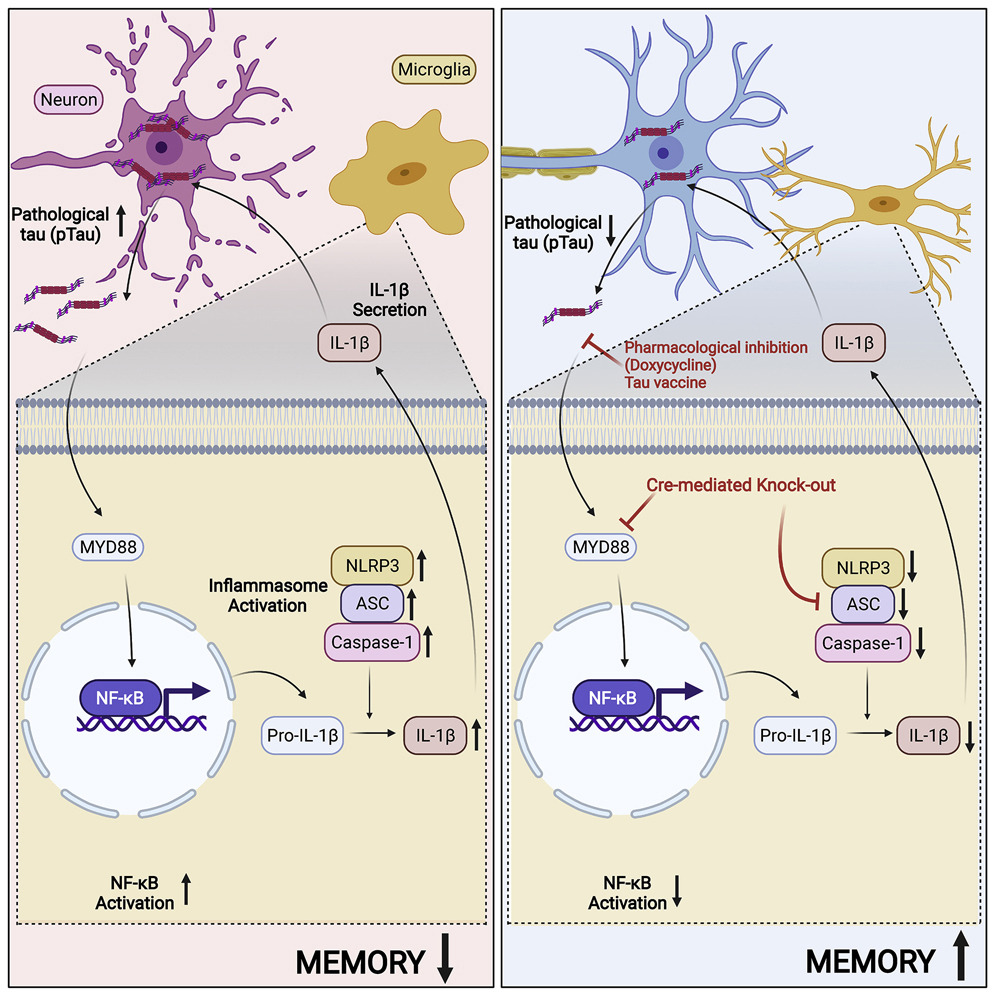
Inflammation drives tau phosphorylation, and vice versa.
Inflammatory proteins can directly activate enzymes that phosphorylate tau, making it pathogenic.
Amyloid production ALSO increases tau phosphorylation, by increasing inflammation.
Inflammatory proteins can directly activate enzymes that phosphorylate tau, making it pathogenic.
Amyloid production ALSO increases tau phosphorylation, by increasing inflammation.
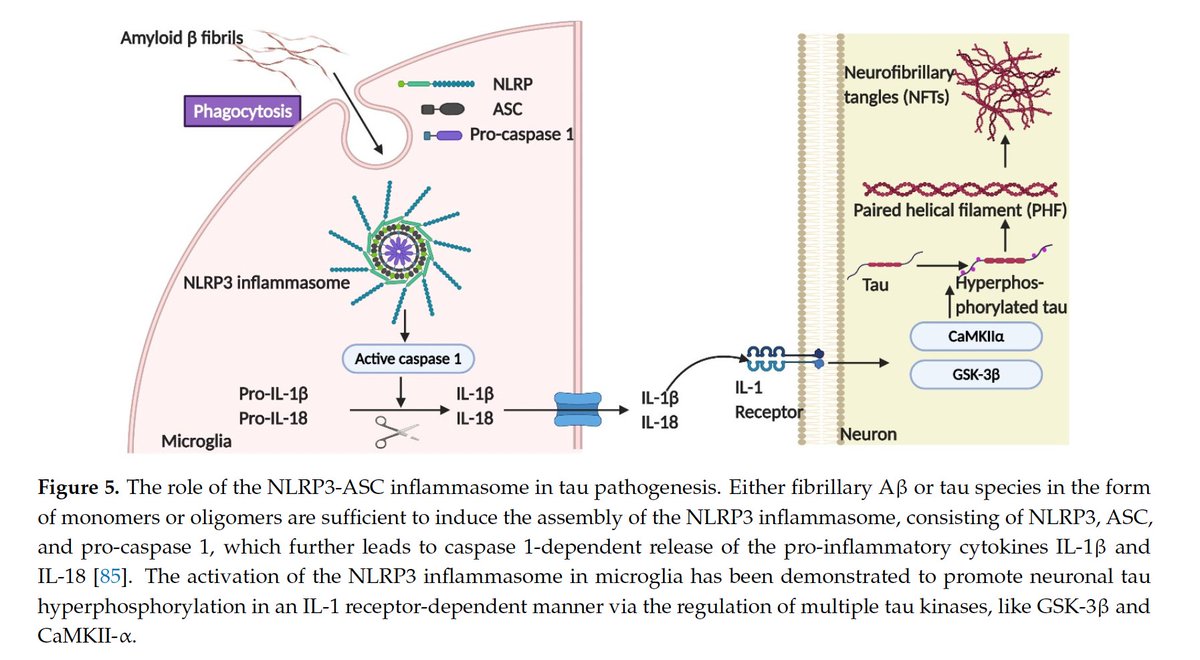
What is the inflammatory stimuli?
Well, it is often LPS (endotoxin).
This is a component of bacteria from the gut.
If your gut is unhealthy, it actually invades every inch of your body and drives inflammation + disease.
Fix your gut first.
Well, it is often LPS (endotoxin).
This is a component of bacteria from the gut.
If your gut is unhealthy, it actually invades every inch of your body and drives inflammation + disease.
Fix your gut first.
View Tweet
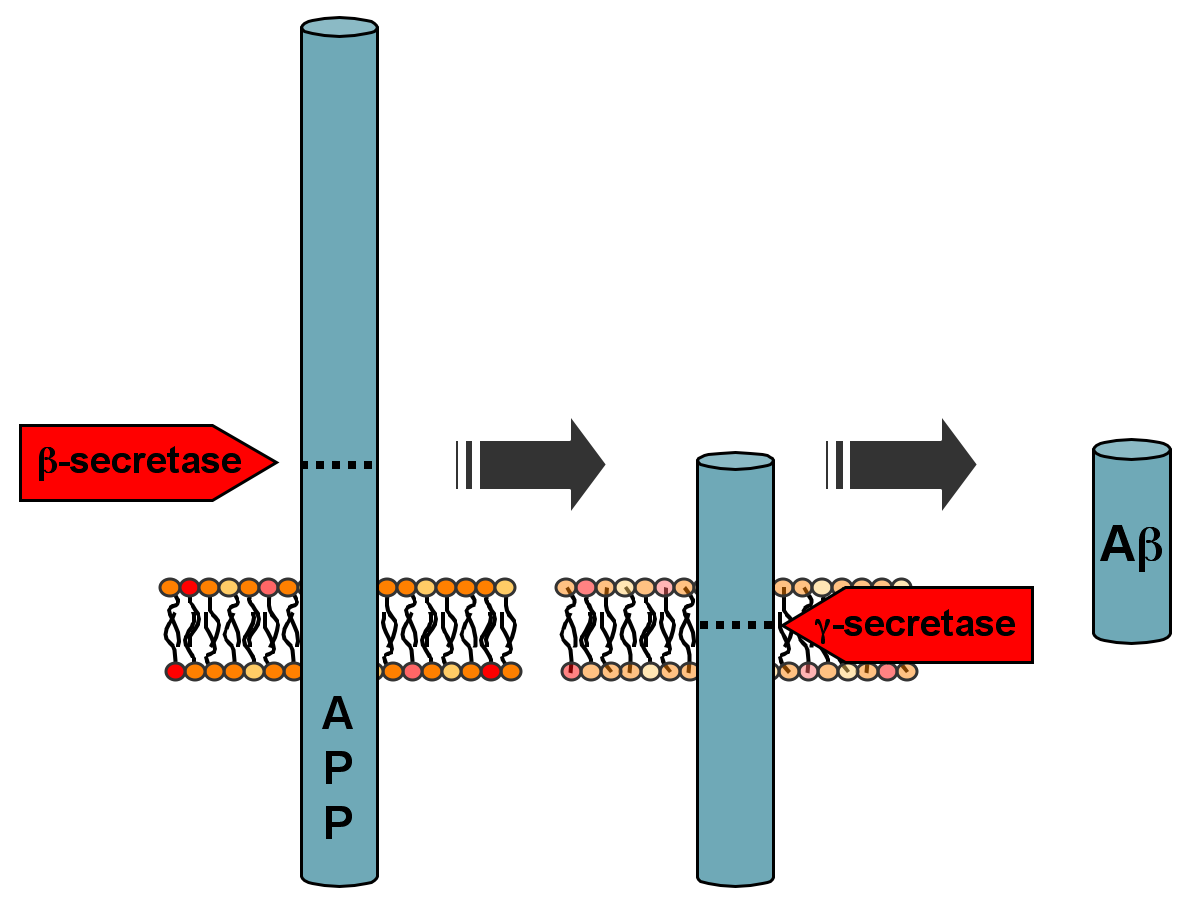
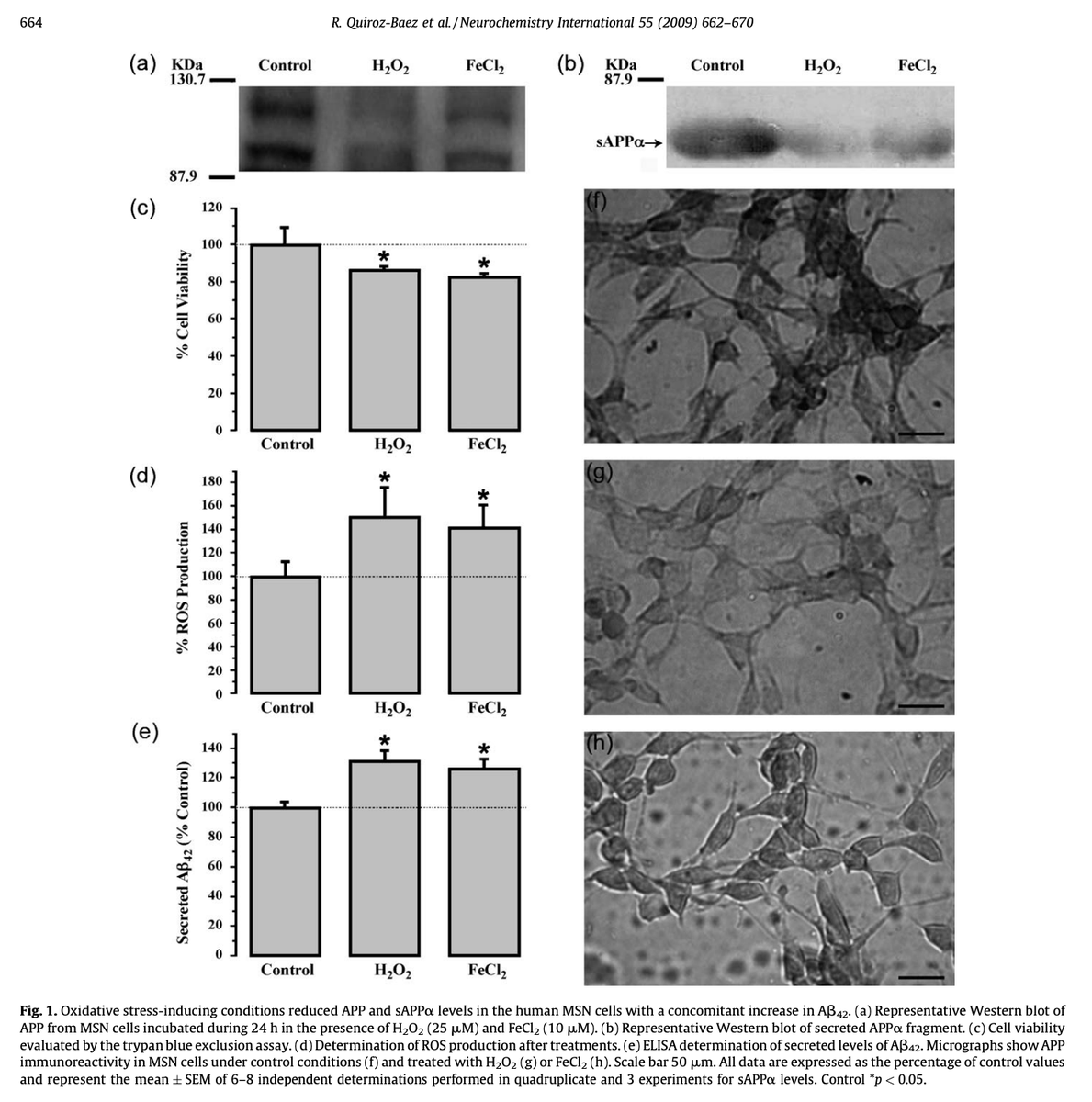
Oxidative stress promotes amyloid production.
Increasing oxidative stress promotes the production of amyloid from its precursor.
Oxidative stress is when free radical production overrides our antioxidant capacity.
Inflammation drives oxidative stress (and vice versa).
Increasing oxidative stress promotes the production of amyloid from its precursor.
Oxidative stress is when free radical production overrides our antioxidant capacity.
Inflammation drives oxidative stress (and vice versa).
SEED OILS in Alzheimer's.
Lipid peroxidation causes proteins to tangle up - which is seen in Alzheimer's.
Lipid peroxidation is the process by which oxidative stress damaged the fats in our tissues.
Specifically, the omega 6 fat linoleic acid, found mainly in SEED OILS.
Lipid peroxidation causes proteins to tangle up - which is seen in Alzheimer's.
Lipid peroxidation is the process by which oxidative stress damaged the fats in our tissues.
Specifically, the omega 6 fat linoleic acid, found mainly in SEED OILS.
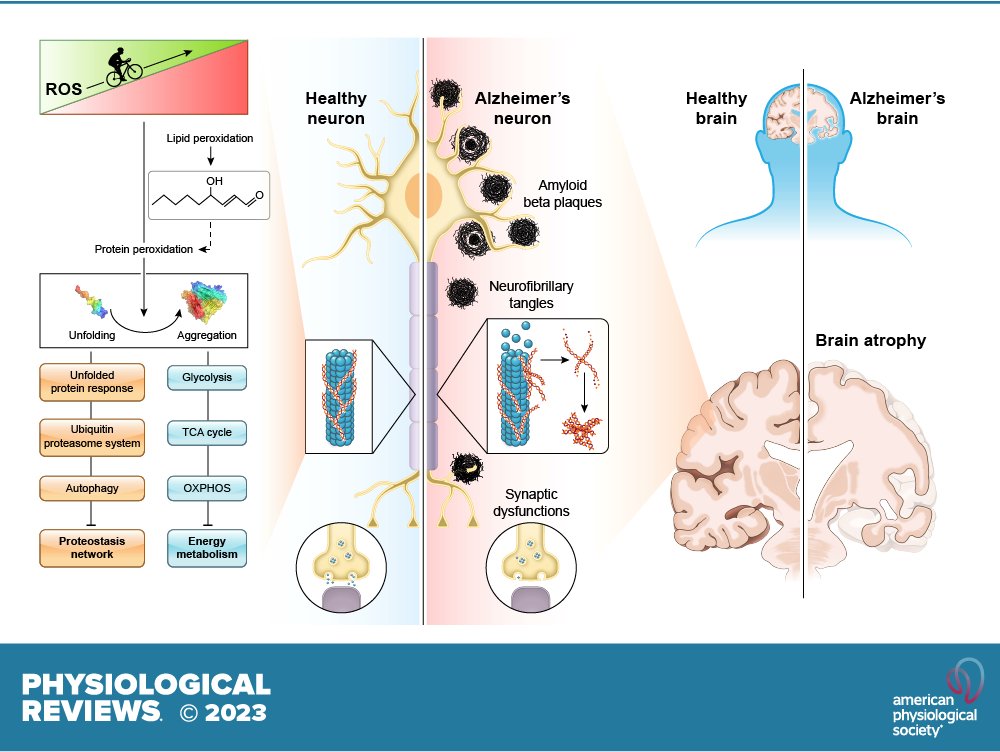
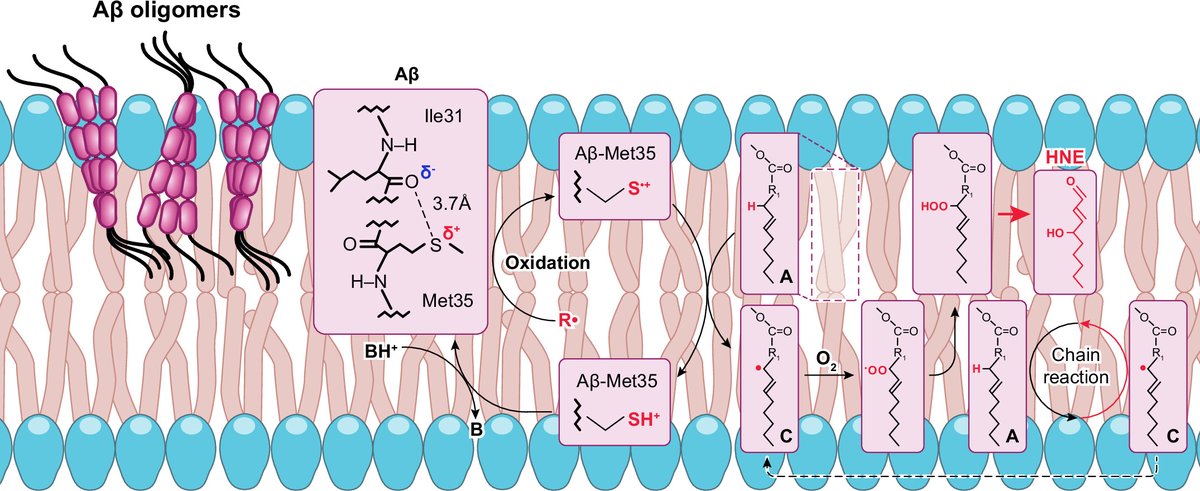
Amyloid plaques drive oxidative stress + lipid peroxidation.
All of these processes are bidirectional - but by focusing on the core causes we can address it from all angles.
Avoiding seed oils to minimize lipid peroxidation is paramount.
All of these processes are bidirectional - but by focusing on the core causes we can address it from all angles.
Avoiding seed oils to minimize lipid peroxidation is paramount.
Generated by Thread Navigator
Press ⌘ + S to quick-export
auto_awesome
Image exported!
Pro export renders embedded tweets & media at 2x Retina resolution.
Upgrade — $5 for 30 days