Reminder: Tolkien hated Disney. He called them "hopelessly...

The Culturist@the_culturist_
12 views
Mar 29, 2025
~2 min read
Advertisement
1
Reminder: Tolkien hated Disney.
He called them "hopelessly corrupted" and knew they'd ruin any story they touched.
Why? Tolkien's storytelling philosophy was profoundly different… (thread) 🧵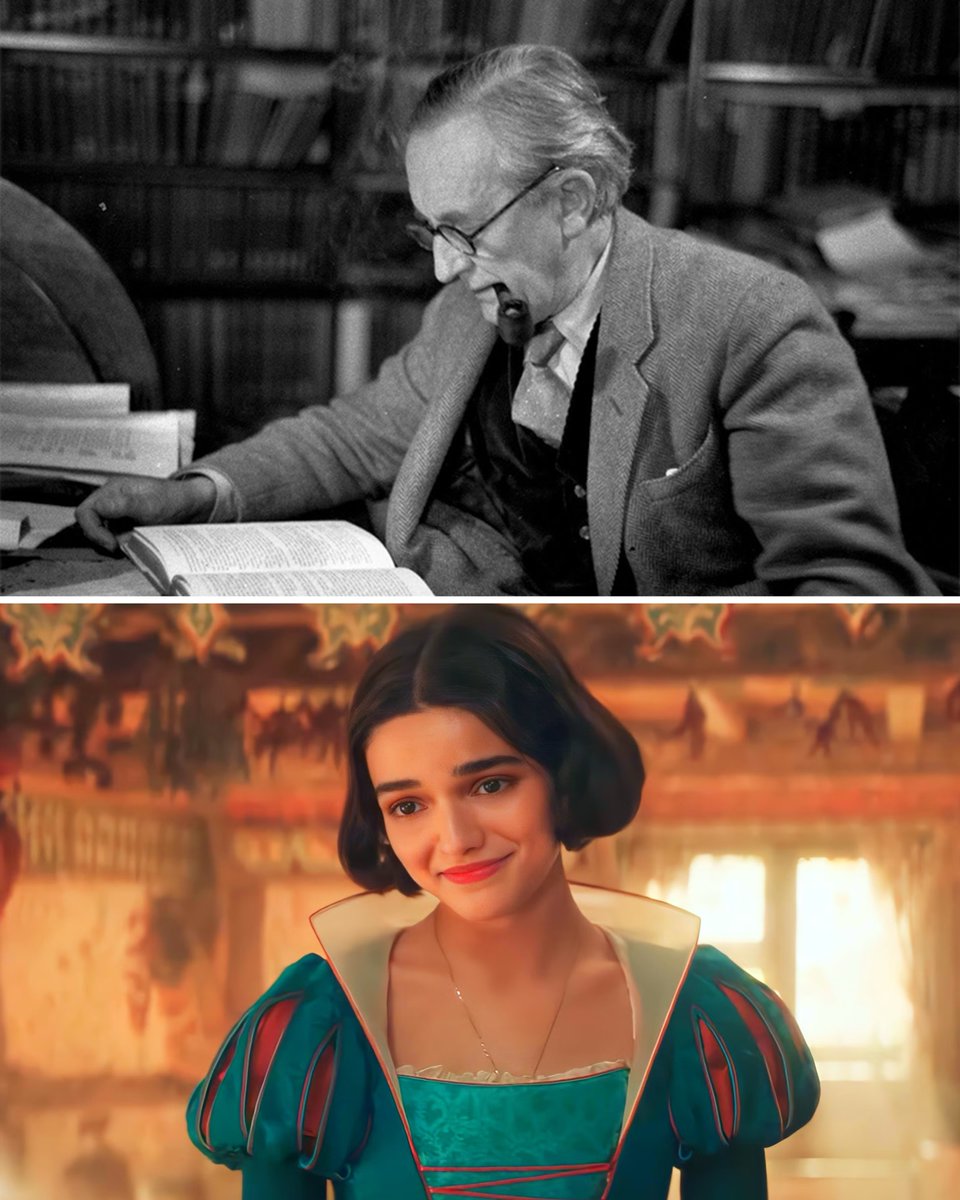
He called them "hopelessly corrupted" and knew they'd ruin any story they touched.
Why? Tolkien's storytelling philosophy was profoundly different… (thread) 🧵
2
The Hobbit was published a few months before the Snow White movie came out in 1937.
Tolkien watched it with his friend C.S. Lewis, and later insisted that Disney *never* adapt his own works…

Tolkien watched it with his friend C.S. Lewis, and later insisted that Disney *never* adapt his own works…
3
Tolkien dedicated his life to the study and creation of myths and what he called "fairy-stories".
For him, age-old tales like Beowulf weren't just entertainment, but vehicles of profound truth, emerged from cultural soil over generations.

For him, age-old tales like Beowulf weren't just entertainment, but vehicles of profound truth, emerged from cultural soil over generations.
4
Disney took folkloric material and stripped it of its spiritual depth, commercializing what Tolkien deemed essentially sacrosanct.
But how, exactly?

But how, exactly?
5
Take Snow White. In the Brothers Grimm original (1812), Snow White flees into the forest, bargains, and works to earn her shelter.
In Disney's version, she simply sings to animals and waits to be rescued...
In Disney's version, she simply sings to animals and waits to be rescued...
6
Throughout, danger, violence and ambiguity were erased, replaced by a tale designed to comfort children — not warn them.
Instead of Grimm's brutal justice delivered to the queen (forced to dance in red-hot iron shoes until she dies), the story ends with a kiss.
Instead of Grimm's brutal justice delivered to the queen (forced to dance in red-hot iron shoes until she dies), the story ends with a kiss.
7
Tolkien loathed sugar-coated storytelling like this, and kept the rough edges in his own works.
The Hobbit was written for his children, but it contains anger, hardship, horror, evil and death.
The Hobbit was written for his children, but it contains anger, hardship, horror, evil and death.
8
As G.K. Chesterton once said:
"Fairy tales do not tell children the dragons exist. Children already know that dragons exist. Fairy tales tell children the dragons can be killed."
"Fairy tales do not tell children the dragons exist. Children already know that dragons exist. Fairy tales tell children the dragons can be killed."
9
"Disneyfication" also deprived stories of spiritual weight — Grimm's original lost its deeper symbols of renewal, death and resurrection.
And Disney's bumbling dwarfs lacked the depth of Norse tradition: craftsmen of the mountains, with deep, spiritual ties to the land.

And Disney's bumbling dwarfs lacked the depth of Norse tradition: craftsmen of the mountains, with deep, spiritual ties to the land.
10
Why were fairy-stories and myths so sacred to Tolkien?
Because he knew that myths are not lies, but the precise opposite: "Myths convey the essential truths, the primary reality of life itself."
Because he knew that myths are not lies, but the precise opposite: "Myths convey the essential truths, the primary reality of life itself."
11
He saw the great man-made myths through history as fragments of divine truth:
"We have come from God, and inevitably the myths woven by us, though they contain error, will also reflect a splintered fragment of the true light, the eternal truth that is with God..."
"We have come from God, and inevitably the myths woven by us, though they contain error, will also reflect a splintered fragment of the true light, the eternal truth that is with God..."
12
Similarities among ancient myths arose because they were all pointing at the same truth, thought Tolkien.
Then, one myth really came true at a tangible moment in history — the "true myth" that we are all living inside...
Then, one myth really came true at a tangible moment in history — the "true myth" that we are all living inside...
13
So, more than mere fiction, Tolkien's myths were designed be lived at a deeper level of imagination.
He saw fantasy world-building as a kind of "sub-creation" mirroring God's creation — NOT something to be cheapened or commercialized.

He saw fantasy world-building as a kind of "sub-creation" mirroring God's creation — NOT something to be cheapened or commercialized.
14
In 1937, Disney began sanitizing fairy stories for children.
Now, they sanitize them for adults — contorting folkloric stories to fit modern politics...
Now, they sanitize them for adults — contorting folkloric stories to fit modern politics...

