JRR Tolkien hated Dune because its ethics are fundamentally wrong....

The Culturist@the_culturist_
39 views
Mar 22, 2025
~3 min read
Advertisement
1
JRR Tolkien hated Dune because its ethics are fundamentally wrong.
The Lord of the Rings is a profoundly different take on Good and Evil — and how to live a moral life.
Here's why… (thread) 🧵
The Lord of the Rings is a profoundly different take on Good and Evil — and how to live a moral life.
Here's why… (thread) 🧵
2
Tolkien, in an unsent letter, said he disliked Frank Herbert's Dune "with some intensity".
Why? He didn't explain, but Dune's protagonists are directly opposed to the heroes of Middle-earth...
Why? He didn't explain, but Dune's protagonists are directly opposed to the heroes of Middle-earth...
3
Dune, GoT and others adhere to the idea that good and bad actions are defined by their consequences.
Their characters are pragmatists, choosing the lesser of evils to forge a path they deem is good.

Their characters are pragmatists, choosing the lesser of evils to forge a path they deem is good.
4
So, moral decisions shift with context.
Paul Atreides' choices assume that the ends justify the means, waging jihad that will later kill billions in order to secure his people's future.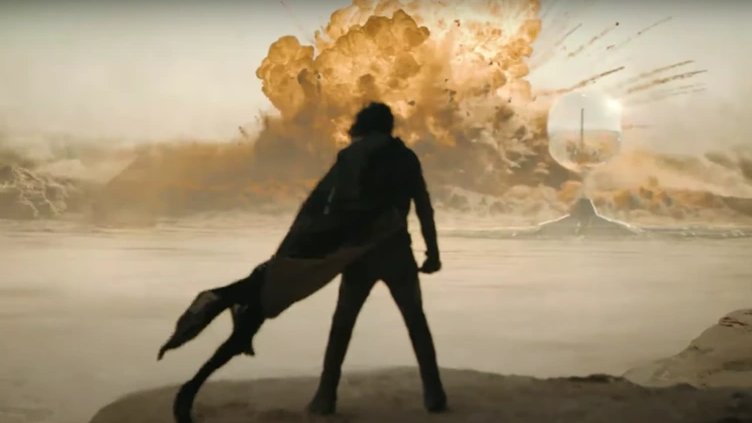
Paul Atreides' choices assume that the ends justify the means, waging jihad that will later kill billions in order to secure his people's future.
5
These protagonists are Nietzschean in the sense that they forge their own moral framework, embracing will to power without divine authority.
They thrive entirely by their own strength.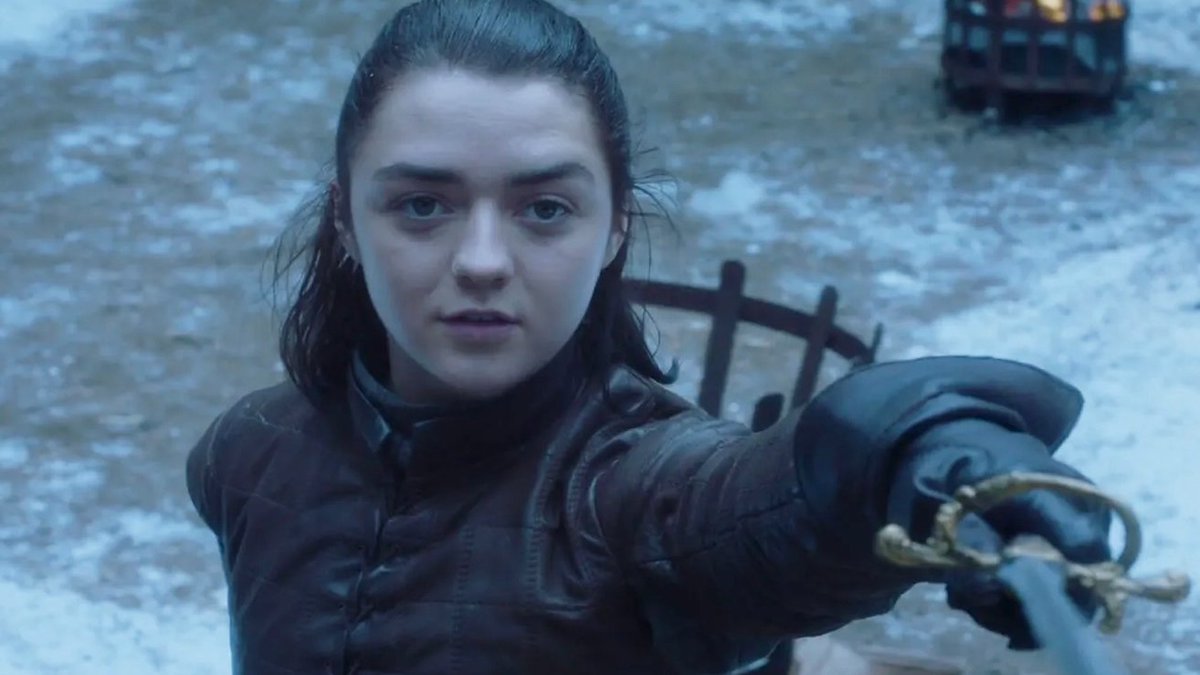

They thrive entirely by their own strength.
6
Tolkien was a deontologist: actions are right or wrong based on their inherent nature, not outcomes.
Frodo's quest is right because it resists evil, not because it's guaranteed to succeed: "I will take the Ring, though I do not know the way."
Frodo's quest is right because it resists evil, not because it's guaranteed to succeed: "I will take the Ring, though I do not know the way."
7
Tolkien's protagonists act not through will to power, but through duty, in submission to a higher plan.
And this moral vision runs deep throughout Middle-earth, because it's a deeply religious story...
And this moral vision runs deep throughout Middle-earth, because it's a deeply religious story...
8
Tolkien's universe is first sung into existence via the music of creation.
Arda begins as a perfect, symmetrical world, absent darkness, until Melkor (a Lucifer figure) brings evil into it.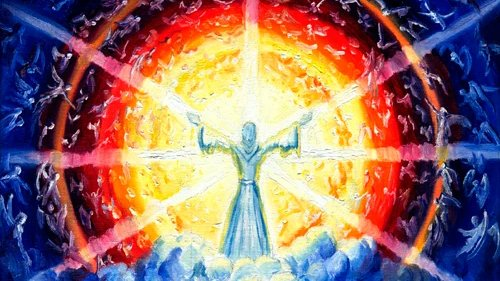
Arda begins as a perfect, symmetrical world, absent darkness, until Melkor (a Lucifer figure) brings evil into it.
9
Over time, the world is remade after numerous "falls" echoing the Biblical Fall of Man.
Each time, the perfect beauty of the old world declines, and by the events of LOTR, the world is a shadow of what it used to be.
Each time, the perfect beauty of the old world declines, and by the events of LOTR, the world is a shadow of what it used to be.
10
By the 3rd age, the culture is a fragment of what it was, and Middle-earth is littered with ruins of past, superior civilizations.
Minas Tirith still stands, but its inhabitants could likely never build it, and struggle only to maintain it.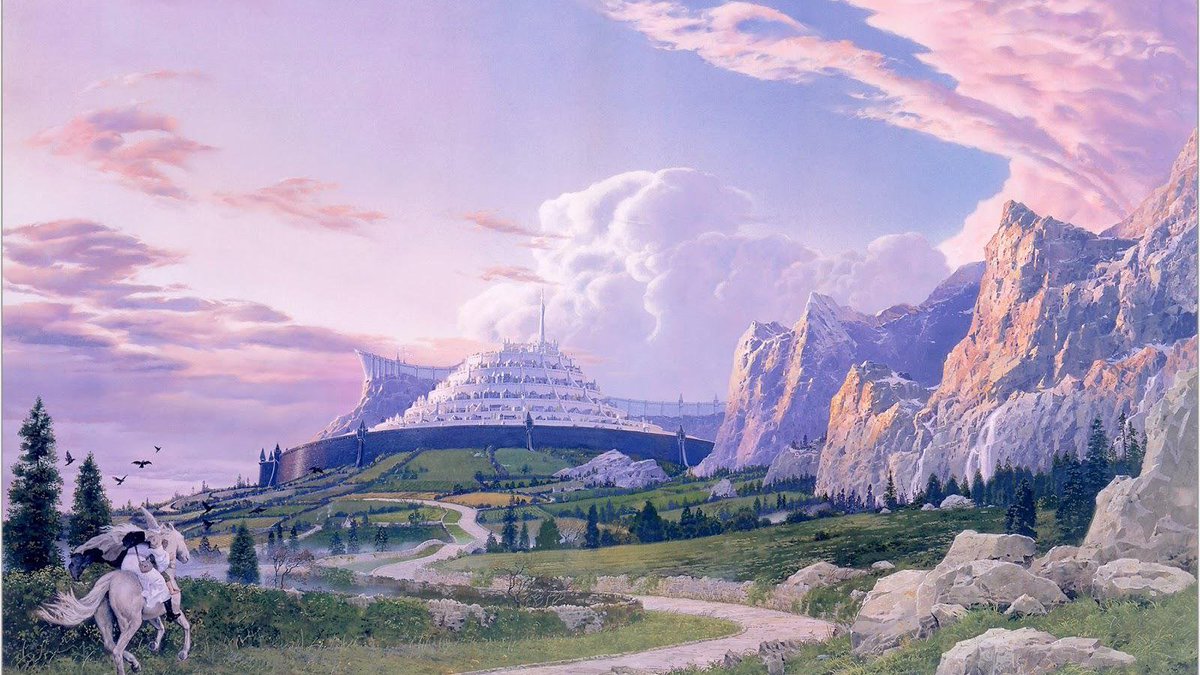
Minas Tirith still stands, but its inhabitants could likely never build it, and struggle only to maintain it.
11
This is how Tolkien perceived all of history: a steady fading of the beauty and magic of creation.
He wrote: "I do not expect ‘history’ to be anything but a ‘long defeat'..."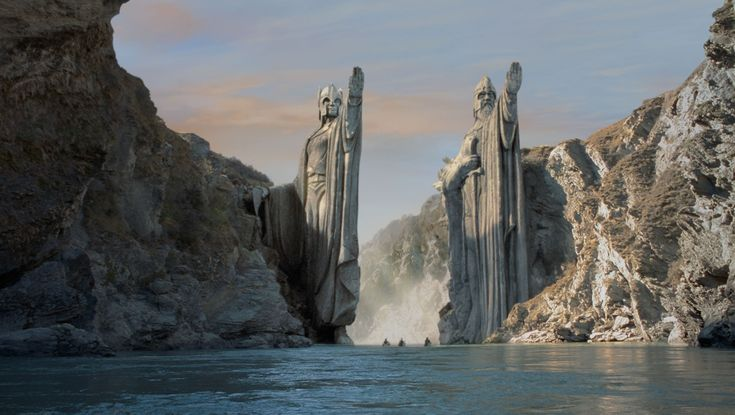
He wrote: "I do not expect ‘history’ to be anything but a ‘long defeat'..."
12
This long decline, according to Tolkien, mirrors our own reality.
Middle-earth is supposed to be on our Earth, when the continents were shaped differently, inhabited by magic and beauty now lost to the ages...
Middle-earth is supposed to be on our Earth, when the continents were shaped differently, inhabited by magic and beauty now lost to the ages...
13
But if history is a long march to inevitable defeat, isn't that cause for despair?
No — Tolkien's universe has another power at work. A guiding force or divine providence watches over it, providing "samples or glimpses of final victory..."
No — Tolkien's universe has another power at work. A guiding force or divine providence watches over it, providing "samples or glimpses of final victory..."
14
The destruction of the Ring is a glimpse of that victory.
Note: it does not happen because of heroic protagonists — Frodo cannot himself destroy it. It happens in an instant of good fortune, by the guiding hand of something higher.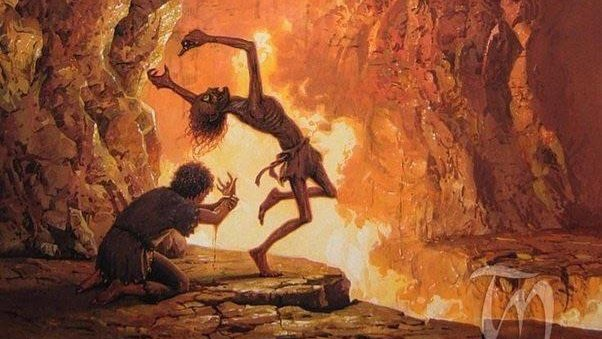
Note: it does not happen because of heroic protagonists — Frodo cannot himself destroy it. It happens in an instant of good fortune, by the guiding hand of something higher.
15
Likewise, Aragorn cannot defeat Sauron in battle. He can only stage a last-ditch diversion at Mordor's gates.
He does so facing near-certain defeat, but with trust in the divine plan.
He does so facing near-certain defeat, but with trust in the divine plan.
16
Tolkien's long defeat is not a march toward final destruction, but to a final, great rescue.
A rescue outside our control, when all seems lost, claiming victory over all evil — as in Tolkien's Catholic theology.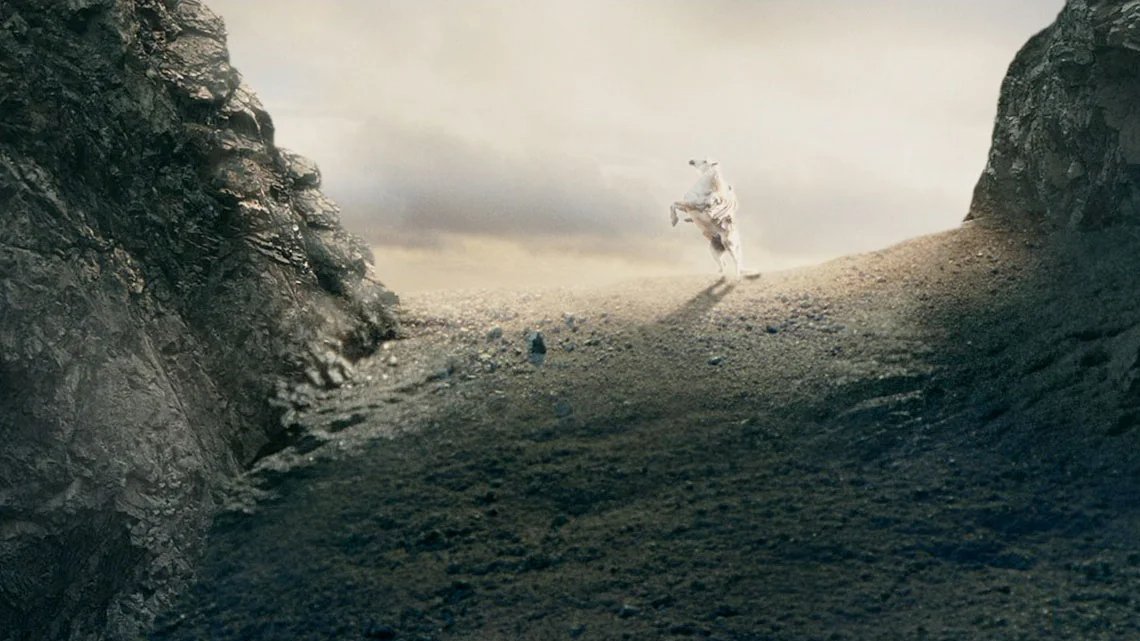
A rescue outside our control, when all seems lost, claiming victory over all evil — as in Tolkien's Catholic theology.
17
So, if you're living through a great decline, what do you do?
Live pragmatically, choosing one evil over another for an outcome you decide is good? Or walk like Tolkien's heroes, doing what is right regardless of context?
Live pragmatically, choosing one evil over another for an outcome you decide is good? Or walk like Tolkien's heroes, doing what is right regardless of context?
18
Tolkien's characters feel profoundly *good* because they choose the latter, bound by moral laws beyond themselves.
Even when it seems foolish to do so, Bilbo spares Gollum in an act of mercy...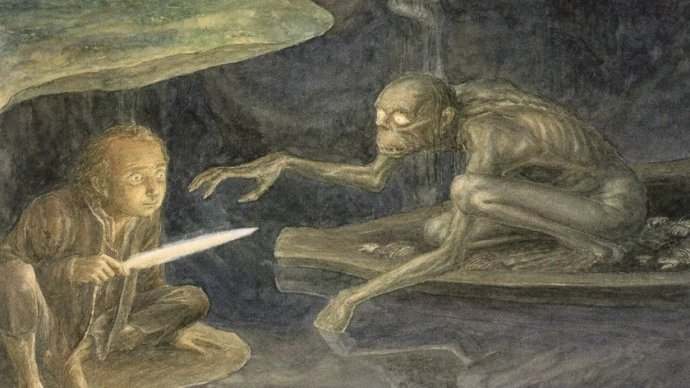
Even when it seems foolish to do so, Bilbo spares Gollum in an act of mercy...
19
That simple act of kindness led to the destruction of the Ring in a joyous turn of fortune, vindicating Gandalf's words:
“Do not be too eager to deal out death in judgment.”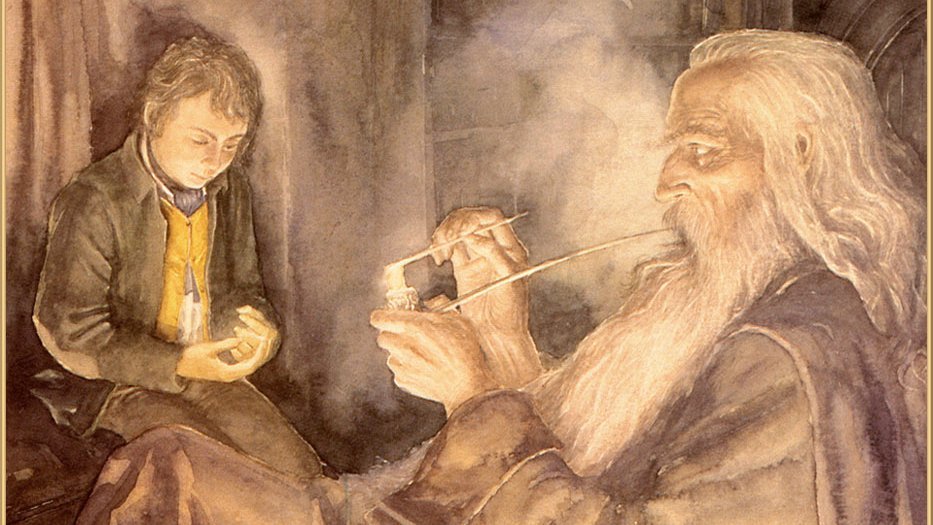
“Do not be too eager to deal out death in judgment.”
