Why are there thousands of paintings of Jesus but none of Muhammad?...

The Culturist@the_culturist_
37 views
Feb 17, 2025
~2 min read
Advertisement
1
Why are there thousands of paintings of Jesus but none of Muhammad?
The answer is one relatively simple idea.
But it changed art forever... (thread) 🧵
The answer is one relatively simple idea.
But it changed art forever... (thread) 🧵
2
In Islam, depictions of God or Muhammad are forbidden. You look up in their holy buildings instead at bright colors and geometries.
This of course is to avoid idolatry — so why then does Christianity allow Christian art?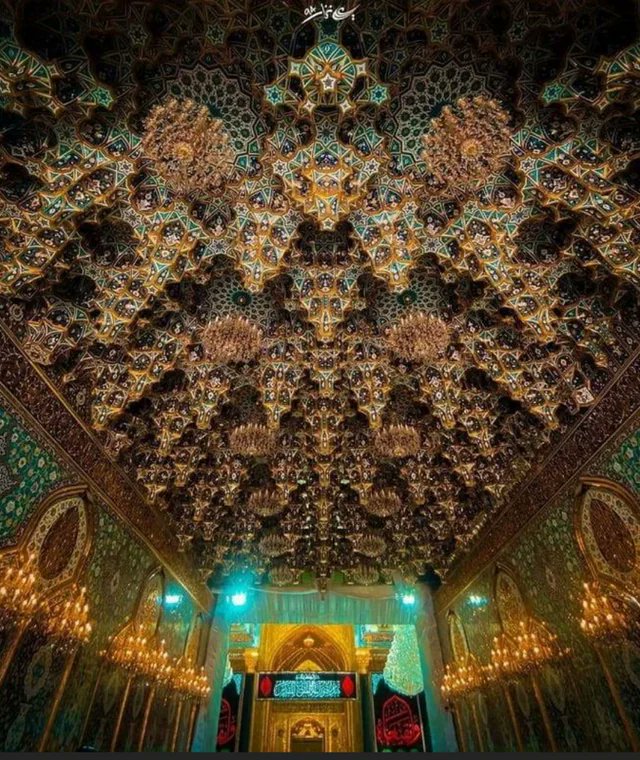
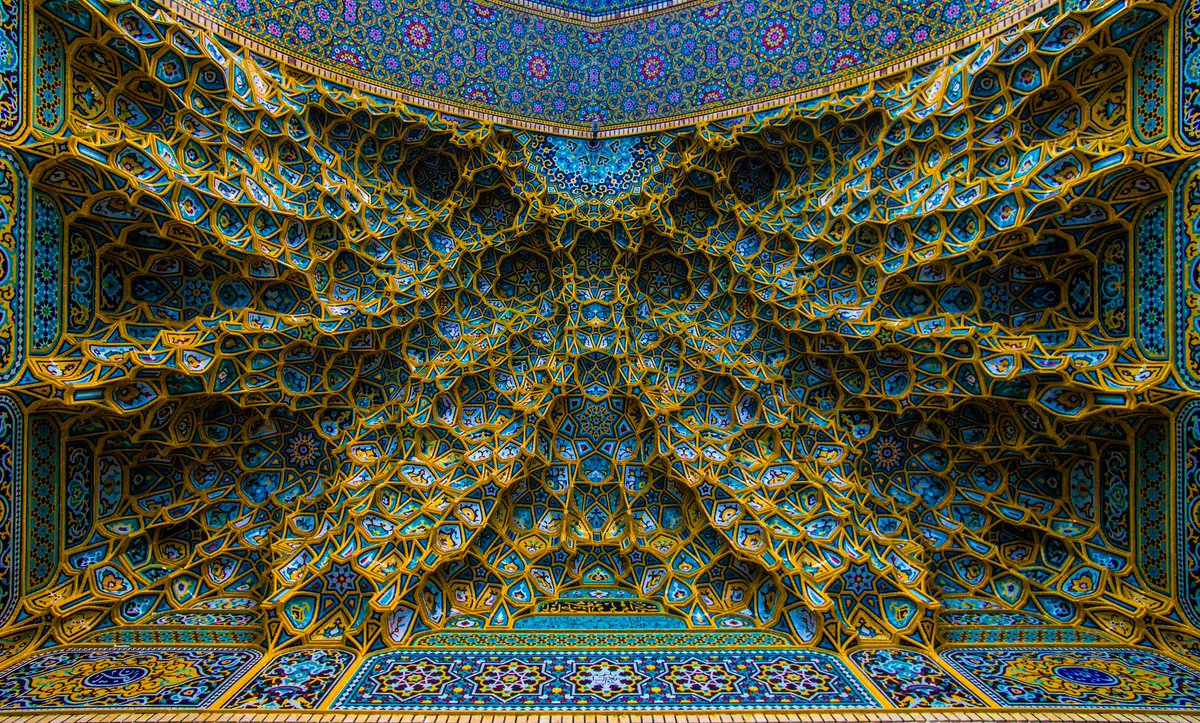
This of course is to avoid idolatry — so why then does Christianity allow Christian art?
3
Well, in early Christianity, depictions of Christ were scarce for the same reason.
People were hesitant of idolatry, and early images of Jesus were secretive and simplistic...
People were hesitant of idolatry, and early images of Jesus were secretive and simplistic...
4
But debates raged within the early Church over the nature of Christ's divinity:
Was he part human and part divine? Or fully human and fully divine?
Was he part human and part divine? Or fully human and fully divine?
5
Eventually, the Incarnation doctrine took hold: Jesus was God incarnate, entering the world in real flesh.
But since God is mysterious and infinite, is it not blasphemous to reduce him to finite form in art?
But since God is mysterious and infinite, is it not blasphemous to reduce him to finite form in art?
6
Well, since God had allowed himself to take on finite form (without compromising his grandeur), Christians got the green light to do the same by portraying his likeness.

7
Depictions of Jesus, Mary and others became not just permissible, but encouraged in all forms:
Paintings, statues, stained glass, altarpieces, illuminated manuscripts...
Paintings, statues, stained glass, altarpieces, illuminated manuscripts...
8
Art could communicate the Gospels to illiterate congregations — learning scripture not through the text itself, but through sermons and images.
Cathedrals and mosaics became great vehicles of evangelization...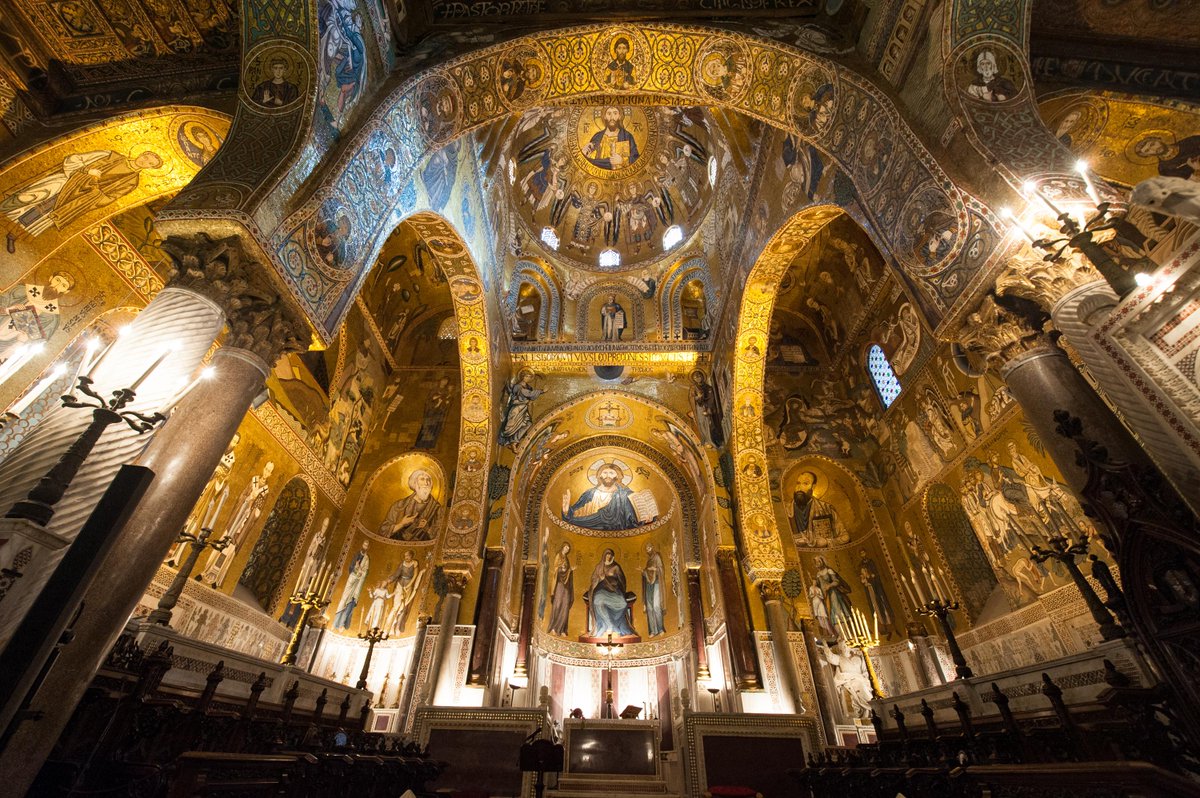
Cathedrals and mosaics became great vehicles of evangelization...
9
Take Sainte-Chapelle's stained glass artworks — 1,130 biblical figures are contained in its panels.
They aren't just there to show off. They're meant to inspire you with the examples of Christ and the saints.
They aren't just there to show off. They're meant to inspire you with the examples of Christ and the saints.
10
Of course, there was pushback. The iconoclasts of the Reformation came to turn people away from religious art.
They went through churches and town squares, smashing and looting all sacred art they could find...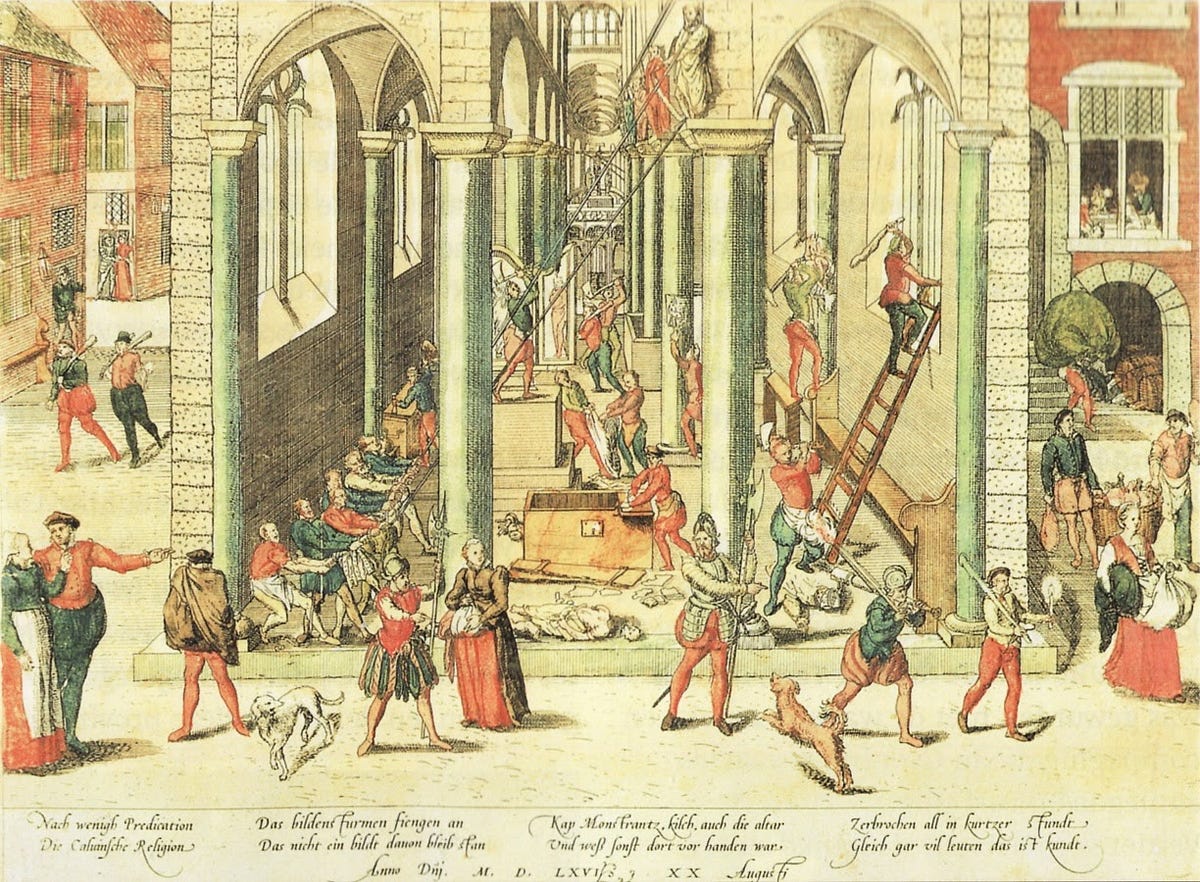
They went through churches and town squares, smashing and looting all sacred art they could find...
11
How did the Counter Reformation respond?
By creating new art so intensely beautiful that it could turn them back. Besides, the iconoclasts were missing the point...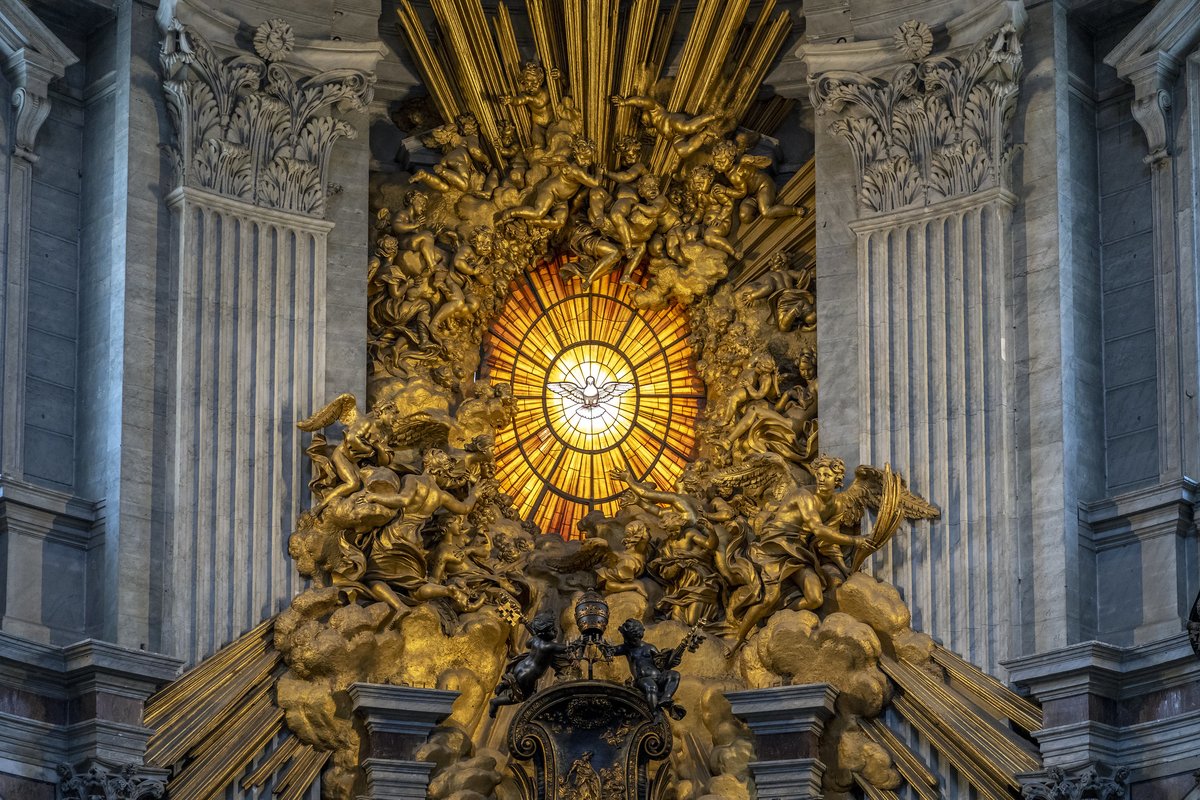
By creating new art so intensely beautiful that it could turn them back. Besides, the iconoclasts were missing the point...
12
The Church's defense of art has always been that one does not look at art, but beyond it.
A painting of Mary and Jesus isn't meant to stop at the canvas. It's supposed to pull you into the Gospel story.
A painting of Mary and Jesus isn't meant to stop at the canvas. It's supposed to pull you into the Gospel story.
13
Today, we all understand that great art (religious or secular) is that which moves us.
The Incarnation — an infinite God becoming a finite human to point us back to the infinite — is an exact parallel of what great art seeks to do.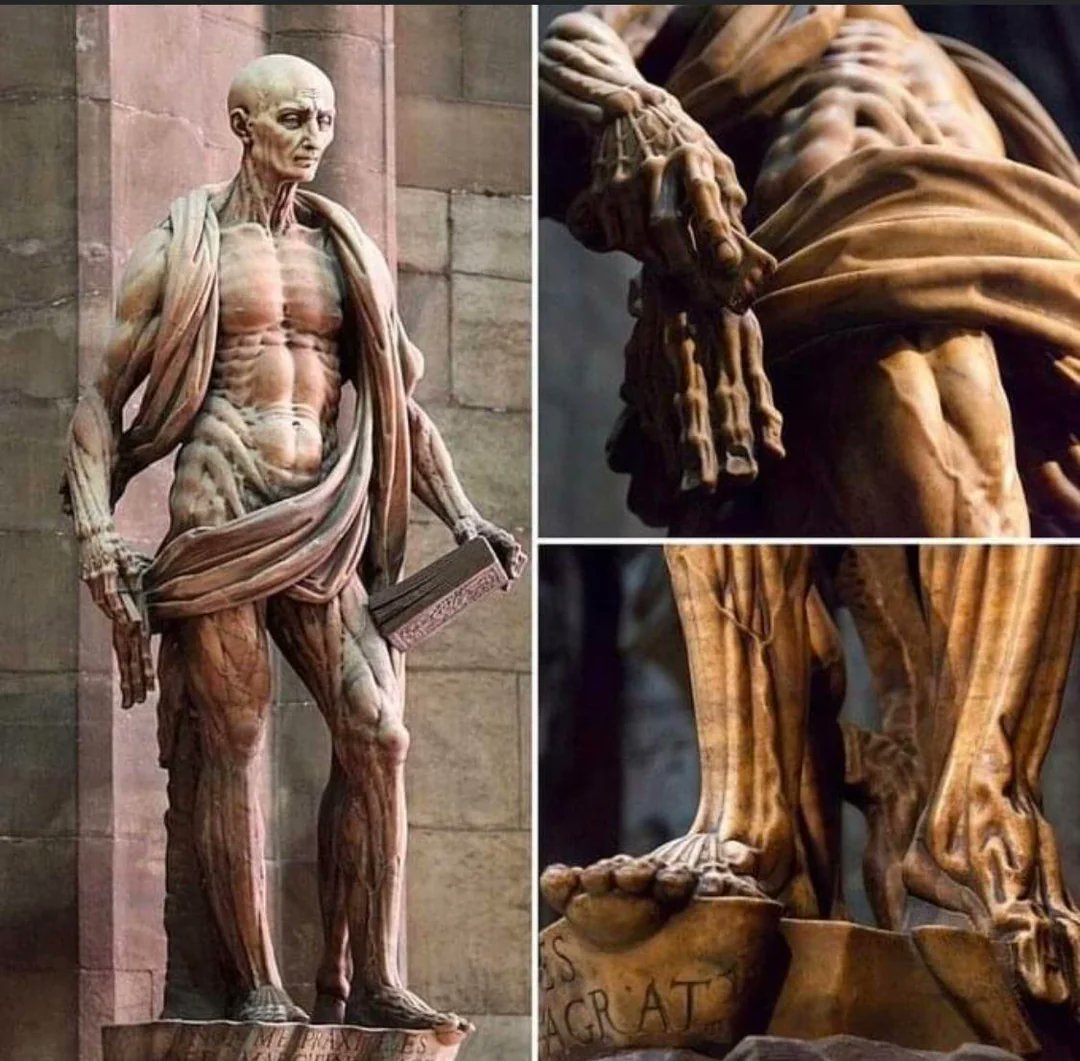
The Incarnation — an infinite God becoming a finite human to point us back to the infinite — is an exact parallel of what great art seeks to do.
14
A great book like The Lord of the Rings takes the "infinite", transcendental themes of brotherhood and sacrifice, and turns them into "finite" words on a page.
Words whose goal is to turn you back to the infinite by embracing those ideals.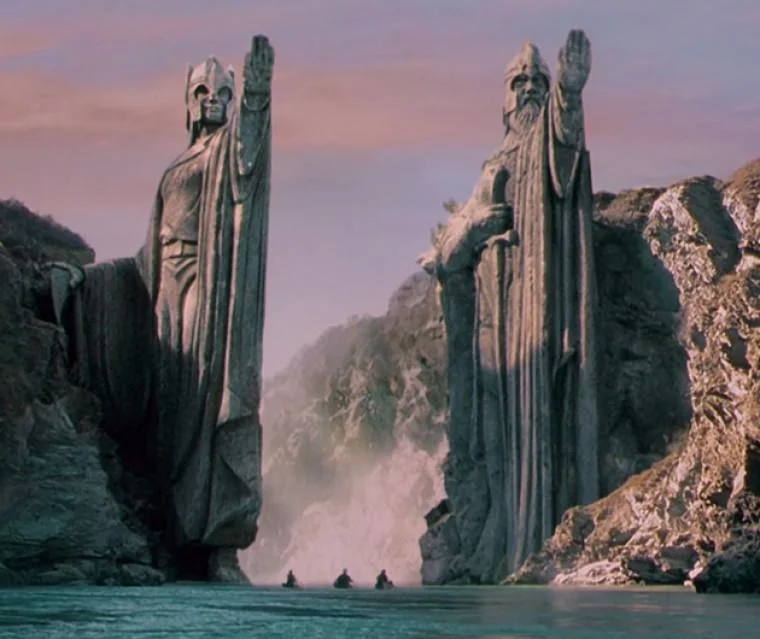
Words whose goal is to turn you back to the infinite by embracing those ideals.
15
Great, beautiful art is a gateway to a deeper reality.
It doesn't point to itself, but beyond itself — into eternity.
It doesn't point to itself, but beyond itself — into eternity.
16
Here's a link to the full article (free)!
Why art is a gateway to the divine...
culture-critic.com/p/why-art-is-a…
Why art is a gateway to the divine...
culture-critic.com/p/why-art-is-a…

