He deleted almost every app from his phone. Then he wrote 4...

Clint Jarvis@clinjar
18 views
Apr 02, 2025
~3 min read
Advertisement
1
He deleted almost every app from his phone.
Then he wrote 4 bestsellers in 9 years.
Cal Newport's controversial take: Your phone is making you mediocre.
His science-backed system for getting your brain back:
Then he wrote 4 bestsellers in 9 years.
Cal Newport's controversial take: Your phone is making you mediocre.
His science-backed system for getting your brain back:
2
The average person spends a whopping 4 hours and 30 minutes on their phone daily.
And that figure is still growing...
That's nearly 50 days per year staring at a small screen.
A study from the Journal of the Association for Consumer Research revealed something crucial:
And that figure is still growing...
That's nearly 50 days per year staring at a small screen.
A study from the Journal of the Association for Consumer Research revealed something crucial:
3
The mere presence of your phone reduces cognitive capacity.
Even when it's turned off, face down on your desk...
Your brain is actively working to resist picking it up.
This "brain drain" effect leaves fewer resources for actual thinking.
Even when it's turned off, face down on your desk...
Your brain is actively working to resist picking it up.
This "brain drain" effect leaves fewer resources for actual thinking.
0:30
4
Newport identified how phones affect our brains:
• They create powerful dopamine feedback loops.
• Each notification triggers a craving for more interaction.
Studies show this mirrors the reward system that drives addiction.
Here's where it gets concerning:
• They create powerful dopamine feedback loops.
• Each notification triggers a craving for more interaction.
Studies show this mirrors the reward system that drives addiction.
Here's where it gets concerning:
1:54
5
Research from UC Irvine discovered:
It takes 23 minutes and 15 seconds to fully refocus after an interruption.
Think about that:
Every time you glance at a notification, you lose nearly half an hour of deep focus. This led to Newport's solution:
It takes 23 minutes and 15 seconds to fully refocus after an interruption.
Think about that:
Every time you glance at a notification, you lose nearly half an hour of deep focus. This led to Newport's solution:
6
He developed "Digital Minimalism."
The core principle is simple:
Use technology only in ways that deeply support your values.
Ruthlessly eliminate everything else.
Here's how you can implement it: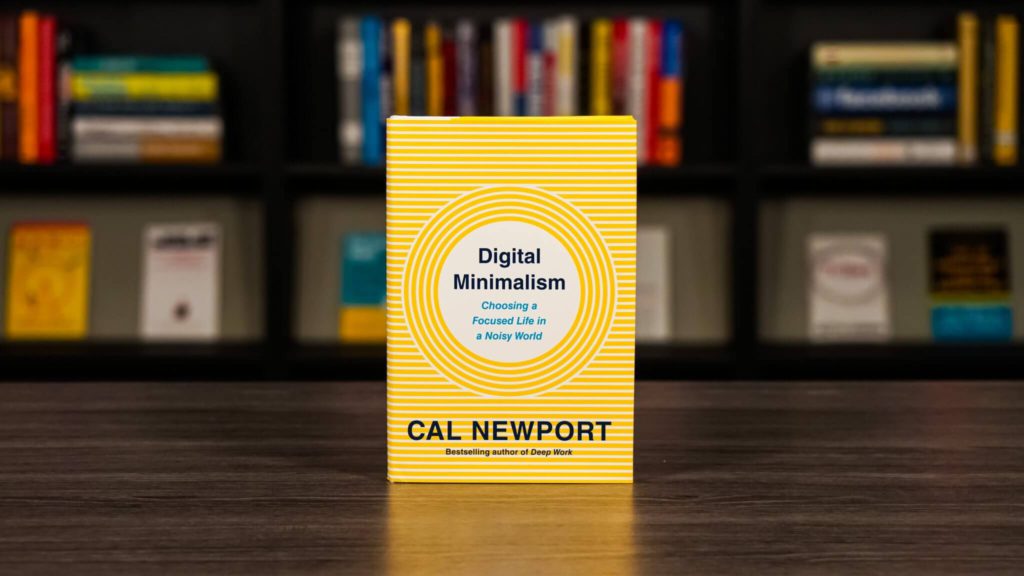
The core principle is simple:
Use technology only in ways that deeply support your values.
Ruthlessly eliminate everything else.
Here's how you can implement it:
7
The Digital Reset:
Set strict limits on non-essential apps.
Less social media. Less mindless scrolling.
Use your phone as a tool, not an escape.
Apps like Roots can help keep implement this.
Set strict limits on non-essential apps.
Less social media. Less mindless scrolling.
Use your phone as a tool, not an escape.
Apps like Roots can help keep implement this.
1:54
8
The Journal of Social and Clinical Psychology confirmed:
Limiting social media reduced loneliness and depression.
Focus improved. Sleep quality increased.
Anxiety levels decreased significantly.
But Newport found something even more fundamental:
Limiting social media reduced loneliness and depression.
Focus improved. Sleep quality increased.
Anxiety levels decreased significantly.
But Newport found something even more fundamental:
9
He emphasized the importance of "high-quality leisure."
Instead of scrolling, engage in activities that require skill development.
These activities provide deeper satisfaction than passive consumption.
The neuroscience behind this is compelling:
Instead of scrolling, engage in activities that require skill development.
These activities provide deeper satisfaction than passive consumption.
The neuroscience behind this is compelling:
1:49
10
Research shows when you're bored, your brain activates the Default Mode Network.
This neural network is crucial for creative thinking and problem-solving.
It enables deep reflection and novel connections.
But constant phone use disrupts this activation.
Newport's solution was evidence-based:
This neural network is crucial for creative thinking and problem-solving.
It enables deep reflection and novel connections.
But constant phone use disrupts this activation.
Newport's solution was evidence-based:
11
The University of Texas found:
Having your phone in another room significantly improves cognitive performance.
It outperforms all other phone placement strategies.
But Newport's system went further:
Having your phone in another room significantly improves cognitive performance.
It outperforms all other phone placement strategies.
But Newport's system went further:
0:48
12
Create dedicated tech-free zones in your life:
• Device-free meals
• No-phone morning routine
• Tech-free evenings
This creates what Newport calls "solitude" - freedom from input from other minds - and research confirms the benefits:
• Device-free meals
• No-phone morning routine
• Tech-free evenings
This creates what Newport calls "solitude" - freedom from input from other minds - and research confirms the benefits:
13
The reintroduction phase is critical.
Only bring back technology that serves your core values.
Choose tools that provide genuine utility.
Studies show this selective approach works best:
Only bring back technology that serves your core values.
Choose tools that provide genuine utility.
Studies show this selective approach works best:
14
Research from the University of Chicago found:
Reducing phone presence increases cognitive capacity.
It improves focus and decision-making ability.
The mind becomes clearer and more creative.
This is why I built Roots:
Reducing phone presence increases cognitive capacity.
It improves focus and decision-making ability.
The mind becomes clearer and more creative.
This is why I built Roots:
15
Roots helps you find balance with your phone.
We understand phones are part of our life and going cold turkey isn't exactly practical.
So with Roots you can still take full advantage of technology without losing yourself to it:
We understand phones are part of our life and going cold turkey isn't exactly practical.
So with Roots you can still take full advantage of technology without losing yourself to it:
16
Ready to break free from your phone?
Download Roots and join the thousands of people who are setting better boundaries:
apps.apple.com/app/apple-stor…
Download Roots and join the thousands of people who are setting better boundaries:
apps.apple.com/app/apple-stor…
17
