Myths of S&C: Part 2 Misunderstanding the force-velocity...

Dan Cleather | Strength and Conditioning@dr_jump_uk
23 views
Dec 10, 2024
~3 min read
Advertisement
1
Myths of S&C: Part 2
Misunderstanding the force-velocity relationship.
Although almost all S&C coaches know Newton's second law (F=ma), our intention tends to be more Aristotelian.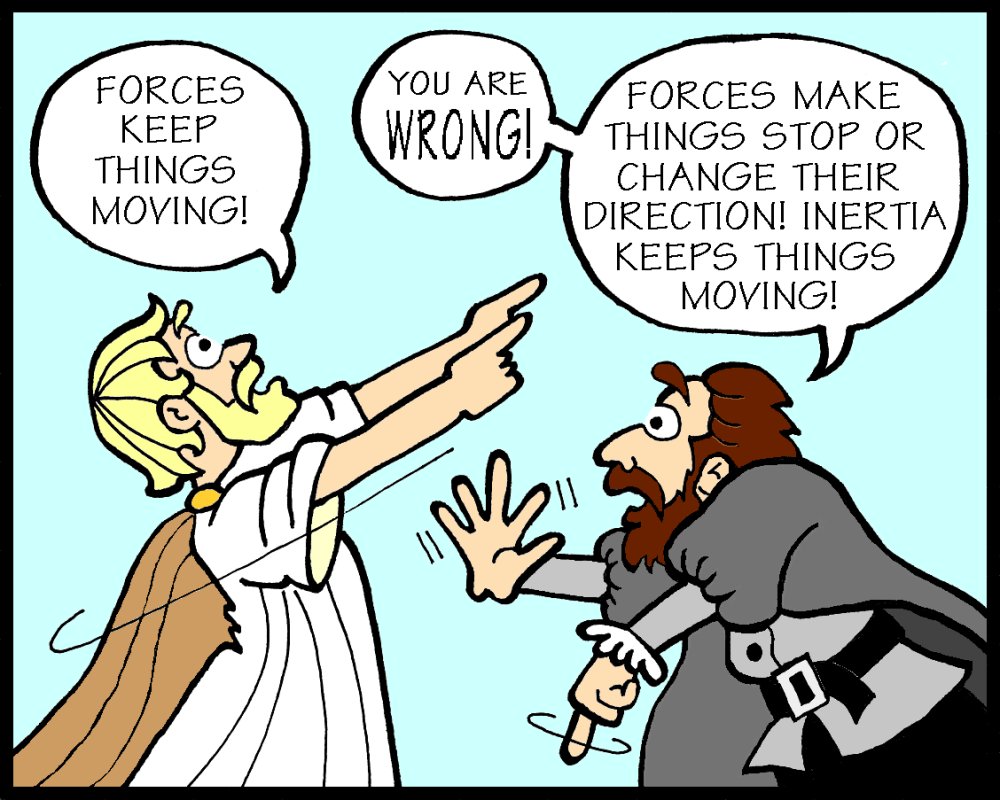
Misunderstanding the force-velocity relationship.
Although almost all S&C coaches know Newton's second law (F=ma), our intention tends to be more Aristotelian.
2
What does this mean? Aristotle said there was a relationship between force and velocity (sound familiar?). The harder you push something the faster it goes.
Newton said no. The relationship is between force and acceleration - the harder you push something the more it accelerates
Newton said no. The relationship is between force and acceleration - the harder you push something the more it accelerates
3
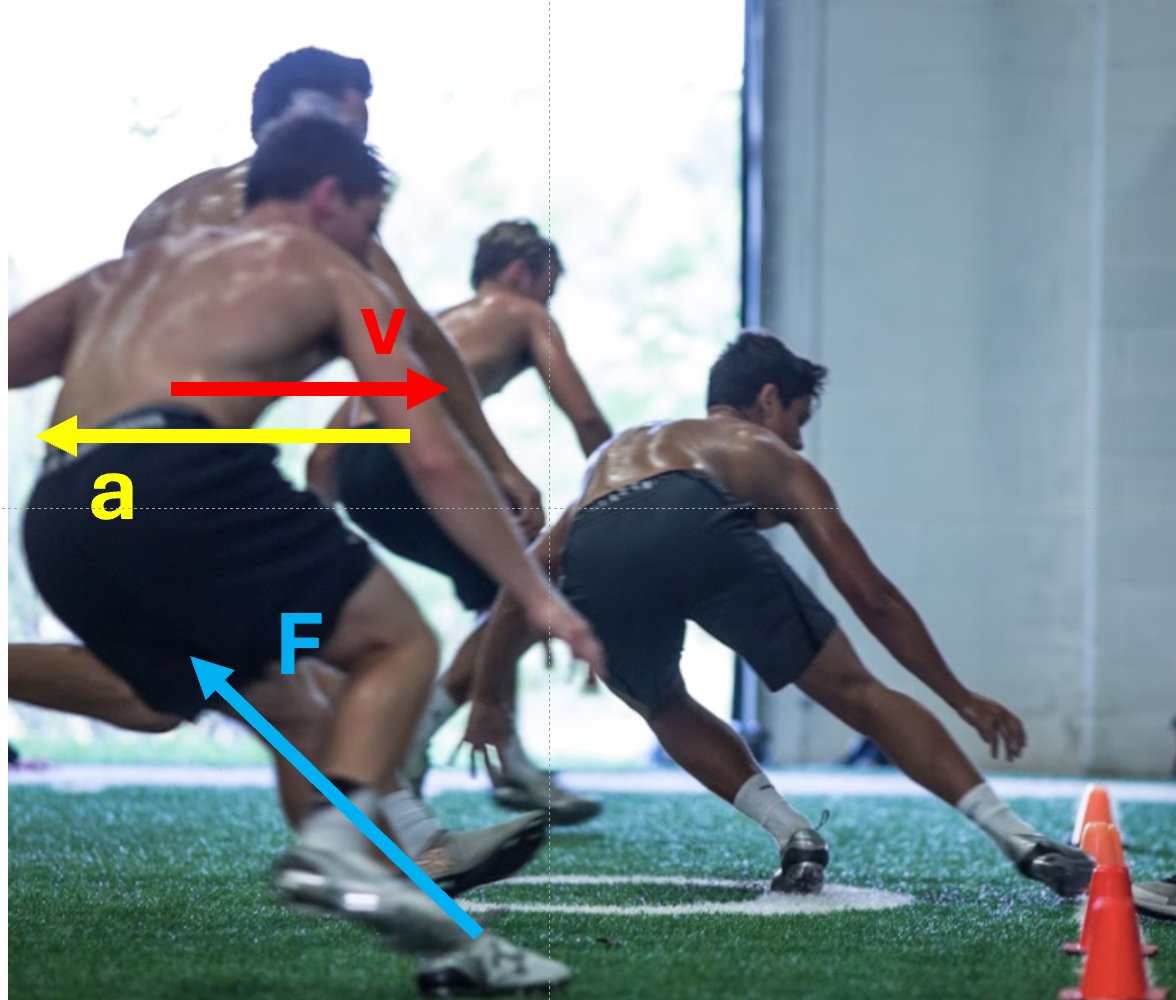
To understand this, think about an athlete who is starting to change direction (below). Their velocity points to the right. But as they start to decelerate the ground reaction force is to the left. This causes them to accelerate to the left, reducing their rightward velocity.
4
What is important here is to recognise that there is no relationship between the force and velocity. With the same force, the velocity can be high or low, in one direction or the other.
5
However, there is a relationship between force and acceleration. The acceleration is in the same direction as the force and proportional to the amount of force. Higher force = higher acceleration. Lower force = lower acceleration.
6
Thinking there is a relationship between force and velocity is a very common mistake (Aristotle made it). However, we make this mistake for another reason too - because we have heard of another force-velocity relationship.
7
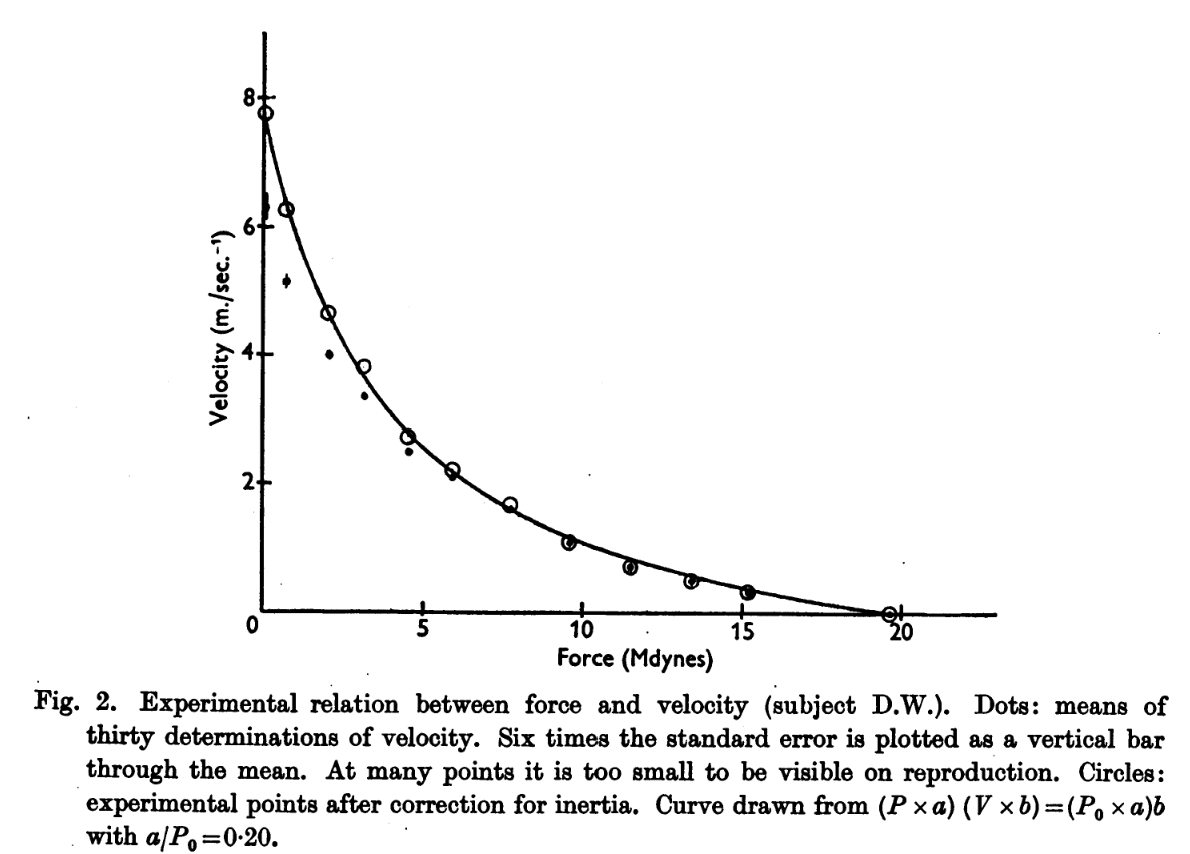
That is because, it has been shown that in isolated muscle, there is a relationship between max force and max contraction velocity. But what is important to remember is this is not a general mechanical law - it is a specific property of muscle.
8
I'll talk about the meaning of this property of muscle in myth 4...
9
But for the moment, it is enough to recognise that because a "force-velocity relationship" exists, it is common to assume that this is a general mechanical law.
10
The other mistake that is common is not distinguishing between an instantaneous relationship, and a relationship over time.
11
An instantaneous relationship is one which applies at every moment in time. For instance, Newton's second law - at any point in time, we know that the force applied will be proportional to the acceleration.
12
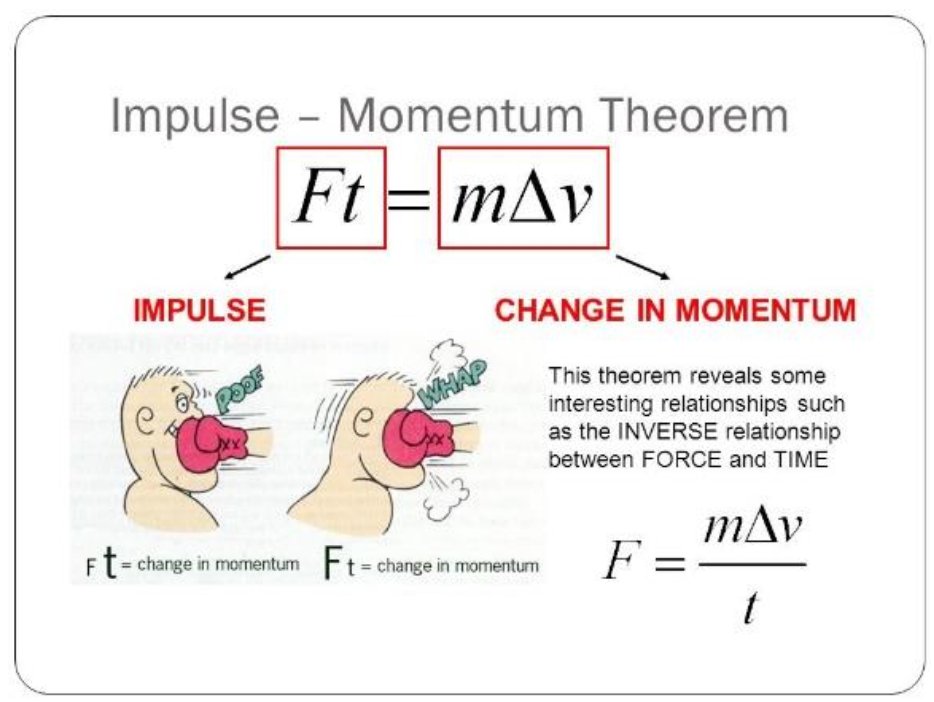
Now it is possible to derive the impulse-momentum relationship from Newton's second law. This says that over some given time period, the impulse applied will be equal to the change in momentum or:
13
What tends to happen here, is that people see the force term on one side of the equation, and the velocity term on the other, and think this is some type of force-velocity relationship. It is not. At any instant, the amount of force applied is unconnected to the velocity.
14
It is a relationship between impulse (the amount of force applied over time) and the CHANGE in velocity over that time. The relationship is not instantaneous, it only applies when considering a certain time period.
15
However, conflating the impulse-velocity relationship with a force-velocity relationship is very common in our field. It is one of the main errors in the method of force-velocity profiling (I'll talk about this in the next myth).
16
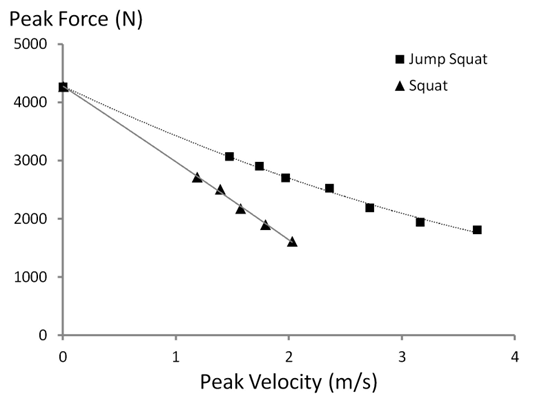
The other error people make is looking at graphs like this, and thinking it implies a force-velocity relationship.
17
However, here, the peak force and velocity in a lift don't occur at the same time. The force isn't high when the velocity is high. It's not an instantaneous relationship.
18
In fact, I believe, this pattern is a consequence of Newton's second law and the fact that it takes time to develop force. If the load is light we move faster (higher velocity) and the lift is over quicker. We don't have time to develop high amounts of force.
19
In contrast, if the load is greater, we can't move as fast. That means that the lift takes longer to complete and we are able to develop more force.
20
This is my speculation, and there might also be an effect of the properties of muscle here too. Again, this will be covered in myth 4.
21
Anyhoo, if you are interested in learning more about this, please check out my force books:
geni.us/sprinting
geni.us/force
geni.us/sprinting
geni.us/force
