Americans waste $427+ Billion every year on things they never use....

Gary Stone@GaryStoneSWS
10 views
May 08, 2025
~2 min read
Advertisement
1
Americans waste $427+ Billion every year on things they never use.
This Nobel Prize winner spent 40 years studying how companies manipulate our buying behavior.
What he discovered will make you question everything you know about your favorite brands: 🧵
This Nobel Prize winner spent 40 years studying how companies manipulate our buying behavior.
What he discovered will make you question everything you know about your favorite brands: 🧵
2
Meet Richard Thaler.
He spent 40 years studying how companies manipulate human behavior.
While other economists assumed people made rational decisions, Thaler proved otherwise.
His discoveries about why we overspend would earn him the Nobel Prize:
He spent 40 years studying how companies manipulate human behavior.
While other economists assumed people made rational decisions, Thaler proved otherwise.
His discoveries about why we overspend would earn him the Nobel Prize:
1:31
3
Traditional economics was wrong about one thing:
We don't carefully weigh money decisions. Our brains are hardwired to mess up.
Behavioral scientist Thaler proved we're "predictably irrational" - making the same money mistakes.
And companies built empires exploiting this:
We don't carefully weigh money decisions. Our brains are hardwired to mess up.
Behavioral scientist Thaler proved we're "predictably irrational" - making the same money mistakes.
And companies built empires exploiting this:
1:54
4
Take Starbucks.
Their genius isn't just coffee - it's understanding mental accounting.
Thaler proved we treat money differently based on context.
That's why spending $6 on "premium" coffee feels different than donating $5 to charity.
The psychology goes deeper:
Their genius isn't just coffee - it's understanding mental accounting.
Thaler proved we treat money differently based on context.
That's why spending $6 on "premium" coffee feels different than donating $5 to charity.
The psychology goes deeper:
5
Thaler discovered we have a "money glitch":
We'll spend $500 on vacation without thinking.
But resist fixing a $100 leaking faucet.
This discovery changed how companies manipulate your spending forever.
But the psychology goes deeper:
We'll spend $500 on vacation without thinking.
But resist fixing a $100 leaking faucet.
This discovery changed how companies manipulate your spending forever.
But the psychology goes deeper:
1:00
6
It's how options are presented to influence decisions while preserving apparent freedom.
Example: Auto-renewal subscriptions exploit our "status quo bias" - our tendency to stick with defaults.
The manipulation is systematic:
Example: Auto-renewal subscriptions exploit our "status quo bias" - our tendency to stick with defaults.
The manipulation is systematic:
7
That $100 shirt "on sale" for $60?
It creates an "anchor" in your mind.
Even if the shirt's true value is $40, the original price makes you feel you're getting a deal.
Companies create artificial urgency to bypass rational thinking:
It creates an "anchor" in your mind.
Even if the shirt's true value is $40, the original price makes you feel you're getting a deal.
Companies create artificial urgency to bypass rational thinking:
8
"Only 2 left in stock!"
"Limited time offer!"
"Flash sale ends tonight!"
These aren't informational - they're psychological triggers exploiting fear of missing out (FOMO).
And these psychological patterns don't just affect shopping...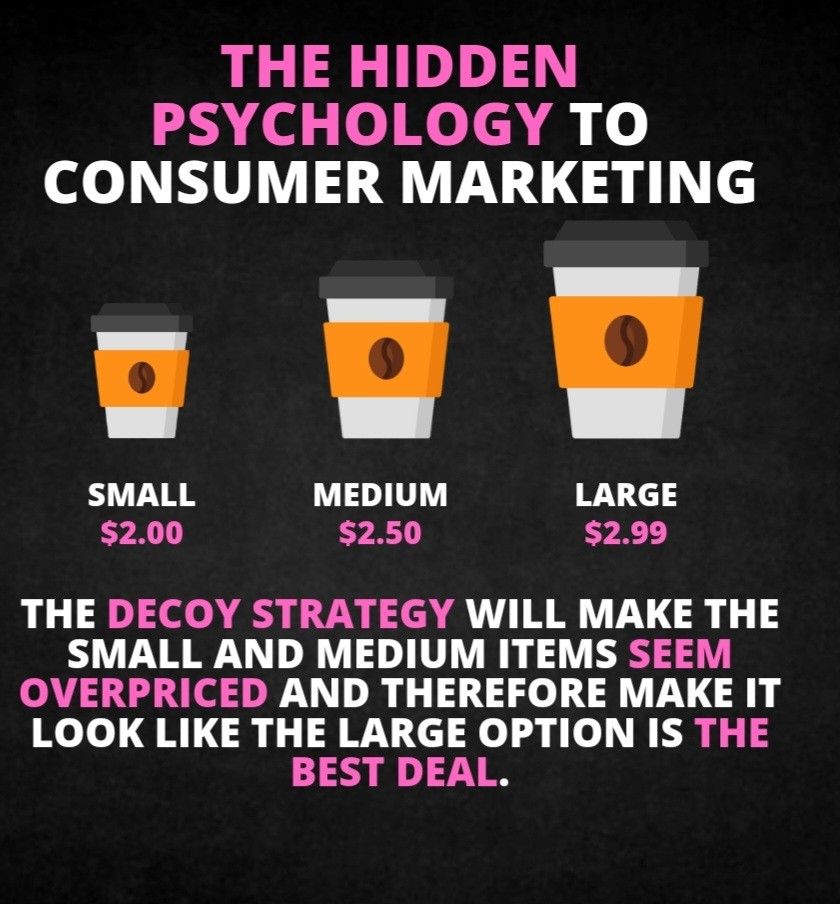
"Limited time offer!"
"Flash sale ends tonight!"
These aren't informational - they're psychological triggers exploiting fear of missing out (FOMO).
And these psychological patterns don't just affect shopping...
9
They influence every financial decision we make.
From saving to investing, our cognitive biases can cost us thousands.
But there's a fascinating solution hidden in behavioral science:
From saving to investing, our cognitive biases can cost us thousands.
But there's a fascinating solution hidden in behavioral science:
1:16
10
The most successful investors don't try to outsmart these biases.
Instead, they build systems to work with them.
Just like how a $100 shirt triggers impulse buying, market volatility triggers emotional trading.
The key is developing psychological immunity:
Instead, they build systems to work with them.
Just like how a $100 shirt triggers impulse buying, market volatility triggers emotional trading.
The key is developing psychological immunity:
11
The world's best trading firms cracked the success code:
It's not charts or indicators.
It's 3 things: mechanical systems, mental skills, and bulletproof processes.
But the real change begins with 4 mindset shifts:
It's not charts or indicators.
It's 3 things: mechanical systems, mental skills, and bulletproof processes.
But the real change begins with 4 mindset shifts:
12
The transformation happens when traders develop:
• Acceptance of market uncertainty
• Objectivity in decision-making
• Trust in proven systems
• Confidence in their process
This is how consistent profitability becomes possible.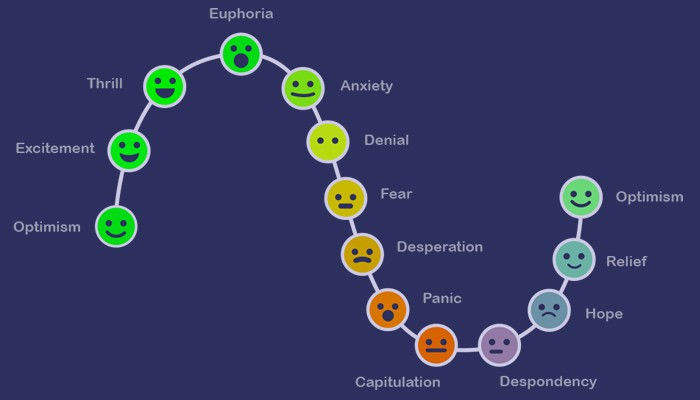
• Acceptance of market uncertainty
• Objectivity in decision-making
• Trust in proven systems
• Confidence in their process
This is how consistent profitability becomes possible.
13
Remember: Whether it's retail manipulation or market volatility, psychology drives everything.
Master your mind, and you master your wealth.
The next time emotion tries to drive your decisions, ask yourself:
Am I in control, or are my biases?
Master your mind, and you master your wealth.
The next time emotion tries to drive your decisions, ask yourself:
Am I in control, or are my biases?
