High cortisol, anxiety, and can’t sleep? This is for you. This is...

Dalton (Analyze & Optimize)@Outdoctrination
115 views
Mar 15, 2025
~8 min read
Advertisement
1
High cortisol, anxiety, and can’t sleep? This is for you.
This is the ULTIMATE GUIDE to STRESS - the signs, the biological mechanisms and what to do about it:
This is the ULTIMATE GUIDE to STRESS - the signs, the biological mechanisms and what to do about it:
2
There are TONS of symptoms that you might not have realized are from stress.
1. Can’t fall asleep
2. Waking up in the night to pee
3. Waking up in the night for no reason
4. Nightmares / sleep paralysis
5. Foamy urine
6. Hair loss
7. Hair graying
8. Gain weight easily
9. Gaining weight in the abdomen (visceral fat)
10. Low appetite
11. Cold extremities (fingertips, nose, toes, ears)
12. Menstrual cramps
13. Irregular menstruation or premenstrual syndrome
14. Irritability
15. Anger or aggression
16. Twitching
17. Headaches
18. Itchiness
19. Jitters
20. Anxiety / fear
21. Lack of confidence
22. Insatiable appetite or sweet cravings
23. Trouble catching your breath or breathing heavily
24. Pounding heart
25. Constipation
26. Nausea
27. Diarrhea
28. Gut pain
29. Acid reflux
30. Frequent urination
1. Can’t fall asleep
2. Waking up in the night to pee
3. Waking up in the night for no reason
4. Nightmares / sleep paralysis
5. Foamy urine
6. Hair loss
7. Hair graying
8. Gain weight easily
9. Gaining weight in the abdomen (visceral fat)
10. Low appetite
11. Cold extremities (fingertips, nose, toes, ears)
12. Menstrual cramps
13. Irregular menstruation or premenstrual syndrome
14. Irritability
15. Anger or aggression
16. Twitching
17. Headaches
18. Itchiness
19. Jitters
20. Anxiety / fear
21. Lack of confidence
22. Insatiable appetite or sweet cravings
23. Trouble catching your breath or breathing heavily
24. Pounding heart
25. Constipation
26. Nausea
27. Diarrhea
28. Gut pain
29. Acid reflux
30. Frequent urination
3
One of the simplest test for stress is the heartbeat / blood pressure.
Feel your pulse - if it feels like there’s pressure / pounding, good sign your body is under stress.
The pupil test is another easy way to tell (linked below)

Feel your pulse - if it feels like there’s pressure / pounding, good sign your body is under stress.
The pupil test is another easy way to tell (linked below)
Dalton (Analyze & Optimize)@Outdoctrination
An easy at home test for chronic stress:
In a dark room with a mirror.
Shine flashlight (from the side) towards pupils and hold it for ~1 min.
Healthy: pupils constrict and stay small.
Chronic stress: pupil gets small but starts to enlarge again or obviously flutter.
In a dark room with a mirror.
Shine flashlight (from the side) towards pupils and hold it for ~1 min.
Healthy: pupils constrict and stay small.
Chronic stress: pupil gets small but starts to enlarge again or obviously flutter.
4
The body’s stress system:
EVERYTHING originates in the brain - this is what allows us to perceive stress and mount a physiological response.
The amygdala in the brain is where a lot of this perception happens,
And the hypothalamus is the control center - coordinating the stress to other parts of the body.
The hypothalamus:
→ Stimulates the pituitary (with a hormone called CRH), which then sends another hormone (ACTH) to the adrenal cortex to produce CORTISOL (among other hormones). This is known as the hypothalamus-pituitary-adrenal (HPA) axis, the primary stress system in the body.
→ Transmits signals to the brain stem and then to the spinal cord - which sends nerve fibers throughout the body
→ Some of these fibers connect to the adrenal medulla, which secretes adrenaline and noradrenaline
There are tons of other stress hormones and signals, which we will get into, but ultimately they all work by or as a result of these core systems.
It is perfectly designed to respond to external threats, where you SHOULD be stressed,
But that’s not what we’re focused on. We are talking about excessive, chronic, inappropriate and/or overactive stress responses.
How can we live calmly while not becoming numb to things that necessitate stress?
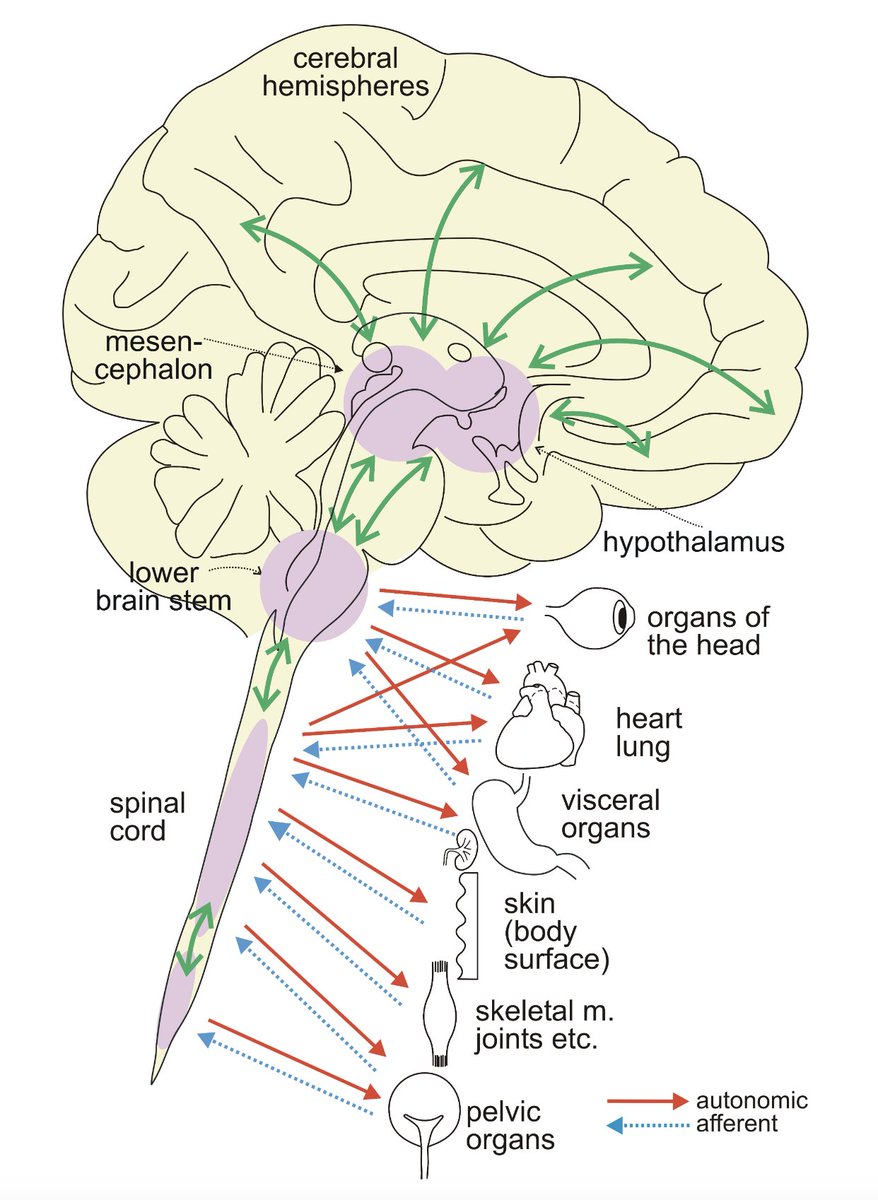
EVERYTHING originates in the brain - this is what allows us to perceive stress and mount a physiological response.
The amygdala in the brain is where a lot of this perception happens,
And the hypothalamus is the control center - coordinating the stress to other parts of the body.
The hypothalamus:
→ Stimulates the pituitary (with a hormone called CRH), which then sends another hormone (ACTH) to the adrenal cortex to produce CORTISOL (among other hormones). This is known as the hypothalamus-pituitary-adrenal (HPA) axis, the primary stress system in the body.
→ Transmits signals to the brain stem and then to the spinal cord - which sends nerve fibers throughout the body
→ Some of these fibers connect to the adrenal medulla, which secretes adrenaline and noradrenaline
There are tons of other stress hormones and signals, which we will get into, but ultimately they all work by or as a result of these core systems.
It is perfectly designed to respond to external threats, where you SHOULD be stressed,
But that’s not what we’re focused on. We are talking about excessive, chronic, inappropriate and/or overactive stress responses.
How can we live calmly while not becoming numb to things that necessitate stress?
5
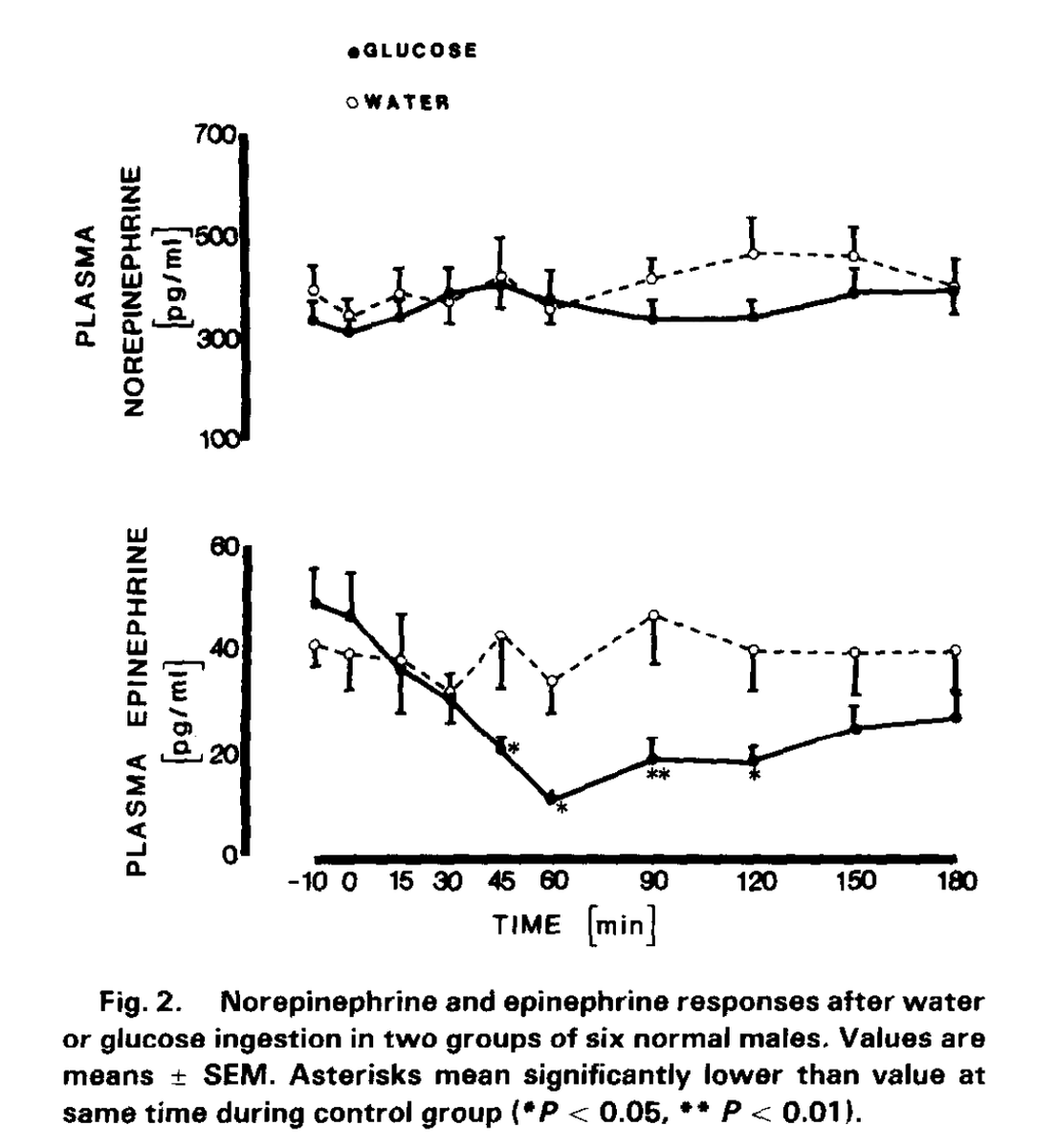
A lack of glucose (carbohydrate) drives the stress response.
The brain’s hypothalamus has cells that increase CRH in response to low glucose levels, which activates:
1. HPA axis (cortisol)
2. Sympathetic nervous system (adrenaline)
Both of which stimulate the hormone glucagon as well.
These hormones stimulate our body’s creation of glucose.
This is why eating carbohydrate or sugar acutely lowers the stress cascade,
and restriction of carbs promotes it.

The brain’s hypothalamus has cells that increase CRH in response to low glucose levels, which activates:
1. HPA axis (cortisol)
2. Sympathetic nervous system (adrenaline)
Both of which stimulate the hormone glucagon as well.
These hormones stimulate our body’s creation of glucose.
This is why eating carbohydrate or sugar acutely lowers the stress cascade,
and restriction of carbs promotes it.
6
Calorie restriction is another stressor.
There is a reason people “stress eat” - the stress systems are there to serve as backup when there’s not enough food.
This doesn’t mean stuffing your face, it just means not intentionally restricting food intake.
There is a reason people “stress eat” - the stress systems are there to serve as backup when there’s not enough food.
This doesn’t mean stuffing your face, it just means not intentionally restricting food intake.
7
Other nutrients are also key for lowering stress.
Vitamin C drastically lowers cortisol.
1,000 mg / day drops it by >35% after 2 months.
Vitamin C is released by the adrenal glands and becomes depleted during stress.
More on vitamin C linked below:


Vitamin C drastically lowers cortisol.
1,000 mg / day drops it by >35% after 2 months.
Vitamin C is released by the adrenal glands and becomes depleted during stress.
More on vitamin C linked below:
Dalton (Analyze & Optimize)@Outdoctrination
VITAMIN C:
⇨ Anti-cancer
⇨ Lowers stress
⇨ Renews skin
⇨ Improves sex life
⇨ Enhances energy & motivation
⇨ Crushes anxiety
⇨ Reduces sickness
& more.
Let's talk about the benefits of it, how to get enough and supplementation.
THREAD:
⇨ Anti-cancer
⇨ Lowers stress
⇨ Renews skin
⇨ Improves sex life
⇨ Enhances energy & motivation
⇨ Crushes anxiety
⇨ Reduces sickness
& more.
Let's talk about the benefits of it, how to get enough and supplementation.
THREAD:
8
Zinc dramatically lowers cortisol.
A 50 mg zinc dose suppressed the stress hormone by around 70% here.
While the HPA axis, which produces cortisol, depletes zinc, adding it back in markedly lowers this stress system.
More reading on zinc linked below:
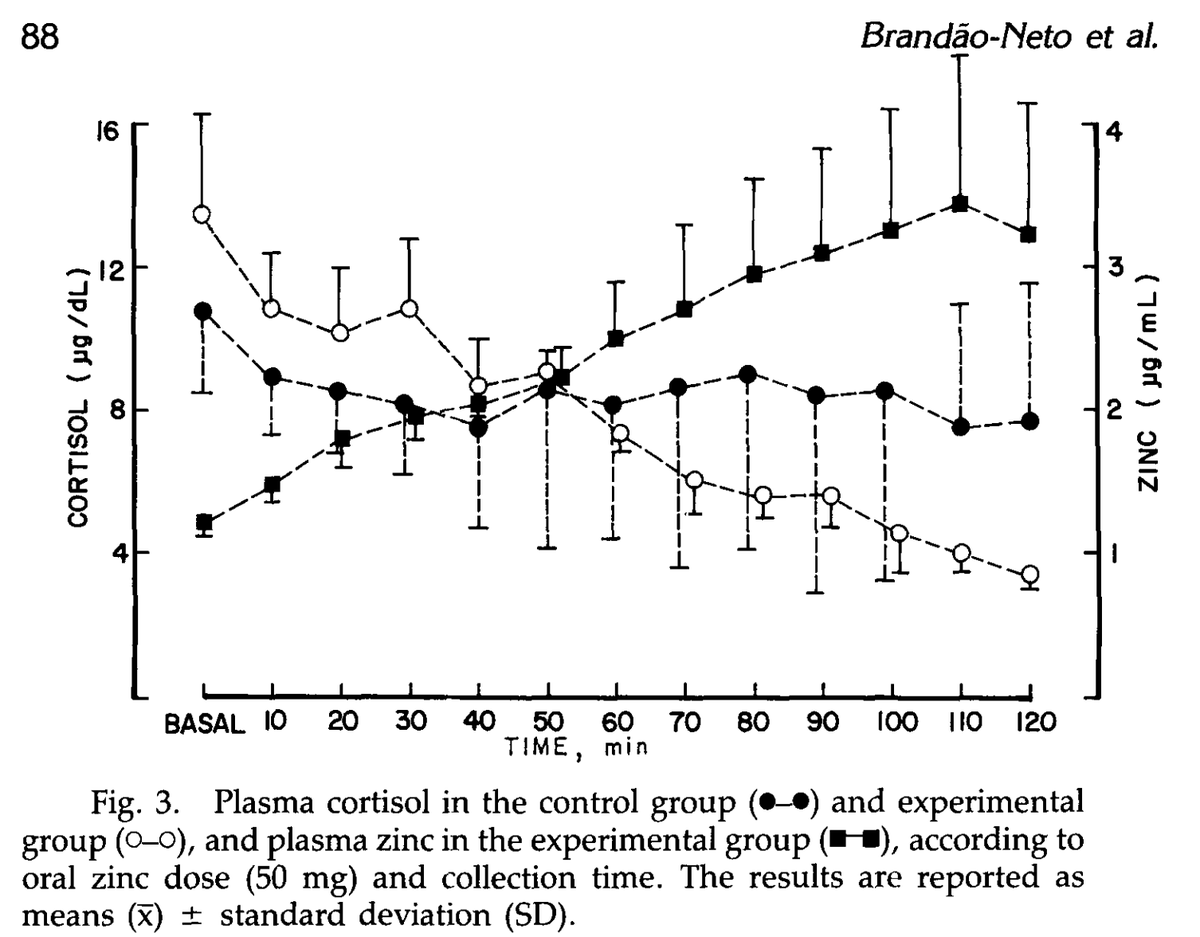

A 50 mg zinc dose suppressed the stress hormone by around 70% here.
While the HPA axis, which produces cortisol, depletes zinc, adding it back in markedly lowers this stress system.
More reading on zinc linked below:
Dalton (Analyze & Optimize)@Outdoctrination
It heals the gut & skin, reduces inflammation & fatigue, and massively boosts sexual health.
That's just scratching the surface.
The benefits of ZINC are nearly endless:
That's just scratching the surface.
The benefits of ZINC are nearly endless:
9
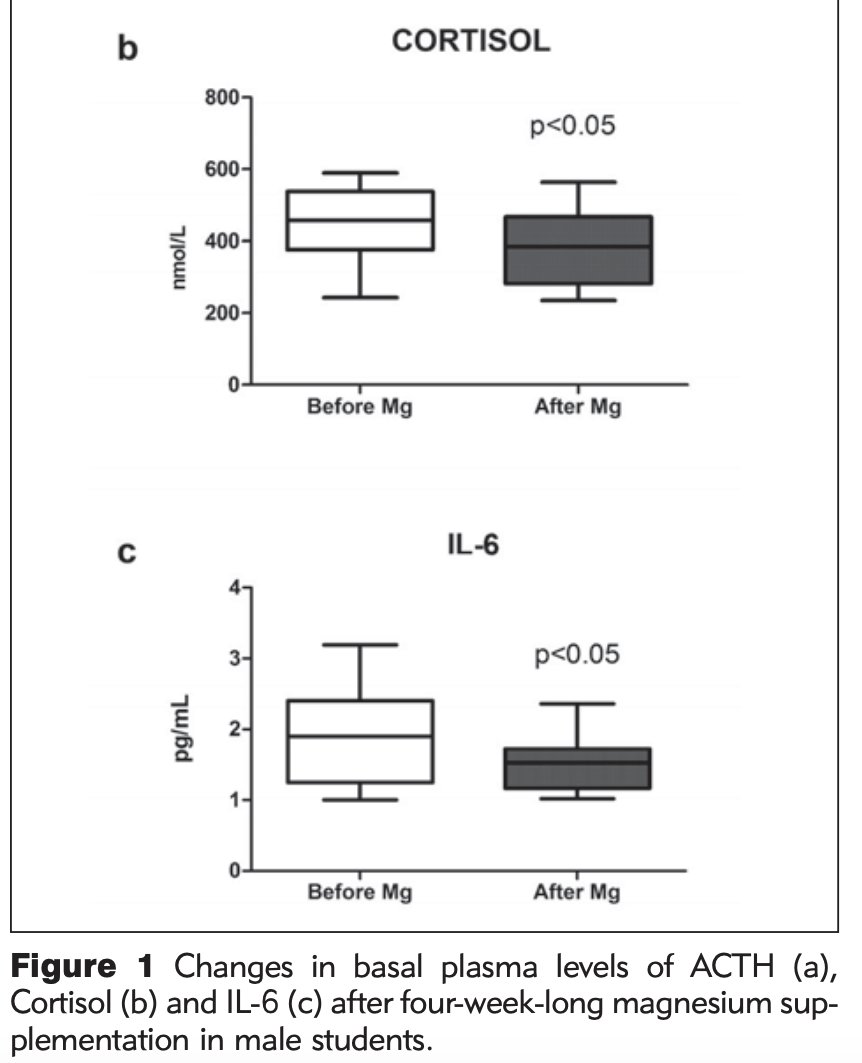
Magnesium powerfully lowers lowers cortisol + IL-6 (inflammation).
It acts as a calming mineral in the nervous system + brain.
Stress also depletes magnesium, creating a vicious cycle.
I've written a ton on magnesium linked below.
It acts as a calming mineral in the nervous system + brain.
Stress also depletes magnesium, creating a vicious cycle.
I've written a ton on magnesium linked below.
Dalton (Analyze & Optimize)@Outdoctrination
There's a 3 in 4 chance you're low on this nutrient.
It heals fatigue, anxiety, depression, sleep problems, even ADHD.
This is ULTIMATE GUIDE to MAGNESIUM: its incredible benefits & how to get enough.
THREAD
It heals fatigue, anxiety, depression, sleep problems, even ADHD.
This is ULTIMATE GUIDE to MAGNESIUM: its incredible benefits & how to get enough.
THREAD
10
Vitamin E reduces stress.
200 IU/day markedly improves blood pressure, which is governed by stress hormones.
I've written tons about vitamin E linked below:

200 IU/day markedly improves blood pressure, which is governed by stress hormones.
I've written tons about vitamin E linked below:
Dalton (Analyze & Optimize)@Outdoctrination
The universal protector.
For the poisons of the modern world, VITAMIN E is one of the best tools to maintain your health.
Here's why:
For the poisons of the modern world, VITAMIN E is one of the best tools to maintain your health.
Here's why:
11
Vitamin D is also a potent anti-stress nutrient.
2,000 IU lowered cortisol by 40% here.
Inflammation acts directly on the brain and adrenals to drive stress.
These nutrients all help to lower inflammation.
I've written a ton on vitamin D linked below:

2,000 IU lowered cortisol by 40% here.
Inflammation acts directly on the brain and adrenals to drive stress.
These nutrients all help to lower inflammation.
I've written a ton on vitamin D linked below:
Dalton (Analyze & Optimize)@Outdoctrination
The FREE vitamin that NO ONE gets enough of.
WAY beyond preventing colds, it enhances brain function, crushes stress and massively improves energy.
Let's talk about the multifaceted benefits of VITAMIN D:
WAY beyond preventing colds, it enhances brain function, crushes stress and massively improves energy.
Let's talk about the multifaceted benefits of VITAMIN D:
12
Another stress hormone is parathyroid hormone.
It increases with low dietary calcium and vitamin D.
High PTH can lead to high calcium in the blood, which can be very stressful and even toxic to the nervous system.
PTH increases other adrenal hormones, like cortisol.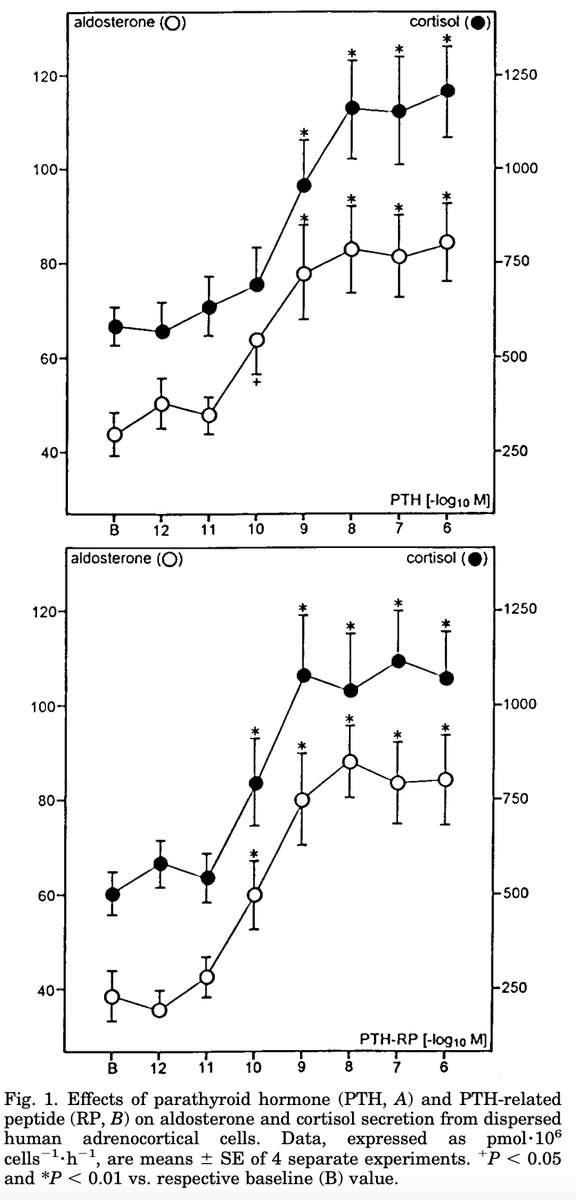
It increases with low dietary calcium and vitamin D.
High PTH can lead to high calcium in the blood, which can be very stressful and even toxic to the nervous system.
PTH increases other adrenal hormones, like cortisol.
13
Restricting salt intake activates stress systems, too.
This stress is called the renin-angiotensin-aldosterone system.
The purpose of this system is to retain sodium,
increasing the excretion of potassium and activating the stress systems of the nervous system.
This stress is called the renin-angiotensin-aldosterone system.
The purpose of this system is to retain sodium,
increasing the excretion of potassium and activating the stress systems of the nervous system.
14
High salt diets are powerfully anti-stress.
1,150 milligrams vs 5175 mg of sodium, the higher salt amount cuts adrenaline in half.
I’ve written in depth on the benefits of adequate salt for stress here:

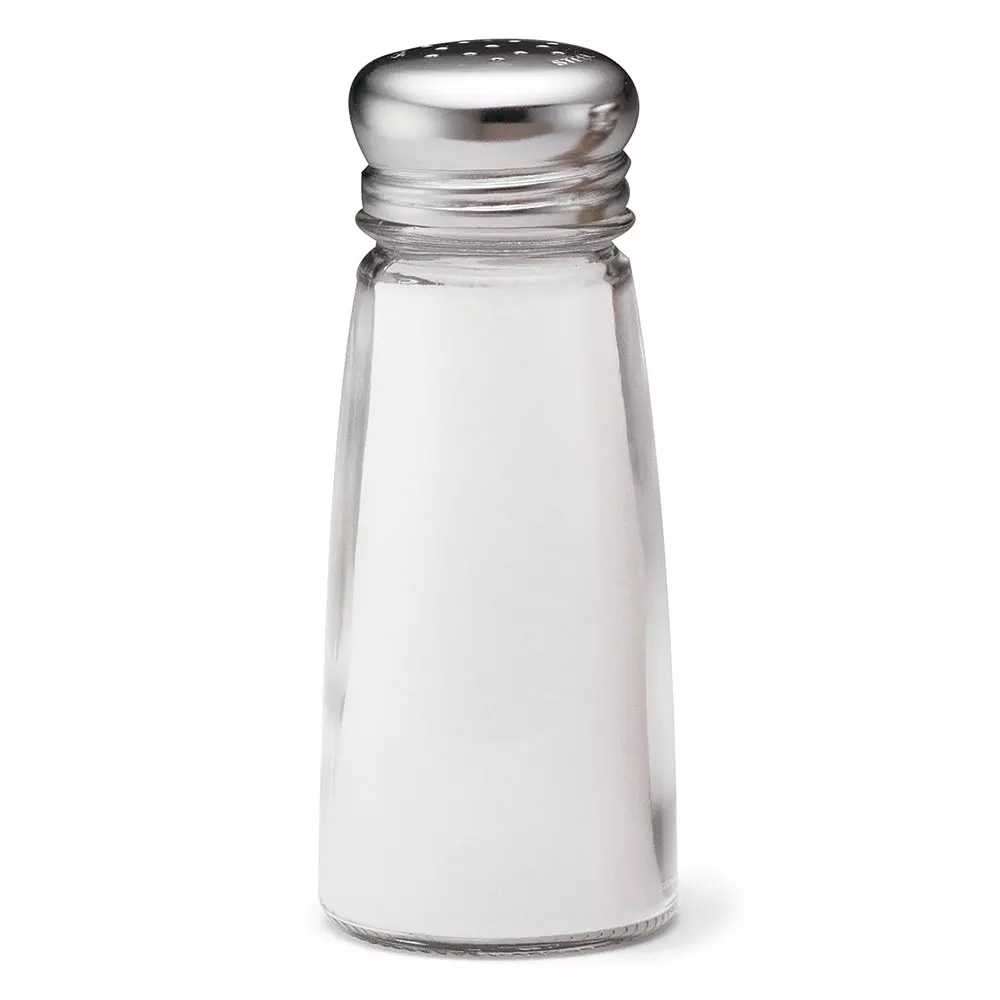
1,150 milligrams vs 5175 mg of sodium, the higher salt amount cuts adrenaline in half.
I’ve written in depth on the benefits of adequate salt for stress here:
Dalton (Analyze & Optimize)@Outdoctrination
Salt has been demonized for the last 50 years,
but eating more salt can lower stress, improve metabolic health and might even make you live longer.
Here are the BENEFITS of SALT (Thread):
but eating more salt can lower stress, improve metabolic health and might even make you live longer.
Here are the BENEFITS of SALT (Thread):
15
Lifestyle is another foundation of stress reduction.
Expose your eyes to BRIGHT light. This lowers cortisol throughout the day.
Dim light causes it to stay elevated.
Have written more on bright light here:
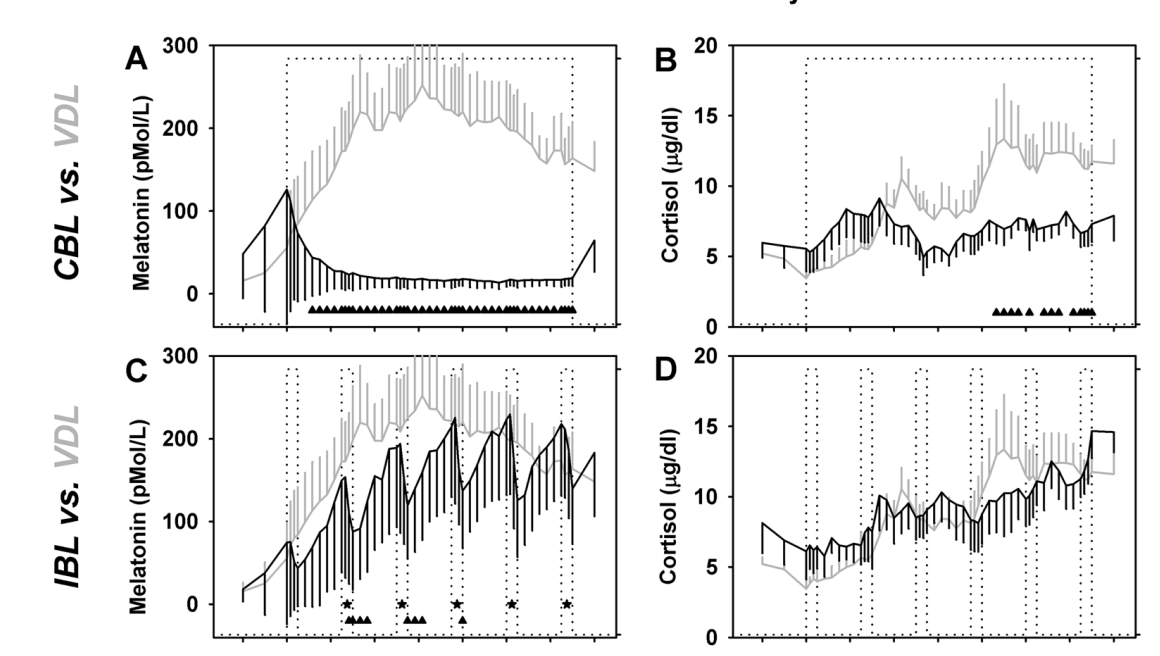
Expose your eyes to BRIGHT light. This lowers cortisol throughout the day.
Dim light causes it to stay elevated.
Have written more on bright light here:
Dalton (Analyze & Optimize)@Outdoctrination
The effects of BRIGHT LIGHT on your mood are more important than anyone realizes.
If you’re feeling down, tired, stressed, or anxious, this may just be the answer you never knew you needed.
I found that out the hard way.
Here’s why:
If you’re feeling down, tired, stressed, or anxious, this may just be the answer you never knew you needed.
I found that out the hard way.
Here’s why:
16
Sunlight in general is important.
The UV light hitting your eyes causes the brain to secrete a hormone called αMSH,
Which has anti inflammatory effects that stop the excessive activation of the HPA axis.
Sunlight has also been shown to help lower blood pressure.
The UV light hitting your eyes causes the brain to secrete a hormone called αMSH,
Which has anti inflammatory effects that stop the excessive activation of the HPA axis.
Sunlight has also been shown to help lower blood pressure.
17
Another important lifestyle factor for reducing stress is GROUNDING.
Grounding:
• Calms the sympathetic nervous system • Lowers inflammation • Lowers blood pressure • Lowers cortisol •
I’ve written a ton on grounding here:
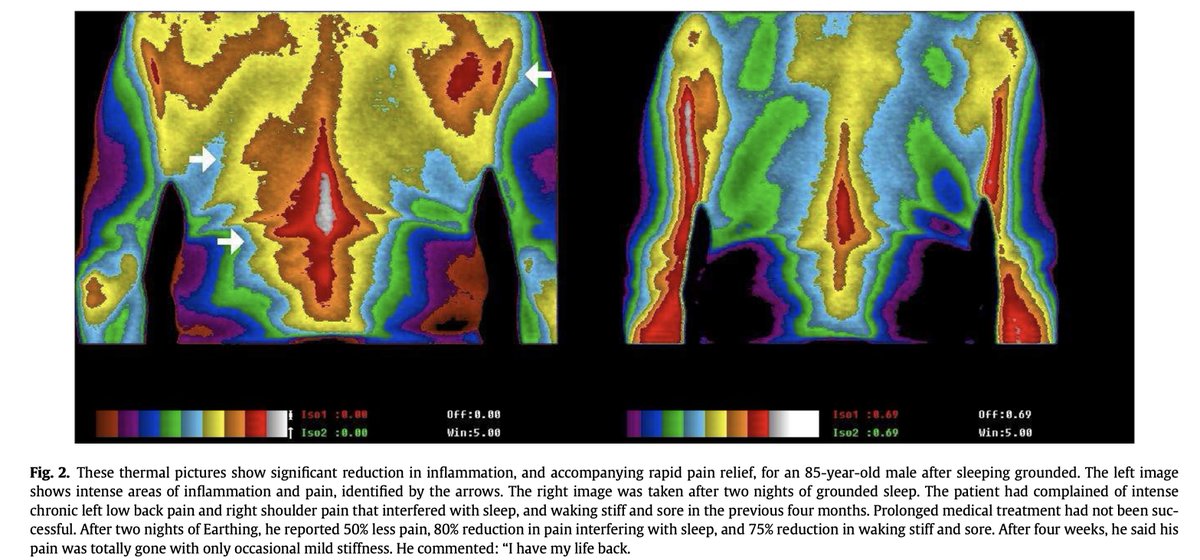
Grounding:
• Calms the sympathetic nervous system • Lowers inflammation • Lowers blood pressure • Lowers cortisol •
I’ve written a ton on grounding here:
Dalton (Analyze & Optimize)@Outdoctrination
The best thing you can do for your health that no one is talking about.
You’ll be sleeping like a baby, reducing your stress, and crushing inflammation.
Literally touch grass.
Why GROUNDING is the missing link to your optimal health:
You’ll be sleeping like a baby, reducing your stress, and crushing inflammation.
Literally touch grass.
Why GROUNDING is the missing link to your optimal health:
18
The way you breathe governs your stress levels, too.
Diaphragmatic breathing can dampen the sympathetic nervous system, while “chest” breathing stimulates it.
More on that here:
Diaphragmatic breathing can dampen the sympathetic nervous system, while “chest” breathing stimulates it.
More on that here:
Dalton (Analyze & Optimize)@Outdoctrination
Lowering stress is essential to optimal health.
Let’s talk about how to use your breathing to do so, and what this tells us about stress in general.
[Thread]
Let’s talk about how to use your breathing to do so, and what this tells us about stress in general.
[Thread]
19
Simply being in nature is a great way to lower cortisol.
Very underrated aspect of it all, as it is easy to get caught up in the biochemistry.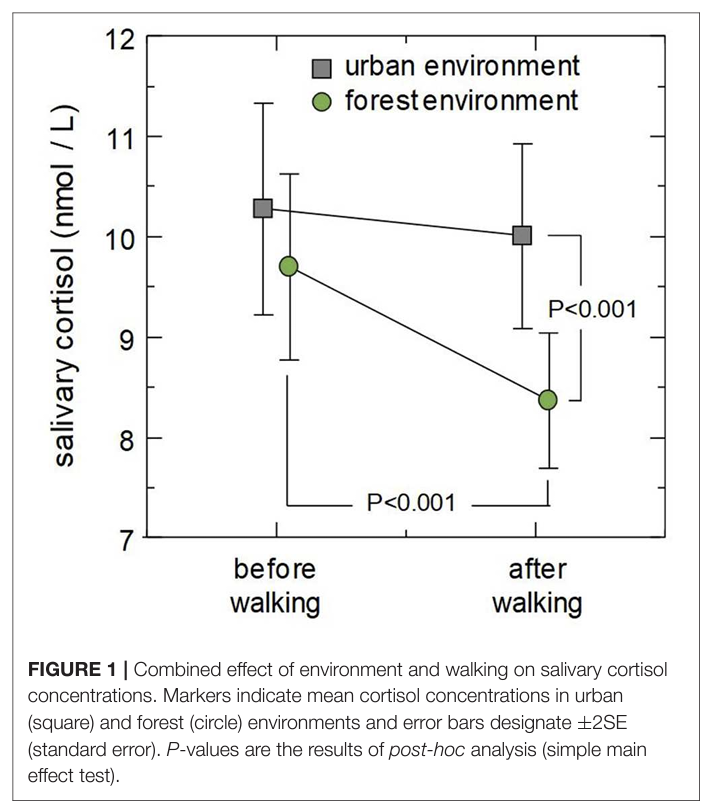
Very underrated aspect of it all, as it is easy to get caught up in the biochemistry.
20
Your environment is a major dictator of your stress levels.
Taking animals from their bleak cages into an open environment with toys and such results in lower stress hormones.
If your day to day life is boring and lacks stimulation, you’re probably going to be stressed.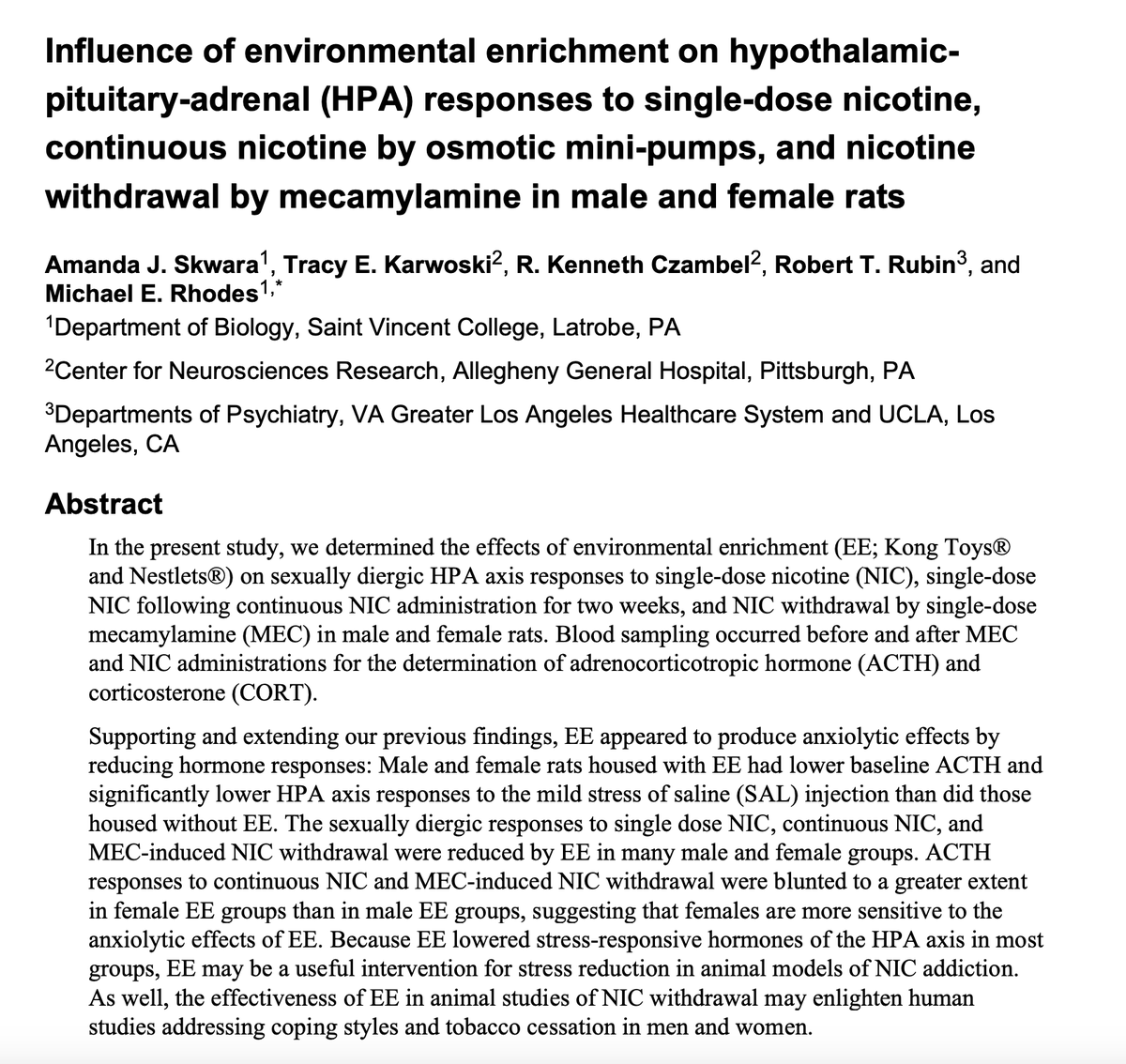
Taking animals from their bleak cages into an open environment with toys and such results in lower stress hormones.
If your day to day life is boring and lacks stimulation, you’re probably going to be stressed.
21
Social isolation is another good way to raise your stress hormones.
Lowers dopamine, raises prolactin and cortisol.
So go hang out with your friends.
Don’t focus on lowering stress so much that you forget about actually living your life - it will always backfire.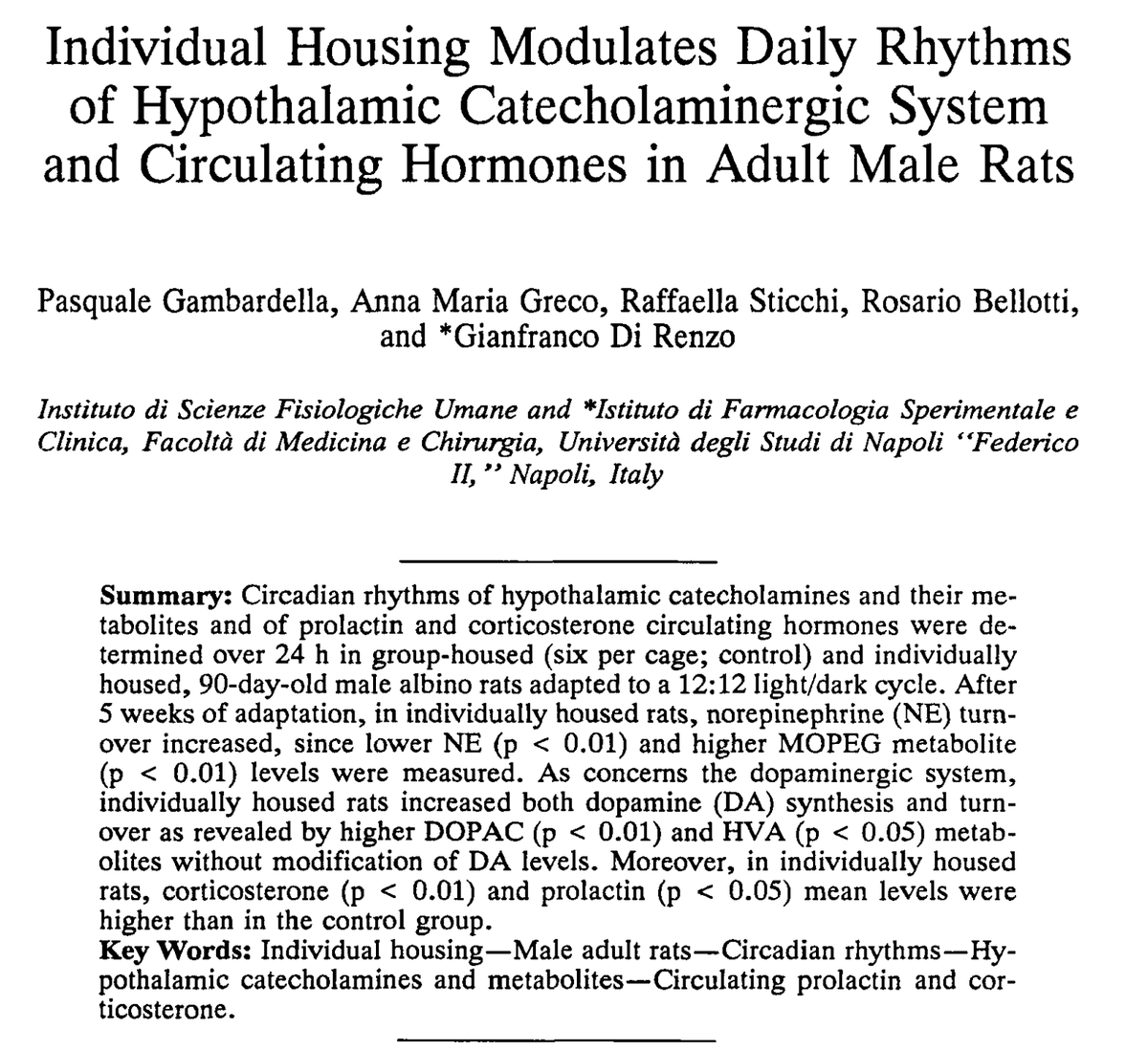
Lowers dopamine, raises prolactin and cortisol.
So go hang out with your friends.
Don’t focus on lowering stress so much that you forget about actually living your life - it will always backfire.
22
Another reason nature can lower stress is due to negative air ions.
These are generated by things like waterfalls, fountains, forests and beaches.
They have been shown to reduce sympathetic / adrenal tone.
One major reason for this is that they reduce circulating serotonin.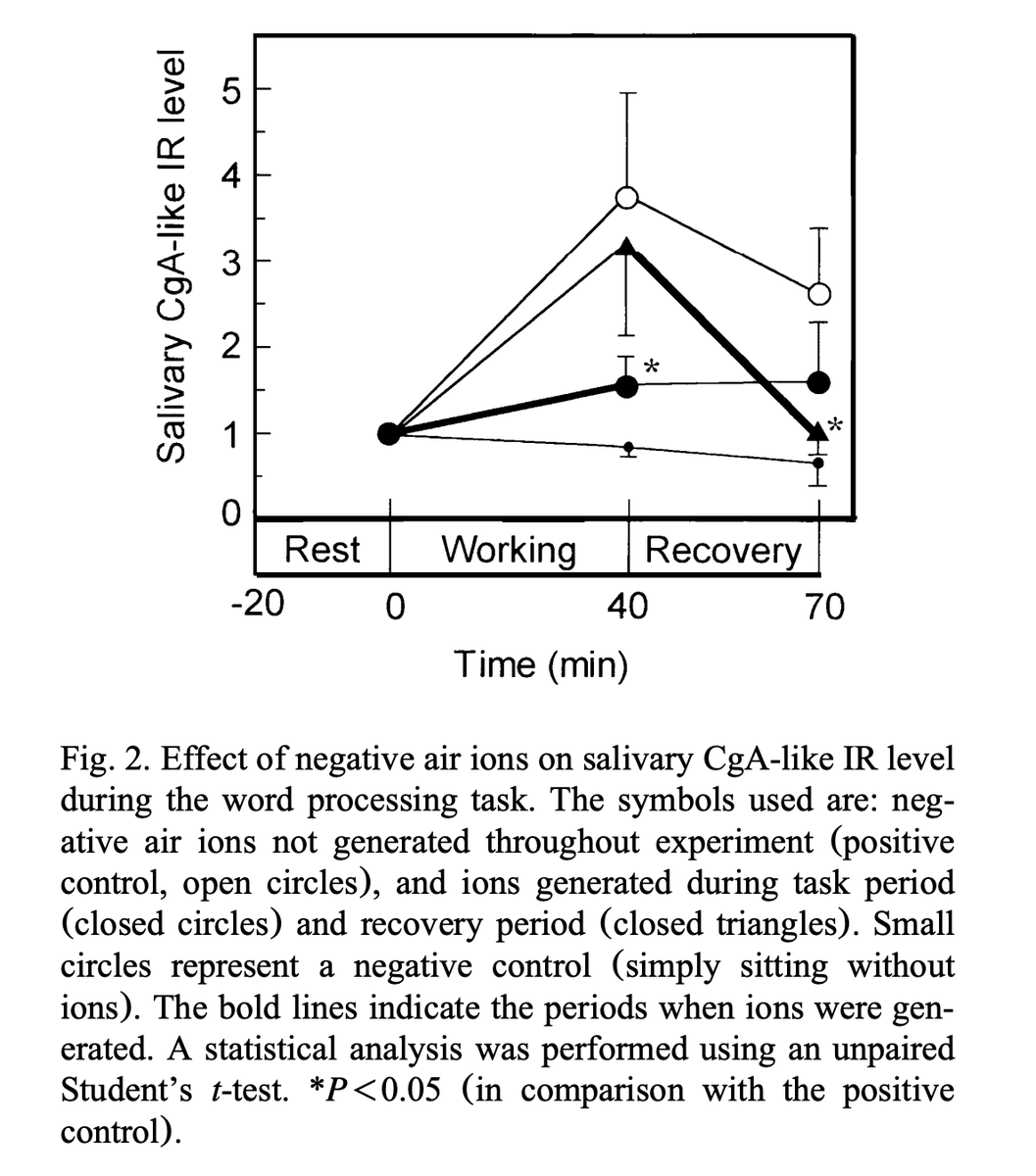
These are generated by things like waterfalls, fountains, forests and beaches.
They have been shown to reduce sympathetic / adrenal tone.
One major reason for this is that they reduce circulating serotonin.
23
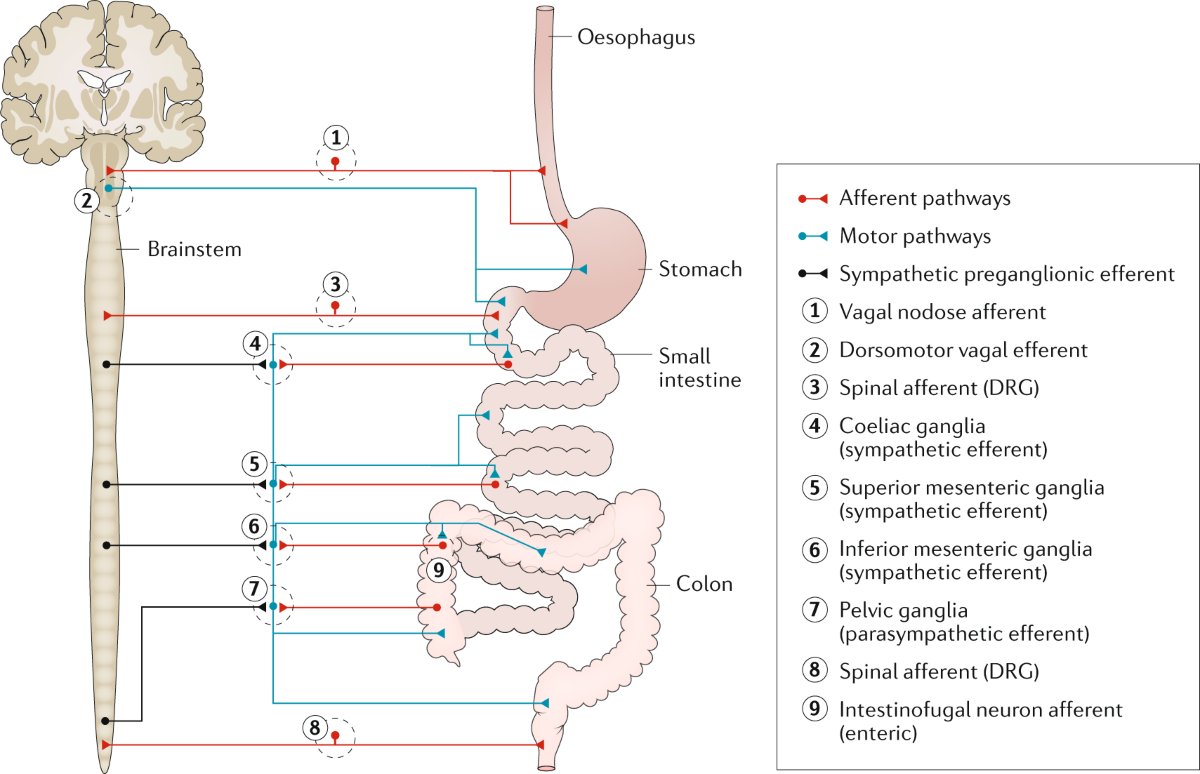
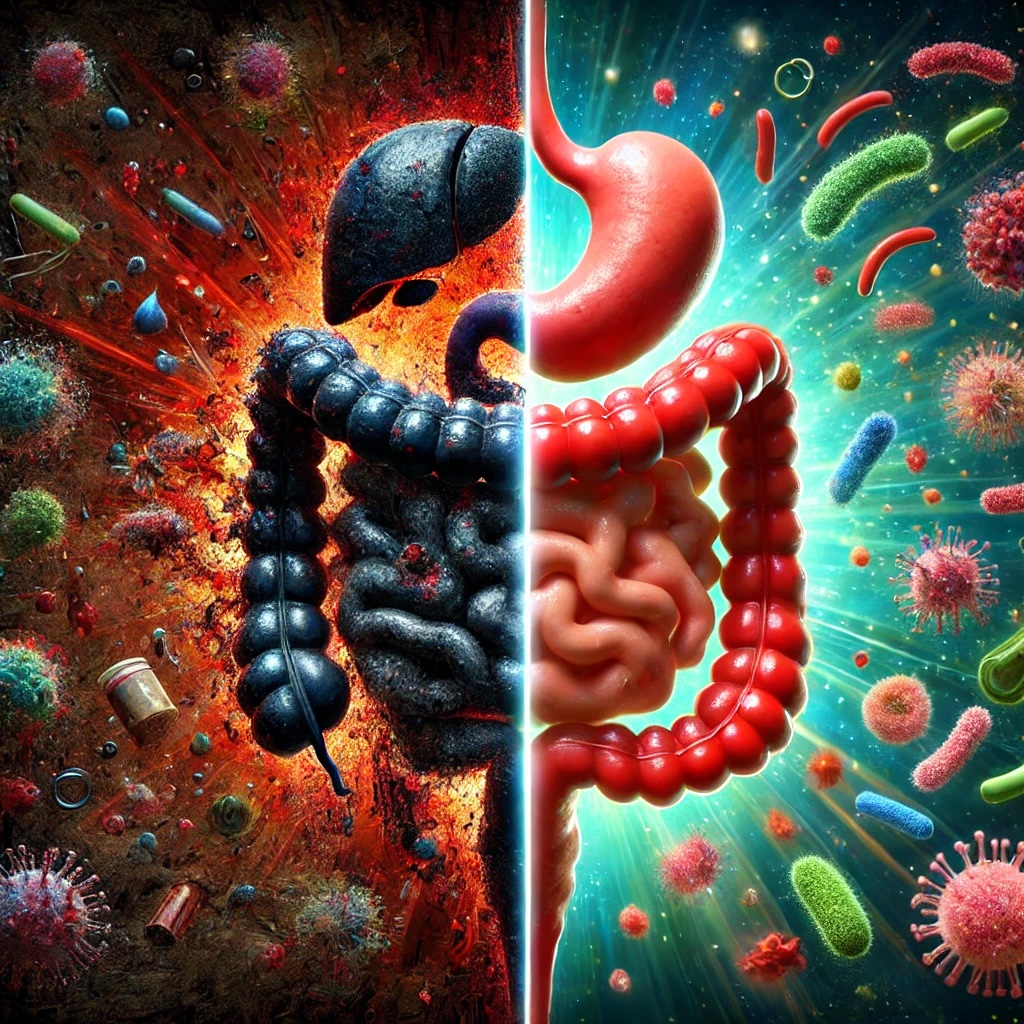
The gut is a major source of stress.
It has sympathetic nerves lining it, transmitting stress signals to the CNS.
The gut also is a major source of inflammation, serotonin, and estrogen - all of which drive stress.
Master gut thread is linked below.
It has sympathetic nerves lining it, transmitting stress signals to the CNS.
The gut also is a major source of inflammation, serotonin, and estrogen - all of which drive stress.
Master gut thread is linked below.
Dalton (Analyze & Optimize)@Outdoctrination
READ THIS IF YOU WANT TO FIX YOUR GUT.
If you have IBS, bloating, gas, poor bowel movements or brain fog, you NEED to see this.
This is a comprehensive DEEP dive into fixing your digestive health:
If you have IBS, bloating, gas, poor bowel movements or brain fog, you NEED to see this.
This is a comprehensive DEEP dive into fixing your digestive health:
24
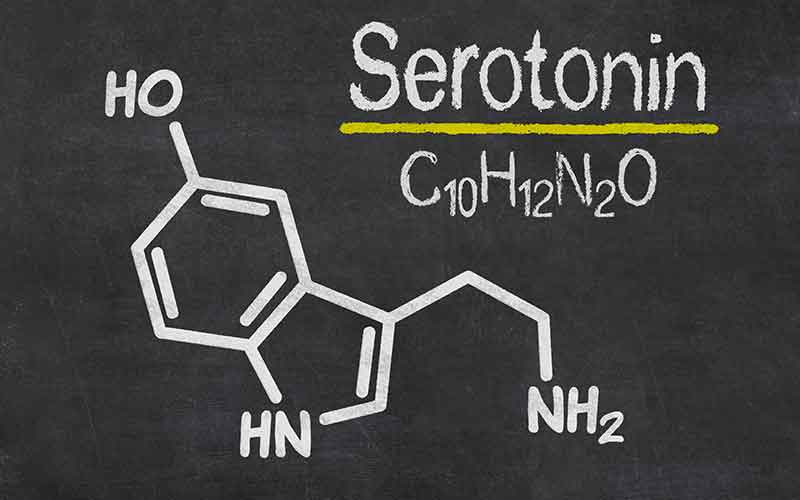
Serotonin is a stress hormone.
It is released from the gut in response to bacterial overgrowth + irritation.
Activates the hypothalamus, pituitary and adrenals to drive stress hormone production.
I’ve written extensively on the serotonin x gut below.

It is released from the gut in response to bacterial overgrowth + irritation.
Activates the hypothalamus, pituitary and adrenals to drive stress hormone production.
I’ve written extensively on the serotonin x gut below.
Dalton (Analyze & Optimize)@Outdoctrination
YOU MUST ADDRESS THIS TO FIX YOUR GUT
This “happy hormone” is the primary driver of digestive problems.
I found that out the hard way.
Here’s what I’ve learned, how I lowered it and how you can do the same:
This “happy hormone” is the primary driver of digestive problems.
I found that out the hard way.
Here’s what I’ve learned, how I lowered it and how you can do the same:
25
Histamine is another stress factor.
Excess histamine can come from the gut, and from mast cell activation.
Tools to lower excess histamine:
◈ Vitamin C ◈ L-Carnosine ◈ Diamine oxidase ◈ L. Plantarum ◈ Ginger ◈ Progesterone ◈ Skullcap ◈ Quercetin ◈
Excess histamine can come from the gut, and from mast cell activation.
Tools to lower excess histamine:
◈ Vitamin C ◈ L-Carnosine ◈ Diamine oxidase ◈ L. Plantarum ◈ Ginger ◈ Progesterone ◈ Skullcap ◈ Quercetin ◈
26
I’ve also written more about histamine linked below.

Dalton (Analyze & Optimize)@Outdoctrination
If you have chronic bloating and gut pain, this is for you.
This is A KEY culprit wreaking havoc on your gut that your doctor won’t even think about.
Here’s how it’s tearing up your insides (and what to do about it):
This is A KEY culprit wreaking havoc on your gut that your doctor won’t even think about.
Here’s how it’s tearing up your insides (and what to do about it):
27
Aspirin is actually a powerful anti-stress tool.
Due to its ability to lower inflammation and improve mitochondrial function, aspirin can lower cortisol and estrogen.
I’ve written a ton on aspirin linked below.


Due to its ability to lower inflammation and improve mitochondrial function, aspirin can lower cortisol and estrogen.
I’ve written a ton on aspirin linked below.
Dalton (Analyze & Optimize)@Outdoctrination
Modern medicine’s greatest contribution to the health of mankind.
It heals cancer, depression and is even a nootropic.
And it’s safe and cheap to boot.
Why ASPIRIN is so much more than a painkiller and a blood thinner:
It heals cancer, depression and is even a nootropic.
And it’s safe and cheap to boot.
Why ASPIRIN is so much more than a painkiller and a blood thinner:
28
Other sources of inflammation are important to address, too.
Any source of chronic inflammation can drive the stress systems, and vice versa.
Common contributors to chronic inflammation would be:
◇ Seed oils ◇ Heavy metal accumulation ◇ Mold ◇ Oxidative stress ◇
Any source of chronic inflammation can drive the stress systems, and vice versa.
Common contributors to chronic inflammation would be:
◇ Seed oils ◇ Heavy metal accumulation ◇ Mold ◇ Oxidative stress ◇
29
Excess estrogen is another promoter of stress.
Acts on the hypothalamus, pituitary and adrenals, to promote the production of cortisol.
Progesterone is the main hormone that opposes the stressful effects of estrogen.
I’ve written about that below.
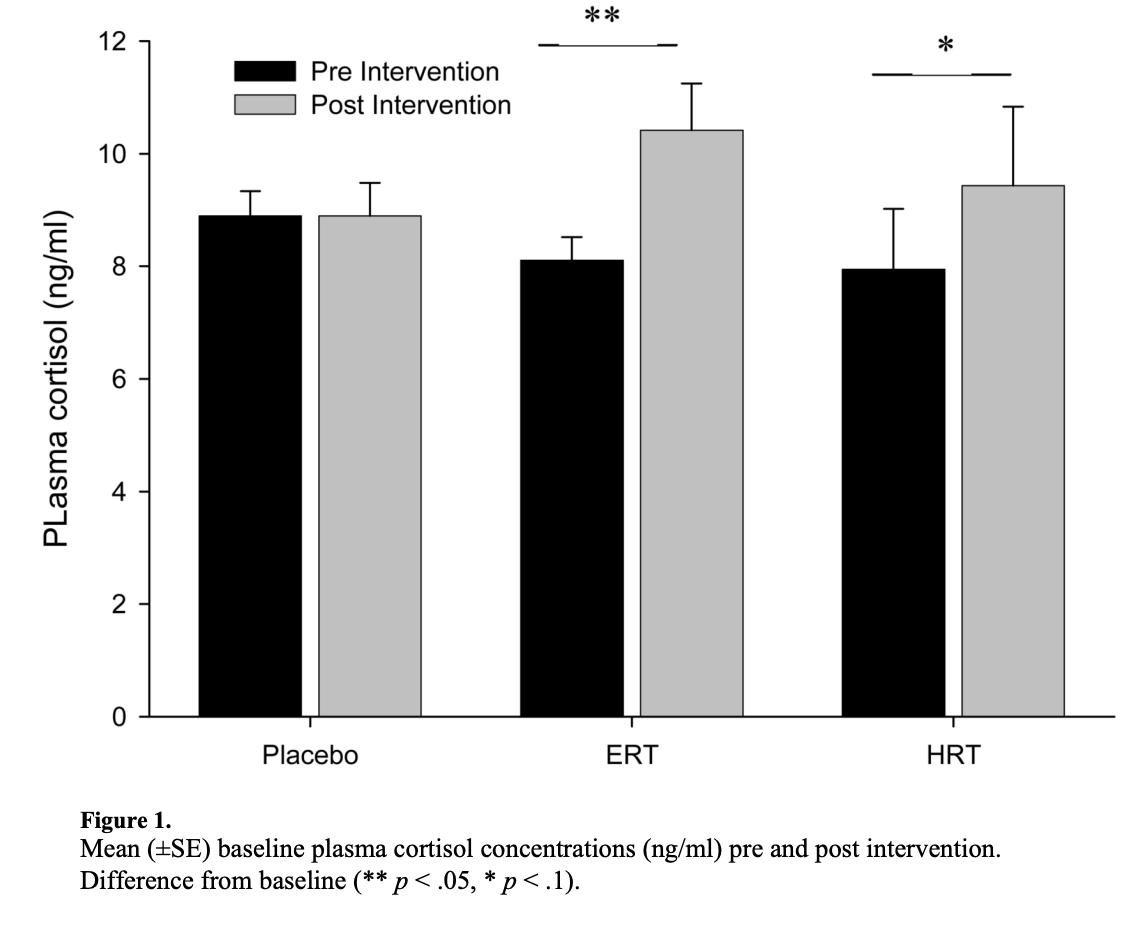

Acts on the hypothalamus, pituitary and adrenals, to promote the production of cortisol.
Progesterone is the main hormone that opposes the stressful effects of estrogen.
I’ve written about that below.
Dalton (Analyze & Optimize)@Outdoctrination
Crushing anxiety and stress, raising IQ and even preventing cancer?
Just some of the things that the incredible PROGESTERONE can do (even for guys).
Here’s how:
Just some of the things that the incredible PROGESTERONE can do (even for guys).
Here’s how:
30
Prolactin also contributes to fatigue and stress.
It reliably increases with chronic and acute stress and stimulates the production of cortisol.
The primary break on prolactin secretion is DOPAMINE, which I have written all about below.


It reliably increases with chronic and acute stress and stimulates the production of cortisol.
The primary break on prolactin secretion is DOPAMINE, which I have written all about below.
Dalton (Analyze & Optimize)@Outdoctrination
If you want high energy, pleasure, motivation and vivid dreams, you want more DOPAMINE.
Here is the FULL COMPREHENSIVE GUIDE on optimizing it with nutrition & lifestyle.
(bookmark this one, it’s long):
Here is the FULL COMPREHENSIVE GUIDE on optimizing it with nutrition & lifestyle.
(bookmark this one, it’s long):
31
Another way prolactin gets secreted is by lactic acid.
In fact, lactic acid itself is a powerful promoter of stress.
Giving people lactic acid can literally give them panic attacks.
Lactic acid can also cause elevations in adrenaline and cortisol.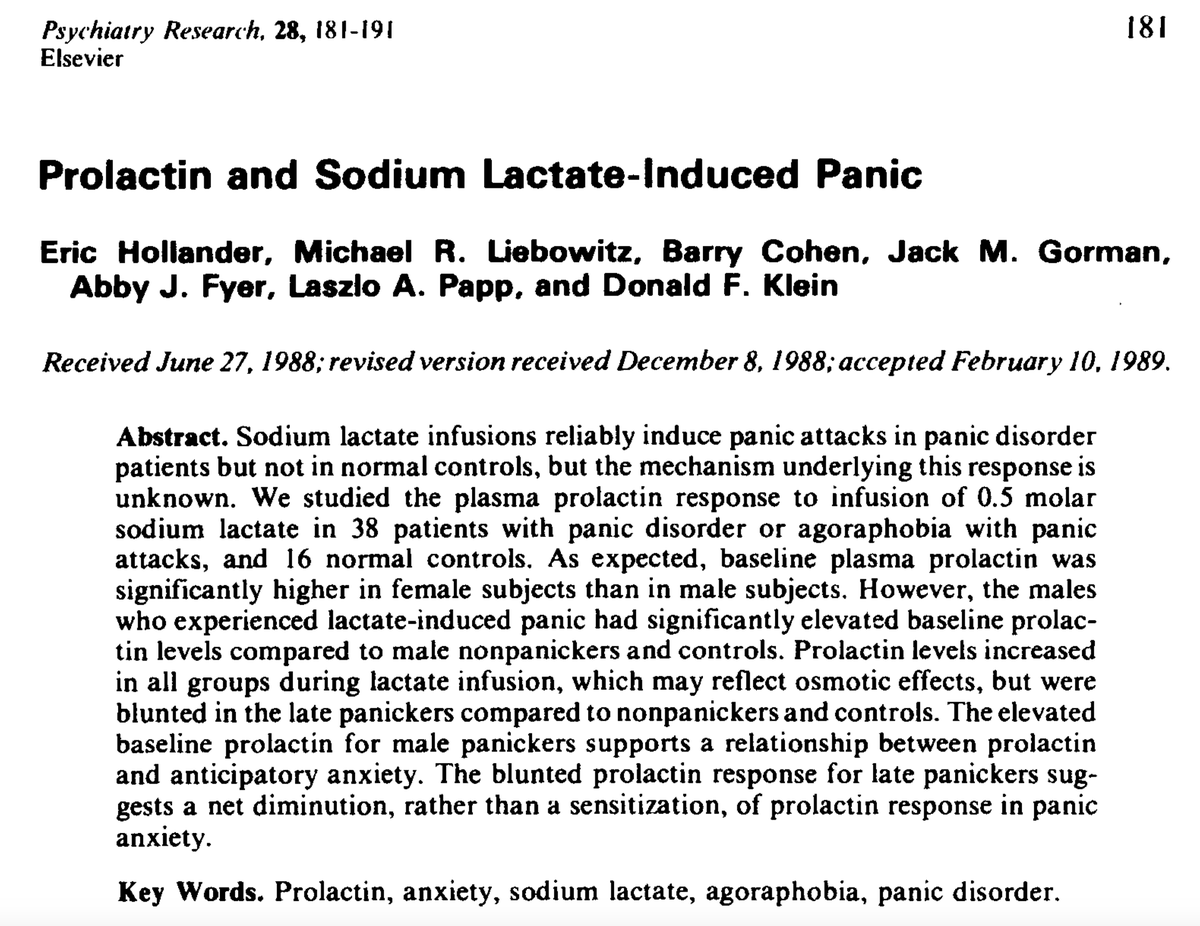
In fact, lactic acid itself is a powerful promoter of stress.
Giving people lactic acid can literally give them panic attacks.
Lactic acid can also cause elevations in adrenaline and cortisol.
32
The primary nutrient in terms of lowering lactic acid would be vitamin B1 or thiamine.
It’s not the only one, but it definitely is the most important.
I’ve written loads on thiamine here:
It’s not the only one, but it definitely is the most important.
I’ve written loads on thiamine here:
Dalton (Analyze & Optimize)@Outdoctrination
The quintessential metabolism maximizing nutrient.
From crushing fatigue, improving digestion and even cancer support -
VITAMIN B1 might just be what you need:
From crushing fatigue, improving digestion and even cancer support -
VITAMIN B1 might just be what you need:
33
There are some other supplements that can help acutely as well.
L-Theanine completely stops cortisol response to stress, at 200 mg.
It increases GABA, dopamine, glycine
while lowering serotonin in the brain, all of which suppresses the HPA axis and thus cortisol release.
L-Theanine completely stops cortisol response to stress, at 200 mg.
It increases GABA, dopamine, glycine
while lowering serotonin in the brain, all of which suppresses the HPA axis and thus cortisol release.
34
Pregnenolone is also a powerful anti-stress supplement.
It directly suppresses the hypothalamus’ initiation of the stress cascade,
and even lowers the amygdala’s emotional stress response.
One of my all time favorites. I’ve written about it more below.

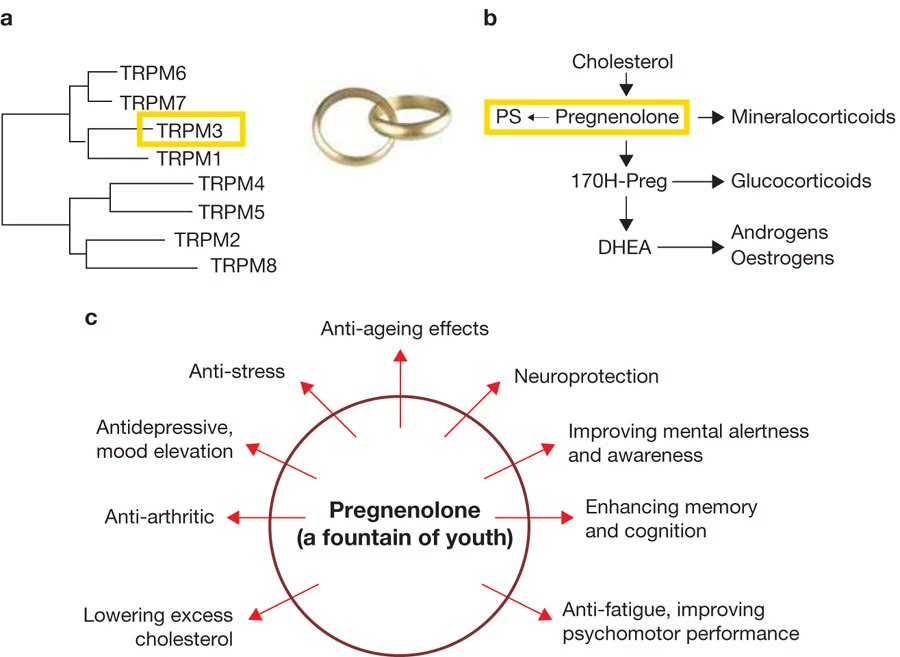
It directly suppresses the hypothalamus’ initiation of the stress cascade,
and even lowers the amygdala’s emotional stress response.
One of my all time favorites. I’ve written about it more below.
Dalton (Analyze & Optimize)@Outdoctrination
The body’s primary protector against any and all stress life can throw at you.
Pregnenolone: what it is, how it works, and why adding it in as a supplement could be a game changer for you.
[THREAD]
Pregnenolone: what it is, how it works, and why adding it in as a supplement could be a game changer for you.
[THREAD]
35
GABA can also completely stop cortisol response to physiological stress.
25-50 mg orally.
GABA is the primary anti-stress neurotransmitter in the brain.
It's also found in foods like yogurt, cheese, mushrooms and tomatoes.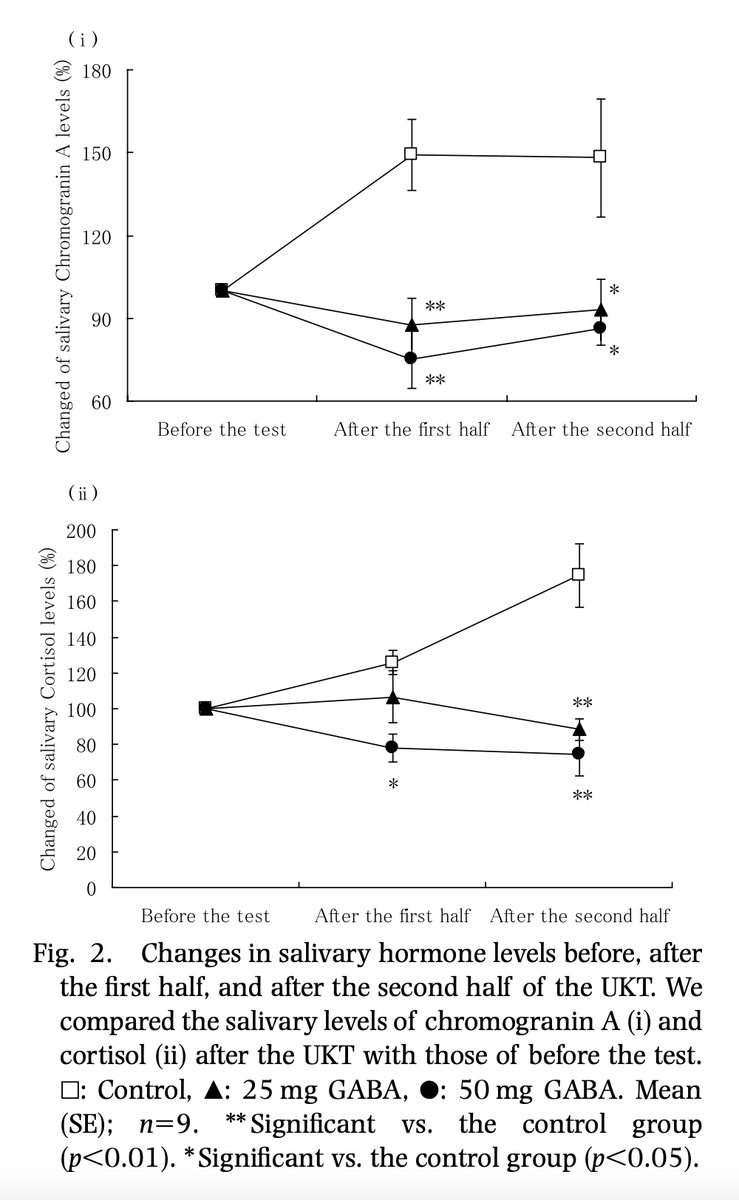
25-50 mg orally.
GABA is the primary anti-stress neurotransmitter in the brain.
It's also found in foods like yogurt, cheese, mushrooms and tomatoes.
36
Phosphatidylserine is another anti-stress nutrient.
PS supplementation lowers:
⬩Cortisol⬩Prolactin⬩ACTH⬩
in response to stress.
PS aids in intracellular signaling, neurotransmission, and receptor activation.
PS supplementation lowers:
⬩Cortisol⬩Prolactin⬩ACTH⬩
in response to stress.
PS aids in intracellular signaling, neurotransmission, and receptor activation.
37
Thank you for reading through this.
Give this linked tweet a RT if you found it helpful to spread the wealth.
Give this linked tweet a RT if you found it helpful to spread the wealth.
Dalton (Analyze & Optimize)@Outdoctrination
High cortisol, anxiety, and can’t sleep? This is for you.
This is the ULTIMATE GUIDE to STRESS - the signs, the biological mechanisms and what to do about it:
This is the ULTIMATE GUIDE to STRESS - the signs, the biological mechanisms and what to do about it:
38
& if you want further support managing stress or reaching any other health goal, we are here to help.
Click where it says “schedule a free call” here: prism.miami
Click where it says “schedule a free call” here: prism.miami