Every Single Tutorial/Strategy I've Ever Made:🧵 - Indexed - Video +...

Crypto Bully 🔥@BullyDCrypto
21 views
Feb 17, 2025
~4 min read
Advertisement
1
Every Single Tutorial/Strategy I've Ever Made:🧵
- Indexed
- Video + Written Format
- Introduction & Purpose Included
(will continue to add to this over time)
- Indexed
- Video + Written Format
- Introduction & Purpose Included
(will continue to add to this over time)
2
1. Introduction to Trading
o Title: Hell Week: Tutorial 1 - Identifying What to Trade
Description: Learn how to select the right assets by analyzing trending coins and filtering out dead ones, using tools like sandwich.finance and Coingecko.
Link:
o Title: Hell Week: Tutorial 1 - Identifying What to Trade
Description: Learn how to select the right assets by analyzing trending coins and filtering out dead ones, using tools like sandwich.finance and Coingecko.
Link:
Crypto Bully 🔥@BullyDCrypto
Hell Week: Tutorial 1🍞
Explanation: Before you learn how to trade, you must learn what to trade
Steps to follow:
1. Go to sandwich.finance (thanks RunnerXBT) and download the pair list of all coins as shown
AND
Pick the latest narrative based coins from @coingecko categories (current ex. RWA) and add it all into one list
2. Go through every coin and categorise them as dead or trending
Criteria for Trending:
- Above yearly open
- Holding April 13 crash lows so far
- Trend up on weekly TF (if you don't understand market structure then wait for next video or simple use the 100D EMA as a metric)
- Do it every single week, to know which coins to long/which to short. You don't need to know fundamentals or if insiders are distributing if it's been down only since listing lmao
3. Exercises
- Follow all the above steps and click snapshots of your existing trending/dead coins list
- Upload video/photo with text on why you think a certain alt is strong/weak right now
Intern will go through all the replies posted in comments for the next 24 hours, 2 people at the end of the 7 days will be eligible for free private trading educational material (whatever I know and believe to be true, I'll tell you) as mentioned earlier
3
2. Altcoin Selection and Market Dips
o Title: Altcoin Selection Criteria Tutorial: Part 2 - Buying Dips in Bull Markets
Link:


o Title: Altcoin Selection Criteria Tutorial: Part 2 - Buying Dips in Bull Markets
Link:
Crypto Bully 🔥@BullyDCrypto
ALTCOIN SELECTION CRITERIA TUTORIAL: PART 2✅
I've already shared how we pick alt coins before we get to charting
Q - Now, how do we buy dips in the best possible way?
Ans - Buy strength. It's that simple
In bull markets your portfolio should be in two parts:
1. Spot that you buy and hold for months
2. Longs on alts that you enter on flash dips
Here's how you execute the second part perfectly:
1. Look at alts that dump less (eg - $SOL dumped only as much as BTC did and recovered faster)
2. Start buying when BTC moves down 10% or more, can also buy LTF breakouts
3. You then look for simple order flow signals available for free on coinalyze:
- Start buying as soon as BTC drops 8-10%
- Any leverage wipeout (10-15% is enough for a local bottom)
- See CVD, if spot increases more than futures, that means spot buyers are aggressively chasing price
- You want to buy coins where spot demand > futures demand
The strongest alts leading the recovery are in the chart above: $SOL $INJ $ARKM
These will continue to pump in all likelihood, catch any momentum longs you can
4
3. Basics of Market Structure
o Title: Bull Market Price Action Tutorial: Simple Tools for Big Gains
Description: Learn how to dominate bull markets using basic tools like Range, EMA, and Demand.
Link:

o Title: Bull Market Price Action Tutorial: Simple Tools for Big Gains
Description: Learn how to dominate bull markets using basic tools like Range, EMA, and Demand.
Link:
Crypto Bully 🔥@BullyDCrypto
Bull Market Price Action Tutorial🚨
One chart, to show how you don’t need order flow, fancy indicators or tape
You can nail this bull market with Simple tools like:
1. Range
2. EMA
3. Demand
One chart, to show how you don’t need order flow, fancy indicators or tape
You can nail this bull market with Simple tools like:
1. Range
2. EMA
3. Demand
5
4. Introduction to Order Blocks
o Title: Hell Week: Tutorial 2 - Unlocking the Power of Order Blocks
Description: Discover key concepts of order blocks and how to use them in trading.
Link:
o Title: Hell Week: Tutorial 2 - Unlocking the Power of Order Blocks
Description: Discover key concepts of order blocks and how to use them in trading.
Link:
Crypto Bully 🔥@BullyDCrypto
Hell Week: Tutorial 2💯
Key Takeaways:
1. What are order blocks?
2. Secret sauce on how they actually work.
3. How do we identify trending/dead coins?
4. How to trade coins once alt selection after per tutorial 1?
Exercises to be posted in comments below
Key Takeaways:
1. What are order blocks?
2. Secret sauce on how they actually work.
3. How do we identify trending/dead coins?
4. How to trade coins once alt selection after per tutorial 1?
Exercises to be posted in comments below
6
5. Understanding Volume in Trading
o Title: Hell Week Tutorial 5: The Complete Guide to Volume in Trading (Part 1)
Description: Explore the essentials of trading volume and its significance.
Link:

o Title: Hell Week Tutorial 5: The Complete Guide to Volume in Trading (Part 1)
Description: Explore the essentials of trading volume and its significance.
Link:
Crypto Bully 🔥@BullyDCrypto
Hell Week Tutorial 5 - Complete Guide To Volume In Trading🧵
This is part 1 of larger tutorial to:
1. Understand volume in trading
2. Why is it important
3. Volume Related Trading Tools
4. How to use it to trade live
This is part 1 of larger tutorial to:
1. Understand volume in trading
2. Why is it important
3. Volume Related Trading Tools
4. How to use it to trade live
7
6. Advanced Volume Techniques
o Title: Hell Week Tutorial 6: Mastering Volume Profile in Trading (Part 2)
Description: Continue learning about volume analysis and how to use volume profile tools.
Link:
o Title: Hell Week Tutorial 6: Mastering Volume Profile in Trading (Part 2)
Description: Continue learning about volume analysis and how to use volume profile tools.
Link:
Crypto Bully 🔥@BullyDCrypto
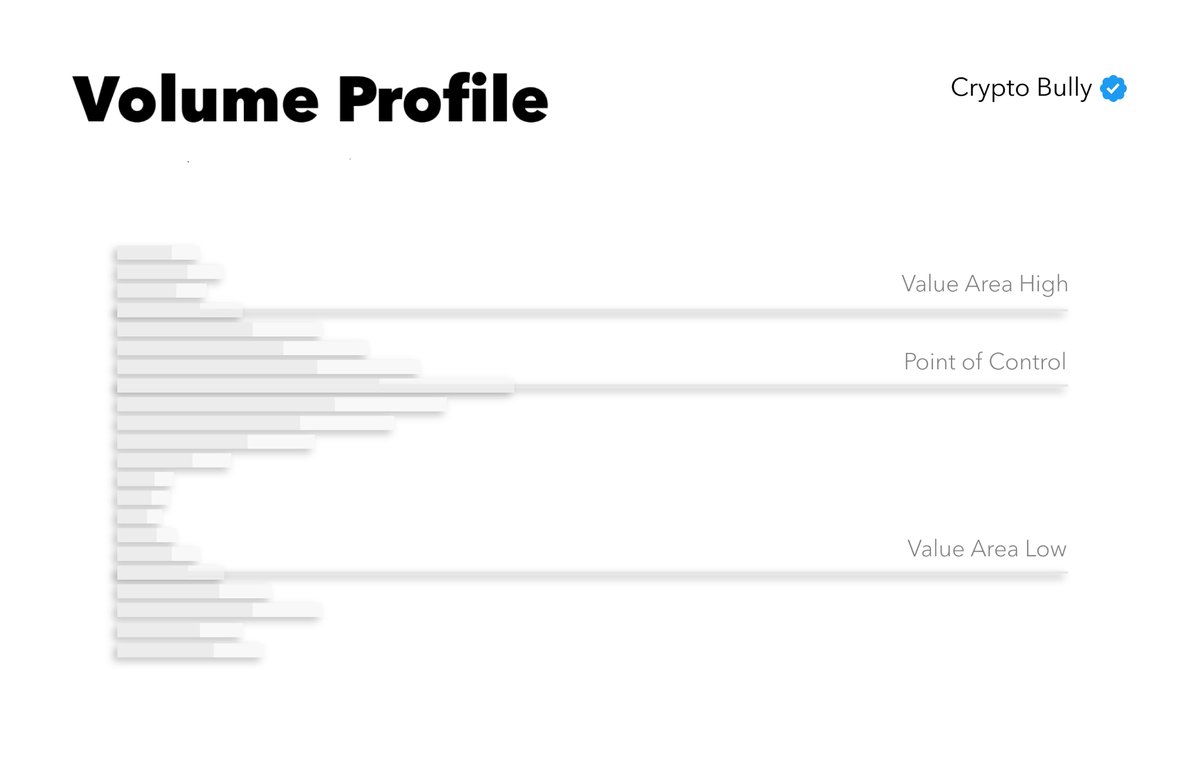
Hell Week Tutorial 6 - Volume Profile In Trading🧵
This is part 2 of a complete guide to:
1. Understand what is volume
2. Why is it important
3. Volume Profile Tools
4. How to use it to Trade Live
Part 1 - bit.ly/4dNwVlA
This is part 2 of a complete guide to:
1. Understand what is volume
2. Why is it important
3. Volume Profile Tools
4. How to use it to Trade Live
Part 1 - bit.ly/4dNwVlA
8
7. Fibonacci Retracement & Levels
o Title: Hell Week Tutorial 3: Mastering Fibonacci Retracement & Levels
Description: Learn the strategy behind Fibonacci levels and how to use them in trading.
LInk:
o Title: Hell Week Tutorial 3: Mastering Fibonacci Retracement & Levels
Description: Learn the strategy behind Fibonacci levels and how to use them in trading.
LInk:
Crypto Bully 🔥@BullyDCrypto
Hell Week Tutorial 3 - Fibonacci Retracement & Levels🚨
Fib levels are NOT magic pretend numbers
They are just percentages of swings that are backed by DATA
We cover:
- My settings
- My most useful and tested Fib strategy
- Best confluence for PA trading
Fib levels are NOT magic pretend numbers
They are just percentages of swings that are backed by DATA
We cover:
- My settings
- My most useful and tested Fib strategy
- Best confluence for PA trading
9
8. Top-Down Analysis
o Title: Hell Week Tutorial 4: Essential Top-Down Analysis for Today's Market
Description: Discover tools and processes to identify key entries and market levels.
Link:

o Title: Hell Week Tutorial 4: Essential Top-Down Analysis for Today's Market
Description: Discover tools and processes to identify key entries and market levels.
Link:
Crypto Bully 🔥@BullyDCrypto
Hell Week Tutorial 4: Top-Down Analysis🚨
Making this early, I think this is the most important tutorial in current market conditions
My tools, settings and process for marking out entries and levels of interest🧵
Making this early, I think this is the most important tutorial in current market conditions
My tools, settings and process for marking out entries and levels of interest🧵
10
9. Trend Continuation/Exhaustion
o Title: Hell Week Tutorial 7: Trend Continuation/Exhaustion
Description: Learn to assess the strength of low time frame moves and identify triggers for trend continuation versus exhaustion.
Link:
o Title: Hell Week Tutorial 7: Trend Continuation/Exhaustion
Description: Learn to assess the strength of low time frame moves and identify triggers for trend continuation versus exhaustion.
Link:
Crypto Bully 🔥@BullyDCrypto
HELL WEEK TUTORIAL 7: Trend Continuation/Exhaustion
Final one of the series, where I cover:
1. How to judge strength of a LTF move
2. What are the triggers to trade on trend continuation vs exhaustion
3. How to use new @tradingview feature for volume candles
Final one of the series, where I cover:
1. How to judge strength of a LTF move
2. What are the triggers to trade on trend continuation vs exhaustion
3. How to use new @tradingview feature for volume candles
11
10. Orderflow Basics
o Title: Orderflow Tutorial Series, Part 1
Description: Learn about different order types, Delta, and key concepts of absorption and exhaustion.
Link:

o Title: Orderflow Tutorial Series, Part 1
Description: Learn about different order types, Delta, and key concepts of absorption and exhaustion.
Link:
Crypto Bully 🔥@BullyDCrypto
Orderflow Tutorial Series, Part 1
Things I cover:
1. What are different order types?
2. What is Delta?
3. Types of Delta
4. What is absorption and exhaustion?
Let's study:✍️
Things I cover:
1. What are different order types?
2. What is Delta?
3. Types of Delta
4. What is absorption and exhaustion?
Let's study:✍️
12
11. Advanced Price Action Techniques
o Title: Price Action Tutorial 3: Mastering Volume, SFPs, and Fibs for Precision Trading
Description: Combine Volume, Swing Failure Patterns (SFPs), and Fibonacci levels for precision trading.
Link:

o Title: Price Action Tutorial 3: Mastering Volume, SFPs, and Fibs for Precision Trading
Description: Combine Volume, Swing Failure Patterns (SFPs), and Fibonacci levels for precision trading.
Link:
Crypto Bully 🔥@BullyDCrypto
ALTCOIN SELECTION AND TRADING ALPHA 🧵
Promised and delivered
I've included names of all the tools because you asked in the comments (no promotion or paid partnerships here)
Promised and delivered
I've included names of all the tools because you asked in the comments (no promotion or paid partnerships here)
13
12. Building a Complete Trading System
o Title: How to Build a Complete Trading System
Description: Learn how to integrate all tutorials into a cohesive trading system.
Link:
o Title: How to Build a Complete Trading System
Description: Learn how to integrate all tutorials into a cohesive trading system.
Link:
Crypto Bully 🔥@BullyDCrypto
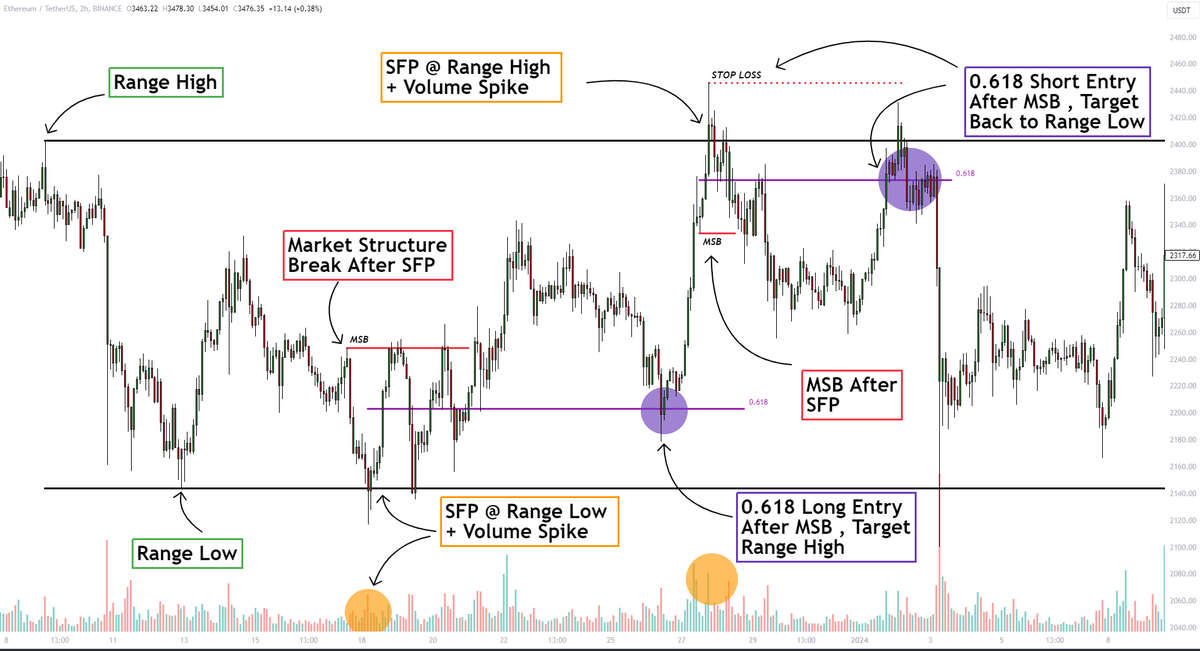
How to create a trading system?
Everything I teach can be used to take real, live trades as shown below
Reminder-Tutorials are one piece of a larger puzzle, to be used together for a system
Eg (today's trades) - t.me/CryptoDBully/5…
Everything I teach can be used to take real, live trades as shown below
Reminder-Tutorials are one piece of a larger puzzle, to be used together for a system
Eg (today's trades) - t.me/CryptoDBully/5…
14
13. Range Trading Strategy
o Title: Range Trading Strategy: Profiting from Market Ranges
Description: Strategy for profiting from markets that spend time ranging, focusing on catching reversals and gradually taking profits.
Link:

o Title: Range Trading Strategy: Profiting from Market Ranges
Description: Strategy for profiting from markets that spend time ranging, focusing on catching reversals and gradually taking profits.
Link:
Crypto Bully 🔥@BullyDCrypto
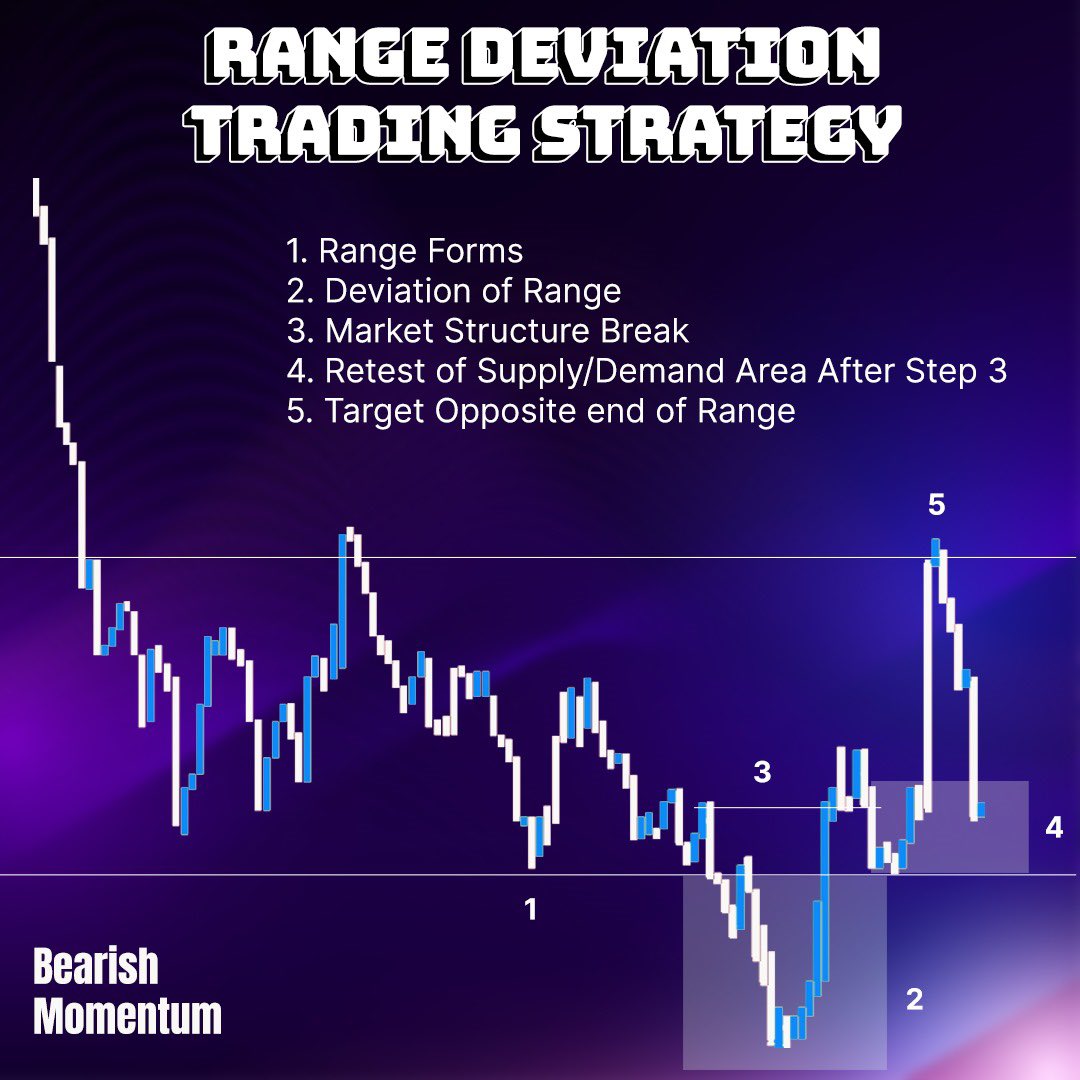
Range Trading Tutorial - 3
Markets spend 70% of the time ranging
What’s the best way to profit from this?
- Catch reversals and TP gradually
Steps:
- Let Range form and get entry conditions as chart
- Target 1 opposite side of range + Gradual TP as trend forms
Markets spend 70% of the time ranging
What’s the best way to profit from this?
- Catch reversals and TP gradually
Steps:
- Let Range form and get entry conditions as chart
- Target 1 opposite side of range + Gradual TP as trend forms
15
14. Altcoin Selection During Market Dips
o Title: Altcoin Selection During Market Dips
Description: Guide on selecting altcoins during market dips by focusing on price, open interest, and support levels.
Link:


o Title: Altcoin Selection During Market Dips
Description: Guide on selecting altcoins during market dips by focusing on price, open interest, and support levels.
Link:
Crypto Bully 🔥@BullyDCrypto
Simplest Altcoin Selection Tutorial💯
When to use?
- Mean reversion (mostly dip buying)
- When Bitcoin puts in a large move (like -7% in 3 hours) then go through your altcoin watchlist and follow the steps
Step 1: Do the homework and be prepared with good fundamental reasons to buy a coin
Step 2: Check Price and Open Interest (OI)
Step 3: Mark out 1-4H Support/Resistance levels. Check which altcoins are still holding support even when Bitcoin fell a lot
Step 4: The altcoins with very OI still likely have a lot of trapped longs refusing to exit. Avoid these. A simple trick (although not 100% accurate) is to see how price is trading with respect to when OI was at the same level.
Eg: Check the two charts below.
- FTM OI and Price are trading in tandem, while OI is slightly lower than when price was at the same level, it could just be some lack of supply as it's just a small difference
- For TON, Price dumped and is now retesting the same resistance level as when OI was 6.5% higher than current levels
Also when OI was at the same level as it is currently, price is up 8.2% from that level
This is just a quick trick to scan altcoins using nothing else but open interest and understanding whether leverage has been wiped out or not
Remember to use OI and not just PA to understand an altcoin's relative strength against Bitcoin. Because more often than not, it can just be lag instead of strength
Altcoins in the first category likely have much more downside left when BTC pulls back a little
PS: I've bought some altcoins on this dip, namely $SOL and $TON (shared on telegram) with tight stops
16
15. Trend Trading & Compounding
o Title: Trend Trading Tutorial: Compounding Positions in an Uptrend
Description: Learn how to compound positions during an uptrend.
Link:
o Title: Trend Trading Tutorial: Compounding Positions in an Uptrend
Description: Learn how to compound positions during an uptrend.
Link:
Crypto Bully 🔥@BullyDCrypto
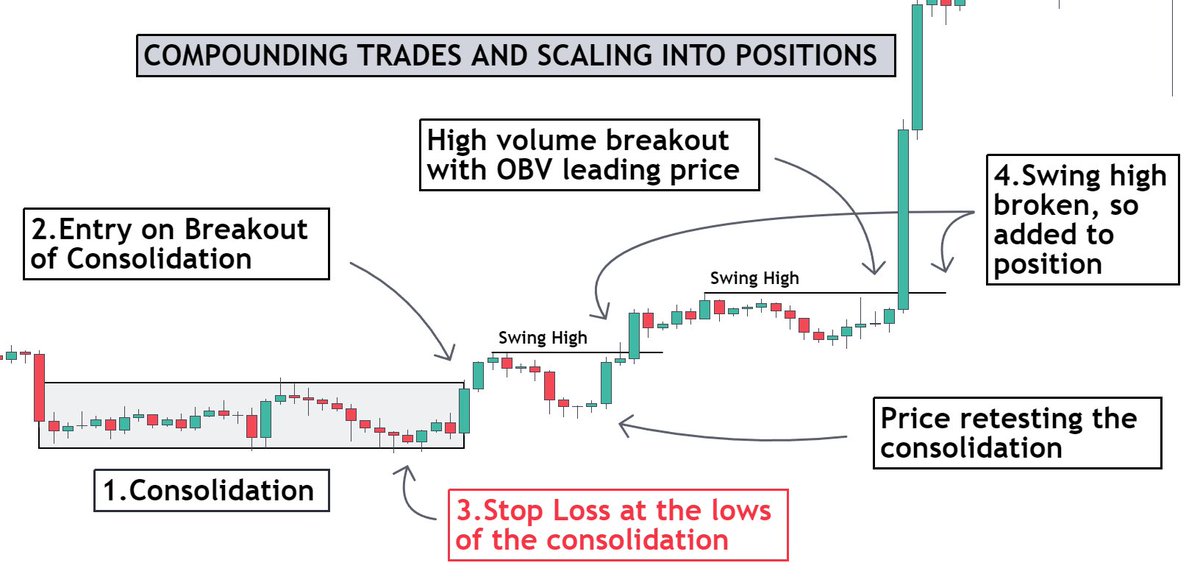
Trend Trading Tutorial🚨
Compounding existing positions in an uptrend
We will soon enter the “winners average winners” phase of the cycle
Sharing the simplest way to compound your winners by using PA
Compounding existing positions in an uptrend
We will soon enter the “winners average winners” phase of the cycle
Sharing the simplest way to compound your winners by using PA
17
16. Delta Series
o Title: Delta Tutorial Series Part 1: Understanding Market Aggression
Description: Basics of Delta, focusing on market buying and selling dynamics.
Link:

o Title: Delta Tutorial Series Part 1: Understanding Market Aggression
Description: Basics of Delta, focusing on market buying and selling dynamics.
Link:
Crypto Bully 🔥@BullyDCrypto
Delta Tutorial Series Part 1💯💯
PLEASE SHARE.
What is Delta?
In simple terms, it shows the difference between the market selling vs market buying at any point in the chart.
Limit orders - Add liquidity (bid and ask on order book)
Market order - Remove liquidity (trader "takes" whatever is the best price being offered by limit orders)
The concept of delta only deals with market orders and shows who are more aggressive, buyers or sellers.
1. Positive delta - market buyers are aggresive and are so eager to take positions that they are not stating a price they want to long at, they are just entering at the best price on "offer" or at "ask".
2. Negative Delta - market sellers are aggresive and are so eager to sell Bitcoin that they are not stating a price they want to short at, they are just entering at the best price that is being "bid" by limit buyers.
18
17. • Altcoin Selection + Trading Tutorial 4: High Volume, High Momentum Strategy
Link:
x.com/bullydcrypto/s…
Link:
x.com/bullydcrypto/s…
19
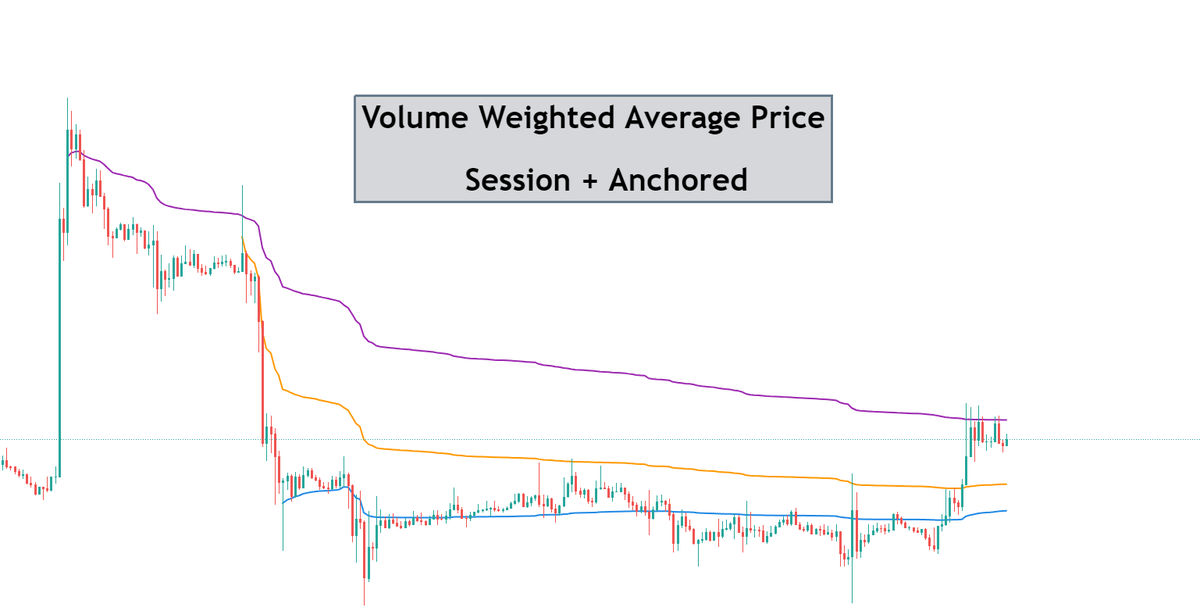
18. VWAP and Anchored VWAP Trading Tutorial
Link:
Link:
Crypto Bully 🔥@BullyDCrypto
Open this to understand the Magic of VWAP.
Detailed Thread on using VWAP for Day Trading.
Detailed Thread on using VWAP for Day Trading.
20
19. How to trade new listings on exchanges
Dip buying + assessing momentum and how to set invalidations

Dip buying + assessing momentum and how to set invalidations
Crypto Bully 🔥@BullyDCrypto
ALTCOIN TRADING SERIES: LISTING EDITION 💯
How to trade coins that have just been listed on big CEXes?
1. Wait for listing day pump to be over (we don't want to buy tops)
2. Wait for existing holders to distribute, this can send price 50-65% lower from listing high
3. Once price starts to range, draw your levels, draw your trendline and use EMA indicators (Depending on time passed you can use 4H 21EMA, 1H 13EMA, 5min 200EMA, any one works if step 4 is followed)
4. For aggressive entry: buy when the price breaks the trendline OR hits the bottom of the range after a 50-65% decline
5. Conservative entry - EMA breakout + retest + low volume move up (Low volume move up means that there is limited supply price and so it gaps up quickly)
6. Targets - Listing high is first target. Beyond that, you have to look at LTF levels as and how price develops, remember to ladder your exits instead of all at once
21
20. Scalping Trading Set-up Using Volume + Price + Orderflow
- Advanced tutorial for day trading and knife-catching bottoms or tops at the end of trends

- Advanced tutorial for day trading and knife-catching bottoms or tops at the end of trends
Crypto Bully 🔥@BullyDCrypto
BULLY SCALPING TUTORIAL SERIES: PART 1
As promised, I am releasing my secret sauce on how I knife-catch bottoms when we have corrections in a bullish uptrend
Notes on chart, this strategy has a very high hit-rate of over 80% if executed properly
Steps:
1. Go to LTF during massive dump
2. Look for higher than average long liquidations + OI collapse (this means longs are getting liquidated as well as their stops are being hit, meaning a lot of forced sellers in the market)
3. We want a high volume candle with the above two criteria fulfilled -> this followed by low volume candle where price moves up. Make sure OI doesn't rise too much
4. This means sellers have sold into large spot bids (limit longs) which are now filled. And a small volume (less no. of longs) can now push the market up
5. We long after low volume green candle closes. This set-up can come on LTF multiple times as sellers can resume selling (especially if there's TWAP selling) so our first target is conservative till the dump origin
I usually Do exactly this on low risk 3-4 time during a massive dump. Small profits add up and always leave a moonbag with trailing stop loss
This way, even with less size, you nail a market bottom
Credits to Insilico for first introducing this type of set-up to me when I started trading years ago
22
21. How To Trade News Events
- Use of orderflow to track how market is positioning ahead of news events
- A cheatsheet you can print out to use simple price charts to trade news events
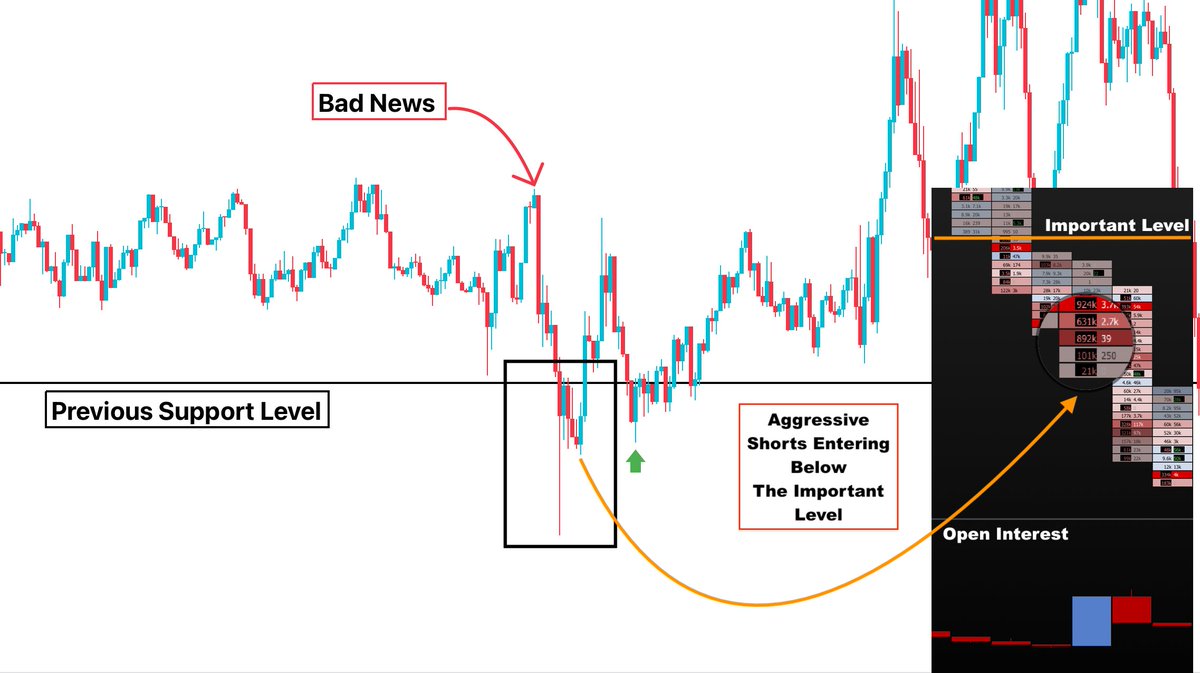
- Use of orderflow to track how market is positioning ahead of news events
- A cheatsheet you can print out to use simple price charts to trade news events
Crypto Bully 🔥@BullyDCrypto
News Trading Tutorial
- News can have different impact to price/traders/liquidity
- News can/cannot be priced in. How to deal with all scenarios covered:
1. Trading The News Failure Pattern:
Repeated news events impact markets over time as markets price it in (e.g. large ETF flows, SEC updates)
Telegraphed events ("X happens on Y date") are often priced in faster than surprises ("BREAKING: Y just happened")
The market’s reaction can reveal more than the news itself
The most high hit rate news trading set-up is the news failure. This is based on the fact that retail market participants are offside and "react" to news rather than plan for it
Eg: If we see some bad news, we have a brief sell-off as usual. However, if OI increases + Negative Delta comes in - this means that most people are shorting aggressively
If market moves back up an important level in this case and there is no OI dump, this means that people have shorted aggressively + limit buy orders have absorbed the selling. Price can be expected to rally higher as these aggressive shorts are forced to close (shorts closing are buy orders)
23
22. Altcoin Reversal Trading Setup
Covering:
- Price Action
- Volume
- Moving Averages

Covering:
- Price Action
- Volume
- Moving Averages
Crypto Bully 🔥@BullyDCrypto
Altcoin Reversal Trading Set-Up
Tools used:
- Price Action
- Volume
- Hourly (or another backtested timeframe) 36 EMA
When to use?
A - Near HTF Support/Resistance Levels
Tools used:
- Price Action
- Volume
- Hourly (or another backtested timeframe) 36 EMA
When to use?
A - Near HTF Support/Resistance Levels
24
23. Gap Trading Tutorial For Bitcoin/Crypto
Index:
- Types Of Gaps In Crypto
- Volume, Fair Value Gap, CME Gap
- Trading Rules And Set-ups

Index:
- Types Of Gaps In Crypto
- Volume, Fair Value Gap, CME Gap
- Trading Rules And Set-ups
Crypto Bully 🔥@BullyDCrypto
Gap Trading Tutorial
Contents:
1. Fair Value Gaps
2. Volume Gaps
3. CME Gap
4. Actionable Trading Set-ups Using The Above
Contents:
1. Fair Value Gaps
2. Volume Gaps
3. CME Gap
4. Actionable Trading Set-ups Using The Above
25
24. Trend Trading System Using OBV
How to take partial profits and re-add size while trading strong uptrends
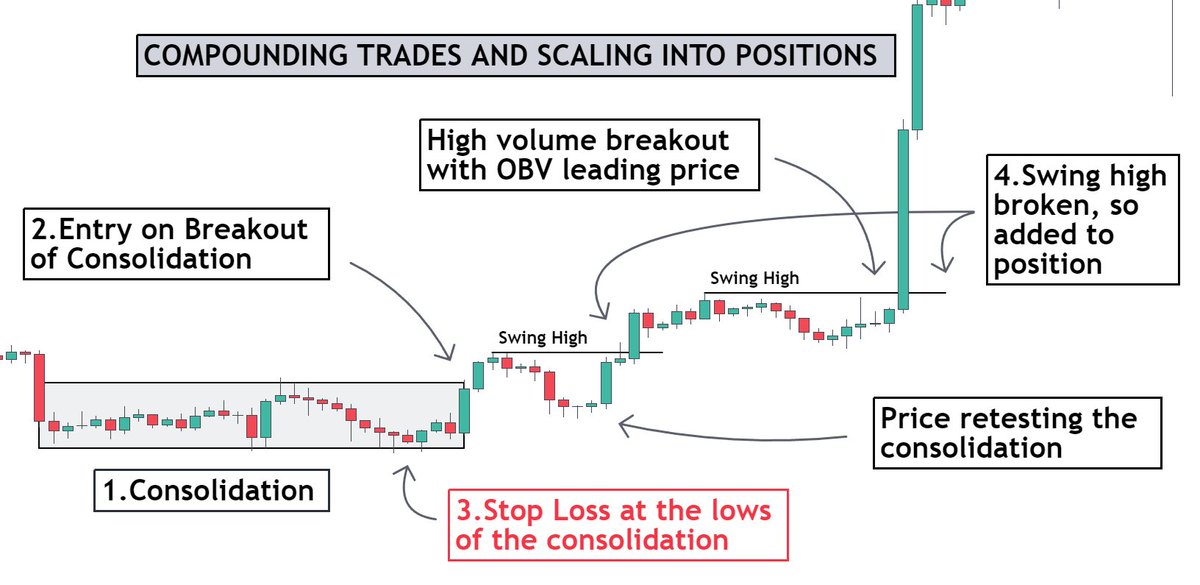
How to take partial profits and re-add size while trading strong uptrends
Crypto Bully 🔥@BullyDCrypto
We will soon enter the “winners average winners” phase of the cycle (or are there already)
Sharing the simplest way to compound your winners and trail stop loss by using:
- Price
- Volume
- On Balance Volume (OBV)
Sharing the simplest way to compound your winners and trail stop loss by using:
- Price
- Volume
- On Balance Volume (OBV)
26
25. Trading Reversals Using Orderflow
Mostly LTF trading strategy constantly recurring over the course of the week

Mostly LTF trading strategy constantly recurring over the course of the week
Crypto Bully 🔥@BullyDCrypto
BITCOIN REVERSAL TRADING STRATEGY💯
Context: This set-up occurs on $BTC and $ETH almost 3-4 times a week and has a very high hit rate. This is my attempt to simplify it
Steps:
- Wait for price to reach an important support/resistance level (we'll use support and a long example)
- We either hold above support or we sweep that Higher Timeframe support level. Then we check order flow at the lows (you can use @VeloData or @ExochartsC for this)
- Look for Negative Delta + Increase in Open Interest at the lows of local range. Rules: OI increase must be higher than usual + must not decrease immediately
- Long entry AFTER price moves above local high (High of the candle marked here)
- Stop loss below local low. Target the local high OR wait for a candle where a lot of Green Delta + Red OI = Shorts that entered at the lows are finally exiting/puking
- Repeat same at a resistance level and trapped longs
27
26. Trading System Creation Hack
Short steps to build your own trading system, using the tools your already know and how to change your system over time

Short steps to build your own trading system, using the tools your already know and how to change your system over time
Crypto Bully 🔥@BullyDCrypto
TRADING SYSTEM CHEATSHEET💯
A Complete Trading System has three stages:
- Finding Phase
- Testing Phase
- Triggers And Invalidations
*Finding Phase*
1. Scan multiple Setups, chart patterns what work. Scan 20 of them.
2. Find one trading setup, chart pattern that you think works.
*Testing Phase*
1. Backtest it a 1000 times.
2. Add 'conditions' to enter example - Only enter of above Some EMA.
3. Add indicators. Example - Enter with confluence with RSI divergence.
Define your System.
1. Clearly define what setup you will trade and trade ONLY that setup.
2. Enter clear and simple triggers which defines your Entry.
Example for entry trigger:
Long Entry when-
• Price is above Weekly VWAP
* Spot volume is rising at the same or faster pace as Perp volume
* Wick lows to the left of price have been swept (Sweep = Move below low to the left, but failure to close below)
Same but inverse for shorts.
Once defined, try it live a 1000 times with minium capital.
28
27. Practical Approach To Supply/Demand Trading
Examples and strategy included


Examples and strategy included
Crypto Bully 🔥@BullyDCrypto
Supply/Demand For Actionable Trading🧵
We will cover:
- How to identify Supply/Demand
- How to place trades when at these levels
- Entry/TP/SL Placement
We will cover:
- How to identify Supply/Demand
- How to place trades when at these levels
- Entry/TP/SL Placement
29
28. Price Action Templates And Techniques to simplify your trading

Crypto Bully 🔥@BullyDCrypto
Secret Sauce to trade Price Action like a Veteran Trader. A Thread 🧵
Markets only do 2 things, either they expand or consolidate
Crypto typically has a tendency to consolidate 80% of the time and rest is where it trends multiples of X at a time.
Markets only do 2 things, either they expand or consolidate
Crypto typically has a tendency to consolidate 80% of the time and rest is where it trends multiples of X at a time.
30
29. Cycles are pretty much over. How to trade mini-cycles (rotations) that occur over 1-2 weeks across alts
Focusing on: How to trade $ETH profitably (something 99% of CT can't do)
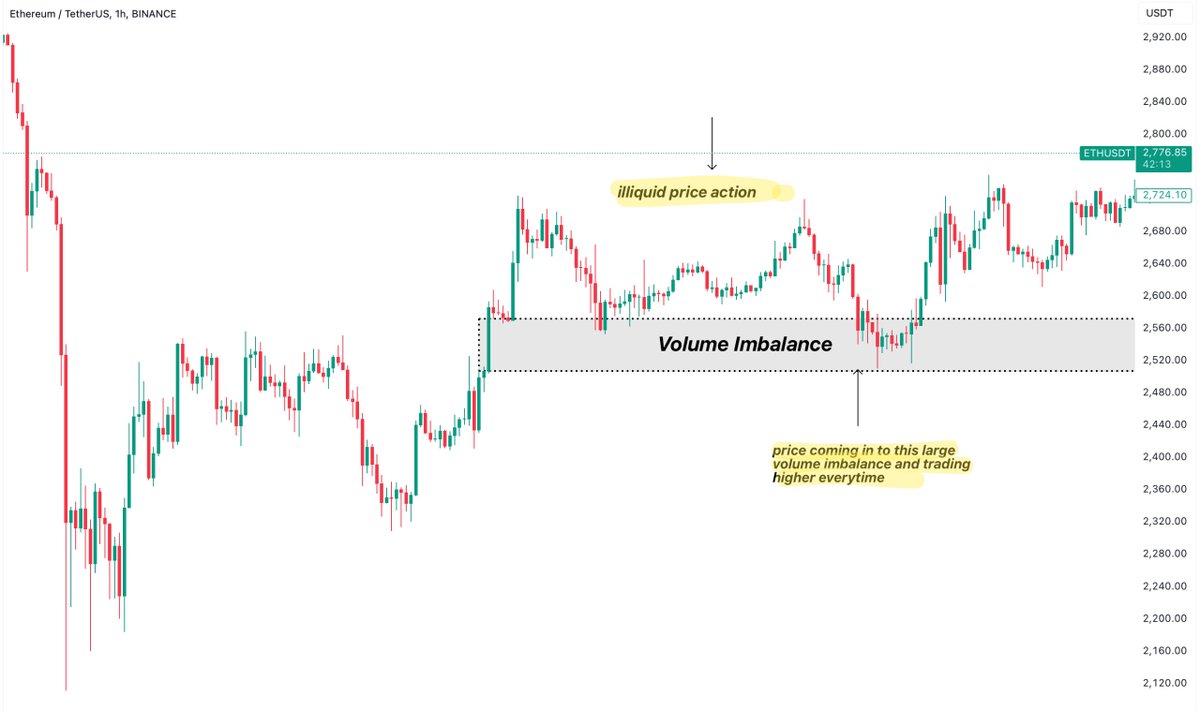
Focusing on: How to trade $ETH profitably (something 99% of CT can't do)
Crypto Bully 🔥@BullyDCrypto
How To Actually Trade $ETH Profitably (A Thread🧵)
- Mini market cycles for BTC->Alts->ETH
- Dump buying
- Which assets to buy, when and how to rotate
- Mini market cycles for BTC->Alts->ETH
- Dump buying
- Which assets to buy, when and how to rotate
31
30. Bump and Run Reversal (BARR)🧵
- Catch both bullish/bearish reversals before they occur
- Use Price Action with Volume confluence
Link:
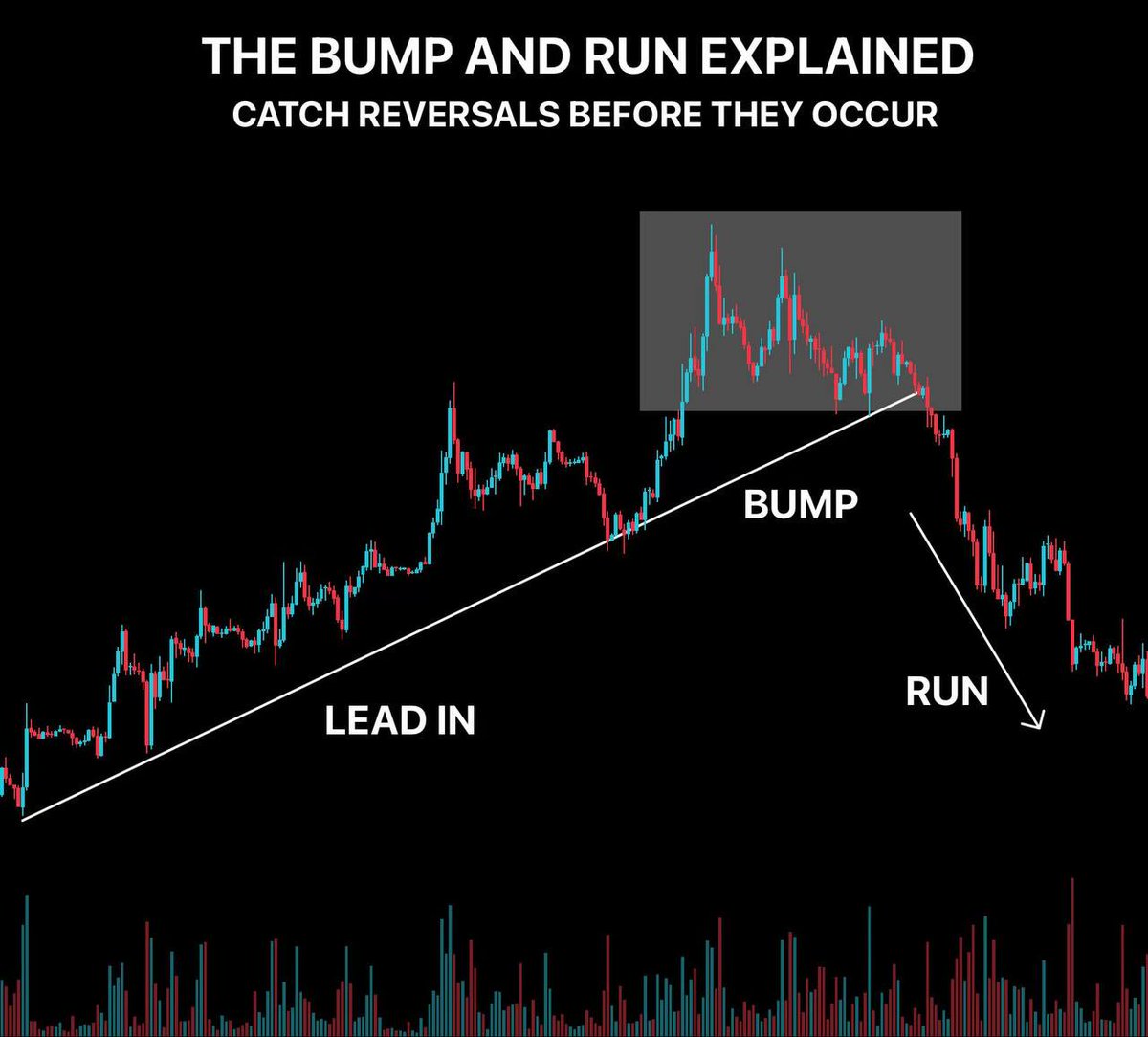
- Catch both bullish/bearish reversals before they occur
- Use Price Action with Volume confluence
Link:
Crypto Bully 🔥@BullyDCrypto
My favourite Reversal Trading Pattern: Bump and Run Reversal (BARR)🧵
- Catch both bullish/bearish reversals before they occur
- Use Price Action with Volume confluence
- Beginner friendly + Advanced concepts (with examples)
- Catch both bullish/bearish reversals before they occur
- Use Price Action with Volume confluence
- Beginner friendly + Advanced concepts (with examples)
32
31. Simplified Volume Profile Tutorial
- What are the terminologies to remember
- How to execute at different levels
- Link to detailed tutorials


- What are the terminologies to remember
- How to execute at different levels
- Link to detailed tutorials
Crypto Bully 🔥@BullyDCrypto
Volume Profile Simplified 🔎
Covering:
- Terminology
- Explanations
- Practical Application
Links to detailed tutorials about the same:
bit.ly/41lsLvQ
bit.ly/3QG3Qy5
Covering:
- Terminology
- Explanations
- Practical Application
Links to detailed tutorials about the same:
bit.ly/41lsLvQ
bit.ly/3QG3Qy5
33
32. Intraday Range Trading Strategy Using Volume Profile
Live trade that was shared in Telegram: t.me/CryptoDBully/4…
and the reasoning/trade review behind it is explained in the thread
Link: x.com/BullyDCrypto/s…

Live trade that was shared in Telegram: t.me/CryptoDBully/4…
and the reasoning/trade review behind it is explained in the thread
Link: x.com/BullyDCrypto/s…
Crypto Bully 🔥@BullyDCrypto
Releasing my day-trading strategy using Volume Profile today
This is my bread and butter apart from some other confluences
Leave a ♥️ if you are interested
This is my bread and butter apart from some other confluences
Leave a ♥️ if you are interested
34
33. Intraday Range Trading Strategy using nPOCs and Volume Profile

35
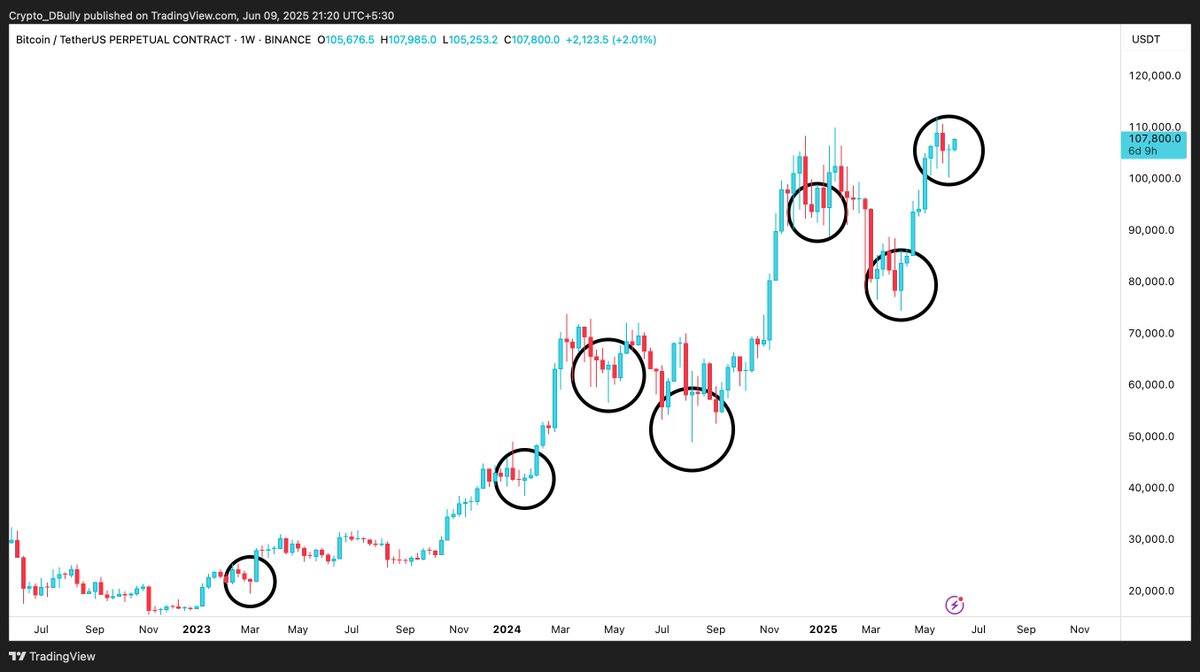
34. Bitcoin Trading Rules and Strategies Using the Weekly Chart
Crypto Bully 🔥@BullyDCrypto
Bitcoin Weekly Chart: "How To Trade" Rules
- The first large weekly down wick at key levels are always bought back with aggression
- News based dumps leading to massive long liquidations, if they leave a massive wick down, are usually good longs
Triggers:
- Reclaim of previous weekly lows with low/negative funding and open interest
- Reclaim of key opens after a deviation under means rebalancing / expiries have had their effect and then price-agnostic spot buyers are buying aggressively again, so good to long