This 600-year-old painting is one of the most mysterious in...

The Culturist@the_culturist_
31 views
Sep 12, 2024
~3 min read
Advertisement
1
This 600-year-old painting is one of the most mysterious in history.
That mirror at the back is just 3 inches wide — yet it reflects the entire room in immense detail.
Look closer at it and you'll realize nothing is as it seems… (thread) 🧵
That mirror at the back is just 3 inches wide — yet it reflects the entire room in immense detail.
Look closer at it and you'll realize nothing is as it seems… (thread) 🧵
2
At first glance, you might think Jan van Eyck's masterpiece is an ordinary portrait: Italian merchant Giovanni Arnolfini and his wife, Costanza.
It looks like it could be a wedding ceremony, but there is far more going on...
It looks like it could be a wedding ceremony, but there is far more going on...
3
First, it's astonishingly rich in detail and symbolism.
To give you an idea, the prayer beads at the back (a gift to the bride symbolizing purity) each cast a tiny shadow on the wall — and reflect the room's light.
To give you an idea, the prayer beads at the back (a gift to the bride symbolizing purity) each cast a tiny shadow on the wall — and reflect the room's light.
4
Or take this orange, itself a symbol of wealth, being an expensive import to Bruges (where this was painted).
Its shadow is masterfully rendered, but it even has a faint reflection in the windowsill.
Its shadow is masterfully rendered, but it even has a faint reflection in the windowsill.
5
Or this dog, a symbol of loyalty and faithfulness, with each of its hairs painted with one single hair of van Eyck's paintbrush...

6
It becomes more mind-blowing when you realize when this was painted: the 15th century.
This was an almighty leap in perspective and realism from Gothic art just a few decades earlier.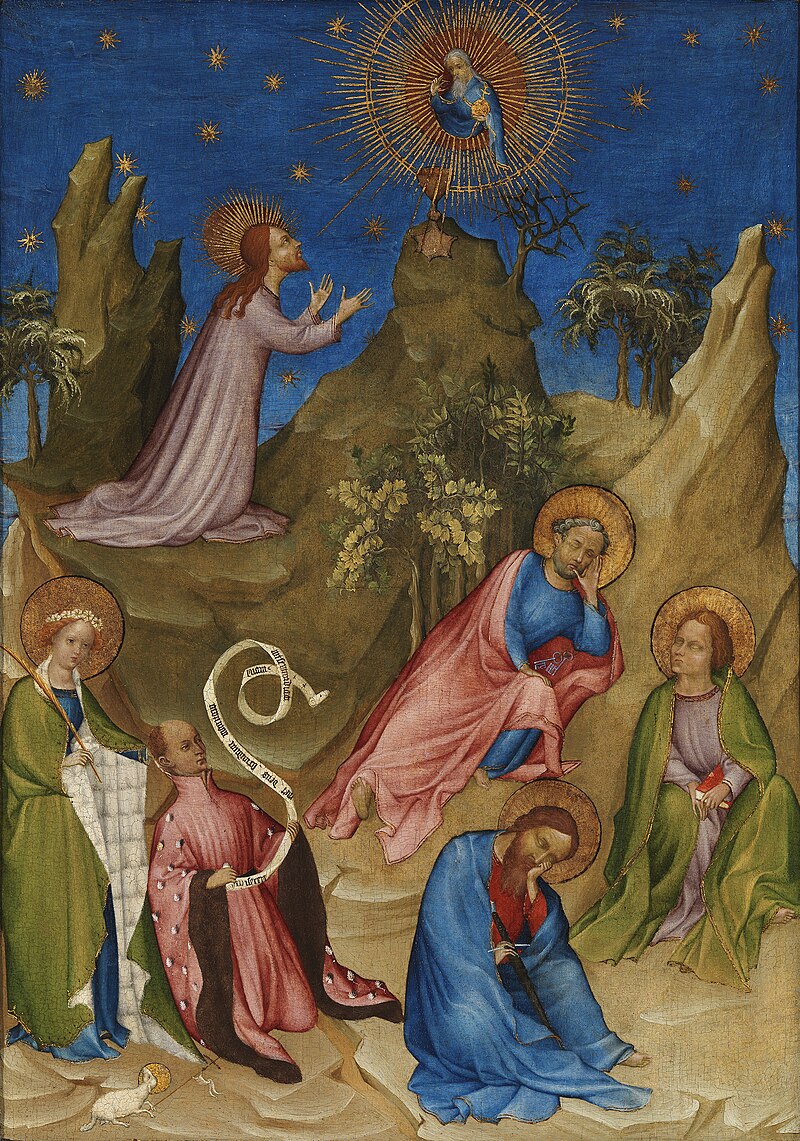

This was an almighty leap in perspective and realism from Gothic art just a few decades earlier.
7
But dig further into the symbols and you see why it's one of the most analyzed paintings in history.
First, some think it's an actual marriage contract — explaining why the artist's witness signature is included.
First, some think it's an actual marriage contract — explaining why the artist's witness signature is included.
8
And on the bed frame is a sculpture of Saint Margaret, the patron saint of childbirth.
So, this is a portrait of a happy and fruitful marriage yet to come, right?
So, this is a portrait of a happy and fruitful marriage yet to come, right?
9
Wrong. Look now at the mirror.
Packing all this detail into such a small space is stupendous already, but note this is convex glass. The distortion is represented with stunning accuracy.
Packing all this detail into such a small space is stupendous already, but note this is convex glass. The distortion is represented with stunning accuracy.
10
Zoom in further and you see that orange on the windowsill again.
But more interesting are the two figures in the back: a man in red usually identified as the painter himself, and one other — is that us, the viewer?
But more interesting are the two figures in the back: a man in red usually identified as the painter himself, and one other — is that us, the viewer?
11
The true nature of this painting is actually revealed around the mirror, in 10 tiny images.
Each of these is smaller than half a fingernail, with scenes of the Passion of Christ: from the Agony in the Garden to the Resurrection.

Each of these is smaller than half a fingernail, with scenes of the Passion of Christ: from the Agony in the Garden to the Resurrection.
12
You may notice the scenes on Giovanni's side are during Christ's life, and on Costanza's side after Christ's death — why?
Well, this painting was completed in 1434. Costanza died in 1433...
Well, this painting was completed in 1434. Costanza died in 1433...
13
Now, a lot more starts to make sense: the cherry blossom tree (a symbol of the transience of life), Giovanni's dark clothes (like he's attending a funeral).
Not a single detail is accidental.
Not a single detail is accidental.
14
The chandelier has only one candle lit: the one above Giovanni's head. The candle over Costanza has burned out — only a few drops of wax remain.
This painting is a posthumous tribute to Costanza.
This painting is a posthumous tribute to Costanza.
15
It's hard not to notice how she's standing and her hand position. This is a woman soon to give birth, at a time when death during childbirth was common.
Her sacrifice is accompanied behind by the ultimate sacrifice: Christ's Crucifixion.
Her sacrifice is accompanied behind by the ultimate sacrifice: Christ's Crucifixion.
16
One final detail: look at Giovanni's shoes that he's discarded.
He's done so out of respect: a wedding is happening here, so the room is transformed into a holy place...
He's done so out of respect: a wedding is happening here, so the room is transformed into a holy place...
17
And despite what's happened, he has no intention of walking away from his vows — or his faith.
This whole scene is a tribute to the passing of a beloved wife, with details that only a true genius could pull off...
This whole scene is a tribute to the passing of a beloved wife, with details that only a true genius could pull off...