Cancer is complicated. Unfortunately, most treatments are very...

Dalton (Analyze & Optimize)@Outdoctrination
97 views
May 18, 2025
~9 min read
Advertisement
1
Cancer is complicated.
Unfortunately, most treatments are very simple.
These are the 10 hallmarks of cancer,
and what I would do to address each one.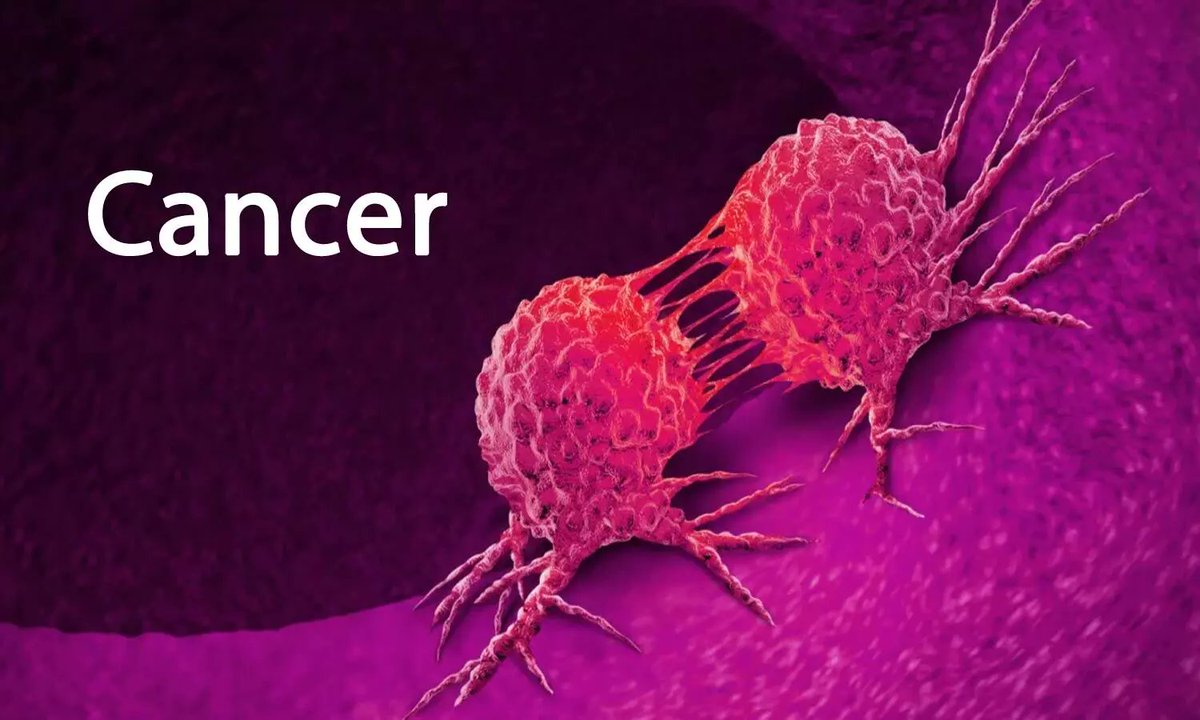
Unfortunately, most treatments are very simple.
These are the 10 hallmarks of cancer,
and what I would do to address each one.
2
This is NOT MEDICAL ADVICE.
This is just what I think is going on, and what I would do if I had cancer.
A key idea here is that most cancer “treatment” is just killing cells indiscriminately.
My approach would be root cause oriented.
Let’s get into the hallmarks of cancer.
This is just what I think is going on, and what I would do if I had cancer.
A key idea here is that most cancer “treatment” is just killing cells indiscriminately.
My approach would be root cause oriented.
Let’s get into the hallmarks of cancer.
3
1. Inflammation
Chronic, low grade inflammation stimulates constant GROWTH / PROLIFERATION, when cells multiply.
Growth and cellular multiplication without DIFFERENTIATION, which is when a cell changes into a specialized cell type, is what cancer is.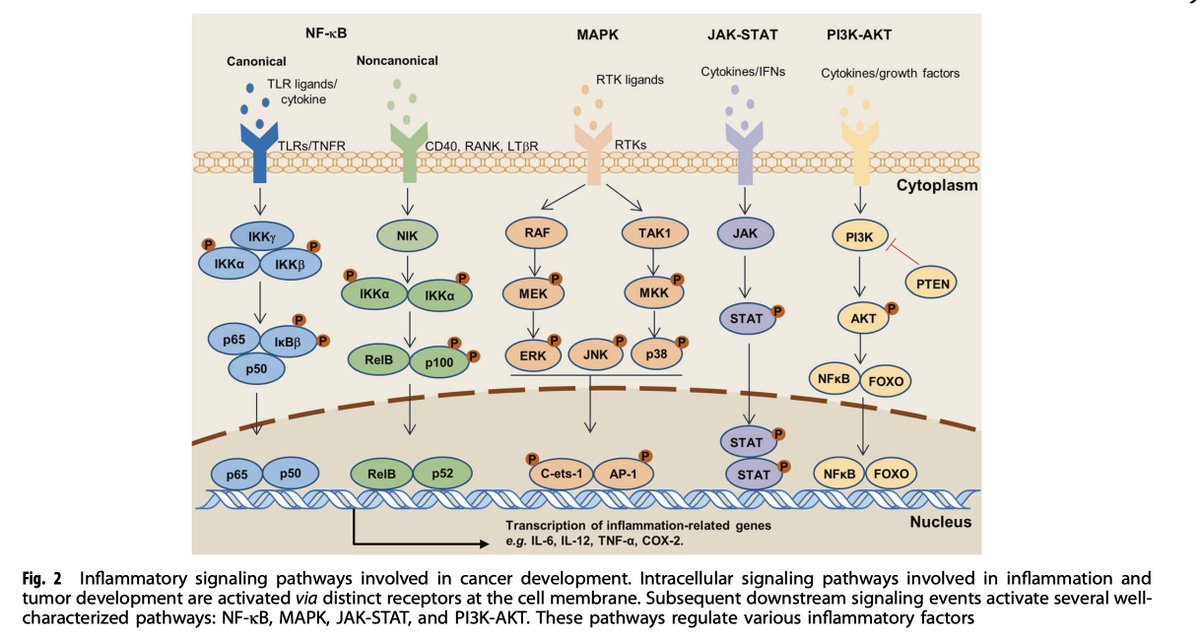
Chronic, low grade inflammation stimulates constant GROWTH / PROLIFERATION, when cells multiply.
Growth and cellular multiplication without DIFFERENTIATION, which is when a cell changes into a specialized cell type, is what cancer is.
4
Many of the hallmarks of cancer, in addition to growth, are all induced by chronic inflammation:
• Angiogenesis (new blood vessel formation)
• Degradation of extracellular matrix
• Metabolic suppression
• Oxidative stress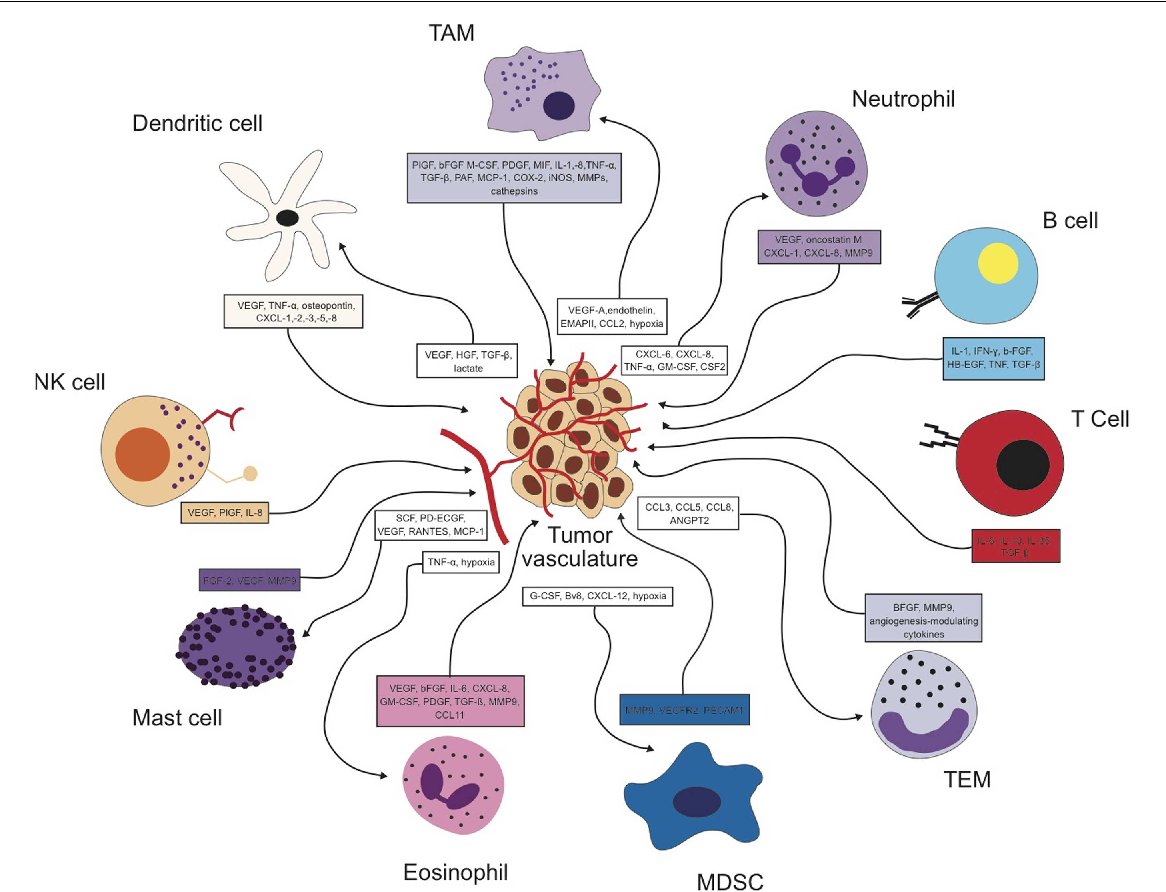
• Angiogenesis (new blood vessel formation)
• Degradation of extracellular matrix
• Metabolic suppression
• Oxidative stress
5
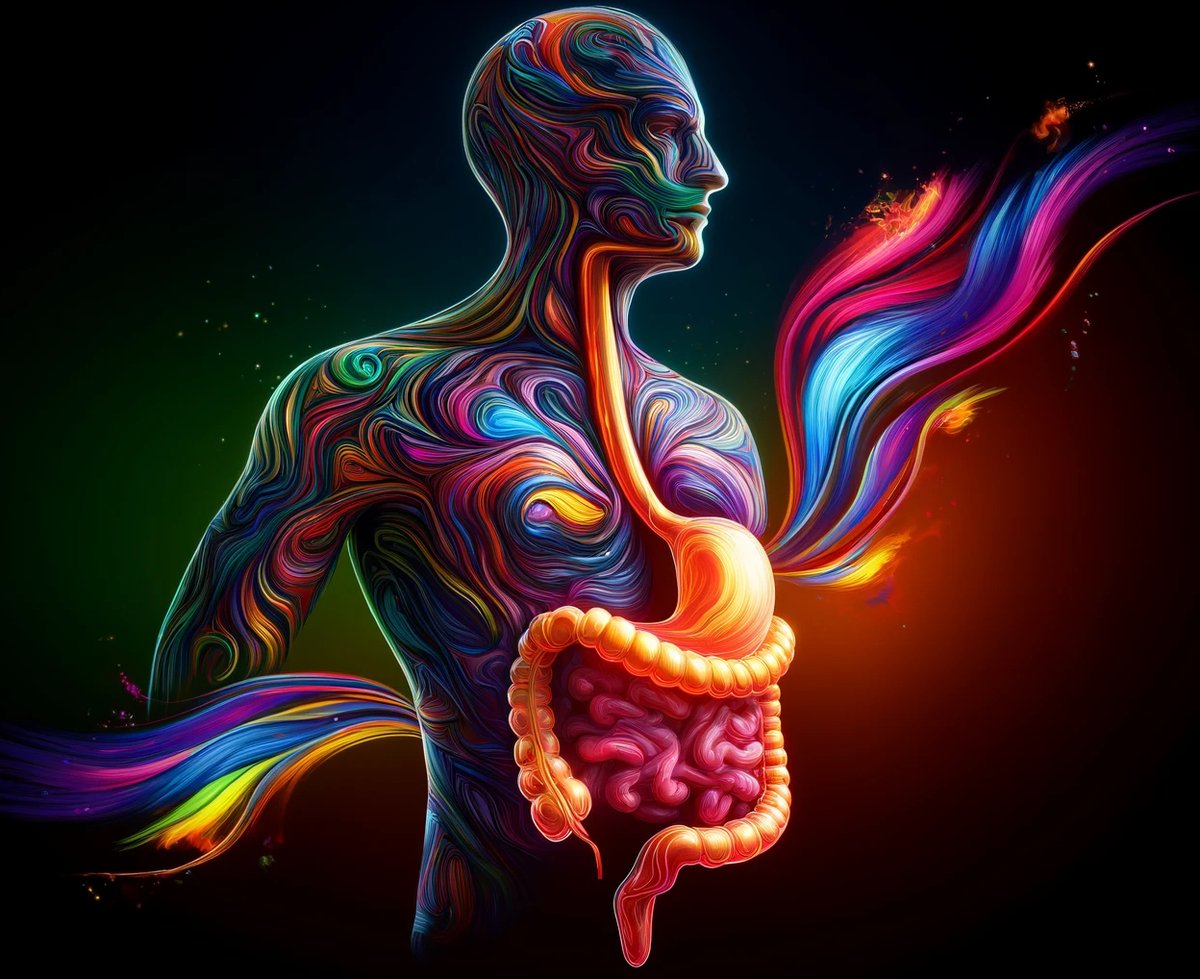
A lot of chronic inflammation starts in the gut.
Addressing any digestive discomfort or improper bowel habits is going to be absolutely key.
This is our overview on gut health.
Addressing any digestive discomfort or improper bowel habits is going to be absolutely key.
This is our overview on gut health.
Dalton (Analyze & Optimize)@Outdoctrination
🚨GUT MASTERCLASS🚨
7 KEYS to fixing your digestive issues:
1. BACTERIA
Probably the most important thing to address.
Issues with gut bacteria (dysbiosis) will directly worsen everything else on this list.
Dysbiosis will drive:
⬩Pain
⬩Gas
⬩Sensitization
⬩Bloating
⬩Poor motility
⬩Food intolerances
⬩Inflammation
⬩Diarrhea
⬩Poorly formed stools
⬩Constipation
2 key easy and free ways to tell if you have dysbiosis:
1. Coated / white tongue in the morning (especially in the back)
2. Consistent foamy urine
Both very common signs of bacterial issues.
Stool testing is nice if you're really stuck, but if these are prevalent along with other gut symptoms - you can bet dysbiosis is an issue.
3 primary levers to pull to fix dysbiosis:
⬩Diet
⬩Antimicrobials
⬩Probiotics
For Diet: Starting with a low residue diet that limits bacterial fermentation.
Animal protein/fat: all cuts of beef, lamb, bison, etc. + eggs, seafood, dairy as tolerated (cottage cheese and Greek yogurt the least offensive typically)
+ easily digestible carbs like fruit juices, cane sugar and honey.
A low FODMAP diet can be effective if the problem is more upper GI (belching, upper bloating, lack of appetite).
& NO MATTER WHAT: keep polyunsaturated fats LOW (seed oils mainly).
+ Avoid food additives: added iron, colors, gums, dyes, etc. It's all terrible.
From there, in general, the least problematic foods to add back in order seem to be:
⬩Whole fruit
⬩Very well cooked potatoes / rice
⬩Toasted / non whole / cooked grains (sourdough)
⬩Very well cooked green vegetables
The better you get, the more you ought to expand the diet to make the gut more robust over time. You don't want to have a restrictive diet long term.
In general - over or under-eating will make things worse. Listen to your body.
For antimicrobials: low dose, safe antibiotics can be an absolute life saver.
⬩100-200 mg penicillin, 3-4x a day for 1-3 weeks
⬩25 mg doxy/minocycline, 2x a day, for 1-3 days
have been the most reliable in my experience.
Some natural antimicrobials:
⬩Oregano oil
⬩Allicin (garlic/onion)
⬩Mastic gum
⬩Pau D'Arco
⬩Rosemary
⬩Thyme
⬩Activated charcoal
⬩Wormwood
⬩Camphor
⬩Carrot
⬩Berberine
One herbal protocol that was studied: 2 capsules each of proprietary blends (you can get these online) FC Cidal + Dysbiocide or Candibactin-AR + Candibactin-BR, 2x a day for 4 weeks
PROBIOTICS: I wouldn't start with these if the problem is really bad, but I think the closer you get back to normal, the more important they become.
Probiotics:
⬩Have antimicrobial/anti-biofilm effects
⬩Essential for gut immunity
⬩Enhance gut motility
⬩Can metabolize food components
In general - multi strain, long duration is the key to success. At least 2 months is a good starting point.
I like the Ruscio triple therapy, MegaSporeBiotic and Seed products.
2. GUT MOTILITY
Absolutely vital to keep things moving. If you don't:
⬩Greater bacterial fermentation
⬩More inflammation from food lingering
⬩More gas production, retention (bloating)
Some tools to enhance gut motility:
⬩Coffee
⬩Cascara
⬩Triphala
⬩Raw carrot
Walking consistently is also essential here, as is maintaining consistent sleep / wake times, since gut motility is coordinated by the circadian rhythm.
The most important aspect of gut motility is vagal tone - the primary governor of the "rest and digest" nervous system that allows things to flow along well.
Which brings me to...
3. STRESS
Stress will destroy digestion. It:
⬩Worsens gut immunity - allowing for dysbiosis
⬩Slows motility (but can also cause diarrhea)
⬩Impairs energy production
Obviously, solving stress is a massive puzzle, but supporting the vagal cholinergic system here is paramount for the gut.
⬩B1
⬩Choline(rgics)
Are vital nutrients.
⬩Pregnenolone
⬩Progesterone
⬩Humming
⬩Acupressure points
⬩Breathing practices
⬩Sunlight
⬩Maintaining circadian rhythm
⬩Grounding
Are all important levers to pull for increasing vagal tone.
Deficiencies of pretty much any nutrient can cause stress, but the most noteworthy anti-stress nutrients IMO are:
⬩Magnesium
⬩Vitamin D
⬩Carbohydrate
⬩Salt
⬩Potassium
⬩Vitamin C
4. ENERGY
If your metabolism sucks good luck digesting anything.
You need energy for:
⬩Stomach acid
⬩Digestive enzyme secretion
⬩Motility
⬩Immunity
⬩Maintaining "good" bacterial balance
Some keys to enhancing energy production:
⬩Thyroid optimization / supplementation
⬩B vitamins
⬩Copper
⬩Limiting polyunsaturated fats
Eat ya liver and oysters.
5. SEROTONIN
Something NOBODY talks about but is VITAL to target.
You WILL have excess gut serotonin if you have these issues. It directly drives:
⬩Nausea
⬩Pain
⬩Sensitivity
⬩Diarrhea
⬩Bloating
⬩Loss of appetite
and more.
Serotonin is primarily the result of dysbiosis and gut irritation, so the bacteria / diet notes apply here as well.
Some tools that can directly lower serotonin and give immediate relief:
⬩Ginger
⬩Lysine
⬩Vitamins A & D
⬩Zinc
and some drugs:
⬩Cyproheptadine
⬩Benadryl
⬩Zofran (Ondansetron)
⬩Famotidine
This is so so important I will link my post on it below.
6. INFLAMMATION + LEAKY GUT
Inflammation is what directly facilitates a lot of these symptoms.
The breakdown of the intestinal barrier, or "leaky gut," is a common underlying theme in all digestive problems that drives inflammation.
Everything mentioned above plays a key role in driving or managing inflammation and the intestinal barrier,
but some good foods to directly target it:
⬩Gelatinous meats / bone broth (glycine + hydroxyproline)
⬩Raw milk
⬩Orange juice
Good supplements that directly lower inflammation:
⬩Lactoferrin
⬩Zinc Carnosine
⬩BPC-157
⬩Glutamine
7 KEYS to fixing your digestive issues:
1. BACTERIA
Probably the most important thing to address.
Issues with gut bacteria (dysbiosis) will directly worsen everything else on this list.
Dysbiosis will drive:
⬩Pain
⬩Gas
⬩Sensitization
⬩Bloating
⬩Poor motility
⬩Food intolerances
⬩Inflammation
⬩Diarrhea
⬩Poorly formed stools
⬩Constipation
2 key easy and free ways to tell if you have dysbiosis:
1. Coated / white tongue in the morning (especially in the back)
2. Consistent foamy urine
Both very common signs of bacterial issues.
Stool testing is nice if you're really stuck, but if these are prevalent along with other gut symptoms - you can bet dysbiosis is an issue.
3 primary levers to pull to fix dysbiosis:
⬩Diet
⬩Antimicrobials
⬩Probiotics
For Diet: Starting with a low residue diet that limits bacterial fermentation.
Animal protein/fat: all cuts of beef, lamb, bison, etc. + eggs, seafood, dairy as tolerated (cottage cheese and Greek yogurt the least offensive typically)
+ easily digestible carbs like fruit juices, cane sugar and honey.
A low FODMAP diet can be effective if the problem is more upper GI (belching, upper bloating, lack of appetite).
& NO MATTER WHAT: keep polyunsaturated fats LOW (seed oils mainly).
+ Avoid food additives: added iron, colors, gums, dyes, etc. It's all terrible.
From there, in general, the least problematic foods to add back in order seem to be:
⬩Whole fruit
⬩Very well cooked potatoes / rice
⬩Toasted / non whole / cooked grains (sourdough)
⬩Very well cooked green vegetables
The better you get, the more you ought to expand the diet to make the gut more robust over time. You don't want to have a restrictive diet long term.
In general - over or under-eating will make things worse. Listen to your body.
For antimicrobials: low dose, safe antibiotics can be an absolute life saver.
⬩100-200 mg penicillin, 3-4x a day for 1-3 weeks
⬩25 mg doxy/minocycline, 2x a day, for 1-3 days
have been the most reliable in my experience.
Some natural antimicrobials:
⬩Oregano oil
⬩Allicin (garlic/onion)
⬩Mastic gum
⬩Pau D'Arco
⬩Rosemary
⬩Thyme
⬩Activated charcoal
⬩Wormwood
⬩Camphor
⬩Carrot
⬩Berberine
One herbal protocol that was studied: 2 capsules each of proprietary blends (you can get these online) FC Cidal + Dysbiocide or Candibactin-AR + Candibactin-BR, 2x a day for 4 weeks
PROBIOTICS: I wouldn't start with these if the problem is really bad, but I think the closer you get back to normal, the more important they become.
Probiotics:
⬩Have antimicrobial/anti-biofilm effects
⬩Essential for gut immunity
⬩Enhance gut motility
⬩Can metabolize food components
In general - multi strain, long duration is the key to success. At least 2 months is a good starting point.
I like the Ruscio triple therapy, MegaSporeBiotic and Seed products.
2. GUT MOTILITY
Absolutely vital to keep things moving. If you don't:
⬩Greater bacterial fermentation
⬩More inflammation from food lingering
⬩More gas production, retention (bloating)
Some tools to enhance gut motility:
⬩Coffee
⬩Cascara
⬩Triphala
⬩Raw carrot
Walking consistently is also essential here, as is maintaining consistent sleep / wake times, since gut motility is coordinated by the circadian rhythm.
The most important aspect of gut motility is vagal tone - the primary governor of the "rest and digest" nervous system that allows things to flow along well.
Which brings me to...
3. STRESS
Stress will destroy digestion. It:
⬩Worsens gut immunity - allowing for dysbiosis
⬩Slows motility (but can also cause diarrhea)
⬩Impairs energy production
Obviously, solving stress is a massive puzzle, but supporting the vagal cholinergic system here is paramount for the gut.
⬩B1
⬩Choline(rgics)
Are vital nutrients.
⬩Pregnenolone
⬩Progesterone
⬩Humming
⬩Acupressure points
⬩Breathing practices
⬩Sunlight
⬩Maintaining circadian rhythm
⬩Grounding
Are all important levers to pull for increasing vagal tone.
Deficiencies of pretty much any nutrient can cause stress, but the most noteworthy anti-stress nutrients IMO are:
⬩Magnesium
⬩Vitamin D
⬩Carbohydrate
⬩Salt
⬩Potassium
⬩Vitamin C
4. ENERGY
If your metabolism sucks good luck digesting anything.
You need energy for:
⬩Stomach acid
⬩Digestive enzyme secretion
⬩Motility
⬩Immunity
⬩Maintaining "good" bacterial balance
Some keys to enhancing energy production:
⬩Thyroid optimization / supplementation
⬩B vitamins
⬩Copper
⬩Limiting polyunsaturated fats
Eat ya liver and oysters.
5. SEROTONIN
Something NOBODY talks about but is VITAL to target.
You WILL have excess gut serotonin if you have these issues. It directly drives:
⬩Nausea
⬩Pain
⬩Sensitivity
⬩Diarrhea
⬩Bloating
⬩Loss of appetite
and more.
Serotonin is primarily the result of dysbiosis and gut irritation, so the bacteria / diet notes apply here as well.
Some tools that can directly lower serotonin and give immediate relief:
⬩Ginger
⬩Lysine
⬩Vitamins A & D
⬩Zinc
and some drugs:
⬩Cyproheptadine
⬩Benadryl
⬩Zofran (Ondansetron)
⬩Famotidine
This is so so important I will link my post on it below.
6. INFLAMMATION + LEAKY GUT
Inflammation is what directly facilitates a lot of these symptoms.
The breakdown of the intestinal barrier, or "leaky gut," is a common underlying theme in all digestive problems that drives inflammation.
Everything mentioned above plays a key role in driving or managing inflammation and the intestinal barrier,
but some good foods to directly target it:
⬩Gelatinous meats / bone broth (glycine + hydroxyproline)
⬩Raw milk
⬩Orange juice
Good supplements that directly lower inflammation:
⬩Lactoferrin
⬩Zinc Carnosine
⬩BPC-157
⬩Glutamine
6
Another key driver of inflammation is the overconsumption of polyunsaturated fats (seed oils).
I would without question keep these to an absolute minimum.
Studies in humans have shown that increasing the amount of them in the diet can directly cause cancer.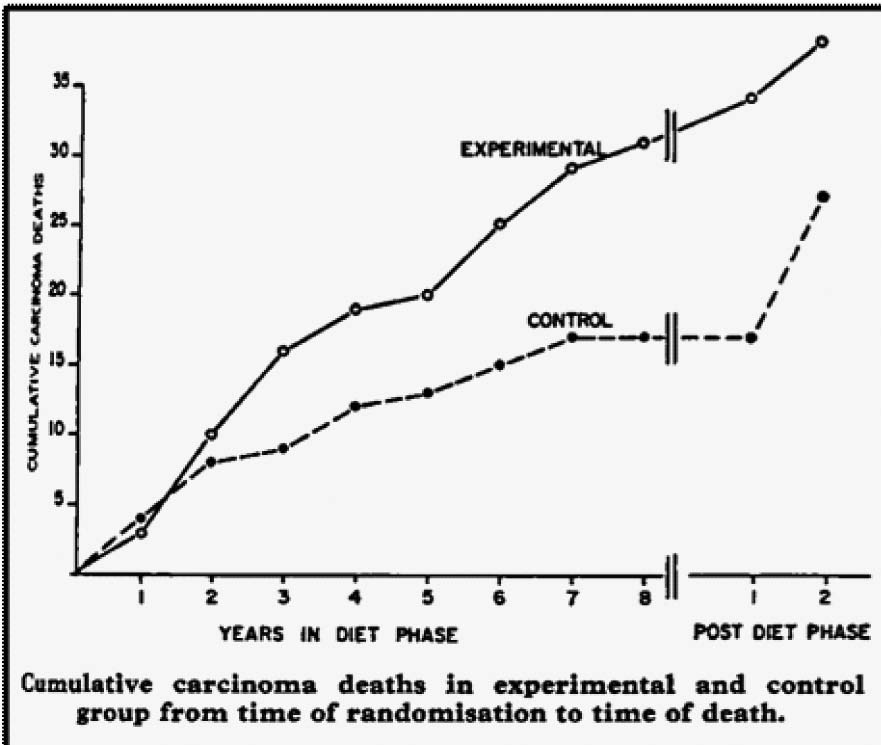
I would without question keep these to an absolute minimum.
Studies in humans have shown that increasing the amount of them in the diet can directly cause cancer.
7
I would definitely start aspirin as a broad acting and proven anti-inflammatory / anti-cancer agent.
Many human studies show aspirin is very protective. Probably around 100 mg a day.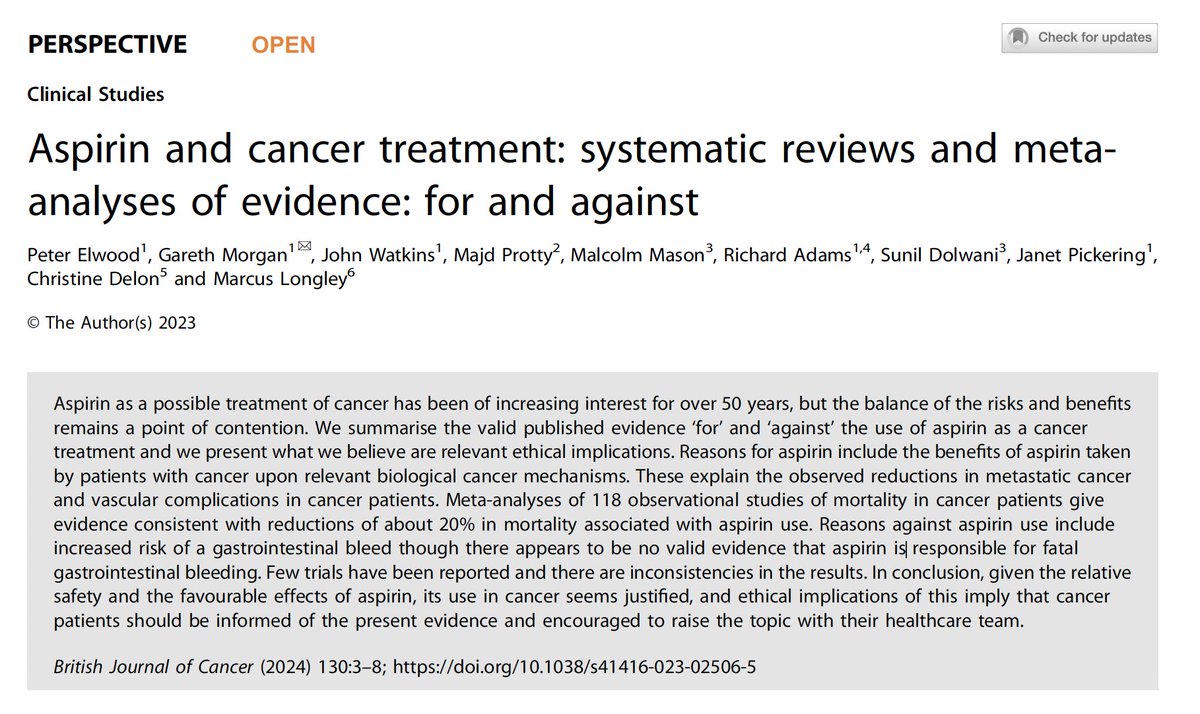
Many human studies show aspirin is very protective. Probably around 100 mg a day.
8
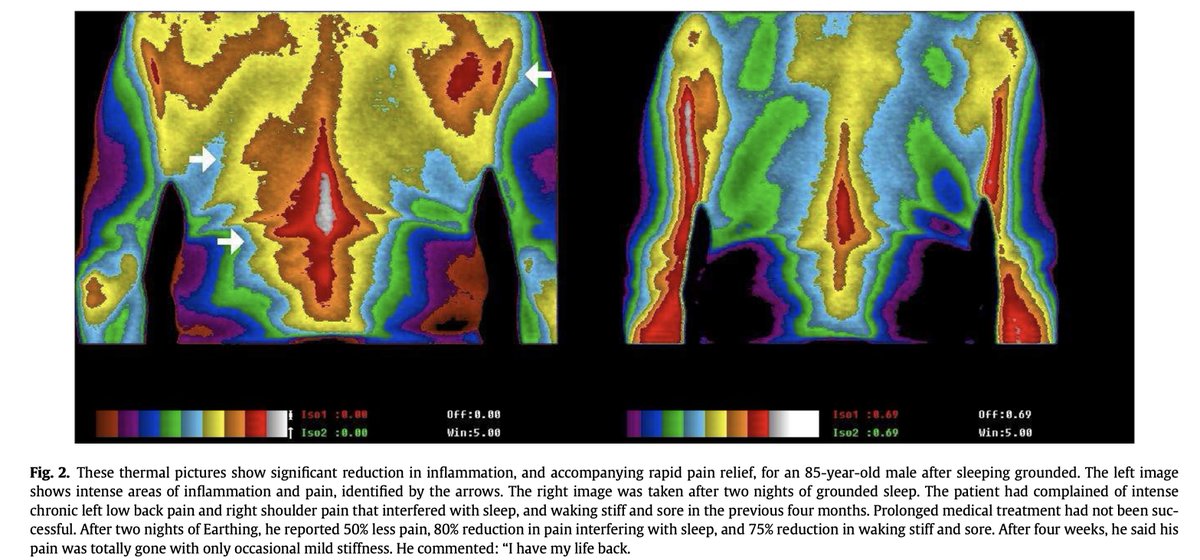
Other general anti-inflammatories & anti-stress tools I would consider:
• Glycine
• Taurine
• Sunlight / red light therapy
• Grounding
• Glycine
• Taurine
• Sunlight / red light therapy
• Grounding
Dalton (Analyze & Optimize)@Outdoctrination
The best thing you can do for your health that no one is talking about.
You’ll be sleeping like a baby, reducing your stress, and crushing inflammation.
Literally touch grass.
Why GROUNDING is the missing link to your optimal health:
You’ll be sleeping like a baby, reducing your stress, and crushing inflammation.
Literally touch grass.
Why GROUNDING is the missing link to your optimal health:
9
2. STRESS
One huge issue with inflammation in cancer is that it directly activates the adrenal axis, in other words STRESS or cortisol.
This is a self enforcing system, as stress hormones break down our tissues - driving an immune reaction (inflammation).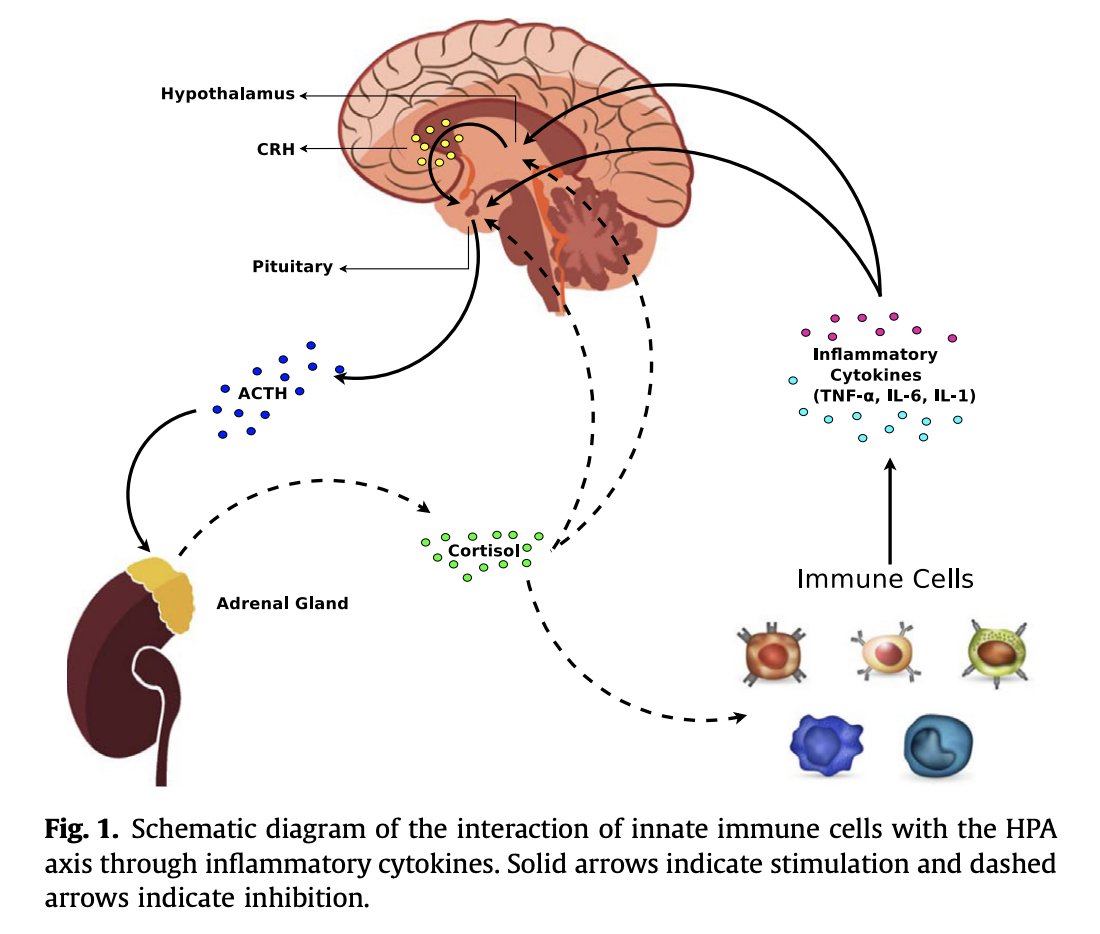
One huge issue with inflammation in cancer is that it directly activates the adrenal axis, in other words STRESS or cortisol.
This is a self enforcing system, as stress hormones break down our tissues - driving an immune reaction (inflammation).
10
Stress also contributes to cancer by:
• Increasing free fatty acids (will explain later)
• Catabolizing muscle - which drives a lot of cancer death
• Suppressing immunity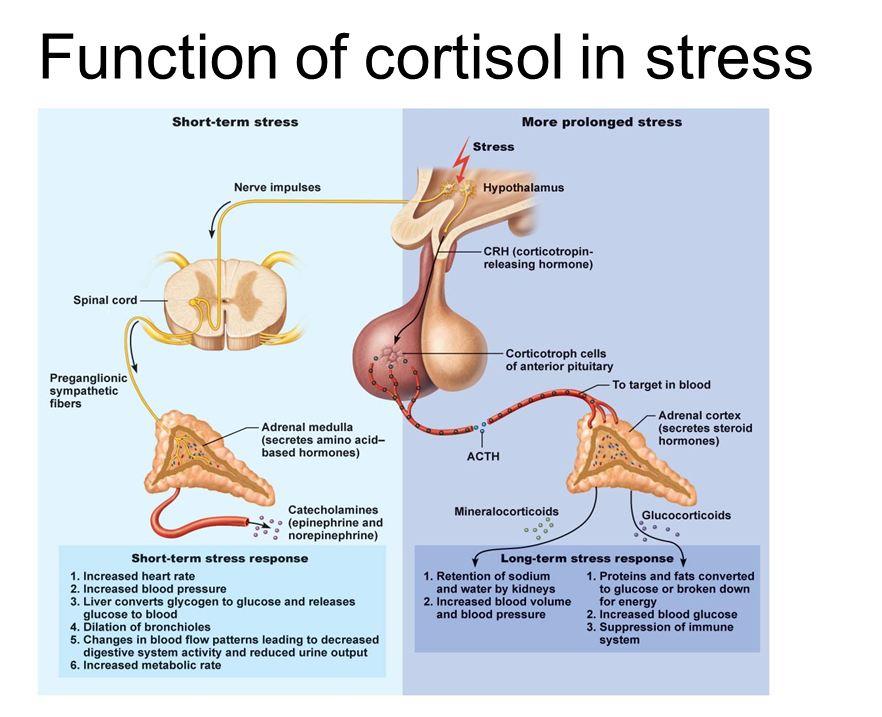
• Increasing free fatty acids (will explain later)
• Catabolizing muscle - which drives a lot of cancer death
• Suppressing immunity
11
Some anti-stress measures I would consider:
• Pregnenolone
• Progesterone
• Magnesium
• Plenty of carbohydrate, calories, salt

• Pregnenolone
• Progesterone
• Magnesium
• Plenty of carbohydrate, calories, salt
Dalton (Analyze & Optimize)@Outdoctrination
PREGNENOLONE: A fountain of youth
1. Pregnenolone lowers stress - restores youthful appearance
As we age, we:
☞ Put on more fat
☞ Lose muscle
☞ Produce less energy
☞ Do so in a more stressful manner
The primary stress hormone, cortisol, actually predicts your perceived age.
In other words, the lower your stress, the younger you appear to other people, and the younger you likely are biologically!
Stress directly promotes the breakdown of
☞ Skin
☞ Hair
☞ Muscle
while promoting the creation of fat mass.
Pregnenolone INHIBITS the release of CRH, the hypothalamic precursor of cortisol.
Prengnolone’s ability to inhibit the release of CRH/CRF is unique, targeting stress at the most basic biological root cause.
Pregnenolone also functionally inhibits the receptor for cortisol.
The "pregnenolone facelift" phenomenon is real.
The production of pregnenolone and its metabolites like DHEA, declines in aging, while the production of stress steroids like cortisol continue to rise.
The ratio of DHEA/Cortisol is one of the best predictors of disease and mortality, and declines with aging.
Pregnenolone also gets metabolized in large quantities to progesterone, which also inhibits CRH release and is a direct antagonist on the cortisol receptors.
Progesterone has GABAnergic effects, which is the key relaxing signaling molecule in the body.
Another compound which pregnenolone largely gets converted into is allopregnanolone, our body’s primary endogenous GABAnergic steroid.
2. Pregnenolone is anti-inflammatory
CRH, independently of cortisol production, also contributes to stress, disease and aging, by initiating inflammation.
Inflammation is uniformly seen in all chronic diseases and in the aging process, as it
☞ Breaks down our tissue
☞ Dampens energy production
☞ Generally makes us feel crappy
Pregnenolone actually degrades the toll like receptors (TLRs) that initiate inflammation in conditions from Alzheimer's disease to IBS.
3. Pregnenolone increases energy
As we age, our mitochondria become:
☞ More susceptible to damage
☞ More fragmented
☞ Smaller
☞ Less effective at producing energy,
☞ More prone to generate free radicals
but pregnenolone allows them to
☞ Produce more energy,
☞ Produce less with oxidative stress
☞ Undergo fusion, when mitochondria come together and become more robust.
The pro-energy effects of pregnenolone have been observed for nearly a century.
Some early studies showed that workers, especially those under stress, subjectively felt better when doing so with pregnenolone.
This anti-fatigue effect was also demonstrated in arthritic patients.
100-500 mg of pregnenolone taken orally has consistently shown an anti-fatigue, cognitive enhancing and anti-stress/anxiety effect.
I'll link the pregnenolone we use ourselves and with clients below.
Perhaps the most noteworthy testimonial:
" 'I didn't have my usual summer recovery from "winter sickness,' during a two week trip I felt perfectly well, but except for that short time I kept getting sicker and sicker (with inflammation of arteries, dental abscesses, asthma, migraines, and colitis).
Lying in bed one day trying to understand what had happened during that two week trip, I remembered that I had used the vitamin E containing a residue of pregnenolone on the trip, but used pure vitamin E after I got home.
I immediately got out of bed and took a pinch of pregnenolone. In about an hour, all of my
symptoms had stopped, and for over a week I was healthy and energetic.
But then I got sick again, and was so distracted by the pain that it was several days before I remembered the pregnenolone. Another pinch had the same dramatic sudden effect.
Since then I have taken some almost every day."
- Ray Peat
Look at his transformation!
1. Pregnenolone lowers stress - restores youthful appearance
As we age, we:
☞ Put on more fat
☞ Lose muscle
☞ Produce less energy
☞ Do so in a more stressful manner
The primary stress hormone, cortisol, actually predicts your perceived age.
In other words, the lower your stress, the younger you appear to other people, and the younger you likely are biologically!
Stress directly promotes the breakdown of
☞ Skin
☞ Hair
☞ Muscle
while promoting the creation of fat mass.
Pregnenolone INHIBITS the release of CRH, the hypothalamic precursor of cortisol.
Prengnolone’s ability to inhibit the release of CRH/CRF is unique, targeting stress at the most basic biological root cause.
Pregnenolone also functionally inhibits the receptor for cortisol.
The "pregnenolone facelift" phenomenon is real.
The production of pregnenolone and its metabolites like DHEA, declines in aging, while the production of stress steroids like cortisol continue to rise.
The ratio of DHEA/Cortisol is one of the best predictors of disease and mortality, and declines with aging.
Pregnenolone also gets metabolized in large quantities to progesterone, which also inhibits CRH release and is a direct antagonist on the cortisol receptors.
Progesterone has GABAnergic effects, which is the key relaxing signaling molecule in the body.
Another compound which pregnenolone largely gets converted into is allopregnanolone, our body’s primary endogenous GABAnergic steroid.
2. Pregnenolone is anti-inflammatory
CRH, independently of cortisol production, also contributes to stress, disease and aging, by initiating inflammation.
Inflammation is uniformly seen in all chronic diseases and in the aging process, as it
☞ Breaks down our tissue
☞ Dampens energy production
☞ Generally makes us feel crappy
Pregnenolone actually degrades the toll like receptors (TLRs) that initiate inflammation in conditions from Alzheimer's disease to IBS.
3. Pregnenolone increases energy
As we age, our mitochondria become:
☞ More susceptible to damage
☞ More fragmented
☞ Smaller
☞ Less effective at producing energy,
☞ More prone to generate free radicals
but pregnenolone allows them to
☞ Produce more energy,
☞ Produce less with oxidative stress
☞ Undergo fusion, when mitochondria come together and become more robust.
The pro-energy effects of pregnenolone have been observed for nearly a century.
Some early studies showed that workers, especially those under stress, subjectively felt better when doing so with pregnenolone.
This anti-fatigue effect was also demonstrated in arthritic patients.
100-500 mg of pregnenolone taken orally has consistently shown an anti-fatigue, cognitive enhancing and anti-stress/anxiety effect.
I'll link the pregnenolone we use ourselves and with clients below.
Perhaps the most noteworthy testimonial:
" 'I didn't have my usual summer recovery from "winter sickness,' during a two week trip I felt perfectly well, but except for that short time I kept getting sicker and sicker (with inflammation of arteries, dental abscesses, asthma, migraines, and colitis).
Lying in bed one day trying to understand what had happened during that two week trip, I remembered that I had used the vitamin E containing a residue of pregnenolone on the trip, but used pure vitamin E after I got home.
I immediately got out of bed and took a pinch of pregnenolone. In about an hour, all of my
symptoms had stopped, and for over a week I was healthy and energetic.
But then I got sick again, and was so distracted by the pain that it was several days before I remembered the pregnenolone. Another pinch had the same dramatic sudden effect.
Since then I have taken some almost every day."
- Ray Peat
Look at his transformation!
12
3. Immune suppression
Seemingly paradoxically, inflammation can be high while immunity is low.
The immune system is vital for clearing out cancerous cells.
But when the immune system is suppressed, cancer flourishes.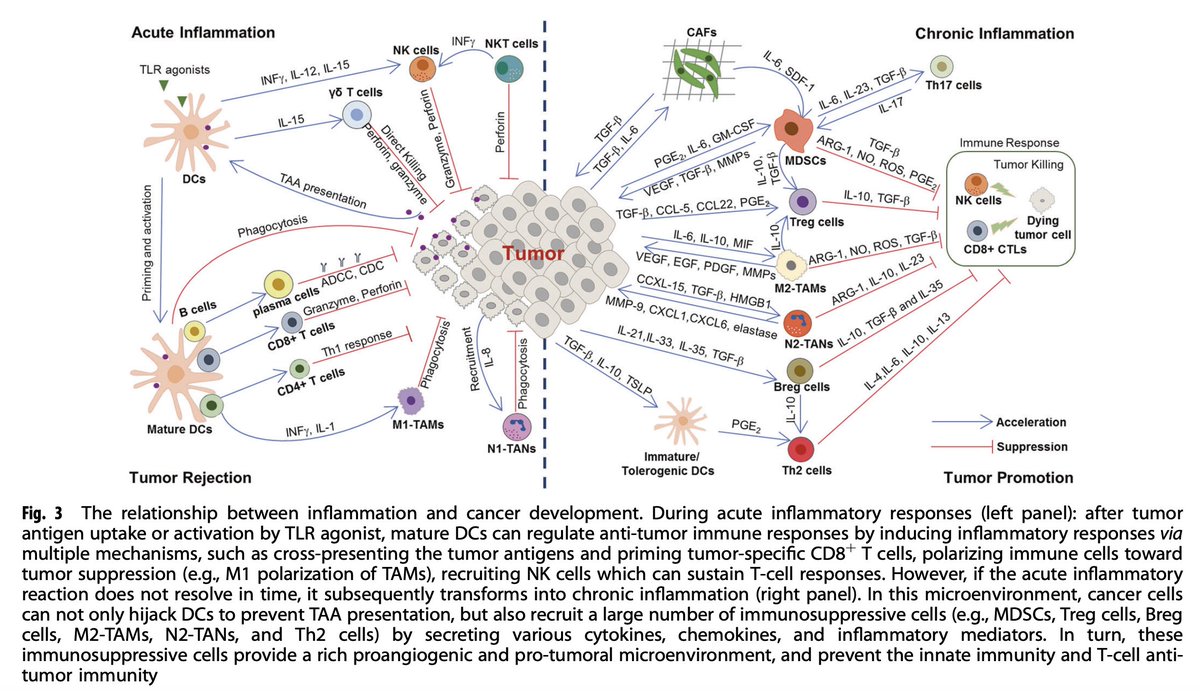
Seemingly paradoxically, inflammation can be high while immunity is low.
The immune system is vital for clearing out cancerous cells.
But when the immune system is suppressed, cancer flourishes.
13
Most important immune supportive nutrients:
• Vitamin A
• Zinc
• Vitamin C
• Vitamin D
These nutrients support the proliferation & differentiation of immune cells.
These are also vital for the cancer-killing properties of immune cells.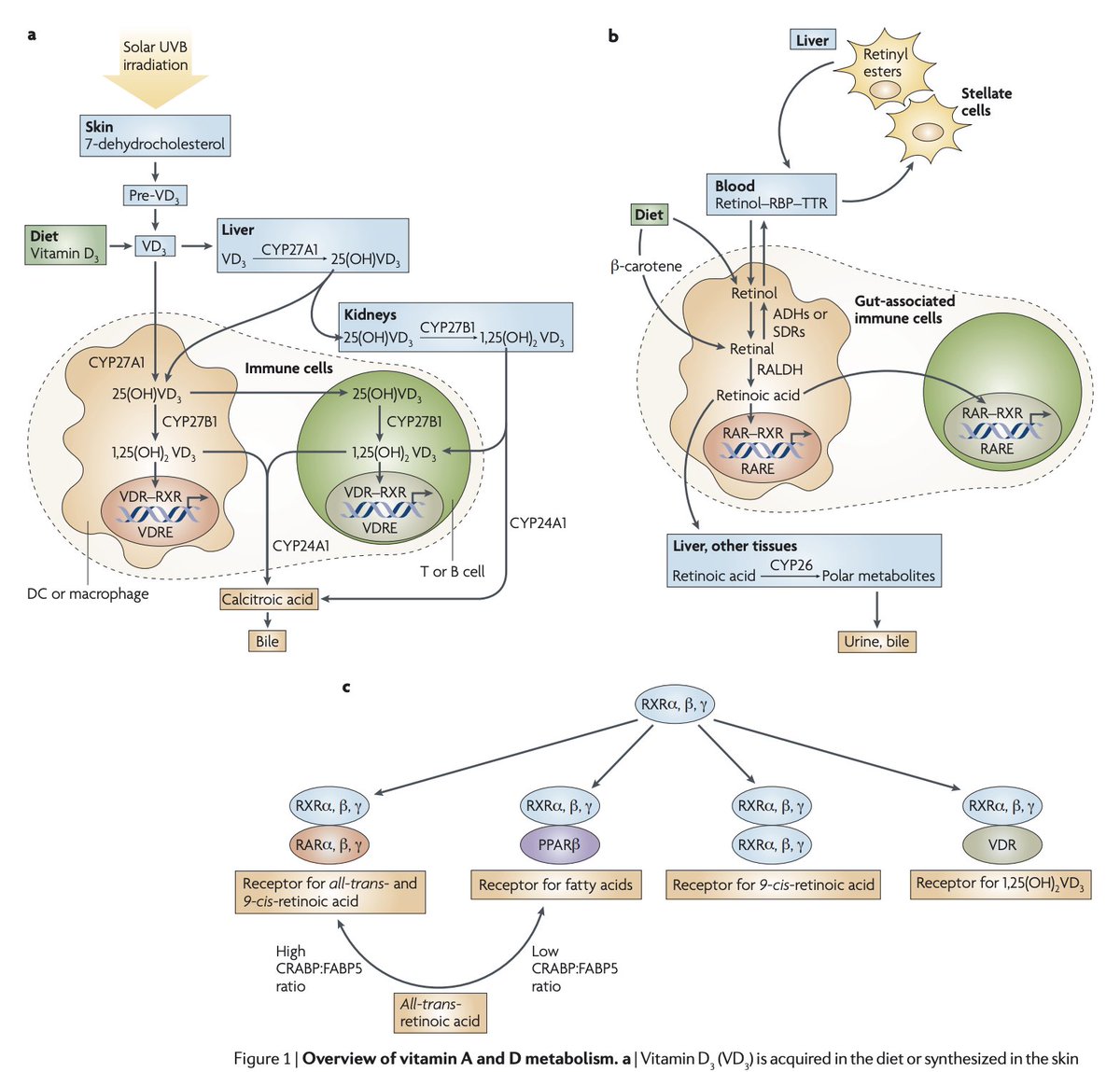
• Vitamin A
• Zinc
• Vitamin C
• Vitamin D
These nutrients support the proliferation & differentiation of immune cells.
These are also vital for the cancer-killing properties of immune cells.
14
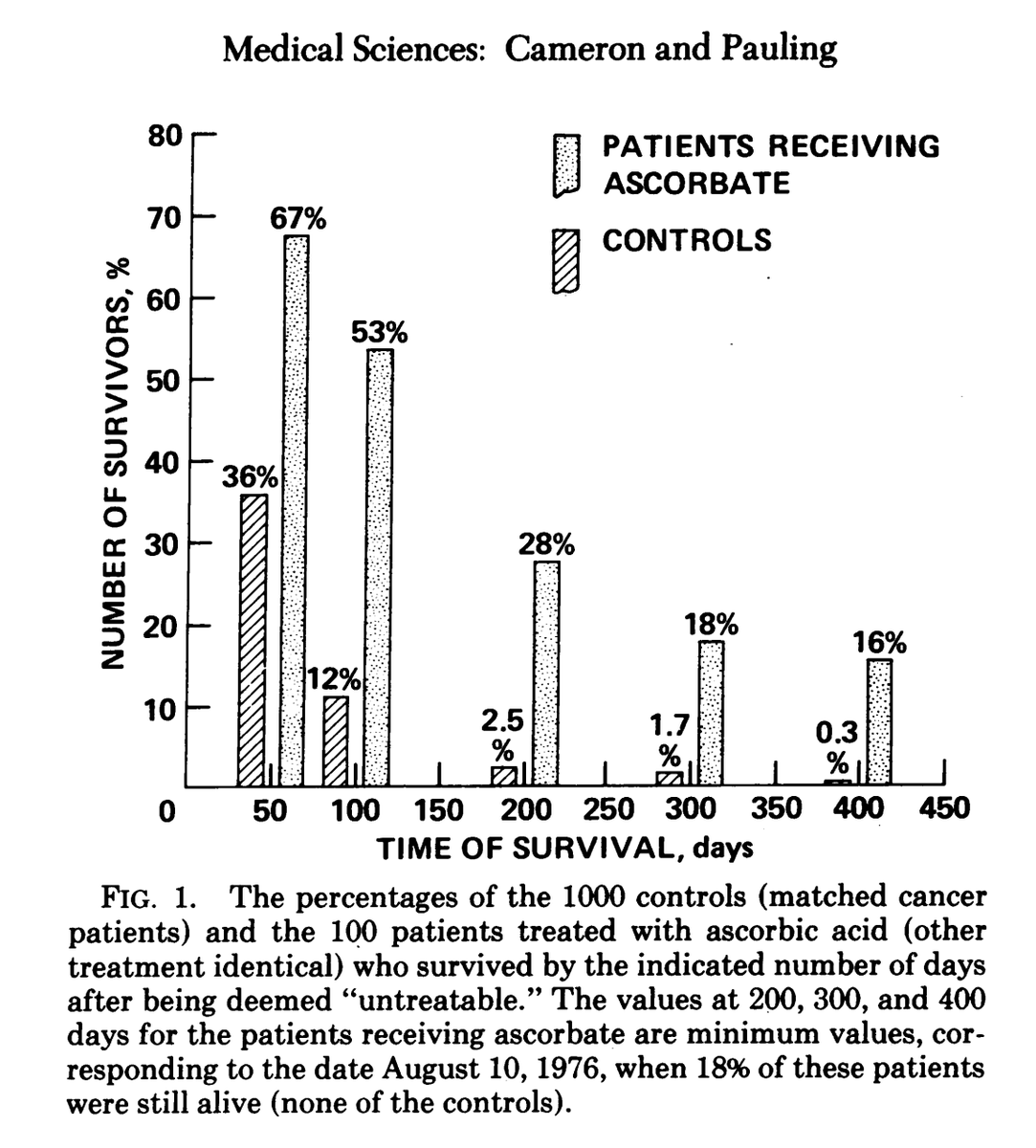
High dose Vitamin C has been shown to drastically improve cancer outcomes in humans.
High Vitamin D levels are consistently tied to better cancer outcomes.
I would support immunity and bolster my chances.
High Vitamin D levels are consistently tied to better cancer outcomes.
I would support immunity and bolster my chances.
Dalton (Analyze & Optimize)@Outdoctrination
When Vitamin C stopped cancer.
Patients with terminal cancer given ~10 g vitamin C per day.
◉ Vit. C increased survival time by 3X for most of them
◉ Increased survival time by at least 20X for about 10%
◉ 53X as many people made it over a year
compared with controls.
Patients with terminal cancer given ~10 g vitamin C per day.
◉ Vit. C increased survival time by 3X for most of them
◉ Increased survival time by at least 20X for about 10%
◉ 53X as many people made it over a year
compared with controls.
15
4. Oxidative stress
Besides exogenous cancer causing chemicals, our bodies produce free radicals (ROS),
which can damage our DNA and spark the cancer process.
This oxidative stress also drives inflammation & growth.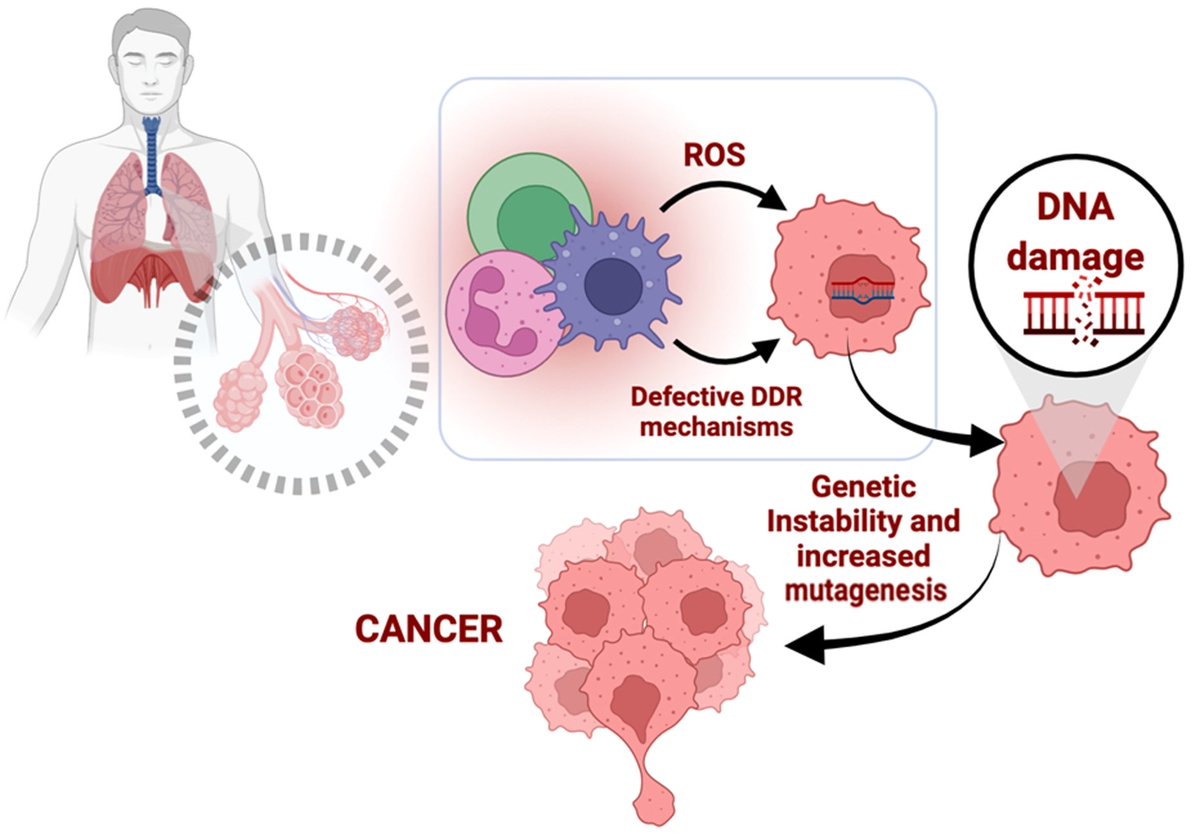
Besides exogenous cancer causing chemicals, our bodies produce free radicals (ROS),
which can damage our DNA and spark the cancer process.
This oxidative stress also drives inflammation & growth.
16
The most important antioxidant supporting nutrients:
• E
• C
• Glycine
• B2
• Zinc
• Copper
• Selenium
• Carnosine
• Iron
I would also utilize foods like fruit (juice), honey, mushrooms and coffee for their antioxidant properties.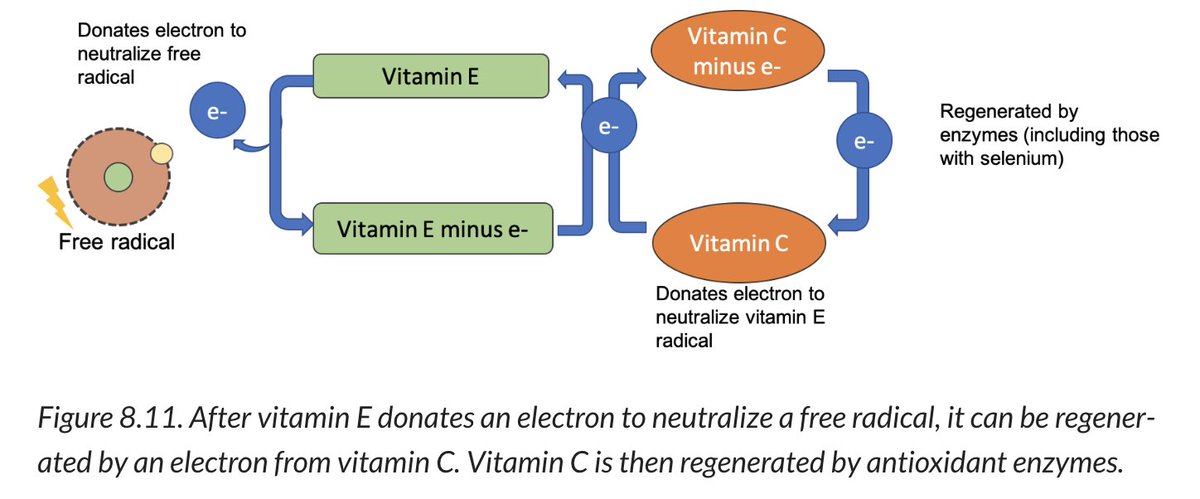
• E
• C
• Glycine
• B2
• Zinc
• Copper
• Selenium
• Carnosine
• Iron
I would also utilize foods like fruit (juice), honey, mushrooms and coffee for their antioxidant properties.
17
Another KEY driver of oxidative stress is excess iron.
While we certainly need iron, we can also easily get too much of it, or mishandle it in the body.
Iron can “rust” & drive oxidative stress.
Iron chelators are often protective against cancer experimentally.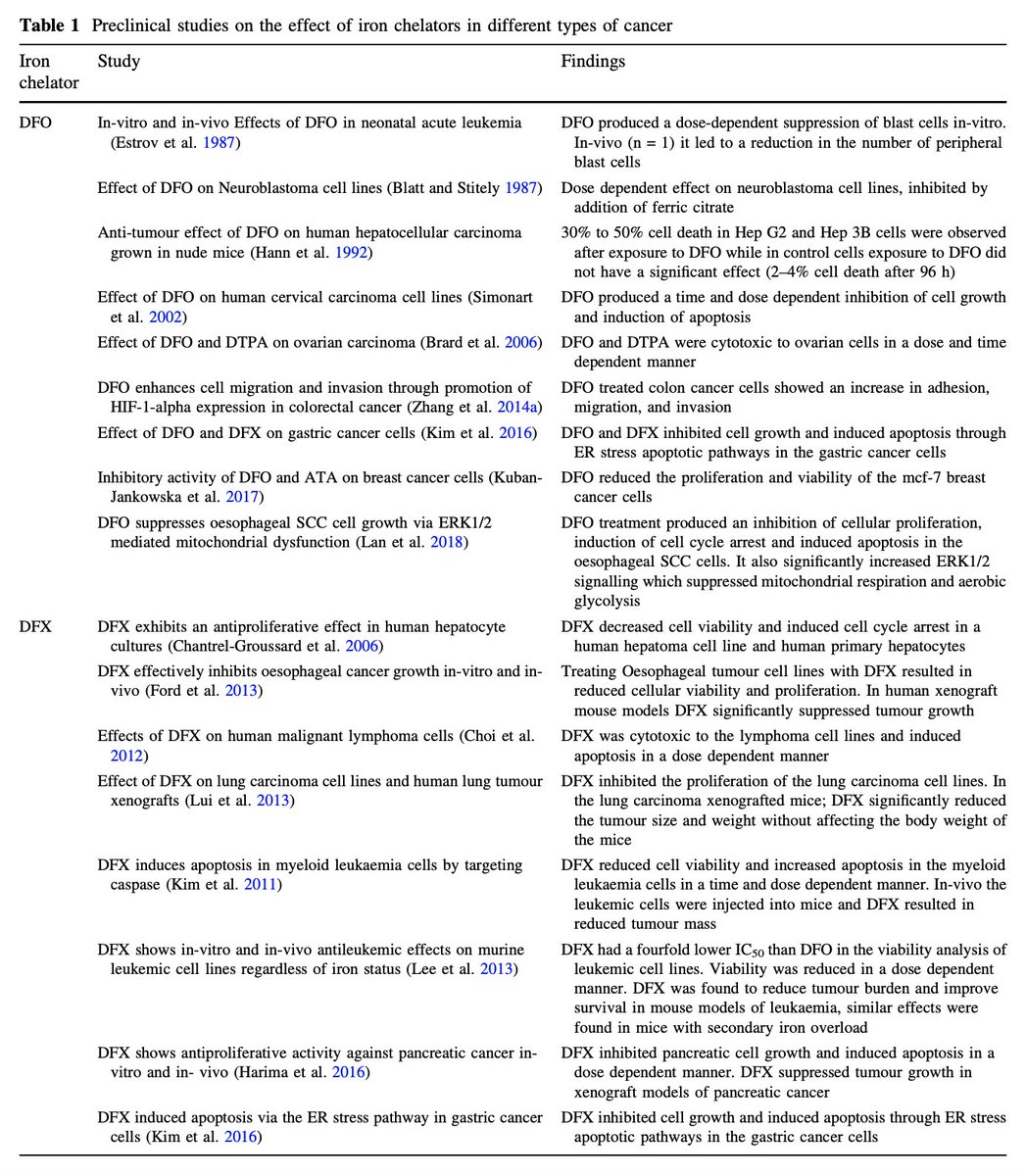
While we certainly need iron, we can also easily get too much of it, or mishandle it in the body.
Iron can “rust” & drive oxidative stress.
Iron chelators are often protective against cancer experimentally.
18
The best way to lower iron is to give blood.
IP6, or phytic acid, is found in grains or as a supplement and also chelates iron.
Lactoferrin is a personal favorite of mine, binding up excess iron and preventing inflammation and oxidative stress.

IP6, or phytic acid, is found in grains or as a supplement and also chelates iron.
Lactoferrin is a personal favorite of mine, binding up excess iron and preventing inflammation and oxidative stress.
Dalton (Analyze & Optimize)@Outdoctrination
LACTOFERRIN: A “miracle” supplement for your gut.
1. Lactoferrin is a powerful gut anti-inflammatory
Lactoferrin was known to prevent and even cure cancer in the digestive tract of animals.
A research group decided to apply this in humans.
Patients given 3 grams of lactoferrin had their colon tumors slow in growth significantly.
A 22 year old young man with severe Crohn’s disease caught wind of these results.
He just moved to the United States and had lost access to the hefty medications he was on.
He decided to try 1 gram of lactoferrin daily for himself.
Cured.
Lactoferrin at just 100 mg/day helped in Crohn’s disease, decreasing levels of the inflammatory markers IL-6 and hepcidin.
One trial showed that 3 grams of lactoferrin per day resulted in 50% fewer incidences of diarrhea in just 2 weeks.
2. Any digestive symptom - lactoferrin can help
Lower doses of lactoferrin are still a godsend for severe digestive symptoms.
Another study showed lactoferrin at 600 mg daily diminished nausea, diarrhea and abdominal pain.
One report of children who consumed lactoferrin at 100 mg / day showed a reduction in vomiting and gut inflammation.
3. Lactoferrin is antibacterial, antifungal and regulates iron
Lactoferrin is critically important for its regulation of IRON.
While iron is of course essential, it is a double edged sword.
Unabsorbed free iron, which we are exposed to so much in today's food and in disease, directly causes inflammation and bacterial overgrowth in the gut.
Lactoferrin is critical for chelating and ENHANCING intestinal absorption of iron.
Lactoferrin acts as an iron transporter and thus REDUCES oxidative damage in the gut's nervous system.
Think of iron literally rusting on your most vital tissues: lactoferrin is there to PREVENT this.
It also boosts the expression of the famous BDNF in the gut, which allows the gut’s nervous system to regenerate properly.
These gut based nerves are responsible for perceiving digestive symptoms, as well as numerous regulating motility which is impaired in digestive distress.
But the ultimate root cause of these digestive conditions is typically bacterial.
Lactoferrin has potent antibacterial effects, in part by binding with free iron.
This deprives more pathogenic bacteria of this essential growth element,
while actually providing iron to some commensal bacteria which have lower iron requirements.
Lactoferrin also has direct antimicrobial properties by disrupting bacterial cell membranes.
It also increases the activity of serine protease, and antimicrobial peptides like RegIII𝛾, enzymes which shred up bacteria.
Lactoferrin has even been found to be effective against a variety of Candida species, an infamous fungus that causes gut and systemic infections in humans.
4. Lactoferrin heals the structure of the gut
Lactoferrin is essential for both the creation and the differentiation of the intestinal epithelial into all of the cellular subtypes necessary to keep the gut functioning properly.
Disruptions in the gut epithelial barrier can lead to antigens entering the area just underneath these cells,
triggering the release of a variety of cytokines and contributing to intestinal inflammation.
This is a phenomenon seen in EVERY digestive disease, and many other conditions seemingly unrelated to the gut.
If you suffer from bloating, gut pain, loose stools or poor bowel habits, or issues like poor sleep, mood and skin problems, you can bet that this process is involved.
HOWEVER, lactoferrin contributes to MAINTAINING the intestinal epithelial barrier and has immunomodulatory properties,
which are both critical functions in protecting the gut mucosal immune system.
Lactoferrin has been shown to support intestinal barrier integrity by upregulating tight junction protein expression and protecting the intestine from bacterial infections.
I cannot stress enough how important this is.
This is the most prevalent mechanism in any digestive condition you can think of, and lactoferrin can help prevent and heal it!
5. Lactoferrin calms the immune system
Lactoferrin could be a viable solution to addressing lactose intolerance.
It promotes the production of key digestive enzymes that break down lactose and sugar.
If you seem to react poorly to a myriad of normal foods (skin reactions, loose stools, diarrhea, brain fog, etc), then lactoferrin could be the solution.
We have various immune cells that are constantly sampling components of the gut to recognize the normal while weeding out pathogens.
But this process can become impaired and our immune systems can become overactive, mounting unwarranted inflammatory responses,
& driving tons of different digestive symptoms and intolerances to otherwise normal foods.
However, lactoferrin influences immune cells to become more tolerant, and less inflammatory, preventing various gut symptoms.
Essentially, it helps your immune system properly differentiate between what should and shouldn’t require inflammation.
Secretory IgA is an immune component that serves a PIVOTAL role in gut health.
It binds to pathogenic bacteria and other antigens from the environment and prevents them from causing inflammation.
sIgA is known to get depleted during times of stress, and its absence tends to result in inflammatory problems in the gut.
However, lactoferrin supplementation has been shown to INCREASE sIgA production in the gut,
supporting our immunity and protecting us from bacterial overgrowths and infections that can wreak havoc on our gut health.
Toll-like receptors (TLRs) are another critical mediator of intestinal inflammation, sensing various bacterial components in the gut like endotoxin.
These receptors are elevated in the gut of people with IBS and inflammatory bowel diseases,
yet lactoferrin has been shown to REDUCE their expression, leading to subsequent quelling of inflammation.
6. What is lactoferrin?
Lactoferrin is a protein that is found mainly in MILK, at its highest concentrations in colostrum, the milk the mother produces when lactation first begins.
This milk needs to be incredibly enriched in regenerative components for the offspring to survive and develop at this most crucial period.
Bovine colostrum has been consumed for millennia for its God-like medicinal properties.
Even Cleopatra was said to use it as it was seen as an immortal ingredient.
7. How to use it
Therapeutic doses range from 100 mg up to 3 grams of lactoferrin daily.
Makes sense to start at the lower end and gradually increase, though it is very safe so trying higher doses can be an option.
Of course you can also get it from bovine milk (20-200 mg/L) or colostrum (2g/L), especially when raw,
but the amount is variable and it can be tough to consume enough to hit the therapeutic targets.
Human milk is even higher in lactoferrin, if you're really adventurous.
I'll link the supplement we use with clients below, it's been such a key to our success!
1. Lactoferrin is a powerful gut anti-inflammatory
Lactoferrin was known to prevent and even cure cancer in the digestive tract of animals.
A research group decided to apply this in humans.
Patients given 3 grams of lactoferrin had their colon tumors slow in growth significantly.
A 22 year old young man with severe Crohn’s disease caught wind of these results.
He just moved to the United States and had lost access to the hefty medications he was on.
He decided to try 1 gram of lactoferrin daily for himself.
Cured.
Lactoferrin at just 100 mg/day helped in Crohn’s disease, decreasing levels of the inflammatory markers IL-6 and hepcidin.
One trial showed that 3 grams of lactoferrin per day resulted in 50% fewer incidences of diarrhea in just 2 weeks.
2. Any digestive symptom - lactoferrin can help
Lower doses of lactoferrin are still a godsend for severe digestive symptoms.
Another study showed lactoferrin at 600 mg daily diminished nausea, diarrhea and abdominal pain.
One report of children who consumed lactoferrin at 100 mg / day showed a reduction in vomiting and gut inflammation.
3. Lactoferrin is antibacterial, antifungal and regulates iron
Lactoferrin is critically important for its regulation of IRON.
While iron is of course essential, it is a double edged sword.
Unabsorbed free iron, which we are exposed to so much in today's food and in disease, directly causes inflammation and bacterial overgrowth in the gut.
Lactoferrin is critical for chelating and ENHANCING intestinal absorption of iron.
Lactoferrin acts as an iron transporter and thus REDUCES oxidative damage in the gut's nervous system.
Think of iron literally rusting on your most vital tissues: lactoferrin is there to PREVENT this.
It also boosts the expression of the famous BDNF in the gut, which allows the gut’s nervous system to regenerate properly.
These gut based nerves are responsible for perceiving digestive symptoms, as well as numerous regulating motility which is impaired in digestive distress.
But the ultimate root cause of these digestive conditions is typically bacterial.
Lactoferrin has potent antibacterial effects, in part by binding with free iron.
This deprives more pathogenic bacteria of this essential growth element,
while actually providing iron to some commensal bacteria which have lower iron requirements.
Lactoferrin also has direct antimicrobial properties by disrupting bacterial cell membranes.
It also increases the activity of serine protease, and antimicrobial peptides like RegIII𝛾, enzymes which shred up bacteria.
Lactoferrin has even been found to be effective against a variety of Candida species, an infamous fungus that causes gut and systemic infections in humans.
4. Lactoferrin heals the structure of the gut
Lactoferrin is essential for both the creation and the differentiation of the intestinal epithelial into all of the cellular subtypes necessary to keep the gut functioning properly.
Disruptions in the gut epithelial barrier can lead to antigens entering the area just underneath these cells,
triggering the release of a variety of cytokines and contributing to intestinal inflammation.
This is a phenomenon seen in EVERY digestive disease, and many other conditions seemingly unrelated to the gut.
If you suffer from bloating, gut pain, loose stools or poor bowel habits, or issues like poor sleep, mood and skin problems, you can bet that this process is involved.
HOWEVER, lactoferrin contributes to MAINTAINING the intestinal epithelial barrier and has immunomodulatory properties,
which are both critical functions in protecting the gut mucosal immune system.
Lactoferrin has been shown to support intestinal barrier integrity by upregulating tight junction protein expression and protecting the intestine from bacterial infections.
I cannot stress enough how important this is.
This is the most prevalent mechanism in any digestive condition you can think of, and lactoferrin can help prevent and heal it!
5. Lactoferrin calms the immune system
Lactoferrin could be a viable solution to addressing lactose intolerance.
It promotes the production of key digestive enzymes that break down lactose and sugar.
If you seem to react poorly to a myriad of normal foods (skin reactions, loose stools, diarrhea, brain fog, etc), then lactoferrin could be the solution.
We have various immune cells that are constantly sampling components of the gut to recognize the normal while weeding out pathogens.
But this process can become impaired and our immune systems can become overactive, mounting unwarranted inflammatory responses,
& driving tons of different digestive symptoms and intolerances to otherwise normal foods.
However, lactoferrin influences immune cells to become more tolerant, and less inflammatory, preventing various gut symptoms.
Essentially, it helps your immune system properly differentiate between what should and shouldn’t require inflammation.
Secretory IgA is an immune component that serves a PIVOTAL role in gut health.
It binds to pathogenic bacteria and other antigens from the environment and prevents them from causing inflammation.
sIgA is known to get depleted during times of stress, and its absence tends to result in inflammatory problems in the gut.
However, lactoferrin supplementation has been shown to INCREASE sIgA production in the gut,
supporting our immunity and protecting us from bacterial overgrowths and infections that can wreak havoc on our gut health.
Toll-like receptors (TLRs) are another critical mediator of intestinal inflammation, sensing various bacterial components in the gut like endotoxin.
These receptors are elevated in the gut of people with IBS and inflammatory bowel diseases,
yet lactoferrin has been shown to REDUCE their expression, leading to subsequent quelling of inflammation.
6. What is lactoferrin?
Lactoferrin is a protein that is found mainly in MILK, at its highest concentrations in colostrum, the milk the mother produces when lactation first begins.
This milk needs to be incredibly enriched in regenerative components for the offspring to survive and develop at this most crucial period.
Bovine colostrum has been consumed for millennia for its God-like medicinal properties.
Even Cleopatra was said to use it as it was seen as an immortal ingredient.
7. How to use it
Therapeutic doses range from 100 mg up to 3 grams of lactoferrin daily.
Makes sense to start at the lower end and gradually increase, though it is very safe so trying higher doses can be an option.
Of course you can also get it from bovine milk (20-200 mg/L) or colostrum (2g/L), especially when raw,
but the amount is variable and it can be tough to consume enough to hit the therapeutic targets.
Human milk is even higher in lactoferrin, if you're really adventurous.
I'll link the supplement we use with clients below, it's been such a key to our success!
19
5. Growth hormones
We have some hormones that drive growth, that, when chronically elevated, are liable to cause cancer.
• Insulin - from metabolic dysfunction
• Estrogen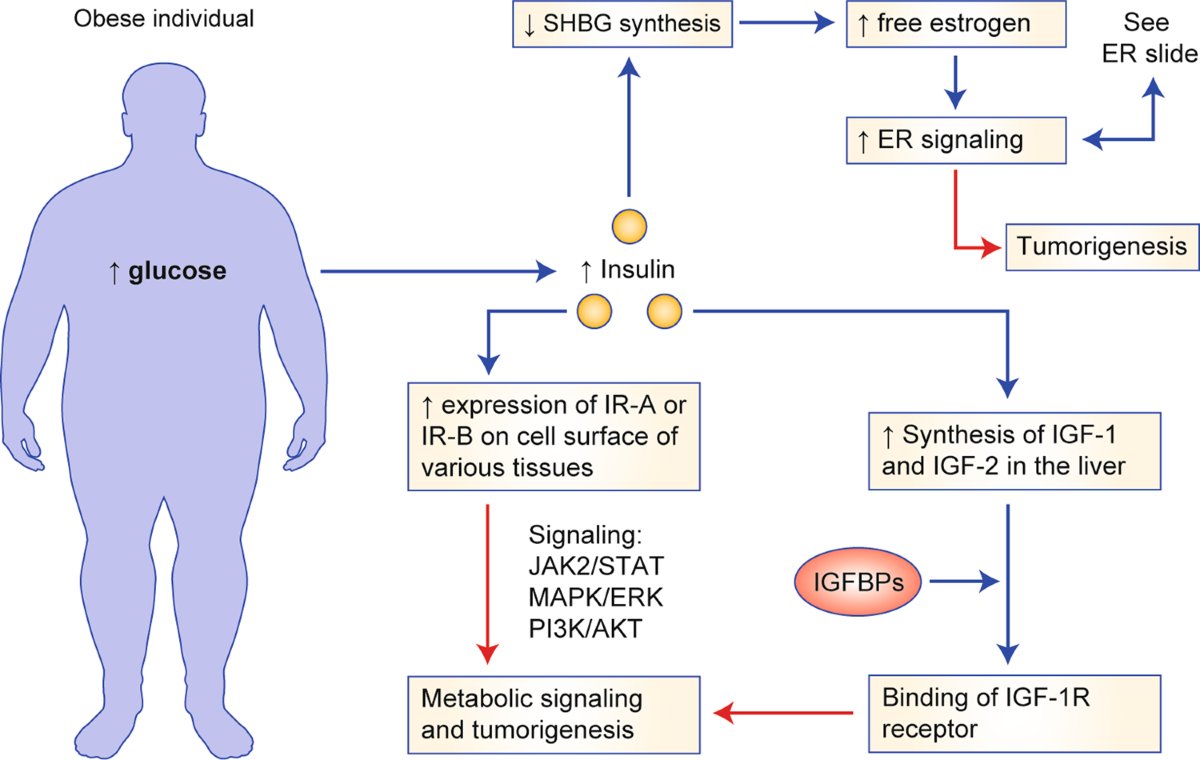
We have some hormones that drive growth, that, when chronically elevated, are liable to cause cancer.
• Insulin - from metabolic dysfunction
• Estrogen
20
Estrogen is a group of chemicals, well known to induce growth.
Many endocrine disruptors in things like
• Plastic
• Drugs
• Personal care products
• Cooking materials
• Clothes
& more are estrogenic, and can cause cancer.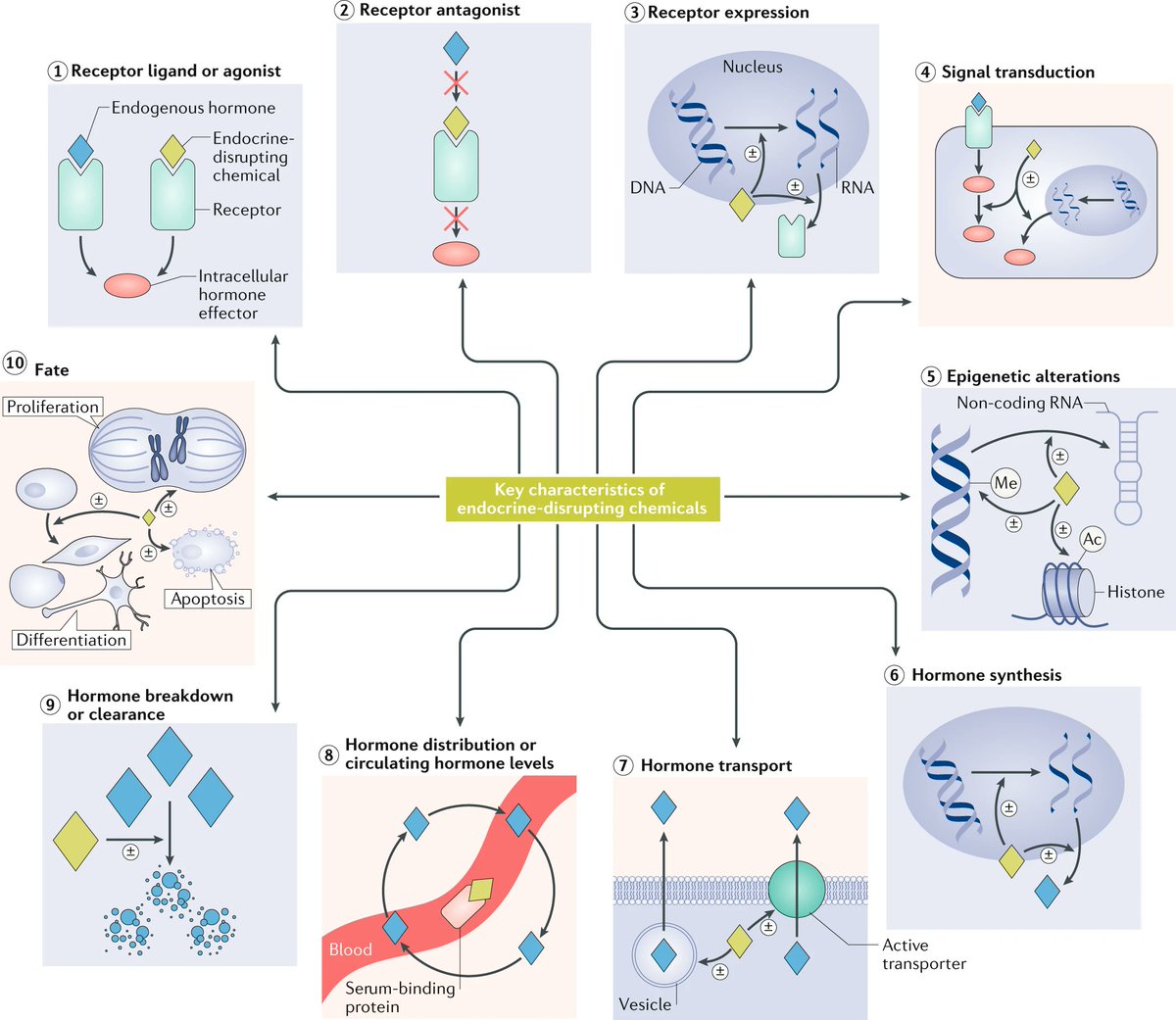
Many endocrine disruptors in things like
• Plastic
• Drugs
• Personal care products
• Cooking materials
• Clothes
& more are estrogenic, and can cause cancer.
21
Coconut oil reverts damage from estrogenic endocrine disruptors.
• RAISES testosterone
• Protects testicles from damage
• Restores sperm counts, motility
• Lowers estrogen
• Lowers prolactin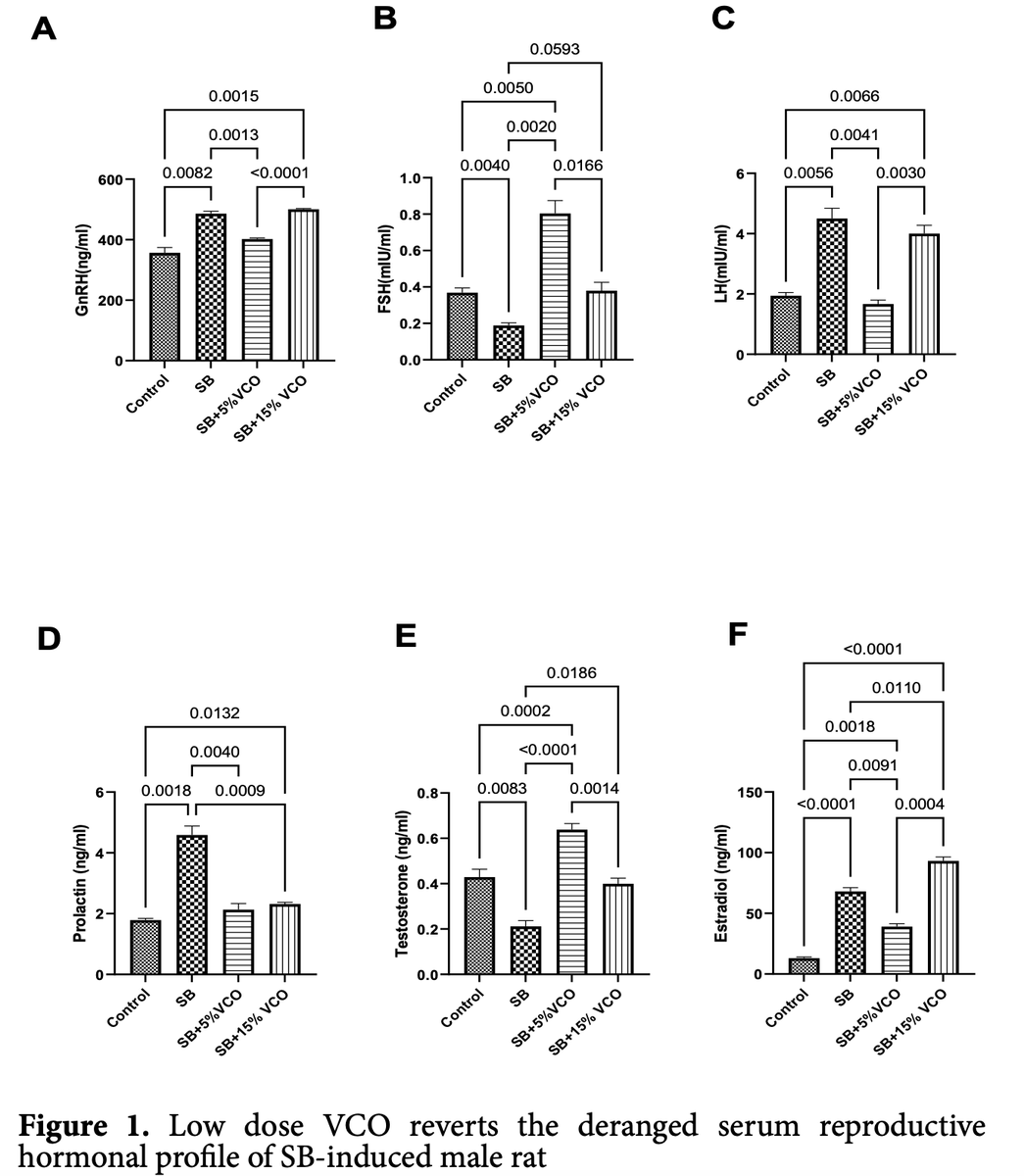
• RAISES testosterone
• Protects testicles from damage
• Restores sperm counts, motility
• Lowers estrogen
• Lowers prolactin
22
Estrogens are also produced by the fat tissue.
Inflammation & obesity increase aromatase activity, meaning you produce more estrogen.
Limiting seed oils would be vital since they drive obesity + inflammation.
Vitamin E prevents some of the inflammation and is anti-estrogenic.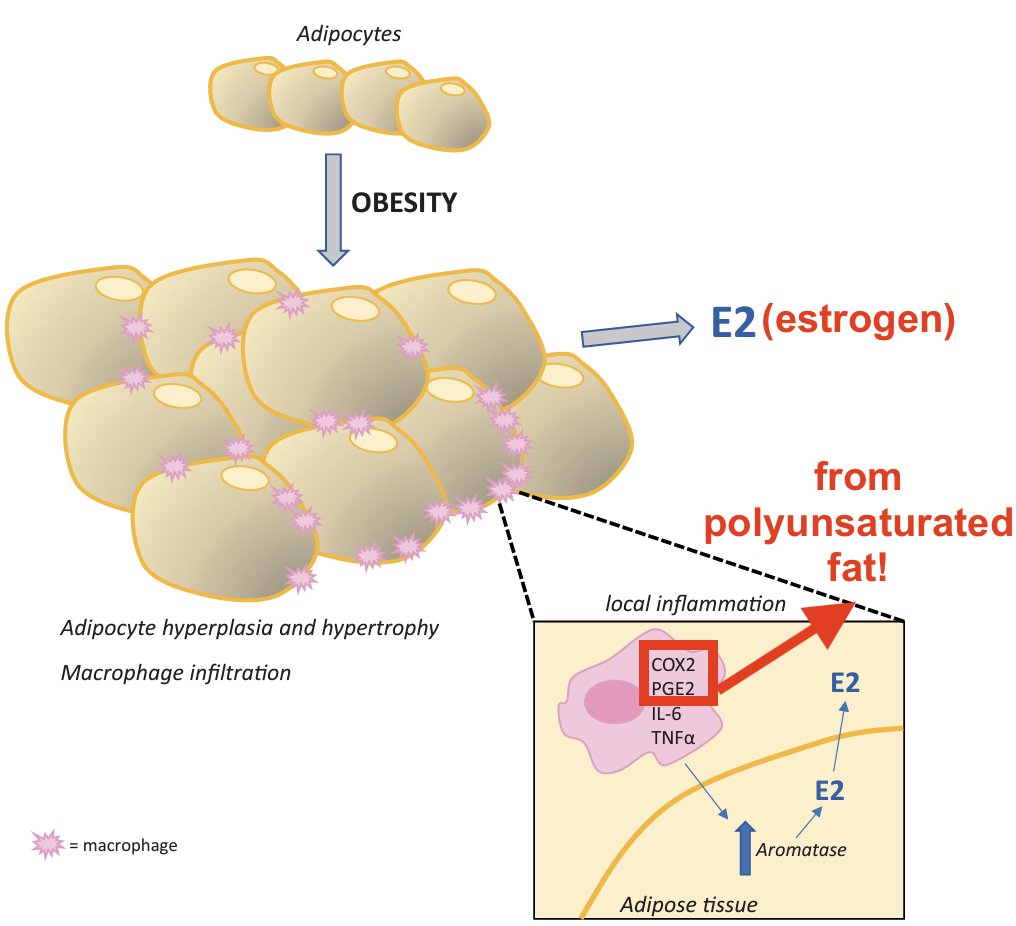
Inflammation & obesity increase aromatase activity, meaning you produce more estrogen.
Limiting seed oils would be vital since they drive obesity + inflammation.
Vitamin E prevents some of the inflammation and is anti-estrogenic.
23
Tools to lower / oppose estrogen:
‣ Saturated fat
‣ Vitamin A
‣ Vitamin D
‣ Vitamin E
‣ Progesterone
‣ Aspirin
‣ Vitamin B2
‣ White button mushrooms
‣ Insoluble fiber (raw carrot)
‣ Naringin, naringenin, apigenin (citrus fruits)
‣ Saturated fat
‣ Vitamin A
‣ Vitamin D
‣ Vitamin E
‣ Progesterone
‣ Aspirin
‣ Vitamin B2
‣ White button mushrooms
‣ Insoluble fiber (raw carrot)
‣ Naringin, naringenin, apigenin (citrus fruits)
24
The gut is also a driver of high estrogen.
‣ Serotonin, released during gut inflammation, stimulates aromatase
‣ Estrogens are excreted through the gut, bacteria can re-activate estrogen
Estrogen excretion can be enhanced with insoluble fiber or activated charcoal.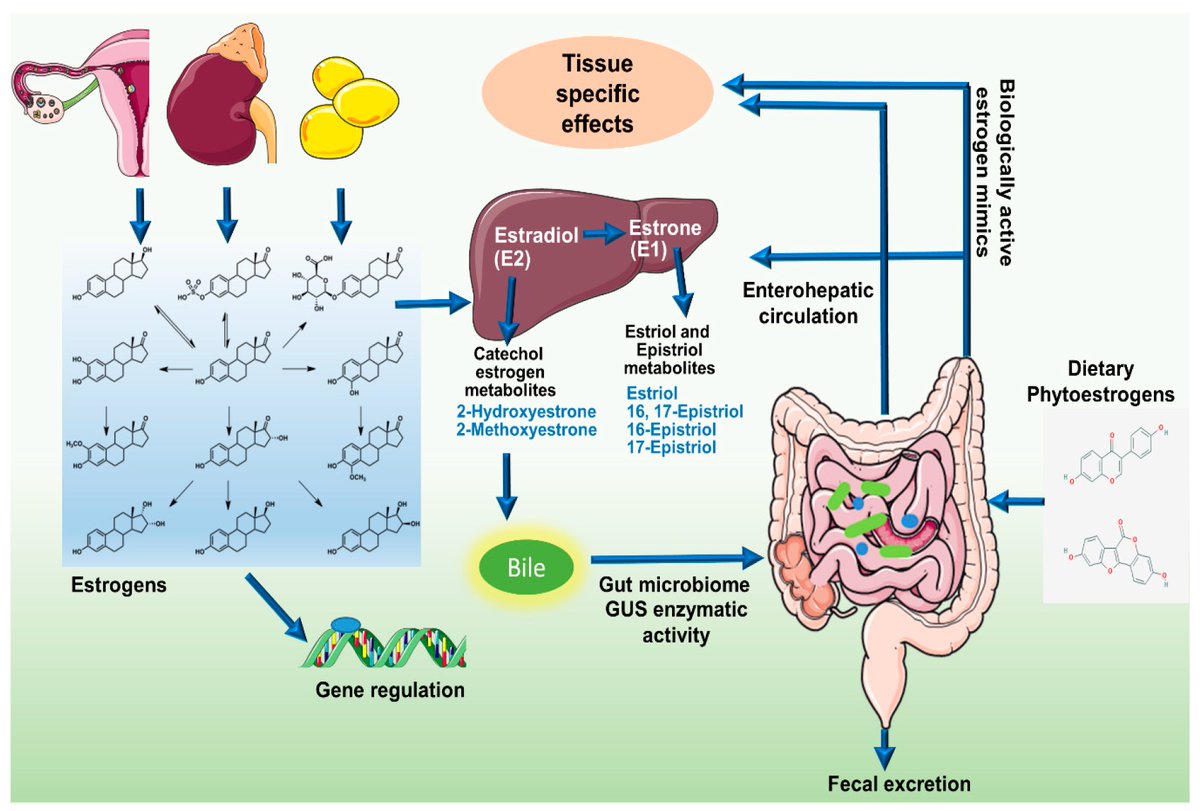
‣ Serotonin, released during gut inflammation, stimulates aromatase
‣ Estrogens are excreted through the gut, bacteria can re-activate estrogen
Estrogen excretion can be enhanced with insoluble fiber or activated charcoal.
25
The primary anti-estrogenic hormone is progesterone.
Progesterone prevents cancer, while synthetic progestins, which are estrogenic, can cause it.
Natural progesterone decreases risk by over 20%.
Breast and colon cancer risk significantly drop.
Progesterone prevents cancer, while synthetic progestins, which are estrogenic, can cause it.
Natural progesterone decreases risk by over 20%.
Breast and colon cancer risk significantly drop.
26
6. Epigenetics
Basically, this is the chemical & reversible modification of your genes.
It's especially important in cancer as many of these genes control metabolism, immunity, growth & proliferation.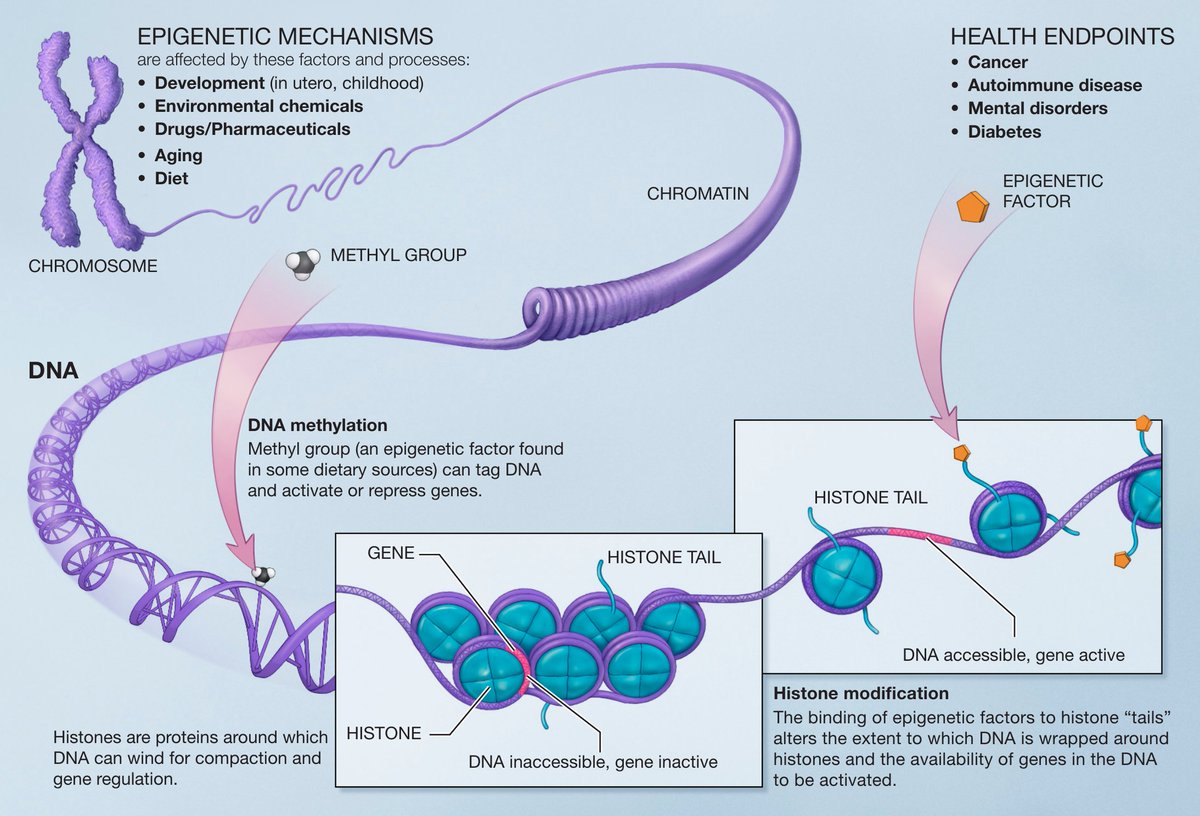
Basically, this is the chemical & reversible modification of your genes.
It's especially important in cancer as many of these genes control metabolism, immunity, growth & proliferation.
27
DNA is over-methylated, & the histones that DNA is wrapped in are under-acetylated in cancer.
These dampen the expression of genes: some regulate growth, others necessary for differentiation.
If you can’t express your genes properly, you won’t become you.
You will get cancer.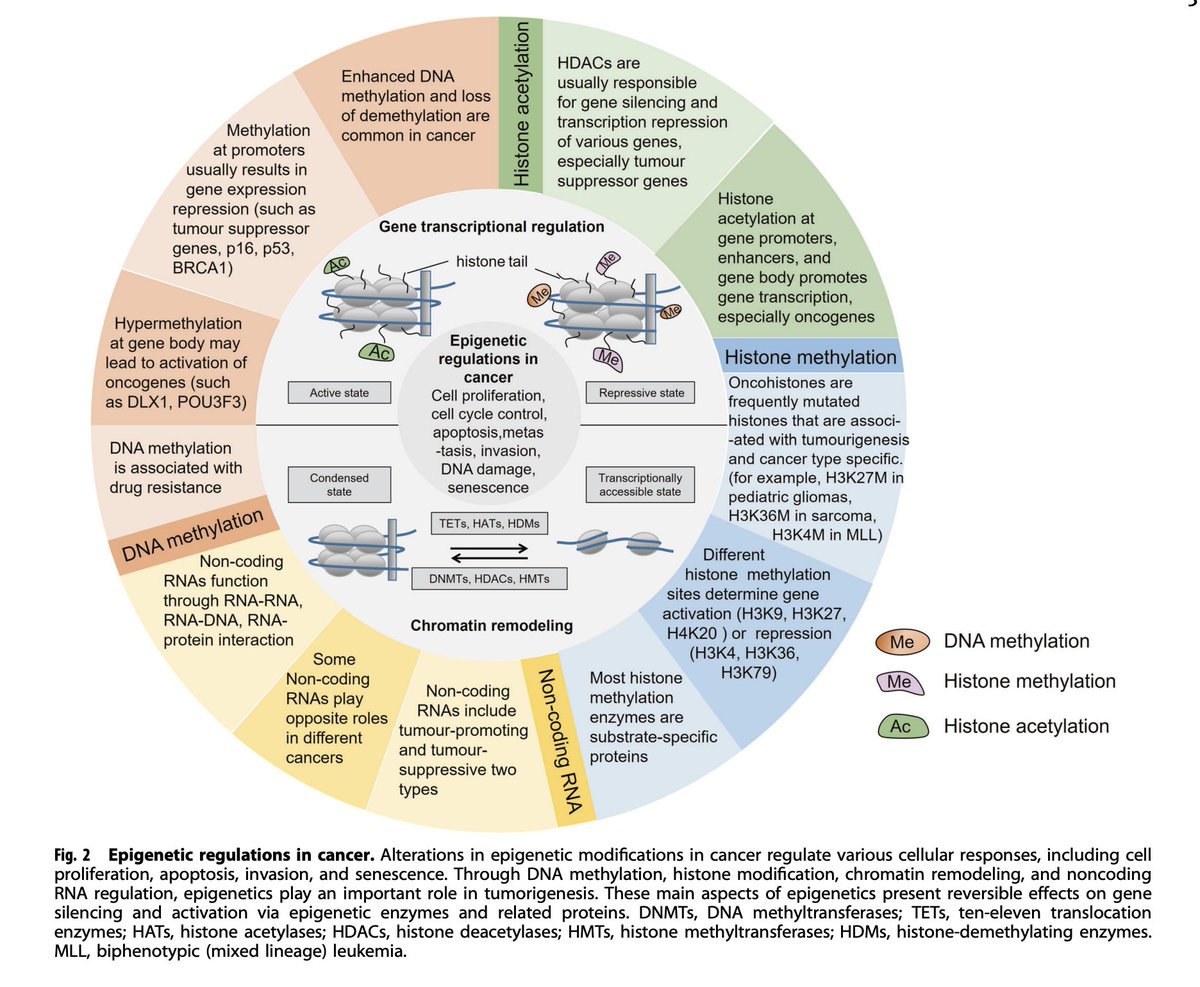
These dampen the expression of genes: some regulate growth, others necessary for differentiation.
If you can’t express your genes properly, you won’t become you.
You will get cancer.
28
Acetylation "opens up" the genes to be used, methylation prevents the DNA from being used.
Some anti-cancer drugs are histone deacetylase inhibitors - which keep acetyl groups on these proteins,
and DNA methyltransferase inhibitors - prevents the methylation of DNA.
I would try to pump up my acetylation and tone down my methylation of genes.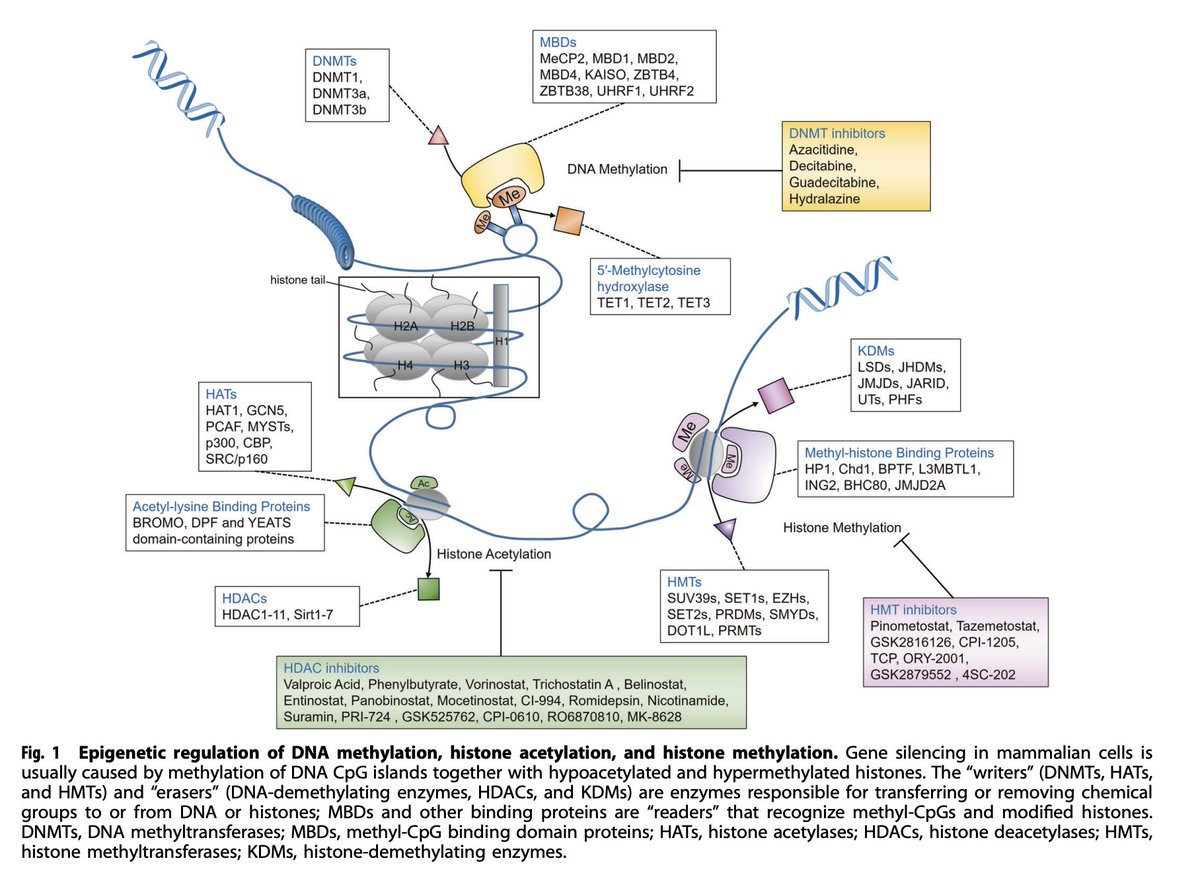
Some anti-cancer drugs are histone deacetylase inhibitors - which keep acetyl groups on these proteins,
and DNA methyltransferase inhibitors - prevents the methylation of DNA.
I would try to pump up my acetylation and tone down my methylation of genes.
29
Vinegar would be a top prospect to use as an acetylating agent, since it is largely acetic acid, and has been shown to acetylate histones when taken orally.
Consequently, it has anti-cancer properties and promotes differentiation.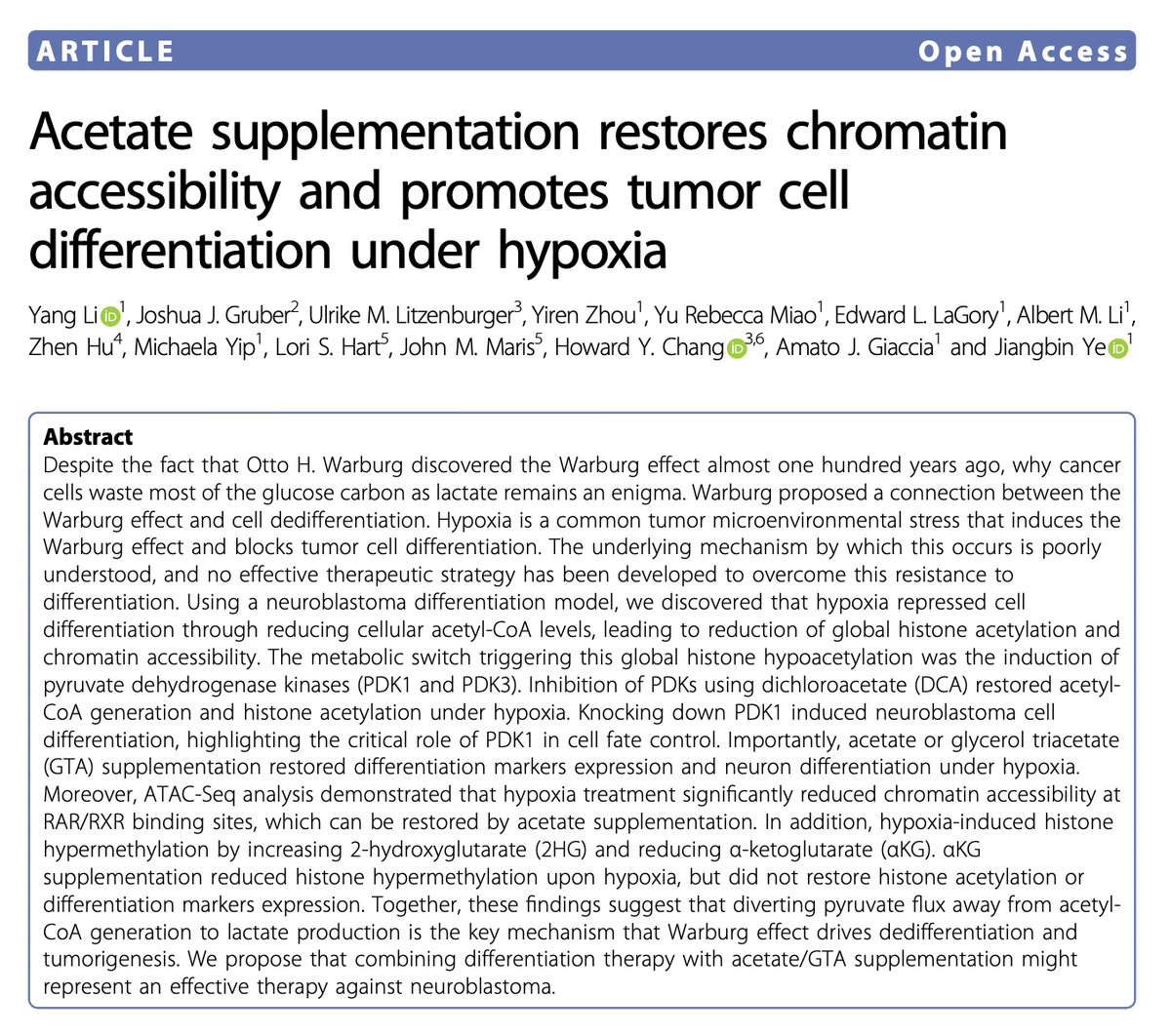
Consequently, it has anti-cancer properties and promotes differentiation.
30
Excess methyl groups come from the amino acid METHIONINE - which is high in muscle meat but low in collagen.
Methionine restriction in the diet has been studied as an effective tool for cancer.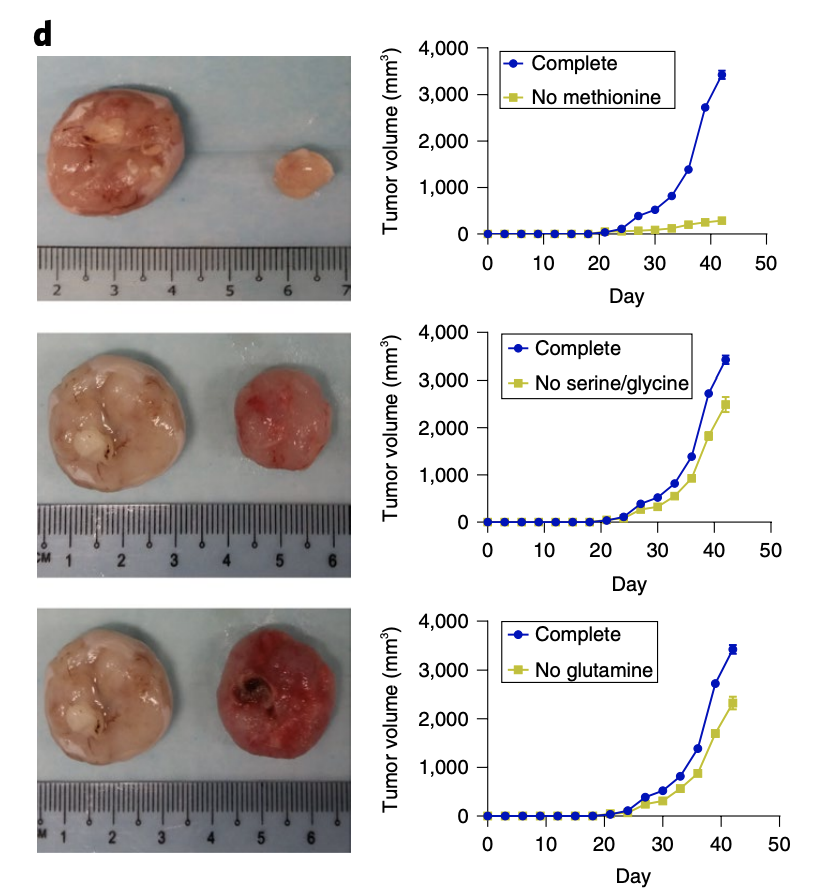
Methionine restriction in the diet has been studied as an effective tool for cancer.
31
Collagen also has lots of glycine.
Glycine is the body's way of buffering excess methylation.
So I would definitely be having bone broths, collagenous meats like oxtail and shanks, very regularly.
As it turns out, glycine has anti-cancer properties as well.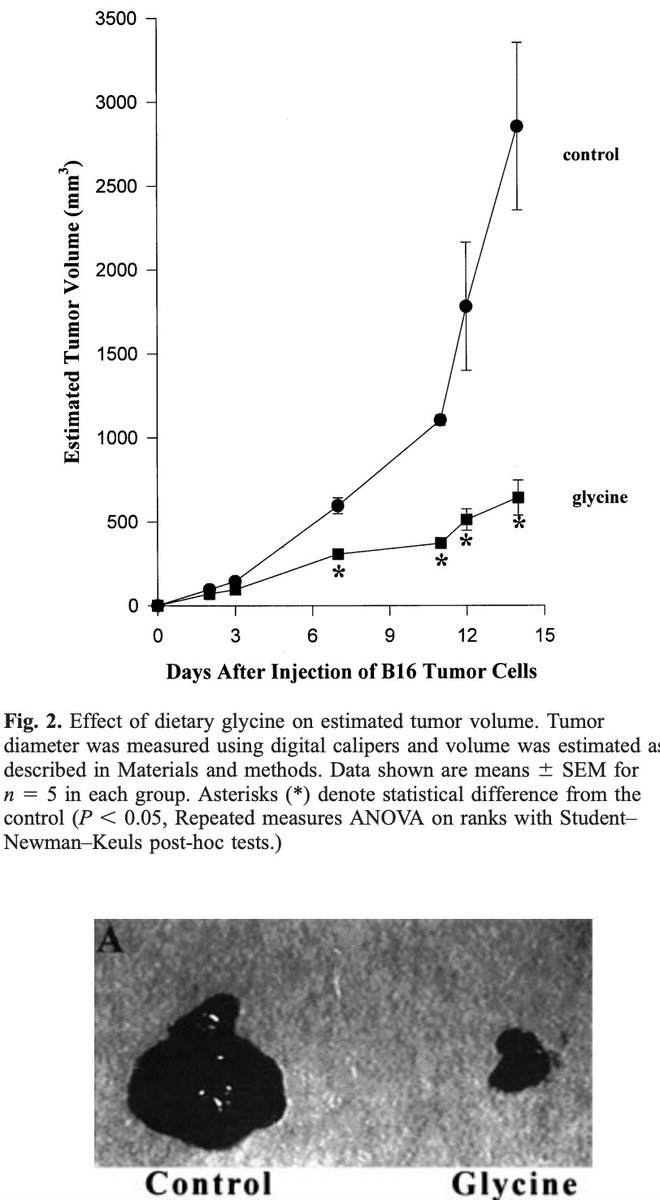
Glycine is the body's way of buffering excess methylation.
So I would definitely be having bone broths, collagenous meats like oxtail and shanks, very regularly.
As it turns out, glycine has anti-cancer properties as well.
32
7. Acidity
The pH of tumors is well known to be acidic.
This acidity drives inflammation & suppresses anti-tumor immunity, and contributes to insulin resistance.
The higher acidity of the tumor, the more liable it is to spread and kill you.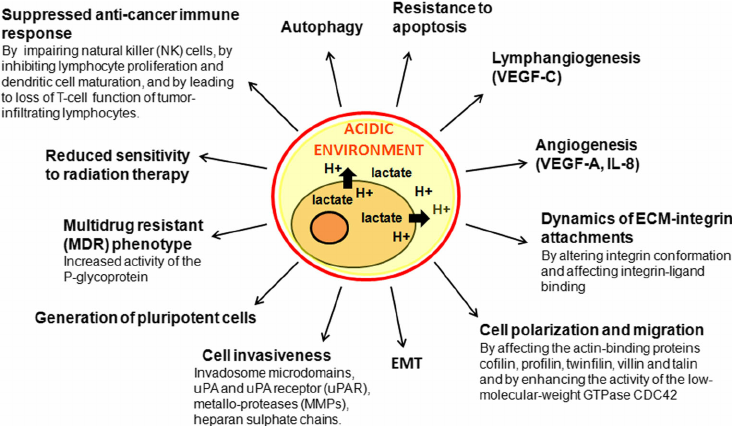
The pH of tumors is well known to be acidic.
This acidity drives inflammation & suppresses anti-tumor immunity, and contributes to insulin resistance.
The higher acidity of the tumor, the more liable it is to spread and kill you.
33
To combat acidity, yes, I would use baking soda.
Animal studies have shown that oral baking soda inhibits acidity in tumors and its subsequent metastasis.
I might even take some baking soda baths.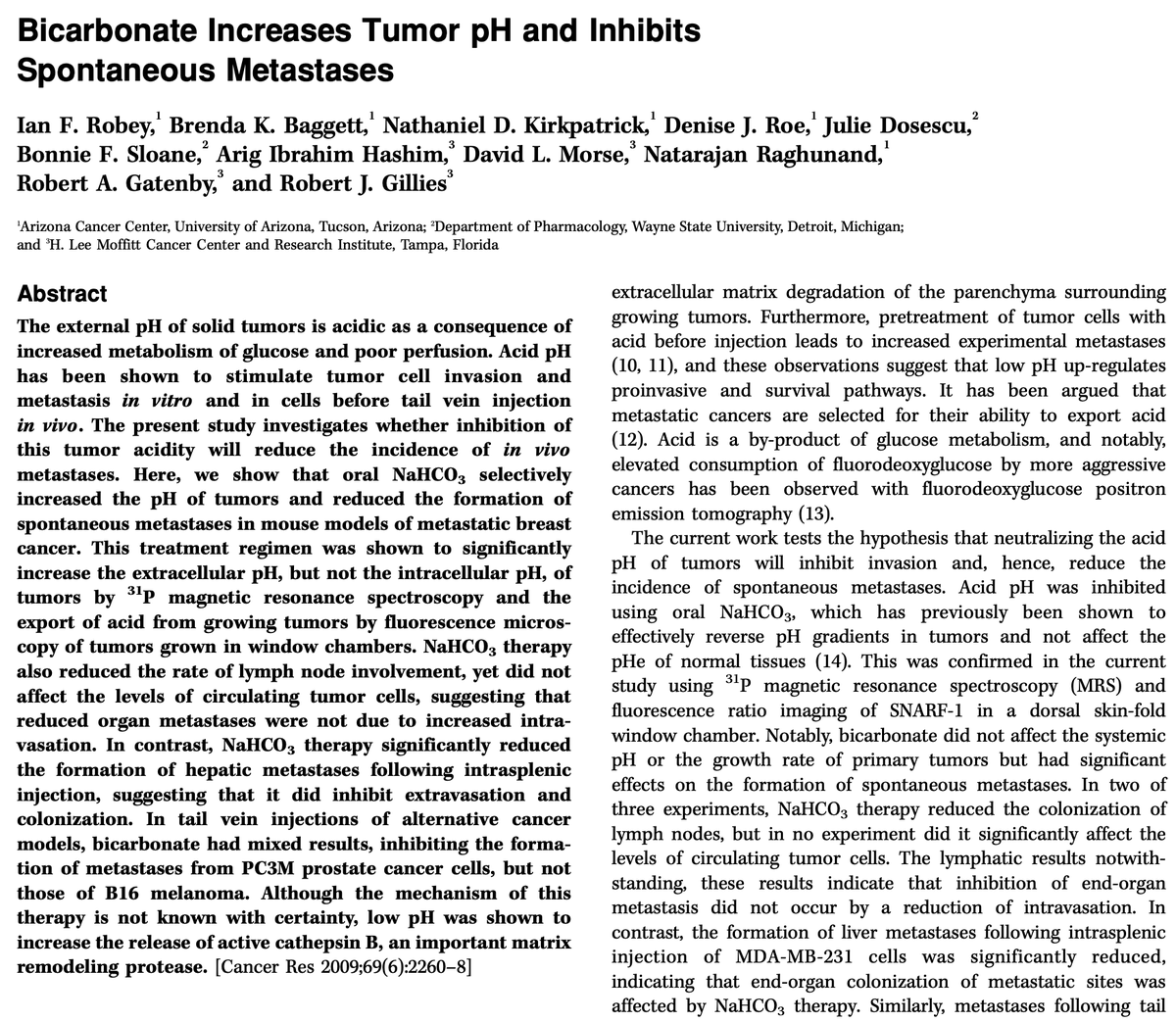
Animal studies have shown that oral baking soda inhibits acidity in tumors and its subsequent metastasis.
I might even take some baking soda baths.
34
8. Hypoxia
This is the poor oxygen delivery in tumors.
The principle determinant of oxygen delivery is actually the amount of carbon dioxide in your body.
It displaces oxygen and gives it up to your cells.
CO2 therapies can be anti-cancer.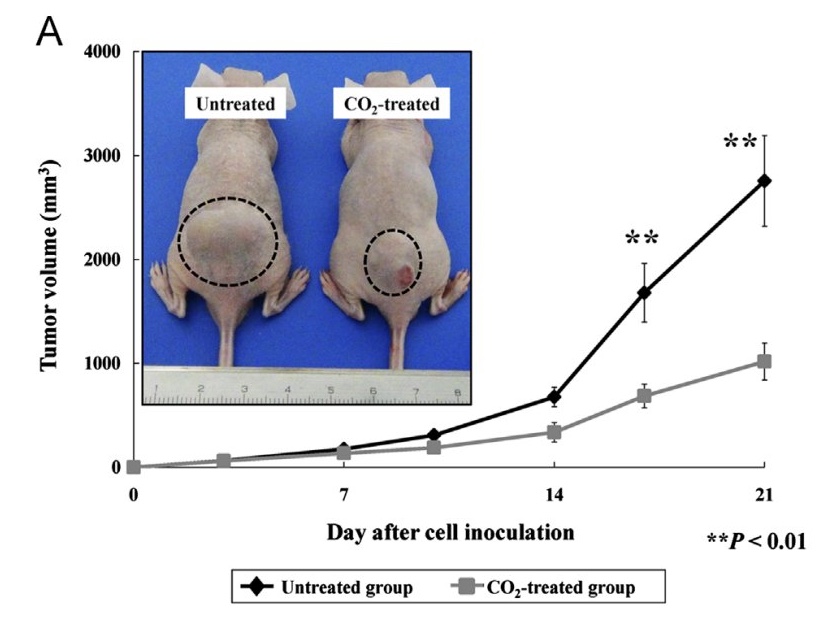
This is the poor oxygen delivery in tumors.
The principle determinant of oxygen delivery is actually the amount of carbon dioxide in your body.
It displaces oxygen and gives it up to your cells.
CO2 therapies can be anti-cancer.
35
Ways to increase CO2 I would consider:
⬩CO2 Baths / tank
⬩Bag breathing
⬩Vitamin B1
⬩Eating enough carbs (produces more CO2)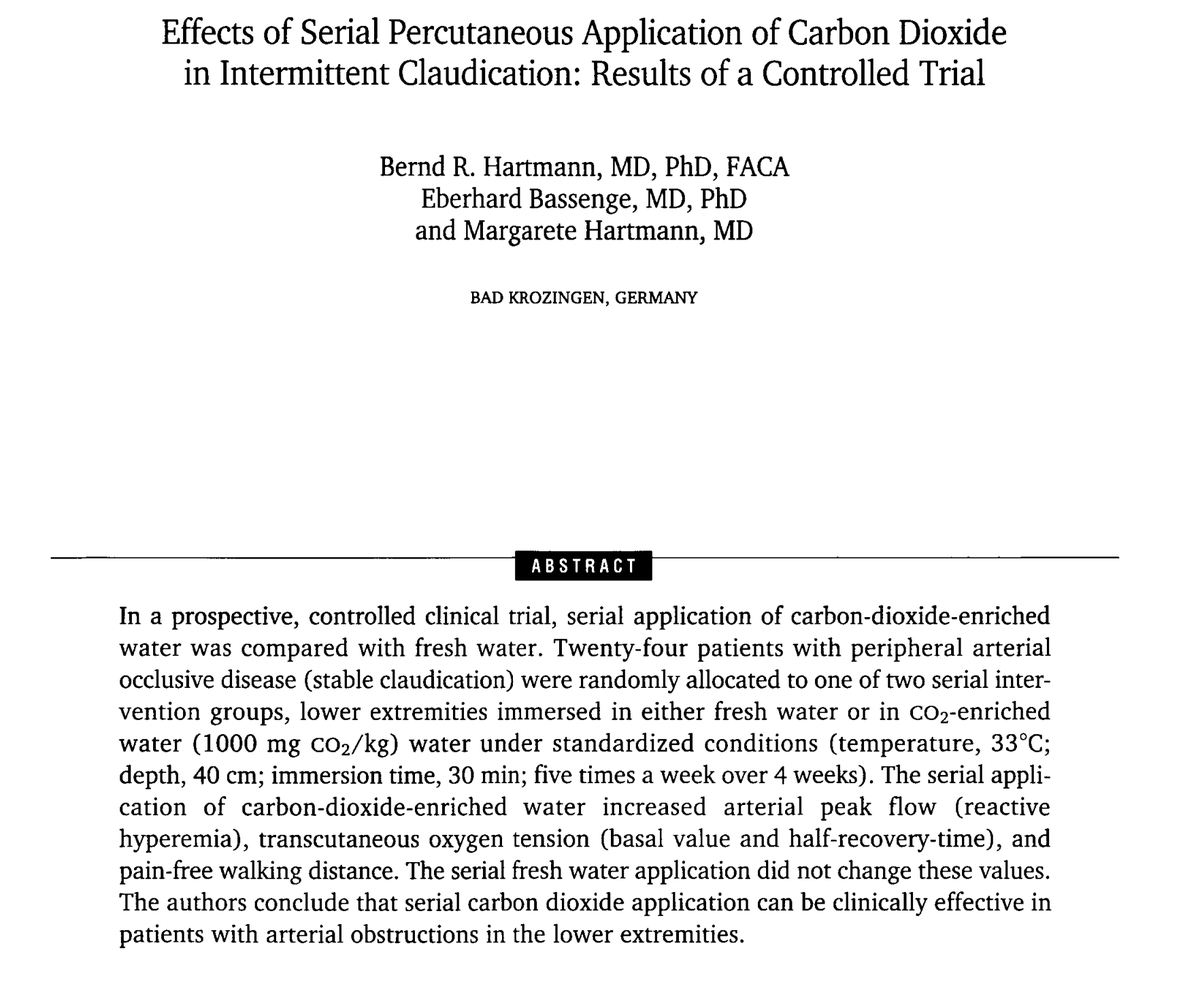
⬩CO2 Baths / tank
⬩Bag breathing
⬩Vitamin B1
⬩Eating enough carbs (produces more CO2)
36
9. Metabolism
The most important pillar of all.
The Warburg Effect is the propensity for cancer cells to metabolize glucose (carbs) into lactic acid,
instead of fully oxidizing it to produce energy or for other purposes.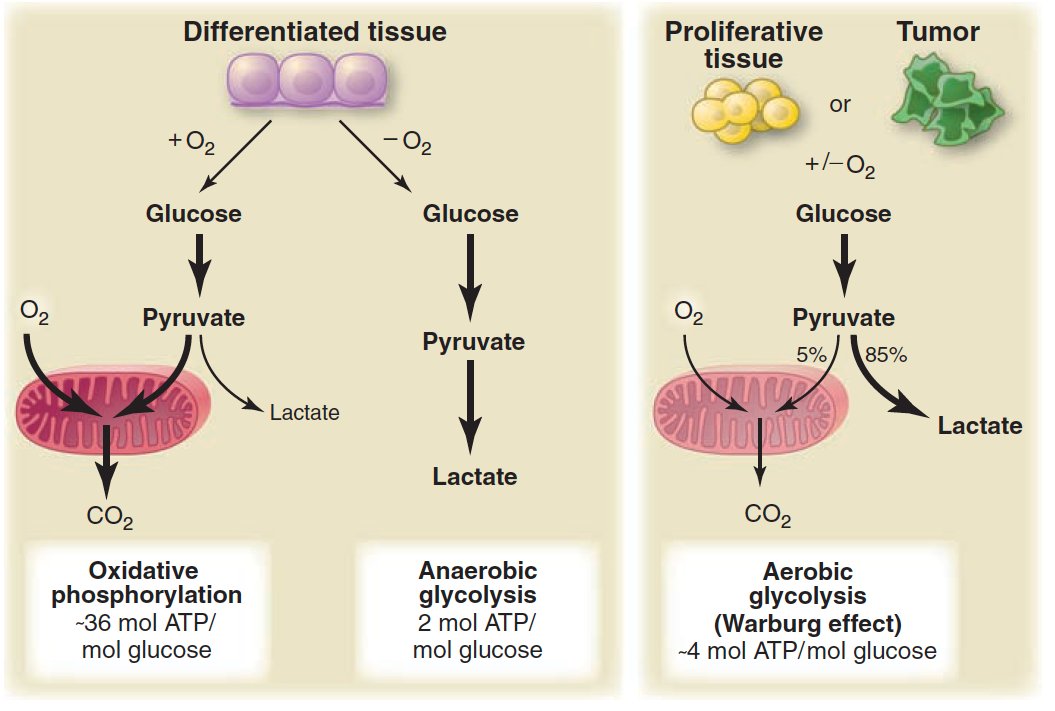
The most important pillar of all.
The Warburg Effect is the propensity for cancer cells to metabolize glucose (carbs) into lactic acid,
instead of fully oxidizing it to produce energy or for other purposes.
37
Excess lactic acid production:
⬩Increases immunosuppression
⬩Drives inflammation
⬩Increases acidity in the tumor
A main driver of cancer.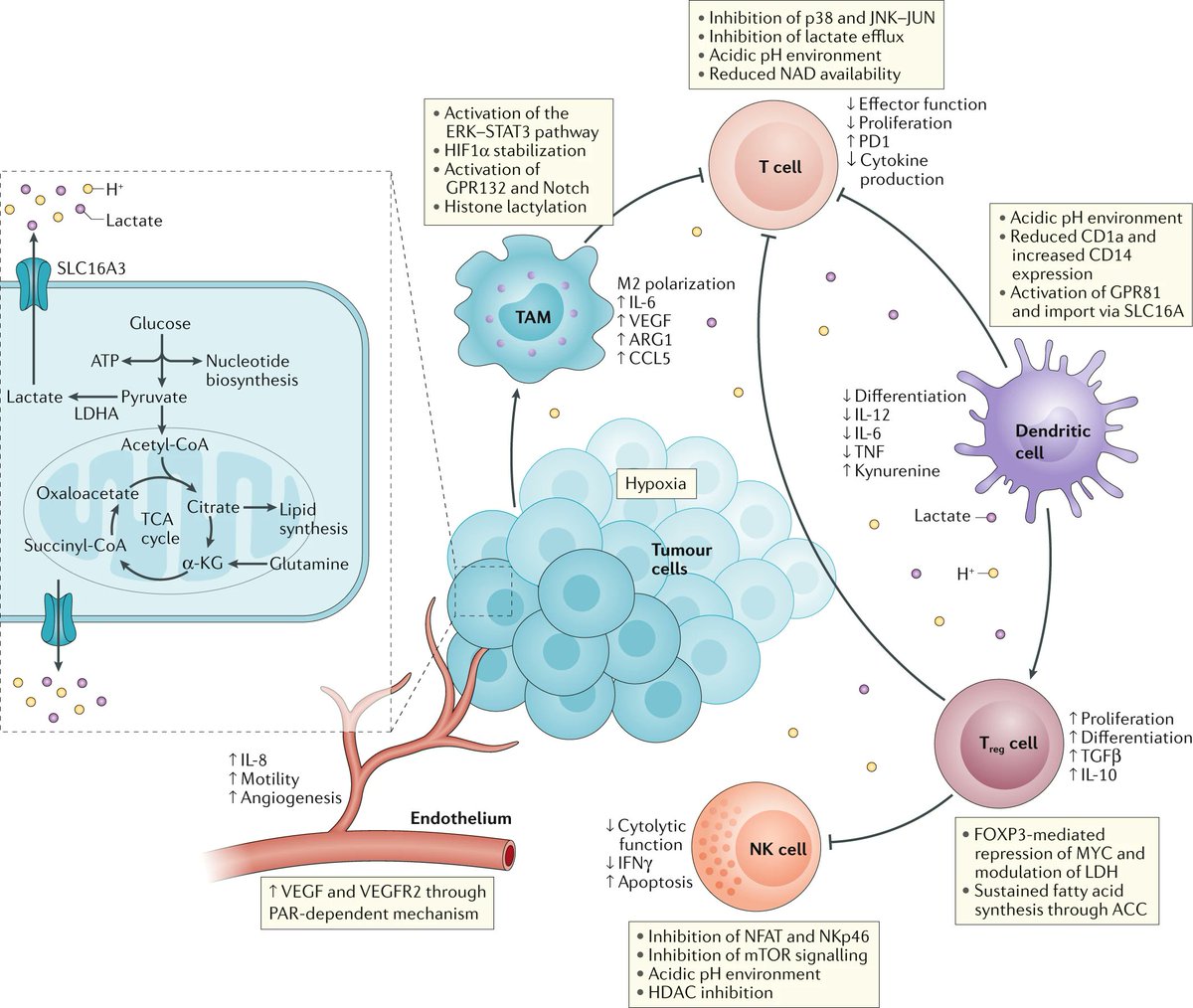
⬩Increases immunosuppression
⬩Drives inflammation
⬩Increases acidity in the tumor
A main driver of cancer.
38
When you restrict carbs, levels of free fatty acids rise - the fat comes out of your fat tissue and into the blood.
Free fatty acids directly block the full oxidation of glucose and instead encourage the formation of lactic acid.
Free fatty acids (FFA) are high in cancer.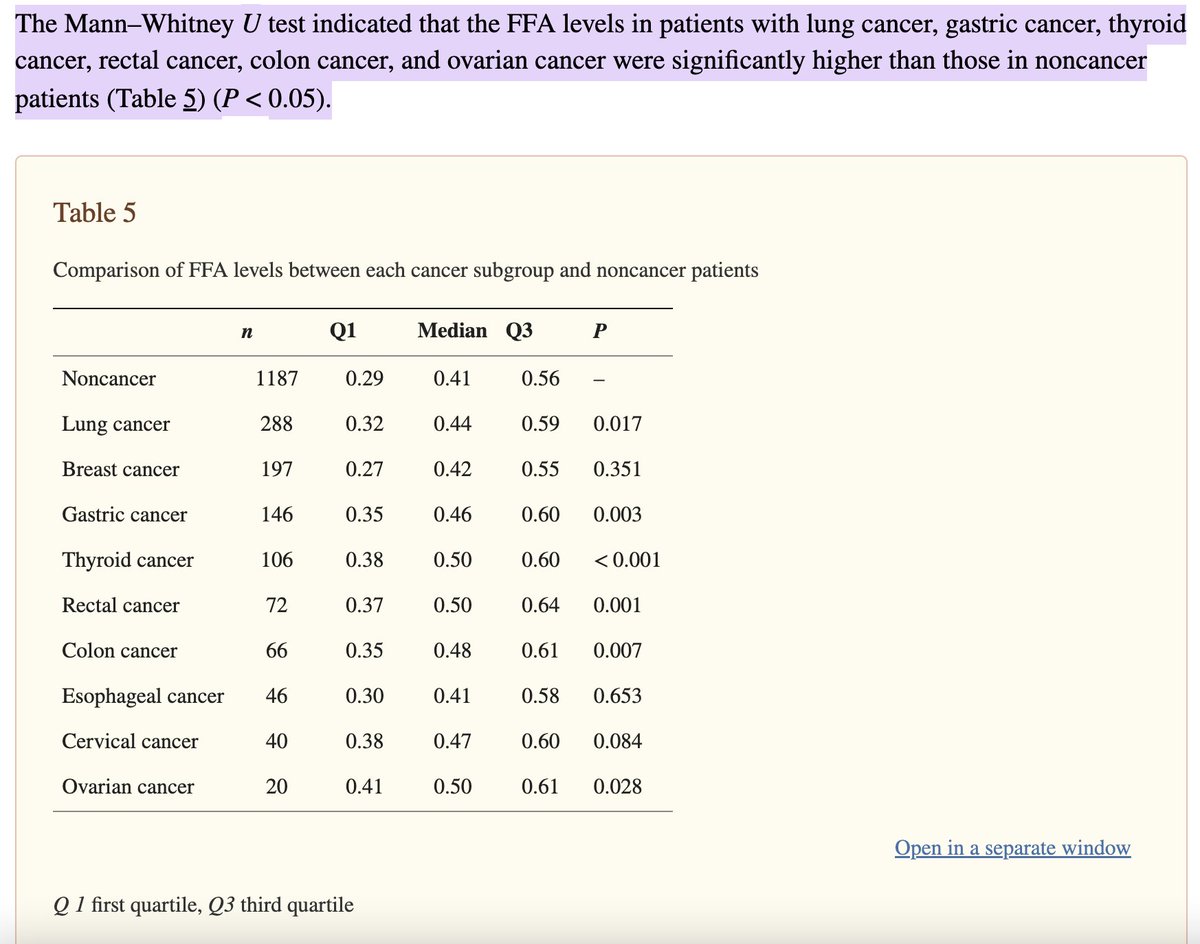
Free fatty acids directly block the full oxidation of glucose and instead encourage the formation of lactic acid.
Free fatty acids (FFA) are high in cancer.
39
When metabolism is not working properly, it actually drives the epigenetic changes seen in cancer.
For example, when mitochondrial function is poor cells produce a compound called 2-hydroxyglutarate.
This compound directly drives hypermethylation / hypoacetylation.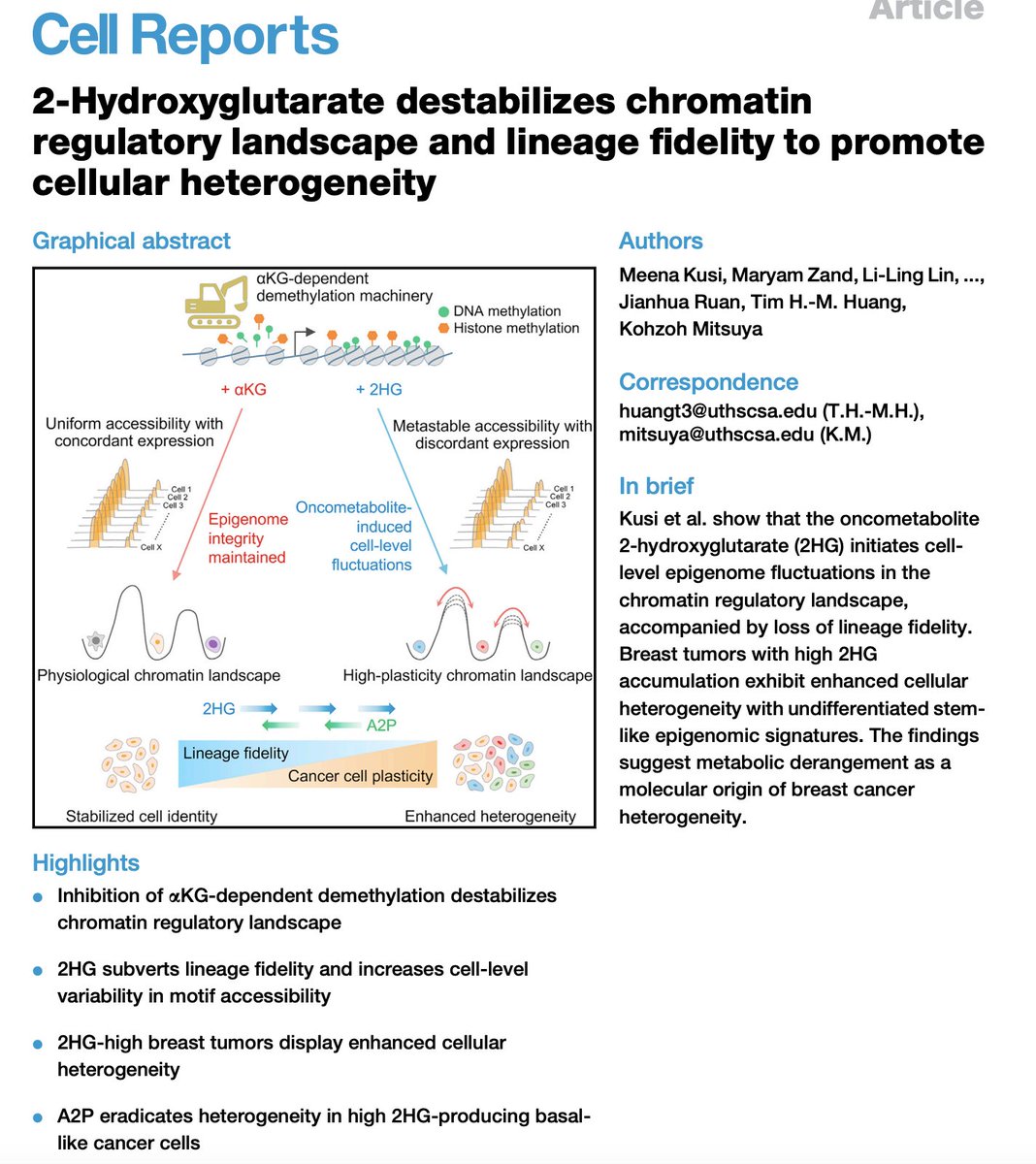
For example, when mitochondrial function is poor cells produce a compound called 2-hydroxyglutarate.
This compound directly drives hypermethylation / hypoacetylation.
40
Copper is an essential mitochondrial nutrient, and its levels directly influence the differentiation of cells.
In other words, without sufficient energy production, your cells will not be able to turn into the right types of cells.
They will instead turn into cancer cells.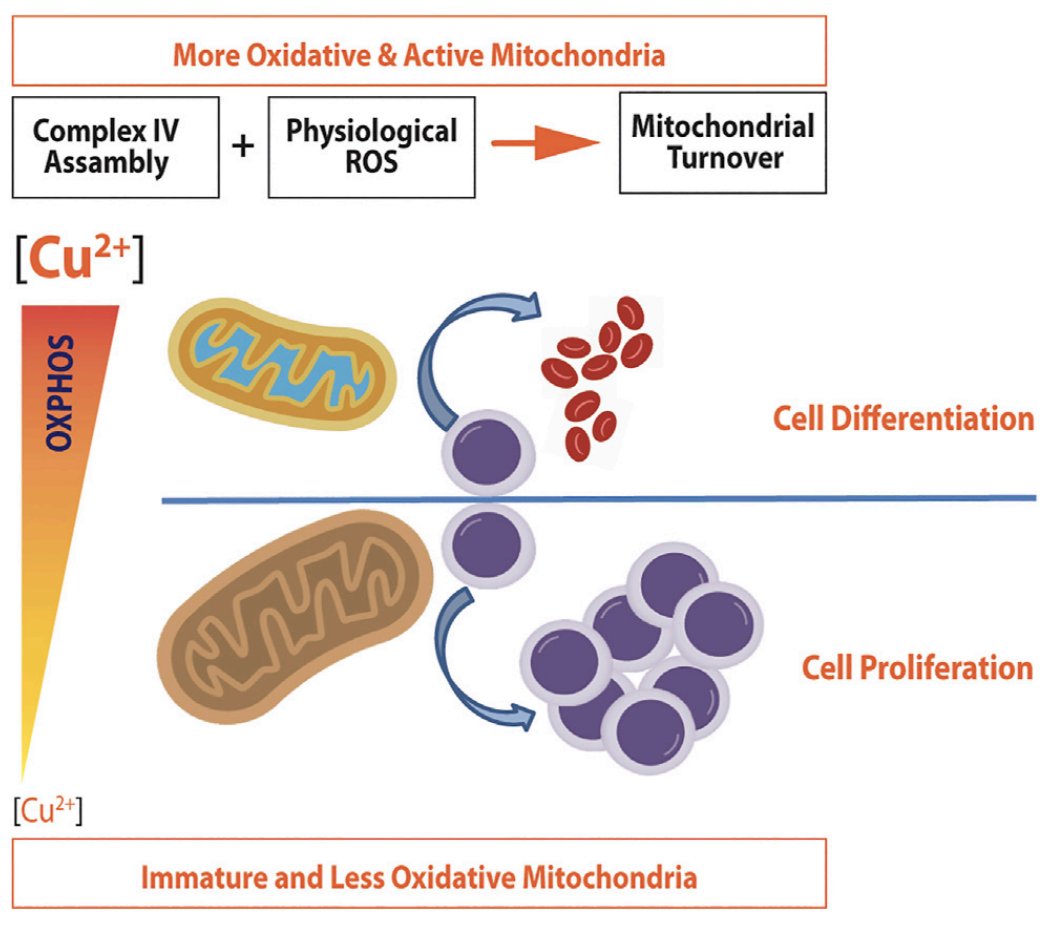
In other words, without sufficient energy production, your cells will not be able to turn into the right types of cells.
They will instead turn into cancer cells.
41
Thiamine and vitamin B1 analogues have shown promise as an anti-cancer tool in animals, as it corrects this metabolism by supporting the conversion of glucose away from lactic acid.
Warburg found that restricting B1 could induce cancer.
Warburg found that restricting B1 could induce cancer.
42
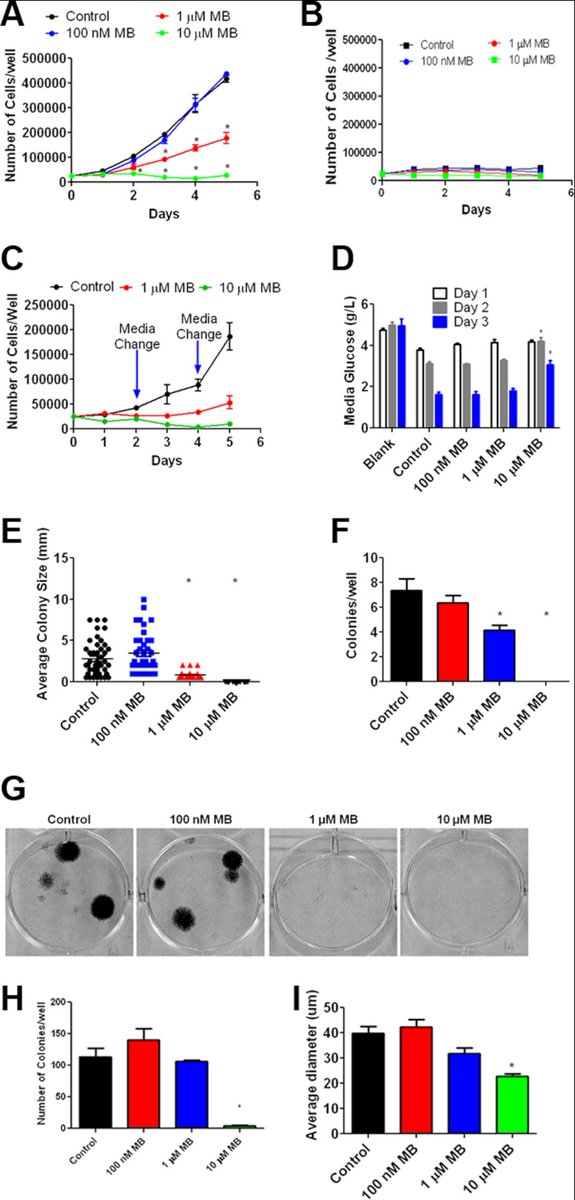
Methylene blue can also reverse the Warburg effect, and was shown to improve brain cancer.
43
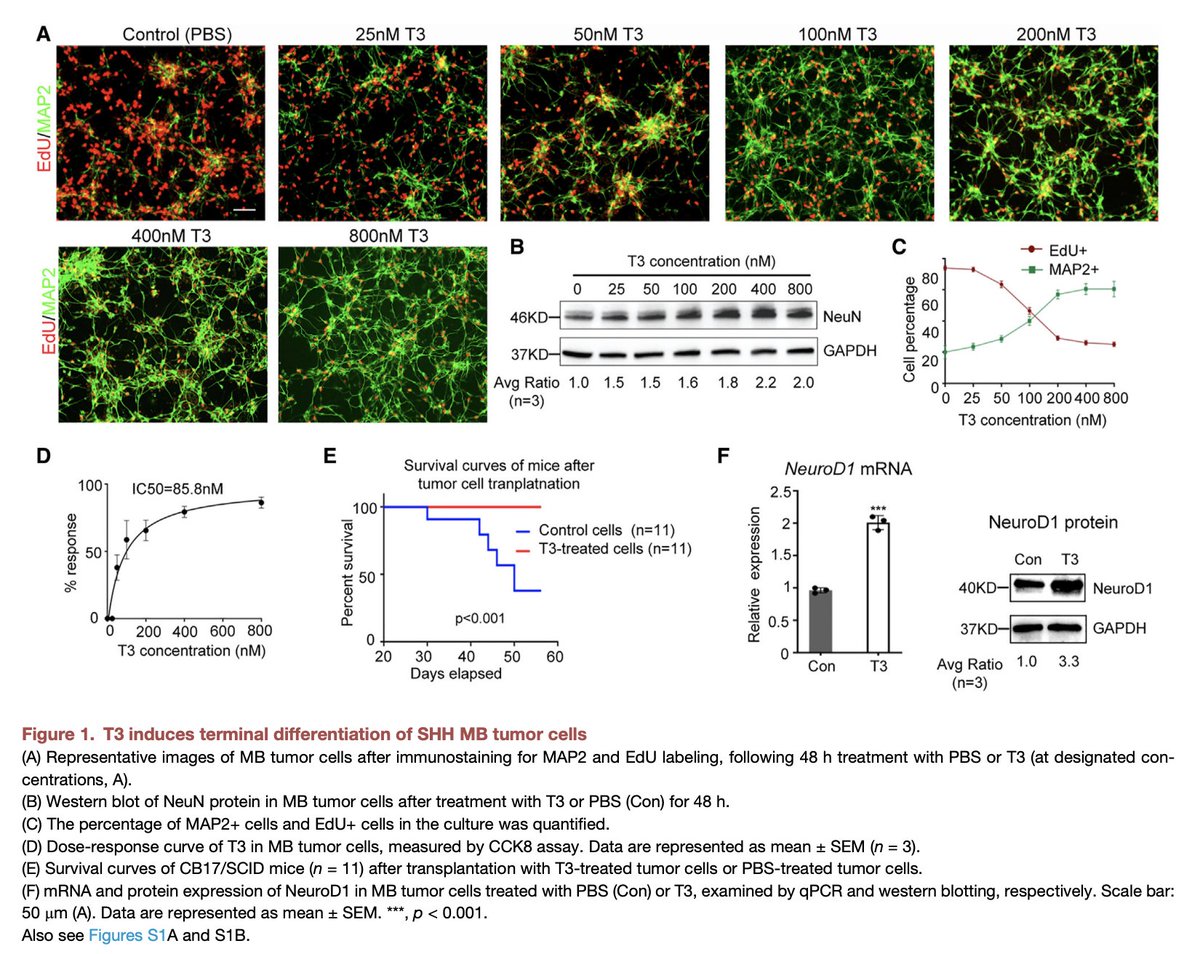
Thyroid hormone is incredibly important here as it accelerates the entire metabolic chain, and recently was shown to transform cancer cells back into healthy cells.
44
CoQ10 is an important part of the mitochondria too.
It is often low in people with cancer.
Supplementation reverses the Warburg effect, correcting metabolism and improving cancer.
Something else I would consider
It is often low in people with cancer.
Supplementation reverses the Warburg effect, correcting metabolism and improving cancer.
Something else I would consider
45
Vitamin K2 also is important in the mitochondria, and reverses the Warburg effect (cancer metabolism).
It also has shown anti-cancer promise.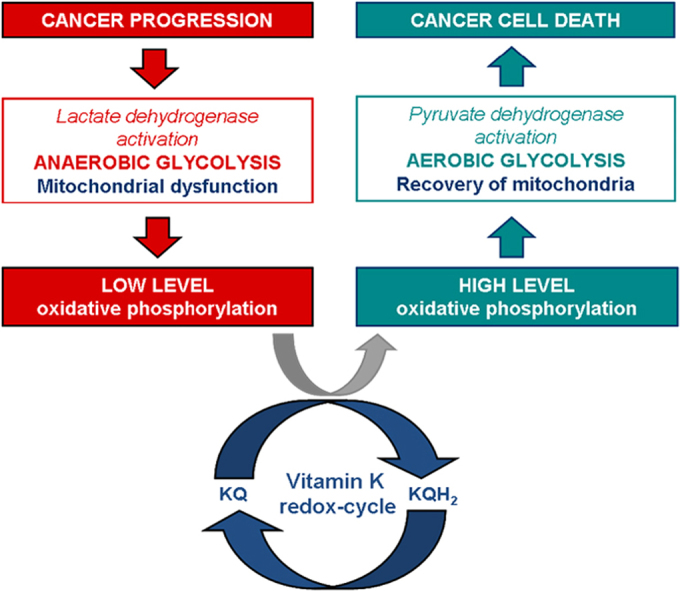
It also has shown anti-cancer promise.
46
Coffee & thyroid hormone are also uncouplers - compounds that allow the mitochondria to keep churning through energy by releasing heat.
Uncouplers were recently shown to reverse the Warburg effect & improve cancer.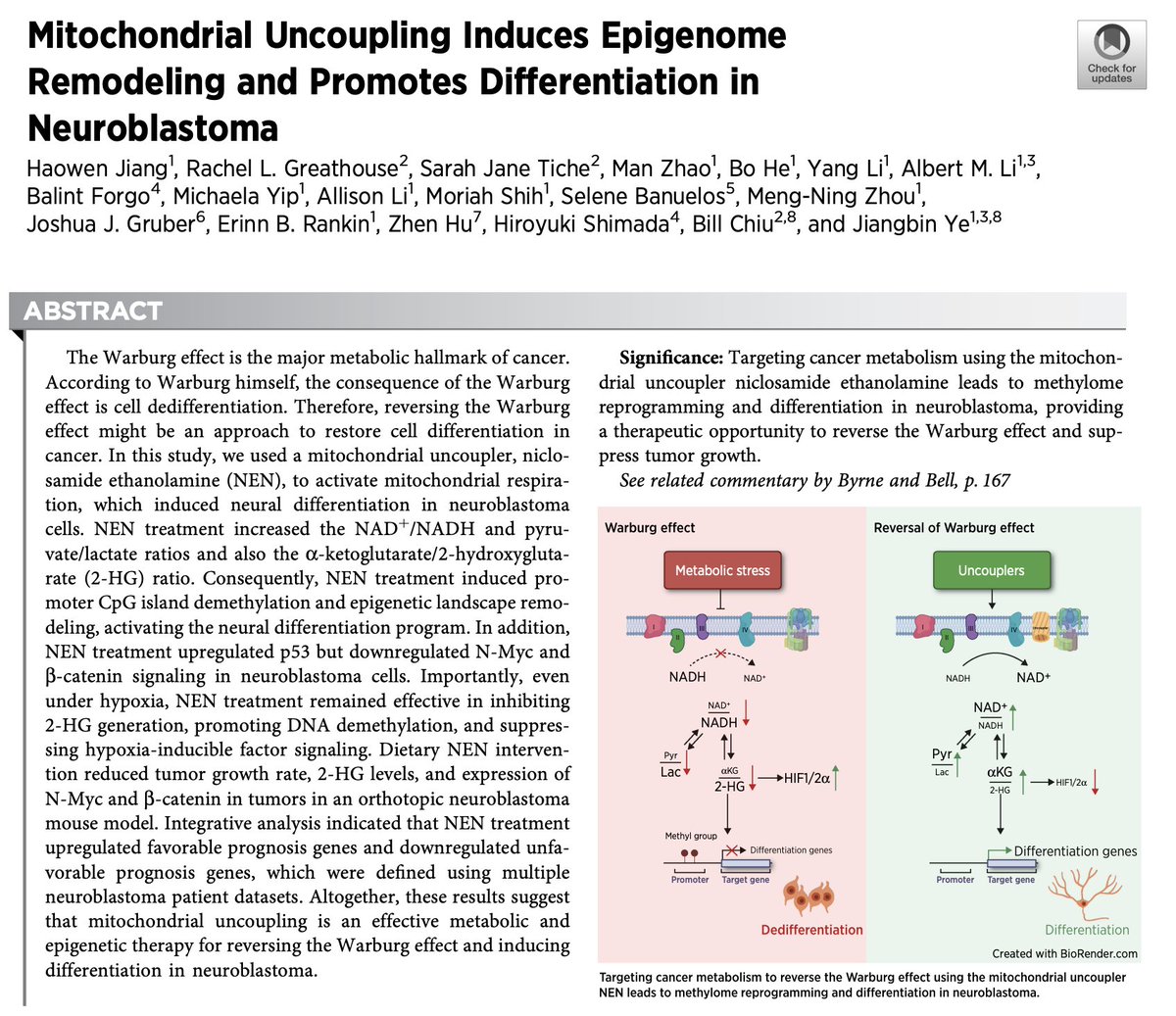
Uncouplers were recently shown to reverse the Warburg effect & improve cancer.
47
Ok I lied there are only 9.
SOURCES
thelancet.com/journals/lance… Seed oils
ncbi.nlm.nih.gov/pmc/articles/P… The Warburg effect drives dedifferentiation through epigenetic reprogramming
ncbi.nlm.nih.gov/pmc/articles/P… Warburg effect on the tumor microenvironment
ncbi.nlm.nih.gov/pmc/articles/P… Mitochondrial uncoupling induces epigenome remodeling and promotes differentiation in neuroblastoma
nature.com/articles/s4157… lactate x immunity x inflammation
ncbi.nlm.nih.gov/pmc/articles/P…, cell.com/cell-reports/p… The oncometabolite 2-hydroxyglutarate inhibits histone lysine demethylases
pubmed.ncbi.nlm.nih.gov/36724076/ 2HG promotes deacetylation
ncbi.nlm.nih.gov/pmc/articles/P… copper, mitochondria and differentiation
ncbi.nlm.nih.gov/pmc/articles/P… Vitamin K mitochondria
ncbi.nlm.nih.gov/pmc/articles/P…ncbi.nlm.nih.gov/books/NBK65890/ CoQ
ncbi.nlm.nih.gov/pmc/articles/P… Acetate supplementation restores chromatin accessibility and promotes tumor cell differentiation under hypoxia
academic.oup.com/jnci/article/1… PDK inhibitors
nature.com/articles/s4139…ncbi.nlm.nih.gov/pmc/articles/P…, Inflammation / immunity
jhoonline.biomedcentral.com/articles/10.11…ncbi.nlm.nih.gov/pmc/articles/P… Immune suppression
ncbi.nlm.nih.gov/pmc/articles/P… CO2
frontiersin.org/journals/physi…, researchgate.net/publication/31… Acidity / inflammation
sciencedirect.com/science/articl… serotonin estrogen
nature.com/articles/s4159…, communities.springernature.com/posts/dietary-… methionine
SOURCES
thelancet.com/journals/lance… Seed oils
ncbi.nlm.nih.gov/pmc/articles/P… The Warburg effect drives dedifferentiation through epigenetic reprogramming
ncbi.nlm.nih.gov/pmc/articles/P… Warburg effect on the tumor microenvironment
ncbi.nlm.nih.gov/pmc/articles/P… Mitochondrial uncoupling induces epigenome remodeling and promotes differentiation in neuroblastoma
nature.com/articles/s4157… lactate x immunity x inflammation
ncbi.nlm.nih.gov/pmc/articles/P…, cell.com/cell-reports/p… The oncometabolite 2-hydroxyglutarate inhibits histone lysine demethylases
pubmed.ncbi.nlm.nih.gov/36724076/ 2HG promotes deacetylation
ncbi.nlm.nih.gov/pmc/articles/P… copper, mitochondria and differentiation
ncbi.nlm.nih.gov/pmc/articles/P… Vitamin K mitochondria
ncbi.nlm.nih.gov/pmc/articles/P…ncbi.nlm.nih.gov/books/NBK65890/ CoQ
ncbi.nlm.nih.gov/pmc/articles/P… Acetate supplementation restores chromatin accessibility and promotes tumor cell differentiation under hypoxia
academic.oup.com/jnci/article/1… PDK inhibitors
nature.com/articles/s4139…ncbi.nlm.nih.gov/pmc/articles/P…, Inflammation / immunity
jhoonline.biomedcentral.com/articles/10.11…ncbi.nlm.nih.gov/pmc/articles/P… Immune suppression
ncbi.nlm.nih.gov/pmc/articles/P… CO2
frontiersin.org/journals/physi…, researchgate.net/publication/31… Acidity / inflammation
sciencedirect.com/science/articl… serotonin estrogen
nature.com/articles/s4159…, communities.springernature.com/posts/dietary-… methionine
48
The take home here is that all of these processes are happening in unison, and an effective approach would target ALL of them.
Just like with any other health issue.
But medicine is obsessed with one disease = one drug.
So don't expect anything to be solved anytime soon.
Just like with any other health issue.
But medicine is obsessed with one disease = one drug.
So don't expect anything to be solved anytime soon.
