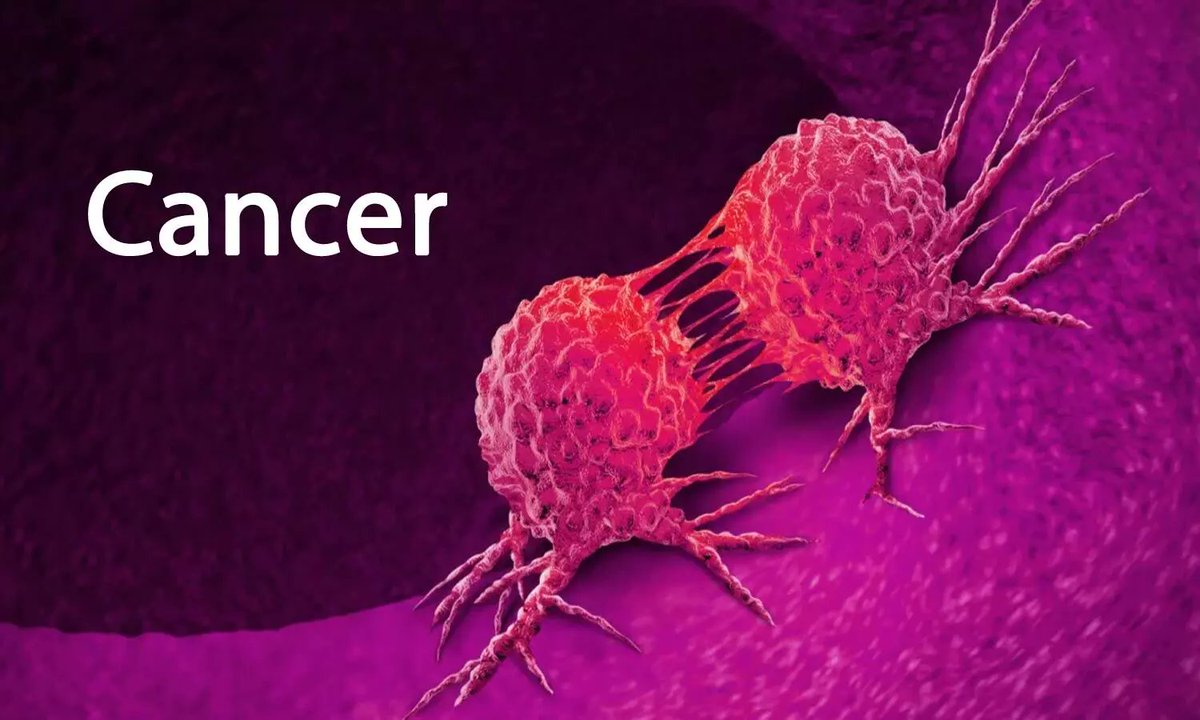
Cancer is complicated.
Unfortunately, most treatments are very simple.
These are the 10 hallmarks of cancer,
and what I would do to address each one.

This is NOT MEDICAL ADVICE.
This is just what I think is going on, and what I would do if I had cancer.
A key idea here is that most cancer “treatment” is just killing cells indiscriminately.
My approach would be root cause oriented.
Let’s get into the hallmarks of cancer.
This is just what I think is going on, and what I would do if I had cancer.
A key idea here is that most cancer “treatment” is just killing cells indiscriminately.
My approach would be root cause oriented.
Let’s get into the hallmarks of cancer.
1. Inflammation
Chronic, low grade inflammation stimulates constant GROWTH / PROLIFERATION, when cells multiply.
Growth and cellular multiplication without DIFFERENTIATION, which is when a cell changes into a specialized cell type, is what cancer is.
Chronic, low grade inflammation stimulates constant GROWTH / PROLIFERATION, when cells multiply.
Growth and cellular multiplication without DIFFERENTIATION, which is when a cell changes into a specialized cell type, is what cancer is.
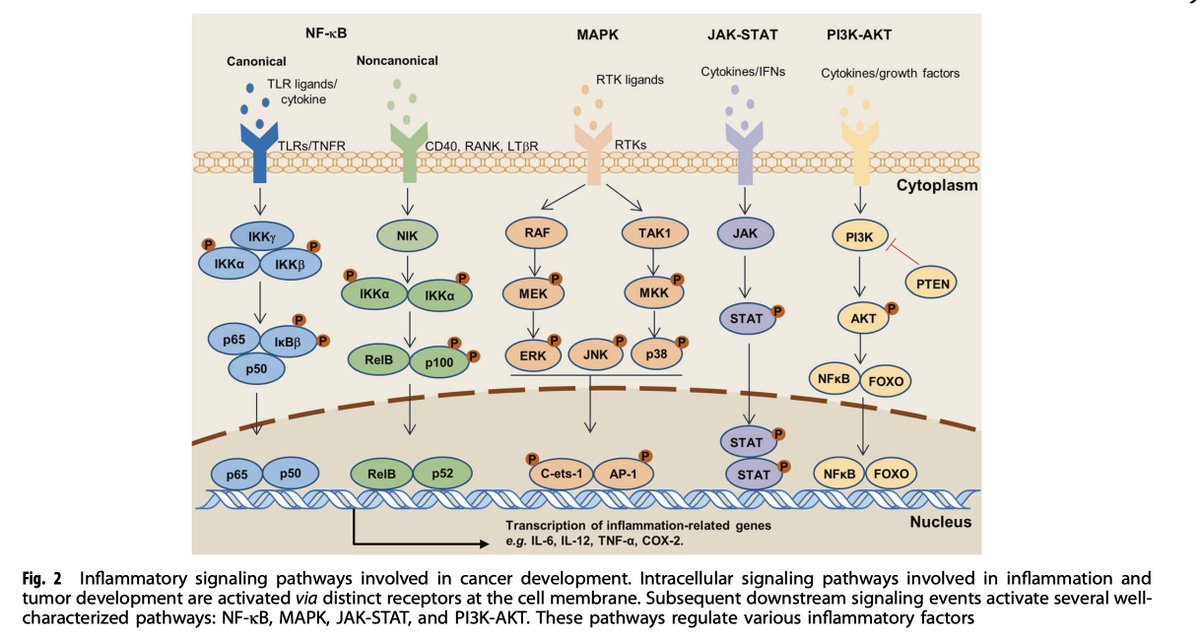
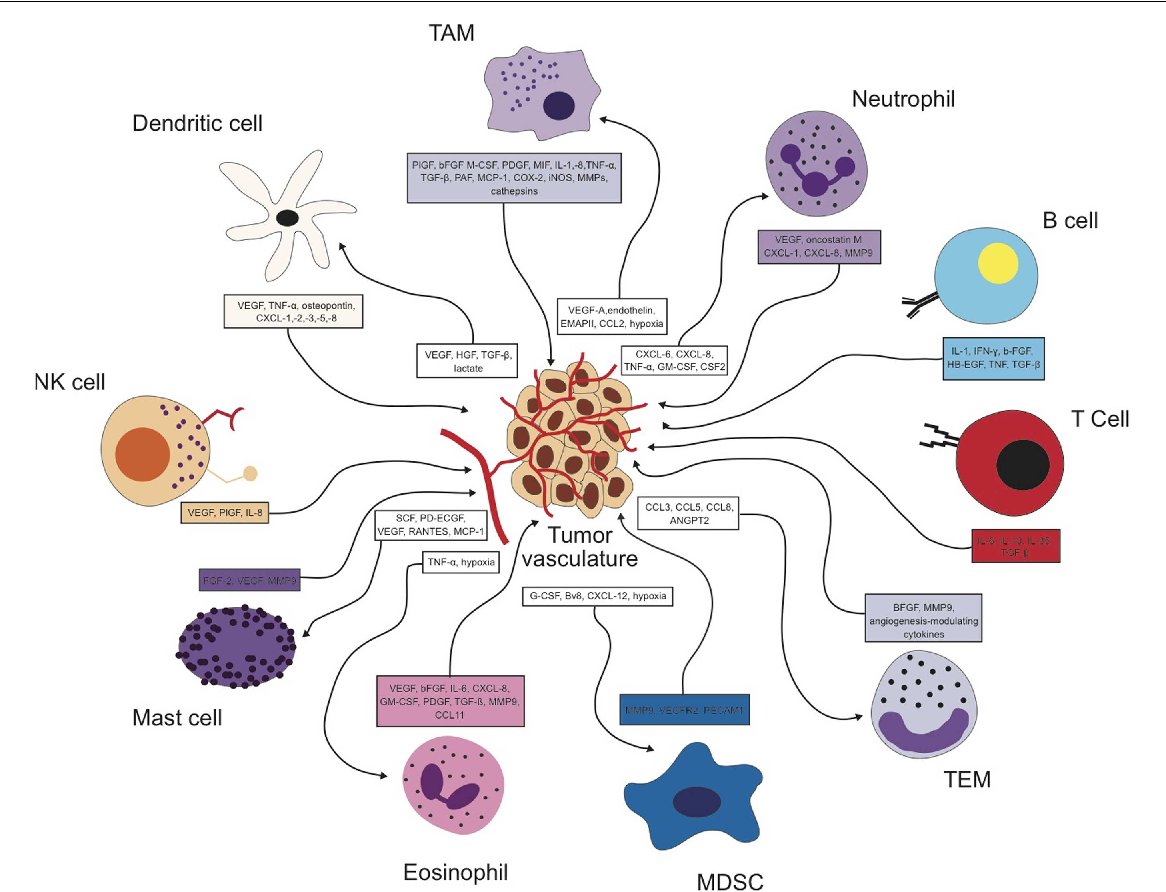
Many of the hallmarks of cancer, in addition to growth, are all induced by chronic inflammation:
• Angiogenesis (new blood vessel formation)
• Degradation of extracellular matrix
• Metabolic suppression
• Oxidative stress
• Angiogenesis (new blood vessel formation)
• Degradation of extracellular matrix
• Metabolic suppression
• Oxidative stress
A lot of chronic inflammation starts in the gut.
Addressing any digestive discomfort or improper bowel habits is going to be absolutely key.
This is our overview on gut health.
Addressing any digestive discomfort or improper bowel habits is going to be absolutely key.
This is our overview on gut health.
View Tweet
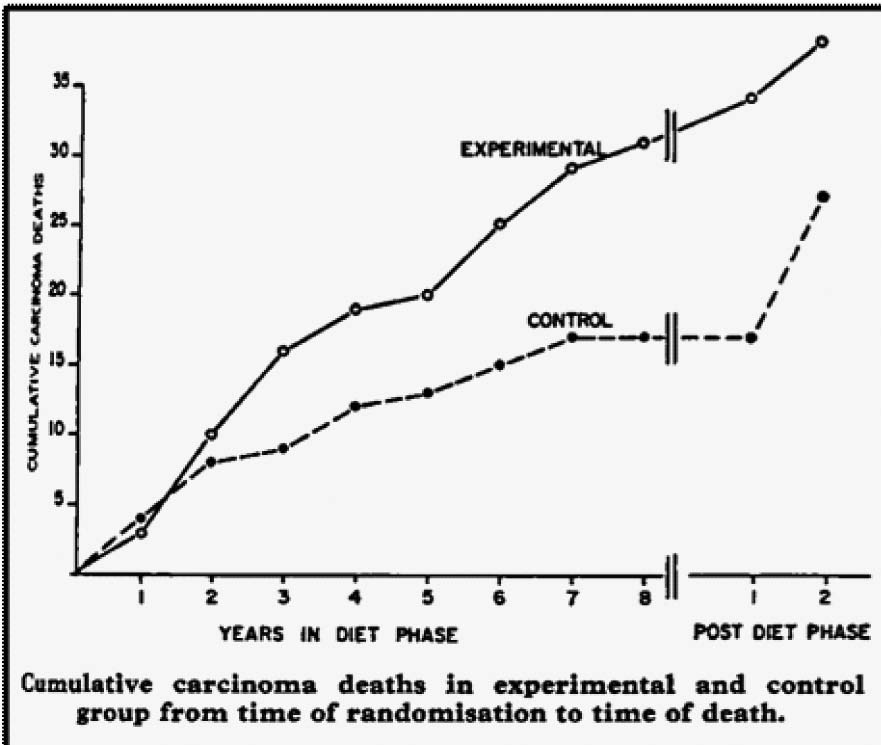
Another key driver of inflammation is the overconsumption of polyunsaturated fats (seed oils).
I would without question keep these to an absolute minimum.
Studies in humans have shown that increasing the amount of them in the diet can directly cause cancer.
I would without question keep these to an absolute minimum.
Studies in humans have shown that increasing the amount of them in the diet can directly cause cancer.
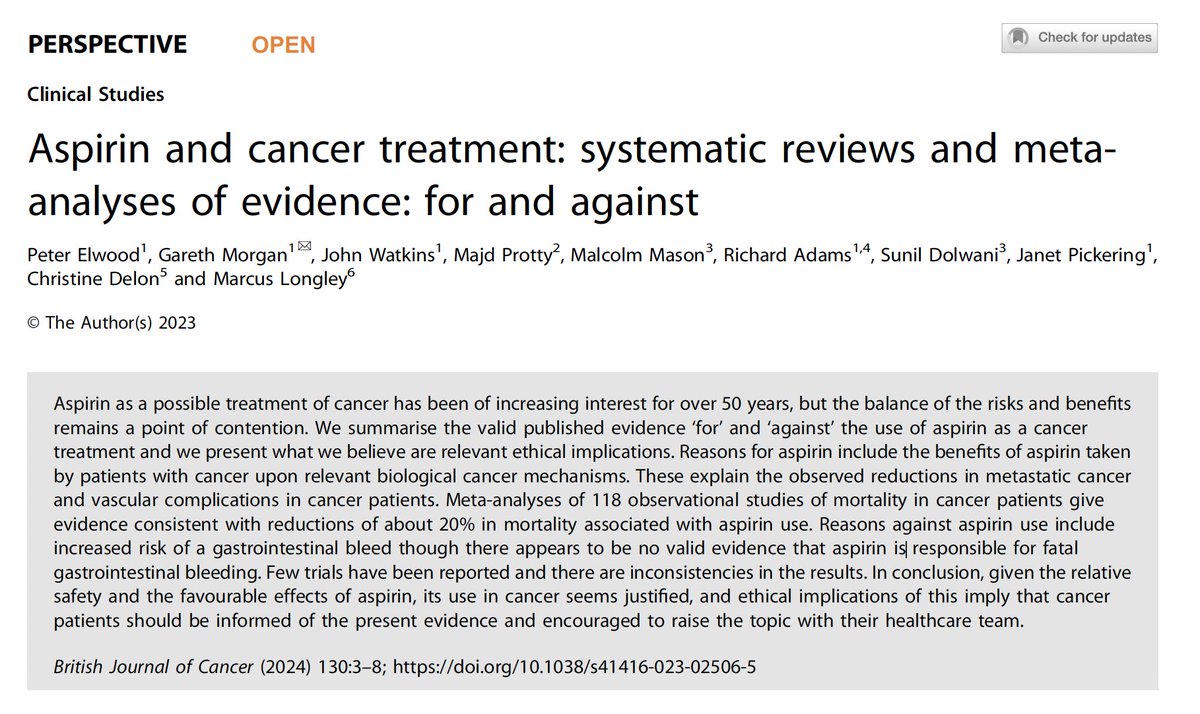
I would definitely start aspirin as a broad acting and proven anti-inflammatory / anti-cancer agent.
Many human studies show aspirin is very protective. Probably around 100 mg a day.
Many human studies show aspirin is very protective. Probably around 100 mg a day.
Other general anti-inflammatories & anti-stress tools I would consider:
• Glycine
• Taurine
• Sunlight / red light therapy
• Grounding
• Glycine
• Taurine
• Sunlight / red light therapy
• Grounding
View Tweet
2. STRESS
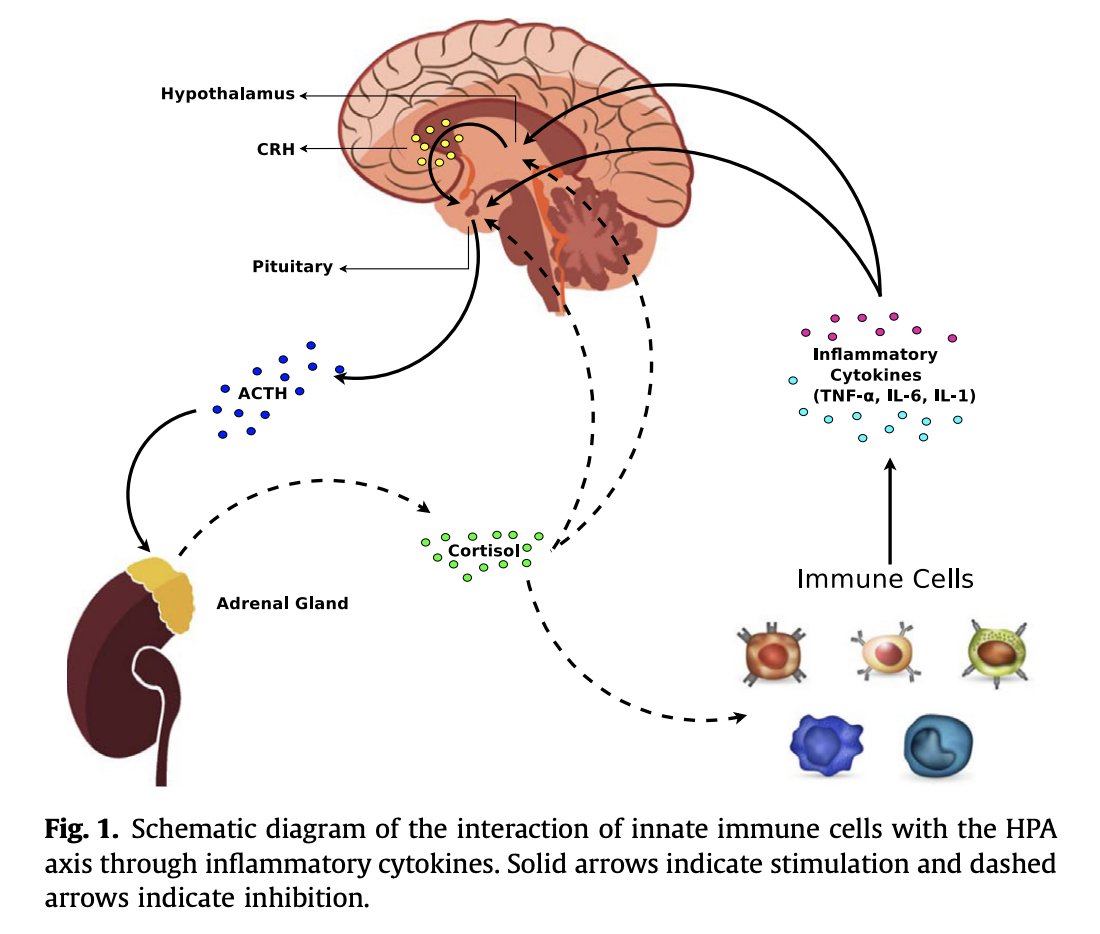
One huge issue with inflammation in cancer is that it directly activates the adrenal axis, in other words STRESS or cortisol.
This is a self enforcing system, as stress hormones break down our tissues - driving an immune reaction (inflammation).
One huge issue with inflammation in cancer is that it directly activates the adrenal axis, in other words STRESS or cortisol.
This is a self enforcing system, as stress hormones break down our tissues - driving an immune reaction (inflammation).
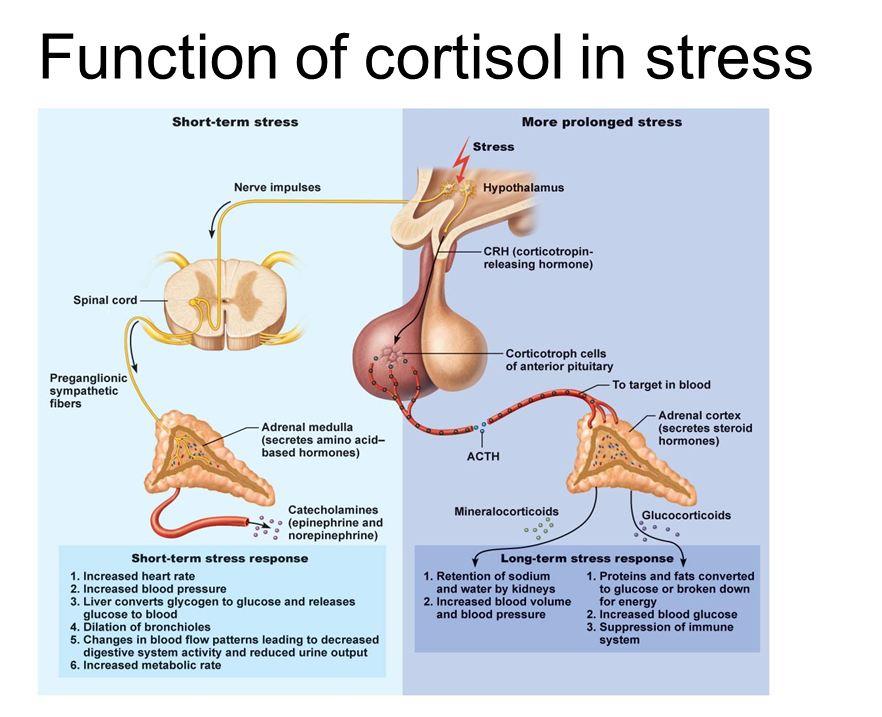
Stress also contributes to cancer by:
• Increasing free fatty acids (will explain later)
• Catabolizing muscle - which drives a lot of cancer death
• Suppressing immunity
• Increasing free fatty acids (will explain later)
• Catabolizing muscle - which drives a lot of cancer death
• Suppressing immunity
Some anti-stress measures I would consider:
• Pregnenolone
• Progesterone
• Magnesium
• Plenty of carbohydrate, calories, salt
• Pregnenolone
• Progesterone
• Magnesium
• Plenty of carbohydrate, calories, salt
View Tweet
3. Immune suppression
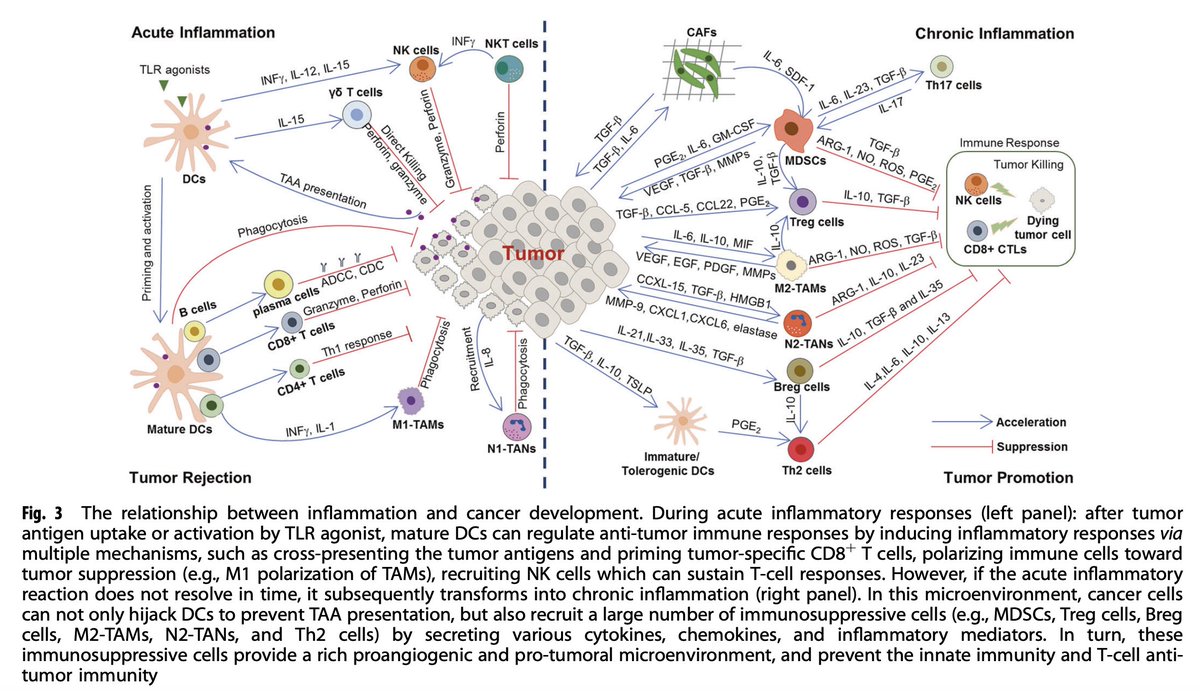
Seemingly paradoxically, inflammation can be high while immunity is low.
The immune system is vital for clearing out cancerous cells.
But when the immune system is suppressed, cancer flourishes.
Seemingly paradoxically, inflammation can be high while immunity is low.
The immune system is vital for clearing out cancerous cells.
But when the immune system is suppressed, cancer flourishes.
Most important immune supportive nutrients:
• Vitamin A
• Zinc
• Vitamin C
• Vitamin D
These nutrients support the proliferation & differentiation of immune cells.
These are also vital for the cancer-killing properties of immune cells.
• Vitamin A
• Zinc
• Vitamin C
• Vitamin D
These nutrients support the proliferation & differentiation of immune cells.
These are also vital for the cancer-killing properties of immune cells.
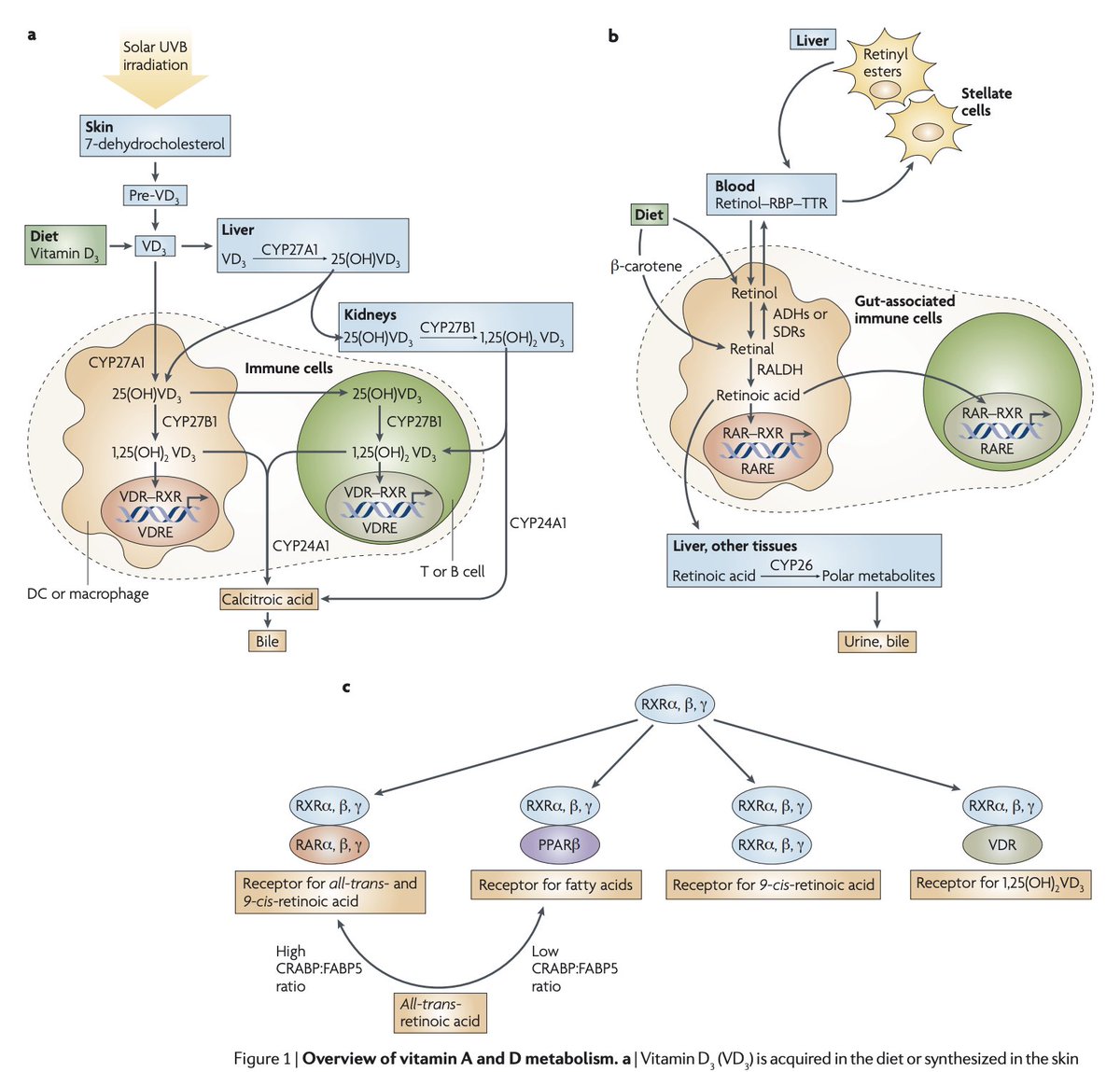
High dose Vitamin C has been shown to drastically improve cancer outcomes in humans.
High Vitamin D levels are consistently tied to better cancer outcomes.
I would support immunity and bolster my chances.
High Vitamin D levels are consistently tied to better cancer outcomes.
I would support immunity and bolster my chances.
View Tweet
4. Oxidative stress
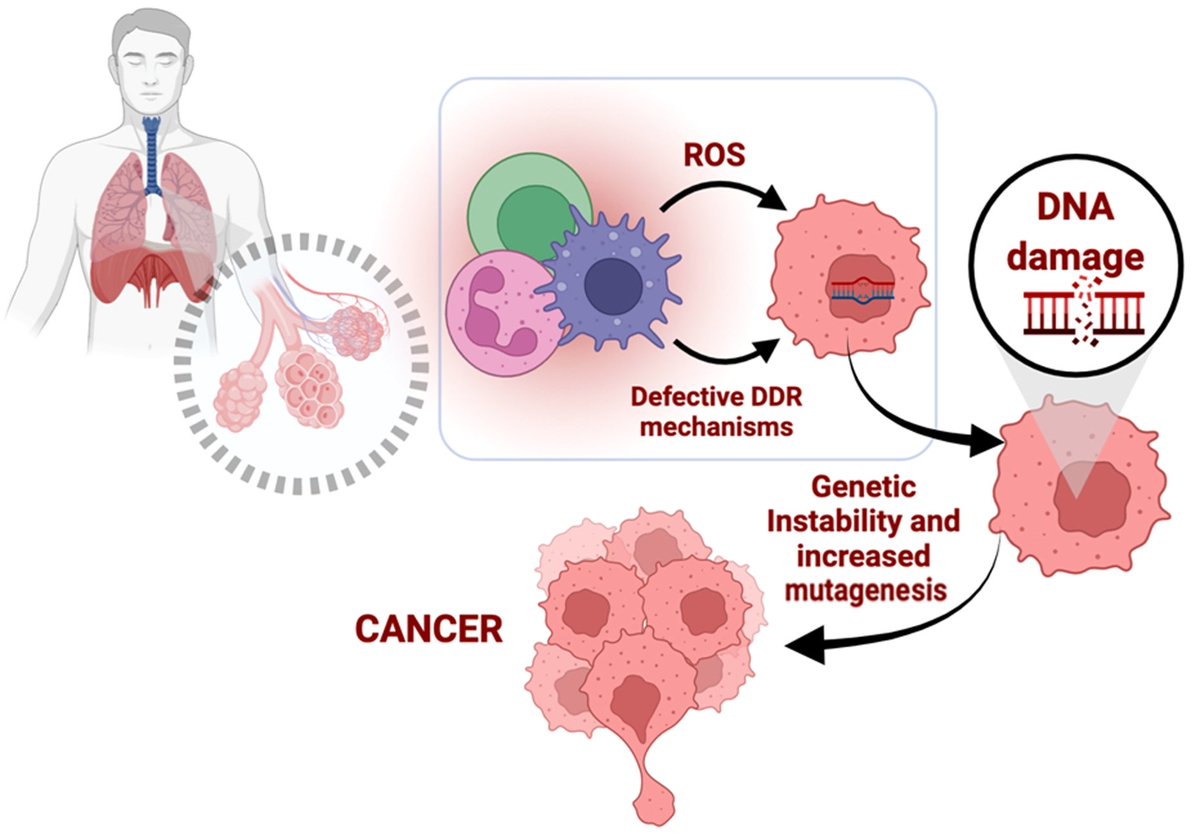
Besides exogenous cancer causing chemicals, our bodies produce free radicals (ROS),
which can damage our DNA and spark the cancer process.
This oxidative stress also drives inflammation & growth.
Besides exogenous cancer causing chemicals, our bodies produce free radicals (ROS),
which can damage our DNA and spark the cancer process.
This oxidative stress also drives inflammation & growth.
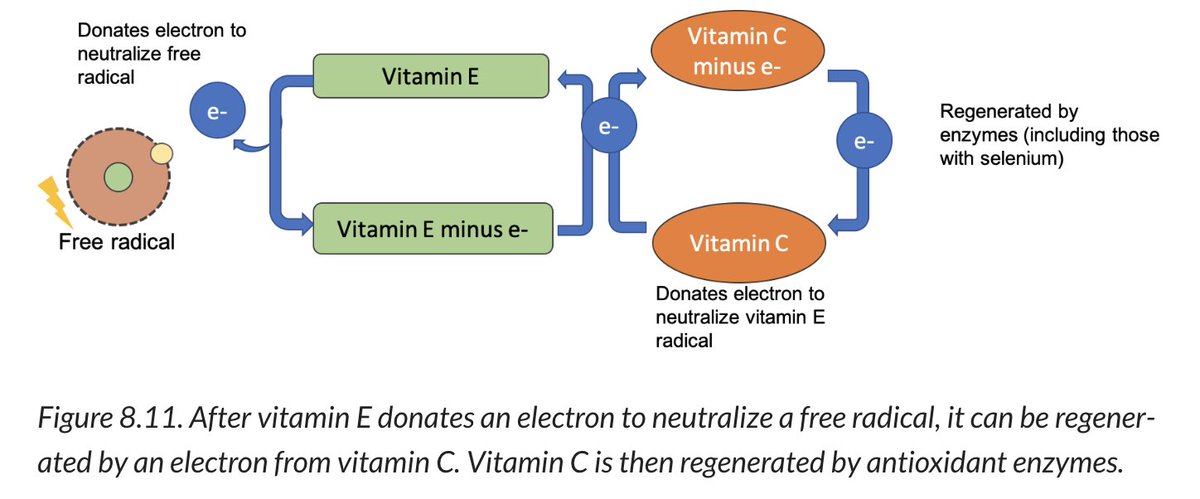
The most important antioxidant supporting nutrients:
• E
• C
• Glycine
• B2
• Zinc
• Copper
• Selenium
• Carnosine
• Iron
I would also utilize foods like fruit (juice), honey, mushrooms and coffee for their antioxidant properties.
• E
• C
• Glycine
• B2
• Zinc
• Copper
• Selenium
• Carnosine
• Iron
I would also utilize foods like fruit (juice), honey, mushrooms and coffee for their antioxidant properties.
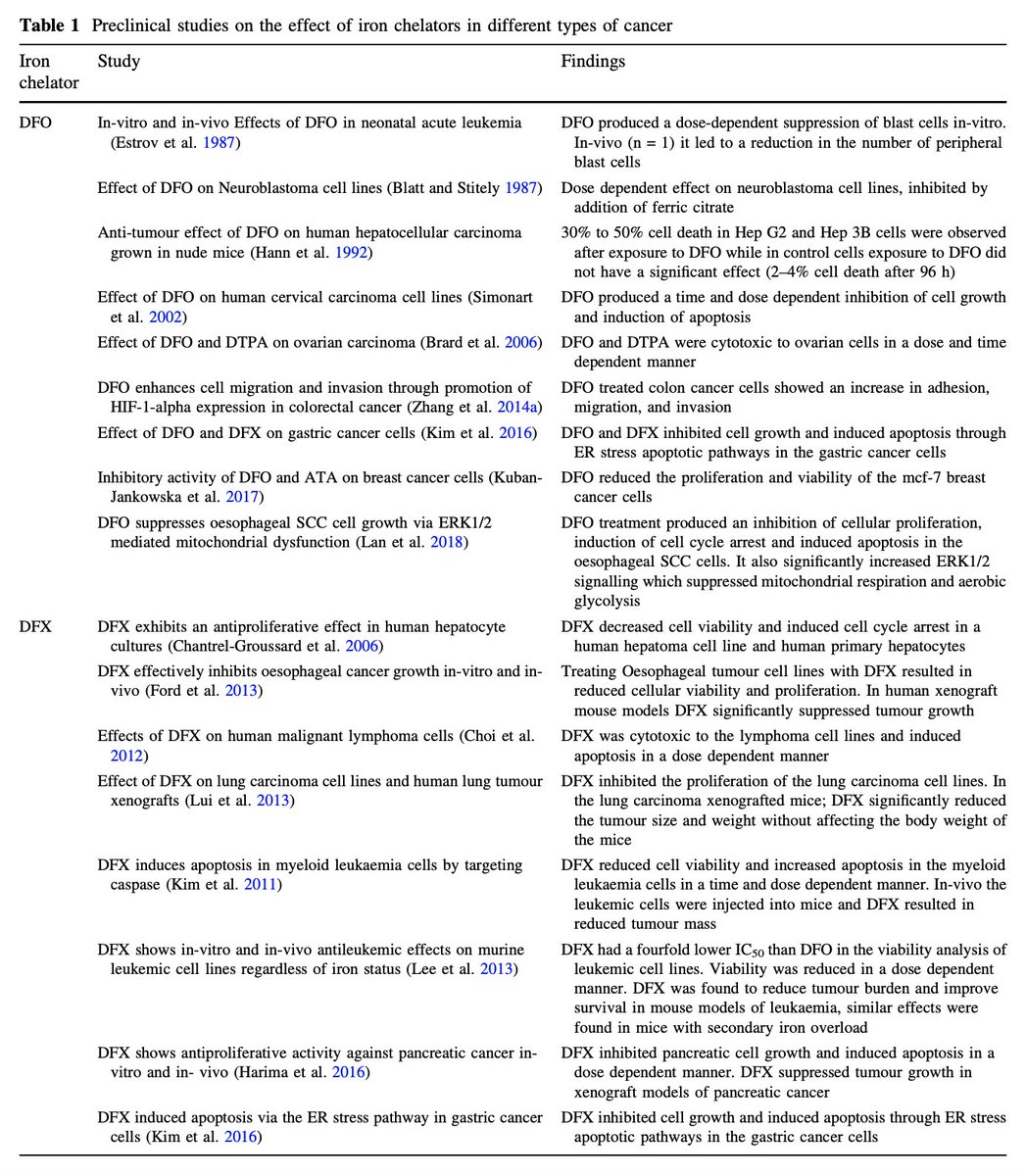
Another KEY driver of oxidative stress is excess iron.
While we certainly need iron, we can also easily get too much of it, or mishandle it in the body.
Iron can “rust” & drive oxidative stress.
Iron chelators are often protective against cancer experimentally.
While we certainly need iron, we can also easily get too much of it, or mishandle it in the body.
Iron can “rust” & drive oxidative stress.
Iron chelators are often protective against cancer experimentally.
The best way to lower iron is to give blood.
IP6, or phytic acid, is found in grains or as a supplement and also chelates iron.
Lactoferrin is a personal favorite of mine, binding up excess iron and preventing inflammation and oxidative stress.
IP6, or phytic acid, is found in grains or as a supplement and also chelates iron.
Lactoferrin is a personal favorite of mine, binding up excess iron and preventing inflammation and oxidative stress.
View Tweet
5. Growth hormones
We have some hormones that drive growth, that, when chronically elevated, are liable to cause cancer.
• Insulin - from metabolic dysfunction
• Estrogen
We have some hormones that drive growth, that, when chronically elevated, are liable to cause cancer.
• Insulin - from metabolic dysfunction
• Estrogen
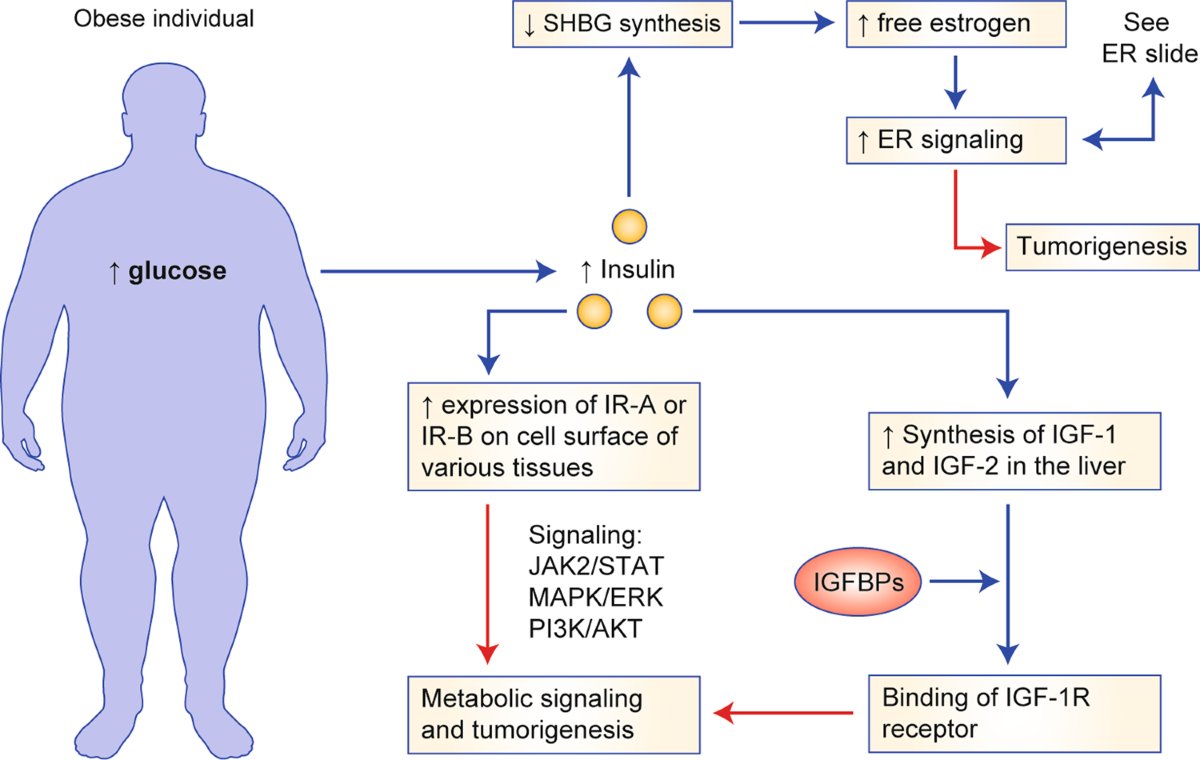
Estrogen is a group of chemicals, well known to induce growth.
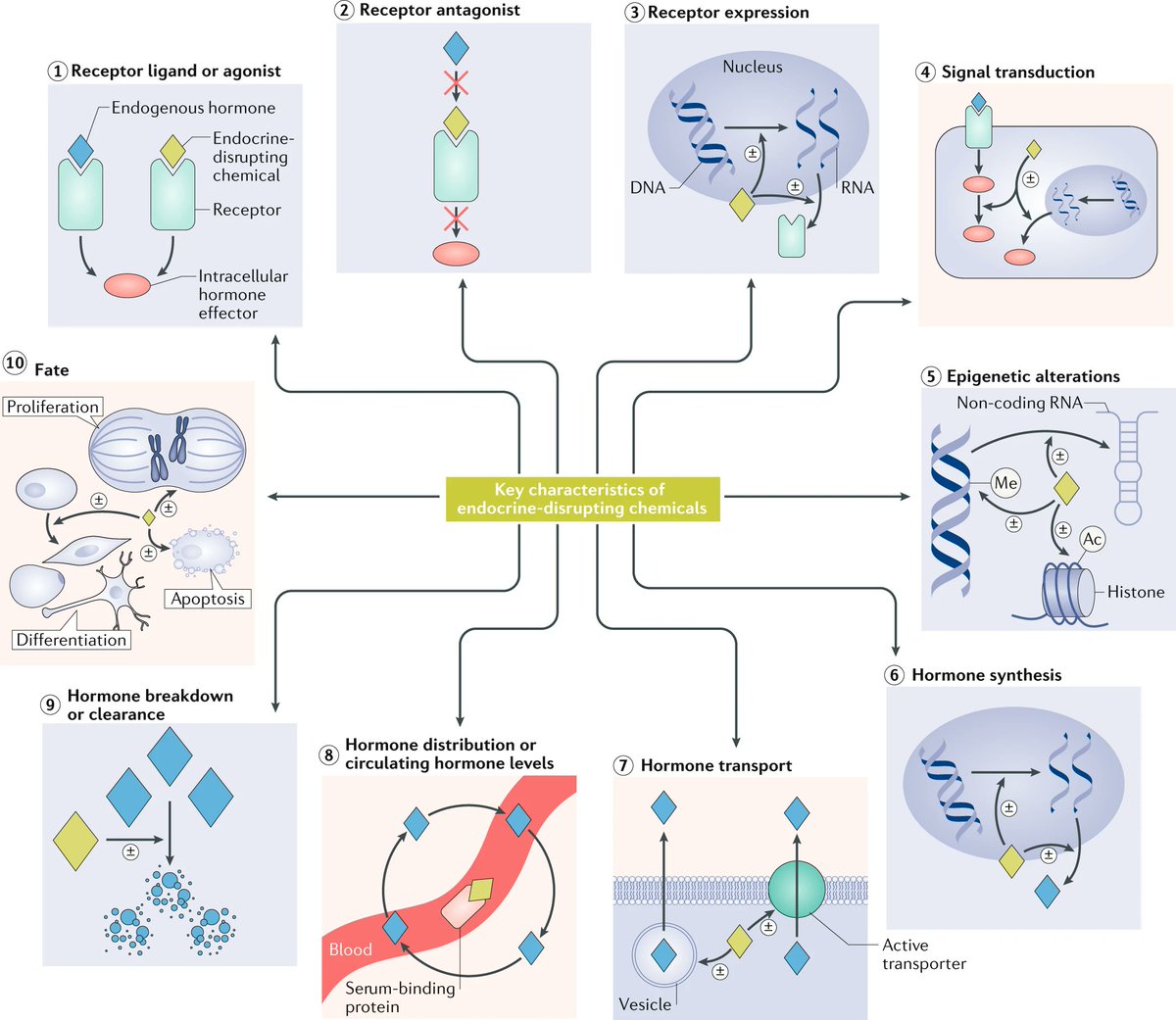
Many endocrine disruptors in things like
• Plastic
• Drugs
• Personal care products
• Cooking materials
• Clothes
& more are estrogenic, and can cause cancer.
Many endocrine disruptors in things like
• Plastic
• Drugs
• Personal care products
• Cooking materials
• Clothes
& more are estrogenic, and can cause cancer.
Generated by Thread Navigator
Press ⌘ + S to quick-export
auto_awesome
Image exported!
Pro export renders embedded tweets & media at 2x Retina resolution.
Upgrade — $5 for 30 days