Another thing we must learn/remember from Rhodesia's story is that...

Will Tanner@Will_Tanner_1
15 views
Jan 18, 2025
~4 min read
Advertisement
1
Another thing we must learn/remember from Rhodesia's story is that most of what you have been taught about the Cold War is false
While America sometimes opposed the USSR, it often used the left, NOT the right, to do so, and destroyed the old empires
I'll explain in the 🧵👇


While America sometimes opposed the USSR, it often used the left, NOT the right, to do so, and destroyed the old empires
I'll explain in the 🧵👇
Will Tanner@Will_Tanner_1
But then the US and UK allied with the USSR and Red China to destroy it.
One of the Royal Navy's last great gasps was trying to blockade the port of Beira, Mozambique, to cut off Rhodesia's supply of oil
The US, particularly commie-friendly Andy Young, waged moral war on Rhodesia, falsely labeling an apartheid-style, "racist" country. Ian Smith, meanwhile, had great relationships with the tribal chiefs and blacks fought in large numbers for the Rhodesian militart
Both the US and UK let sanctions against Rhodesia pass the UN. These were the first sanctions in UN history and were mandatory; member states had to enforce them, and all but Israel, Portugal, and South Africa did so
One of the Royal Navy's last great gasps was trying to blockade the port of Beira, Mozambique, to cut off Rhodesia's supply of oil
The US, particularly commie-friendly Andy Young, waged moral war on Rhodesia, falsely labeling an apartheid-style, "racist" country. Ian Smith, meanwhile, had great relationships with the tribal chiefs and blacks fought in large numbers for the Rhodesian militart
Both the US and UK let sanctions against Rhodesia pass the UN. These were the first sanctions in UN history and were mandatory; member states had to enforce them, and all but Israel, Portugal, and South Africa did so
2
This is often one bit of criticism I get from my Rhodesia threads: people argue that the explanation for the West's destruction of Rhodesia, which is that democracy/egalitarianism compelled "us" to do it, makes no sense
"After all," they argue, "America worked with all manner of far-right dictators in the Cold War. Why would DC care about Ian Smith? It can't have been about democracy, it has to have been something else"
"After all," they argue, "America worked with all manner of far-right dictators in the Cold War. Why would DC care about Ian Smith? It can't have been about democracy, it has to have been something else"
3
That argument is quite wrong for a few reasons
First, there are only a couple of examples. Temporarily Rhee in South Korea, but he was later pushed out in exchange for "liberal democracy." To some extent, Reagan worked with rightists like Pinochet in Argentina, the Contras, and rightists in El Salvador
But, that misses the forest for the trees. For one, Reagan came after Rhodesia, and so his san(er) policies aren't directly relevant. Further, his administration was attacked for working with the Contras and the fight against communism in South America was smeared as a vivacious "dirty war."

First, there are only a couple of examples. Temporarily Rhee in South Korea, but he was later pushed out in exchange for "liberal democracy." To some extent, Reagan worked with rightists like Pinochet in Argentina, the Contras, and rightists in El Salvador
But, that misses the forest for the trees. For one, Reagan came after Rhodesia, and so his san(er) policies aren't directly relevant. Further, his administration was attacked for working with the Contras and the fight against communism in South America was smeared as a vivacious "dirty war."
4
Further, where America worked with brutal warlords - such as in our tentative support for UNITA in Angola or the Contras in Nicaragua, and in both cases it was only under Reagan "we" did so - it was always with post-colonial governments.
Never did we, say, support the Belgians in the Congo, the Portuguese in Angola, or the British in Malaysia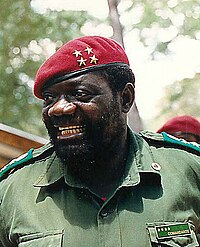
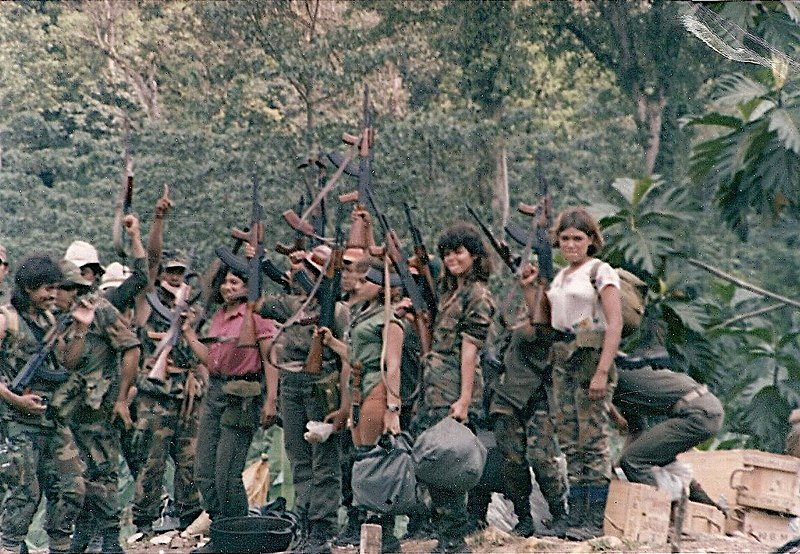
Never did we, say, support the Belgians in the Congo, the Portuguese in Angola, or the British in Malaysia
5
Rather, the Cold War generally involved America letting the old empires fall apart, and then work with the leftmost non-communist group in the country.
That was clearly seen in Italy after WWII, with the socialists supported over the monarchy, and was quite evident in Vietnam, where our focus remained "land reform" rather than establishing order
Similarly, America refused to support those who might bring order to the Congo, or even to allow Katanga to break away and remain stable while the rest of it fell to chaos. Millions have died, often in quite brutal ways, as a result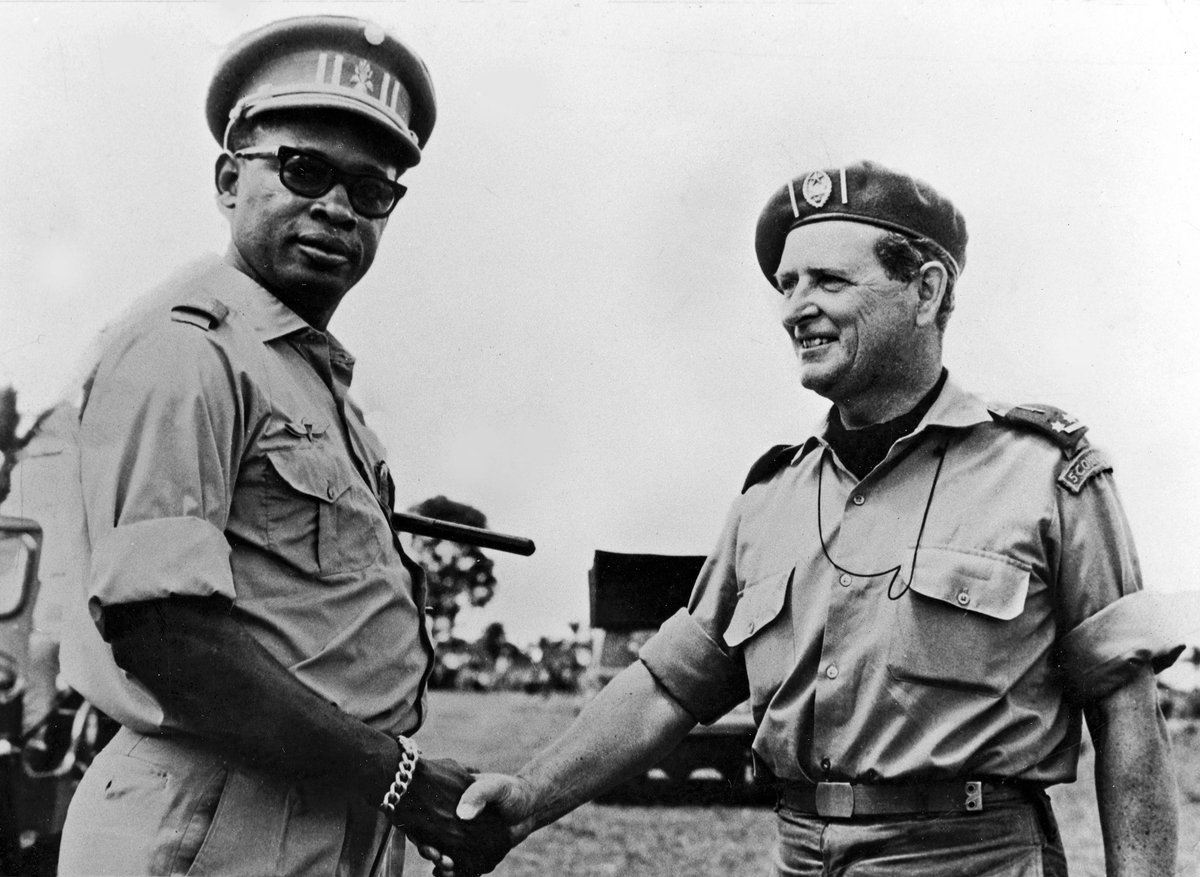
That was clearly seen in Italy after WWII, with the socialists supported over the monarchy, and was quite evident in Vietnam, where our focus remained "land reform" rather than establishing order
Similarly, America refused to support those who might bring order to the Congo, or even to allow Katanga to break away and remain stable while the rest of it fell to chaos. Millions have died, often in quite brutal ways, as a result
6
So, sometimes America worked with "anyone," namely Pinochet, the Shah, and Rhee. But those were all post-colonial governments, not actually "anyone"
But it was nearly always grudgingly, and they were often forced out and betrayed when their usefulness ran out. Pinochet is a prime example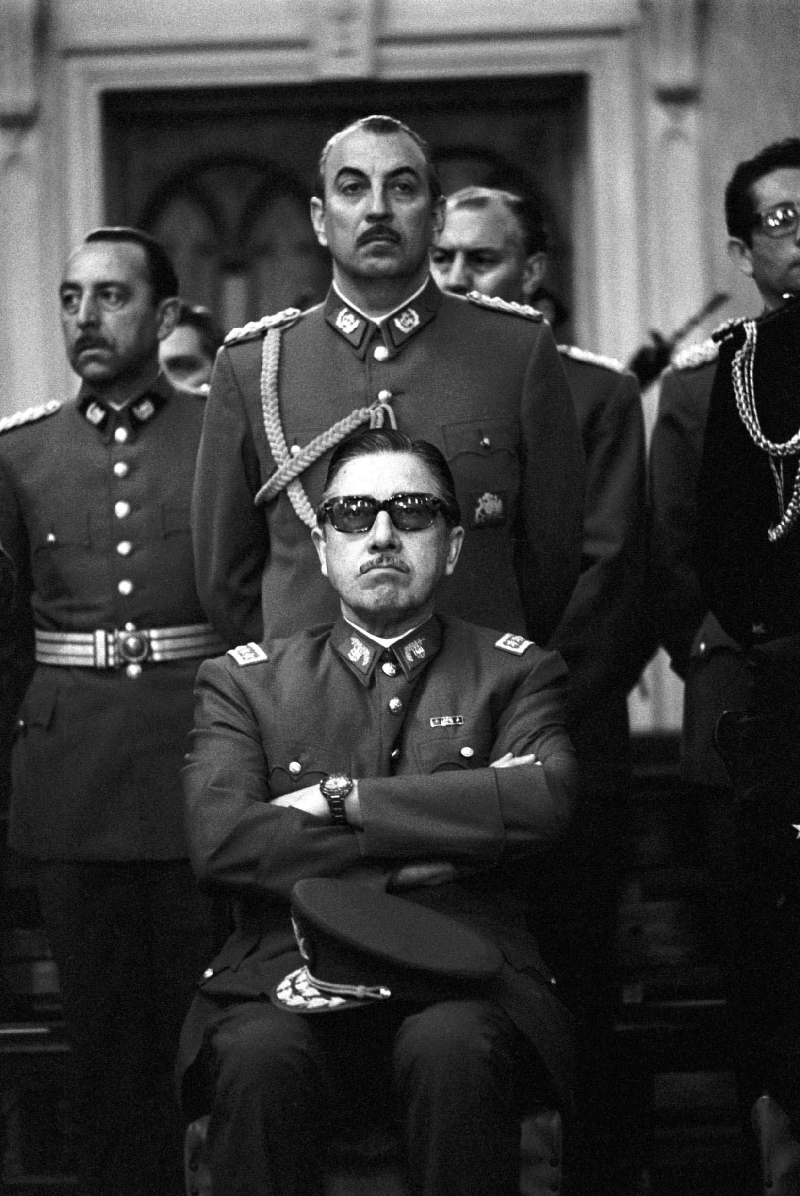
But it was nearly always grudgingly, and they were often forced out and betrayed when their usefulness ran out. Pinochet is a prime example
7
But when the pre-WW2 governments remained in power, the West, particularly America and post-Eden Britain, remained implacably hostile.
Salazar and Franco were treated as beyond the pale despite having saved their countries from nun-killing communists. Their governments were subverted by the intelligence agencies and their colonies fell to the communists, with dire results for those living in them, black and white alike
South Africa was completely isolated over its (admittedly quite morally wrong) internal policies, despite remaining a bulwark against communism in Namibia and Angola
The French and British were removed from the world power chessboard for attempting to retain control of Suez, and were damned for attempting to hold onto colonies like Algeria and Malaysia. They gave them up and horrors followed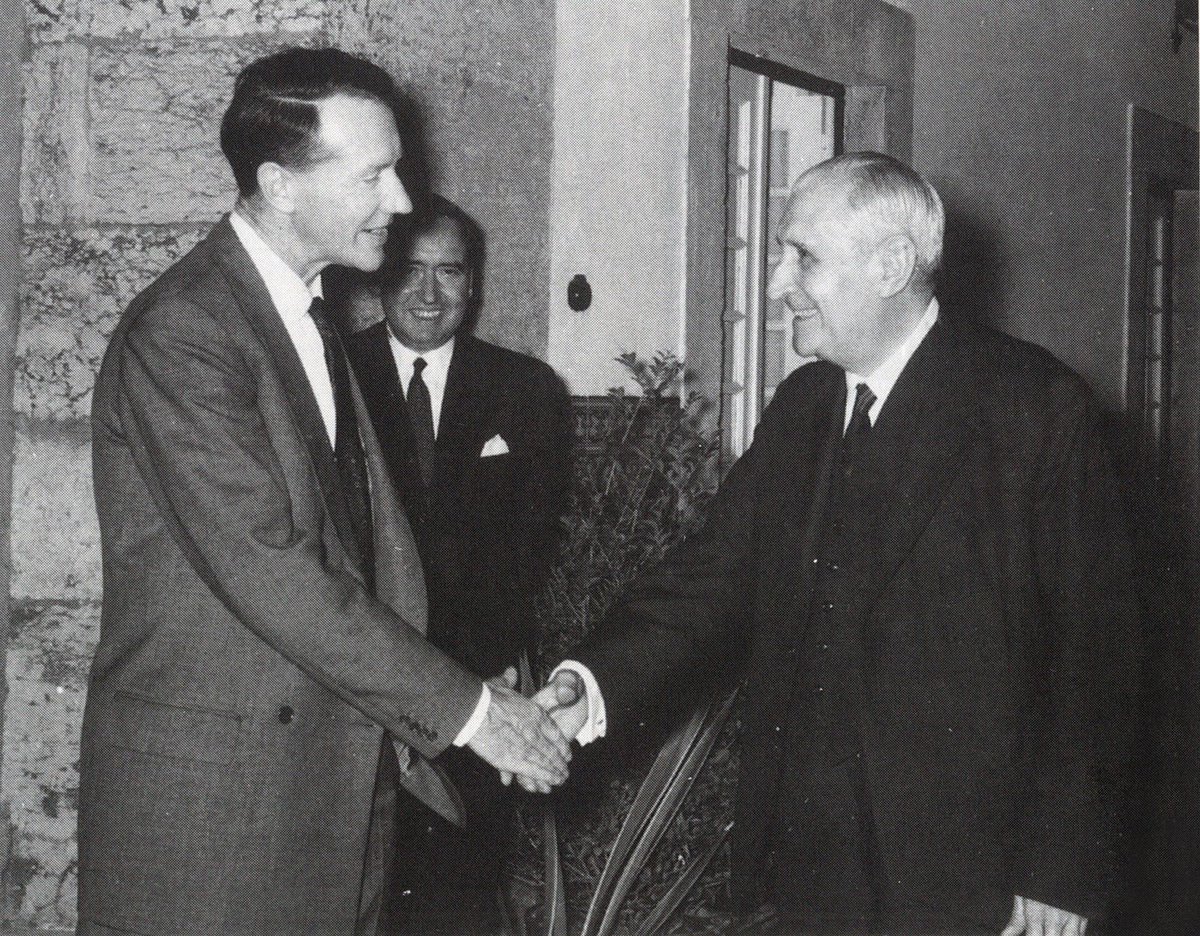
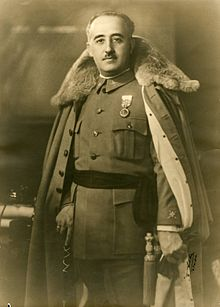
Salazar and Franco were treated as beyond the pale despite having saved their countries from nun-killing communists. Their governments were subverted by the intelligence agencies and their colonies fell to the communists, with dire results for those living in them, black and white alike
South Africa was completely isolated over its (admittedly quite morally wrong) internal policies, despite remaining a bulwark against communism in Namibia and Angola
The French and British were removed from the world power chessboard for attempting to retain control of Suez, and were damned for attempting to hold onto colonies like Algeria and Malaysia. They gave them up and horrors followed
8
In short, America wouldn't work with those "colonial" governments, even if they were responsible, good for their subjects/citizens, and opposed to communism
It would only work with post-colonial dictators like Rhee or far-left "liberal democracies" in the West
It would only work with post-colonial dictators like Rhee or far-left "liberal democracies" in the West
9
And that brings us to Rhodesia. It retained its colonial image thanks largely to its being "more British than the British" and primarily white government, which was elected by a propertied voting bloc rather than mass democracy
So, it didn't matter that Rhodesia was prosperous, stable, opposed to communism, or without an apartheid system
So, it didn't matter that Rhodesia was prosperous, stable, opposed to communism, or without an apartheid system
10
All that mattered was that it wasn't a truly post-colonial country like the post-Belgian, blood-soaked Congo
So, as it resisted the changing of the tides that FDR and Stalin (and thus their political descendants) wanted, Rhodesia was cut off from the world with sanctions and embargoes, those attempting destroy it were armed, and it was destroyed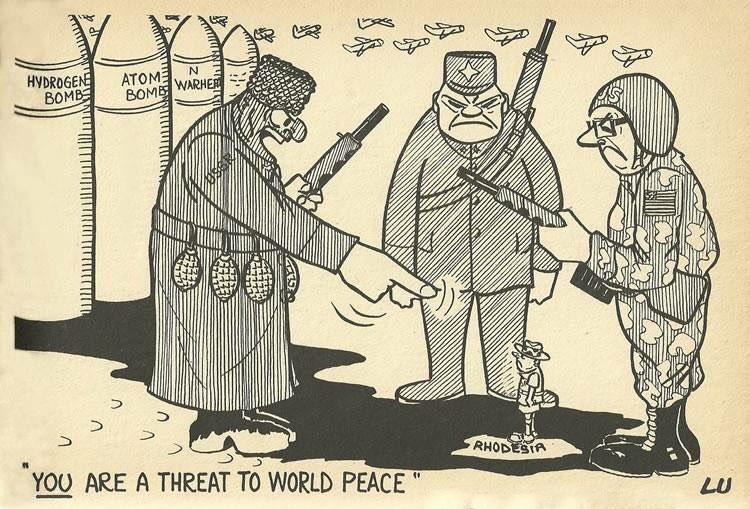
So, as it resisted the changing of the tides that FDR and Stalin (and thus their political descendants) wanted, Rhodesia was cut off from the world with sanctions and embargoes, those attempting destroy it were armed, and it was destroyed
11
In short, the Cold War policy of the "liberal democracies" was not to work with "anyone" opposed to communism
It was to work with post-colonial governments, preferably as far to the left as possible, to destroy the old empires and, if that was accomplished, resist the USSR
It was to work with post-colonial governments, preferably as far to the left as possible, to destroy the old empires and, if that was accomplished, resist the USSR
12
Read more about Rhodesia here: theamericantribune.news/p/why-rhodesia…
