In your opinion, when did architecture peak? According to the 7...

The Culturist@the_culturist_
32 views
Jul 23, 2024
~2 min read
Advertisement
1
In your opinion, when did architecture peak?
According to the 7 principles of architecture, there is only one correct answer... 🧵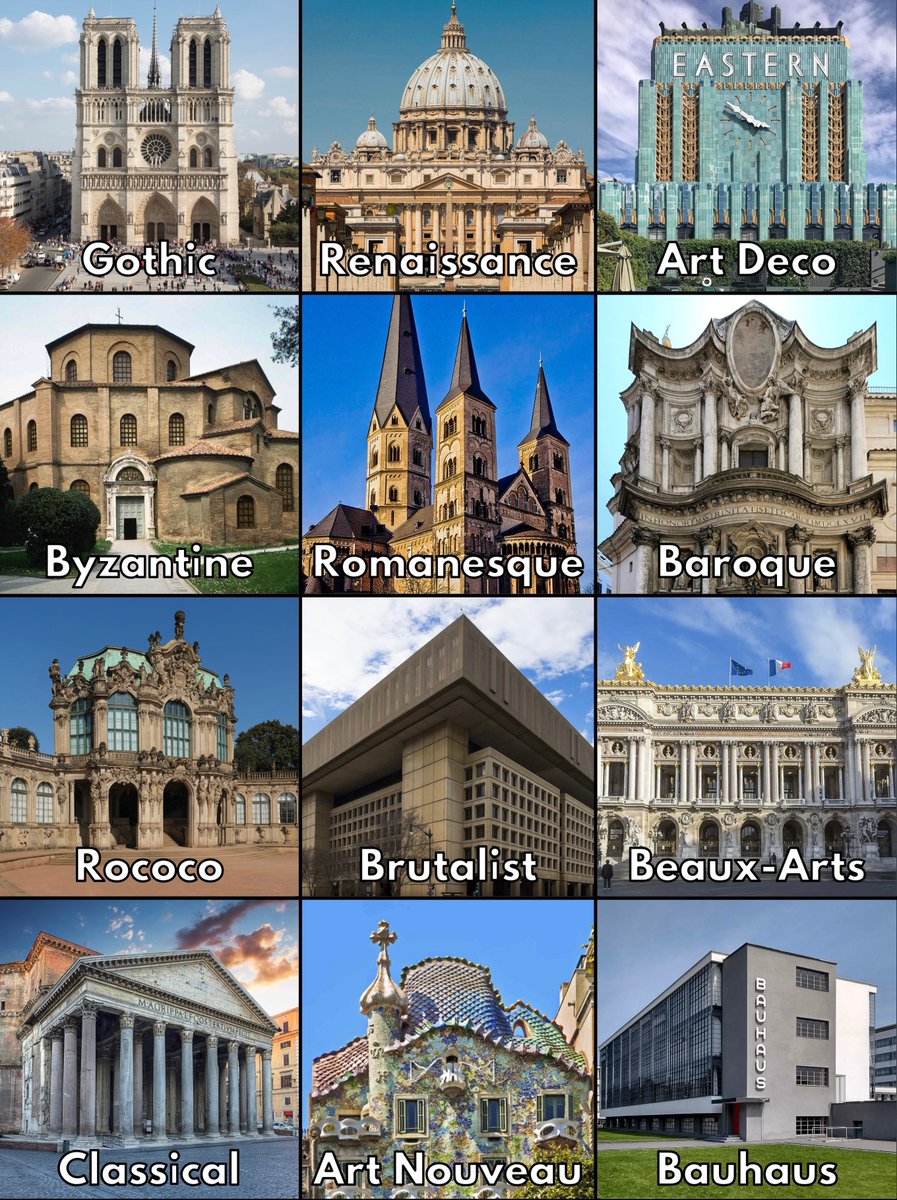
According to the 7 principles of architecture, there is only one correct answer... 🧵
2
The answer is Gothic — according to Victorian philosopher John Ruskin. He put forward 7 "lamps" required to lift architecture to its highest form.
But they're not precise rules or ratios. They're 7 moral virtues applied to architecture...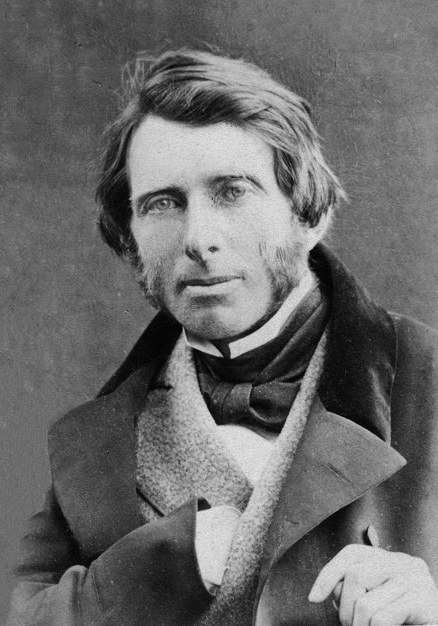
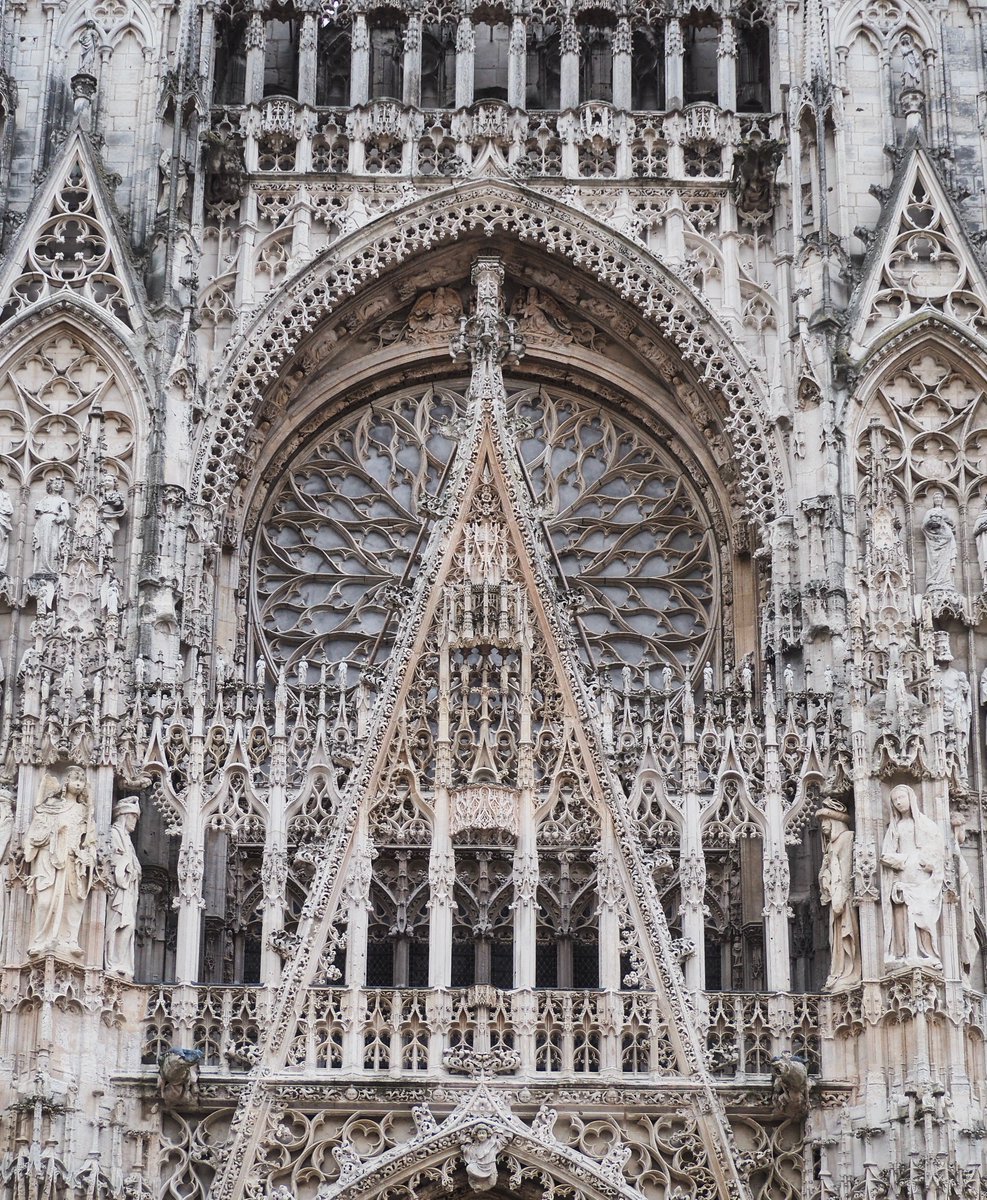
But they're not precise rules or ratios. They're 7 moral virtues applied to architecture...
3
First is sacrifice. Buildings must have visible proof of the love and dedication that went into them.
Today, we generally produce the largest result for the least cost, shaving any "unnecessary" detail or material from the design...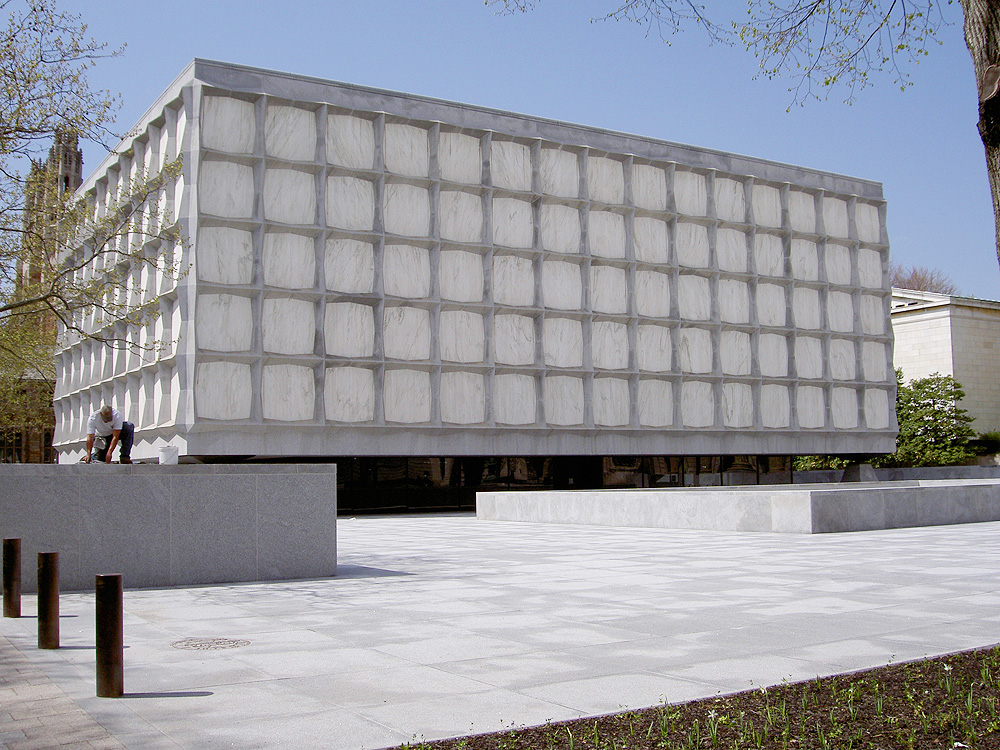
Today, we generally produce the largest result for the least cost, shaving any "unnecessary" detail or material from the design...
4
But buildings should be costly (in materials or effort), because it proves love and sacrifice went in — for everyone's benefit.
It's in the "unnecessary" details that Gothic comes alive: exactly how much the builders labored is visible for all to see.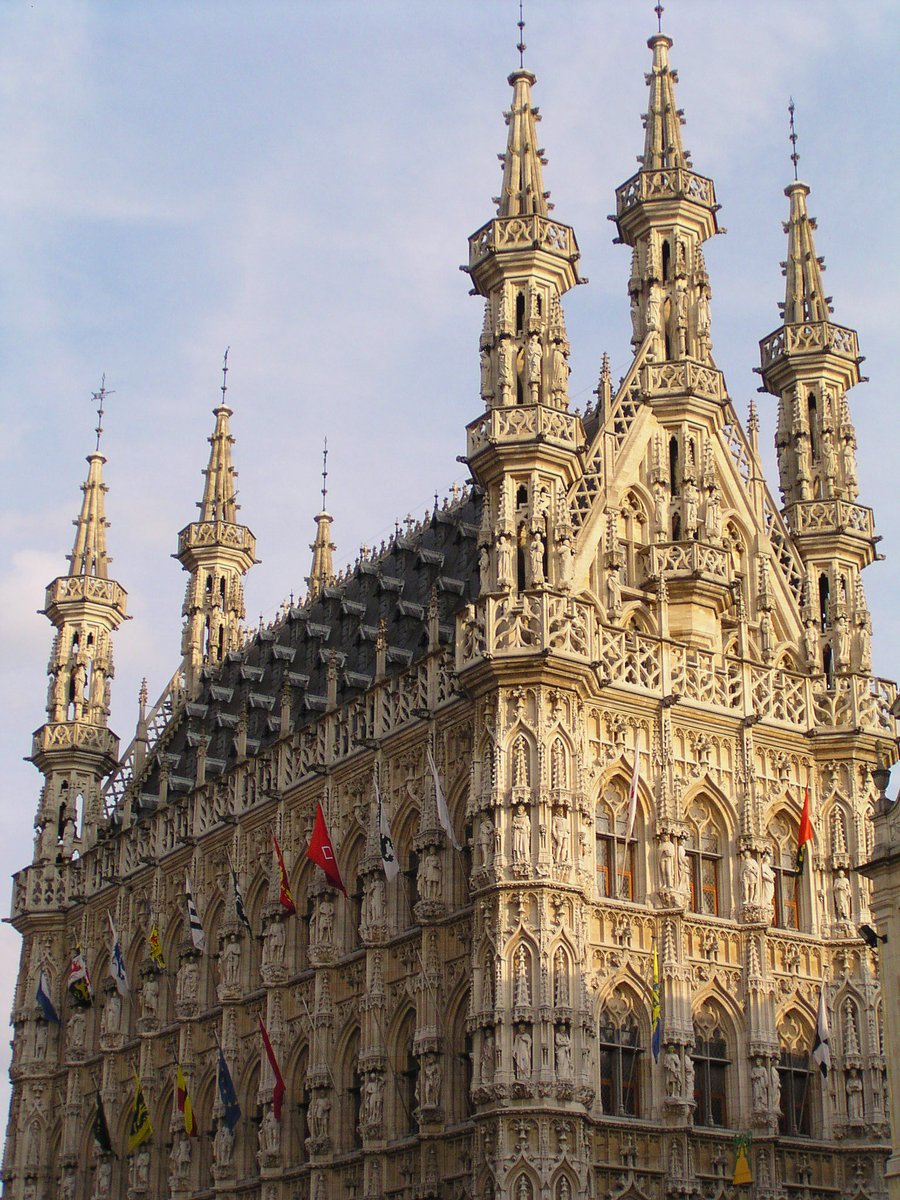
It's in the "unnecessary" details that Gothic comes alive: exactly how much the builders labored is visible for all to see.
5
Second is truth, or honesty.
In Gothic, there's no plaster or veneers hiding the underlying structure — just raw stone revealing only the builders' immense handiwork. Structural elements (like rib vaults) are celebrated in the design.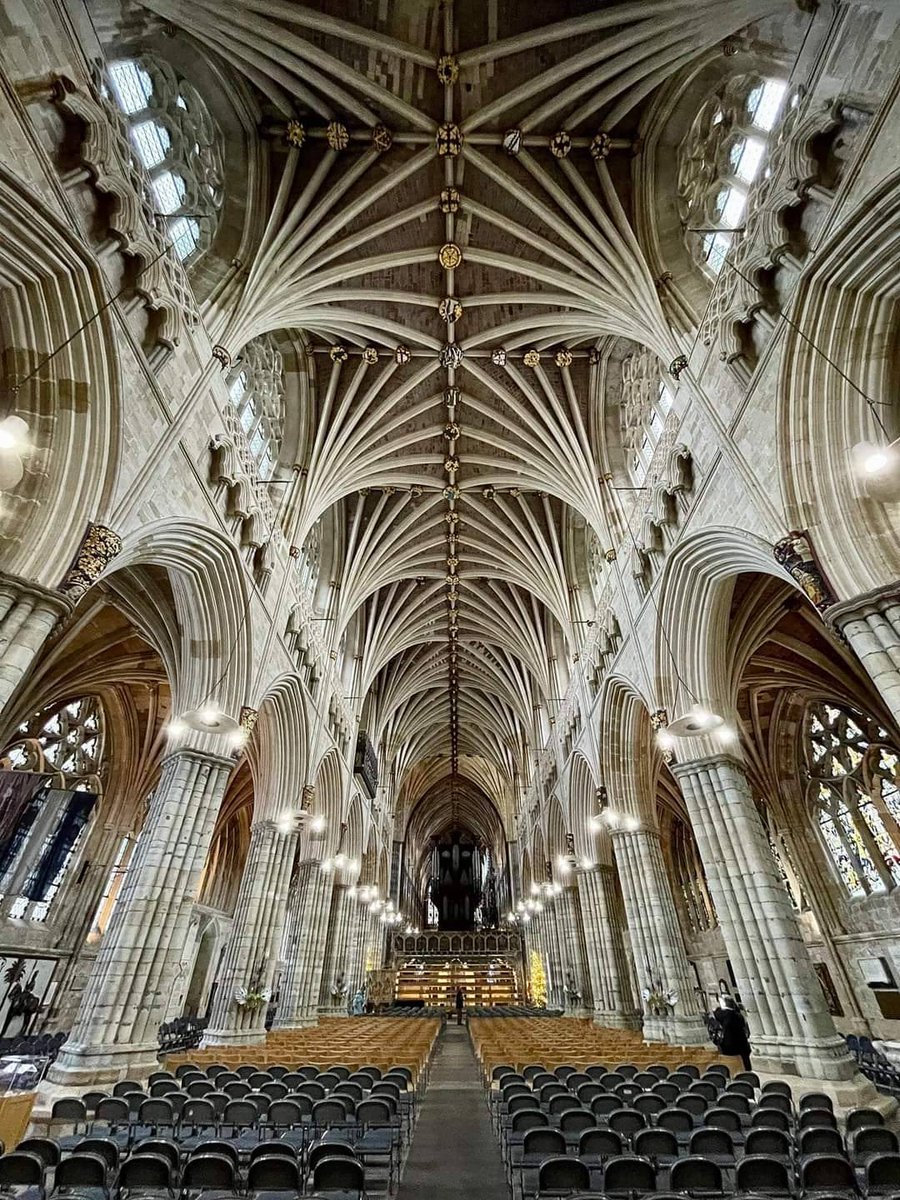
In Gothic, there's no plaster or veneers hiding the underlying structure — just raw stone revealing only the builders' immense handiwork. Structural elements (like rib vaults) are celebrated in the design.
6
Classical architecture is structurally honest, but there's little room for individuality or imperfection — only strict order and repetition.
Gothic architecture reveals a certain honesty, through the irregular, hand-carved artistry of stonemasons.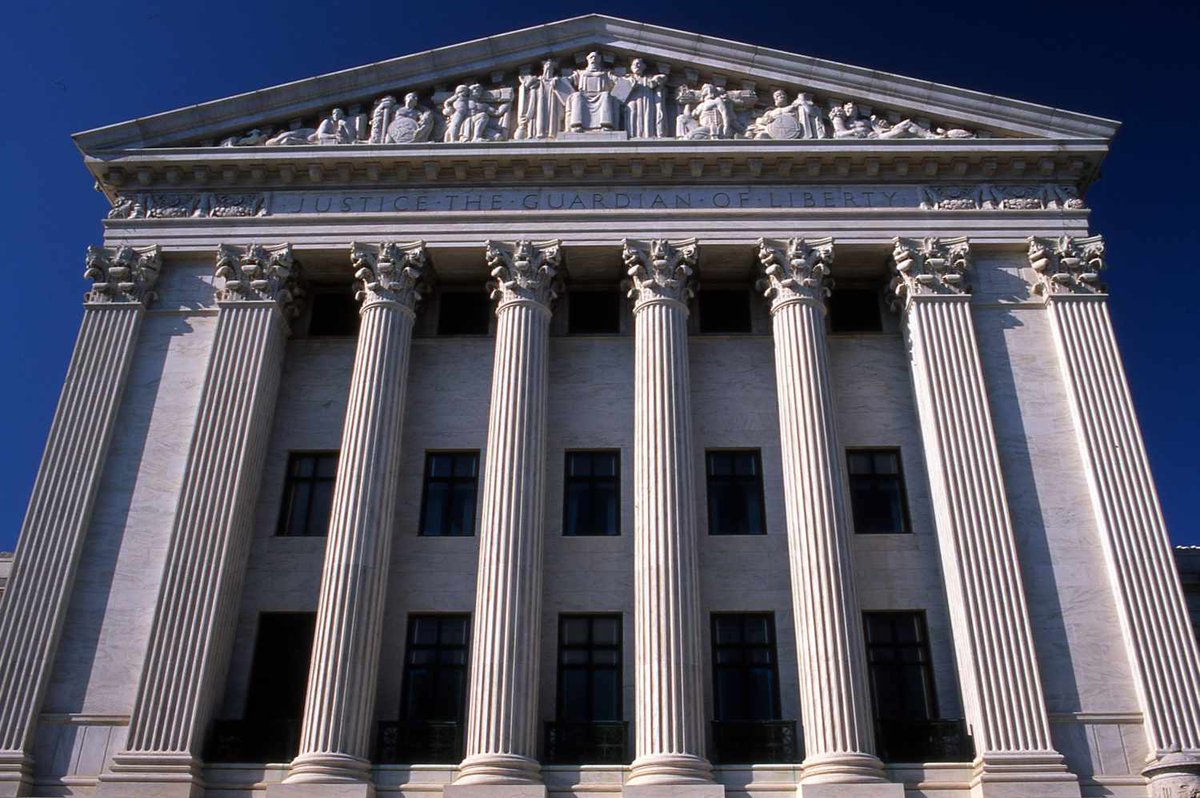
Gothic architecture reveals a certain honesty, through the irregular, hand-carved artistry of stonemasons.
7
Third is power — buildings should command your attention with a certain spiritual intensity.
Gothic was designed more than anything for this purpose. It compels you to gaze upward in awe...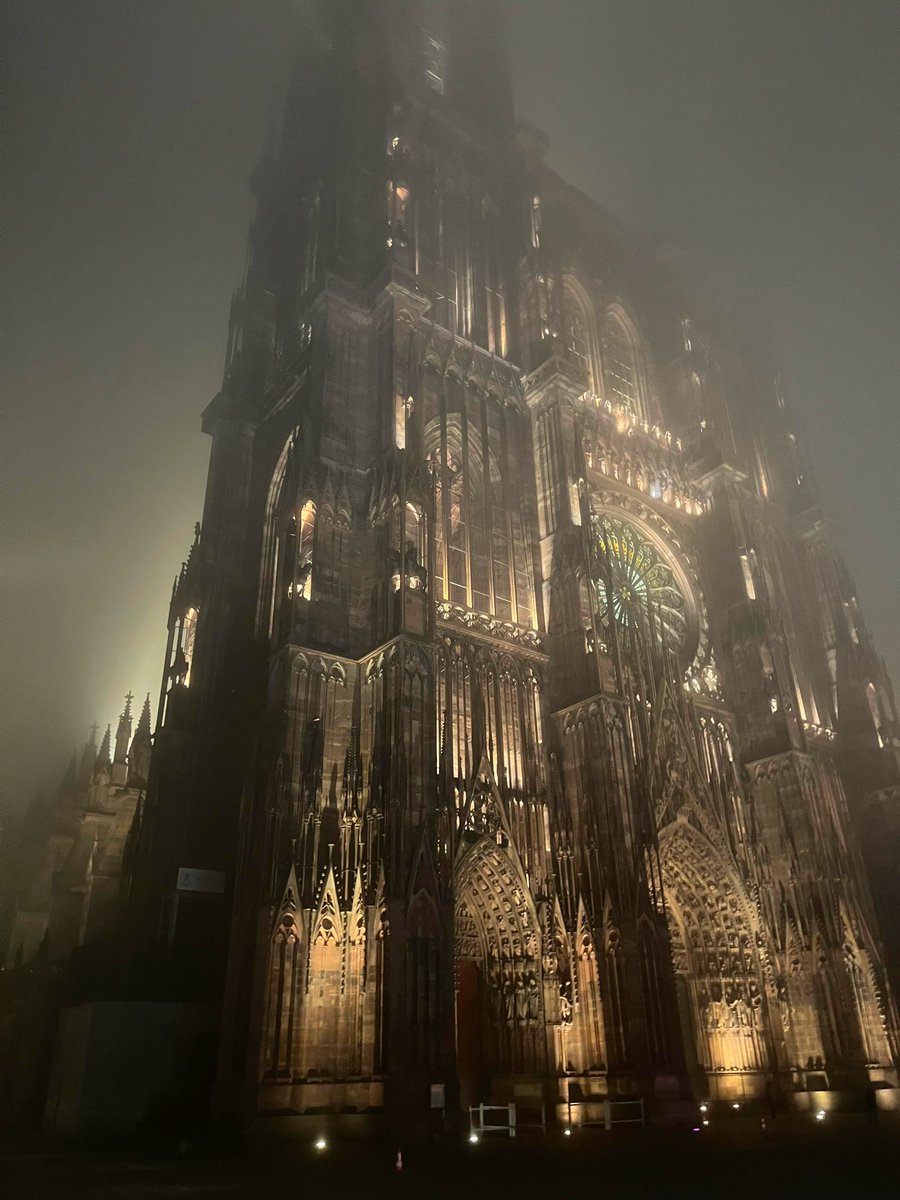
Gothic was designed more than anything for this purpose. It compels you to gaze upward in awe...
8
Innovations like the flying buttress and the pointed arch made possible higher ceilings, thinner walls and larger windows that let light pour in.
The idea was that light itself is divine.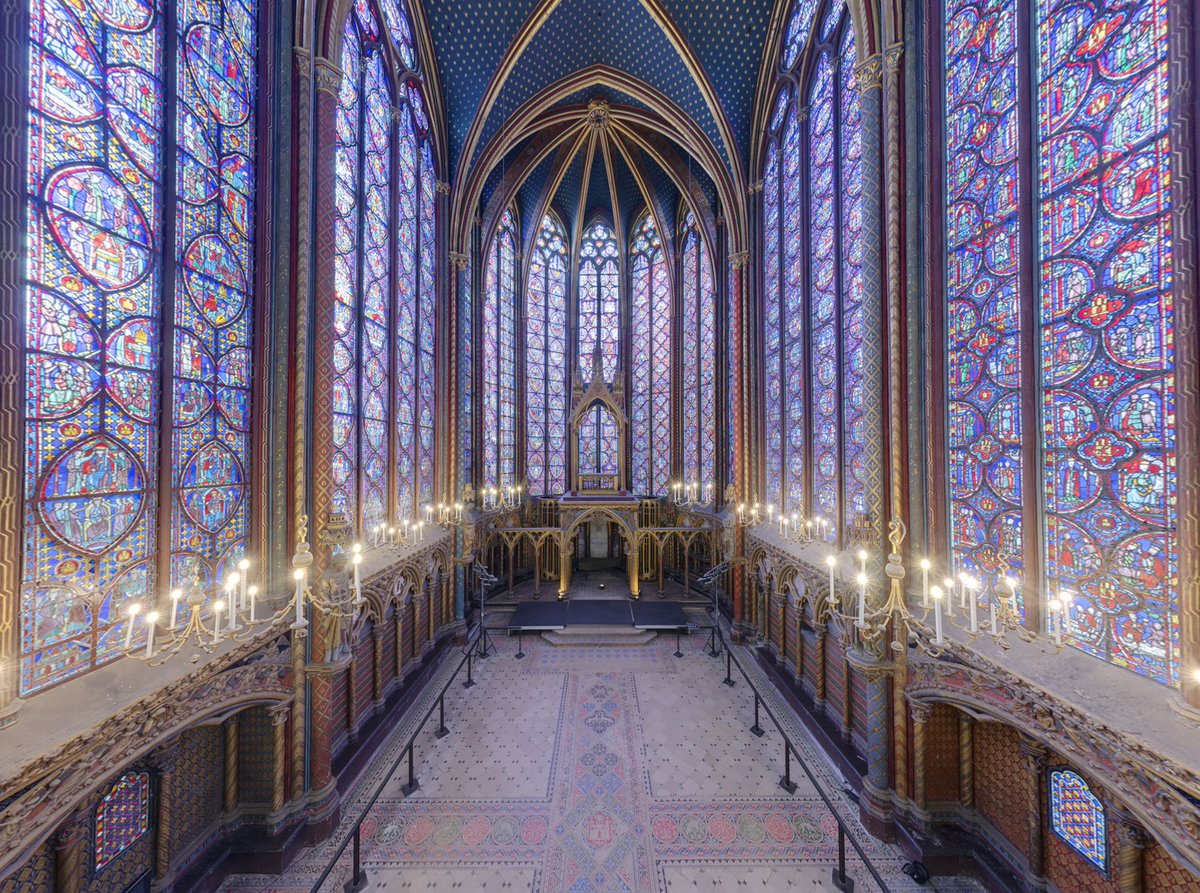
The idea was that light itself is divine.
9
Fourth is beauty. Where is this ultimately found, according to Ruskin?
It's found in nature. Buildings should borrow the forms molded by God himself: pillars mirror tree trunks, and pointed arches are like the termination of leaves.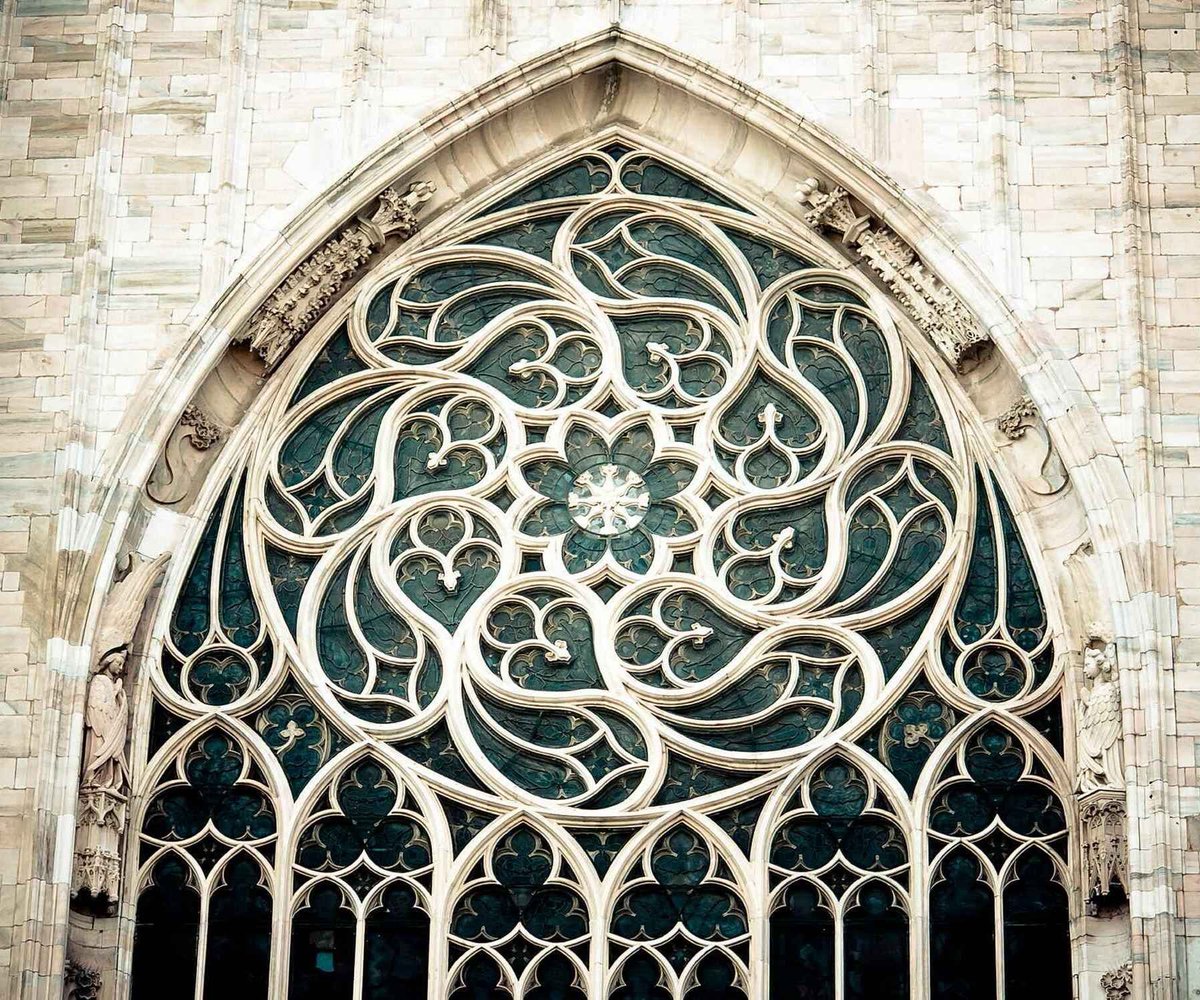
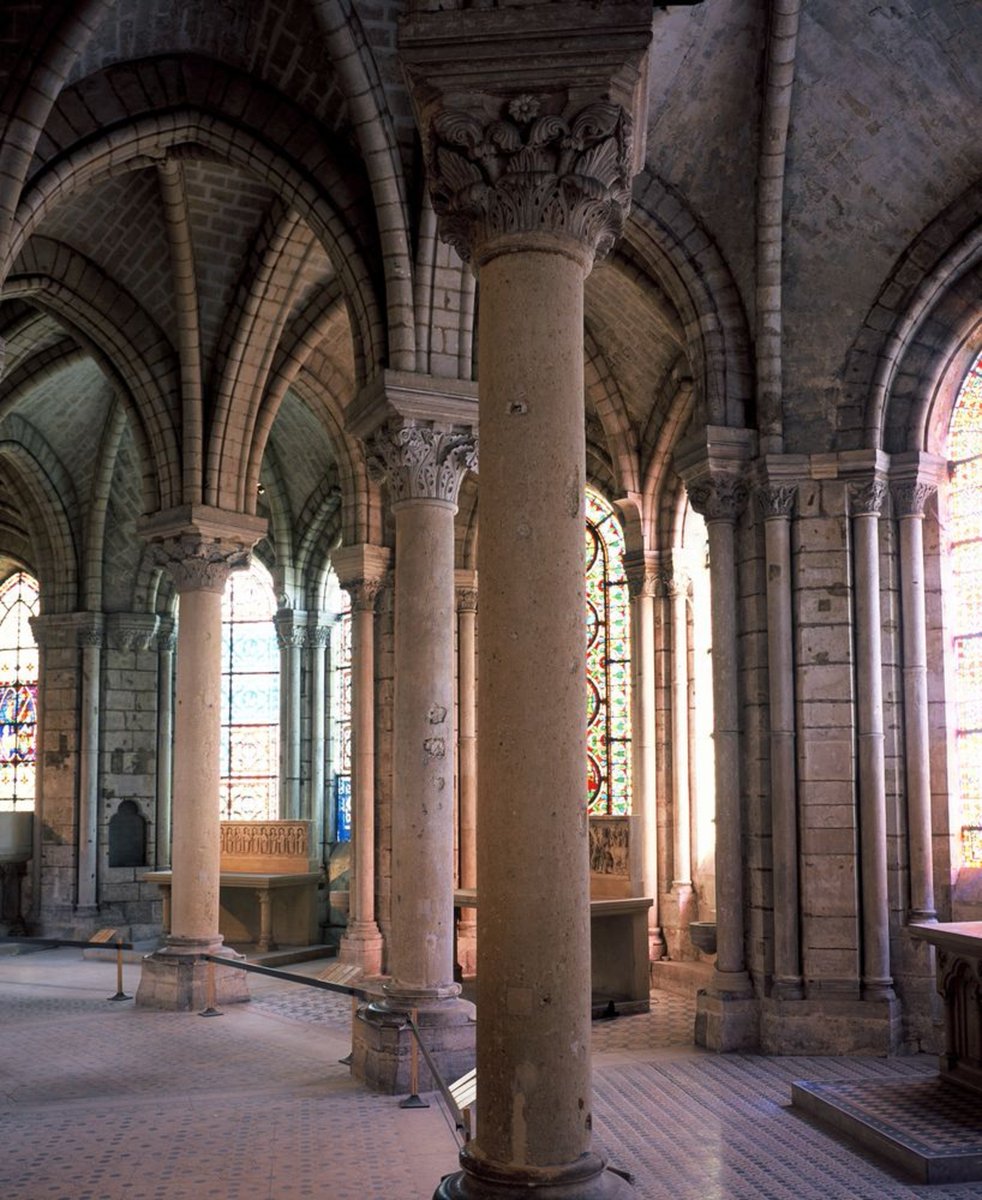
It's found in nature. Buildings should borrow the forms molded by God himself: pillars mirror tree trunks, and pointed arches are like the termination of leaves.
10
Fifth is life — there must be a human touch present.
There's nothing static or lifeless about a Gothic facade. It contains the vital energy of hundreds of artisans who worked it by hand. They took something of monumental scale and made it human again.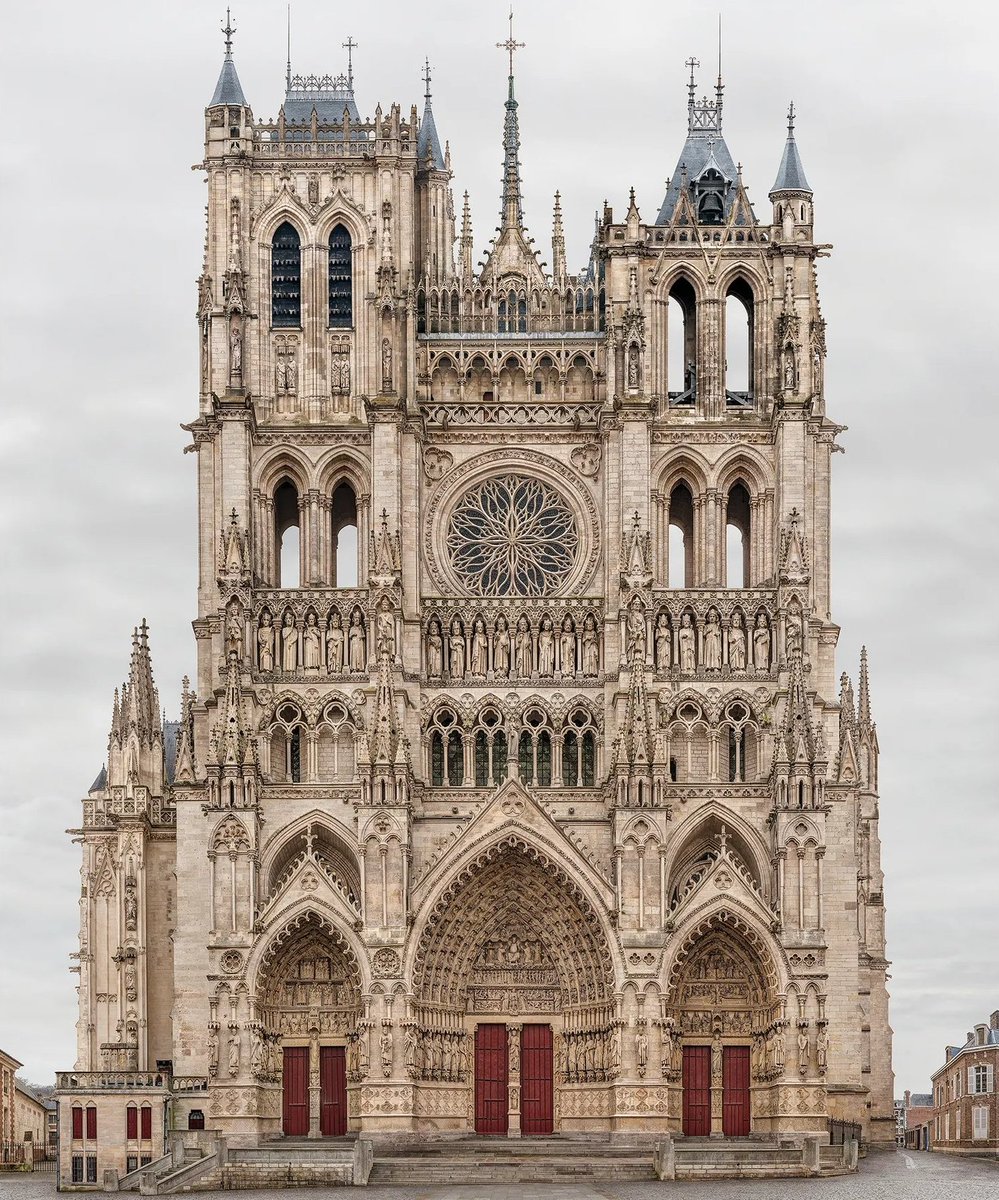
There's nothing static or lifeless about a Gothic facade. It contains the vital energy of hundreds of artisans who worked it by hand. They took something of monumental scale and made it human again.
11
Sixth is memory. A building should connect you to the past in two ways:
Gothic evolved gradually from Romanesque, so it connects you to the Medieval age. But there is symbolism in its sculptures and ornaments that takes you back several millennia.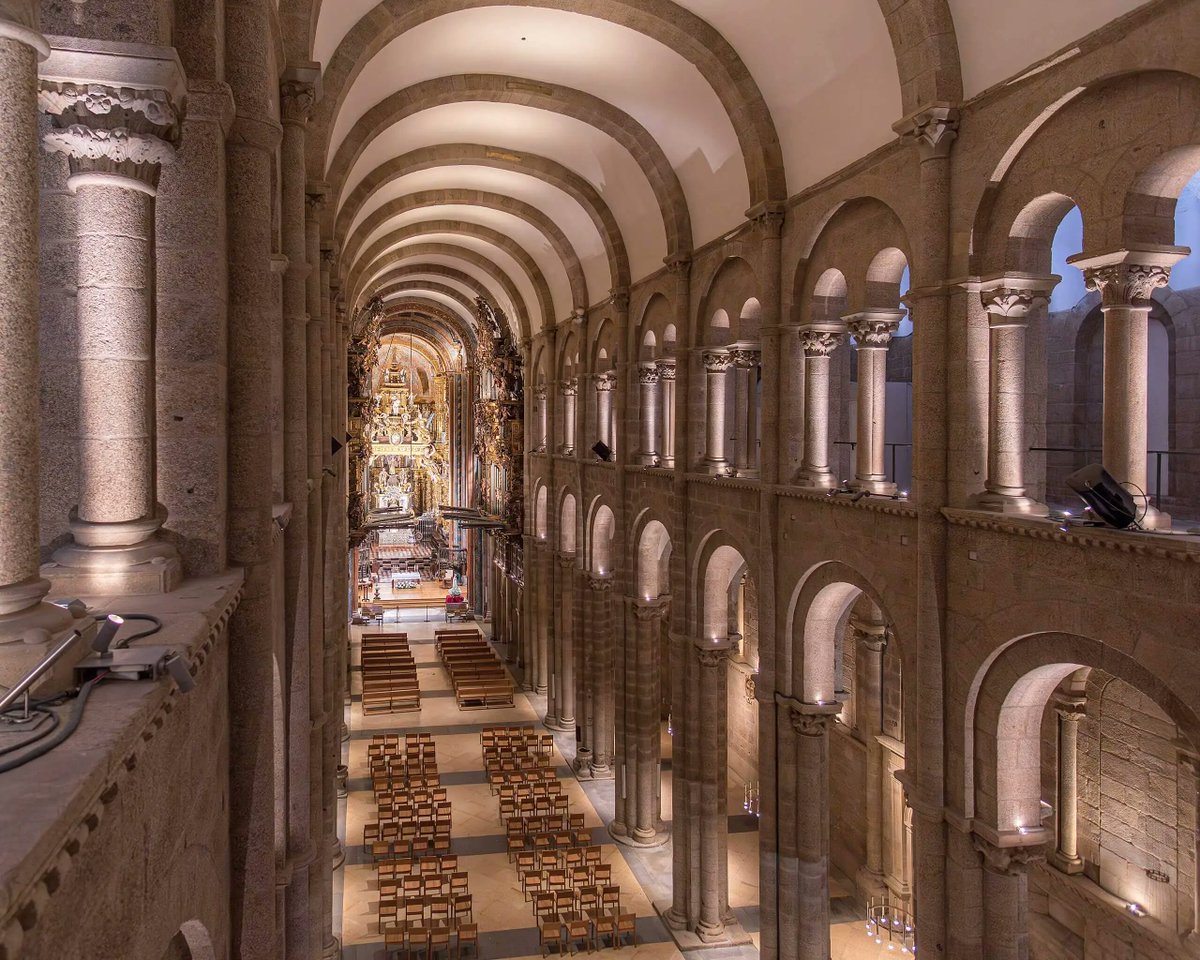
Gothic evolved gradually from Romanesque, so it connects you to the Medieval age. But there is symbolism in its sculptures and ornaments that takes you back several millennia.
12
Last is obedience. Architecture should follow the timeless principles passed down to us.
Just as originality in poetry doesn't rely on the invention of new words, or in painting the invention of colors, great buildings needn't stray from timeless elements...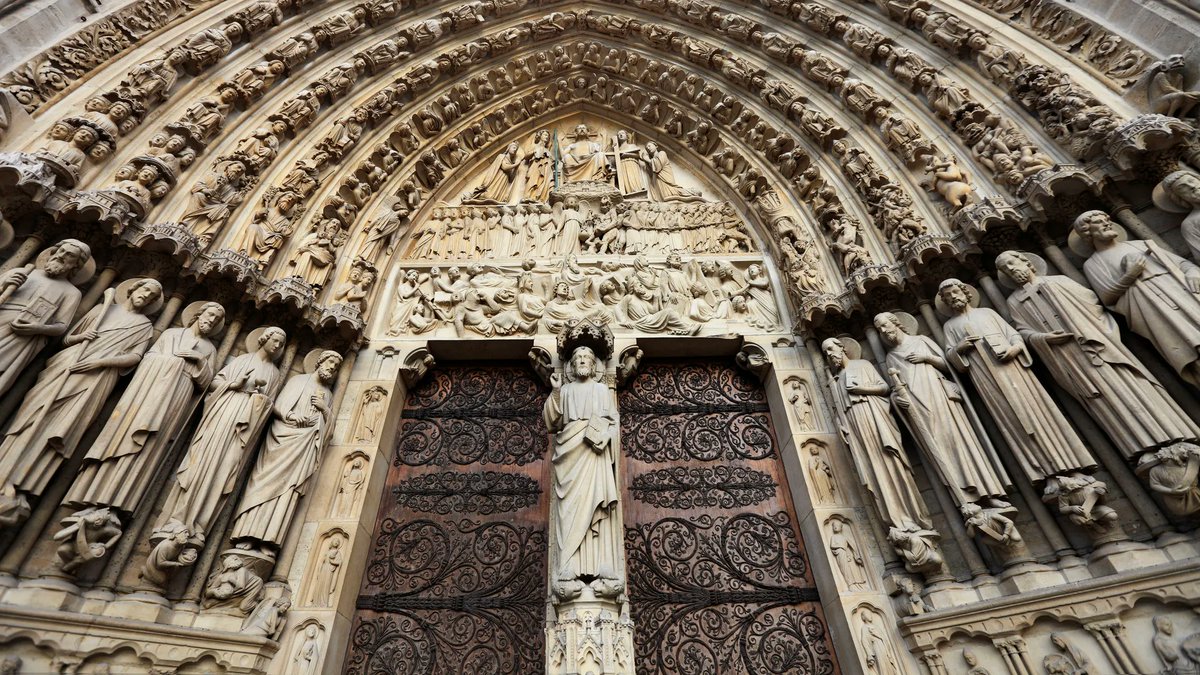
Just as originality in poetry doesn't rely on the invention of new words, or in painting the invention of colors, great buildings needn't stray from timeless elements...
13
That might be what we've forgotten most of all.
Modern architecture isn't the expression of collective wisdom. It's the selfish expression of an individual architect — originality at all cost.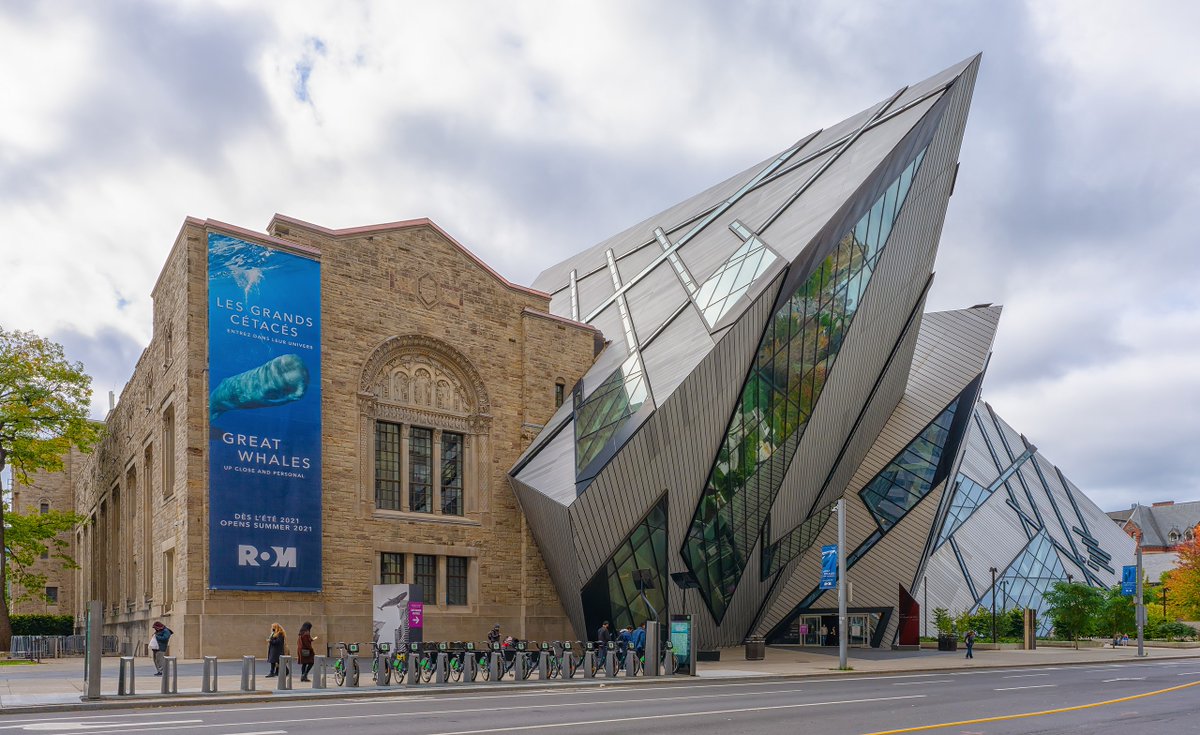
Modern architecture isn't the expression of collective wisdom. It's the selfish expression of an individual architect — originality at all cost.
14
In Gothic, Ruskin found the most honest and enduring connection to the past of all.
One which will serve us for millennia to come...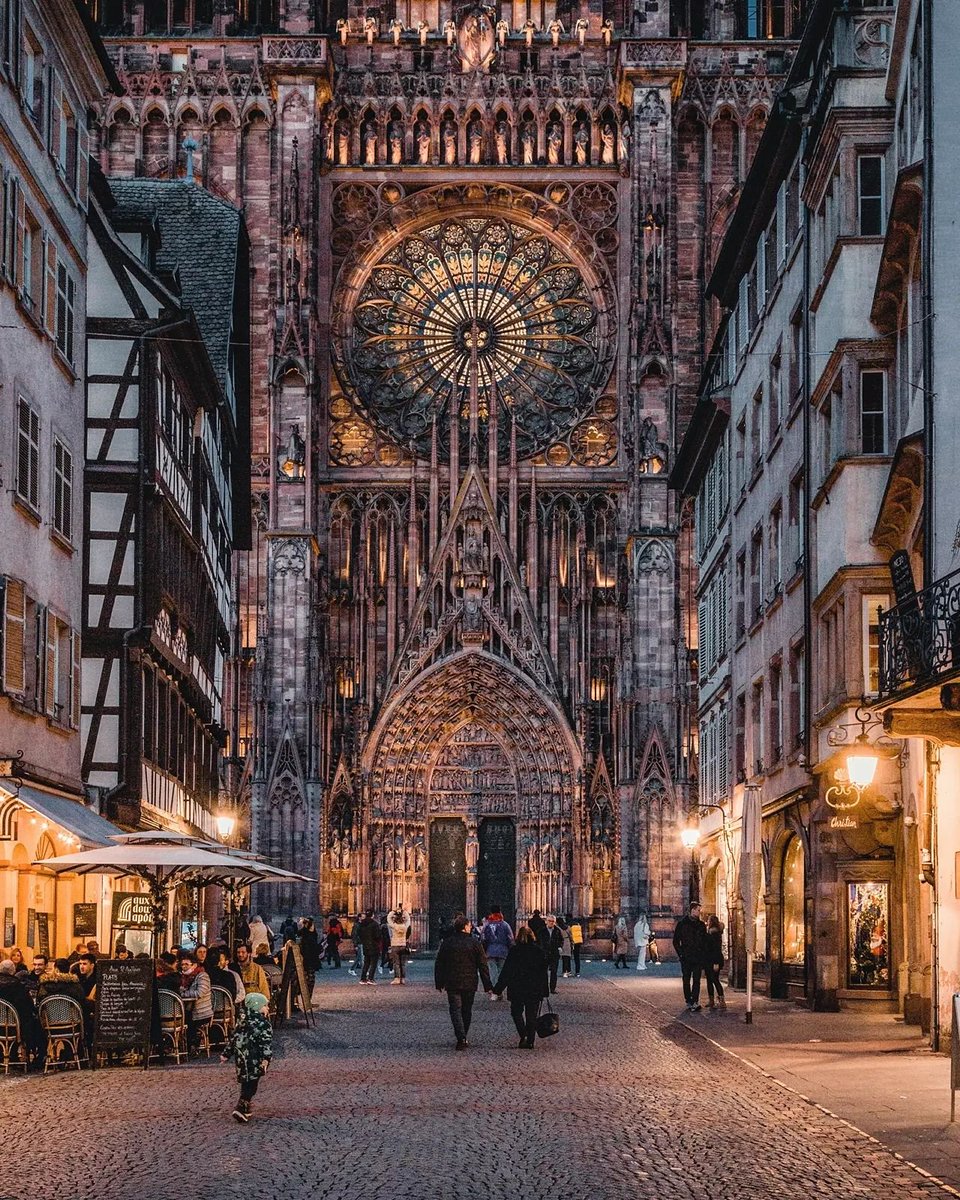
One which will serve us for millennia to come...