Alrighty everyone, I have a little under half an hour with you all...

Observatory Cats@ObservatoryCats
12 views
May 05, 2025
~3 min read
Advertisement
1
Alrighty everyone, I have a little under half an hour with you all left, so I'll use this time to share some information on tomorrow's @NASAInSight landing! #InSightLanding #NASAInSight
2
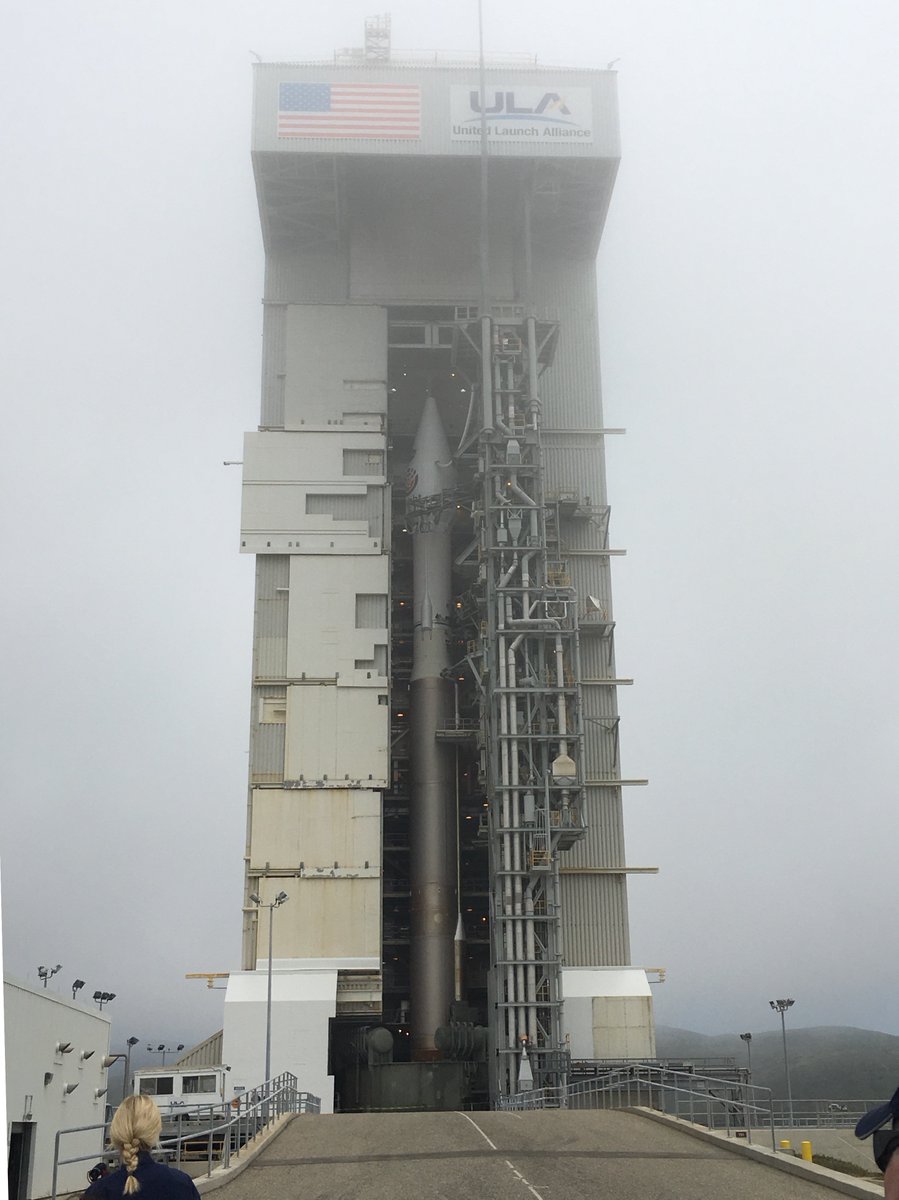
InSight launched aboard an @ULALaunch Atlas V 401 configuration out of Vandenberg AFB on May5th (Cinco de Mayo!) at 4:05AM PST. I was lucky enough to be get up close to the rocket with the @NASASocial group! #NASAInSight #InSightLanding

3
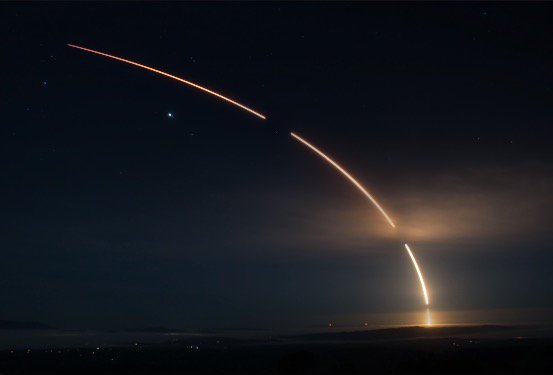
Here's a picture of the launch from about 40 miles east of the AFB. I'm still working on putting this picture together. #NASAInSight #InSightLanding #InSight
4
#InSight is a little extra special because it is a mission of many firsts! It is the first interplanetary mission to launch out of the West Coast and will be the first mission to study the deep interior of Mars! #NASAInSight #InSightLanding
5
Generally, interplanetary launches take place out of Cape Canaveral due to the Earth’s eastward rotation and momentum assisting the rocket. Along with this, launching from the east coast allows for launches to not go over land for safety purposes. #NASAInSight #InSightLanding
6
Cape Canaveral was busy in May, June and July and it needed to occur during these months. Earth laps Mars every 26 months. Before it laps it, however, is the perfect time to launch so the spacecraft will intersect Mars in only a matter of months. #NASAInSight #InSightLanding
7
This year Mars was at it's closest it's been since 2003, at a distance of 35.8 million miles from Earth. The next closest approach will be in 2035. #NASAInSight #InSightLanding
8
If they had missed this launch window, NASA would’ve had to wait until mid-2020. Thankfully, it was a spectacular/successful launch during the opening of the first launch window! #NASAInSight #InSightLanding
9
Regardless of the launch date within the launch window, InSight would’ve still arrived tomorrow at approximately 12PM PST in the western portion of Elysium Planitia, a low elevation location close to the equator of Mars. #NASAInSight #InSightLanding
10
Here is where InSight will land in comparison to other @NASA Mars landers and rovers. If entry and descent goes well, there’s a 99% chance that it will land in the right place. #NASAInSight #InSightLanding

11
Earlier today, I saw that a course correction was planned for today to improve the landing target accuracy. As of earlier today, they were about 11 miles off target. #InSightLanding #NASAInSight
12
Because it launched on the opening of the launch window, it traveled about 205 days to Mars. Like here in the Northern Hemisphere, it is currently autumn on Mars. The expected temperature will be 18F at landing, with the low reaching -140F overnight. #NASAInSight #InSightLanding

13
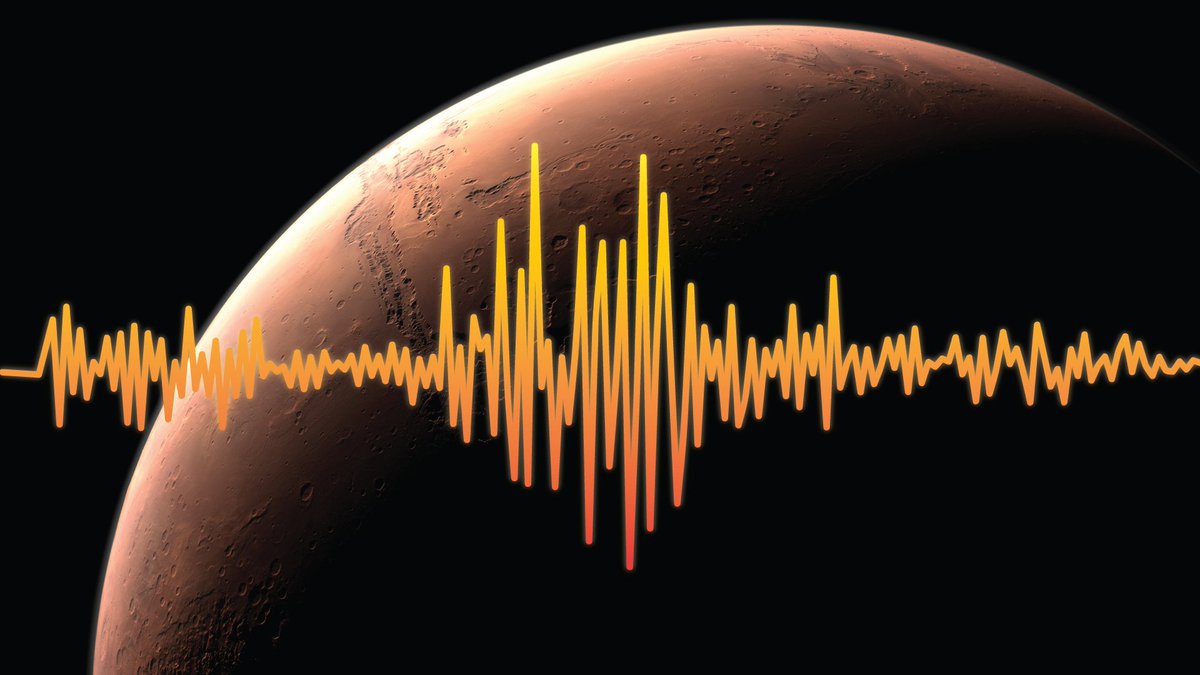
The overall goal of @NASAInSight is to help scientists understand how rocky worlds formed. It will do this by studying the seismology, heat flow and geodesy of Mars. #NASAInSight #InSightLanding
14
By studying Mars, it will allow scientists to compare its interior to Earth’s interior. This will allow scientists not only to understand the development of rocky planets in our own solar system but also potentially exoplanets, which may harbor life. #NASAInSight #InSightLanding
15
In other words, what should we be looking for out there that may lead to something similar to our own special world, Earth. #NASAInSight #InSightLanding
16
Because both planets formed approximately 4.5 BYA, they are made of the same stuff. However, here on Earth the recycling of the crust and the mantle thanks to tectonic plates has virtually erased any remnants of Earth’s early interior. #NASAInSight #InSightLanding
17
Unlike Earth, Mars doesn’t have tectonic plates so it has had virtually no change to the crust and mantle. It basically acts as a time capsule of the early “life” of the terrestrial planets. #NASAInSight #InSightLanding
18
Though Mercury, Venus and the Moon are also rocky worlds, they don't serve as great time capsules. The Moon didn't go through a similar early formation process as Earth. Mercury and Venus are far too hazardous to allow for the instrumentation to work. #NASAInSight #InSightLanding
19
I’ll do a separate thread on the science part of @NASAInSight. #NASAInSight #InSight #InSightLanding