Why do people record themselves having sex when the moment could...

Trisha@GoldWisdomh
20 views
Oct 12, 2026
~3 min read
Advertisement
1
Why do people record themselves having sex when the moment could simply remain private?
The answer goes far beyond sexual desire. It involves memory, fantasy, validation, intimacy, curiosity and sometimes control.
The psychology is more complicated than most people think. 🧵👇
1. The desire to preserve a moment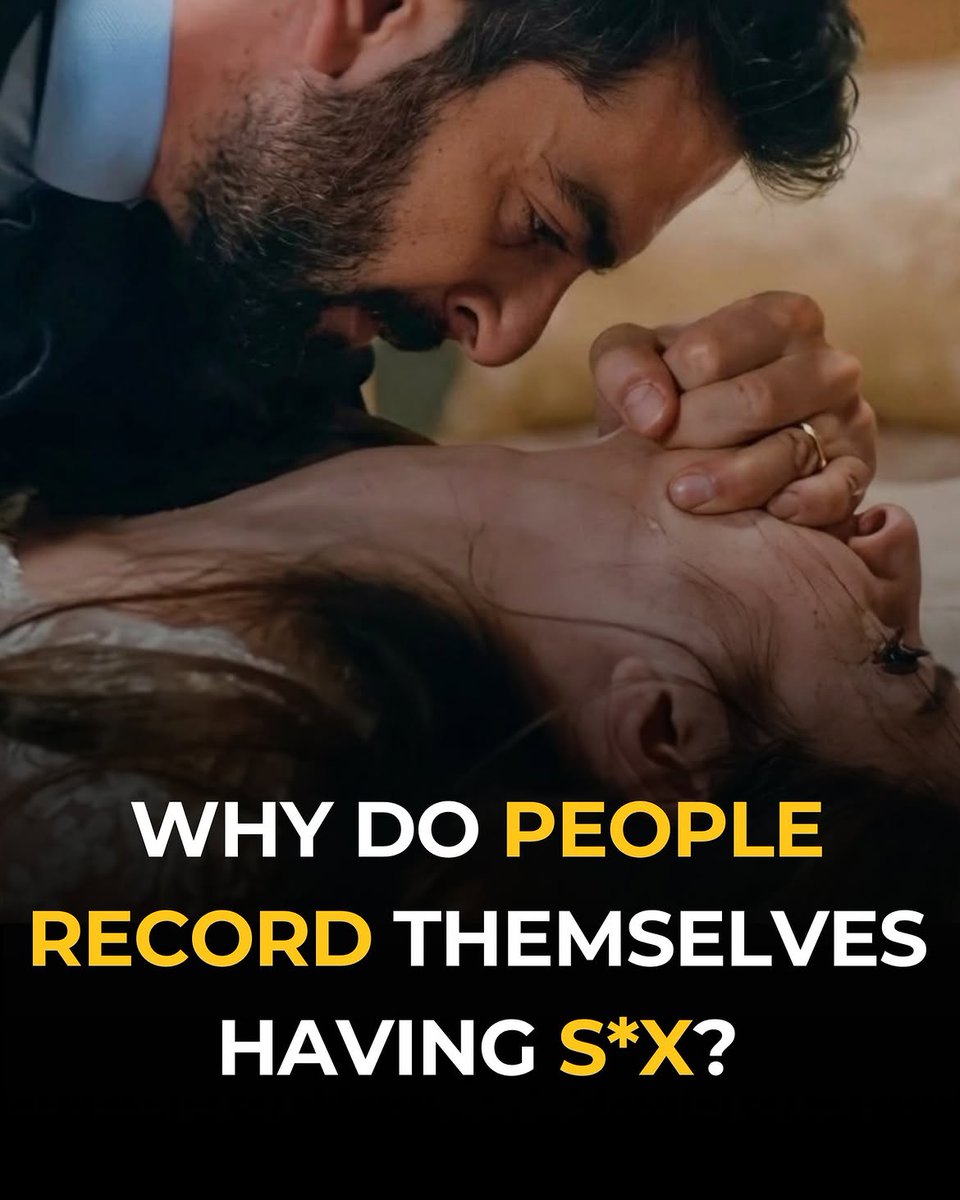
The answer goes far beyond sexual desire. It involves memory, fantasy, validation, intimacy, curiosity and sometimes control.
The psychology is more complicated than most people think. 🧵👇
1. The desire to preserve a moment
2
1/11 — The desire to preserve a moment
Some people record sex because they want to revisit an intimate experience later. A video can preserve a memory, the atmosphere, and a moment of connection. For them, recording isn't necessarily about sharing it with anyone else.
Some people record sex because they want to revisit an intimate experience later. A video can preserve a memory, the atmosphere, and a moment of connection. For them, recording isn't necessarily about sharing it with anyone else.
3
2/11 — The thrill of watching themselves
People may feel curious about how they look or behave during sex. Watching a recording can offer a different perspective on an experience they usually perceive only from within it. Curiosity about oneself can be part of the appeal.
People may feel curious about how they look or behave during sex. Watching a recording can offer a different perspective on an experience they usually perceive only from within it. Curiosity about oneself can be part of the appeal.
4
3/11 — Turning a memory into a fantasy
A private recording can become a source of sexual fantasy after the moment has passed. Remembering an experience and watching it again are different things: the recording makes the memory more vivid and accessible.
A private recording can become a source of sexual fantasy after the moment has passed. Remembering an experience and watching it again are different things: the recording makes the memory more vivid and accessible.
5
4/11 — Feeling desired and attractive
For some, recording is connected to body confidence and feeling sexually desirable. Seeing themselves through a partner's eyes may reinforce their sense of attractiveness. Research on sexting has examined body-image reinforcement as one possible motivation, although this doesn't establish why every person records sex.
For some, recording is connected to body confidence and feeling sexually desirable. Seeing themselves through a partner's eyes may reinforce their sense of attractiveness. Research on sexting has examined body-image reinforcement as one possible motivation, although this doesn't establish why every person records sex.
6
5/11 — Making intimacy feel more exciting
The camera itself can become part of the experience. Knowing that a moment is being recorded may introduce novelty, anticipation, or a sense of adventure. What matters is whether both partners genuinely enjoy it—not whether one partner feels obliged to participate.
The camera itself can become part of the experience. Knowing that a moment is being recorded may introduce novelty, anticipation, or a sense of adventure. What matters is whether both partners genuinely enjoy it—not whether one partner feels obliged to participate.
7
6/11 — Creating a sense of closeness
Some couples use intimate recordings as a private reminder of their relationship. The appeal may be less about the video itself and more about the shared experience behind it. Research on adult sexting has also identified intimacy and maintaining connection across physical distance as possible motivations.
Some couples use intimate recordings as a private reminder of their relationship. The appeal may be less about the video itself and more about the shared experience behind it. Research on adult sexting has also identified intimacy and maintaining connection across physical distance as possible motivations.
8
7/11 — Exploring a hidden side of themselves
Recording can help some adults explore their sexuality, preferences, or comfort with their own bodies. It may offer a way to understand what they enjoy. But not everyone wants this kind of exploration, and declining to record says nothing about someone's sexual confidence.
Recording can help some adults explore their sexuality, preferences, or comfort with their own bodies. It may offer a way to understand what they enjoy. But not everyone wants this kind of exploration, and declining to record says nothing about someone's sexual confidence.
10
8/11 — Seeking reassurance
Sometimes, the motivation is emotional rather than purely sexual. A person may want proof that their partner finds them attractive or that their relationship feels secure. Research distinguishes freely chosen sexting from behavior driven by pressure or insecurity, and those motivations can have different outcomes.
Sometimes, the motivation is emotional rather than purely sexual. A person may want proof that their partner finds them attractive or that their relationship feels secure. Research distinguishes freely chosen sexting from behavior driven by pressure or insecurity, and those motivations can have different outcomes.
11
9/11 — The influence of pornography and digital culture
Pornography and social media have made recording intimate moments more visible in popular culture. This may shape some people's expectations about sex. However, visibility isn't proof that everyone wants to imitate what they see, and research on sexting cannot automatically explain private sexual recording.
Pornography and social media have made recording intimate moments more visible in popular culture. This may shape some people's expectations about sex. However, visibility isn't proof that everyone wants to imitate what they see, and research on sexting cannot automatically explain private sexual recording.
12
10/11 — Control, pressure, and unhealthy motives
Not every recording is a healthy expression of intimacy. Someone might record to exert control, keep leverage over a partner, or share the footage without permission. Research has linked certain instrumental or aggressive sexting motives with non-consensual sharing. Recording without genuine consent—or distributing intimate footage without permission—is a serious violation of trust.
Not every recording is a healthy expression of intimacy. Someone might record to exert control, keep leverage over a partner, or share the footage without permission. Research has linked certain instrumental or aggressive sexting motives with non-consensual sharing. Recording without genuine consent—or distributing intimate footage without permission—is a serious violation of trust.
13
11/11 — The most important distinction
The real question isn't simply, “Why do people record sex?” It's, “Why do they want to record it, and what happens to the recording afterward?”
For some, it represents pleasure, curiosity, or connection. For others, it may involve pressure or control. Consent must be freely given, specific, and ongoing—and agreeing to be recorded never means agreeing to have the video shared.
A private moment should remain private unless everyone involved explicitly agrees otherwise.
The real question isn't simply, “Why do people record sex?” It's, “Why do they want to record it, and what happens to the recording afterward?”
For some, it represents pleasure, curiosity, or connection. For others, it may involve pressure or control. Consent must be freely given, specific, and ongoing—and agreeing to be recorded never means agreeing to have the video shared.
A private moment should remain private unless everyone involved explicitly agrees otherwise.
