I appreciate you asking. I would be happy to share my view on these...

derek guy@dieworkwear
85 views
Sep 23, 2026
~4 min read
Advertisement
1
I appreciate you asking.
I would be happy to share my view on these clothes and why I like them. 🧵


I would be happy to share my view on these clothes and why I like them. 🧵
Hans Castorp@herrsettembrini
@dieworkwear Derek, what do you like about this collection?
2
Although I write about classic tailoring, my interest is not limited to this aesthetic. Additionally, I don't share the some of the prejudices of people who like this style. Most of all, I don't buy into ideas about respectability or think this is the only "correct" way to dress.


3
Instead, I recognize that it's simply a hegemonic aesthetic shaped by a small section of Western elites during the 20th century. Namely, the British aristocracy, Italian industrialists, and American WASPs who could trace their lineage back to the Mayflower.


4
While I like that aesthetic, I'm careful to separate aesthetics from virtue or respectability. I also don't think these elites are the only class with cultural legitimacy. Indeed, the history of 20th cent. dress is about how other aesthetics gained prominence as society changed.
5
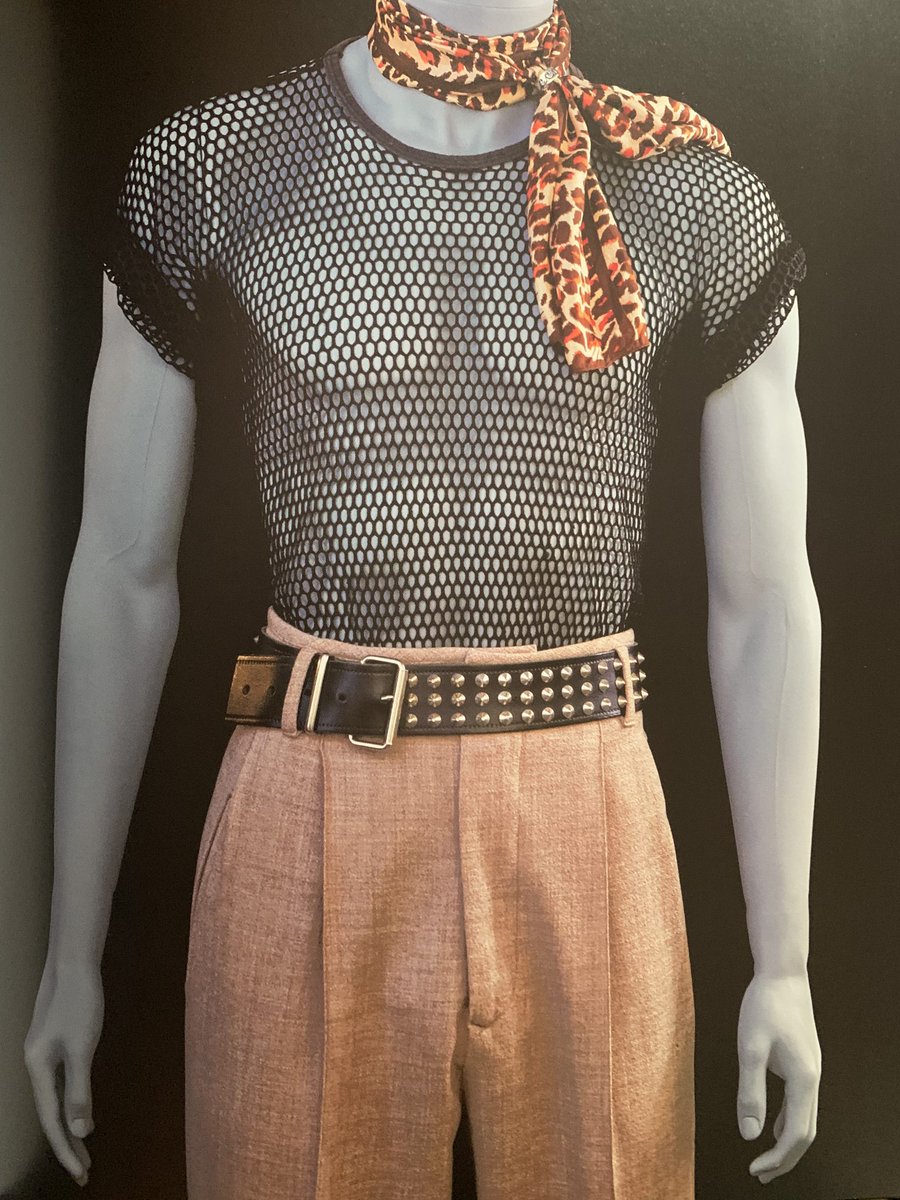
As young Americans rejected bourgeoise lifestyles during the 20th century, they looked towards other modes on how to live — and dress. Hence the rise of spivs and Teddy Boys, bikers and rockers, beats and beatniks, modernists and mods, drags, and dandies, hippies and punks, etc.


6
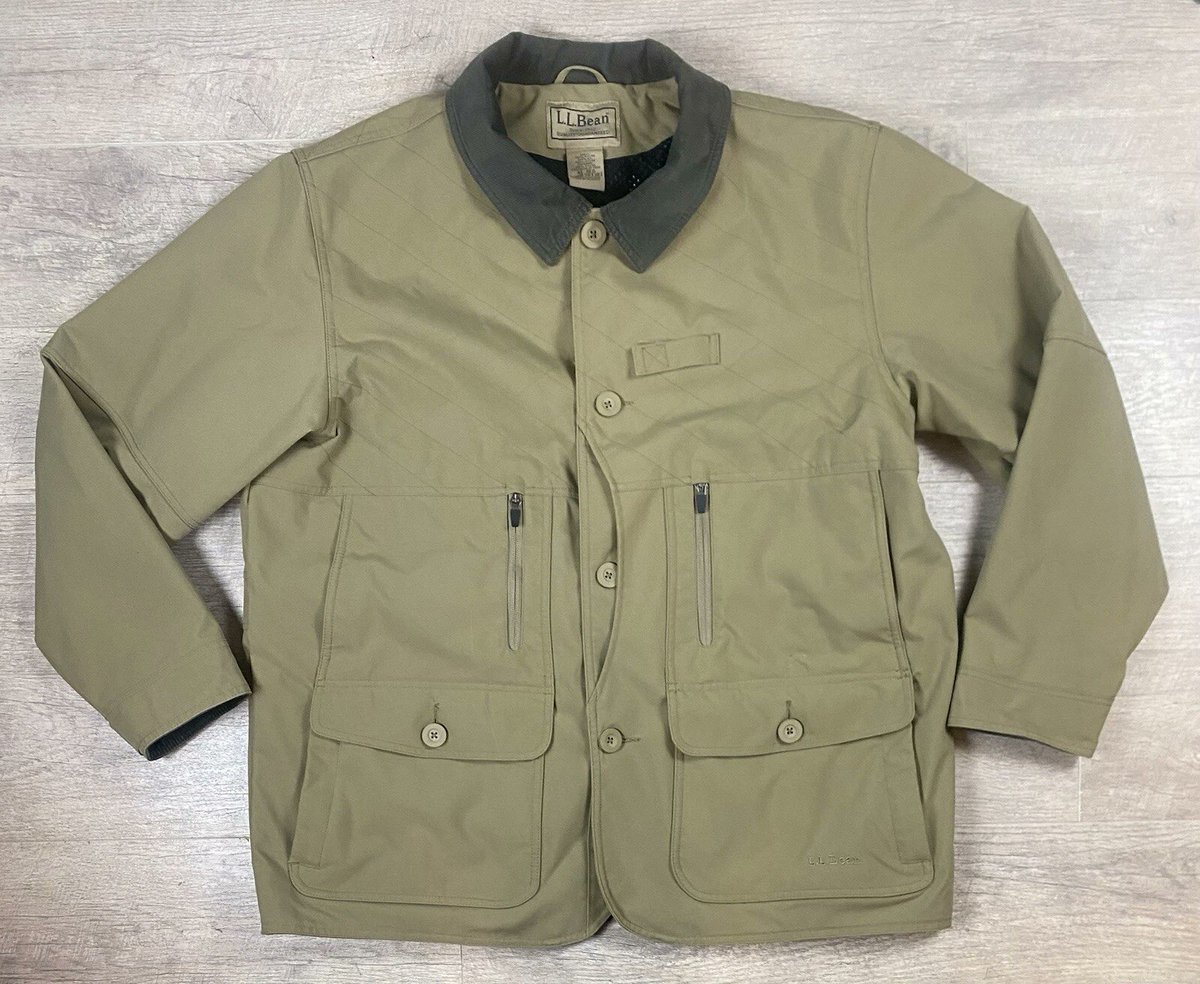
I also have a particular penchant for workwear. To be sure, almost all menswear derives from sport, work, or war. But I'm talking about things such as old hunting jackets, French chore coats, fishing vests, OG-107 fatigues, Army jackets, and the like. Stuff outside aristocracy.


7
My love for tailoring is also rooted in a respect for craft. More than 20 years after first discovering this subject, I still marvel at benchmade tailoring. However, my catholic nature means I also recognize these same qualities in other types of production.
IG assisi_diego
IG assisi_diego
0:41
8
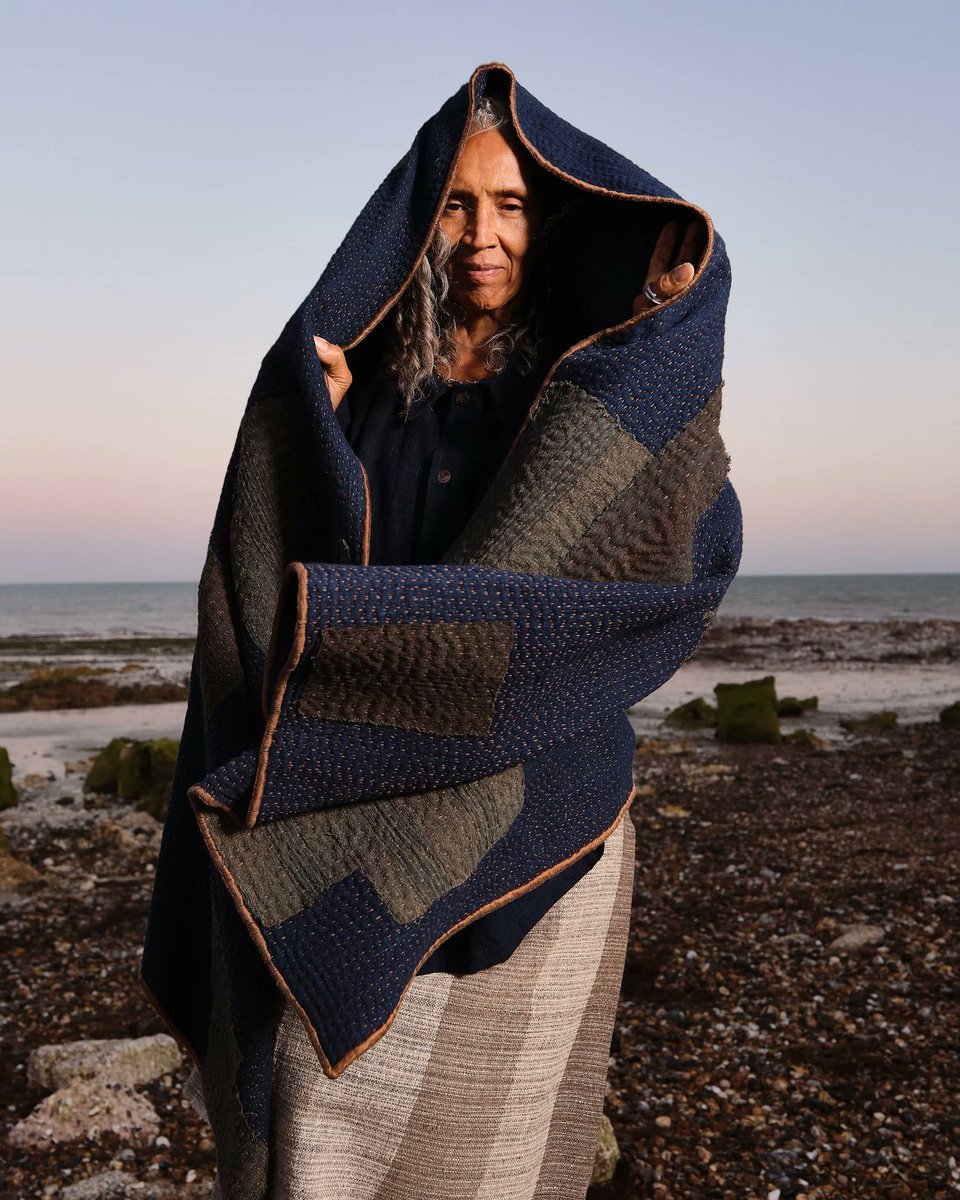
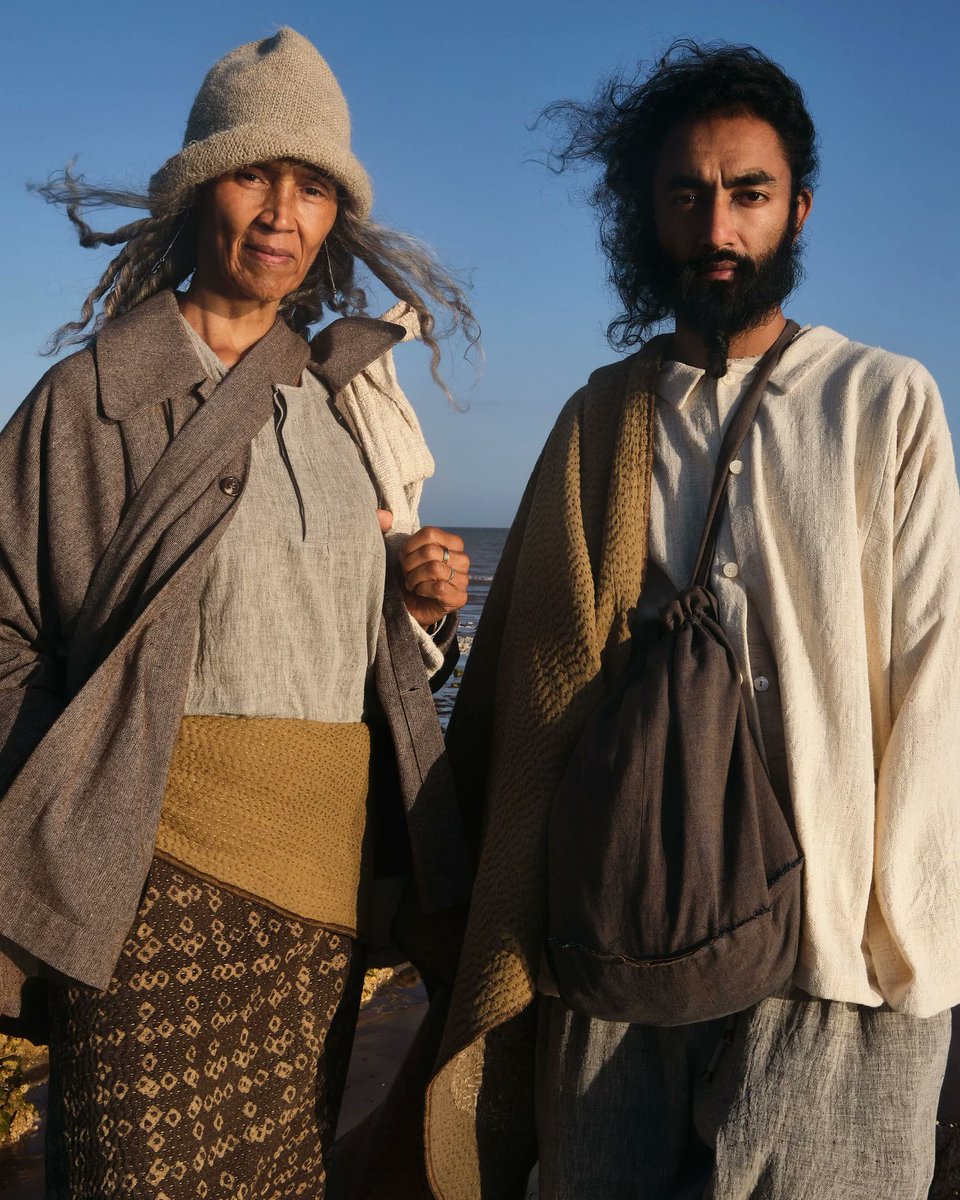
Haider Saleem is a British designer who started Gathering Textiles a few years ago. As a youth, he traveled through North Africa, where he picked up an appreciation for loose-fitting garments. Growing up in London, he was also exposed to people from different cultures.


9
Such cultures included South Asian, West African, English, and Scottish, so he ended up collecting textiles from these places. He also developed a love for designers such as Issey Miyake and Yohji Yamamoto, who have been at the forefront of the Japanese avant-grade fashion.

10
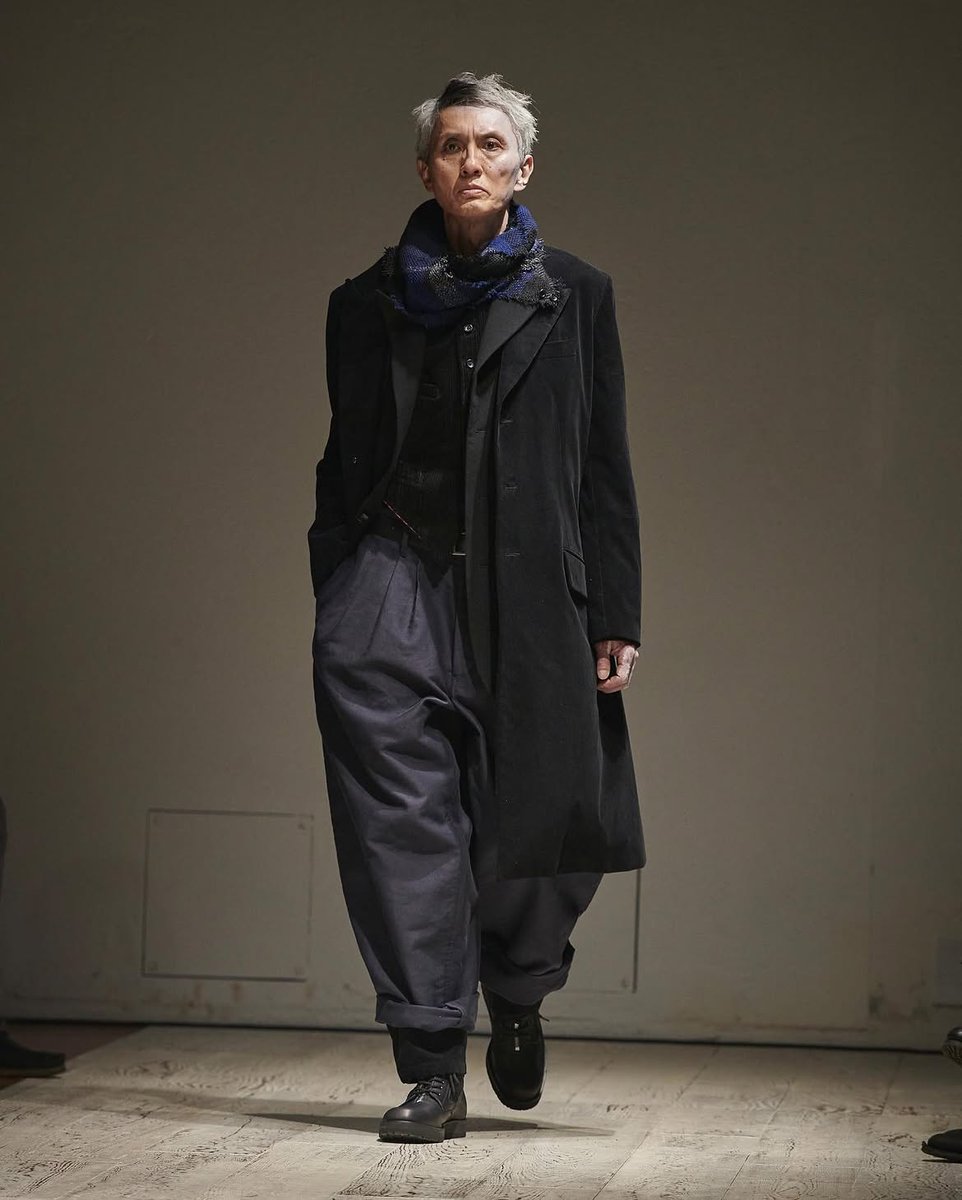
Saleem incorporates all these things into his approach: an appreciation for workwear and non-Western clothing, a dedication to craft practices, and a willingness to experiment with different silhouettes. For me, this makes his clothes both traditional and contemporary.


11
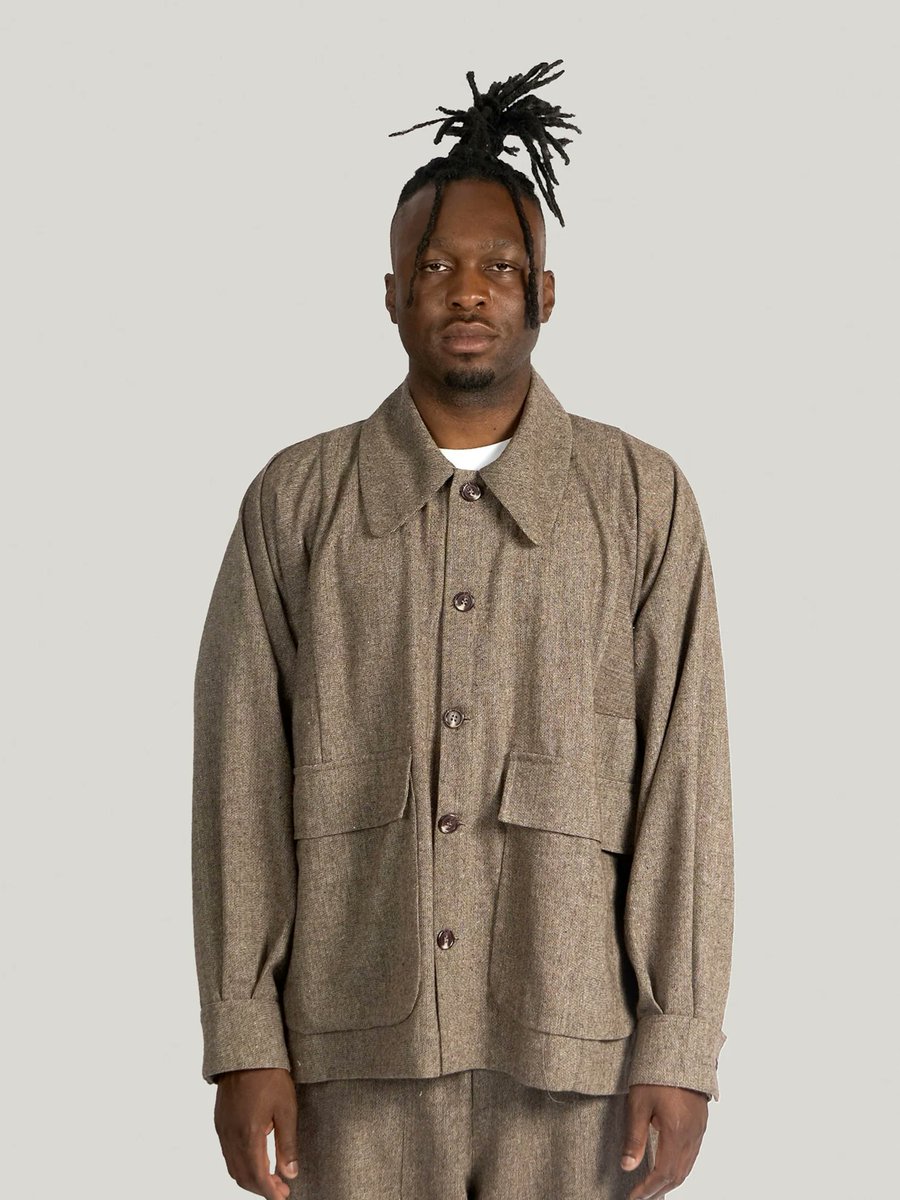
For instance, take this jacket inspired by something farmers used to wear. It's made from a wool-ramie blend, where the ramie was dyed in mud. The iron-rich soil, combined with tannins from local tree bark and plants, give it a unique earthy color.

12
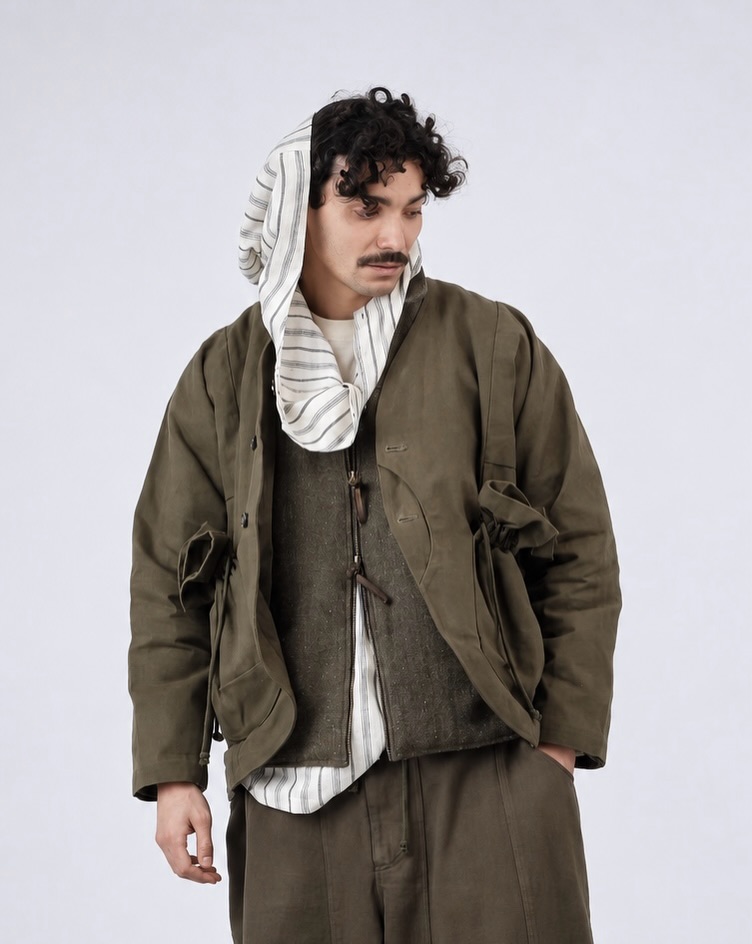
This one is inspired by something that fishermen used to wear. But it's made using an indigenous Gujarati cotton, which is grown only using rain water and no pesticides or even human intervention. The fibers were then handwoven on a foot-powered loom to give it a unique texture.


13
As mentioned, I love old workwear garments. So I'm charmed by how Saleem incorporated an old hunting detail here. The crescent shaped pocket, placed at the front edge of the forepart, is inspired by a game pouch on old hunting jackets. (Although not useful if you don't have game)
14
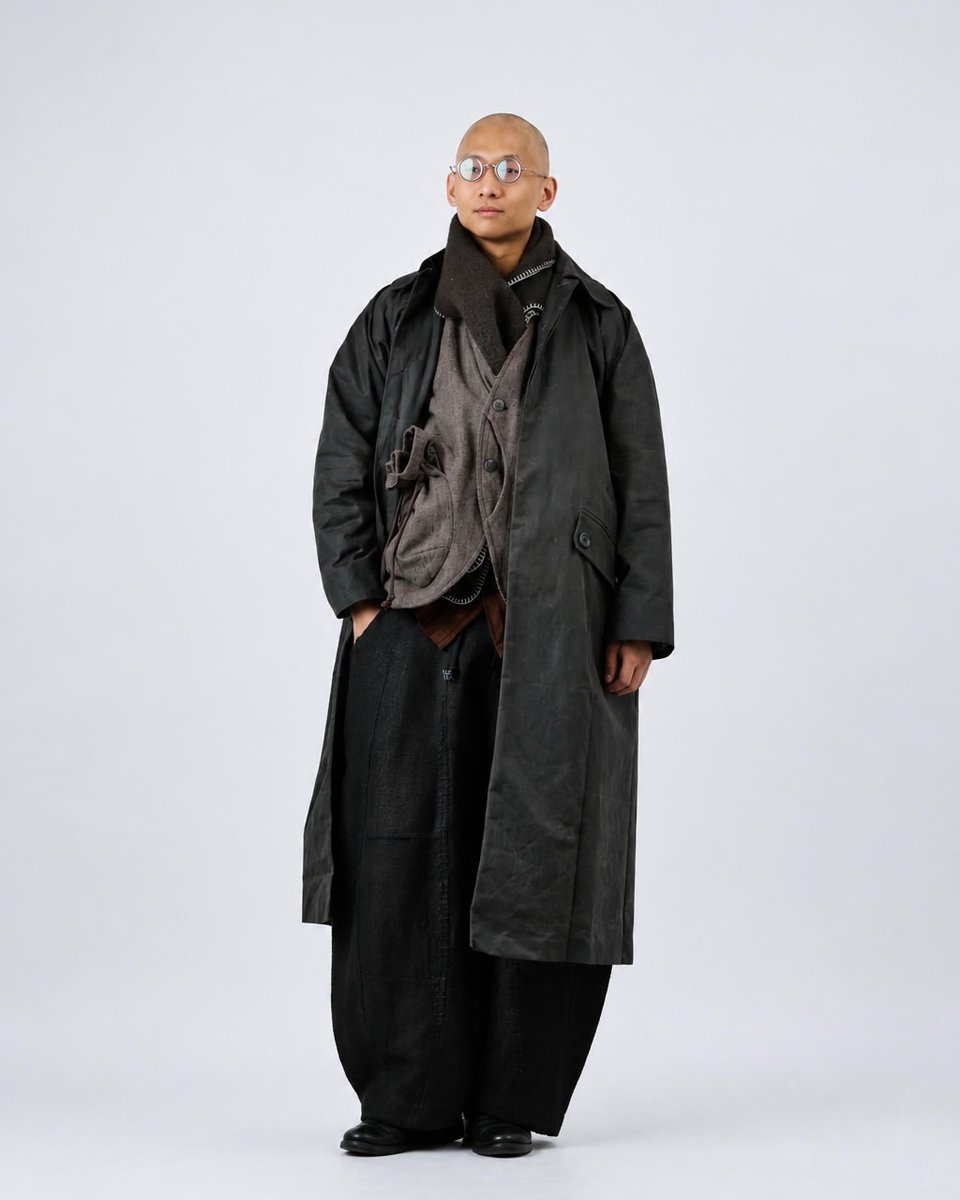
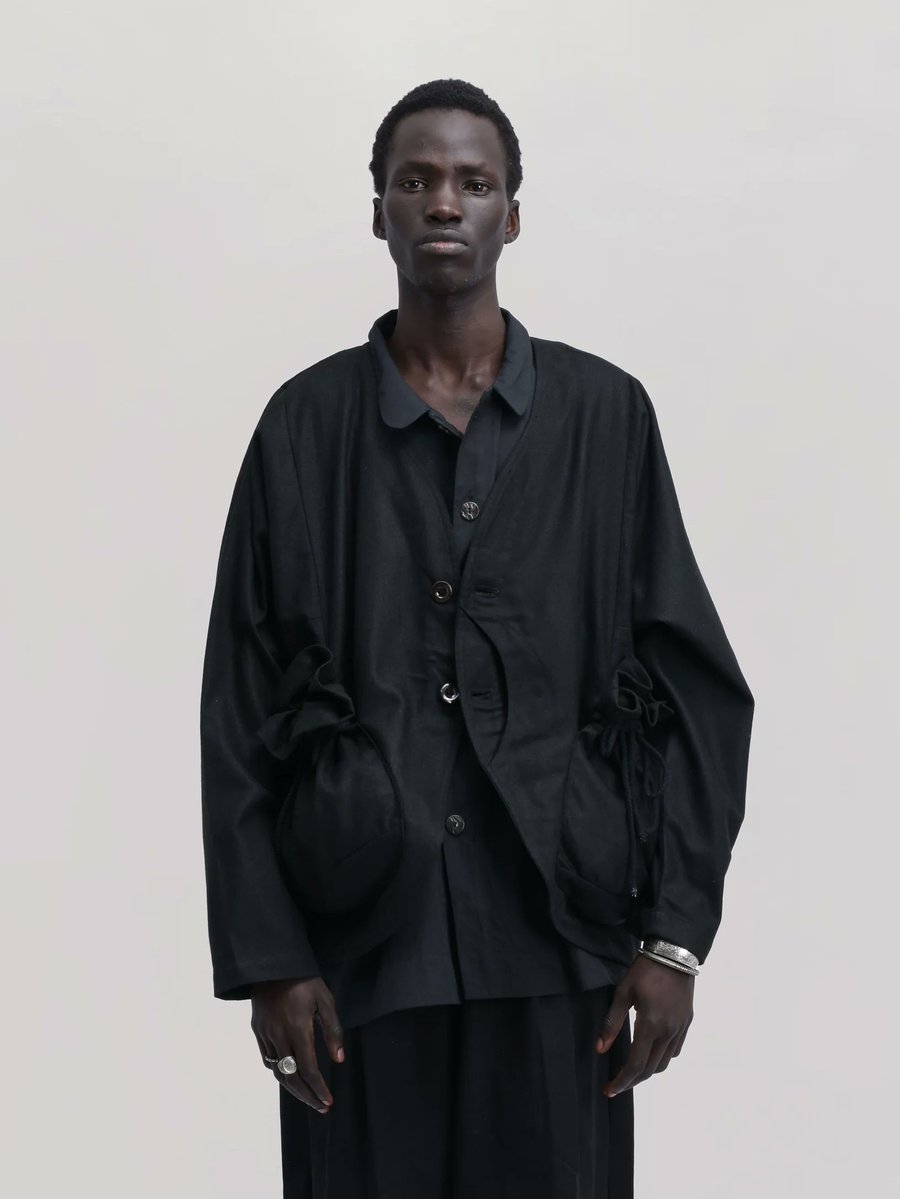
I don't know if this jacket was invented from whole cloth or inspired by something historical. But I love this "Beekeeper's jacket" with unique foraging pockets at the hips. The fabric was woven on old power looms, a technology that powered the Second Industrial Revolution.

15
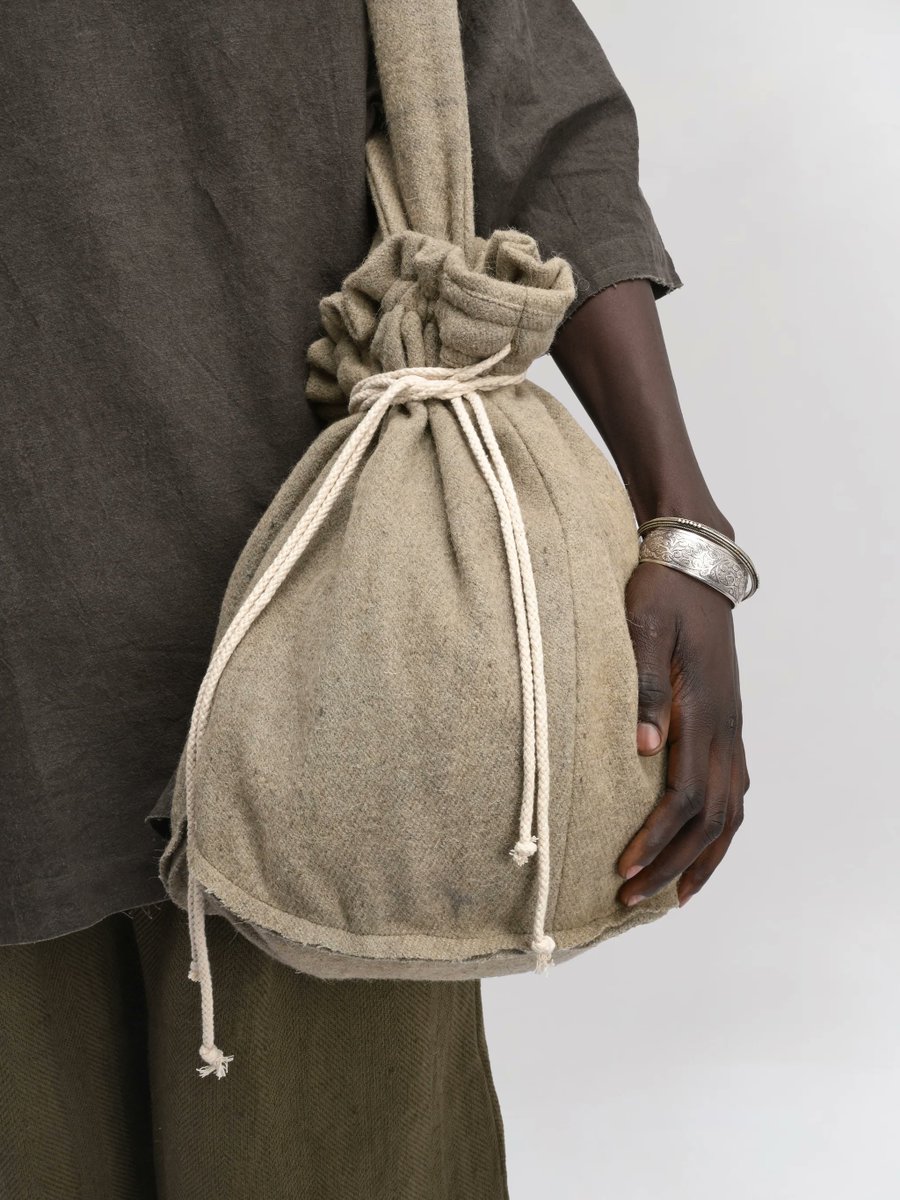
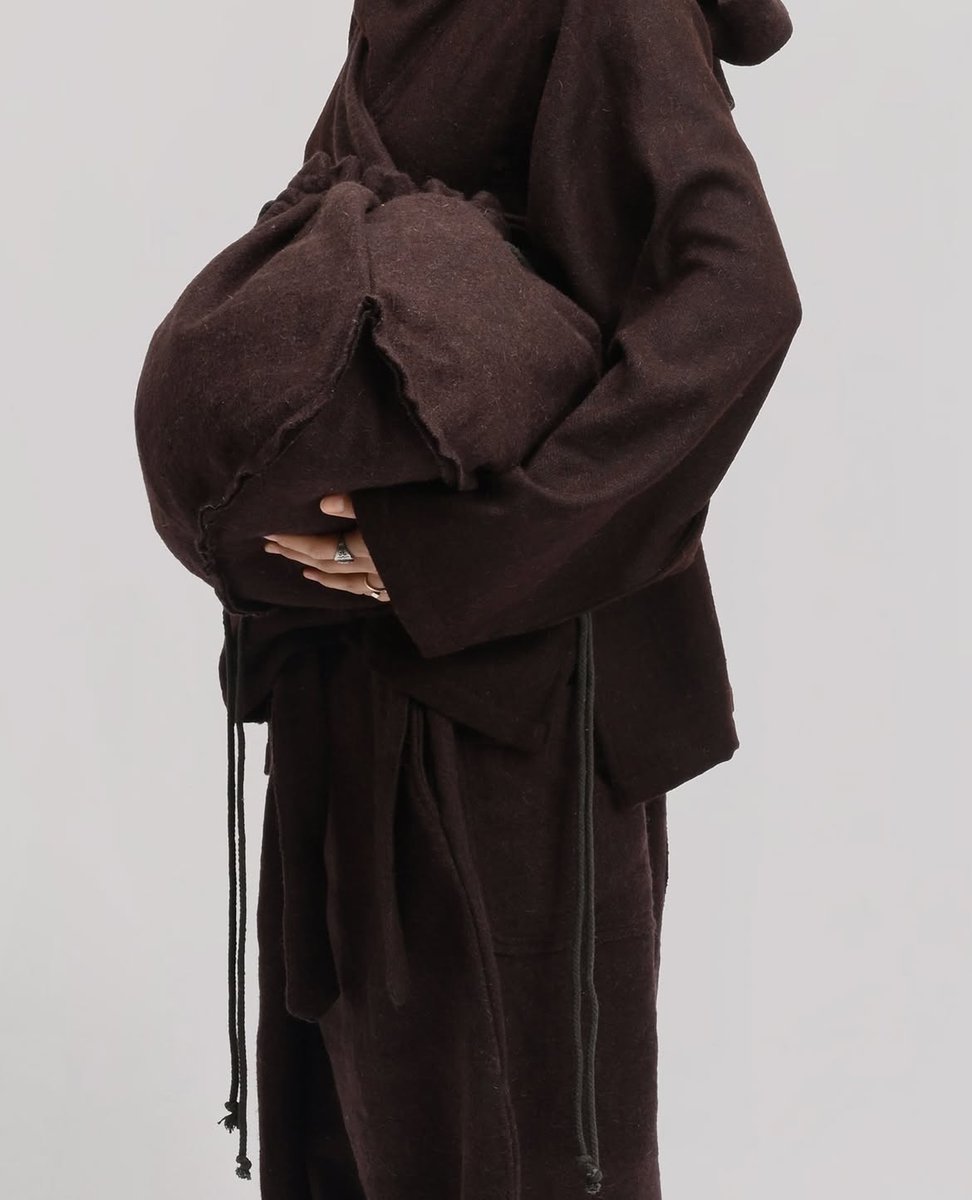
I almost bought this bag this morning, which is made from handwoven, handfelted yak and sheep wool. The pear-shaped design reflects Saleem's rustic vision and appears to be the perfect size for quick grocery runs in a walkable neighborhood.


16
I recognize that these styles will seem foreign and odd to many people, especially in Western countries, because many people use clothes to advance themselves. Thus, these styles can feel weird because they associate them with "poor people."
0:37
17
To me, they look charming and comfortable. I like that they incorporate workwear and non-Western styles and are made through traditional craft techniques. They do not seek to subvert Western notions about flattering the body or appearing rich — they are their own paradigm.


18
If you're interested in Gathering, you can follow them on Instagram at ___gathering___. They are also currently available at Dover Street Market in London. As usual, this is not a paid post, as I don't do paid posts. I only write this out of love for all good menswear.


19
A special thanks to the original commentator for asking this question, which prompted this thread. IMO, it's always good to seek to understand what you may not know, rather than deride out of ignorance. Just because you don't want to wear something does not mean it's not good.
1:04
