How A French Orphan Built A $38 Billion Fashion Empire And One Of The Largest Luxury Brands Ever

She was the "Da Vinci" of luxury.

Her designs influenced Dior, Saint Laurent, and every major fashion house for the next century.
Over 100 years later, Chanel is one of the largest luxury brands in the world—with $18.7 billion in revenue last year.
Here's the story of Coco Chanel:
Born in 1883 in Saumur, France, Gabrielle Chanel's childhood was marked by hardship.

Her mother died when she was 11.
Chanel later claimed she was younger—perhaps to make the tragedy seem even more devastating.
Soon after, her father abandoned the family.
At age 12, she entered the Aubazine orphanage, where Catholic nuns taught her to sew. The stark black and white uniforms later inspired her most famous designs.
Those early years taught her discipline that would fuel her rise.
But she needed a way out:
By day, she worked as a seamstress.
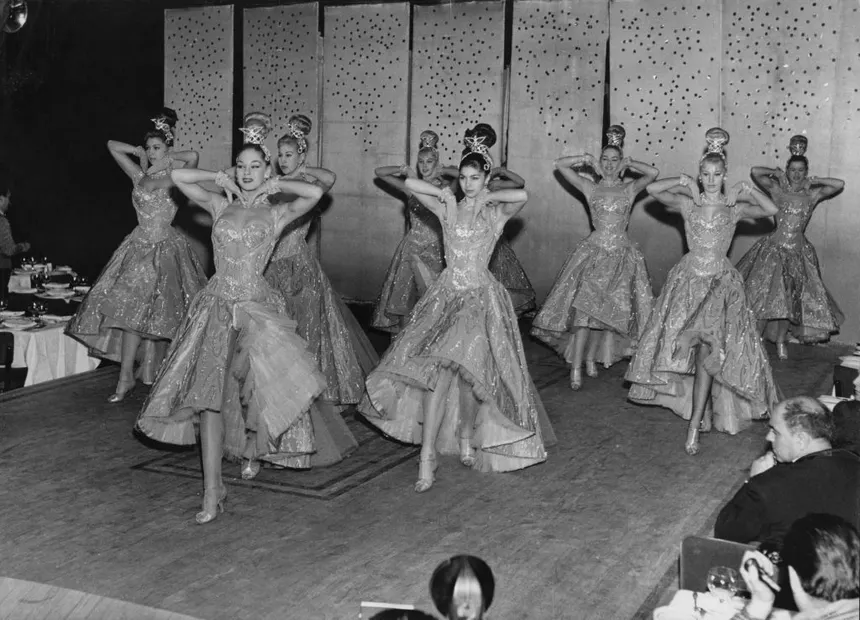
By night, she sang in cabarets—charming people with her wit and style.
This is how she earned her nickname "Coco," possibly from a song she sang: "Qui qu'a vu Coco dans l'Trocadéro?"
Her voice wasn't remarkable.
But it didn't stop her because…
She needed powerful allies to climb higher.
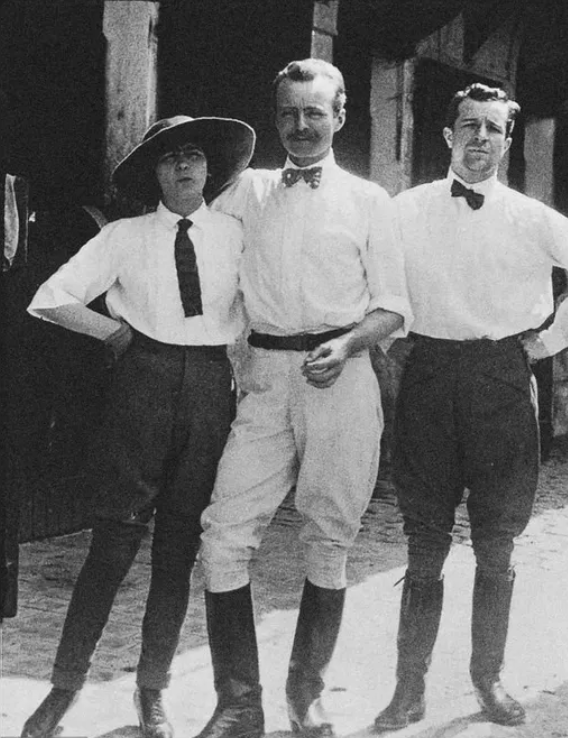
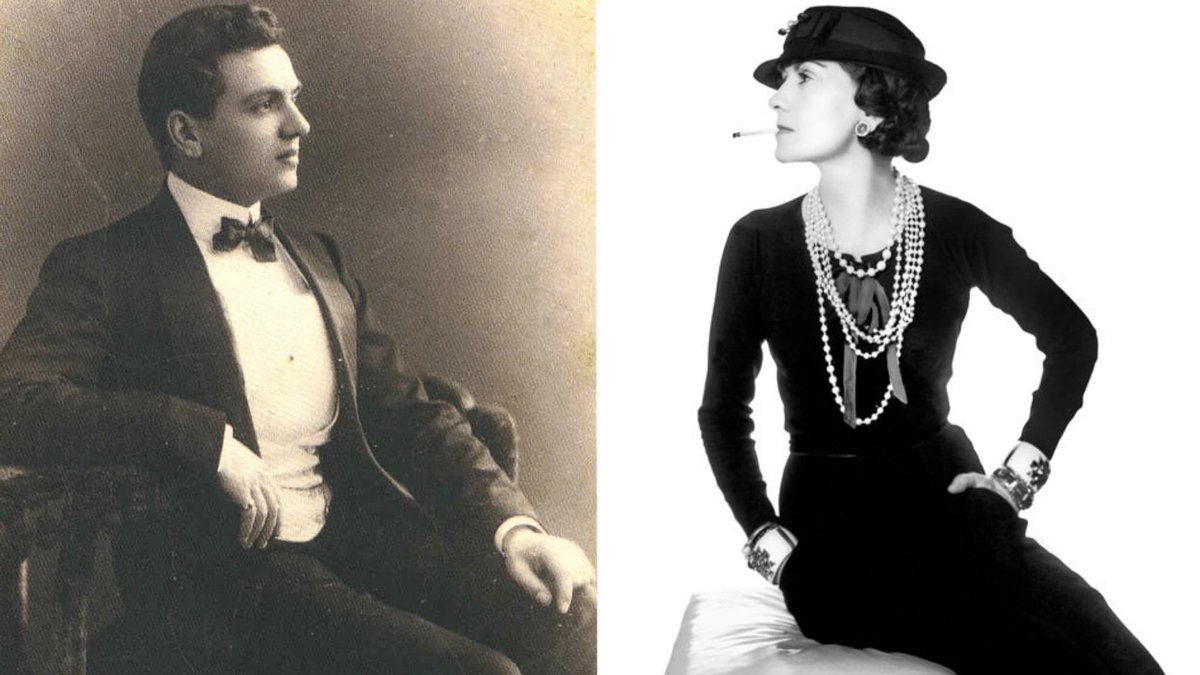
By 1906, she was living with Étienne Balsan, a wealthy horse breeder who became her first patron.
Through him, she met Arthur "Boy" Capel—who would change everything.
He introduced her to luxury living.
But it was Arthur "Boy" Capel, an English polo player, who financed her first hat shop in Paris—and truly believed in her vision.
Capel helped Chanel open boutiques in Paris and Deauville.
Their romance lasted 9 years, though he married another woman.
But it was her time in Scotland with the Duke of Westminster that inspired her love of tweed.
When World War I began in 1914, Chanel took action to help the war effort.
While women took men's jobs in factories, they needed practical clothes.
She turned jersey (then used for men's underwear) into dresses that redefined modern fashion.
The Chanel style was born:
Simple lines, dropped waists, shorter skirts.
She removed corsets, feathers, and frills that had restricted women for centuries.
Her clothes allowed movement and comfort without sacrificing style. Fashion would never be the same.
But in 1919, tragedy struck when Boy Capel died in a car crash on his way to see Chanel for Christmas.
"In losing Capel, I lost everything," she later said.
She wore black for a year—but she turned grief into creation, working on a new venture.
Perfume.
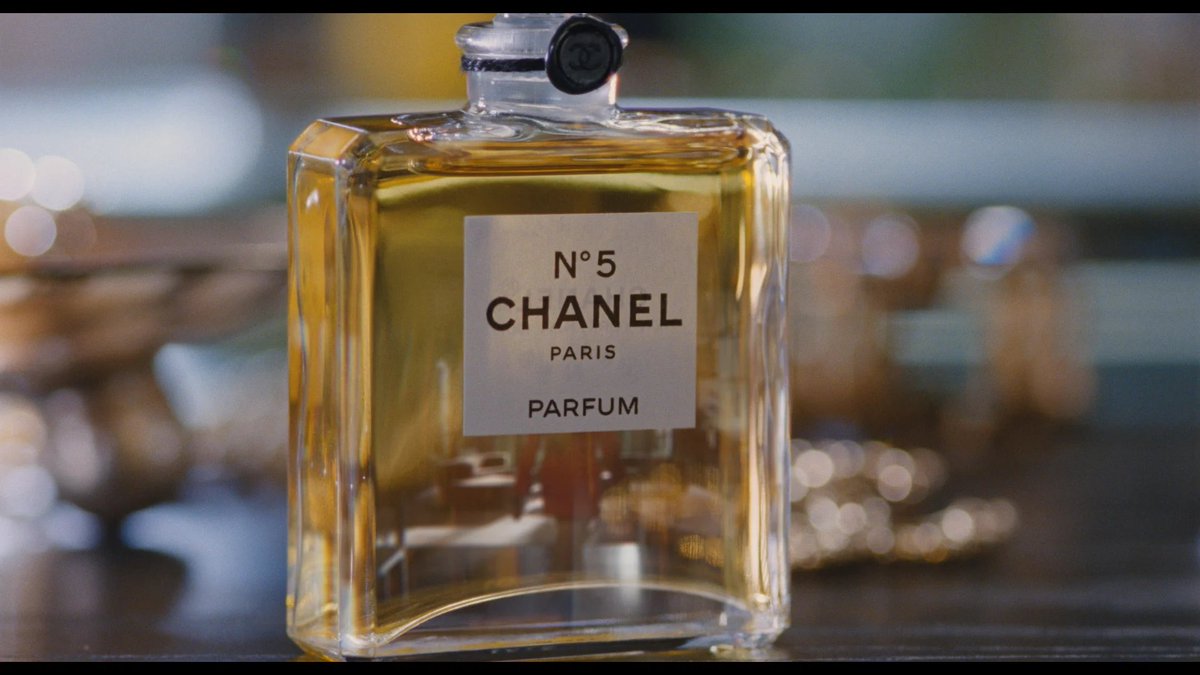
In 1921, Chanel No. 5 was born—the first perfume to bear a designer's name.
Created with perfumer Ernest Beaux, it used synthetic aldehydes to create its unique scent.
When asked why she named it "No 5," she said it was the fifth sample, and five was her lucky number.
But the perfume deal with businessman Pierre Wertheimer in 1924 would haunt her for decades.
She received only 10% of profits for her signature fragrance.
Years later, she complained: "I was robbed by businessmen." But Chanel No. 5 kept selling—one bottle every 30 seconds.
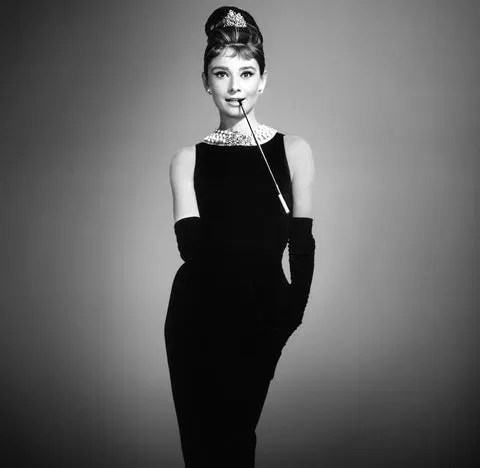
By 1935, Chanel employed 4,000 people and had introduced innovations we still use today:
When Chanel closed her fashion house during WWII, her absence lasted 15 years.
She lived in the Ritz Hotel while competing designers like Christian Dior dominated fashion.
His "New Look" in 1947 featured tiny waists and full skirts—everything Chanel stood against.
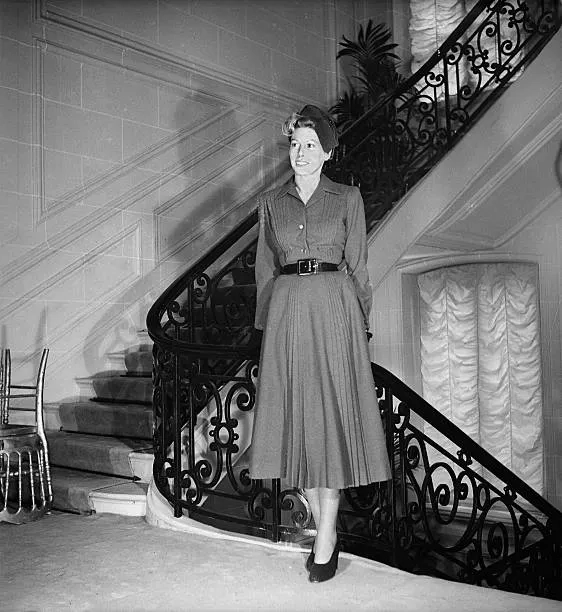
February 5, 1954:
Fashion journalists packed Chanel's rue Cambon salon for her comeback.
At 70, she unveiled boxy tweed suits, simple dresses, and comfortable shoes.
French critics called it "old-fashioned" and "a fiasco."
Everyone thought it was over for her.
But across the Atlantic, Chanel's designs flew off American department store shelves.
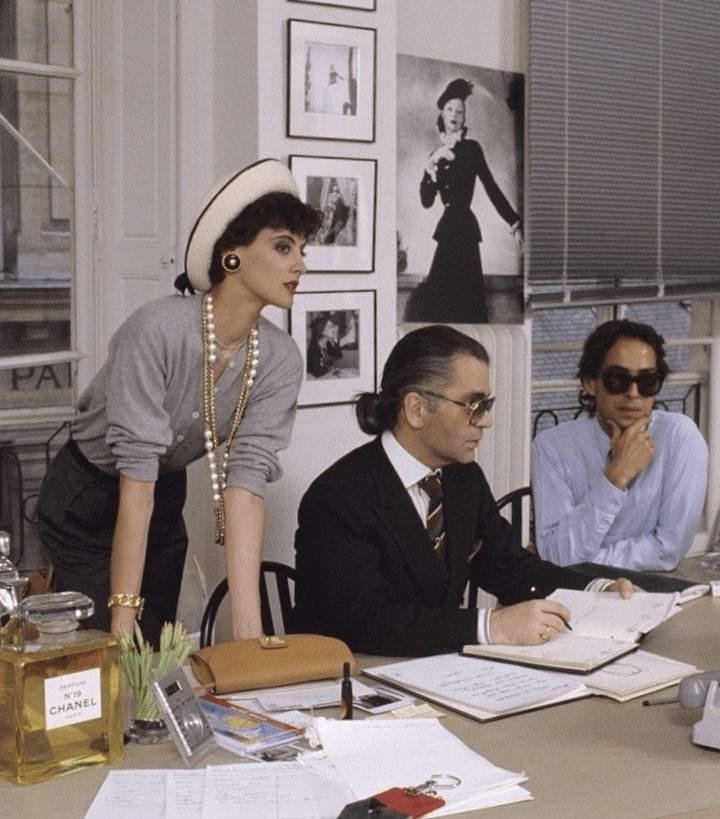
Bette Davis, Marlene Dietrich, and Grace Kelly wore her suits.
Life Magazine declared she had picked up right where she left off—revolutionizing fashion with comfortable elegance.
Chanel's rival Karl Lagerfeld later admitted: "She showed her new collection at the worst time—when Dior was king."
Against a post-war fashion world obsessed with extravagance, Chanel stood for restraint.
"Luxury must be comfortable, otherwise it's not luxury," she insisted.
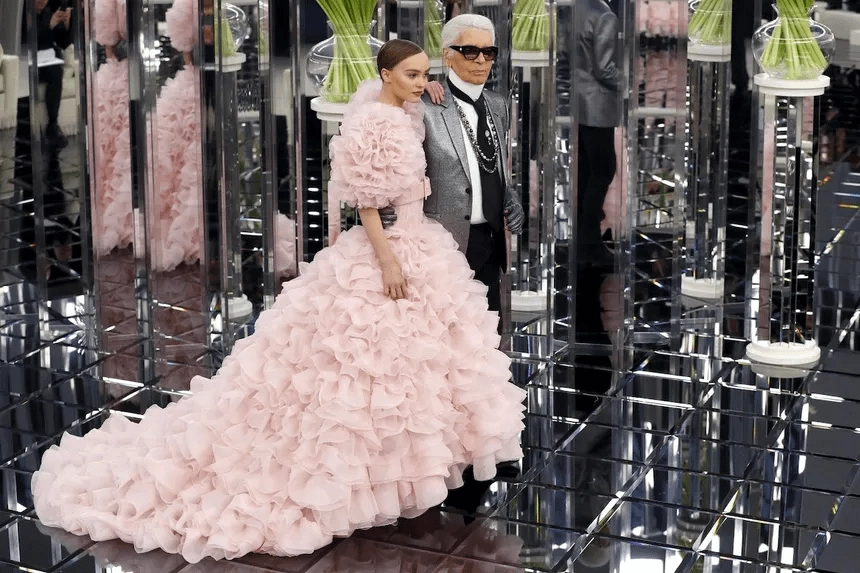
She worked until her final day on January 10, 1971, when she died at 87 in her apartment at the Ritz.
The next day, her spring collection still opened as scheduled.
She left no direct heirs but a design legacy now worth $15 billion annually.
In 2023, a Chanel Classic Flap bag sells for $10,200—more than double its price from just five years ago.
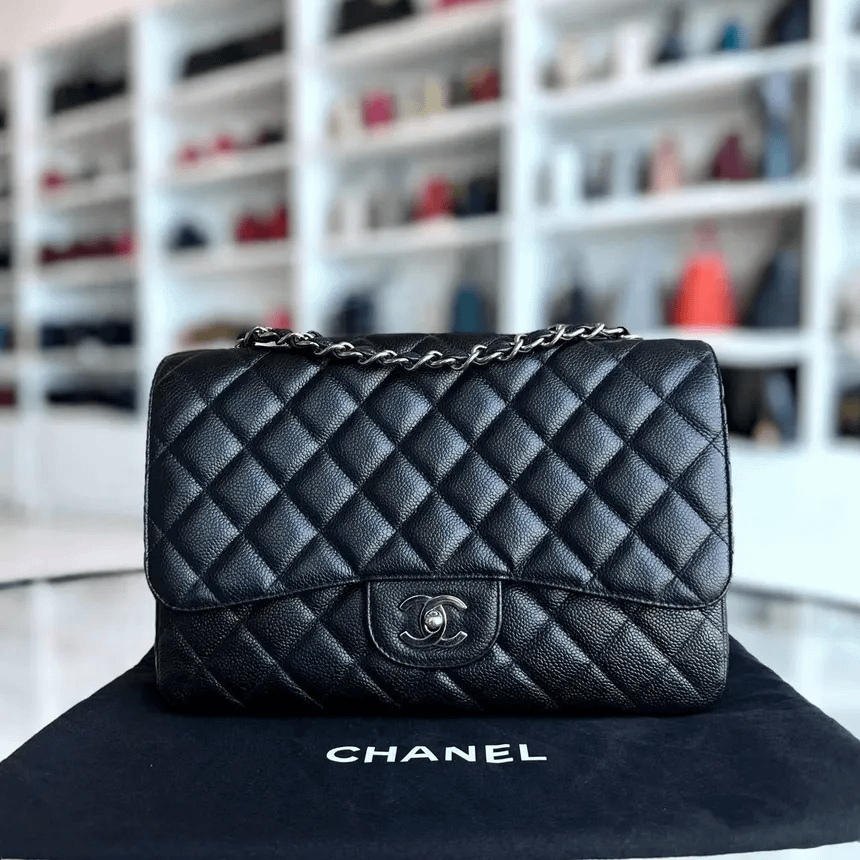
Coco Chanel's business model shaped modern luxury.
And the interlocking CC logo she designed in the 1920s remains one of fashion's most recognized symbols worldwide.
Chanel proved a 70-year-old "has-been" could beat designers half her age at their own game.
She built, lost, and rebuilt an empire through two world wars, economic crises, and personal tragedies.
"Success is often achieved by those who don't know that failure is inevitable."
Chanel's legacy leaves us with 3 timeless lessons:
Her relentless pursuit of simplicity helped her build a fashion empire.
I applied these lessons to writing online.
Writing online is how I built a digital business, quit my job on Wall Street, and unlocked dozens of new opportunities in my life.
So, I wrote a FREE email course to help you publish 1 piece of writing every day on 𝕏.
This is all you need to: