Dr. Anna Lembke is Stanford’s leading neuroscientist and addiction...

Mark Woodland@Markwoodland
29 views
Jan 01, 2026
~2 min read
Advertisement
1
Dr. Anna Lembke is Stanford’s leading neuroscientist and addiction expert.
Her 25+ years of research reveal why we’re more stimulated than ever, yet so unmotivated.
Her 10 most important insights on how to reset your brain’s balance: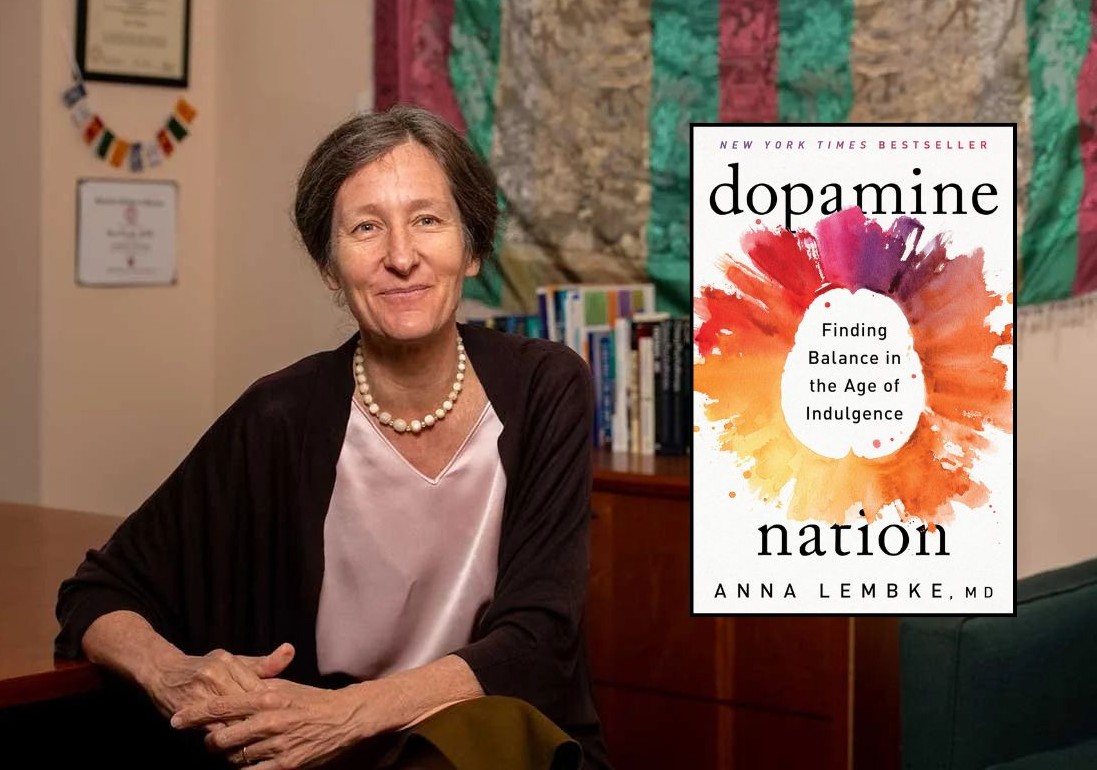
Her 25+ years of research reveal why we’re more stimulated than ever, yet so unmotivated.
Her 10 most important insights on how to reset your brain’s balance:
2
1. Dopamine isn't about pleasure.
It's about motivation.
Rats with no dopamine would eat food in their mouth but starve if it was a body length away.
Without dopamine, effort disappears first.
It's about motivation.
Rats with no dopamine would eat food in their mouth but starve if it was a body length away.
Without dopamine, effort disappears first.
1:22
3
2. Your brain processes pleasure and pain in the same place.
They work like a balance scale.
When you feel pleasure, your brain immediately compensates by tilting toward pain.
Your brain overshoots to restore balance, leaving you in a dopamine deficit state.
They work like a balance scale.
When you feel pleasure, your brain immediately compensates by tilting toward pain.
Your brain overshoots to restore balance, leaving you in a dopamine deficit state.
1:57
4
3. Modern rewards break this system.
Alcohol, sugar, doomscrolling, and gaming deliver massive dopamine hits with zero effort.
Our brains weren't built for pleasure without work.
Alcohol, sugar, doomscrolling, and gaming deliver massive dopamine hits with zero effort.
Our brains weren't built for pleasure without work.
0:50
5
4. Repeated overstimulation lowers your baseline.
Over time, dopamine receptors downregulate.
You don't chase pleasure to feel good anymore.
You chase it just to feel normal.
Over time, dopamine receptors downregulate.
You don't chase pleasure to feel good anymore.
You chase it just to feel normal.
1:23
6
This is how addiction forms.
Not because the substance is evil, but because the brain adapts faster than we expect.
More stimulation leads to more pain leads to more craving.
Not because the substance is evil, but because the brain adapts faster than we expect.
More stimulation leads to more pain leads to more craving.
7
5. We're wired for a world of scarcity, not abundance.
Your ancestors worked hard for small rewards.
Your brain evolved for delayed gratification.
Modern life floods it instantly, and it can't handle that.
Your ancestors worked hard for small rewards.
Your brain evolved for delayed gratification.
Modern life floods it instantly, and it can't handle that.
1:15
8
6. Stress makes relapse predictable.
Once the brain learns a fast dopamine shortcut, it will return to it under stress.
This applies to substances and behaviors like food, work, porn, and social media.
Once the brain learns a fast dopamine shortcut, it will return to it under stress.
This applies to substances and behaviors like food, work, porn, and social media.
1:05
9
7. Our culture makes this worse.
We're told we should never be in pain.
If we feel any discomfort, something must be wrong.
This creates a generation without mental calluses to tolerate pain.
We're told we should never be in pain.
If we feel any discomfort, something must be wrong.
This creates a generation without mental calluses to tolerate pain.
1:20
10
8. Willpower is overrated.
In high-dopamine environments, willpower fails.
Real change comes from self-binding: reducing access, increasing friction, and removing cues in advance.
In high-dopamine environments, willpower fails.
Real change comes from self-binding: reducing access, increasing friction, and removing cues in advance.
0:48
11
9. The counterintuitive fix is choosing discomfort.
Exercise, cold exposure, fasting, effortful work.
When you press on the pain side first, dopamine rises slowly and lasts longer.
Exercise, cold exposure, fasting, effortful work.
When you press on the pain side first, dopamine rises slowly and lasts longer.
12
10. The 30-day dopamine fast resets your brain.
Pick your most problematic behavior and quit completely.
The first 2 weeks are brutal as your brain rebalances.
By week 3, cravings fade.
By day 30, you'll feel better than you have in years.
Pick your most problematic behavior and quit completely.
The first 2 weeks are brutal as your brain rebalances.
By week 3, cravings fade.
By day 30, you'll feel better than you have in years.
1:38
13
Dr. Lembke's message is clear.
We're not weak.
We're wired for survival in a world that no longer exists.
In an overstimulated world, restraint becomes a performance advantage.
We're not weak.
We're wired for survival in a world that no longer exists.
In an overstimulated world, restraint becomes a performance advantage.
14
Thanks for reading!
If you found this valuable:
Follow me @markwoodland for more.
Like/Repost the quote below if you can:
If you found this valuable:
Follow me @markwoodland for more.
Like/Repost the quote below if you can:
Mark Woodland@Markwoodland
Dr. Anna Lembke is Stanford’s leading neuroscientist and addiction expert.
Her 25+ years of research reveal why we’re more stimulated than ever, yet so unmotivated.
Her 10 most important insights on how to reset your brain’s balance:
Her 25+ years of research reveal why we’re more stimulated than ever, yet so unmotivated.
Her 10 most important insights on how to reset your brain’s balance:
15
Video credit:
- Dopamine Expert: Doing This Once A Day Fixes Your Dopamine! What Alcohol Is Doing To Your Brain!
youtube.com/watch?v=R6xbXO…
- Dopamine Expert: Doing This Once A Day Fixes Your Dopamine! What Alcohol Is Doing To Your Brain!
youtube.com/watch?v=R6xbXO…
