Much like humans, CPUs heal in their sleep. CPUs are *technically*...

LaurieWired@lauriewired
77 views
Oct 02, 2025
~1 min read
Advertisement
1
Much like humans, CPUs heal in their sleep.
CPUs are *technically* replaceable / wear items. They don’t last forever.
Yet, the moment stress is removed, transistor degradation (partially) reverses.
It's called Bias Temperature Instability (BTI) recovery:

CPUs are *technically* replaceable / wear items. They don’t last forever.
Yet, the moment stress is removed, transistor degradation (partially) reverses.
It's called Bias Temperature Instability (BTI) recovery:
2
Transistors are little switches.
When you hold a switch on, especially when it’s hot, a bit of charge gets stuck where it shouldn’t.
Every time that happens, it gets a little bit harder to switch.
In other words, the transistor gets a little “lazier”.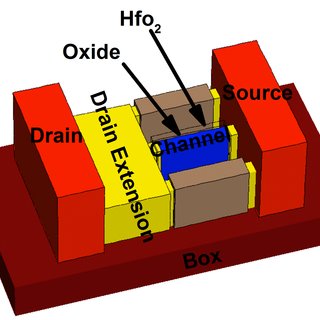
When you hold a switch on, especially when it’s hot, a bit of charge gets stuck where it shouldn’t.
Every time that happens, it gets a little bit harder to switch.
In other words, the transistor gets a little “lazier”.
3
Over 10 years, in a modern processor, the ALU can slow down 6%!
FPGAs get hit even harder. Run it hard (slightly over-volted), and you’re looking at a few % a year of slowdown.
Not something the average user would notice, but definitely has to be accounted for.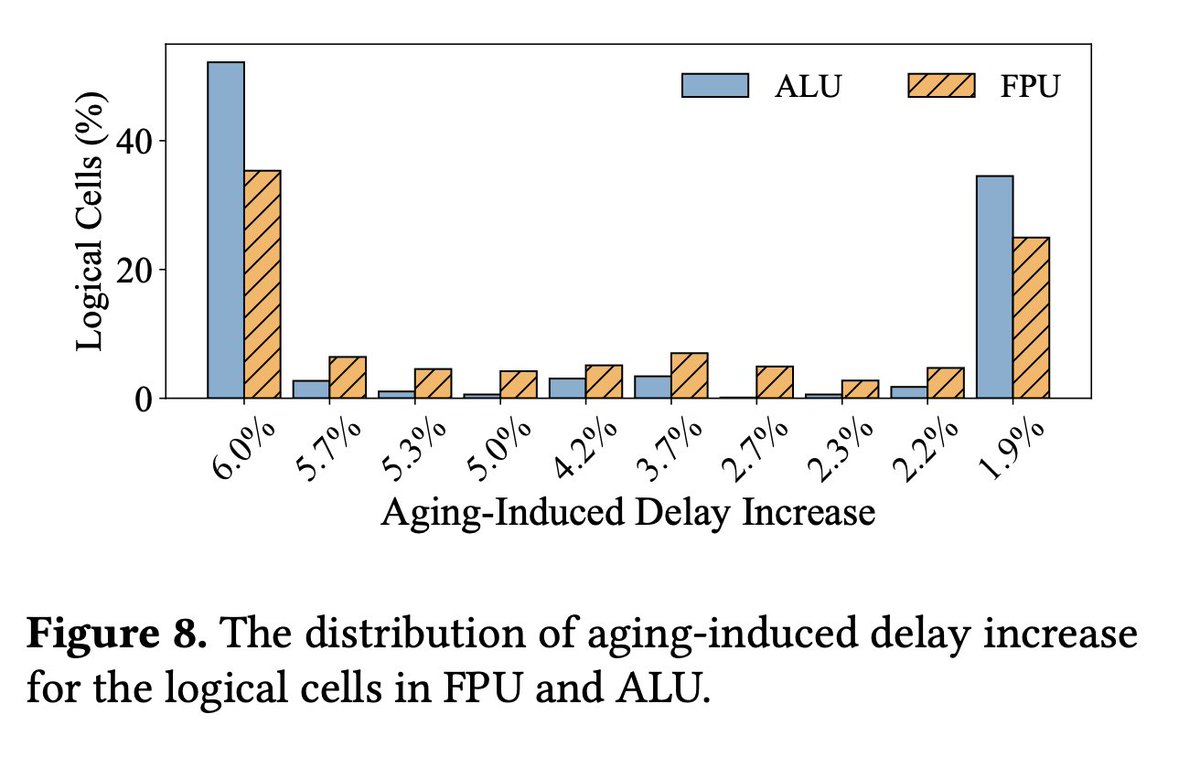
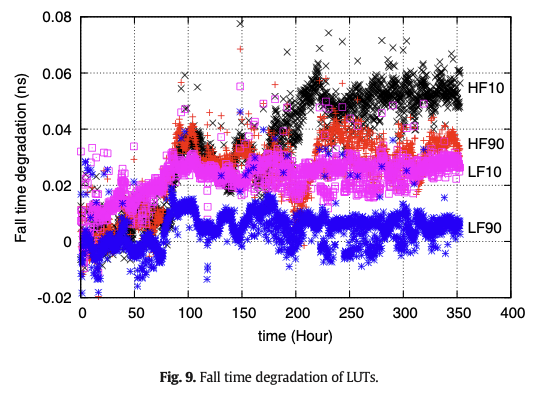
FPGAs get hit even harder. Run it hard (slightly over-volted), and you’re looking at a few % a year of slowdown.
Not something the average user would notice, but definitely has to be accounted for.
4
The neat part is that BTI damage can be (partially) recovered with…sleep!
Give the transistor a break, and degradation reduces ~40% or more; the longer the better.
CPU C states create lots of tiny idle windows (microsleeps), which drastically increase the lifespan.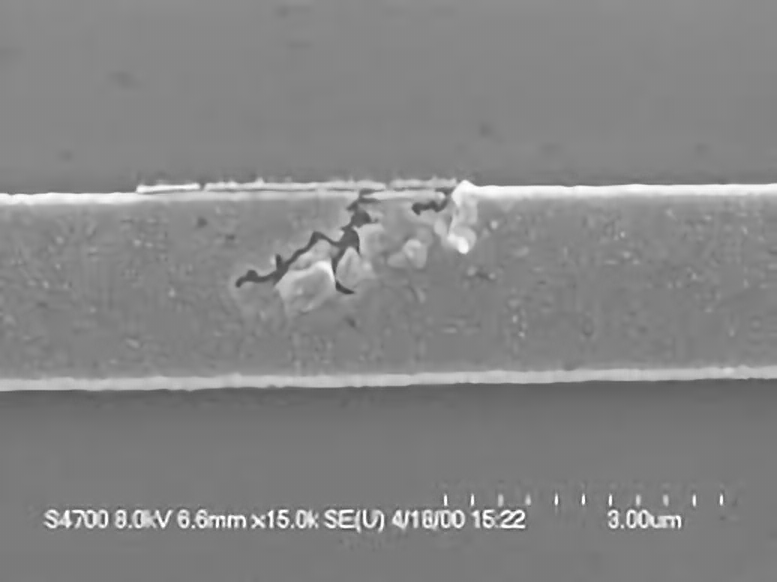
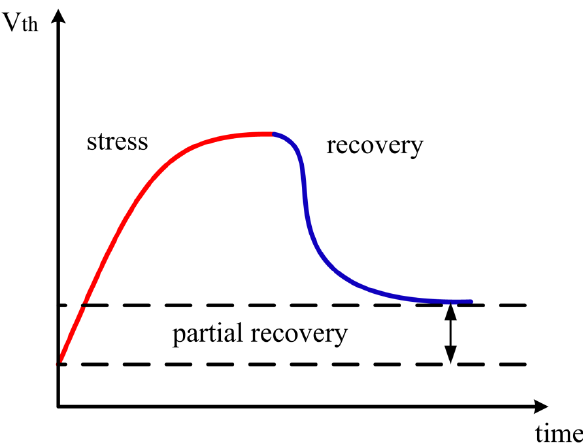
Give the transistor a break, and degradation reduces ~40% or more; the longer the better.
CPU C states create lots of tiny idle windows (microsleeps), which drastically increase the lifespan.
5
I’m not exaggerating. Some BTI recovery methods are literally inspired by the human sleep cycle.
“Circadian Rhythms for Future Resilient Electronic Systems” delves deeply into this topic, with real world examples and experiments.
That’s gotta be one of the best book titles I’ve ever seen.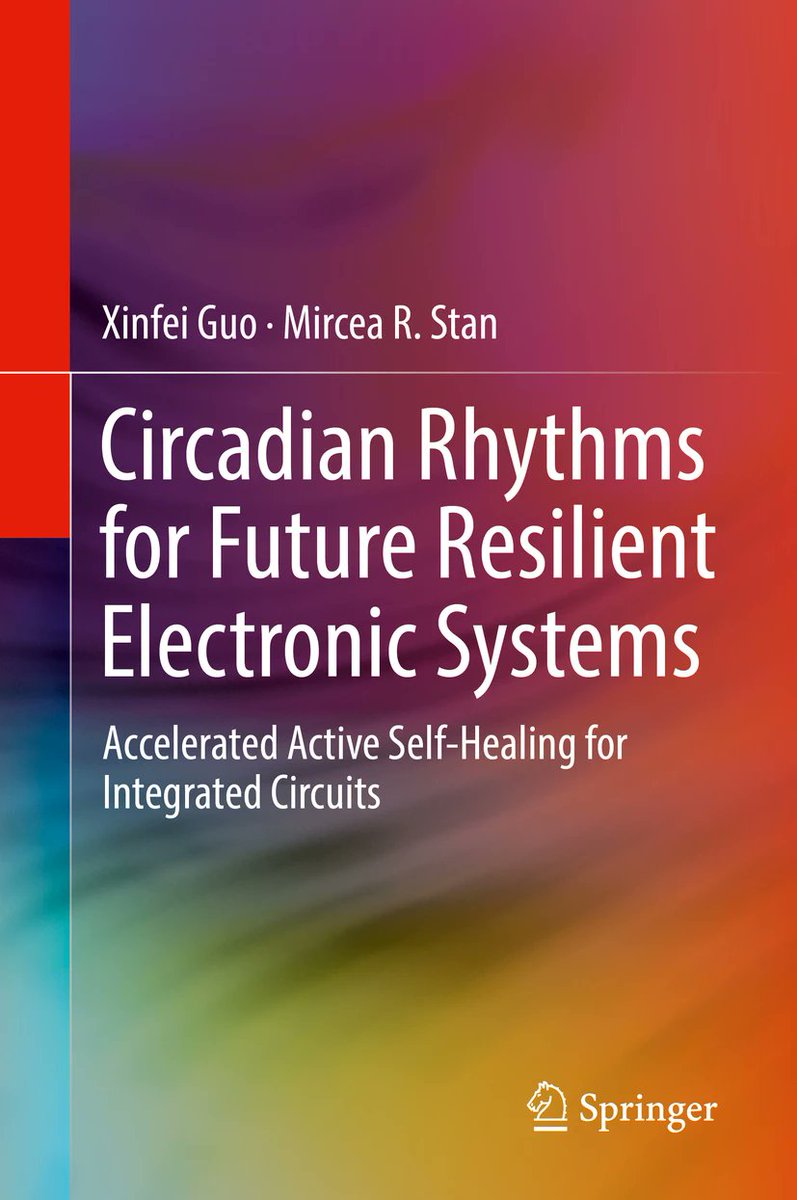
“Circadian Rhythms for Future Resilient Electronic Systems” delves deeply into this topic, with real world examples and experiments.
That’s gotta be one of the best book titles I’ve ever seen.

