Most people with chronic low back pain don’t realize that tight...

Conor Harris@Conor_Harris_
6 views
Jan 07, 2026
~2 min read
Advertisement
1
Most people with chronic low back pain don’t realize that tight fascia in one key area could be a major contributor.
This area is called your Thoracolumbar Fascia, and it could be the secret to unlocking your low back.
Here’s what it is, why it matters, & how to fix it 👇
This area is called your Thoracolumbar Fascia, and it could be the secret to unlocking your low back.
Here’s what it is, why it matters, & how to fix it 👇
2
Let’s talk about the Thoracolumbar Fascia.
It’s a dense connective tissue in your lower back that connects your trunk and your limbs. It helps transmit force when you walk, run, twist, or lift.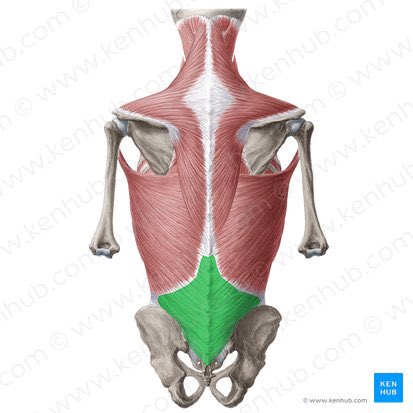
It’s a dense connective tissue in your lower back that connects your trunk and your limbs. It helps transmit force when you walk, run, twist, or lift.
3
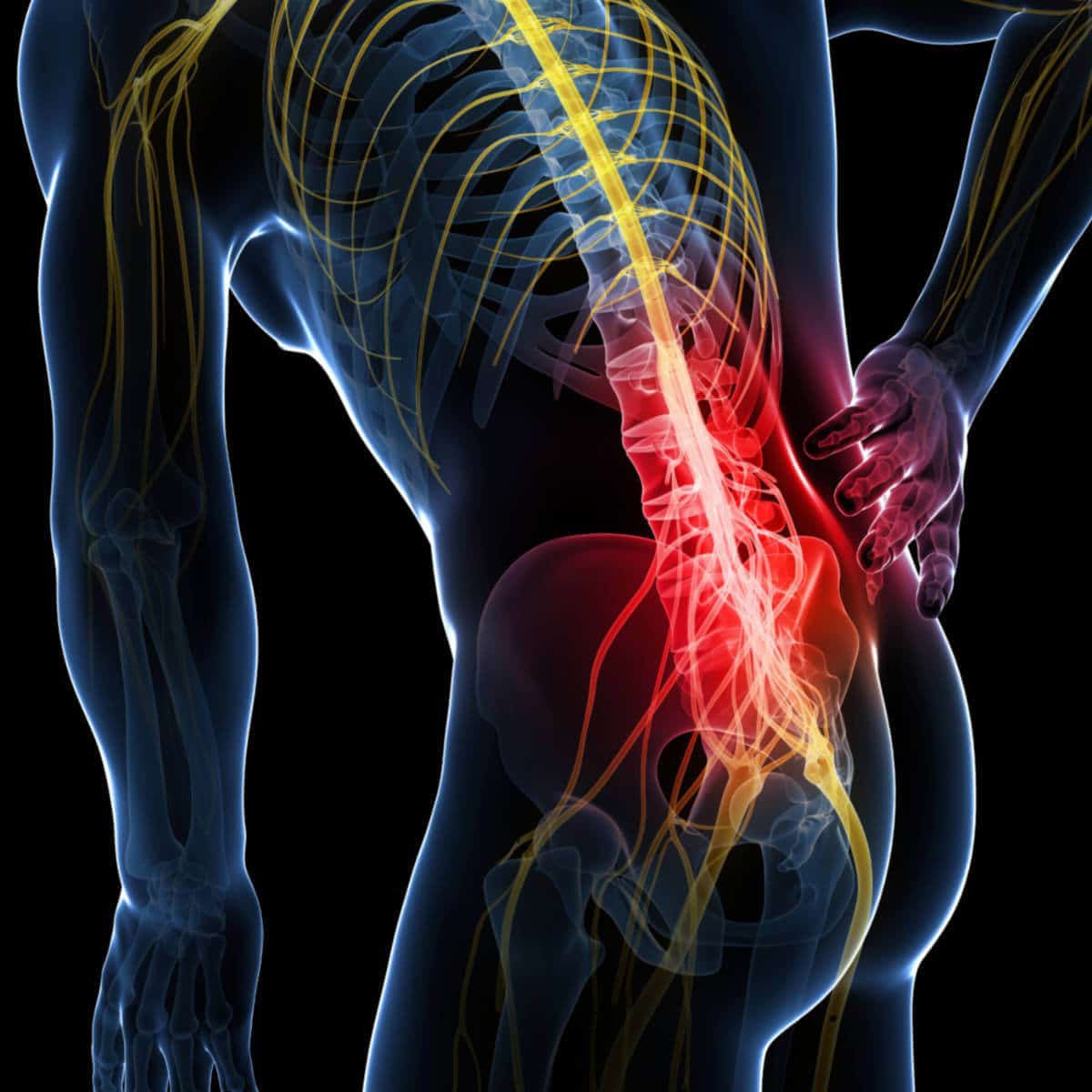
It also contains a lot of nerve endings, so it’s sensitive to pain & dysfunction.
4
When that fascia gets tight or stuck, you don’t just lose mobility, you might feel actual pain.
That’s because of the nociceptive (pain-sensing) nerves in the area. When compressed or irritated, they can create discomfort during movement.
That’s because of the nociceptive (pain-sensing) nerves in the area. When compressed or irritated, they can create discomfort during movement.
5
The two most common issues I see here:
1.Excessive tightness and spinal extension
2.Poor trunk rotation and force transfer
Let’s unpack how these show up and what to do about them.
1.Excessive tightness and spinal extension
2.Poor trunk rotation and force transfer
Let’s unpack how these show up and what to do about them.
0:29
6
When the spine is too extended in this region, it loses its ability to rotate.
And if your spine and ribcage can’t rotate well, your body becomes inefficient at transferring force from your trunk to your limbs.
Think: walking, running, lifting.
It all suffers.
And if your spine and ribcage can’t rotate well, your body becomes inefficient at transferring force from your trunk to your limbs.
Think: walking, running, lifting.
It all suffers.
0:15
7
So what do we need?
✅ A spine that can expand and contract
✅ A ribcage that can change shape
✅ Proper intra-abdominal pressure during movement
All of this helps that fascia lengthen, decompress, and allow fluid movement through the back.
✅ A spine that can expand and contract
✅ A ribcage that can change shape
✅ Proper intra-abdominal pressure during movement
All of this helps that fascia lengthen, decompress, and allow fluid movement through the back.
8
Drill 1: Breath-Based Thoracolumbar Expansion
Start by lying on your back with a foam roller under the base of your pelvis.
Pull your knees gently toward your chest and let them relax.
This creates slack through the back and lets the fascia expand.
Start by lying on your back with a foam roller under the base of your pelvis.
Pull your knees gently toward your chest and let them relax.
This creates slack through the back and lets the fascia expand.
0:32
9
Drill 2: Train Intra-Abdominal Pressure with Foot Grounding
Now let’s train the system under slight load:
•Lie on your side with hips and knees bent 90°
•Feet flat on a wall
•Pillow under your lower ribs for support
•Head supported, like you’re taking a nap
This sets your rib cage and pelvis in alignment.
Now let’s train the system under slight load:
•Lie on your side with hips and knees bent 90°
•Feet flat on a wall
•Pillow under your lower ribs for support
•Head supported, like you’re taking a nap
This sets your rib cage and pelvis in alignment.
1:17
10
These drills help you:
✅ Restore movement to the thoracolumbar fascia
✅ Improve trunk rotation
✅ Build intra-abdominal pressure without compensation
✅ Reduce unnecessary compression in the low back
This is how you actually fix the root cause.
✅ Restore movement to the thoracolumbar fascia
✅ Improve trunk rotation
✅ Build intra-abdominal pressure without compensation
✅ Reduce unnecessary compression in the low back
This is how you actually fix the root cause.
11
If you enjoyed this reel, I have a newsletter with exclusive free education.
I send out:
✅Exercises that get results fixing mobility & pain
✅Case studies
✅Targeted solutions for specific problems like this
Join here: conorharris.com/newsletter
I send out:
✅Exercises that get results fixing mobility & pain
✅Case studies
✅Targeted solutions for specific problems like this
Join here: conorharris.com/newsletter