1/ 🇬🇧 Few airplanes can describe the skill of 🇨🇿 engineers as well...

Jan Kozák@PallRay
15 views
Jul 22, 2025
~6 min read
Advertisement
1
1/
🇬🇧 Few airplanes can describe the skill of 🇨🇿 engineers as well as the Aero Ae 45, which made Czechoslovak aeronautical engineering famous all over the world.
This plane celebrates 78 years since its #firstflight, so why not dedicate a brief Monday thread to it? 🧵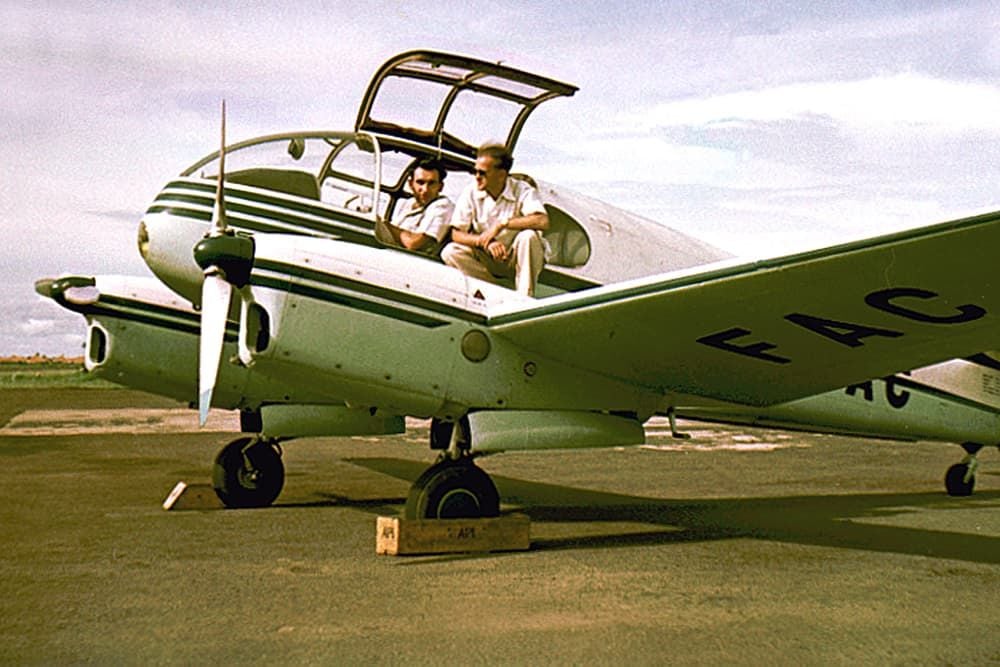

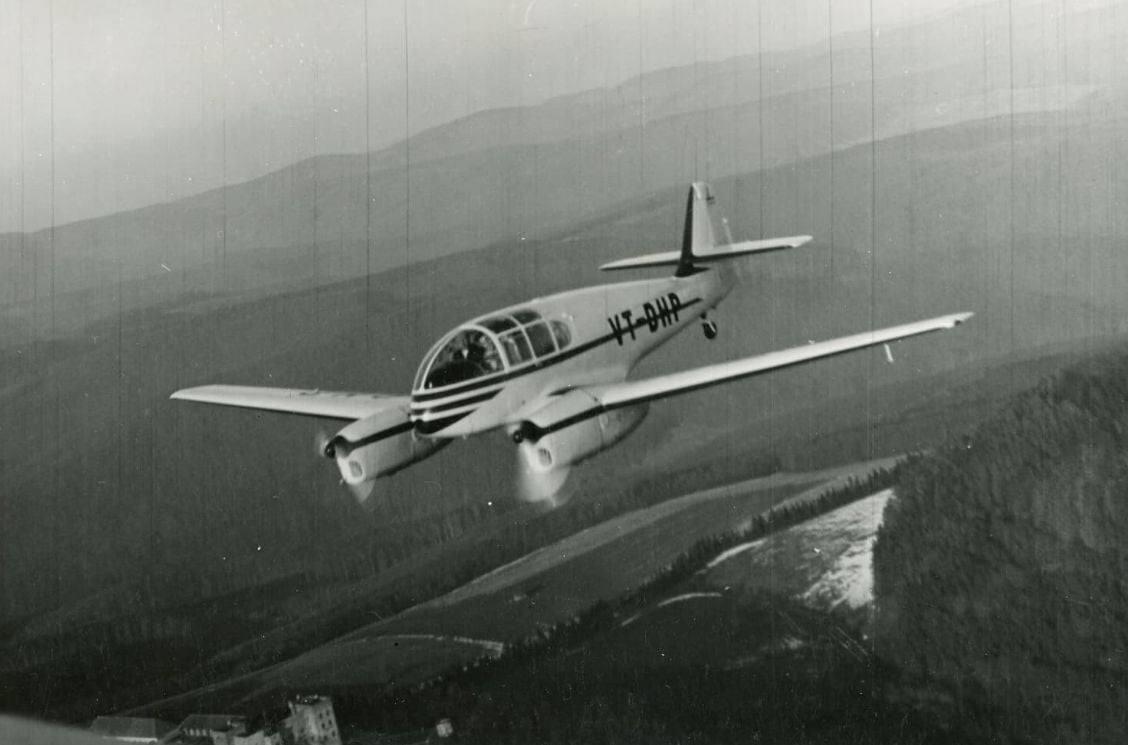

🇬🇧 Few airplanes can describe the skill of 🇨🇿 engineers as well as the Aero Ae 45, which made Czechoslovak aeronautical engineering famous all over the world.
This plane celebrates 78 years since its #firstflight, so why not dedicate a brief Monday thread to it? 🧵
2
2/
The Aero factory in Vysočany produced various German aircraft during the WW2. After the war, the new management of the company decided against developing indigenous aircraft, so Aero continued producing German Siebel 204 and Bücker 131 aircraft, using wartime material stocks.
The Aero factory in Vysočany produced various German aircraft during the WW2. After the war, the new management of the company decided against developing indigenous aircraft, so Aero continued producing German Siebel 204 and Bücker 131 aircraft, using wartime material stocks.
3
3/
However, a group of five designers - O. Němec, F. Vlk, M. Baitler, J. Bouzek and P. Rosendorf - was not willing to accept this . They decided to continue the pre-war Aero tradition and build a light multi-seat aircraft that could serve as an air taxi, service or VIP plane.
However, a group of five designers - O. Němec, F. Vlk, M. Baitler, J. Bouzek and P. Rosendorf - was not willing to accept this . They decided to continue the pre-war Aero tradition and build a light multi-seat aircraft that could serve as an air taxi, service or VIP plane.
4
4/
The group worked on the project unofficially, in their spare time and with no reward. Luckily for them, the management tolerated employees staying in the factory after work hours, giving the designers both time and facilities to work.
The group worked on the project unofficially, in their spare time and with no reward. Luckily for them, the management tolerated employees staying in the factory after work hours, giving the designers both time and facilities to work.
5
5/
The resulting design was named Ae 45 after the year 1945 in which the work began. It was a compact, four-seat aircraft with an all-metal structure and generously glazed cockpit, powered by a pair of Walter Minor air-cooled inverted V4 engines.
The resulting design was named Ae 45 after the year 1945 in which the work began. It was a compact, four-seat aircraft with an all-metal structure and generously glazed cockpit, powered by a pair of Walter Minor air-cooled inverted V4 engines.
6
6/
From the beginning, the project was met with doubt. At the time, the Aero was already a part of Letov directorate, and its representatives showed no interest in the design. The supporters eventually prevailed, however, and the designers received permission to build a prototype
From the beginning, the project was met with doubt. At the time, the Aero was already a part of Letov directorate, and its representatives showed no interest in the design. The supporters eventually prevailed, however, and the designers received permission to build a prototype
7
7/
The first prototype Ae.45.1 (OK-BCA) was finished in 1947. During 12 test flights, the pilots noted a list of shortcomings, such as stiff landing gear suspension, thick cockpit frames limiting the view, or poor control response.
The first prototype Ae.45.1 (OK-BCA) was finished in 1947. During 12 test flights, the pilots noted a list of shortcomings, such as stiff landing gear suspension, thick cockpit frames limiting the view, or poor control response.
8
8/
In September 1947, another round of tests followed; this was after the type was first presented to the public at the International Aviation Day in Ruzyně. The tests revealed, among other things, a tendency to roll when stalling, but also recognized the potential of the design.
In September 1947, another round of tests followed; this was after the type was first presented to the public at the International Aviation Day in Ruzyně. The tests revealed, among other things, a tendency to roll when stalling, but also recognized the potential of the design.
9
9/
The findings were applied to the second prototype marked Ae 45.2, which first flew in March 1948. It had larger elevators, raised stabilizer, modified instrument panel, smaller wing-fuselage transition. The modifications improved handling, stall behaviour and visibility.
The findings were applied to the second prototype marked Ae 45.2, which first flew in March 1948. It had larger elevators, raised stabilizer, modified instrument panel, smaller wing-fuselage transition. The modifications improved handling, stall behaviour and visibility.
10
10/
Both prototypes were then sent abroad in order to attract foreign buyers. By March 1949 the planes had flown over 350 hours - these included several crossings over the Alps, flights in Italy and Scandinavia, inter-city flights, flights with a full load (1400 kg) and more.
Both prototypes were then sent abroad in order to attract foreign buyers. By March 1949 the planes had flown over 350 hours - these included several crossings over the Alps, flights in Italy and Scandinavia, inter-city flights, flights with a full load (1400 kg) and more.
11
11/
Worth mentioning are the tests in Switzerland, where the Ae 45 displayed the ability to perform steep descents with flaps extended without excess floating. Also interesting was a test in Letňany, during which the plane flew and safely landed with one engine shut off.
Worth mentioning are the tests in Switzerland, where the Ae 45 displayed the ability to perform steep descents with flaps extended without excess floating. Also interesting was a test in Letňany, during which the plane flew and safely landed with one engine shut off.
12
12/
In total, the prototypes were tested by about 100 foreign pilots, earning a lot of praise from them. Particularly praised was the geometric twist of the wingtips, which made the plane very safe even when stalling and flying on one engine.
In total, the prototypes were tested by about 100 foreign pilots, earning a lot of praise from them. Particularly praised was the geometric twist of the wingtips, which made the plane very safe even when stalling and flying on one engine.
13
13/
Overall, the prototypes were rated as the best Czechoslovak post-war plane. Soon after, the production was started and first production Ae 45s left the factory in 1949. These differed from the prototypes by thinner cockpit framing, different seat arrangement and other details
Overall, the prototypes were rated as the best Czechoslovak post-war plane. Soon after, the production was started and first production Ae 45s left the factory in 1949. These differed from the prototypes by thinner cockpit framing, different seat arrangement and other details
14
14/
The production Ae 45 had wingspan of 40 ft, fuselage length of 24,6 feet and empty weight of 1807 lb. The top speed was 174 mph with the range of 621 miles. The plane could carry 4 people - a pilot and 3 passengers, who boarded through the left-hand hinged doors.

The production Ae 45 had wingspan of 40 ft, fuselage length of 24,6 feet and empty weight of 1807 lb. The top speed was 174 mph with the range of 621 miles. The plane could carry 4 people - a pilot and 3 passengers, who boarded through the left-hand hinged doors.
15
15/
First production batches were sold to Hungary, Switzerland and Italy. In Czechoslovakia, the Ae 45 was used by several operators, such as Svitlet company or Czechoslovak Airlines. These used the type to launch one of the first post-war air taxi services in Czechoslovakia.
First production batches were sold to Hungary, Switzerland and Italy. In Czechoslovakia, the Ae 45 was used by several operators, such as Svitlet company or Czechoslovak Airlines. These used the type to launch one of the first post-war air taxi services in Czechoslovakia.
16
16/
Few units were delivered to the Czechoslovak Air Force under the designation K-75; they were used for liaison and courier duties, fully using the STOL capabilites of the Ae 45. The plane was also favoured by aeroclubs and proved itself useful for advanced pilot training.
Few units were delivered to the Czechoslovak Air Force under the designation K-75; they were used for liaison and courier duties, fully using the STOL capabilites of the Ae 45. The plane was also favoured by aeroclubs and proved itself useful for advanced pilot training.
17
17/
The success spurred further development. Aero proposed 2 improved five-seat variants - the Ae 145 with tricycle landing gear, and the Ae 245 tail-dragger. In 1951, however, the production was discontinued for unknown reasons, allegedly in favour of Soviet designs.
The success spurred further development. Aero proposed 2 improved five-seat variants - the Ae 145 with tricycle landing gear, and the Ae 245 tail-dragger. In 1951, however, the production was discontinued for unknown reasons, allegedly in favour of Soviet designs.
18
18/
It seemed like the production will end at 200 planes. However, the demand was so high that in 1953, the production was restarted in Kunovice. The new Ae 45S variant had variable-pitch propellers, modified engine cowlings, re-arranged interior and other minor modifications.
It seemed like the production will end at 200 planes. However, the demand was so high that in 1953, the production was restarted in Kunovice. The new Ae 45S variant had variable-pitch propellers, modified engine cowlings, re-arranged interior and other minor modifications.
19
19/
The final iteration, marked as the Ae 145 (not to be confused with the project mentioned above) was powered by newer Walter M-332 engines with switchable superchargers, producing 84 kW. The new engines reduced fuel burn and improved general handling, including climb rate.
The final iteration, marked as the Ae 145 (not to be confused with the project mentioned above) was powered by newer Walter M-332 engines with switchable superchargers, producing 84 kW. The new engines reduced fuel burn and improved general handling, including climb rate.
20
20/
The following years saw the plane earning a reputation of reliable, highly versatile and easy to handle aircraft. Large numbers were purchased by China and the USSR, where the Ae 45 proved itself in harsh conditions. A winter variant with skis was also developed.
The following years saw the plane earning a reputation of reliable, highly versatile and easy to handle aircraft. Large numbers were purchased by China and the USSR, where the Ae 45 proved itself in harsh conditions. A winter variant with skis was also developed.
21
21/
The plane enjoyed success all across the globe. Jan Anderle performed a non-stop crossing of the Sahara, while D. Beard flew from Prague to Hong Kong. Italian businessmann P. Brielli, using a modified Ae 45S, flew from Buenos Aires to Milan with only a single stopover.

The plane enjoyed success all across the globe. Jan Anderle performed a non-stop crossing of the Sahara, while D. Beard flew from Prague to Hong Kong. Italian businessmann P. Brielli, using a modified Ae 45S, flew from Buenos Aires to Milan with only a single stopover.
22
22/
5 units (one Ae 45S and four Ae 145s) were delivered to Australia. One of them (Ae 145, VH-DUH) was used by Keith Virtue and his son for a flight from Nürnberg to Darwin with 23 stopovers. Small number was also purchased by customers in Indonesia, India or South Africa.

5 units (one Ae 45S and four Ae 145s) were delivered to Australia. One of them (Ae 145, VH-DUH) was used by Keith Virtue and his son for a flight from Nürnberg to Darwin with 23 stopovers. Small number was also purchased by customers in Indonesia, India or South Africa.
23
23/
According to the photos, a local modification was produced in Indonesia. Based on the Ae 45, the plane had new engines, tricycle gear, different rudder, a new nose and other modifications. Only a single plane was built, which was destroyed in an accident. The crew perished.

According to the photos, a local modification was produced in Indonesia. Based on the Ae 45, the plane had new engines, tricycle gear, different rudder, a new nose and other modifications. Only a single plane was built, which was destroyed in an accident. The crew perished.
24
24/
In short, the Ae 45 and its derivatives kept the Czechoslovak light aircraft industry ticking for almost 15 years. By the end of production in 1961, 590 planes of all variants were made. Safe to say, the Ae 45 made itself and its designers famous all over the world.


In short, the Ae 45 and its derivatives kept the Czechoslovak light aircraft industry ticking for almost 15 years. By the end of production in 1961, 590 planes of all variants were made. Safe to say, the Ae 45 made itself and its designers famous all over the world.
25
Source info and most of the photos were picked from from an article at Orlita.net. Be sure to check it out - in addition to the history of the Ae 45, it also contains a lot of stuff I couldn't fit in this thread. Many thanks to the authors!
orlita.net/ae45/
orlita.net/ae45/
