Your body tells a story, one of low thyroid hormone (T3): - Dry...

Moosa@questmoosa
37 views
Jun 30, 2025
~5 min read
Advertisement
1
Your body tells a story, one of low thyroid hormone (T3):
- Dry skin: Low T3
- Hair loss: Low T3
- Thinning eyebrows: Low T3
- Acne: Low T3
- Always tired: Low T3
- Cold hands and feet: Low T3
Here are 11 foods that lower your thyroid hormone T3 levels (AVOID THESE).
🧵:
- Dry skin: Low T3
- Hair loss: Low T3
- Thinning eyebrows: Low T3
- Acne: Low T3
- Always tired: Low T3
- Cold hands and feet: Low T3
Here are 11 foods that lower your thyroid hormone T3 levels (AVOID THESE).
🧵:
2
1. Fish oil
most people think fish oil is good for their health and vitality, but this is WRONG,WRONG and WRONG!
Like everyone, I used to consume fish oil before. I had heard – from many respected authorities – that fish oil, , would be extremely healthy for us.
most people think fish oil is good for their health and vitality, but this is WRONG,WRONG and WRONG!
Like everyone, I used to consume fish oil before. I had heard – from many respected authorities – that fish oil, , would be extremely healthy for us.
3
if we take a closer look, we can easily find MANY problems with fish oil:
-Fish oils (EPA and DHA) are the most volatile and sensitive of the PUFAs, making them extremely prone to lipid peroxidation, which increases oxidative damage and inflammation - LOWERING T3 levels
-Fish oils (EPA and DHA) are the most volatile and sensitive of the PUFAs, making them extremely prone to lipid peroxidation, which increases oxidative damage and inflammation - LOWERING T3 levels
4
-Due to the fact that humans efficiently contaminated fresh waters with industrial pollutants and waste (DDT, PCB, dioxin, etc), these persistent compounds can still be found in a LARGE NUMBER OF FISH OIL SUPPLEMENTS
5
2. Gluten, Found in Bread and Pasta
A very high percentage of people with Hashimoto’s thyroiditis or just hypothyroidism in general have leaky gut. This can be caused by gluten, SIBO, nutrient deficiencies, etc
A very high percentage of people with Hashimoto’s thyroiditis or just hypothyroidism in general have leaky gut. This can be caused by gluten, SIBO, nutrient deficiencies, etc
6
Leaky gut is when the intestine allows undigested food particles, toxic waste products, bacteria and bacterial products, etc., to “leak” through the intestines and flood the bloodstream.
Then the immune system reacts with it and causes an immune response and massive inflammation or cross-react with extraintestinal tissues, such as the thyroid gland.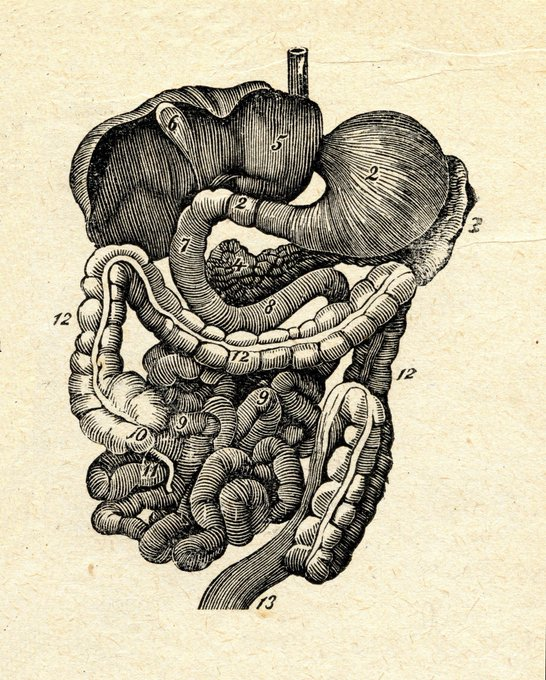
Then the immune system reacts with it and causes an immune response and massive inflammation or cross-react with extraintestinal tissues, such as the thyroid gland.
7
3. High-PUFA Vegetable Oils
The majority of the cooking oils used all around the world in this 20th century are refined vegetable oils, aka. liquid oils extracted from plant sources, which are then processed in various ways.
The majority of the cooking oils used all around the world in this 20th century are refined vegetable oils, aka. liquid oils extracted from plant sources, which are then processed in various ways.
8
To begin with, most of the vegetable oils are incredibly bad choices for cooking, due to their low smoke point, and the often used refining process (bleaching, deodorizing, degumming, etc) which strips them of micronutrients and can leave traces of sulfates.
9
Furthermore, the fats found in these sources (PUFAs) will lower thyroid hormones and inhibit the enzymes that produce T4 and T3. Shocking, I know.
10
Foods to stay away from include:
-Salad dressings
-Mayonnaise
-All baked and fried goodies
-Canned food in oil
-Packages food (a lot of them are coating with vegetable oils)
-Peanut butter and other nut butter (this will be discussed later)
-Foods with 10+ Ingredients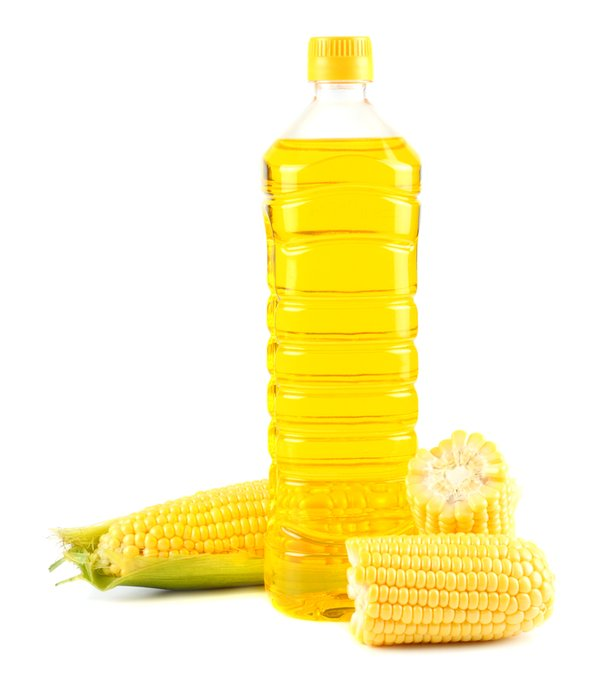
-Salad dressings
-Mayonnaise
-All baked and fried goodies
-Canned food in oil
-Packages food (a lot of them are coating with vegetable oils)
-Peanut butter and other nut butter (this will be discussed later)
-Foods with 10+ Ingredients
11
4. Soy Products
There are many controversial topics around soy consumption, one of them which is the effect on T3 levels.
Soy is considered to be HIGHLY “goitrogenic”, meaning that it can disrupt the production of thyroid hormones by interfering with iodine uptake in the thyroid gland.
There are many controversial topics around soy consumption, one of them which is the effect on T3 levels.
Soy is considered to be HIGHLY “goitrogenic”, meaning that it can disrupt the production of thyroid hormones by interfering with iodine uptake in the thyroid gland.
12
5. Peanuts
Peanut butter and peanuts can worsen hypothyroidism.
They contain goitrogens, which are substances that can interfere with thyroid function when consumed.
However, for most people, moderate consumption of peanuts or peanut butter is not likely to cause any issues.
Peanut butter and peanuts can worsen hypothyroidism.
They contain goitrogens, which are substances that can interfere with thyroid function when consumed.
However, for most people, moderate consumption of peanuts or peanut butter is not likely to cause any issues.
13
6. Seaweed
Seaweed consumption increases TSH, showing that it decreases T3 levels and receptor sensitvity.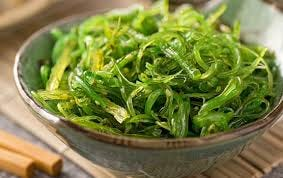
Seaweed consumption increases TSH, showing that it decreases T3 levels and receptor sensitvity.
14
7. Trans-Fats
Trans-fats are a common byproduct of a process called “hydrogenation”. In a nutshell, this is what happens:
Raw oils (usually soybean, cottonseed, safflower, corn, or canola) are hardened by passing hydrogen atoms through the oil in high pressure with the presence of nickel
Trans-fats are a common byproduct of a process called “hydrogenation”. In a nutshell, this is what happens:
Raw oils (usually soybean, cottonseed, safflower, corn, or canola) are hardened by passing hydrogen atoms through the oil in high pressure with the presence of nickel
15
So, if you’re wondering what foods are high in trans-fats, the most common ones would be the kind that includes the use of “hydrogenated” or “partially hydrogenated” vegetable oils:
-industrial vegetable oil shortenings for baking and confections
-margarine and vegetable oil spreads
-fast-foods, especially: Burger King, McDonald’s, and KFC
-potato chips (not all, but some)
-muffins and doughnuts
-cookies, cakes, cake mixes, and frostings
-industrial vegetable oil shortenings for baking and confections
-margarine and vegetable oil spreads
-fast-foods, especially: Burger King, McDonald’s, and KFC
-potato chips (not all, but some)
-muffins and doughnuts
-cookies, cakes, cake mixes, and frostings
16
But why are trans-fats bad for your health and T3 production?
-Trans-fats promote systemic inflammation in the body, and a recently published large review study concluded that each 2% increase in calories from trans-fats was associated with a 23% increase in cardiovascular disease risk.
-trans-fats are high in T3 lowering PUFAs.
-Trans-fats promote systemic inflammation in the body, and a recently published large review study concluded that each 2% increase in calories from trans-fats was associated with a 23% increase in cardiovascular disease risk.
-trans-fats are high in T3 lowering PUFAs.
17
8. Alcohol
Alcohol consumption can wreak havoc on both thyroid hormone levels in the body and the ability of the thyroid to produce hormones, according to this study.
Alcohol appears to have a toxic effect on the thyroid gland and suppresses the ability of the body to use thyroid hormone.
Alcohol consumption can wreak havoc on both thyroid hormone levels in the body and the ability of the thyroid to produce hormones, according to this study.
Alcohol appears to have a toxic effect on the thyroid gland and suppresses the ability of the body to use thyroid hormone.
18
9. Flaxseed products
Flaxseed products are incredibly popular at the moment, and this is due to their high omega-3 fatty acid content (now we know this is a lie!)
You see, flax products are incredibly dense in compounds called “lignans”. In fact, flaxseeds are known of having dietary lignan levels 800-fold over that of most other foods.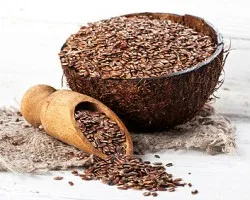
Flaxseed products are incredibly popular at the moment, and this is due to their high omega-3 fatty acid content (now we know this is a lie!)
You see, flax products are incredibly dense in compounds called “lignans”. In fact, flaxseeds are known of having dietary lignan levels 800-fold over that of most other foods.
19
Why would this be a problem?
Well, not only are the lignans highly estrogenic, there’s some evidence suggesting that they reduce total and free T3 levels!
Well, not only are the lignans highly estrogenic, there’s some evidence suggesting that they reduce total and free T3 levels!
20
10. Lima Beans
Lima Beans contain cyanogenic glucosides; they are metabolized to thiocyanates that compete with iodine for thyroidal uptake - eventually LOWERING thyroid function
Lima Beans contain cyanogenic glucosides; they are metabolized to thiocyanates that compete with iodine for thyroidal uptake - eventually LOWERING thyroid function
21
11. Cruciferous Vegetables Like Broccoli and Cauliflower

22
Research has shown that digesting these vegetables will block the thyroid’s ability to utilize iodine, which is essential for normal thyroid function.
This is because they contain glucosinolates; (metabolites that compete with iodine for thyroidal uptake.).
This is because they contain glucosinolates; (metabolites that compete with iodine for thyroidal uptake.).
23
They also contain many anti-nutrients - such as oxalates- which inhibit the absorption of vitamins and minerals which is detrimental for proper thyroid function
24
In summary:
AVOID THESE 11 FOODS THAT LOWER THYROID HORMONE T3 LEVELS AND MAKE YOU FAT AND SLOW OVERTIME:
-Peanuts
-Soy Products
-High-PUFA Vegetable Oils
-Gluten, Found in Bread and Pasta
-Fish oil
-Seaweed
-Trans-Fats
-Alcohol
-Flaxseed Products
-Cruciferous Vegetables Like Broccoli and Cauliflower -Lima Beans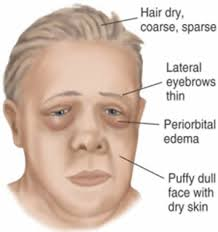
AVOID THESE 11 FOODS THAT LOWER THYROID HORMONE T3 LEVELS AND MAKE YOU FAT AND SLOW OVERTIME:
-Peanuts
-Soy Products
-High-PUFA Vegetable Oils
-Gluten, Found in Bread and Pasta
-Fish oil
-Seaweed
-Trans-Fats
-Alcohol
-Flaxseed Products
-Cruciferous Vegetables Like Broccoli and Cauliflower -Lima Beans