Movement is driven by groups of muscles and fascia working as one....

CO2 + T3 + B1@spheno_xiphoid
15 views
May 28, 2025
~3 min read
Advertisement
1
Movement is driven by groups of muscles and fascia working as one. These “myofascial slings” are what allow for powerful yet beautifully efficient movement. Training with these in mind can enhance performance, reduce injuries, and lend to an aesthetically pleasing physique.

2
The basis for the myofascial slings is the spinal engine; the spine being the axis for all movement in all three planes --not a stationary “stable” column. These slings help with the rotation and counterrotation characteristic of the human spine.

CO2 + T3 + B1@spheno_xiphoid
The spine is not a static column, but an engine that initiates movement via a combination of lateral flexion, sagittal flexion/extension, and rotation. This ancient form of propulsion is found amongst nearly all other vertebrates, from fish, to reptiles, and mammals as well.
3
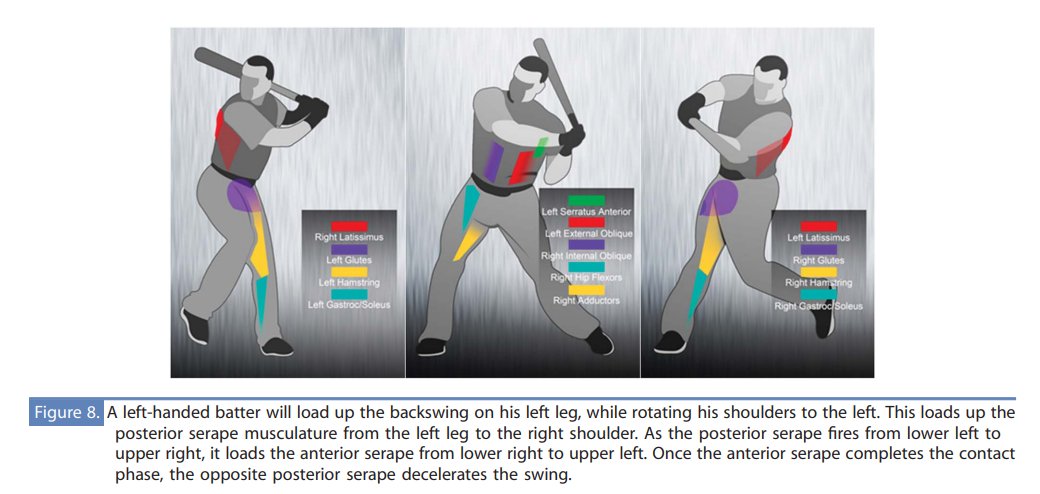
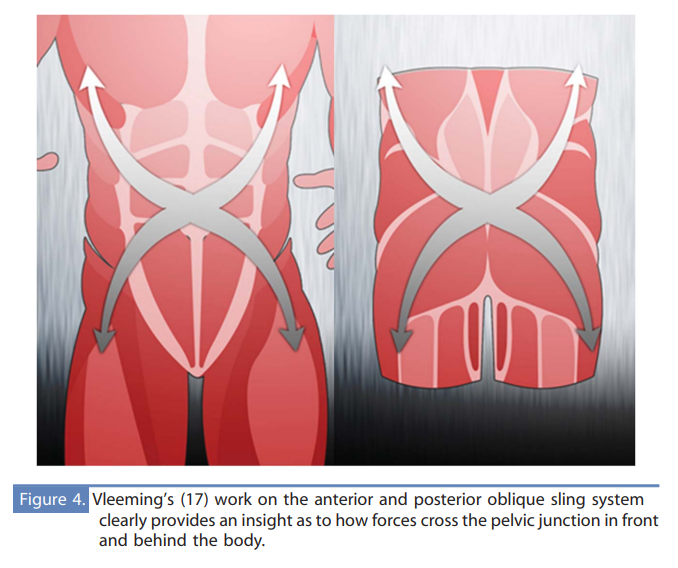
Most power is generated through the posterior oblique sling (POS) This includes the latissimus dorsi and the gluteus maximus, joined by the thoracolumbar fascia. These drive the arm and opposite leg into extension.


4
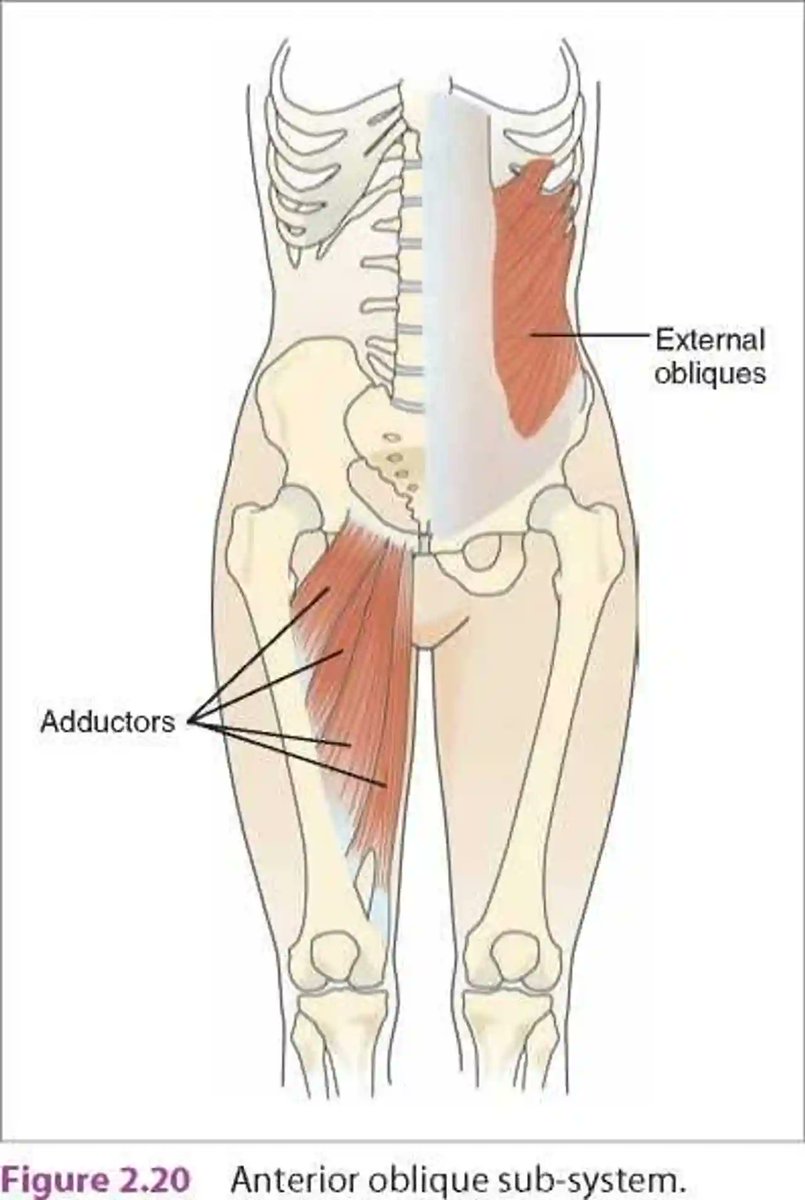
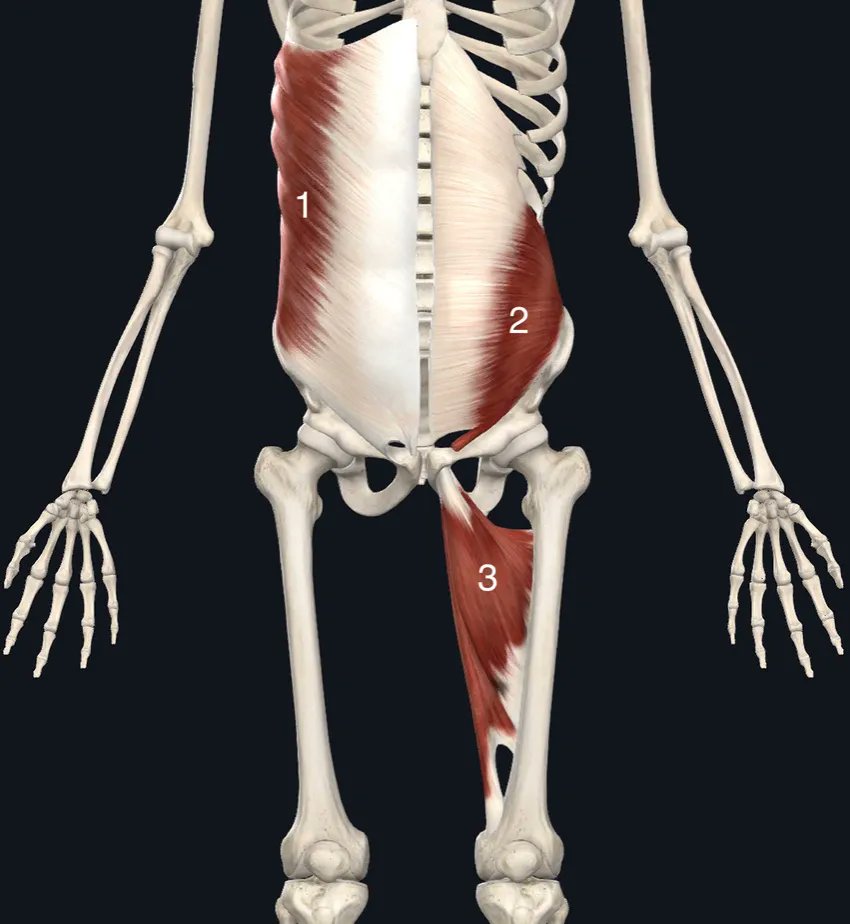
On the front of the body lies the anterior oblique sling (AOS). This consists of the oblique muscles, hip flexors, and adductors, joined in part by the aponeurosis of the external oblique. These pull the arm and opposite leg into flexion.
5
These two slings work synergistically, ensuring that the limbs as well as rotation of the spine are coordinated and balanced.

6
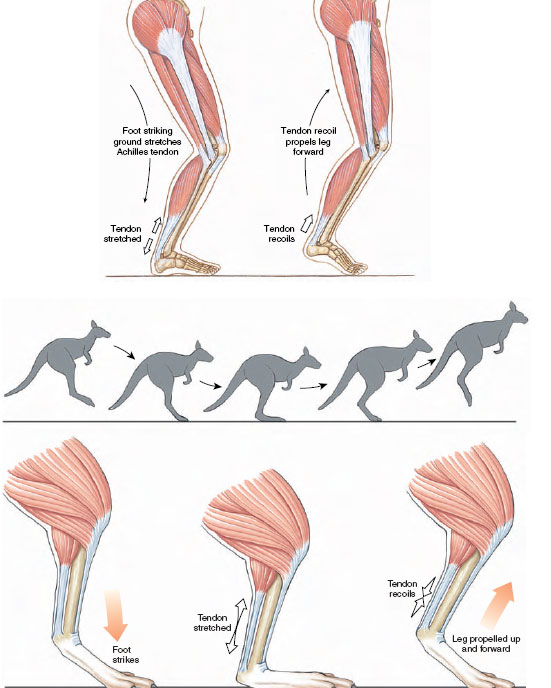
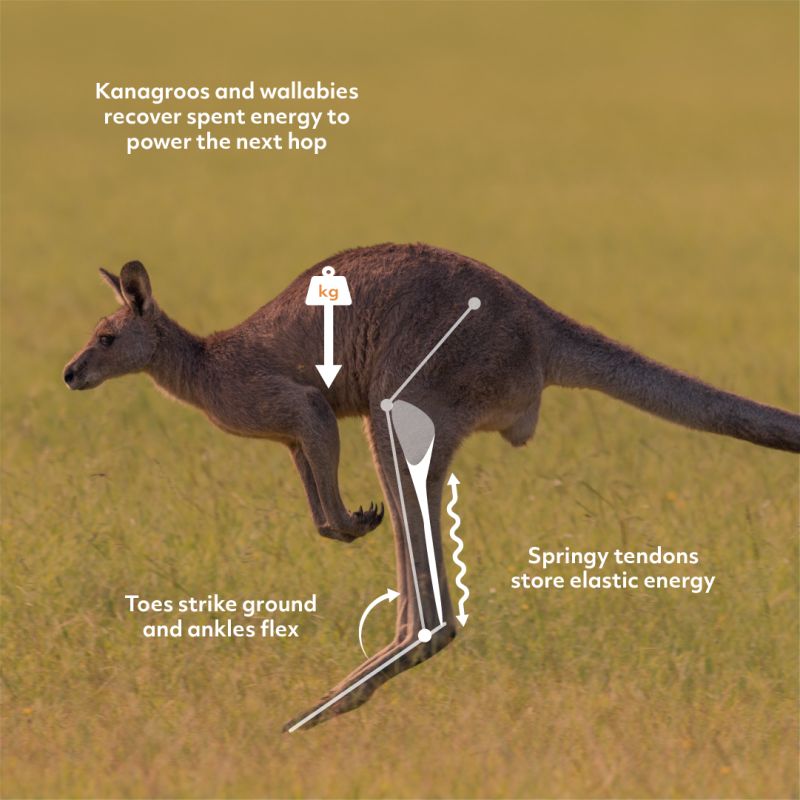
Propulsion is generated not only from the active contraction of the muscles, but also the elastic recoil of the opposite sling. As one side contracts the other recoils from being stretched, this helps to conserve and amplify energy.
CO2 + T3 + B1@spheno_xiphoid
The elastic recoil from the stretching of connective tissue (fascia, tendons) is essential for efficient movement. Kangaroos and their large Achilles tendon are one of the best examples of this.
7
The dualistic nature of the slings ensures that as one side is working (contracting) the other is relaxing (stretching). This promotes optimal blood flow within the muscles, ensuring they are sufficiently nourished and energized throughout movement, mitigating fatigue.

8
The slings are also implicated in building an aesthetically pleasing physique, mainly in the form of:
-Lats (increasing shoulder:waist ratio)
-Glutes
-Oblique muscles/hip flexors (Adonis belt)
These are likely signals of someone who is an efficient mover, naturally athletic and healthy.

-Lats (increasing shoulder:waist ratio)
-Glutes
-Oblique muscles/hip flexors (Adonis belt)
These are likely signals of someone who is an efficient mover, naturally athletic and healthy.
9
Weakness or injuries to these myofascial slings will directly impact gait, physical performance, and eventually the shape of the body. It is not uncommon for myofascial issues to be the manifestation of some dysfunction within the foundational slings.
10
The best exercises for the myofascial slings are gait based:
-Walking
-Skipping
-Trotting
-Sprinting
Feel the slings work as you do these things, becoming aware of any blockages or discrepancies that may be present.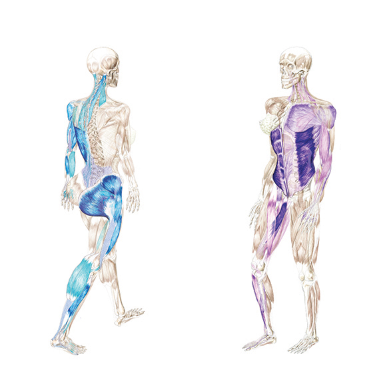
-Walking
-Skipping
-Trotting
-Sprinting
Feel the slings work as you do these things, becoming aware of any blockages or discrepancies that may be present.
11
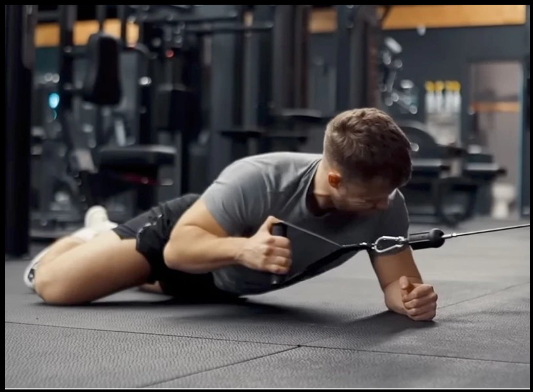
However it can be useful to also train these with resistance. This doesn’t need to be fancy, usually involving traditional lifts but using dumbbells on one side. Some examples include:
-Split squats
-Single arm rows
-Single arm overhead press (standing/half kneeling)
-Single arm chest presses (standing/bench/half kneeling)
-Single arm pull ups (assisted most likely)
-Single leg lifts
When performing these exercises don’t try to “brace” your spine, keeping yourself rigid. Feel the unrestricted rotation throughout your entire spine. This isn’t “cheating”, it’s moving in line with your anatomy. Ideally you should be able to move more resistance this way, while also being safer and less prone to injury.

-Split squats
-Single arm rows
-Single arm overhead press (standing/half kneeling)
-Single arm chest presses (standing/bench/half kneeling)
-Single arm pull ups (assisted most likely)
-Single leg lifts
When performing these exercises don’t try to “brace” your spine, keeping yourself rigid. Feel the unrestricted rotation throughout your entire spine. This isn’t “cheating”, it’s moving in line with your anatomy. Ideally you should be able to move more resistance this way, while also being safer and less prone to injury.
12
Rotational movements like swinging a bat, a golf club, punching, and throwing also utilize these slings. While you do have a dominant side it helps to train the other side as well. This will help promote symmetry and improve the health and function of the tissues.