The KEY to high energy, creativity, motivation and vivid dreams,...

Dalton (Analyze & Optimize)@Outdoctrination
98 views
May 18, 2025
~4 min read
Advertisement
1
The KEY to high energy, creativity, motivation and vivid dreams, you want more DOPAMINE.
Here is the FULL COMPREHENSIVE GUIDE on optimizing it with nutrition & lifestyle:
NUTRIENTS FOR DOPAMINE SYNTHESIS.
This is the synthesis pathway for dopamine.
➜ TYROSINE (animal protein)
➜ IRON (red meat, eggs)
➜ Vitamin C (fruits, juices)
➜ Vitamin B6 (animal protein)
Are your fundamentals for raw material.
Vitamin C increases dopamine output by 50-100%.
Vitamin C is needed for the production of dopamine,
but it also increases the rate limiting enzyme tyrosine hydroxylase,
& protects dopamine producing neurons from oxidative damage.
L-Tyrosine cures (some) depression.
• Many cases of depression are largely dopamine deficits
• These cases have low plasma tyrosine, the precursor to dopamine
• Supplementing it can rapidly replete dopamine
3,200 mg/day in one study had this effect.
You have two main brain centers that produce dopamine:
1. The substantia nigra
2. The ventral tegmental area
These dopaminergic centers project dopamine, sending it to other parts of the brain.
The prefrontal cortex, nucleus accumbens, striatum and pituitary RECIEVE dopamine.
SEROTONIN inhibits dopamine, at every level.
‣ Connects to dopaminergic brain regions, slowing down production.
‣ Supplementing its precursors (tryptophan, 5HTP) lowers dopamine
‣ Dopamine gives pleasure and motivation, serotonin anhedonia and dullness
What causes high serotonin? Well…
Serotonin is produced in the brain during times of inescapable stress.
Essentially, any situation you get put in where you feel helpless.
A low tryptophan diet massively improves depression.
Tryptophan is the precursor to serotonin.
People with IBS often have anxiety, depression & high serotonin.
Lowering tryptophan in the diet is therapeutic, as it lowers serotonin.
Tyrosine gets into the brain (to make dopamine) from the blood.
Its uptake into the brain is BLOCKED by other amino acids: BCAAs and tryptophan.
The levels of these other amino acids will be higher after consuming them, and also during stress or insulin resistance.
Another dopaminergic amino acid is PHENYLALANINE.
Phenylalanine is not only a precursor to dopamine,
but it also depletes brain serotonin, which should further enhance dopamine production, since serotonin itself halts dopamine output.
Carbs are important for dopamine production, too.
• Carb restriction frees tryptophan from its binding protein, allowing it to block tyrosine uptake in the brain
• Insulin promotes dopamine release
• Insulin ALSO promotes transport of tyrosine into the brain
• The brain relies carbs for ENERGY
Red light therapy enhances dopamine production.
It can increase dopamine producing cells by ~40%.
This type of light is absorbed by mitochondria,
protecting dopamine producing cells from ENERGY depletion & death.
Support energy, support dopamine.
Creatine also improves dopamine.
Once again, a component of the system that preserves ENERGY production in the brain,
which allows these neurons to survive and continue to pump out dopamine.
Vitamin E enhances dopamine output.
Dopaminergic cells in the brain are highly susceptible to oxidative damage, but vitamin E prevents this.
Controlling antioxidant status in general is VITAL for maintaining dopamine production.
One HUGE contributor to oxidative stress is excess IRON.
While we need iron for dopamine synthesis, it can easily become toxic if not handled properly.
The iron can accumulate in the dopamine producing centers of the brain and literally rust them, damaging them.
One thing that can be helpful in restoring iron balance is LACTOFERRIN.
It prevents the inflammatory accumulation of iron in cells.
Blood tests for: serum iron, transferrin + %, CBC, ferritin, TIBC can help ensure you don't overload.
N-Acetylcysteine doubles dopamine levels.
By serving as a precursor to the master antioxidant glutathione, NAC protects dopamine producing cells from death.
It also acts as a neurotransmitter in its own way.
The most important antioxidant supporting nutrients (for protecting the dopamine producing neurons):
• Vitamin E
• Vitamin C
• Glycine
• B1
• B2
• Zinc
• Copper
• Selenium
• Carnosine
• Iron
Low dopamine can start in your GUT.
Endotoxin & subsequent inflammation decimate dopamine synthesis.
Endotoxin is from bacteria in the gut.
People with low dopamine conditions have high endotoxin.
If you have any type of gut symptom, you can bet you have high endotoxin, too.
The gut is almost always the missing factor in people who have low energy & motivation,
especially when they don’t respond to things that normally raise dopamine.
Another KEY to high dopamine is LIGHT.
Bright light throughout the day suppresses melatonin.
Melatonin inhibits dopamine production at dopamine producing brain centers.
Bright light therapy can improve low dopamine conditions.
Bright light is also key because it regulates your circadian rhythm.
Not only is dopamine, like everything else, produced on a time dependent circadian rhythm,
But circadian alignment improves sleep.
Sleep deprivation causes the loss of dopamine receptors in the brain.
This brings us to the regulation of dopamine signaling.
Your baseline (tonic) and stimulated (phasic) dopamine levels should be at the proper levels, and complement each other.
This is regulated by METHYLATION (COMT) - a system we must nourish to fully capitalize on dopamine.
How can we best optimize methylation for dopamine signaling? Some good starting points:
Adequate:
· B2
· B6
· B9
· B12
· Choline
· Creatine
· Glycine
In the diet.
A test for homocysteine can clue you in to how your methylation is doing (though it is not all encompassing).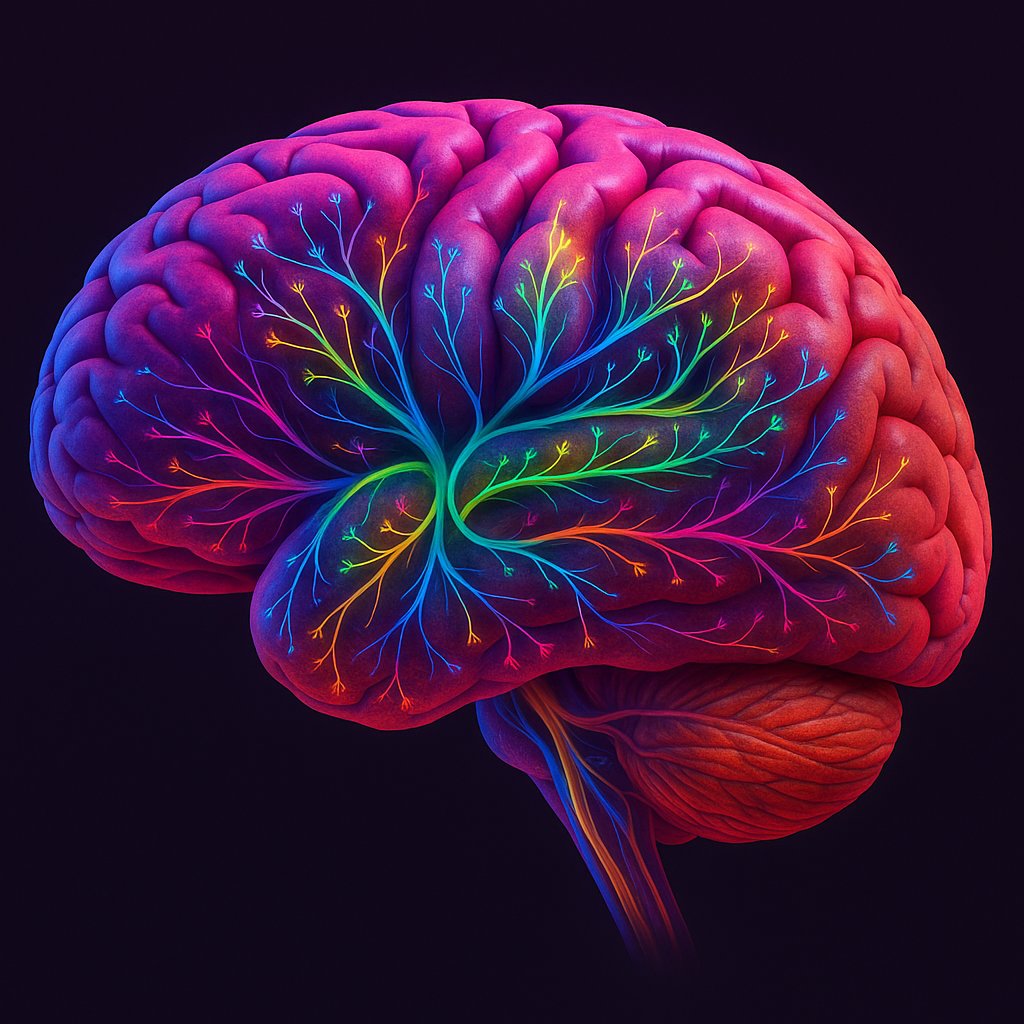
Here is the FULL COMPREHENSIVE GUIDE on optimizing it with nutrition & lifestyle:
NUTRIENTS FOR DOPAMINE SYNTHESIS.
This is the synthesis pathway for dopamine.
➜ TYROSINE (animal protein)
➜ IRON (red meat, eggs)
➜ Vitamin C (fruits, juices)
➜ Vitamin B6 (animal protein)
Are your fundamentals for raw material.
Vitamin C increases dopamine output by 50-100%.
Vitamin C is needed for the production of dopamine,
but it also increases the rate limiting enzyme tyrosine hydroxylase,
& protects dopamine producing neurons from oxidative damage.
L-Tyrosine cures (some) depression.
• Many cases of depression are largely dopamine deficits
• These cases have low plasma tyrosine, the precursor to dopamine
• Supplementing it can rapidly replete dopamine
3,200 mg/day in one study had this effect.
You have two main brain centers that produce dopamine:
1. The substantia nigra
2. The ventral tegmental area
These dopaminergic centers project dopamine, sending it to other parts of the brain.
The prefrontal cortex, nucleus accumbens, striatum and pituitary RECIEVE dopamine.
SEROTONIN inhibits dopamine, at every level.
‣ Connects to dopaminergic brain regions, slowing down production.
‣ Supplementing its precursors (tryptophan, 5HTP) lowers dopamine
‣ Dopamine gives pleasure and motivation, serotonin anhedonia and dullness
What causes high serotonin? Well…
Serotonin is produced in the brain during times of inescapable stress.
Essentially, any situation you get put in where you feel helpless.
A low tryptophan diet massively improves depression.
Tryptophan is the precursor to serotonin.
People with IBS often have anxiety, depression & high serotonin.
Lowering tryptophan in the diet is therapeutic, as it lowers serotonin.
Tyrosine gets into the brain (to make dopamine) from the blood.
Its uptake into the brain is BLOCKED by other amino acids: BCAAs and tryptophan.
The levels of these other amino acids will be higher after consuming them, and also during stress or insulin resistance.
Another dopaminergic amino acid is PHENYLALANINE.
Phenylalanine is not only a precursor to dopamine,
but it also depletes brain serotonin, which should further enhance dopamine production, since serotonin itself halts dopamine output.
Carbs are important for dopamine production, too.
• Carb restriction frees tryptophan from its binding protein, allowing it to block tyrosine uptake in the brain
• Insulin promotes dopamine release
• Insulin ALSO promotes transport of tyrosine into the brain
• The brain relies carbs for ENERGY
Red light therapy enhances dopamine production.
It can increase dopamine producing cells by ~40%.
This type of light is absorbed by mitochondria,
protecting dopamine producing cells from ENERGY depletion & death.
Support energy, support dopamine.
Creatine also improves dopamine.
Once again, a component of the system that preserves ENERGY production in the brain,
which allows these neurons to survive and continue to pump out dopamine.
Vitamin E enhances dopamine output.
Dopaminergic cells in the brain are highly susceptible to oxidative damage, but vitamin E prevents this.
Controlling antioxidant status in general is VITAL for maintaining dopamine production.
One HUGE contributor to oxidative stress is excess IRON.
While we need iron for dopamine synthesis, it can easily become toxic if not handled properly.
The iron can accumulate in the dopamine producing centers of the brain and literally rust them, damaging them.
One thing that can be helpful in restoring iron balance is LACTOFERRIN.
It prevents the inflammatory accumulation of iron in cells.
Blood tests for: serum iron, transferrin + %, CBC, ferritin, TIBC can help ensure you don't overload.
N-Acetylcysteine doubles dopamine levels.
By serving as a precursor to the master antioxidant glutathione, NAC protects dopamine producing cells from death.
It also acts as a neurotransmitter in its own way.
The most important antioxidant supporting nutrients (for protecting the dopamine producing neurons):
• Vitamin E
• Vitamin C
• Glycine
• B1
• B2
• Zinc
• Copper
• Selenium
• Carnosine
• Iron
Low dopamine can start in your GUT.
Endotoxin & subsequent inflammation decimate dopamine synthesis.
Endotoxin is from bacteria in the gut.
People with low dopamine conditions have high endotoxin.
If you have any type of gut symptom, you can bet you have high endotoxin, too.
The gut is almost always the missing factor in people who have low energy & motivation,
especially when they don’t respond to things that normally raise dopamine.
Another KEY to high dopamine is LIGHT.
Bright light throughout the day suppresses melatonin.
Melatonin inhibits dopamine production at dopamine producing brain centers.
Bright light therapy can improve low dopamine conditions.
Bright light is also key because it regulates your circadian rhythm.
Not only is dopamine, like everything else, produced on a time dependent circadian rhythm,
But circadian alignment improves sleep.
Sleep deprivation causes the loss of dopamine receptors in the brain.
This brings us to the regulation of dopamine signaling.
Your baseline (tonic) and stimulated (phasic) dopamine levels should be at the proper levels, and complement each other.
This is regulated by METHYLATION (COMT) - a system we must nourish to fully capitalize on dopamine.
How can we best optimize methylation for dopamine signaling? Some good starting points:
Adequate:
· B2
· B6
· B9
· B12
· Choline
· Creatine
· Glycine
In the diet.
A test for homocysteine can clue you in to how your methylation is doing (though it is not all encompassing).