Yesterday's incident involving an oil tanker in the Gulf of Finland...

Artur Rehi@ArturRehi
35 views
May 16, 2025
~3 min read
Advertisement
1
Yesterday's incident involving an oil tanker in the Gulf of Finland once again demonstrates that Russia is a global threat—not just a threat to Ukraine. What happened? According to Estonian Foreign Minister Margus Tsahkna, "Estonia exercised its right to monitor a shadow
1/16
1/16
2
fleet vessel, the Argent/Jaguar, which was sailing through its exclusive economic zone without a flag or insurance. This vessel is included on the UK sanctions list... Russia responded in a dangerously aggressive manner by sending a fighter jet to the ship, which also
2/16
2/16
3
violated Estonian airspace. This incident is yet another example that Russia poses a serious threat not only in the context of its military aggression against Ukraine, but on a much broader scale," the minister added. Russia is testing NATO's reaction to incidents like
3/16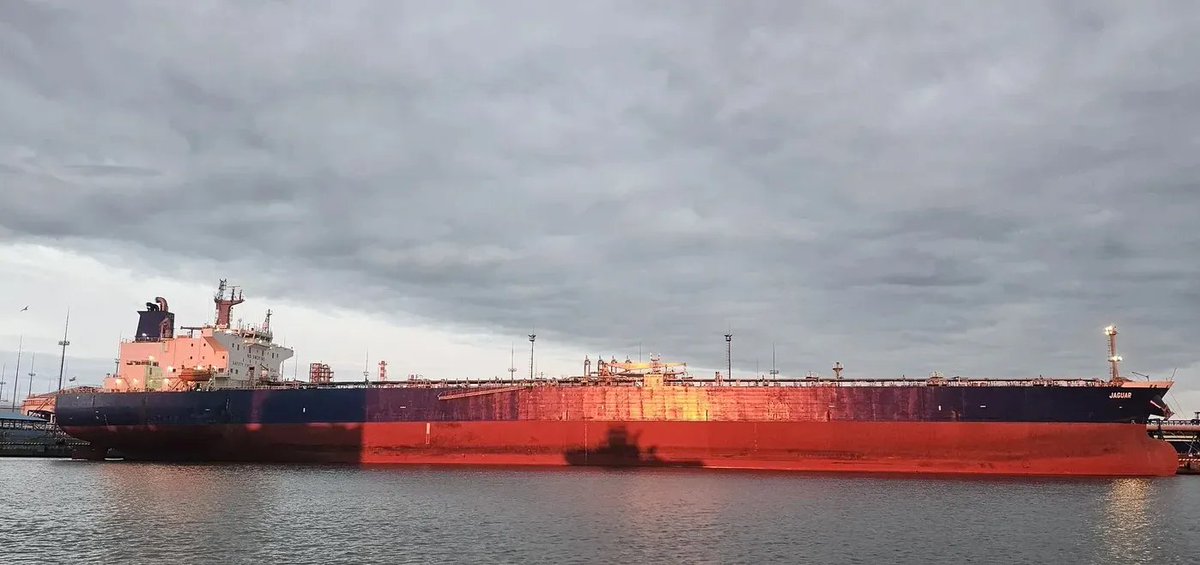
3/16
4
border violations, and if this is not met with a strong response, Russia interprets it as weakness. Shooting down the jet would not have been an escalation—it would have been a clear message that NATO is ready to defend its borders. Russia only understands the language of
4/16
4/16
5
force. It is a country of thugs and thieves—gopniks, to use Russian slang—and you have to speak their language. It is not a firm response that leads to escalation (remember the incident with the Turkish border, when a Russian aircraft f**ked around and found out. Russia has
5/16
5/16
6
not tried to provoke Turkey since then, and Erdoğan became a respected figure in Russia). What leads to escalation is the absence of a response—when the aggressor is allowed to gradually cross red lines. A report has recently been published in France about Russia’s
6/16
6/16
7
destabilizing actions in France and Europe as a whole. These include sabotage, attacks on critical energy infrastructure that led to power outages in Spain, Portugal, and France; espionage within key institutions; leaks of sensitive documents; preparations for terrorist
7/16
7/16
8
attacks during the Olympic Games, and much more. It’s the full playbook of Russian hybrid warfare tactics. So far, NATO’s reaction has been endless loud statements about how it will respond to threats. But the threats are not being answered. Estonia, with just a few small
8/16
8/16
9
ships and helicopter, tried yesterday to do what most EU countries still don’t even attempt—disrupt Russia’s shadow fleet. Russia has just shown that it is prepared to use military force to protect its shadow fleet tankers. The key question now is: how will NATO respond?
9/16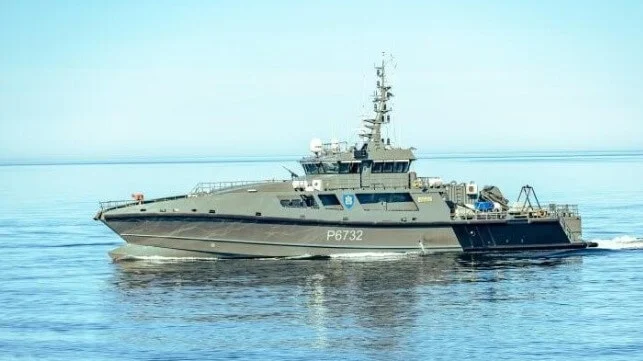
9/16
10
If NATO does nothing—if it limits itself to words and statements—Russia will take that as a green light to escalate further. That’s how Putin’s regime operates: it tests boundaries, and when there’s no meaningful response, it moves the line. This is more than a regional
10/16
10/16
11
incident—it’s a deliberate signal from Moscow: "We are willing to use force to protect our illegal operations, even in NATO’s sphere of influence." NATO now faces a stark choice. It can demonstrate strength—through stronger naval patrols in the Baltic, pre-authorized
11/16
11/16
12
intercept protocols, and public statements making it clear that the next airspace violation will have consequences. Or it can continue with passivity, which will only embolden Russia to send more fighters, more ships, and more sabotage teams across NATO borders—because they
12/16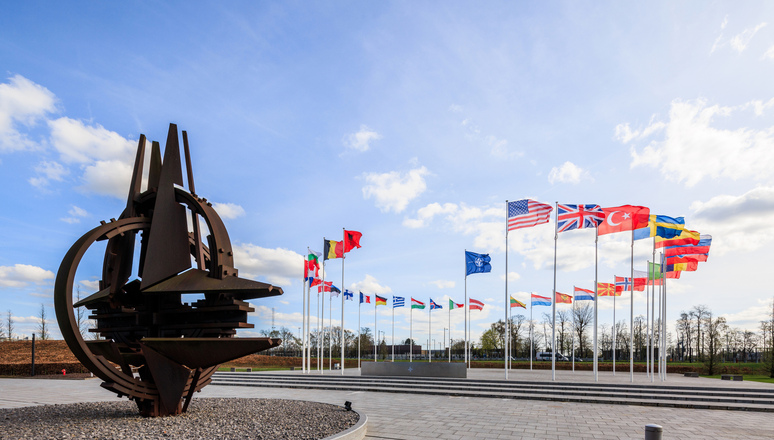
12/16
13
know nothing will happen. This isn’t about starting a war. It’s about deterrence. A visible, calculated show of force now—such as fighter escort of suspect Russian ships, NATO-led naval inspections, or enforcing insurance and flag requirements—would send a clear message
13/16
13/16
14
that NATO territory and rules matter. Because if Putin sees that even a tanker can justify military pressure—and no one responds—he’ll assume NATO won’t respond to anything smaller than a full invasion. So the real question is not what Russia is willing to do. That’s
14/16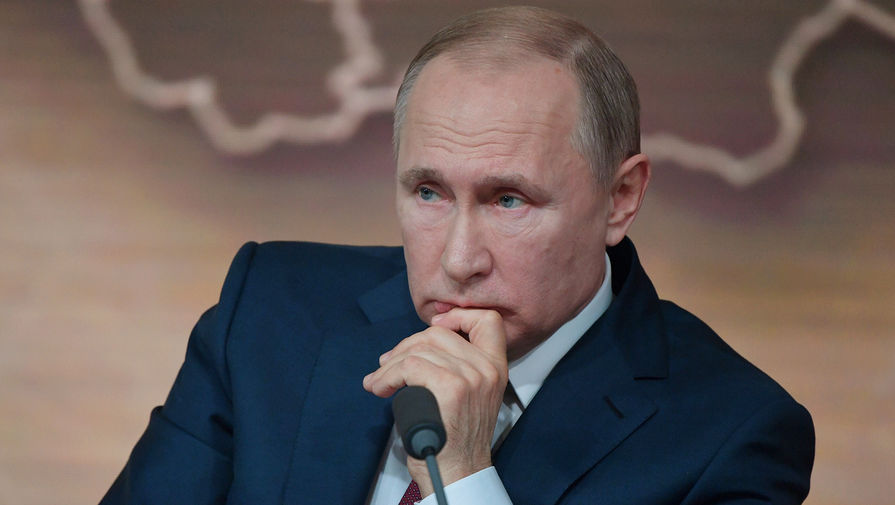
14/16
15
already clear. The real question is: what is NATO willing to protect? Putin is nothing but a street thug, and diplomacy doesn’t work on him. Ukraine understands this. Estonia understands this. Most of the EU and the US do not.
15/16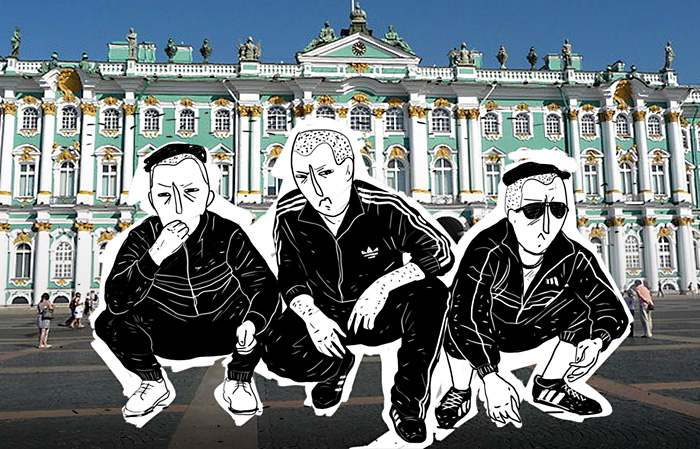
15/16
16
What he needs is a hard punch right in the nose—that’s what will make him back off. Yesterday, he was given a signal that it’s possible to cross a NATO border. Rest assured, he’ll do it again
16/16
16/16