SPIDER-MAN was released 23 years ago this week. The first part of...

All The Right Movies@ATRightMovies
55 views
May 06, 2025
~11 min read
Advertisement
1
SPIDER-MAN was released 23 years ago this week. The first part of Sam Raimi’s wall-crawler trilogy, and one of the films that kick-started the huge superhero genre, the behind-the-scenes story comes with great power and great responsibility…
1/50


1/50
2
With Spider-Man having been created by Marvel Comics in 1962, the first adaptation came in 1977, when CBS produced a made-for-TV movie. A theatrical production was on the cards a few years later when cult studio Cannon Films bought the rights from Marvel for $250k.
2/50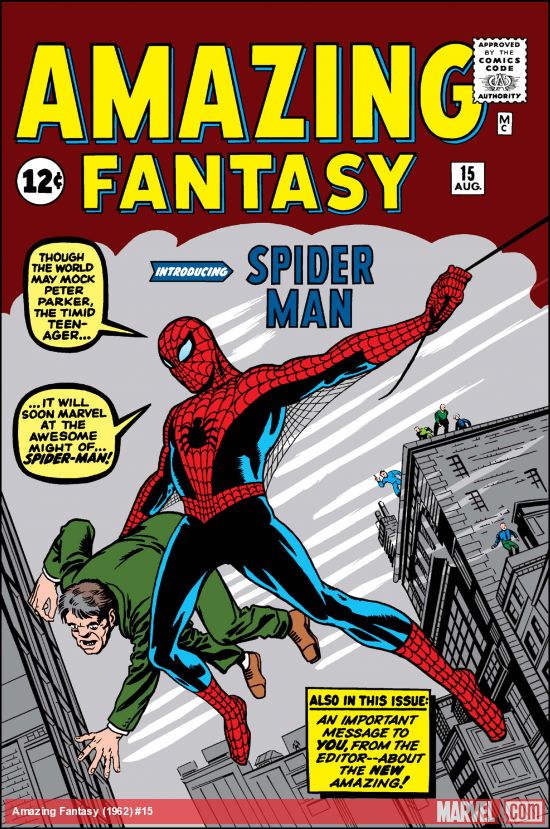

2/50
3
After Cannon folded, the rights were picked up by Carolco Pictures, who had just made Terminator 2. They offered Spider-Man to T2 director James Cameron. He wrote a story and apparently wanted Leonardo DiCaprio in the lead. Then, in 1995, Carolco filed for bankruptcy.
3/50

3/50
4
Cameron went off to make Titanic and the Spider-Man rights were back up for grabs. MGM, Columbia and Viacom all said they had a claim and, after some legal wrangling, Marvel ended up striking a new deal with Sony Pictures (who owned Columbia) in 1999.
4/50

4/50
5
Sony put a Spider-Man movie into development almost immediately, and began looking at potential directors. Roland Emmerich, and Michael Bay were reportedly considered. Chris Columbus was offered the chance to direct, but declined to make the first Harry Potter film.
5/50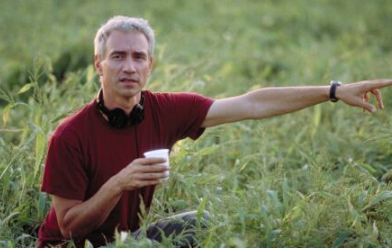


5/50
6
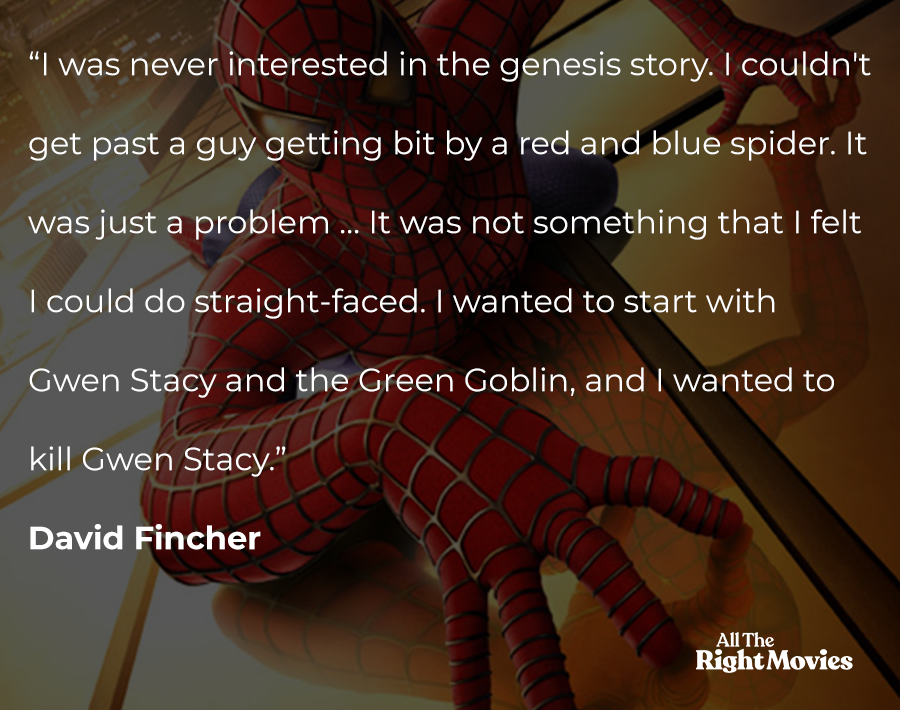
Sony then entered discussions with David Fincher. He wanted to adapt the classic Spider-Man story The Night Gwen Stacy Died, with the Green Goblin as the villain. Sony were more interested in making an origin story, and Fincher passed.
6/50

6/50
7
At that point, the name of Sam Raimi entered the frame. He had superhero experience already, having directed and co-written Darkman in 1990. With a collection of 25,000 comic books, he pitched his vision to Sony, and they hired him to direct.
7/50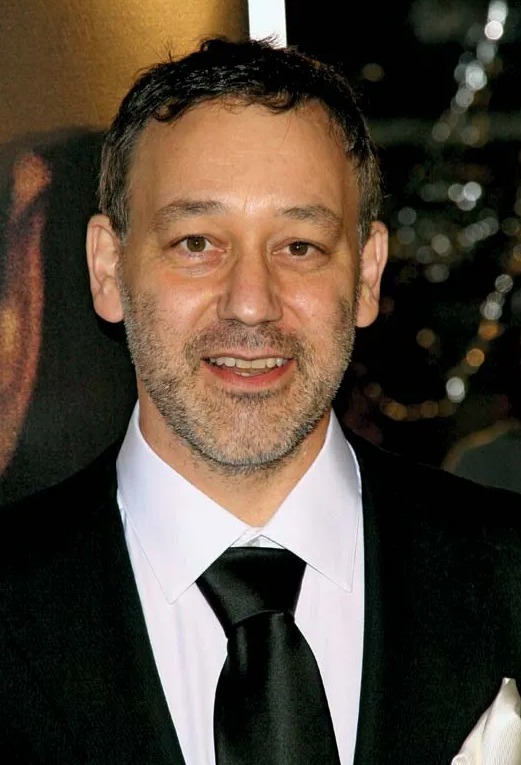

7/50
8
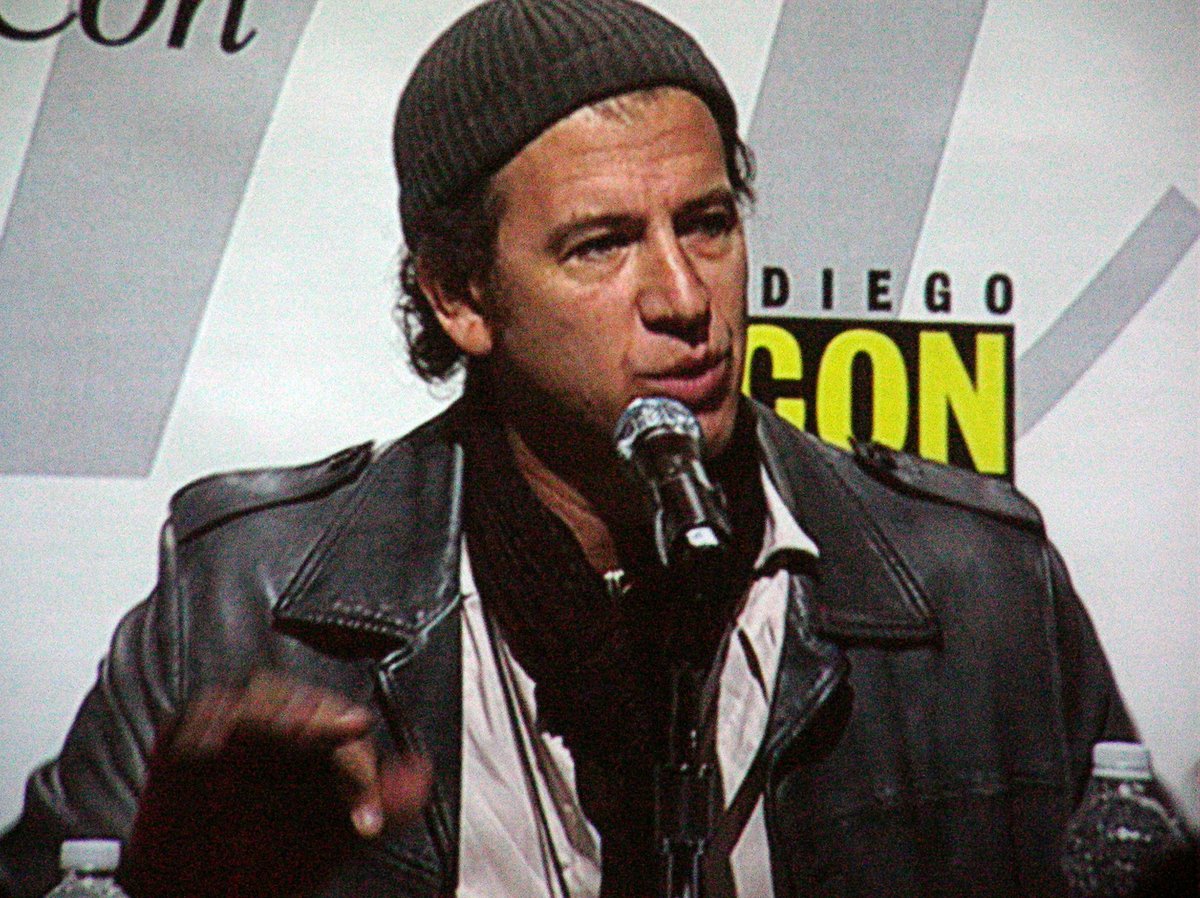
Jurassic Park screenwriter David Koepp was hired to write the screenplay, using James Cameron’s story as a basis. Koepp said Cameron’s ideas were “influential”. Sony also brought in High Fidelity screenwriter Scott Rosenberg to perform rewrites.
8/50
8/50
9
In casting the lead of Peter Parker/Spider-Man, Freddie Prinze Jr and Jude Law were considered. Scott Speedman tested for the part, and Heath Ledger reportedly turned it down, saying he would be "taking someone else's dream away."
9/50


9/50
10
Around this time, Raimi’s wife, Gillian Greene, saw The Cider House Rules. She was impressed with one of its young cast, called Tobey Maguire. She encouraged Raimi to audition Maguire as Spider-Man, and he was quickly cast in the role.
10/50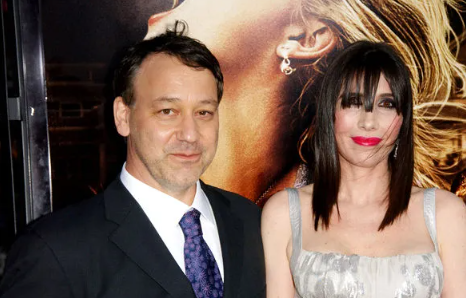

10/50
11
Maguire was shocked to be approached about the role and had never read a Spider-Man comic book in his life. He loved the script though and, on being cast, read the first 100 issues of The Amazing Spider-Man, as recommended by Raimi.
11/50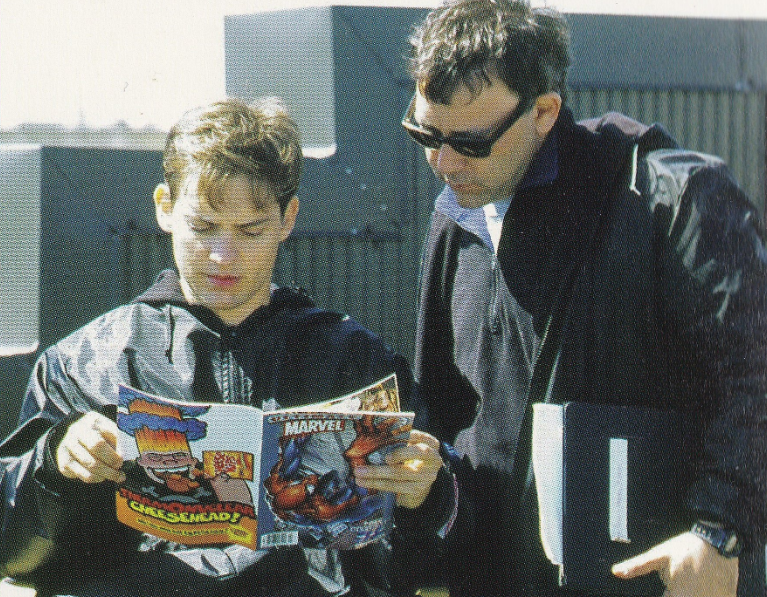

11/50
12
To get a superhero physique, Maguire went through a strict training regime. It was 5 months of exercise, weight training, martial arts training, yoga, and a high protein diet. He later said he didn’t enjoy it at all.
12/50

12/50
13
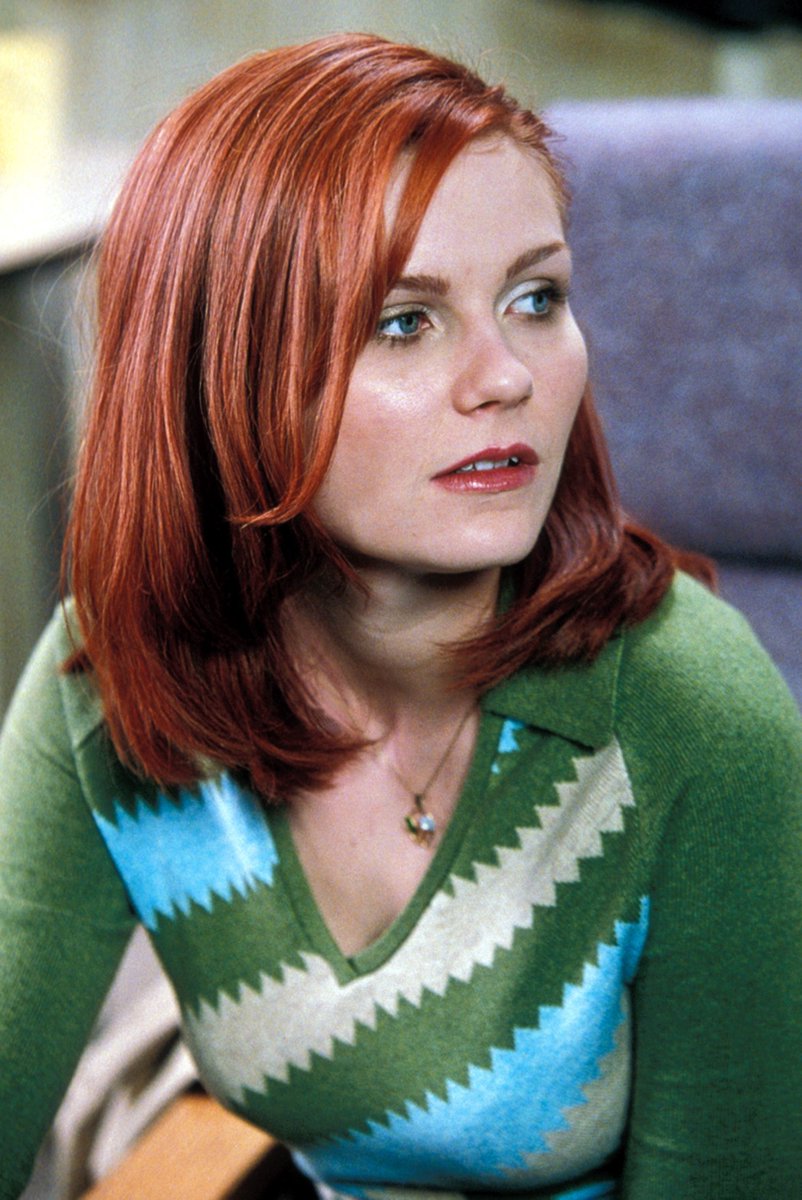
Peter’s love interest in the film is Mary Jane Watson. Mena Suvari and Eliza Dushku auditioned, and Kate Hudson was reportedly offered the role, but turned it down to appear in the Four Feathers. After auditioning in Berlin though, 19-year-old Kirsten Dunst was cast.
13/50


13/50
14
Dunst is a natural blonde so, on reading the comics, assumed she would be playing Gwen Stacy, who is also blonde. Mary Jane has red hair, so Dunst dyed hers for the part.
14/50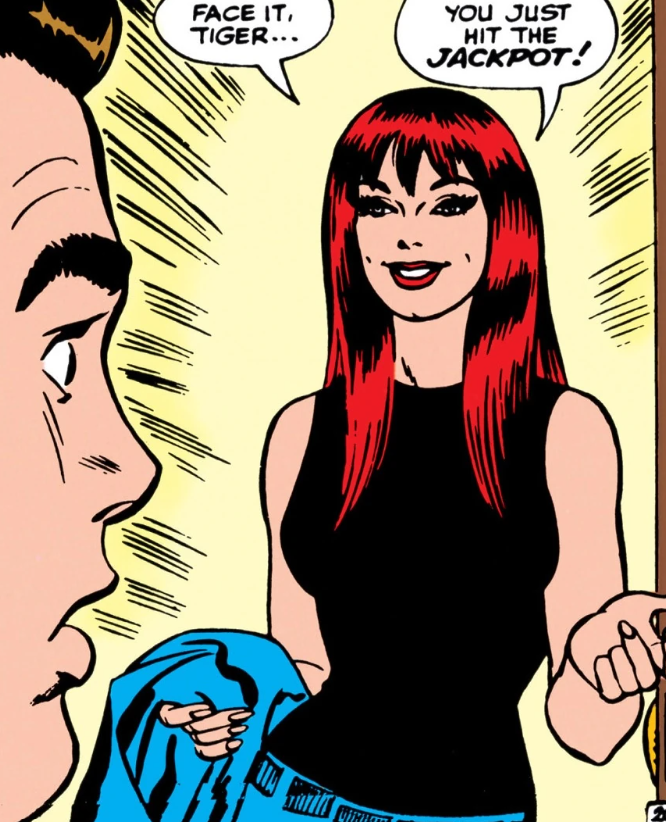


14/50
15
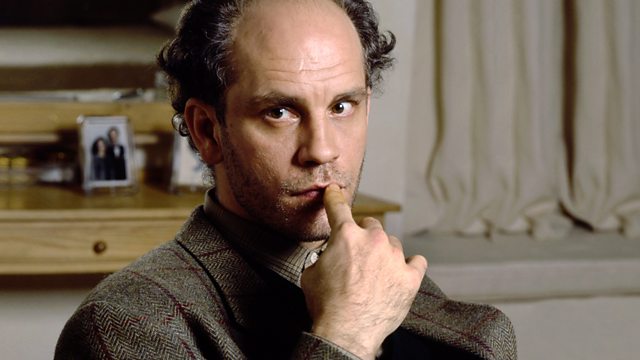
In casting bad guy Norman Osborn/The Green Goblin, Nicolas Cage, John Malkovich and Mel Gibson reportedly turned the role down. Raimi’s preferred choice was Billy Crudup, but the studio thought him too young.
15/50


15/50
16
Instead, the studio suggested Willem Dafoe. Raimi wasn’t convinced but, after meeting Dafoe and seeing some test footage Dafoe shot as Osborn, Raimi changed his mind and agreed he was the right man.
16/50

16/50
17
Dafoe was fitted with prosthetic teeth for the role. His own were less than perfect, and the studio said a man of Osborn’s wealth would be able to afford to have them straightened. We see Dafoe’s real gnashers in the scene where Osbourne talks to himself in the mirror.
17/50

17/50
18
James Franco initially auditioned for the part of Peter and, when he didn’t get it, Raimi cast him as Norman’s son, Harry, instead. Similarly, Elizabeth Banks auditioned to play Mary Jane, and was cast as secretary at the Daily Bugle, Betty Brant.
18/50

18/50
19
Reportedly, Franco and Maguire didn’t get on great on the set. Franco made a comment about Maguire’s “frog-like” features, leading to a rivalry and friction that went beyond the films.
19/50

19/50
20
The editor of The Daily Bugle is J. Jonah Jameson. R. Lee Ermey, Dennis Farina, and Fred Ward were reportedly considered before J. K. Simmons was cast. Simmons said he found out he’d been cast when a fan read the news on the internet and called him up.
20/50


20/50
21
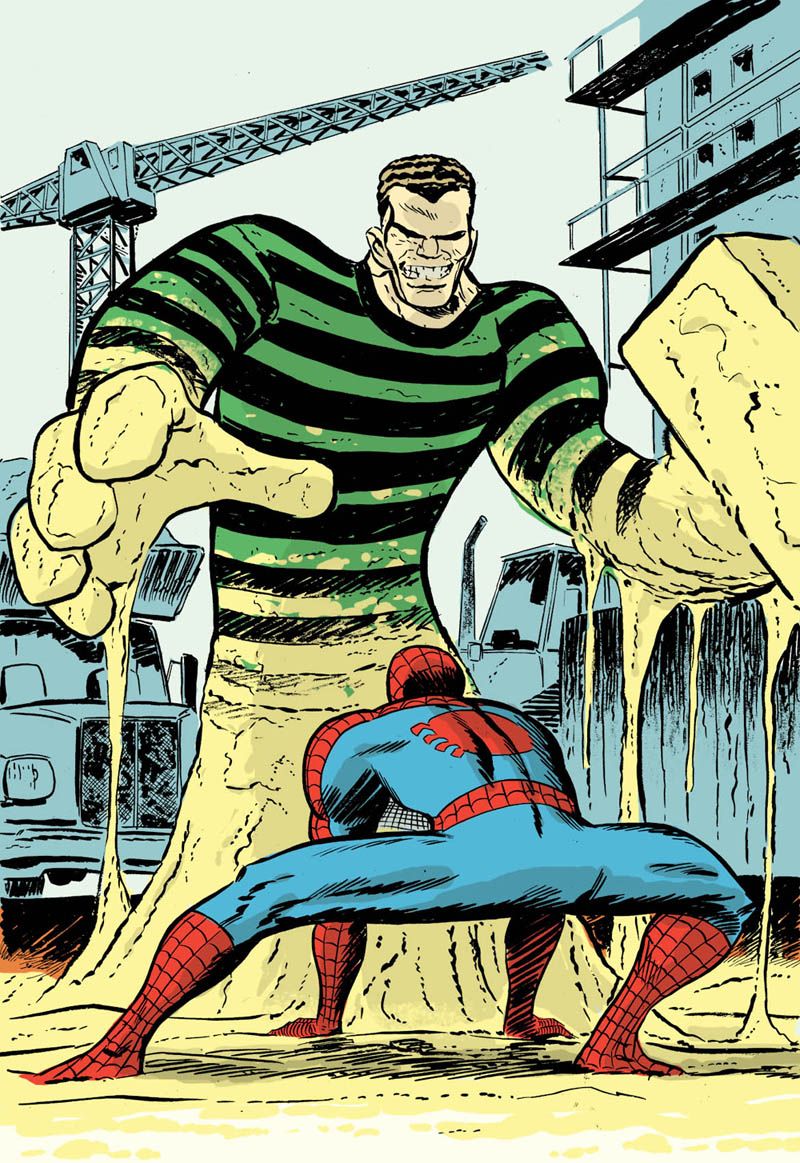
When Carolco and James Cameron were involved, Cameron’s story included Spider-Man facing off against Electro and Sandman. David Koepp changed it to The Green Goblin and Doctor Octopus, and Raimi decided to focus on the Osborn father/son dynamic, and Doc Ock was dropped.
21/50


21/50
22
Raimi wanted to hire Bill Pope as Director of Photography, but he was busy working on the sequels to The Matrix. He then approached Peter Deming, but he was tied to Austin Powers In Goldmember. Instead, Robert Zemeckis’ frequent collaborator Don Burgess came in as DP.
22/50


22/50
23
Raimi and Burgess developed a new camera system called the Spydercam. This was created to film Spider-Man’s Pov shots and had the ability to drop over 600ft very quickly. And it shot at 6 frames per second to convey a sense of speed.
23/50


23/50
24
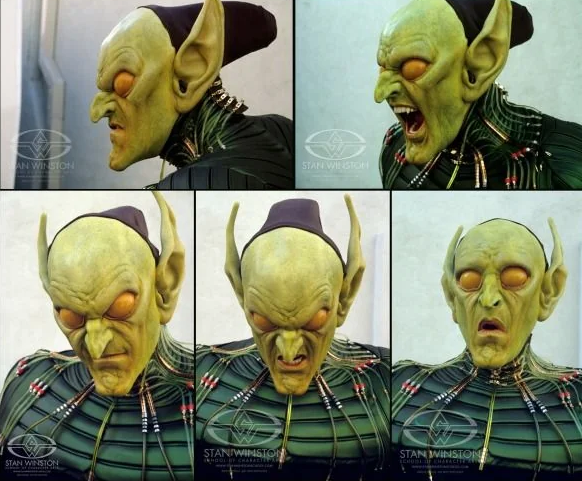
The original design of The Green Goblin was similar to the comics and to be made with prosthetics by the Stan Winston Studio. After screen tests though, the idea was scrapped – Sony said it was too disturbing for a family film.
24/50

24/50
25
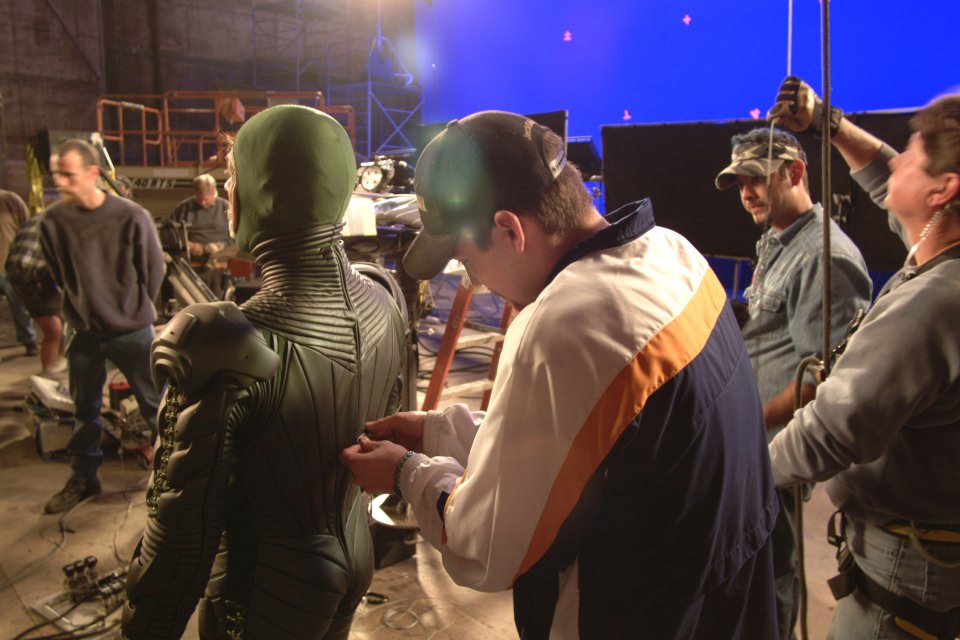
The Green Goblin's new costume was designed to be bulky and armoured. Dafoe did 90% of his own stunts though, so asked for it to be streamlined. The final outfit was made of 580 pieces and took Dafoe half an hour to put on.
25/50

25/50
26
A change from the comics (left over from James Cameron’s ideas) is that Spider-Man doesn’t have mechanical web shooters, they’re part of his biological make up. The webbing in the film was made out of foam materials and fishing line, and then enhanced with CGI.
26/50

26/50
27
Raimi had wanted to make the film using practical effects like stuntmen and matte paintings. After meeting Visual Effects Supervisor John Dykstra though, he was convinced to adopt a more modern CGI approach. Raimi made sure none of the effects shots were 100% CGI though.
27/50


27/50
28
Dykstra had worked at legendary effects studio ILM for years, and said animating Spider-Man was the biggest challenge of his career. He said the main probably was Spider-Man’s mask, as it took away some characterisation. As such, they animated lots of body language in.
28/50

28/50
29
The introduction of the CGI increased the budget from $70m to over $100m. It proved worth it though, the first time the studio saw shots of the computer-generated Spider-Man, they thought it was Tobey Maguire performing death-defying stunts for real.
29/50

29/50
30
The animated Marvel logo that opens the film was created by title designer, Kyle Cooper. It now runs in front of every Marvel film, and producer Laura Ziskin said the logo received a huge ovation at the premiere.
30/50
30/50
0:11
31
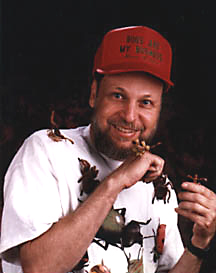
The spider that bites Peter to give him superpowers wasn’t CGI. Raimi wanted to use a black widow but consultant entomologist Steven R. Kutcher said it was too dangerous and chose a Steatoda spider. The spider was anesthetized and painted red and blue.
31/50

31/50
32
The way Peter’s dream sequence was written in the script wasn’t possible to film, due to budget constraint. Instead, editor Bob Murawski used shots from the opening titles, Raimi’s own Darkman, and a shot from Lucio Fulci horror, the Beyond.
32/50

32/50
33
It was producer Avi Arad’s idea to make Stan Lee cameos a feature of Marvel films. He’d appeared in X-Men in 2000, but Raimi said “I know Stan, and he can’t act.” Arad insisted though, and Lee appears when The Green Goblin attacks the balcony at the World Unity Festival.
33/50

33/50
34
Joe Manganiello played Peter’s high school bully, Flash Thompson. Years later he said he was offered $100 by two crew members to punch Tobey Maguire for real during their fight scene. Worried he’d never get another job, Manganiello declined.
34/50

34/50

37
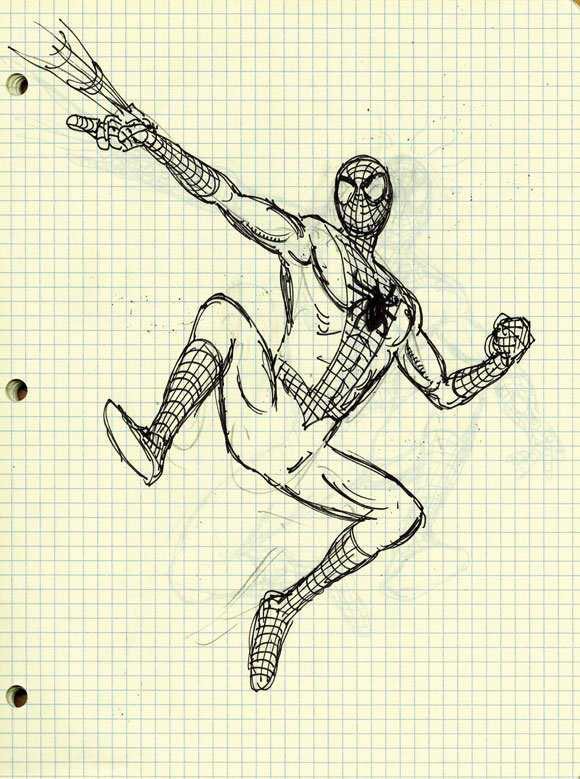
The possible Spider-Man costume designs sketched by Peter were drawn by comic book artist Phil Jimenez. One of the sketches is of Marvel superhero Stingray. And another is the costume Peter wears in the comics when he becomes Venom.
37/50
37/50
38
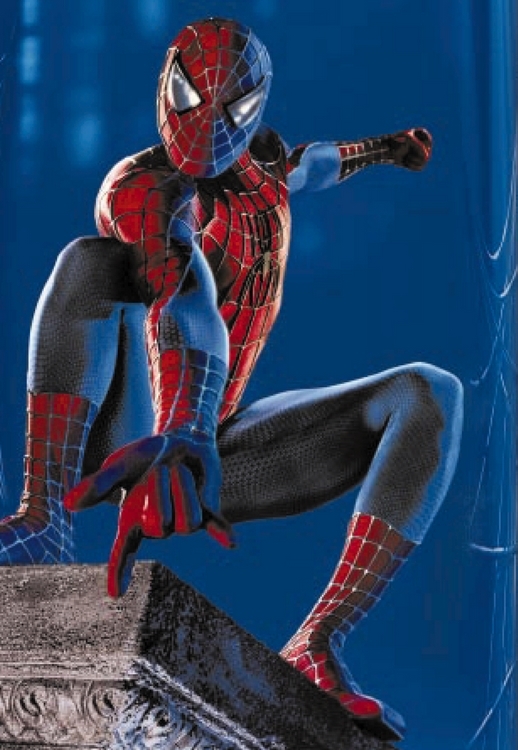
Maguire’s Spider-Man outfit had to be refitted during filming as the original design had not made any allowances for when he needed to go to the bathroom. A zipper was added so Maguire didn’t have to completely undress every time.
38/50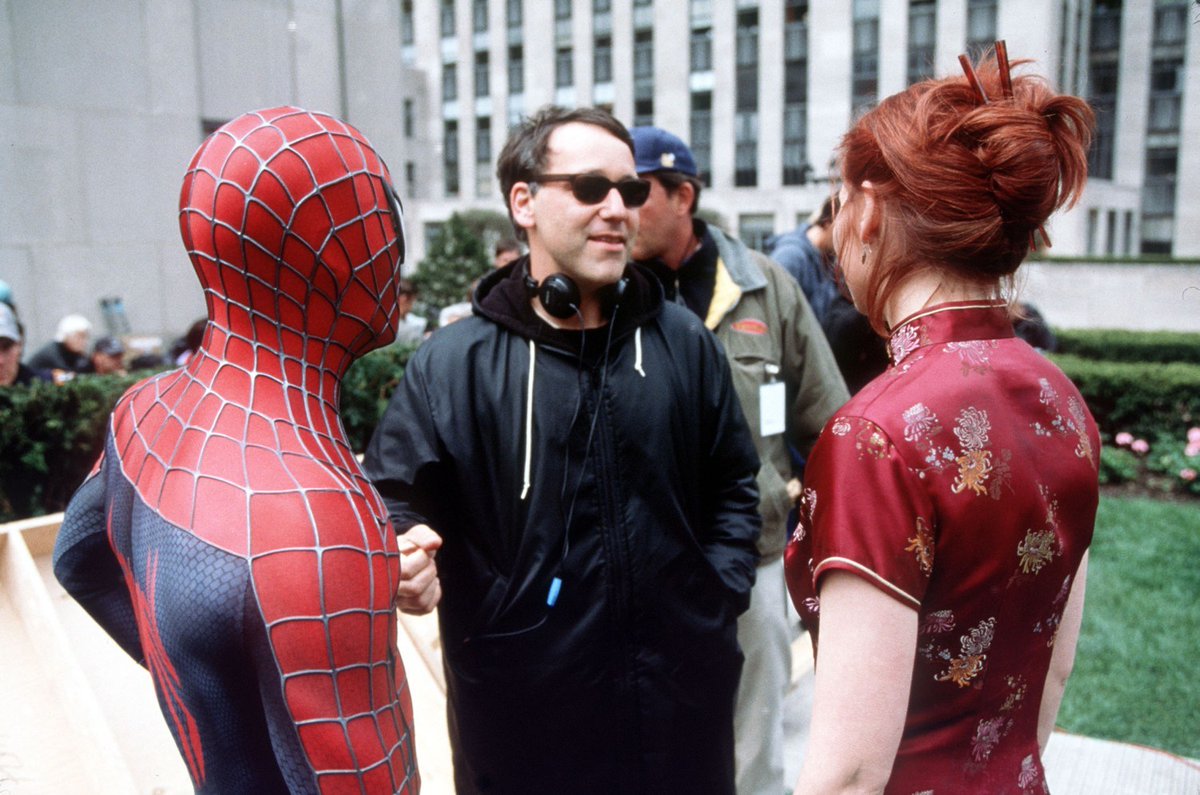
38/50
39
Several Spider-Man costumes were created, and 4 (valued at $50k each) were stolen from the Sony lot. Eventually, a former security guard was caught after a tip off from his ex-wife. Police also found he’d stolen a $150k Batman costume from the Warner Bros. lot in 1996.
39/50


39/50
40
A Sam Raimi trademark is the appearance of his car – a 1973 Oldsmobile – in his films. It shows up here when Peter’s Uncle Ben drives it. Another Raimi regular is actor Bruce Campbell. He plays the wrestling announcer, and is the person who gives Spider-Mans his name.
40/50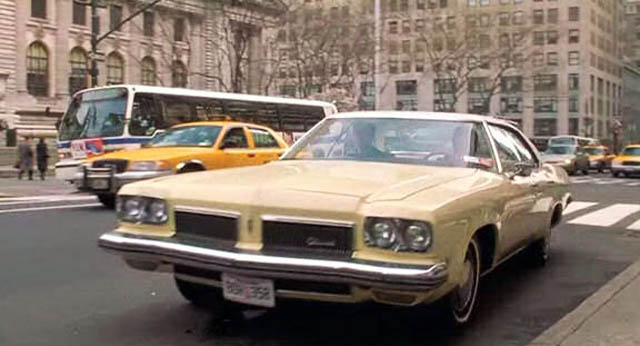


40/50
41
Bonesaw McGraw, the wrestler Spider-Man fights for money, was played by real life WWF wrestler "Macho Man" Randy Savage. And during the montage sequence, Lucy Lawless (who Raimi worked with on Xena: Warrior Princess) plays a punk rocker.
41/50

41/50
42
Raimi took some inspiration from famed American painter, Norman Rockwell. The shot we see during the Thanksgiving scene when Aunt May puts the turkey in front of Osborn was inspired by Rockwell’s painting Freedom From Want.
42/50

42/50
43
One of the film’s famous moments is the rain-drenched kiss between Peter and MJ. Dunst said filming it was miserable as, with Maguire being upside down, the water kept running up his nose. She said “Tobey couldn't breathe so it was like I was resuscitating him."
43/50

43/50
44
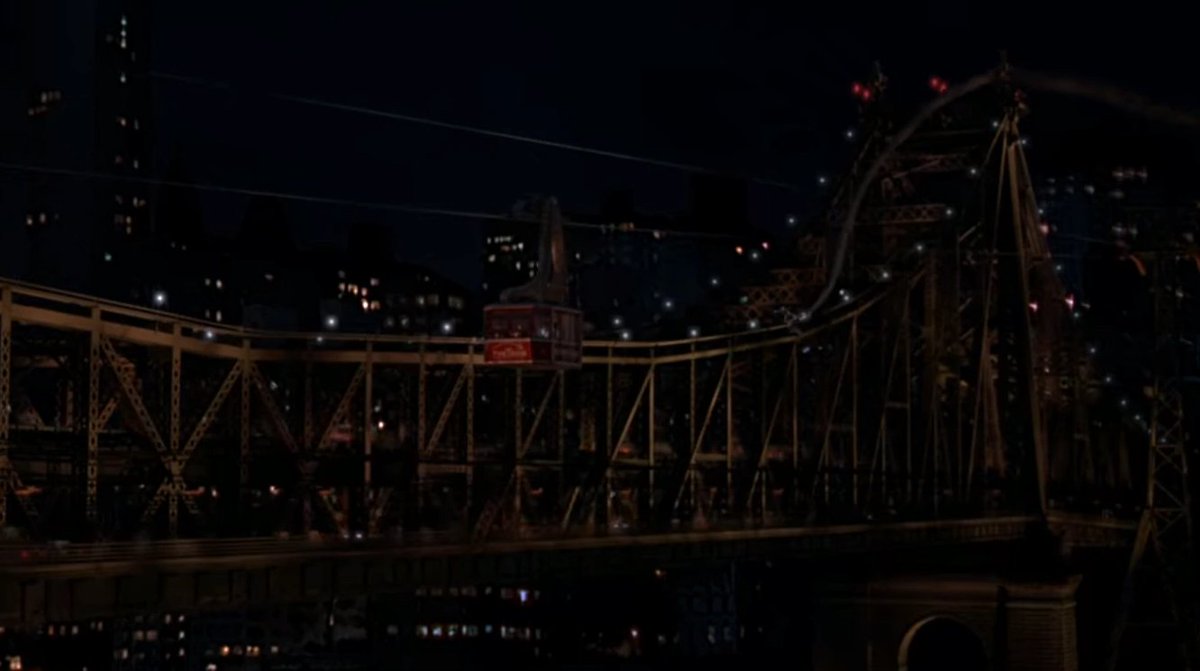
When they first showed the ending bridge sequence to the studio, the bridge hadn’t yet been digitally added, nor was there a Spider-Man for half of the scene. The studio executives were enraged and Producer Laura Ziskin had to beg for their trust to finish the movie.
44/50

44/50
45
Also on the bridge scene, the moment where New Yorkers rally round and attack The Green Goblin (and the shot of Spider-Man alongside the American flag) were added after the terrorist attacks that took place on September 11, 2001.
45/50
45/50
46
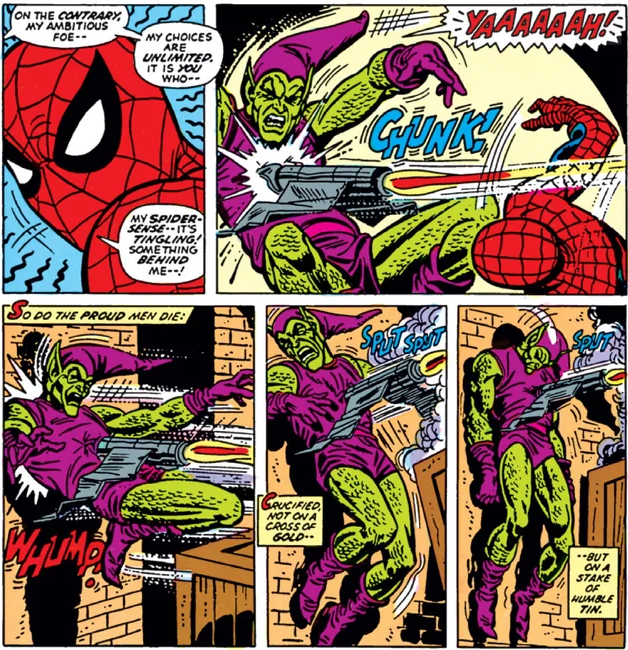
The final battle where Spider-Man and The Green Goblin fight was filmed in an abandoned hospital on Roosevelt Island. And the climactic moment, where the Goblin is impaled on his own glider comes from The Night Gwen Stacy Died.
46/50
46/50
47
The final scene sees Spider-Man swinging through New York. It was CGI and was the most time-consuming shot of the whole film. The effects artists began working on it when Raimi started shooting the film, and it was still the last shot to complete. It took 18 months.
47/50
47/50
48
There were other changes made after 9/11. Sony recalled posters with the New York skyline (including the World Trade Center) reflected in Spider-Man’s eyes. And the original trailer had to be changed as it showed a helicopter caught in a web between the two towers.
48/50

48/50
49
Made for a final budget of $139m, Spider-Man grossed a gargantuan $825m at the box office. It was the first film to gross $100m in its opening weekend, and broke the record for the biggest ever opening day with $39.4m.
49/50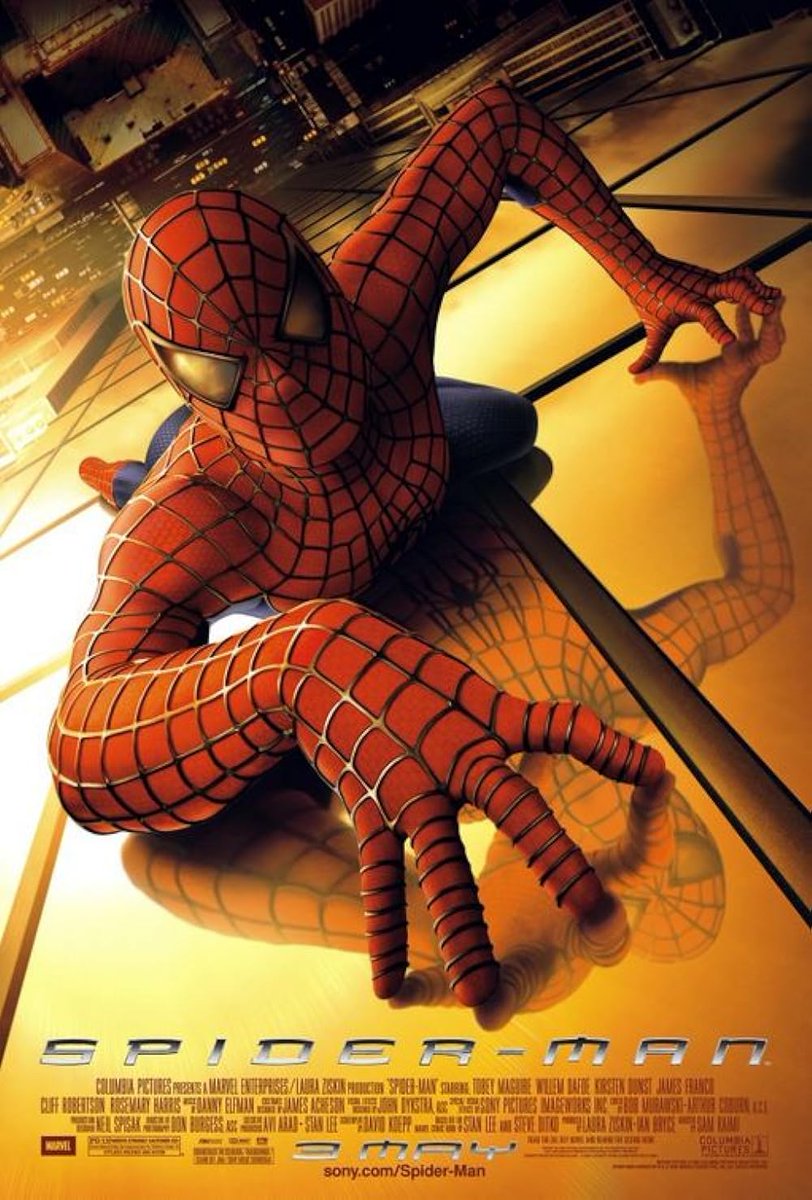


49/50
50
Finally… Spider-Man was released just two years after the first X-Men film, and we almost had a crossover. Raimi wanted Hugh Jackman's Wolverine to make an appearance. Jackman wanted to do it but said they couldn’t find his Wolverine suit!
50/50

50/50
51
If you liked our making of SPIDER-MAN story, please share the opening post.
All The Right Movies@ATRightMovies
SPIDER-MAN was released 23 years ago this week. The first part of Sam Raimi’s wall-crawler trilogy, and one of the films that kick-started the huge superhero genre, the behind-the-scenes story comes with great power and great responsibility…
1/50
1/50
52
Our latest podcast is on TOY STORY. Full of big laughs and opinions so please give it a listen.
alltherightmovies.com/podcast/toy-st…
alltherightmovies.com/podcast/toy-st…
