I used to have DEBILITATING allergies every year. Couldn't even go...

Dalton (Analyze & Optimize)@Outdoctrination
595 views
May 03, 2025
~9 min read
Advertisement
1
I used to have DEBILITATING allergies every year.
Couldn't even go outside without breaking out into tears and itches.
Now I forget that they even exist.
This is what I learned about allergies, the science of how they work, and what you can do to break free of them:
Couldn't even go outside without breaking out into tears and itches.
Now I forget that they even exist.
This is what I learned about allergies, the science of how they work, and what you can do to break free of them:
2
There are a few chemicals that induce the symptoms of allergies:
- Histamine
- Serotonin
- Prostaglandins
- Leukotrienes
- Type 2 cytokines (IL-3, IL-4, IL-5, IL-9 IL-13)
These drive excess mucus production, itch, airway thickening / constriction, redness… everything.
The primary cells involved in releasing them are:
- Mast cells
- Eosinophils
- Basophils
- Neutrophils
- T Cells
This system is in place to protect us against things like parasites and foreign toxins. It helps us eliminate them effectively before they cause even more damage.
The question is, what causes the increased production of these chemicals from these cells unnecessarily?
Why do some people’s immune cells release more of these mediators in response to things that are harmless like pollen?
- Histamine
- Serotonin
- Prostaglandins
- Leukotrienes
- Type 2 cytokines (IL-3, IL-4, IL-5, IL-9 IL-13)
These drive excess mucus production, itch, airway thickening / constriction, redness… everything.
The primary cells involved in releasing them are:
- Mast cells
- Eosinophils
- Basophils
- Neutrophils
- T Cells
This system is in place to protect us against things like parasites and foreign toxins. It helps us eliminate them effectively before they cause even more damage.
The question is, what causes the increased production of these chemicals from these cells unnecessarily?
Why do some people’s immune cells release more of these mediators in response to things that are harmless like pollen?
3
The obvious place to start is the gut.
In fact, around 80% of your immune cells reside in the gut, and they are major players in your susceptibility to allergies.
Poor gut health can wreck your immune system's ability to properly deal with allergens in a few ways:
◈ Bad bacteria shift the balance of T cells away from an anti-inflammatory (regulatory) state to a pro-inflammatory one (Th2/Th17)
◈ Intestinal permeability exposes the immune system to more allergens by allowing "leakage"
◈ Inflammation / bacteria can stimulate innate lymphoid cells (ILC2 via IL-25, IL-33, TSLP), which activates eosinophils, mast cells and B cells to produce IgE
◈ The gut is the biggest source of histamine + serotonin in the entire body by far.
The two threads below get more into that last point.


In fact, around 80% of your immune cells reside in the gut, and they are major players in your susceptibility to allergies.
Poor gut health can wreck your immune system's ability to properly deal with allergens in a few ways:
◈ Bad bacteria shift the balance of T cells away from an anti-inflammatory (regulatory) state to a pro-inflammatory one (Th2/Th17)
◈ Intestinal permeability exposes the immune system to more allergens by allowing "leakage"
◈ Inflammation / bacteria can stimulate innate lymphoid cells (ILC2 via IL-25, IL-33, TSLP), which activates eosinophils, mast cells and B cells to produce IgE
◈ The gut is the biggest source of histamine + serotonin in the entire body by far.
The two threads below get more into that last point.
Dalton (Analyze & Optimize)@Outdoctrination
If you have chronic bloating and gut pain, this is for you.
This is A KEY culprit wreaking havoc on your gut that your doctor won’t even think about.
Here’s how it’s tearing up your insides (and what to do about it):
This is A KEY culprit wreaking havoc on your gut that your doctor won’t even think about.
Here’s how it’s tearing up your insides (and what to do about it):
4
In fact, you can literally give animals allergies simply by giving them the gut bacteria of another animal who has allergies.
The animals with allergies mainly had higher endotoxin containing bacteria, which drive all sorts of inflammation in the gut and beyond.
Allergies start and end in the gut.
The animals with allergies mainly had higher endotoxin containing bacteria, which drive all sorts of inflammation in the gut and beyond.
Allergies start and end in the gut.
5
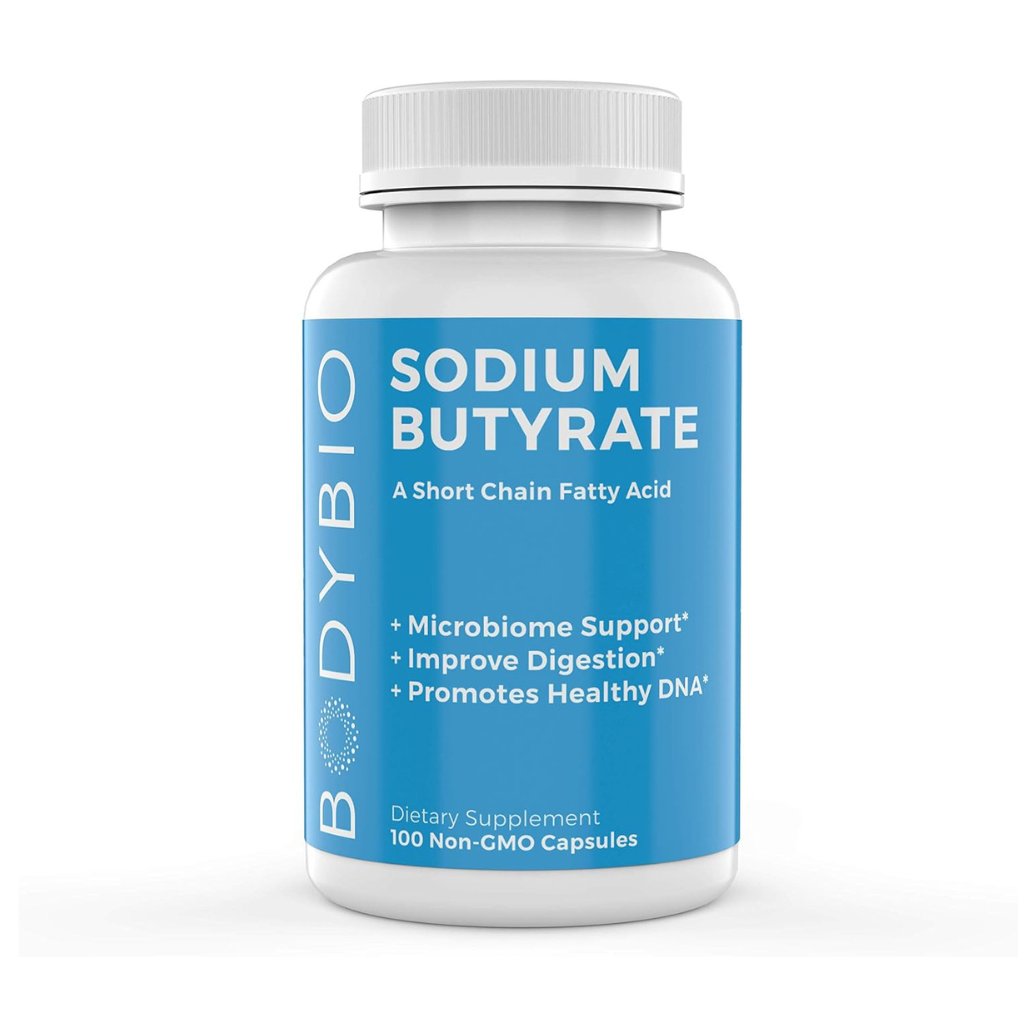
BUTYRATE is an absolute Godsend for allergies.
Animals given butyrate were protected from allergies, as they had:
⬩Less anaphylaxis
⬩Lower IgE
⬩More “tolerant” / anti-inflammatory immune cells
⬩Reduced mast cell degranulation - the release of histamine
Butyrate also:
⬩Seals up leaky gut
⬩Promotes T cells to differentiate into the regulatory type
Your gut produces lots of butyrate when it's healthy, and lacks it when it doesn't
You can also supplement it for tons of benefits, which I wrote about below.

Animals given butyrate were protected from allergies, as they had:
⬩Less anaphylaxis
⬩Lower IgE
⬩More “tolerant” / anti-inflammatory immune cells
⬩Reduced mast cell degranulation - the release of histamine
Butyrate also:
⬩Seals up leaky gut
⬩Promotes T cells to differentiate into the regulatory type
Your gut produces lots of butyrate when it's healthy, and lacks it when it doesn't
You can also supplement it for tons of benefits, which I wrote about below.
Dalton (Analyze & Optimize)@Outdoctrination
Researchers have called it the guardian of the gut.
It is a godsend for IBS, Crohn’s, Ulcerative Colitis and even colon cancer.
Why BUTYRATE might be your key optimal digestion + gut health:
It is a godsend for IBS, Crohn’s, Ulcerative Colitis and even colon cancer.
Why BUTYRATE might be your key optimal digestion + gut health:
6
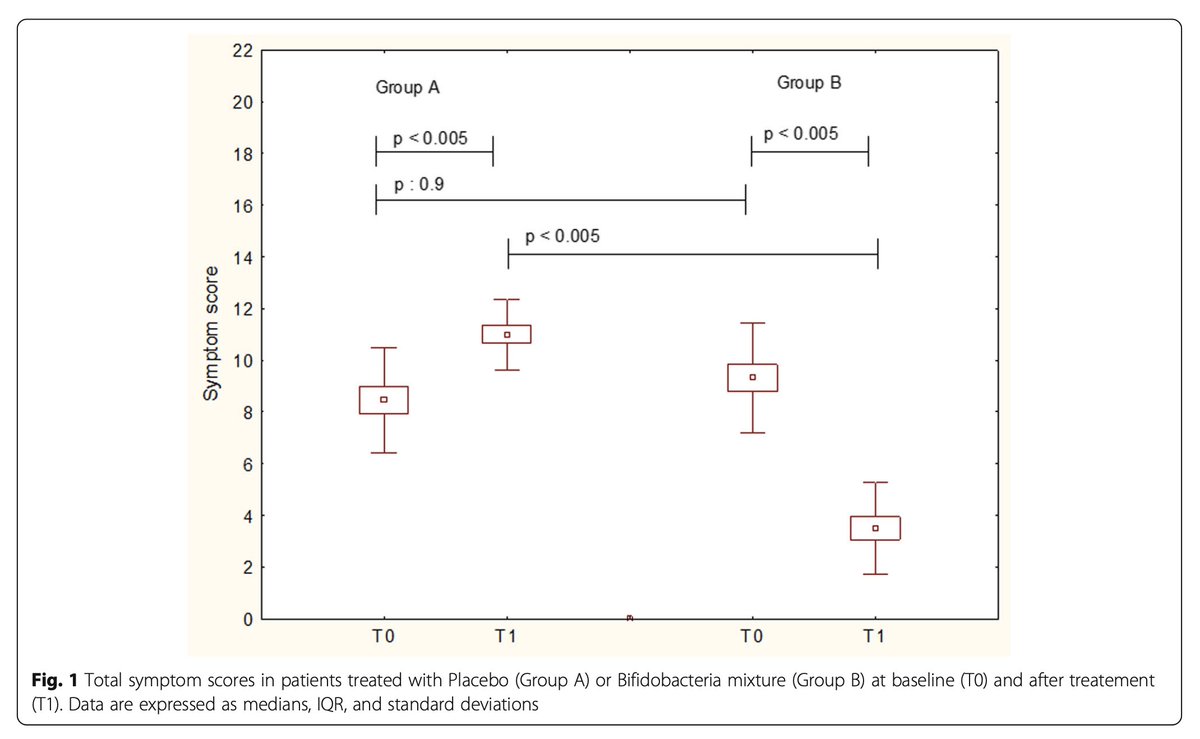
Probiotics alleviate allergies.
Here, a bifidobacterium blend reduces symptoms of:
⇨ Runny nose
⇨ Itchiness
⇨ Sneezing
⇨ Asthma
by supporting the conversion of T cells away from their allergenic phenotype.
In general, things that support gut health also are anti-allergy.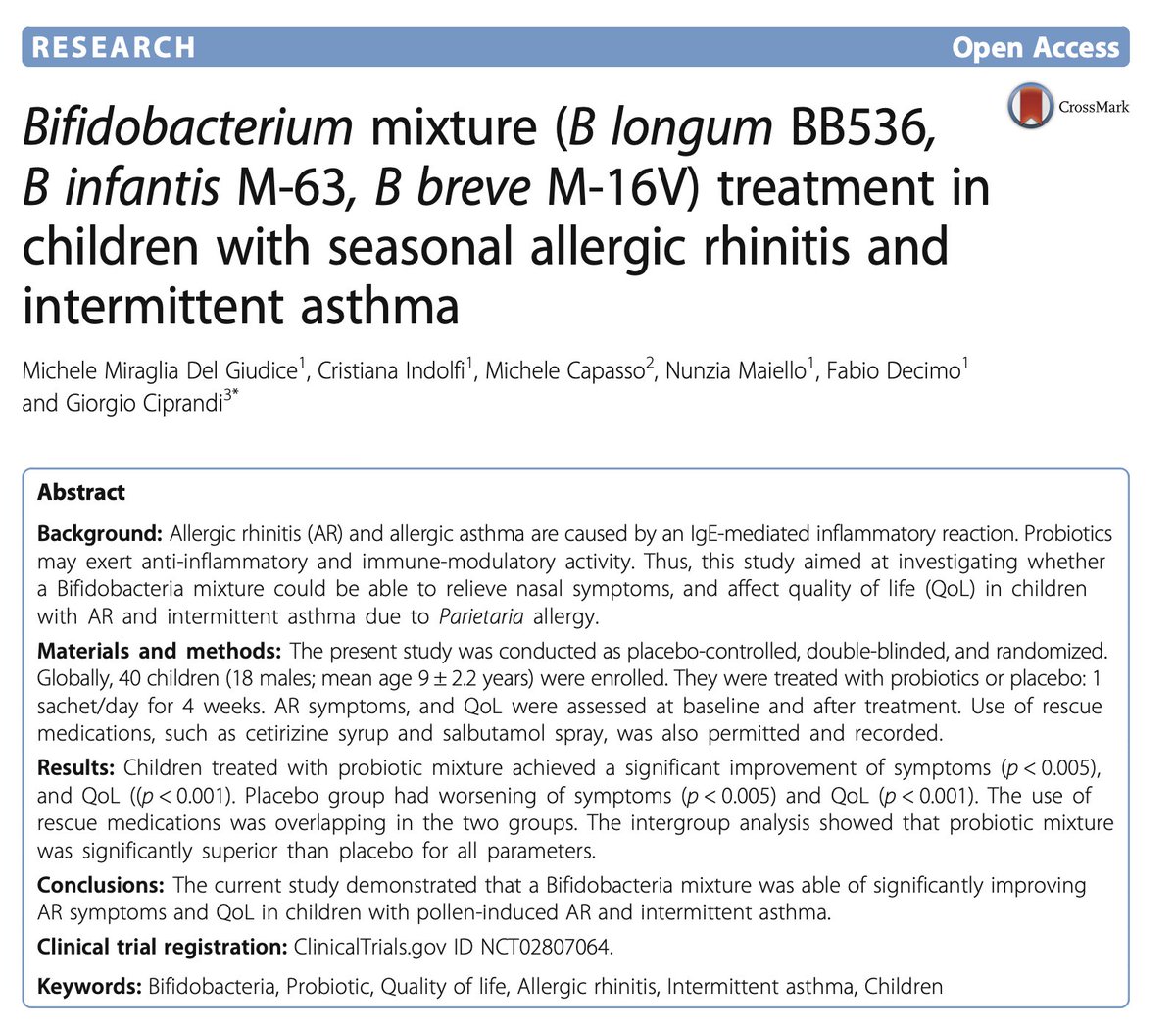
Here, a bifidobacterium blend reduces symptoms of:
⇨ Runny nose
⇨ Itchiness
⇨ Sneezing
⇨ Asthma
by supporting the conversion of T cells away from their allergenic phenotype.
In general, things that support gut health also are anti-allergy.
7
Optimizing gut health should be at the absolute top of your list when it comes to eliminating allergies.
My masterclass on doing just that is here:
My masterclass on doing just that is here:
Dalton (Analyze & Optimize)@Outdoctrination
READ THIS IF YOU WANT TO FIX YOUR GUT.
If you have IBS, bloating, gas, poor bowel movements or brain fog, you NEED to see this.
This is a comprehensive DEEP dive into fixing your digestive health:
If you have IBS, bloating, gas, poor bowel movements or brain fog, you NEED to see this.
This is a comprehensive DEEP dive into fixing your digestive health:
8
Nutrients are vital for overcoming allergies.
Vitamins A+D are probably the most important.
The metabolites of each act on the genetic level in immune cells.
Both, in unison, increase the gene expression of proteins involved in immune tolerance, away from excessive activation.
Vitamin A - beef liver, egg yolks, dairy fat
Vitamin D - seafood, the sun
Vitamins A+D are probably the most important.
The metabolites of each act on the genetic level in immune cells.
Both, in unison, increase the gene expression of proteins involved in immune tolerance, away from excessive activation.
Vitamin A - beef liver, egg yolks, dairy fat
Vitamin D - seafood, the sun
9
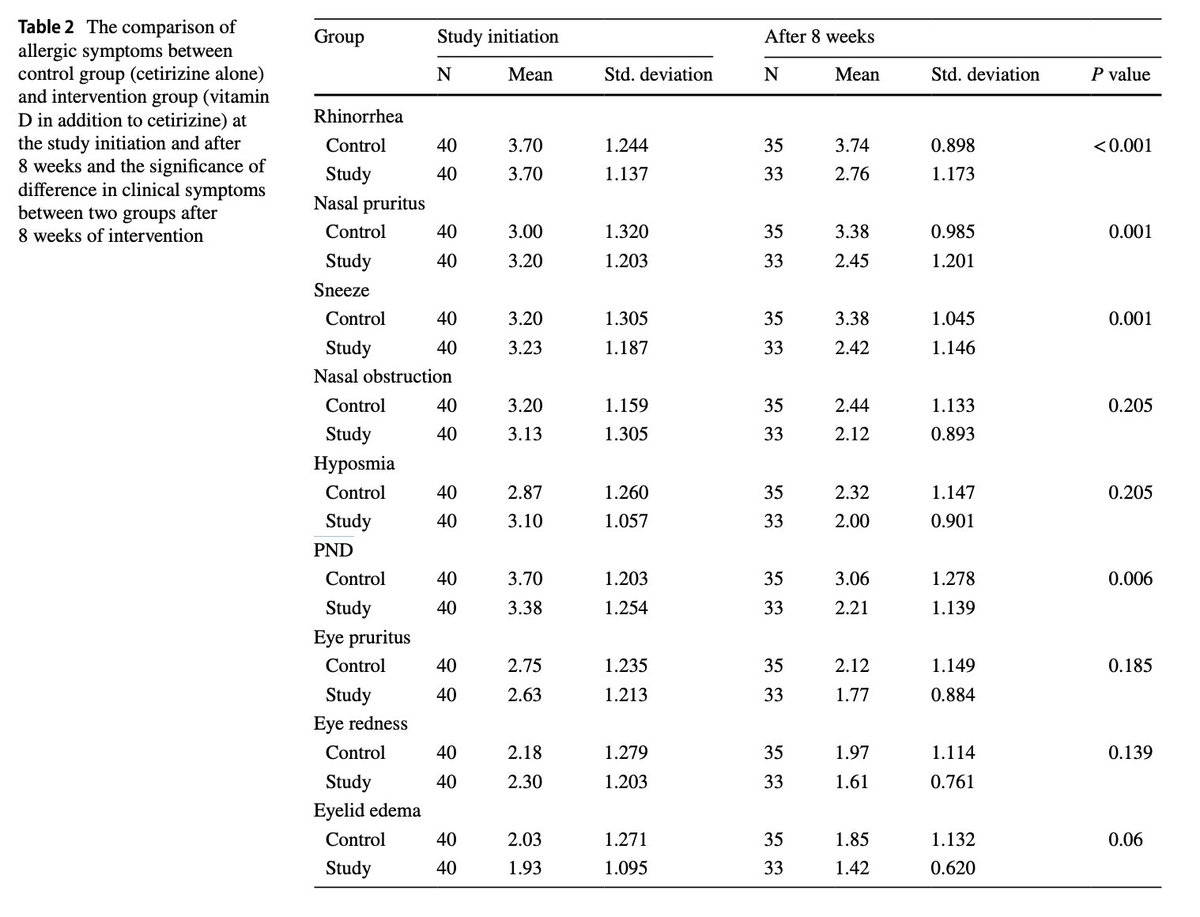
Vitamin D improves allergies.
50,000 IU weekly of vitamin D reduces:
◇ Itchiness
◇ Runny nose
◇ Sneezing
◇ Postnasal drip
◇ Eye swelling
with trends for reducing other symptoms too.
50,000 IU weekly of vitamin D reduces:
◇ Itchiness
◇ Runny nose
◇ Sneezing
◇ Postnasal drip
◇ Eye swelling
with trends for reducing other symptoms too.
Dalton (Analyze & Optimize)@Outdoctrination
The FREE vitamin that NO ONE gets enough of.
WAY beyond preventing colds, it enhances brain function, crushes stress and massively improves energy.
Let's talk about the multifaceted benefits of VITAMIN D:
WAY beyond preventing colds, it enhances brain function, crushes stress and massively improves energy.
Let's talk about the multifaceted benefits of VITAMIN D:
10
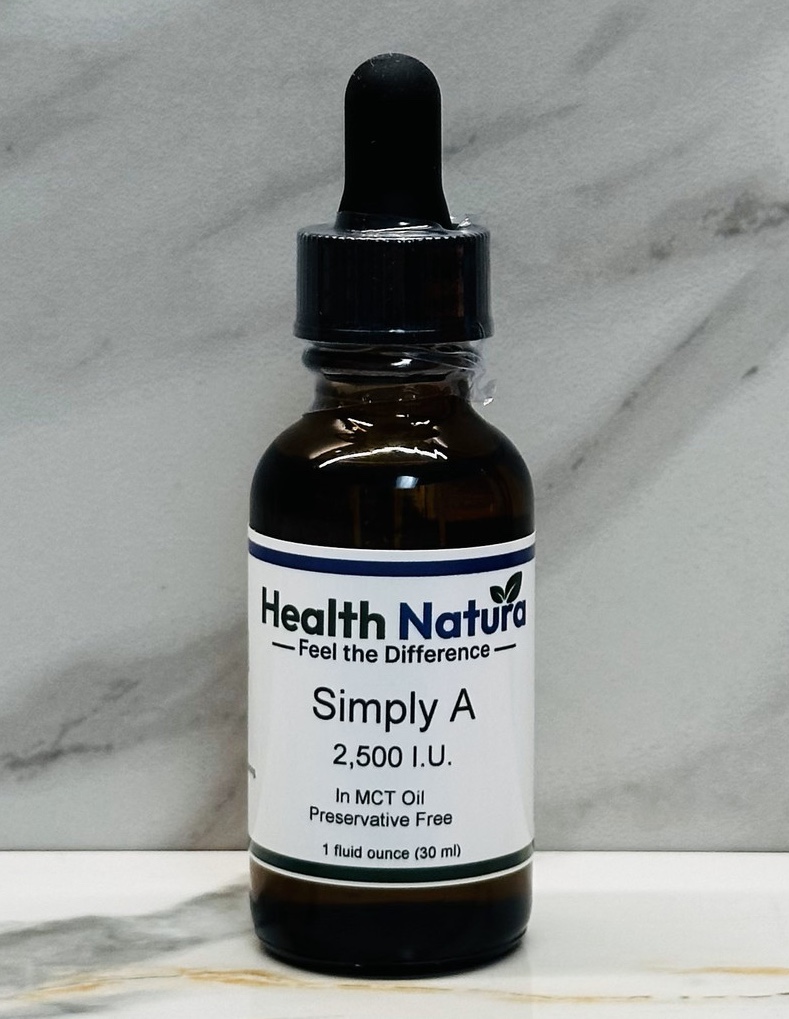
Vitamin A improves asthma & allergies.
Vitamin A is so important for the immune system as it is needed for the multiplication of immune cells,
as well as their transformation into their proper types.
Here, it reduced lung damage, as well as markers like IgE in asthma.

Vitamin A is so important for the immune system as it is needed for the multiplication of immune cells,
as well as their transformation into their proper types.
Here, it reduced lung damage, as well as markers like IgE in asthma.
Dalton (Analyze & Optimize)@Outdoctrination
50% of people are deficient in this vitamin.
It heals the gut, grows the brain, can boost testosterone and gives us glowing skin.
These are the miraculous benefits of VITAMIN A, plus how to make sure you get enough.
THREAD:
It heals the gut, grows the brain, can boost testosterone and gives us glowing skin.
These are the miraculous benefits of VITAMIN A, plus how to make sure you get enough.
THREAD:
11
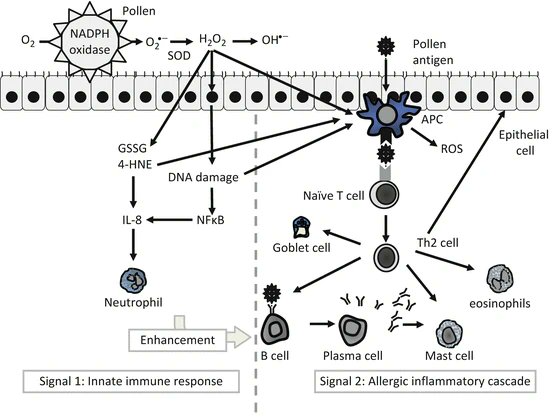
Vitamin C is a cardinal protector against allergies.
Vitamin C is one of our primary buffers of oxidative stress (free radicals).
Excessive oxidative stress, especially in neutrophils, can directly drive the inflammatory response in mast cells and in T cells, the main mediators of allergies.
Vitamin C also supports collagen synthesis, which reduces allergen exposure, and has some epigenetic mechanisms of supporting the immune response.
In kiwis, peppers, citrus fruit / juices, berries, veggies.

Vitamin C is one of our primary buffers of oxidative stress (free radicals).
Excessive oxidative stress, especially in neutrophils, can directly drive the inflammatory response in mast cells and in T cells, the main mediators of allergies.
Vitamin C also supports collagen synthesis, which reduces allergen exposure, and has some epigenetic mechanisms of supporting the immune response.
In kiwis, peppers, citrus fruit / juices, berries, veggies.
12
High dose vitamin C improves allergies by 80-90%.
7.5g as an IV.
➜ 90% of patients improved symptoms
➜ On average symptoms improved by 80%
➜ Massive reductions in itchiness + nasal inflammation
Prevents histamine release from mast cells by lowering oxidative stress.


7.5g as an IV.
➜ 90% of patients improved symptoms
➜ On average symptoms improved by 80%
➜ Massive reductions in itchiness + nasal inflammation
Prevents histamine release from mast cells by lowering oxidative stress.
Dalton (Analyze & Optimize)@Outdoctrination
VITAMIN C:
⇨ Anti-cancer
⇨ Lowers stress
⇨ Renews skin
⇨ Improves sex life
⇨ Enhances energy & motivation
⇨ Crushes anxiety
⇨ Reduces sickness
& more.
Let's talk about the benefits of it, how to get enough and supplementation.
THREAD:
⇨ Anti-cancer
⇨ Lowers stress
⇨ Renews skin
⇨ Improves sex life
⇨ Enhances energy & motivation
⇨ Crushes anxiety
⇨ Reduces sickness
& more.
Let's talk about the benefits of it, how to get enough and supplementation.
THREAD:
13
Zinc is the other vital anti-allergenic nutrient.
⇨ Reduces allergen exposure (improves barrier function)
⇨ Mitigates oxidative stress (drives mast cell degranulation / cytokine production)
⇨ Shifts T cells away from Th2 towards tolerance
Zinc also is needed for vitamin A metabolism.
Oysters, beef, cheese.


⇨ Reduces allergen exposure (improves barrier function)
⇨ Mitigates oxidative stress (drives mast cell degranulation / cytokine production)
⇨ Shifts T cells away from Th2 towards tolerance
Zinc also is needed for vitamin A metabolism.
Oysters, beef, cheese.
Dalton (Analyze & Optimize)@Outdoctrination
It heals the gut & skin, reduces inflammation & fatigue, and massively boosts sexual health.
That's just scratching the surface.
The benefits of ZINC are nearly endless:
That's just scratching the surface.
The benefits of ZINC are nearly endless:
14
Cortisol drives allergies.
Glucocorticoids released from the adrenal glands shift T-cells towards the Th2 type - the type that contributes to allergies.
CRH, released from the hypothalamus in the cortisol production cascade, directly promotes the number and activation of mast cells.
Lowering cortisol / stress is going to be paramount in overcoming allergies.
I put together a masterclass on doing just that below.

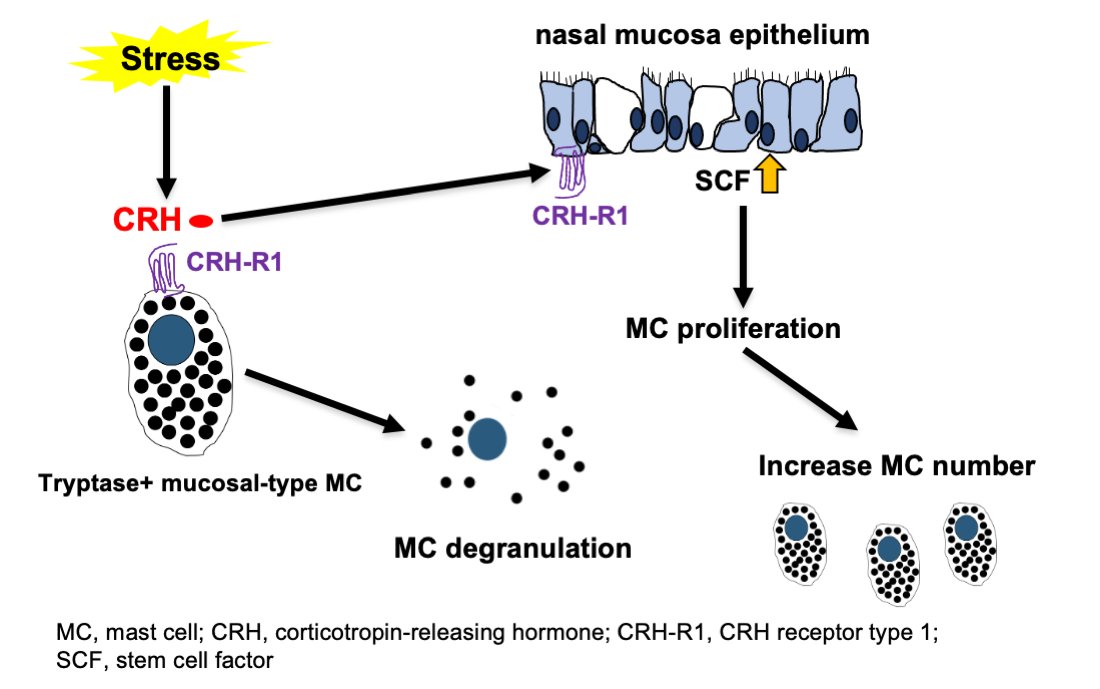

Glucocorticoids released from the adrenal glands shift T-cells towards the Th2 type - the type that contributes to allergies.
CRH, released from the hypothalamus in the cortisol production cascade, directly promotes the number and activation of mast cells.
Lowering cortisol / stress is going to be paramount in overcoming allergies.
I put together a masterclass on doing just that below.
Dalton (Analyze & Optimize)@Outdoctrination
High cortisol, anxiety, and can’t sleep? This is for you.
This is the ULTIMATE GUIDE to STRESS - the signs, the biological mechanisms and what to do about it:
This is the ULTIMATE GUIDE to STRESS - the signs, the biological mechanisms and what to do about it:
15
Pregnenolone inhibits CRH release, which ups the histamine producing mast cells.
Pregnenolone + progesterone also have their own independent anti-inflammatory effects,
which also help shift T cells towards their non allergenic state.

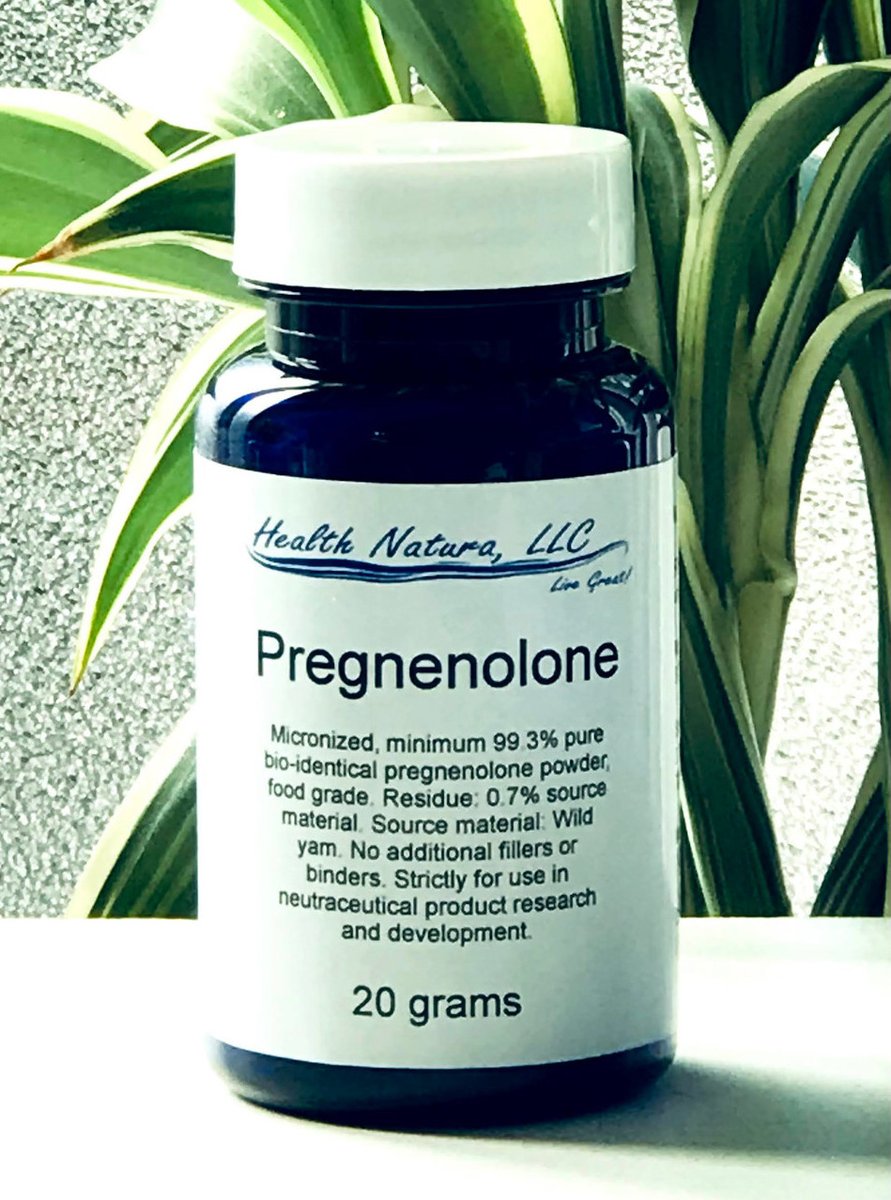
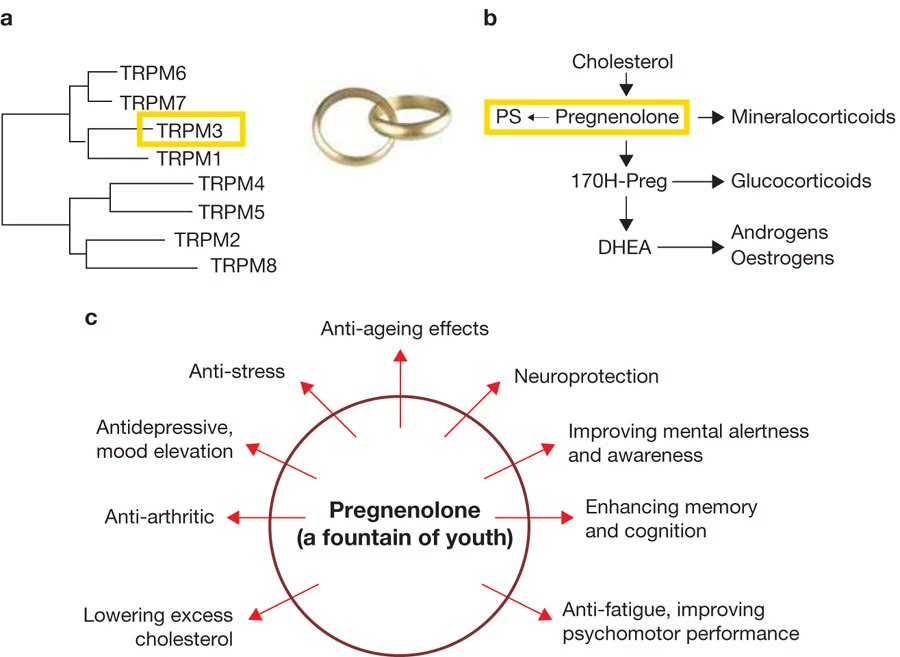
Pregnenolone + progesterone also have their own independent anti-inflammatory effects,
which also help shift T cells towards their non allergenic state.
Dalton (Analyze & Optimize)@Outdoctrination
The body’s primary protector against any and all stress life can throw at you.
Pregnenolone: what it is, how it works, and why adding it in as a supplement could be a game changer for you.
[THREAD]
Pregnenolone: what it is, how it works, and why adding it in as a supplement could be a game changer for you.
[THREAD]
16
Nicotine reduces allergies.
Administering nicotine:
◇ Reduces mast cell proliferation
◇ Inhibits inflammatory T-Cell responses
◇ Allergic symptoms
The nicotinic acetylcholine receptors of the immune system have anti-inflammatory effects.
Acetylcholine is the primary "rest and digest" relaxing neurotransmitter.
Key nutrients for acetylcholine:
• Choline
• B1
• B2
• B5
• B9
• B12
• Glycine
• Creatine
Improving parasympathetic (cholinergic) tone:
• Grounding
• Humming
• Breathing practices
• Pregnenolone
• Progesterone


Administering nicotine:
◇ Reduces mast cell proliferation
◇ Inhibits inflammatory T-Cell responses
◇ Allergic symptoms
The nicotinic acetylcholine receptors of the immune system have anti-inflammatory effects.
Acetylcholine is the primary "rest and digest" relaxing neurotransmitter.
Key nutrients for acetylcholine:
• Choline
• B1
• B2
• B5
• B9
• B12
• Glycine
• Creatine
Improving parasympathetic (cholinergic) tone:
• Grounding
• Humming
• Breathing practices
• Pregnenolone
• Progesterone
Dalton (Analyze & Optimize)@Outdoctrination
It's been demonized for a century, yet is actually a powerful medicine.
It's anti-aging, anti-inflammatory, cognitive enhancing and even aids in fat loss.
The benefits of NICOTINE will shock you:
It's anti-aging, anti-inflammatory, cognitive enhancing and even aids in fat loss.
The benefits of NICOTINE will shock you:
17
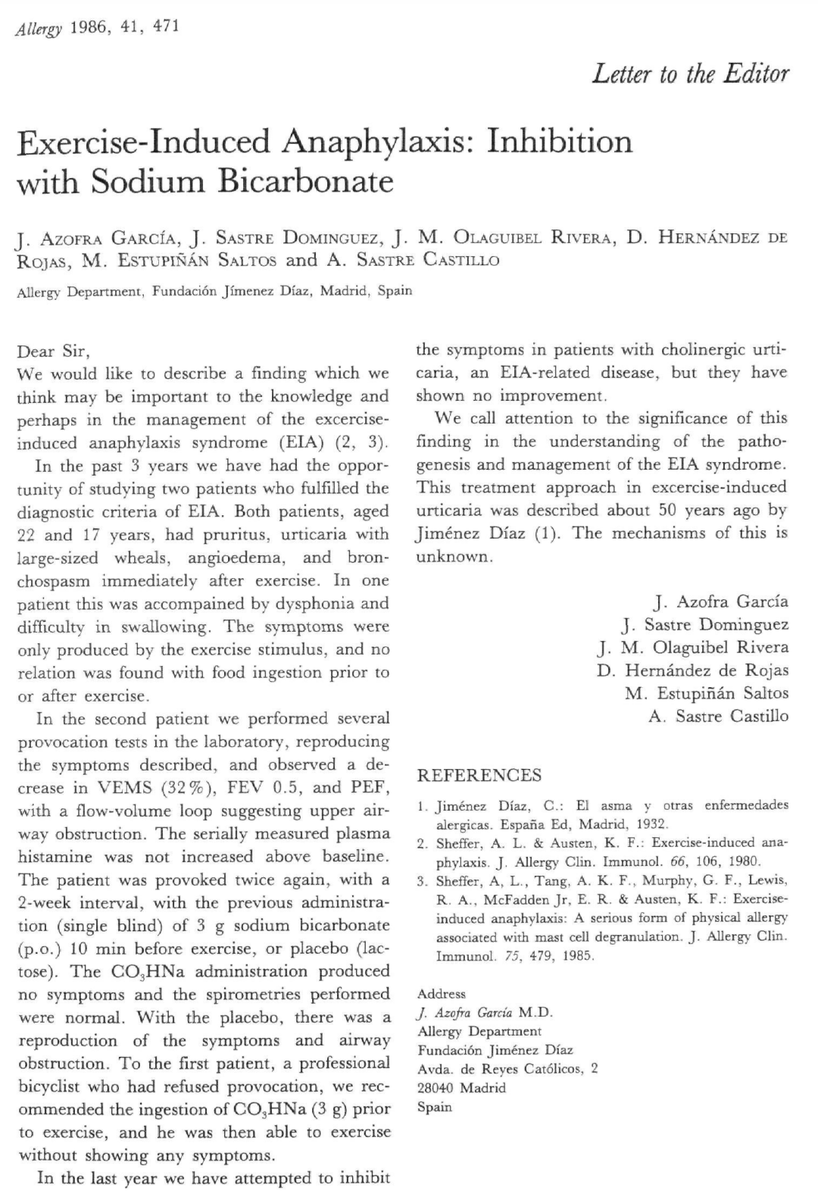
Baking soda rapidly lowers inflammation.
1/2 tsp stops the inflammatory response by activating the vagus nerve,
which connects to the spleen and calms down inflammation of the resident white blood cells.
A few reports have recorded a halt in life threatening allergic responses with baking soda.
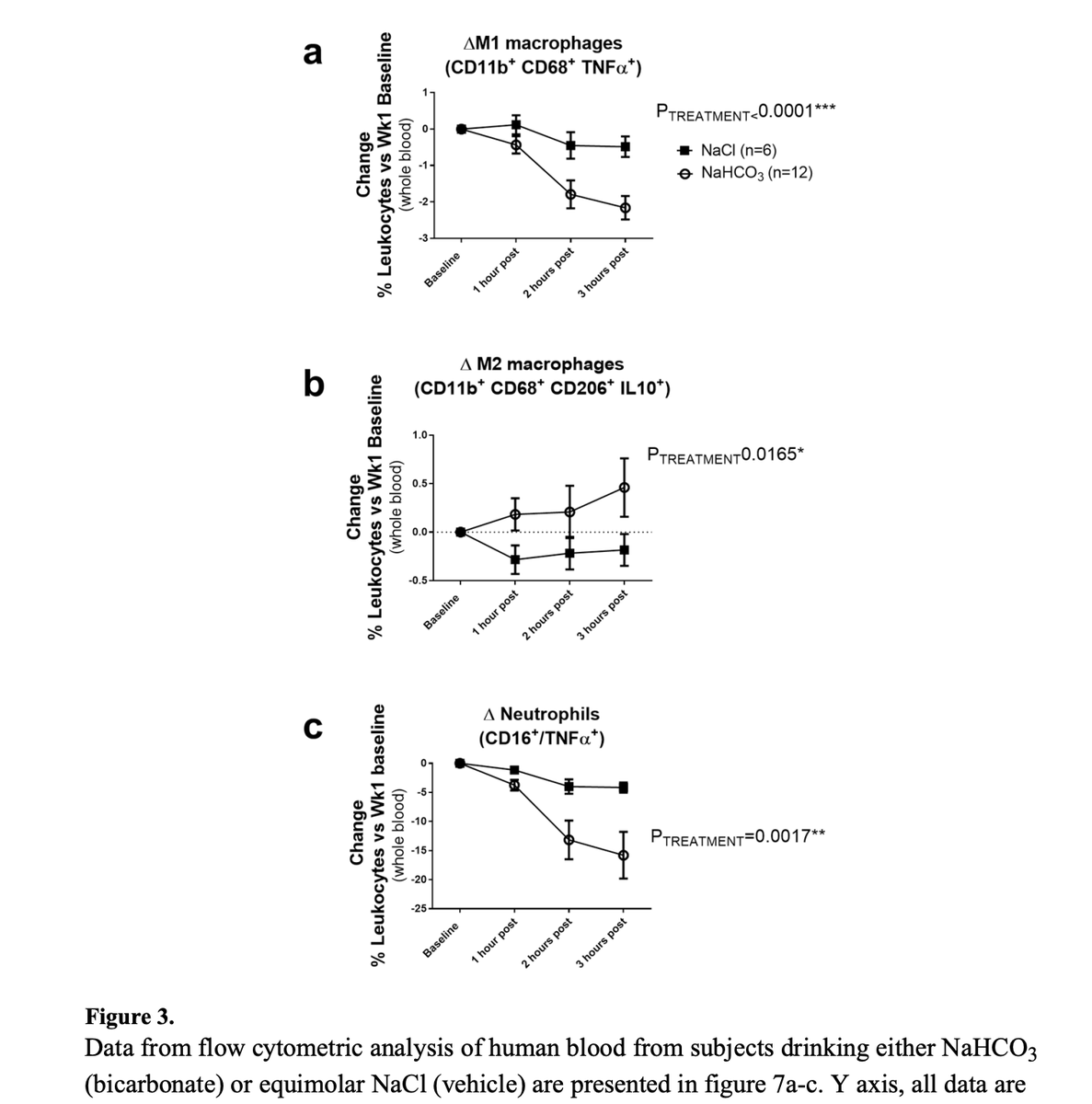


1/2 tsp stops the inflammatory response by activating the vagus nerve,
which connects to the spleen and calms down inflammation of the resident white blood cells.
A few reports have recorded a halt in life threatening allergic responses with baking soda.
Dalton (Analyze & Optimize)@Outdoctrination
The most potent medicine in your house is literally sitting in your cabinet, and cost you next to nothing.
It combats fatigue, inflammation, stress and even cancer.
You won’t believe the incredible health benefits of BAKING SODA:
It combats fatigue, inflammation, stress and even cancer.
You won’t believe the incredible health benefits of BAKING SODA:
18
Allergies are mitochondrial conditions, too.
Some of the biggest inherited risks of developing allergies are genetic impairments in mitochondrial function.
These energy producers in our cells are at the epicenter of so many cellular events it's hard to keep track of.
Dendritic cells, which can present allergens to other immune cells, are highly tolerant when they have high energy production capacity.
They don't alarm the rest of the immune system unnecessarily if their energy production is satisfied.
If mitochondria aren't working properly, they have multiple ways of contributing to allergies throughout the immune system:
◇ Increase calcium content in cells - which drives inflammatory responses (especially mast cell degranulation)
◇ Drive oxidative stress - which does the same
◇ Creates immunogenic (not tolerant) immune cells

Some of the biggest inherited risks of developing allergies are genetic impairments in mitochondrial function.
These energy producers in our cells are at the epicenter of so many cellular events it's hard to keep track of.
Dendritic cells, which can present allergens to other immune cells, are highly tolerant when they have high energy production capacity.
They don't alarm the rest of the immune system unnecessarily if their energy production is satisfied.
If mitochondria aren't working properly, they have multiple ways of contributing to allergies throughout the immune system:
◇ Increase calcium content in cells - which drives inflammatory responses (especially mast cell degranulation)
◇ Drive oxidative stress - which does the same
◇ Creates immunogenic (not tolerant) immune cells
19
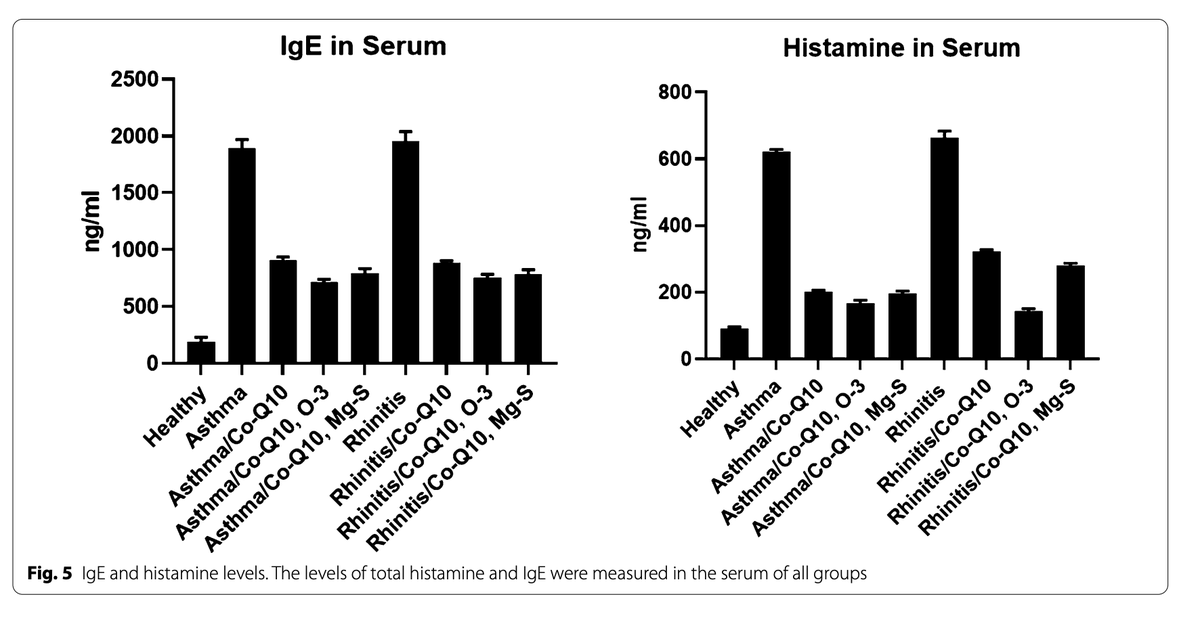
Coenzyme Q10 is therapeutic for allergies.
People with allergic asthma have depleted CoQ10, which is an essential component to mitochondrial energy production.
Adding it back reduces:
➜ Eosinophils
➜ Lung damage
➜ Type 2 cytokines
➜ Leukotrienes
➜ IgE
➜ Histamine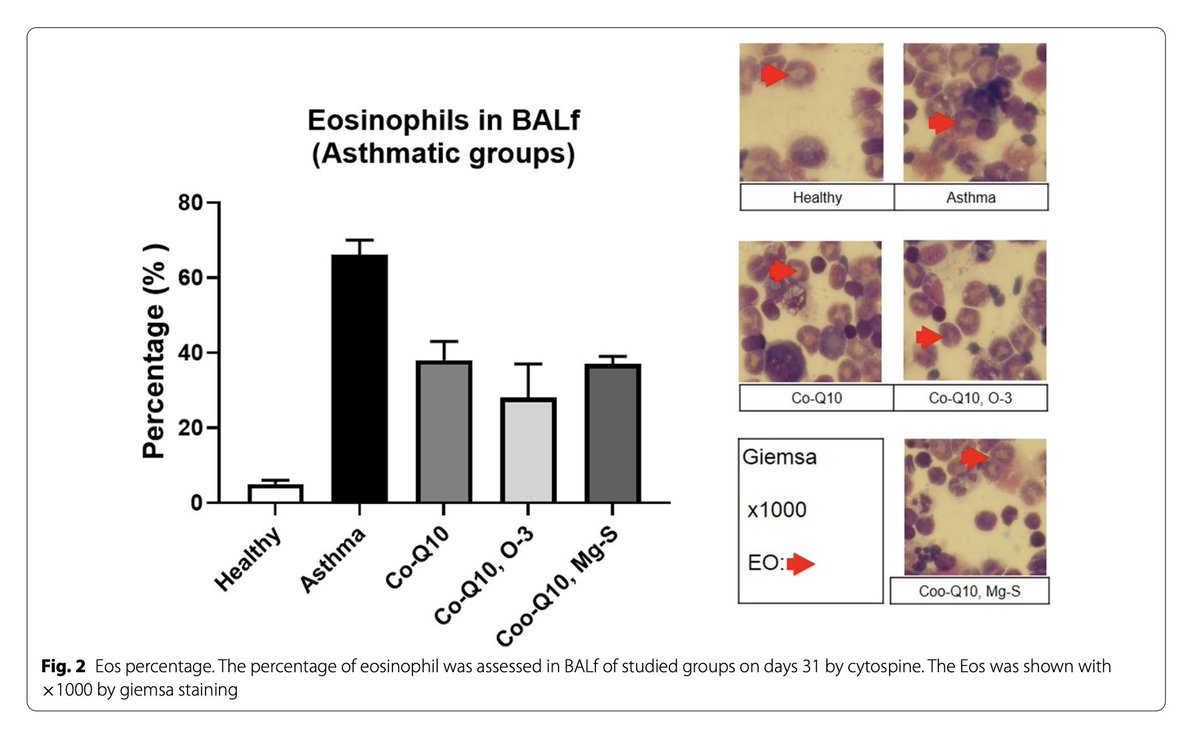
People with allergic asthma have depleted CoQ10, which is an essential component to mitochondrial energy production.
Adding it back reduces:
➜ Eosinophils
➜ Lung damage
➜ Type 2 cytokines
➜ Leukotrienes
➜ IgE
➜ Histamine
20
Nicotinamide Mononucleotide prevents allergies.
NMN helps to form NAD+ - the primary energy carrier in our mitochondria that allows them to churn out energy.
Raising NAD+ via
⇨ NMN
⇨ Nicotinamide riboside
⇨ Vitamin B3
⇨ Niacinamide
can reduce the allergic immune response
NMN helps to form NAD+ - the primary energy carrier in our mitochondria that allows them to churn out energy.
Raising NAD+ via
⇨ NMN
⇨ Nicotinamide riboside
⇨ Vitamin B3
⇨ Niacinamide
can reduce the allergic immune response
21
Thus, optimizing mitochondrial function should also be an absolute top priority for allergy resilience.
I went into greater detail on optimizing mitochondrial function in the thread below.


I went into greater detail on optimizing mitochondrial function in the thread below.
Dalton (Analyze & Optimize)@Outdoctrination
READ THIS IF YOU ARE ALWAYS TIRED (no matter how much you rest).
It's not in your head. It's not normal, but it is fixable.
Let's talk about what causes FATIGUE + TIREDNESS, and what you can do about it to have flying energy levels for life:
It's not in your head. It's not normal, but it is fixable.
Let's talk about what causes FATIGUE + TIREDNESS, and what you can do about it to have flying energy levels for life:
22
We need to discuss oxidative stress -
an excess of reactive oxygen species (free radicals) relative to antioxidants.
This:
◇ Turns on NF-κB - the master inflammatory signal in the nucleus
◇ Activates mast cells
contributing to every part of the allergenic process.
an excess of reactive oxygen species (free radicals) relative to antioxidants.
This:
◇ Turns on NF-κB - the master inflammatory signal in the nucleus
◇ Activates mast cells
contributing to every part of the allergenic process.
23
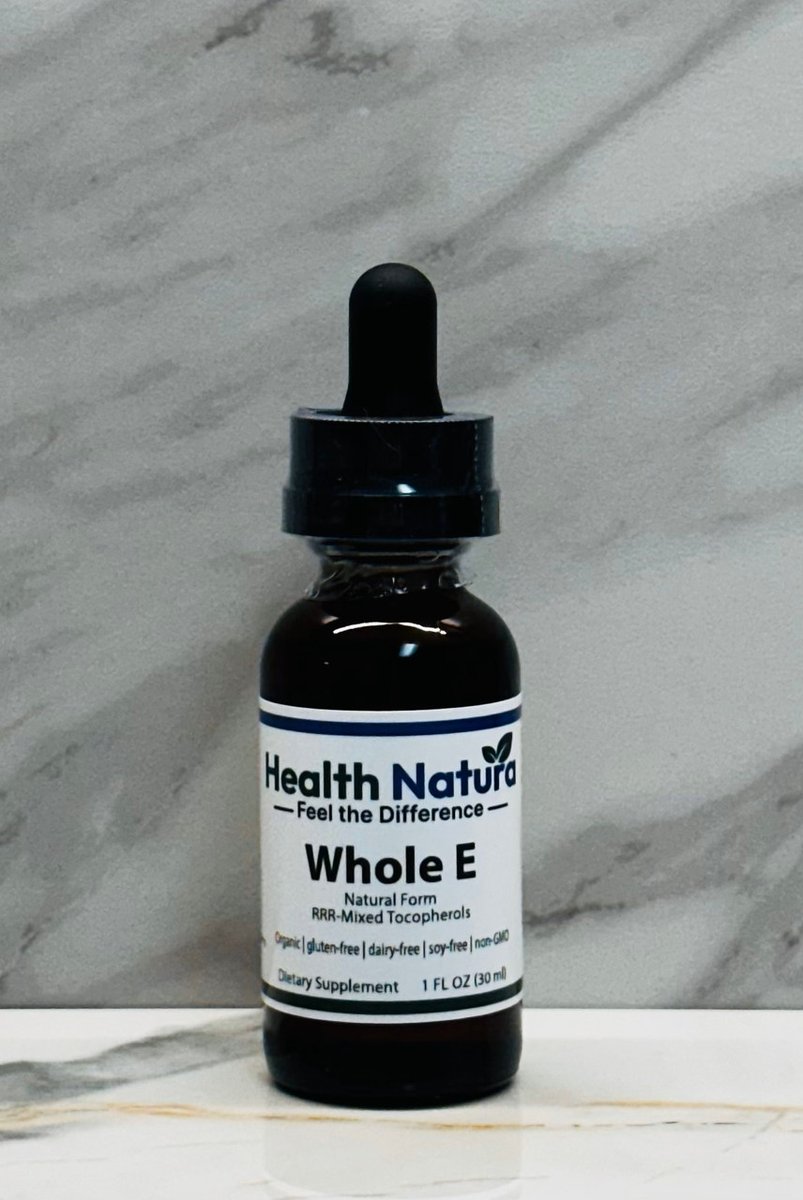
Vitamin E reduces allergies.
◇ Sneezing
◇ Stuffy nose
◇ Runny nose
◇ Itchiness
◇ Watery eyes
◇ Swelling eyes
ALL reduced.
Vitamin E is the one of the body's primary antioxidants,
and also inhibits the production of leukotrienes, which are released from mast calls.

◇ Sneezing
◇ Stuffy nose
◇ Runny nose
◇ Itchiness
◇ Watery eyes
◇ Swelling eyes
ALL reduced.
Vitamin E is the one of the body's primary antioxidants,
and also inhibits the production of leukotrienes, which are released from mast calls.
Dalton (Analyze & Optimize)@Outdoctrination
The universal protector.
For the poisons of the modern world, VITAMIN E is one of the best tools to maintain your health.
Here's why:
For the poisons of the modern world, VITAMIN E is one of the best tools to maintain your health.
Here's why:
24
Reducing SEED OILS for allergies:
➥ Leukotrienes
➥ Prostaglandins (prostanoids)
are two of the primary chemicals released by mast cells and eosinophils to produce allergic symptoms.
They are both metabolites of the omega 6 linoleic acid, the fat most abundant in seed oils.
A high omega 6 / omega 3 ratio predisposes to allergies.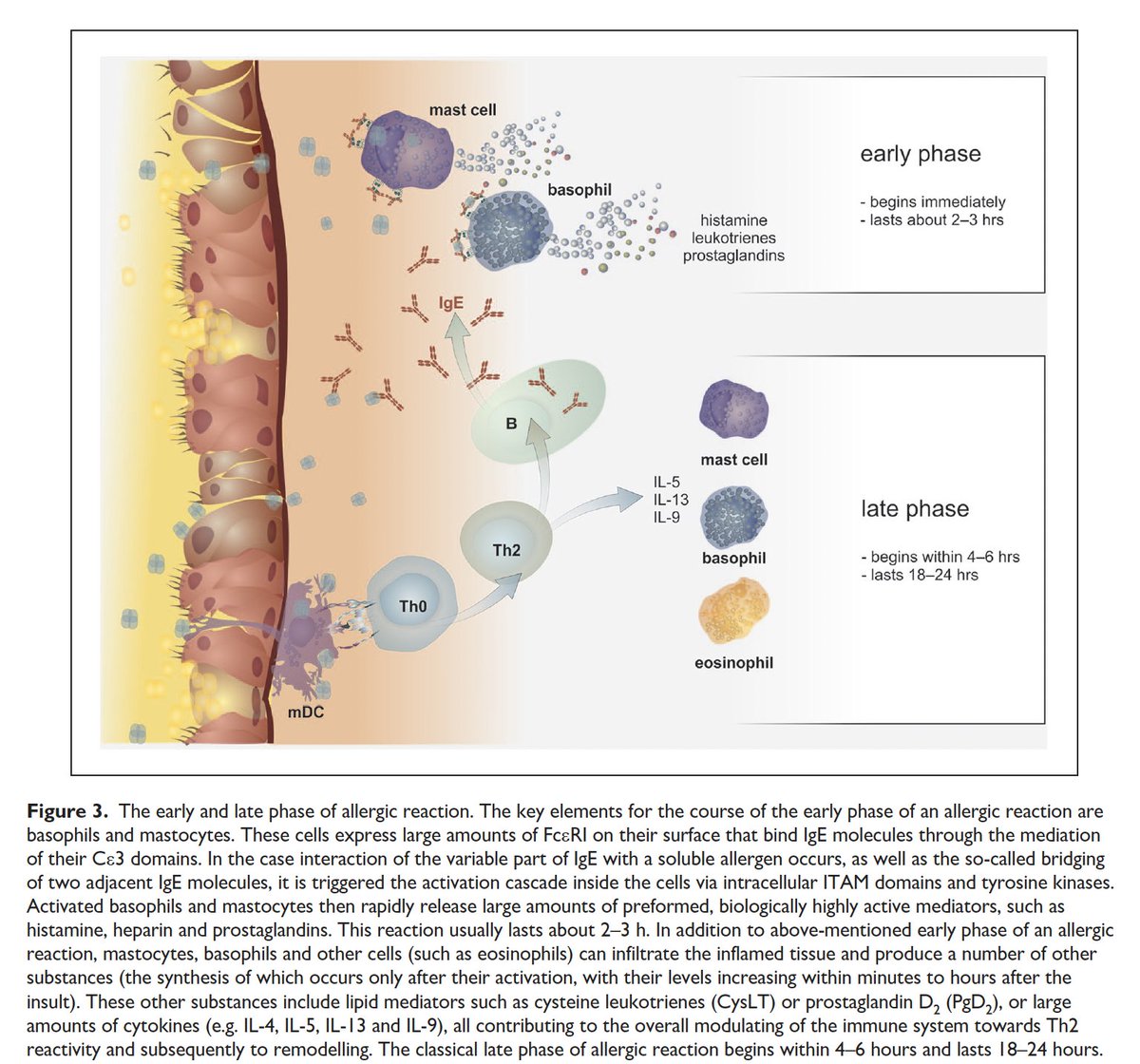
➥ Leukotrienes
➥ Prostaglandins (prostanoids)
are two of the primary chemicals released by mast cells and eosinophils to produce allergic symptoms.
They are both metabolites of the omega 6 linoleic acid, the fat most abundant in seed oils.
A high omega 6 / omega 3 ratio predisposes to allergies.
25
Other antioxidants help too.
Raw honey improves allergies.
3-5 tsp day improved sniffles, sneezing, & more
Has tons of antioxidant compounds that:
‣ Inhibit mast cell histamine release
‣ Blunt inappropriate IgE responses
‣ Lowers production of inflammatory cytokines

Raw honey improves allergies.
3-5 tsp day improved sniffles, sneezing, & more
Has tons of antioxidant compounds that:
‣ Inhibit mast cell histamine release
‣ Blunt inappropriate IgE responses
‣ Lowers production of inflammatory cytokines
Dalton (Analyze & Optimize)@Outdoctrination
The dessert that protects against diabetes, cavities, inflammation and even cancer.
You won't believe the incredible benefits of RAW HONEY:
You won't believe the incredible benefits of RAW HONEY:
26
Other tools to bolster your antioxidant network:
☆ B1
☆ B2
☆ Selenium
☆ Zinc
☆ NAc
☆ Taurine
☆ Foods rich in flavonoids (fruits, whole juices, coffee, vegetables, chocolate)
☆ Edible mushrooms (ergothioneine)
☆ Plenty of carbohydrates
☆ Avoiding excess iron
☆ B1
☆ B2
☆ Selenium
☆ Zinc
☆ NAc
☆ Taurine
☆ Foods rich in flavonoids (fruits, whole juices, coffee, vegetables, chocolate)
☆ Edible mushrooms (ergothioneine)
☆ Plenty of carbohydrates
☆ Avoiding excess iron
27
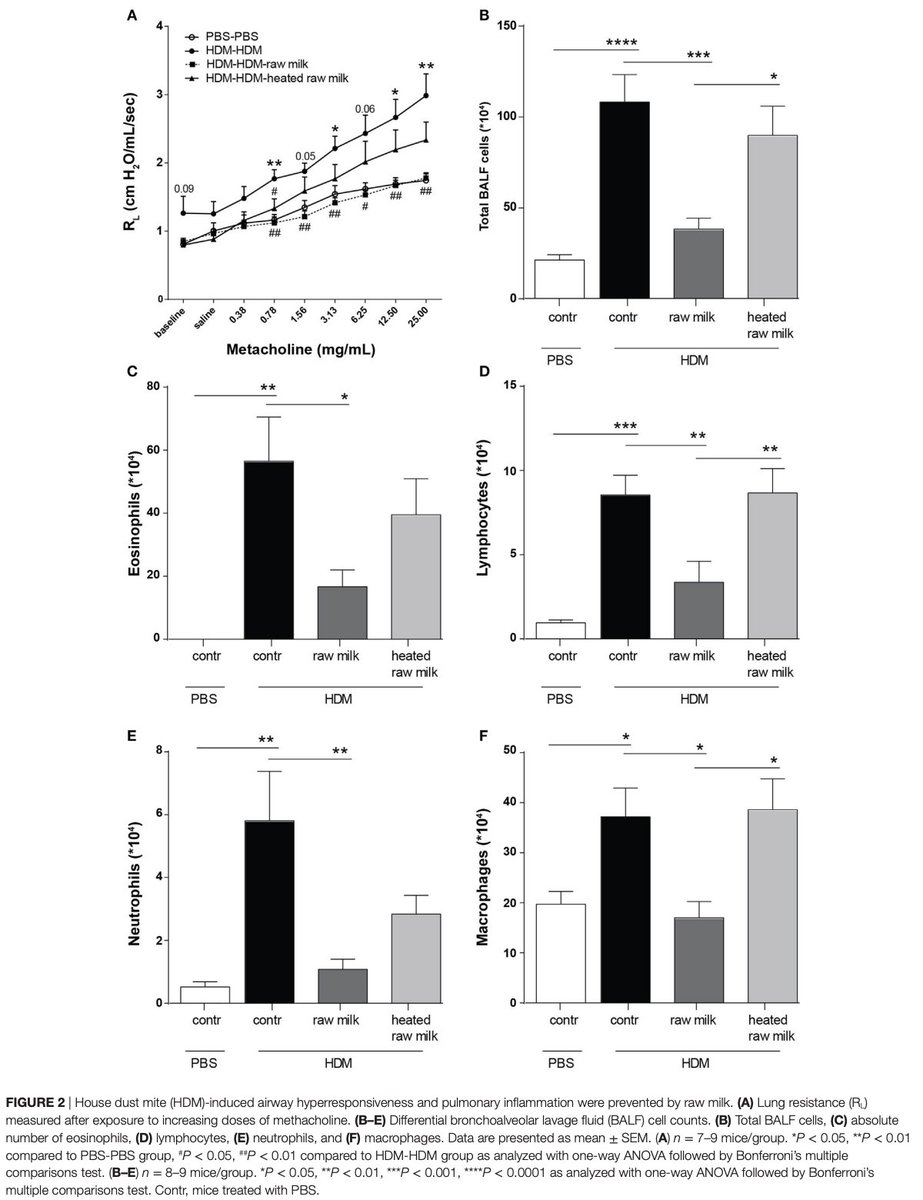
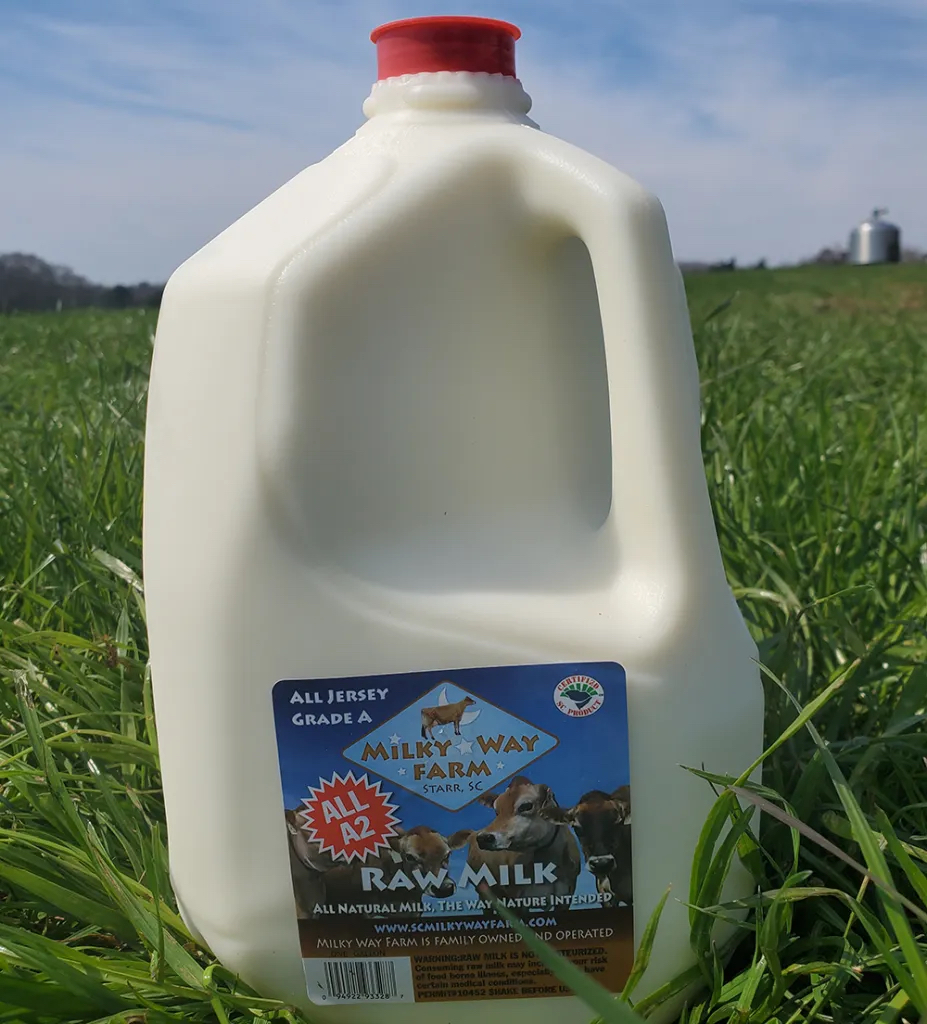
Raw milk prevents allergies.
Feeding raw milk reduced:
• Inflammatory cell migration, cytokine production
• Respiratory symptoms
while heated milk did not.
Proteins like lactoferrin and immunoglobulins, with immune regulatory properties, are degraded with heat.
Feeding raw milk reduced:
• Inflammatory cell migration, cytokine production
• Respiratory symptoms
while heated milk did not.
Proteins like lactoferrin and immunoglobulins, with immune regulatory properties, are degraded with heat.
Dalton (Analyze & Optimize)@Outdoctrination
The most incredible healing food on the planet has been BANNED.
It is a godsend for digestion, prevents allergies, lowers inflammation and even improves cognition.
Why RAW MILK is a superfood:
It is a godsend for digestion, prevents allergies, lowers inflammation and even improves cognition.
Why RAW MILK is a superfood:
28
Calcium prevents allergies.
1g of calcium was shown to increase resistance to congestion.
Immune cell / mast cell activation is highly dependent on influx of calcium into cells,
but extracellular (dietary) calcium prevents histamine release and allergic reactions.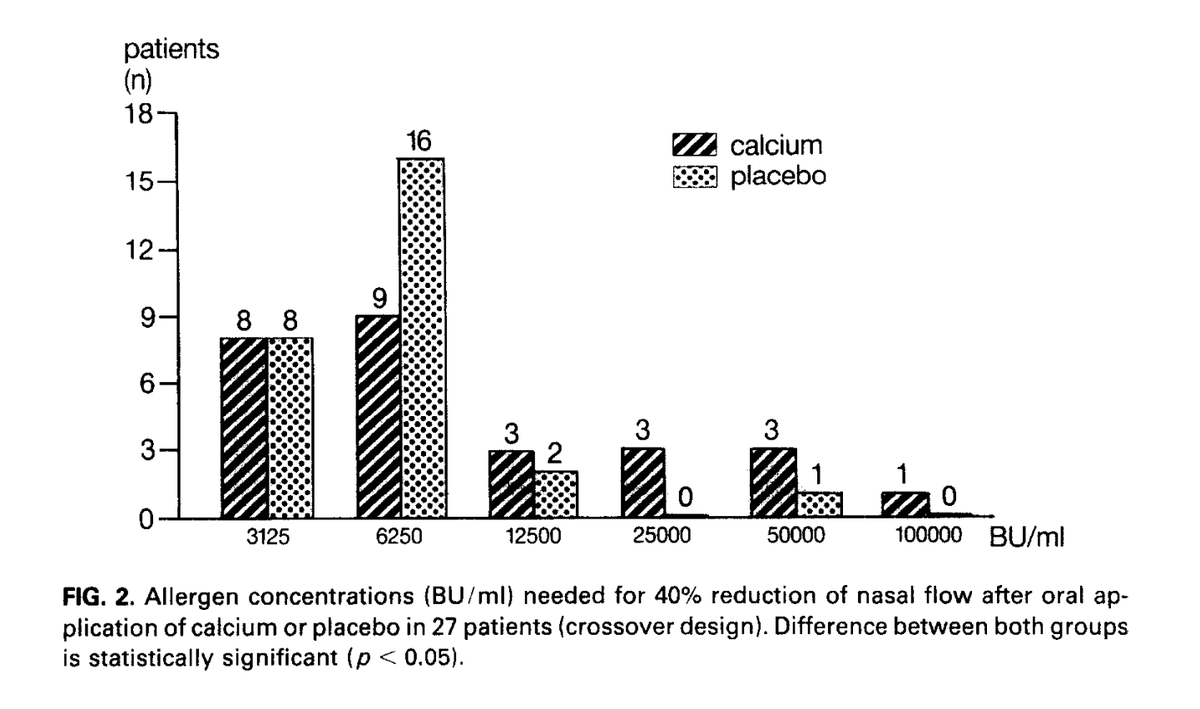
1g of calcium was shown to increase resistance to congestion.
Immune cell / mast cell activation is highly dependent on influx of calcium into cells,
but extracellular (dietary) calcium prevents histamine release and allergic reactions.
29
Glycine prevents allergies.
Animals fed glycine REDUCED:
• Antibody production
• Gut inflammation
• Mast cell activation
• Allergic symptoms
Glycine interacts with various immune cells, "calming" their reactions and lowering inflammation.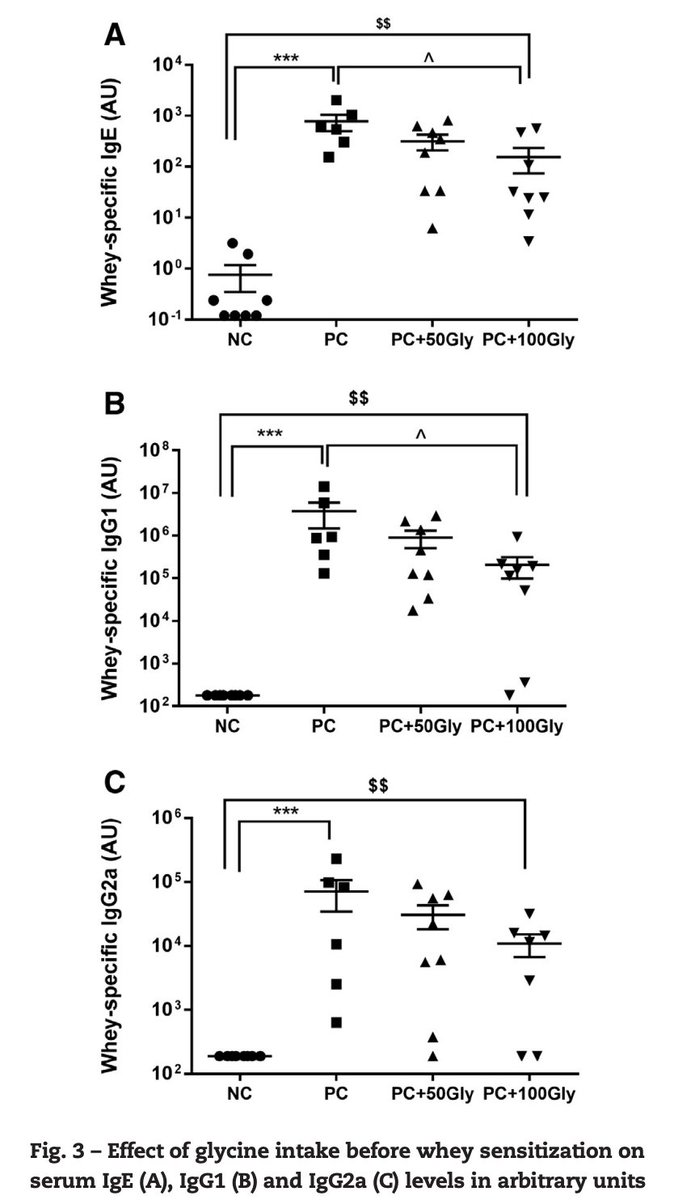
Animals fed glycine REDUCED:
• Antibody production
• Gut inflammation
• Mast cell activation
• Allergic symptoms
Glycine interacts with various immune cells, "calming" their reactions and lowering inflammation.
30
Estrogen promotes mast cell degranulation - progesterone prevents it.
Other tools to lower / oppose estrogen:
‣ Saturated fat
‣ Aspirin
‣ Vitamin B2
‣ White button mushrooms
‣ Insoluble fiber (raw carrot)
‣ Naringin, naringenin, apigenin (citrus fruits)


Other tools to lower / oppose estrogen:
‣ Saturated fat
‣ Aspirin
‣ Vitamin B2
‣ White button mushrooms
‣ Insoluble fiber (raw carrot)
‣ Naringin, naringenin, apigenin (citrus fruits)
Dalton (Analyze & Optimize)@Outdoctrination
Crushing anxiety and stress, raising IQ and even preventing cancer?
Just some of the things that the incredible PROGESTERONE can do (even for guys).
Here’s how:
Just some of the things that the incredible PROGESTERONE can do (even for guys).
Here’s how:
31
Some other tools that are anti-histamine or prevent mast cell degranulation:
‣ L-Carnosine
‣ Diamine oxidase
‣ L. Plantarum
‣ Ginger
‣ Skullcap
‣ Quercetin
‣ Curcumin
‣ Lidocaine
‣ L-Carnosine
‣ Diamine oxidase
‣ L. Plantarum
‣ Ginger
‣ Skullcap
‣ Quercetin
‣ Curcumin
‣ Lidocaine
32
As you can see, allergies are simply a manifestation of something lacking in your overall health.
If you want some help in optimizing your health, we've got you covered. Schedule a call here with us prism.miami/scheduling
If you want some help in optimizing your health, we've got you covered. Schedule a call here with us prism.miami/scheduling
33
Thank you for reading through this. Give this tweet below a repost if you found it interesting to spread the message.
Dalton (Analyze & Optimize)@Outdoctrination
I used to have DEBILITATING allergies every year.
Couldn't even go outside without breaking out into tears and itches.
Now I forget that they even exist.
This is what I learned about allergies, the science of how they work, and what you can do to break free of them:
Couldn't even go outside without breaking out into tears and itches.
Now I forget that they even exist.
This is what I learned about allergies, the science of how they work, and what you can do to break free of them:
34
Be sure to check out all of our content, supplements, lab testing options and join our email list for exclusive offers here: analyzeandoptimize.io
35
SOURCES
pubmed.ncbi.nlm.nih.gov/18165213/pubmed.ncbi.nlm.nih.gov/6522095/ parasites
nature.com/articles/natur… toxins
sciencedirect.com/science/articl… rev natural compounds
nature.com/articles/s4139… rev mechs
pmc.ncbi.nlm.nih.gov/articles/PMC90… mito rev
pmc.ncbi.nlm.nih.gov/articles/PMC11… neut rev
link.springer.com/article/10.100… T cells + stress
pmc.ncbi.nlm.nih.gov/articles/PMC10… gut rev
link.springer.com/referenceworke… ROS rev (drives inflammation from DAMPS, HNE/dna damage drives NFKB)
pmc.ncbi.nlm.nih.gov/articles/PMC38… FMT contagious
nature.com/articles/s4157… bad gut bugs activate ILC2
pmc.ncbi.nlm.nih.gov/articles/PMC11…pmc.ncbi.nlm.nih.gov/articles/PMC59… vit A/D
pmc.ncbi.nlm.nih.gov/articles/PMC11… zinc
pmc.ncbi.nlm.nih.gov/articles/PMC99… C
Vit E / Seed oils pubmed.ncbi.nlm.nih.gov/15237767/sciencedirect.com/science/articl…
pubmed.ncbi.nlm.nih.gov/18165213/pubmed.ncbi.nlm.nih.gov/6522095/ parasites
nature.com/articles/natur… toxins
sciencedirect.com/science/articl… rev natural compounds
nature.com/articles/s4139… rev mechs
pmc.ncbi.nlm.nih.gov/articles/PMC90… mito rev
pmc.ncbi.nlm.nih.gov/articles/PMC11… neut rev
link.springer.com/article/10.100… T cells + stress
pmc.ncbi.nlm.nih.gov/articles/PMC10… gut rev
link.springer.com/referenceworke… ROS rev (drives inflammation from DAMPS, HNE/dna damage drives NFKB)
pmc.ncbi.nlm.nih.gov/articles/PMC38… FMT contagious
nature.com/articles/s4157… bad gut bugs activate ILC2
pmc.ncbi.nlm.nih.gov/articles/PMC11…pmc.ncbi.nlm.nih.gov/articles/PMC59… vit A/D
pmc.ncbi.nlm.nih.gov/articles/PMC11… zinc
pmc.ncbi.nlm.nih.gov/articles/PMC99… C
Vit E / Seed oils pubmed.ncbi.nlm.nih.gov/15237767/sciencedirect.com/science/articl…
