The Royal Canadian Navy retired its last aircraft carrier, HMCS...

🇨🇦 Policy Hawk@CDNPolicyHawk
11 views
Aug 29, 2025
~12 min read
Advertisement
1
The Royal Canadian Navy retired its last aircraft carrier, HMCS Bonaventure, over half a century ago.
Despite calls based on nostalgia and national pride to revive this capability, we've (rightly) never seriously considered reacquiring one.
I think that may need to change.🧵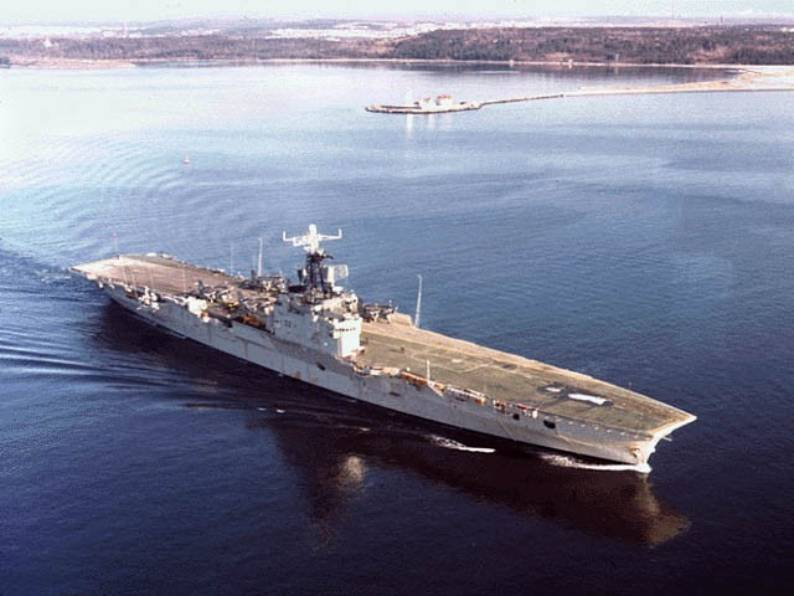
Despite calls based on nostalgia and national pride to revive this capability, we've (rightly) never seriously considered reacquiring one.
I think that may need to change.🧵
2
To address the elephant in the room: Aircraft Carriers are badass.
It's easy to *want* the RCN to acquire them for no other reason than that. It's also easy to dismiss arguments for them on the assumption they're shallow.
To avoid that trap, let's start by going back to basics:
It's easy to *want* the RCN to acquire them for no other reason than that. It's also easy to dismiss arguments for them on the assumption they're shallow.
To avoid that trap, let's start by going back to basics:
3
The traditional purpose of Navies is to protect your own (or threaten another) nation's trade.
Trade is what makes nations prosperous. Maritime ships are the most efficient way to trade. This was true in antiquity and it's true today - when ~70% of world trade is maritime based.
Trade is what makes nations prosperous. Maritime ships are the most efficient way to trade. This was true in antiquity and it's true today - when ~70% of world trade is maritime based.
4
It's easy to forget this when, since the end of WWII, a few aligned naval powers, committed to freedom of the seas, have been so dominant that navies - and especially Aircraft Carriers - have seen far less combat related to protecting trade than combat to project power ashore.

5
This trend accelerated at the end of the Cold War, when the real (but never realized) threat Soviet submarines and long-range bombers posed to trans-Atlantic shipping all but disappeared.
This left desperate people with fishing boats and AK-47s as the largest threat for decades.
This left desperate people with fishing boats and AK-47s as the largest threat for decades.
6
However, a number of coalescing factors appear to be on the verge of reversing this.
Geopolitically, China is establishing itself as a Naval power and isn't committed to free seas. While Russia has reconsolidated a notable fraction of its Soviet-era capacity to disrupt trade.
Geopolitically, China is establishing itself as a Naval power and isn't committed to free seas. While Russia has reconsolidated a notable fraction of its Soviet-era capacity to disrupt trade.
7
At the same time, a comparatively isolationist government has been elected in the United States of America - creating doubt that the United States Navy, which has been the bedrock of freedom of the navigation enforcement for decades, can be relied on to fulfill that role.

8
We're also increasingly seeing the power to disrupt shipping becoming democratized by technology.
To put that another way; it's almost as easy to get a drone capable of attacking a near-shore ship as it is to get a used Toyota pick-up in some parts of the world. That's a threat.
To put that another way; it's almost as easy to get a drone capable of attacking a near-shore ship as it is to get a used Toyota pick-up in some parts of the world. That's a threat.
9
All of those considerations together, in my opinion, lay a strong *general* foundation for nations to invest more in their navies.
But let's zoom in on Canada and then (as promised) get to why Aircraft Carriers specifically may be needed for the Royal Canadian Navy.
But let's zoom in on Canada and then (as promised) get to why Aircraft Carriers specifically may be needed for the Royal Canadian Navy.
10
After all, going by headline numbers, Canada is one of the developed nations least dependent on maritime trade.
Only about 20% of Canada's overall international trade is maritime trade. And that % drops to the mid-teens if you exclude maritime shipping within USMCA.
Only about 20% of Canada's overall international trade is maritime trade. And that % drops to the mid-teens if you exclude maritime shipping within USMCA.
11
That's poor analysis, though. In the same way that Michael Waltz corrected JD Vance, in that notorious Signal chat, on how the headline figures underestimate how much US trade is dependent on the Red Sea.. so our headline numbers underestimate our dependence on maritime trade.

12
For example, any goods that arrive in the US by ship, but cross into Canada by truck or train, wouldn't be included.
There's also the fact that 20% matters. Consider, most manufacturing chains involve more than 5 inputs. So interrupting 1-in-5 would interrupt most industries.
There's also the fact that 20% matters. Consider, most manufacturing chains involve more than 5 inputs. So interrupting 1-in-5 would interrupt most industries.
13
We also need to consider that, if the trade relationship with the US grows more fraught, Canada *has* to become more reliant on maritime trade with others.
Some maritime goods that go through the US will now come directly to us. Other trade with the US will be replaced as well.
Some maritime goods that go through the US will now come directly to us. Other trade with the US will be replaced as well.
14
Taking it for granted, then, that Canada protecting its maritime trade is, in fact, a priority for Canada: What should that look like?
One solution would be to look to the past. The late cold-war concept was for a mixed fleet of anti-submarine (ASW) and anti-air (AAW) ships.
One solution would be to look to the past. The late cold-war concept was for a mixed fleet of anti-submarine (ASW) and anti-air (AAW) ships.
15
This fleet, which culminated in the Halifax class (ASW) frigates we still use today, and the Iroquois class (AAW) destroyers we retired in 2017, was designed for the exact purpose I've outlined above - to protect maritime trade.
Neither ship gave much capability beyond that.

Neither ship gave much capability beyond that.
16
Halifax was more likely to deter attacks from submarines against escorted ships than to actually kill any. While Iroquois was probably only going to kill incoming missiles - not their launching planes.
Simply getting trade safely across the sea was considered a win in itself.
Simply getting trade safely across the sea was considered a win in itself.
17
Canada's next surface combatant, the River class destroyer, combines AAW and ASW capability and capacity into a single hull - and is better than Halifax or Iroquois at both.
But, not-withstanding some modest expansions in other capabilities, it follows the same basic formula.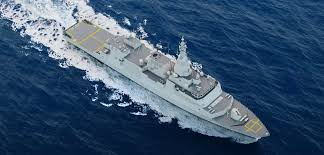
But, not-withstanding some modest expansions in other capabilities, it follows the same basic formula.
18
Unfortunately, while this formula may be practical against legacy threats, there are emerging threat that - I believe - can only be practically countered by aircraft & aircraft carriers.
Specifically, those threats are low-cost aerial drones, and hypersonic missiles.
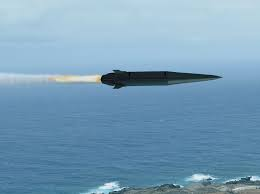
Specifically, those threats are low-cost aerial drones, and hypersonic missiles.
19
Working backwards: Hypersonic missiles.
A fairly typical (non-hypersonic) missile travels at ~1000km/h and flies at an altitude of ~5m. The River class's radar is ~35m high.
If you do the math, you'd expect a River class to detect that missile ~120 seconds before impact.
A fairly typical (non-hypersonic) missile travels at ~1000km/h and flies at an altitude of ~5m. The River class's radar is ~35m high.
If you do the math, you'd expect a River class to detect that missile ~120 seconds before impact.
20
120 seconds is not a lot of time for a crew to recognize the threat, arm their weapons systems, launch air defence missiles, reach the target with those missiles, and potentially re-engage.
But it's a workable amount of time for a well drilled crew in most circumstances.
But it's a workable amount of time for a well drilled crew in most circumstances.
21
However, hypersonic missiles don't travel at 1000km/hr. Hypersonic missiles travel, at a minimum, at 6000km/hr.
With the same assumptions as above*, a missile travelling at those speeds gives ~20 seconds of response time from detection to impact.
That's not enough.
With the same assumptions as above*, a missile travelling at those speeds gives ~20 seconds of response time from detection to impact.
That's not enough.
22
*There is some good news: Generally, the faster a missile flies, the harder it is to make it fly low, and more height means earlier detection. Today, crews probably have more than 20 seconds to react.
However, it won't be 120 seconds. And engineers are working to compress this..
However, it won't be 120 seconds. And engineers are working to compress this..
23
The solution to this time compression is to get the radar *higher*. Specifically, on board an aircraft.
An airborne early warning (AEW) aircraft 5000m directly above the ship can spot that hypersonic missile early enough for the crew to get 180 seconds of warning, instead of 20.
An airborne early warning (AEW) aircraft 5000m directly above the ship can spot that hypersonic missile early enough for the crew to get 180 seconds of warning, instead of 20.
24
If you're unsure what difference that would make, try holding your breath for 20 seconds... then try holding it for 180. It's an enormous difference.
Those of you who are still conscious, let's move on to talking about low-cost air drones.
Those of you who are still conscious, let's move on to talking about low-cost air drones.
25
This thread's not done, but this is as many posts as X will let me "Post All" together.
If you started reading this thread in the first few minutes after it was posted, you may not see the rest of the thread yet.
If you hit refresh, it should be there.
If you started reading this thread in the first few minutes after it was posted, you may not see the rest of the thread yet.
If you hit refresh, it should be there.
26
Drones capable of naval-strike are now available for about the same cost as a new Toyota pick-up truck, $50-100k.
Long-range air defence missiles can cost anywhere from $2m-$4m.
There's an obvious economic issue with firing a $2m+ missile to shoot down a $50-100k drone.
Long-range air defence missiles can cost anywhere from $2m-$4m.
There's an obvious economic issue with firing a $2m+ missile to shoot down a $50-100k drone.
27
Some might ask why a ship's crew would choose to do that, when they could shoot down a drone with a cheaper system, like the Phalanx CIWS.
The issue with that is that, generally, the less expensive a system is to use, the shorter its range. And range matters.
The issue with that is that, generally, the less expensive a system is to use, the shorter its range. And range matters.
28
Ships want to engage threats as far away as possible. This is so that, if the engagement fails, they can try again - with that system or with a different one.
If you wait until your lowest cost weapons can engage, you don't have a backup if the system fails. And systems do fail.
If you wait until your lowest cost weapons can engage, you don't have a backup if the system fails. And systems do fail.
29
In 1988, during operation Praying Mantis, an Iranian vessel fired a (US manufactured) Harpoon missile at USS Wainwright. Wainwright attempted to engage the missile with its Phalanx CIWS, but despite being a routinely tested system that identified no problems, it would not engage.

30
The missile ended up narrowly missing Wainwright anyway, but luck played too large a part in that escape.
After the incident, it was discovered that the gun's cut-out cams, which physically blocked it moving into a position where it would strike the ship, were set incorrectly.
After the incident, it was discovered that the gun's cut-out cams, which physically blocked it moving into a position where it would strike the ship, were set incorrectly.
31
This is one of many examples. Mechanical malfunctions, human error, divine intervention. The only thing reliable about weapons systems is that they can be unreliable when you need them.
Even when they work, these systems lack the range to defend any merchant ships under escort.
Even when they work, these systems lack the range to defend any merchant ships under escort.
32
There's no sense in risking a multi-billion-dollar ship, or a merchant ship with even more valuable cargo, to save a $4m missile.
The crew should not consider that they're shooting a $4m missile at a $50k drone in the moment.
We *should*, however, consider that in force design.
The crew should not consider that they're shooting a $4m missile at a $50k drone in the moment.
We *should*, however, consider that in force design.
33
If we consider the limitations our less-expensive weapons systems (ie. guns and short-range missiles) have when positioned on a boat, it's easy to see how many of those limitations are addressed if we place those same weapons onto an aircraft.
34
An aircraft can fly out to where the drones are, while they're far away, and attempt to destroy them inexpensively with guns or short-range missiles.
Then, only if those efforts fail, do escorting ships need to consider using expensive weapons as a backup.
Then, only if those efforts fail, do escorting ships need to consider using expensive weapons as a backup.
35
The aircraft you'd want for this would need to have enough of a performance advantage over low-cost drones to be safe from them. You wouldn't want a helicopter. But you also don't need an F-35B.
Something with the performance characteristics of a AV-8 Harrier is about right.
Something with the performance characteristics of a AV-8 Harrier is about right.
36
Incidentally, in February 2024, it was reported that a USMC Aviator had become the first American fighter Ace since WWII - having shot down 7 Houthi drones over and around the Red Sea while flying an AV-8B Harrier II.
A solid proof of this concept.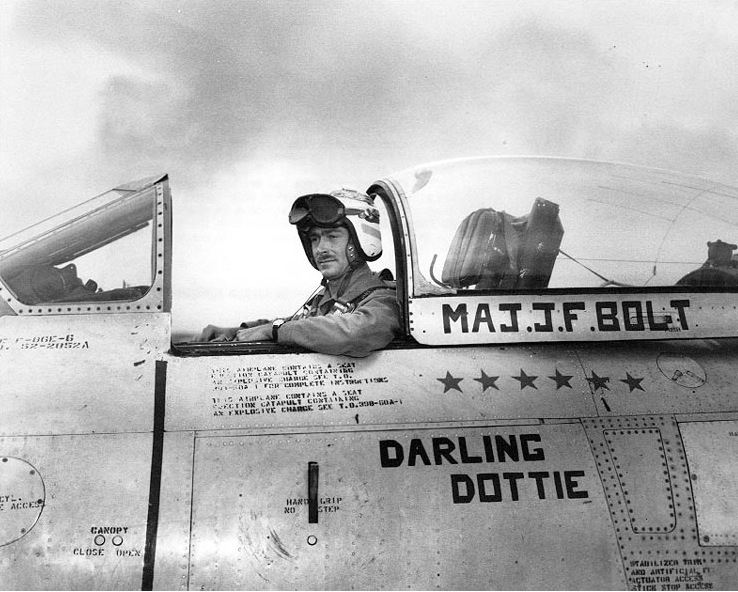
A solid proof of this concept.
37
What's above are arguments in favour of ships needing aircraft. Does that necessarily mean we need dedicated aircraft carriers?
Afterall, the River Class (and other ships we do/will operate) can host helicopters. And land-based aircraft can do a lot to support ships at sea.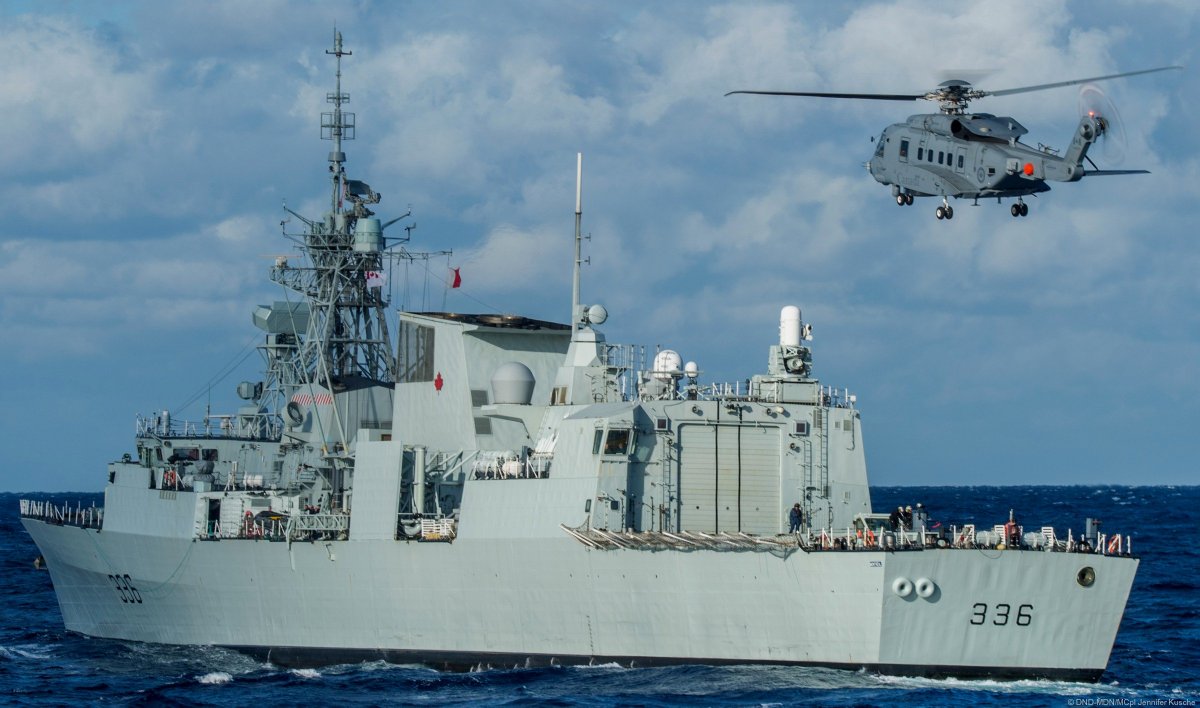
Afterall, the River Class (and other ships we do/will operate) can host helicopters. And land-based aircraft can do a lot to support ships at sea.
38
The main argument for needing carriers to perform this role can be explained in one word: persistence.
No aircraft can be in the air all the time. You need aircraft (and crews) to rotate with one another and you need spares for when maintenance is being performed.
No aircraft can be in the air all the time. You need aircraft (and crews) to rotate with one another and you need spares for when maintenance is being performed.
39
Land based aircraft can, often, be in the air longer than maritime-based aircraft - giving them an advantage in persistence.
But, unless you're operating right next to their base, this advantage quickly evaporates as aircraft need to spend time transiting to & from our ships.
But, unless you're operating right next to their base, this advantage quickly evaporates as aircraft need to spend time transiting to & from our ships.
40
If your ships are 1/3 the aircraft's total range from their base, then aircraft need to spend 2/3 of their time in transit. Meaning - all else being equal - you need 3x as many land-based aircraft for the job.
Given the length of our overseas trade links, this isn't tenable.
Given the length of our overseas trade links, this isn't tenable.
41
On the other side: Today's Halifax class frigate, and our future River class destroyer can carry helicopters.
AEW helicopters exist, and I see no reason you couldn't base one on either of these ships. But you need 4 for 24 hour coverage. More to sustain that for multiple days.
AEW helicopters exist, and I see no reason you couldn't base one on either of these ships. But you need 4 for 24 hour coverage. More to sustain that for multiple days.
42
Similarly (though more speculatively) it's probably possible to develop an aircraft with the capabilities of a Harrier that *could* land and take-off from these ships.
In a high-threat environment, you probably want 2 of these in the air at any given time. So, 8+ minimum.
In a high-threat environment, you probably want 2 of these in the air at any given time. So, 8+ minimum.
43
There's just no way to get that number of aircraft onto our existing/planned ships.
Each Halifax & River class can carry one helicopter. But that spot will be occupied by their existing ASW/Utility helicopter - which create a large component of their existing value.
Each Halifax & River class can carry one helicopter. But that spot will be occupied by their existing ASW/Utility helicopter - which create a large component of their existing value.
44
You can try to add in AOPSs (which can also carry one helicopter) or Auxiliary Support Ships (which can carry two), but they're both problematic for other reasons - and the math still barely works.
Assuming 2/3 ship availability, we could deploy 12 Rivers, 1 JSSs & 4 AOPSs.
Assuming 2/3 ship availability, we could deploy 12 Rivers, 1 JSSs & 4 AOPSs.
45
Those 17 ships could conceivably carry 18 aircraft - using the entire available RCN combat capability for one escort deployment - perhaps meeting the minimums discussed above, but not matching the capability of 3 River class destroyers and one modestly sized aircraft carrier.

46
I don't want to get too prescriptive about what an aircraft carrier should look like. But I think we'd benefit from an illustration here.
Let's use the 16,000t (smaller than JSS) Príncipe de Asturias as our point of comparison, and assume it will deploy with 3 Rivers.
Let's use the 16,000t (smaller than JSS) Príncipe de Asturias as our point of comparison, and assume it will deploy with 3 Rivers.
47
Príncipe de Asturias can carry 17 aircraft below deck in its hangars. A typical complement might be 12 Harriers, and 5 helicopters.
If need be, it can host another 12 aircraft on its flight deck. But, even with just hangar space & 3 aircraft on Rivers, that's 20 aircraft total.
If need be, it can host another 12 aircraft on its flight deck. But, even with just hangar space & 3 aircraft on Rivers, that's 20 aircraft total.
48
At the risk of be-labouring the point, that's more aircraft than the entire planned RCN could reasonably carry.. while deploying a fraction of the fleet.
The aircraft would be more capable too. Not needing to rely on vertical take-off means more available payload for operations.
The aircraft would be more capable too. Not needing to rely on vertical take-off means more available payload for operations.
49
This approach isn't overly cost prohibitive, either. Other nations are building aircraft carriers in this size range for $1-2b. Canada's River class are currently on track to cost $4b+ each.
That doesn't account for the cost of aircraft, but it is meaningful.
That doesn't account for the cost of aircraft, but it is meaningful.
50
At some point in the future, I don't think this is going to be a choice.
If Canada wants an navy that can effectively perform its core mission, it's going to require maritime aircraft capabilities only aircraft carriers can efficiently provide.
Might as well start planning now.
If Canada wants an navy that can effectively perform its core mission, it's going to require maritime aircraft capabilities only aircraft carriers can efficiently provide.
Might as well start planning now.
51
*** Fin. ***
I write long threads about topics I find interesting. These threads take time, and I do it mostly because I think it's good for people to engage with these topics.
If you enjoyed this thread, please consider liking & sharing the first post.
I write long threads about topics I find interesting. These threads take time, and I do it mostly because I think it's good for people to engage with these topics.
If you enjoyed this thread, please consider liking & sharing the first post.
🇨🇦 Policy Hawk@CDNPolicyHawk
The Royal Canadian Navy retired its last aircraft carrier, HMCS Bonaventure, over half a century ago.
Despite calls based on nostalgia and national pride to revive this capability, we've (rightly) never seriously considered reacquiring one.
I think that may need to change.🧵
Despite calls based on nostalgia and national pride to revive this capability, we've (rightly) never seriously considered reacquiring one.
I think that may need to change.🧵
