THIRD WORLDISMS - A GUIDE A Masterthread of posts about ‘Third...

ɖʀʊӄքǟ ӄʊռʟɛʏ 🇧🇹🇹🇩@kunley_drukpa
38 views
Feb 10, 2025
~4 min read
Advertisement
1
THIRD WORLDISMS - A GUIDE
A Masterthread of posts about ‘Third Worldisms’ - Behaviours or Customs typically seen in the Third World that in recent years are becoming increasingly common in the First World because of both migration trends and declining social trust 🧵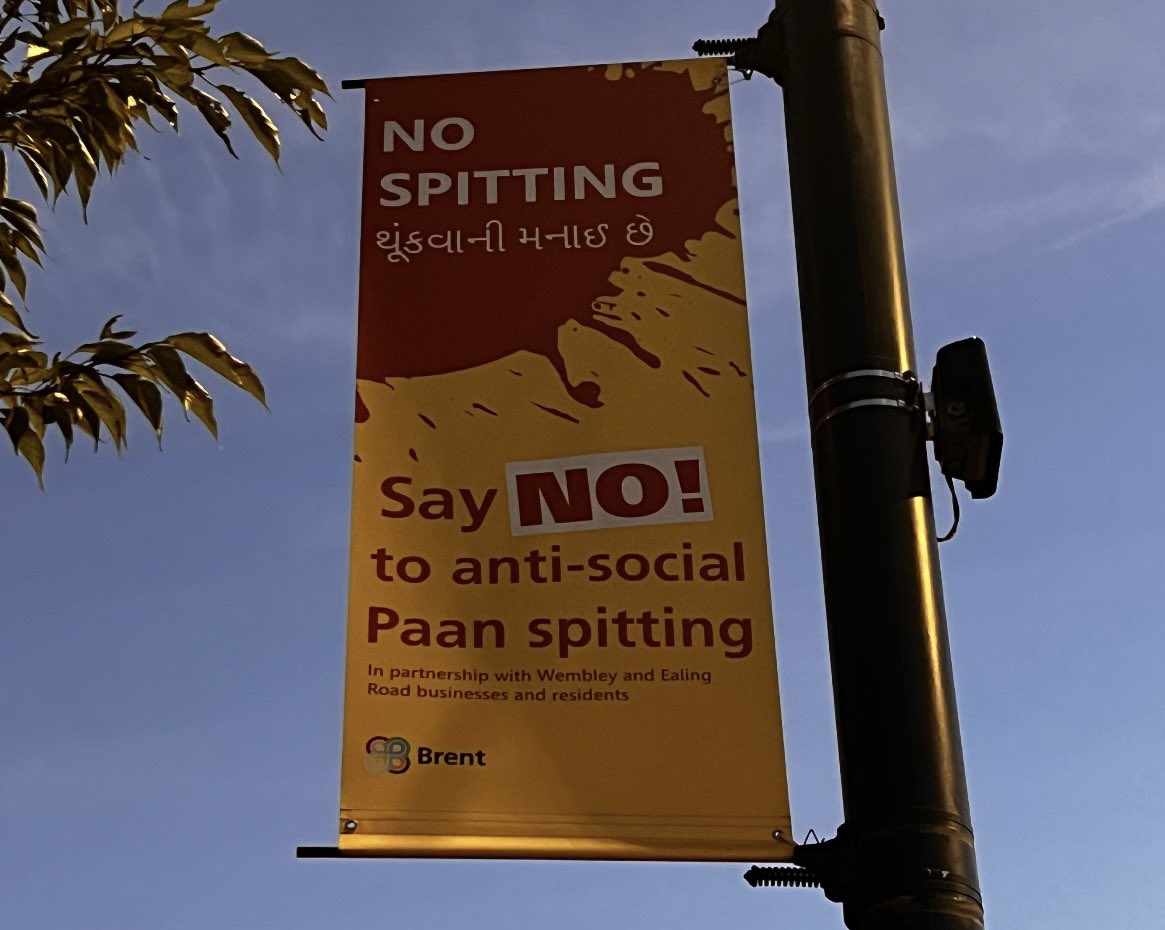
A Masterthread of posts about ‘Third Worldisms’ - Behaviours or Customs typically seen in the Third World that in recent years are becoming increasingly common in the First World because of both migration trends and declining social trust 🧵
2
CHANGING PUBLIC NOISE LEVELS - Different cultures may have different expectations about appropriate public noise levels, what level of eg speakerphone noise intrudes into the private space etc, which can produce a culture clash
ɖʀʊӄքǟ ӄʊռʟɛʏ 🇧🇹🇹🇩@kunley_drukpa
POV: You are taking a train in Britain (AMBIENCE) (HEADPHONES ON) (BINAURAL)
3
LITTER EVERYWHERE - Maybe the most obvious material signifier of creeping thirdworldification, evidences a real decline in social trust (for whichever reasons) and increased public apathy towards the shared public space
4
LIMITED CONCEPTION OF THE PUBLIC SPACE - Many cultures have different expectations of standards for the public space, in the extreme seeing it as not something that needs to be maintained. It may lead to casual abuse of the public space, eg noise, littering etc.

ɖʀʊӄքǟ ӄʊռʟɛʏ 🇧🇹🇹🇩@kunley_drukpa
Someone has suggested that it might not be that there is a distinction between public and private spaces but more that, at least in the minds of some of the people living in these spaces, the idea of the ‘Public Space’ is just not there. “Public space” as a concept is a kind of universally agreed on meta that anything that isn’t private is shared and should be treated with a similar level of dignity by everyone. This idea is visibly absent in at least some parts of the third world for various reasons, as eg above. Empty public space becomes fair game, you can go there to mill, set up your stall, set up your shack… a type of hyper communalism that a certain kind of tolerance is extended to
One of the things Paul Kagame did in Rwanda that means Rwanda is less overbearing as more developed Third World country apart from a commitment to ‘trash-free’ streets as a part of “quality of life” ‘mostly competent pragmatic governance’ is that Rwanda has banned certain kinds of informal markets that you “just set up anywhere”. Instead, there are designated market spots in every neighbourhood that are covered for people to sell things in - and if you try to sell your wares elsewhere the police will arrest you and destroy the stall
One of the things Paul Kagame did in Rwanda that means Rwanda is less overbearing as more developed Third World country apart from a commitment to ‘trash-free’ streets as a part of “quality of life” ‘mostly competent pragmatic governance’ is that Rwanda has banned certain kinds of informal markets that you “just set up anywhere”. Instead, there are designated market spots in every neighbourhood that are covered for people to sell things in - and if you try to sell your wares elsewhere the police will arrest you and destroy the stall
5
LACK OF QUEUEING - Because of a lack of the custom or low social trust or hyper competitiveness in some countries, it may be unusual to queue in a formal manner - if at all. Pushing and jostling may be required to not be taken advantage of in these more informal queues
ɖʀʊӄքǟ ӄʊռʟɛʏ 🇧🇹🇹🇩@kunley_drukpa
Trying to board a bus in London in 2024. Goes without saying that social niceties like queueing that are a part of high trust societies will disappear as Third Worldification continues. They say that British people love to queue - not anymore apparently
6
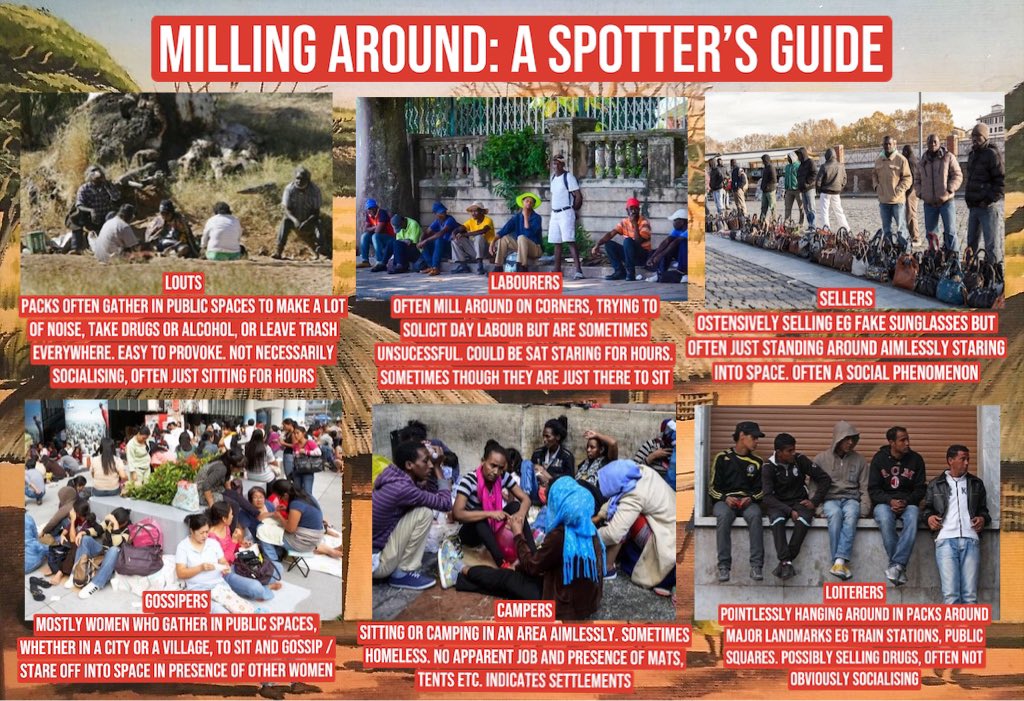
MILLING AROUND - The practice of standing, hanging or loitering around aimlessly in public places, a very common sight in parts of eg Africa. Sometimes it is a social exercise but more often than not it is just a way to pass time, the act of ‘doing nothing’
ɖʀʊӄքǟ ӄʊռʟɛʏ 🇧🇹🇹🇩@kunley_drukpa
MILLING AROUND: A Spotter’s Guide
“Milling Around” is the activity one engages in when one engages in no activity at all - and in an egregiously aimless form is particularly common among Third Worlders. You may often see them in groups just doing nothing. A brief guide to types:
“Milling Around” is the activity one engages in when one engages in no activity at all - and in an egregiously aimless form is particularly common among Third Worlders. You may often see them in groups just doing nothing. A brief guide to types:
7
DJINNBRAIN - Many people have more reductive or superstitious ways of thinking about the world and that may be reflected in their patterns of behaviour or the way that they engage with the public sphere. What seems unusual or strange often has a motivated internal logic

ɖʀʊӄքǟ ӄʊռʟɛʏ 🇧🇹🇹🇩@kunley_drukpa
The British recognised that some groups had such Djinnbrained understandings of the world that different legal tiers for different groups were created because you couldn’t really hold those groups to the same standard of ‘reasonableness’ as laws designed for regular Anglos did
8
TRASH FIRES - In parts of the Third World, trash is openly burned on the street - mainly as a way to dispose of it
ɖʀʊӄքǟ ӄʊռʟɛʏ 🇧🇹🇹🇩@kunley_drukpa
This is a classic Third Worldism - the ‘Trashfire’. In this video, a muslim woman burns her trash on a UK street. People in the Third World will sometimes burn their trash in bonfires on the street because local authorities fail to collect their rubbish or just out of convenience
9
UNUSUAL HYGIENE STANDARDS - Some groups may have divergent patterns of behaviour emerging from different conceptions of hygiene, for example standards of ritual cleanliness and where it is appropriate to clean objects or oneself, how bathroom facilities should be used etc.

ɖʀʊӄքǟ ӄʊռʟɛʏ 🇧🇹🇹🇩@kunley_drukpa
Another classic Third Worldism, the obsessive washing of feet and other body parts at any kind of public water source. Partly it derives from the Islamic cultural practice of Ablutions (Wudu), but you’ll also see non-Muslims do it. A kind of socially oblivious ritual cleanliness
10
UNUSUAL FOOD HYGIENE STANDARDS - Sometimes food may be prepared or served in an unusual way, not even always for expediency but because there may not be an awareness that the practice is unhygienic
ɖʀʊӄքǟ ӄʊռʟɛʏ 🇧🇹🇹🇩@kunley_drukpa
Worker at Indian Takeaway restaurant cooks raw chicken in a trolley in an alleyway - another example of bizarre Third World hygiene standards. Weird performative ritual hygiene in situations where hygiene doesn’t matter, apathy and expediency where it does
11
SLUMS - Overcrowding, a weak economy, self-destructive patterns of behaviour, culturally divergent living patterns, slum landlordism etc. etc. - a confluence of factors can create slums or slumification where before there may have been none

ɖʀʊӄքǟ ӄʊռʟɛʏ 🇧🇹🇹🇩@kunley_drukpa
Many Favelas in Brazil at edges of cities like Rio formed during periods of industrialisation where poor people were encouraged to move to cities enmasse, the mass migration went unchecked and shantytowns formed - now Brazilians are replicating same process in YooKay shantytowns!
12
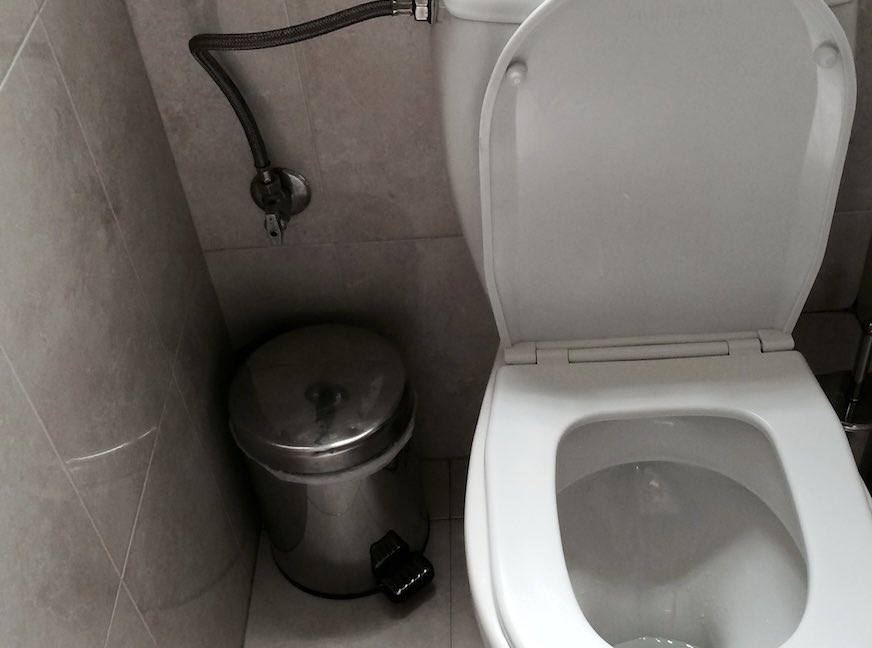
SHITBIN - Because parts of the Third World do not have properly functional plumbing there are sometimes special bins next to toilets for disposing of Shitpaper. Even if toilets work people used to using toilets in certain ways may prefer to use them in ways they typically would
ɖʀʊӄքǟ ӄʊռʟɛʏ 🇧🇹🇹🇩@kunley_drukpa
Another classic Third Worldism, the ‘Shitbin’ - small bins in toilets where you throw ‘used toiletpaper’ because local plumbing is insufficiently advanced for paper. ‘Shitpaper’ isn’t common in the west but you may increasingly see it due to new arrivals who maintain old habits
13
AESTHETIC CHANGE - Customs common in places like Africa like the ‘Carrying A Bag On Your Head Look’. Value Judgements aside and on strict value neutral aesthetic terms these kinds of customs mark visible aesthetic changes in society
ɖʀʊӄքǟ ӄʊռʟɛʏ 🇧🇹🇹🇩@kunley_drukpa
The ‘Carrying A Bag On Your Head Look’ is a new but increasingly common feature on Yookay Streets. Very common sight in parts of Africa, seen almost entirely among women who often walk long distances balancing bags on their heads - now seen in Britain because of migration trends
14
TUKTUKS / RICKSHAWS - Common in large parts of the Third World because of purchase costs, ease of use, ease of sharing, ease of navigating more informal busier roads etc.
ɖʀʊӄքǟ ӄʊռʟɛʏ 🇧🇹🇹🇩@kunley_drukpa
Great collection of Third Worldisms in this video - rickshaws with gaudy lights splayed out across the road in a disorderly way, loud music being played from tinny speakers, unashamedly occupying public space in a way out of keeping with old cultural norms
15
LACK OF ROAD AWARENESS - Disregard for or lack of awareness of road rules. Speeding, driving on pavement, wrong way down the road, lack of signalling, swerving around the road etc.
ɖʀʊӄքǟ ӄʊռʟɛʏ 🇧🇹🇹🇩@kunley_drukpa
Another Classic Third Worldism - disregard for or lack of awareness of road rules. Driving up on the pavement or the wrong way down a road because it’s quicker
16
CHANGING ROAD STANDARDS - There may be a number of visible changes on roads

ɖʀʊӄքǟ ӄʊռʟɛʏ 🇧🇹🇹🇩@kunley_drukpa
Other creeping Road ‘El Clásico’ Third Worldisms to look out for:
• Overuse of horns
• Inability to stay in lane, driving in two lanes
• Lack of signalling
• Rickshaws
• Informal Minivan Buses that solicit passengers on streets
• Drag racing esp at night among young people
• Overuse of horns
• Inability to stay in lane, driving in two lanes
• Lack of signalling
• Rickshaws
• Informal Minivan Buses that solicit passengers on streets
• Drag racing esp at night among young people
17
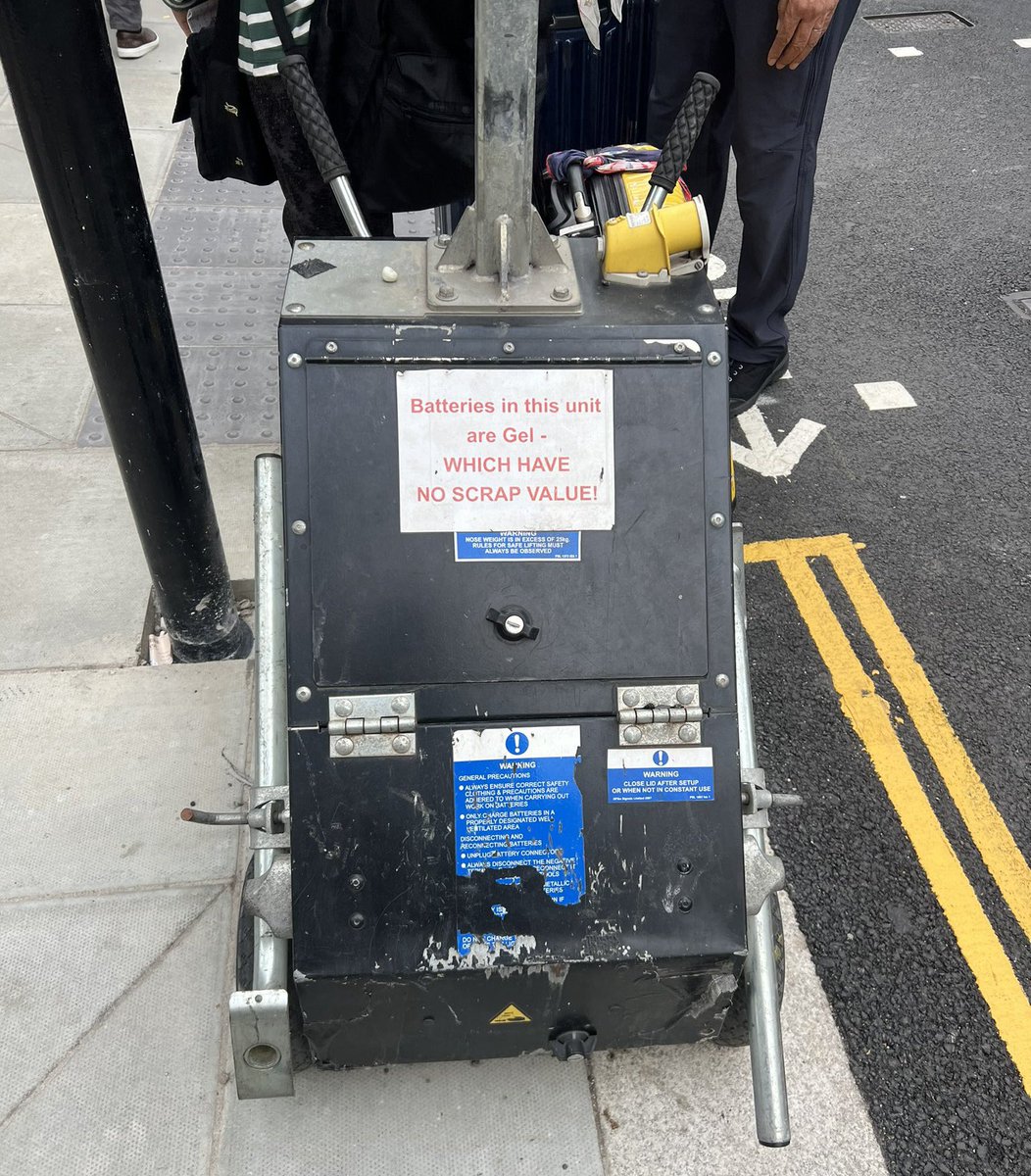
THEFT AND PUBLIC INFRASTRUCTURE THEFT - Because of a decline in social trust as well as in effective policing and enforcing of rules there may be more cases of both serious crime and petty crime, including theft. In particular high value public infrastructure may be targeted
ɖʀʊӄքǟ ӄʊռʟɛʏ 🇧🇹🇹🇩@kunley_drukpa
A Classic Thord Worldism - theft of batteries, wiring, fluids etc. from public electrical infrastructure in order to re-sell them. As Third Wordification continues you will hear more reports of failures or outages due to theft since any infrastructure not locked up is fair game
18
LACK OF INFRASTRUCTURE MAINTENANCE - Encompasses different types of infrastructure including roads, the electrical grid, lack of new infrastructure projects etc. - infrastructure is not repaired or expanded for various reasons, apathy, corruption and so on

ɖʀʊӄքǟ ӄʊռʟɛʏ 🇧🇹🇹🇩@kunley_drukpa
WHY IS THE POWER GRID CONSTANTLY FAILING IN LEBANON? 🇱🇧 🧵
Rolling blackouts are a very common occurrence in famously dysfunctional Lebanon - In many places they can last for hours on end almost every day and sometimes even for days in a row. Why are there so many blackouts in Lebanon? In short, the blackouts happen for all the usual ‘Third Worldist’ reasons you might expect - corruption, vested group interests, unsustainable energy policies and fundamental neglect, the result of elite capture of state resources etc. - all of which is a consequence of the various incompetent and hyper ethno-religiously divided Governments Lebanon has been governed by since the end of its Civil War
Rolling blackouts are a very common occurrence in famously dysfunctional Lebanon - In many places they can last for hours on end almost every day and sometimes even for days in a row. Why are there so many blackouts in Lebanon? In short, the blackouts happen for all the usual ‘Third Worldist’ reasons you might expect - corruption, vested group interests, unsustainable energy policies and fundamental neglect, the result of elite capture of state resources etc. - all of which is a consequence of the various incompetent and hyper ethno-religiously divided Governments Lebanon has been governed by since the end of its Civil War
19
PUBLIC STANDARDS OF CONDUCT - Other non-extensive examples of Third Worldisms that have consequences for the public space might include spitting, urinating, groping and harassment, indifference to smells whether your own smell or the smell of your food, public drug use etc.
ɖʀʊӄքǟ ӄʊռʟɛʏ 🇧🇹🇹🇩@kunley_drukpa
Lee Kuan Yew on how he stamped out ‘Third World Behaviour’ in Singapore
“[We told them] stop spitting, stop littering … you can’t go around peeing everywhere as you did in the old squatter villages”
“[We told them] stop spitting, stop littering … you can’t go around peeing everywhere as you did in the old squatter villages”
20
This list is not comprehensive but taken together these kinds of behaviours explain a lot of the dysfunction and ‘overwhelmingness’ of parts of the Third World. They may compound or even be a product of problems caused by corruption, sectarian conflict, low human capital etc.
21
You Might Also Like