3000 years ago, the mysterious “Sea People” swept across the...

TheBlackWolf@thewolvenhour
10 views
Jan 27, 2025
~8 min read
Advertisement
1
3000 years ago, the mysterious “Sea People” swept across the Mediterranean, toppling entire civilizations and causing a Dark Age with the Bronze Age Collapse.
Their identity remains one of history’s great enigmas but I may know what really happened; here's the story..🧵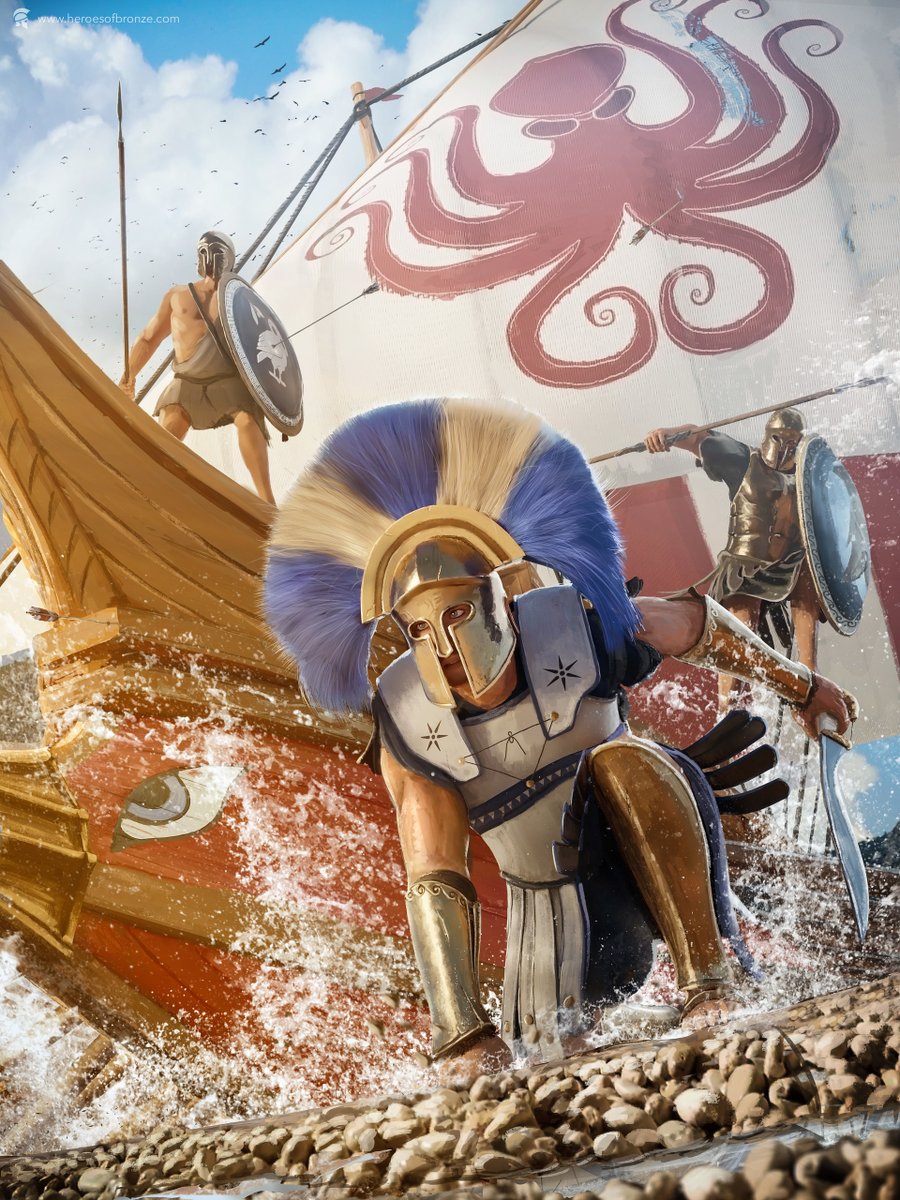
Their identity remains one of history’s great enigmas but I may know what really happened; here's the story..🧵
2
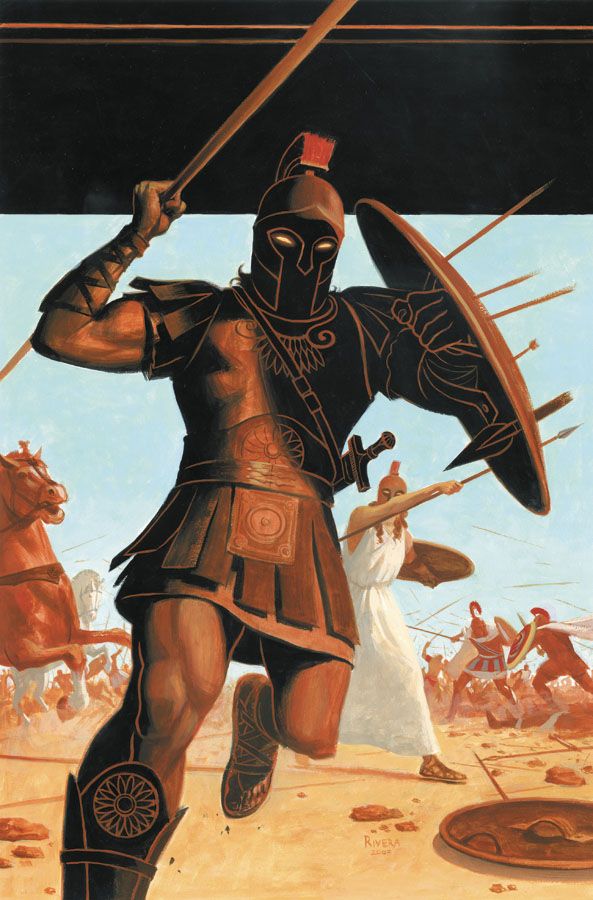
"Sea Peoples" are a group of seafaring invaders who impacted the Mediterranean region during the Late Bronze Age, particularly around 1200-1150 BC. They raided and brought collapse across Greece, Egypt and the Middle East. Their origin is one of the great enigmas of history.
3
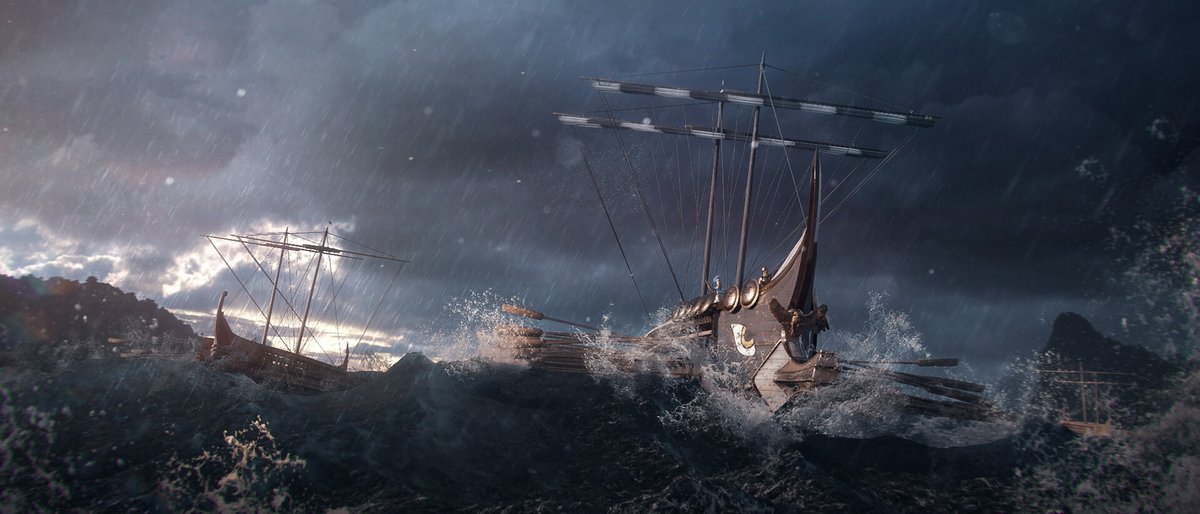
Various theories suggest they could have come from places around the Mediterranean. However, there's no consensus, with interpretations varying widely among historians and archaeologists.
4
Egyptian inscriptions, particularly from the reigns of Pharaohs Merneptah and Ramesses III, mention several groups under the umbrella term "Sea Peoples."
These include the Sherden, Shekelesh, Peleset (often identified with the Philistines), Denyen, Tjeker, Teresh, Lukka, Weshesh, and Ekwesh.
Each might have had different origins, suggesting not a single people but a coalition or confederation of groups.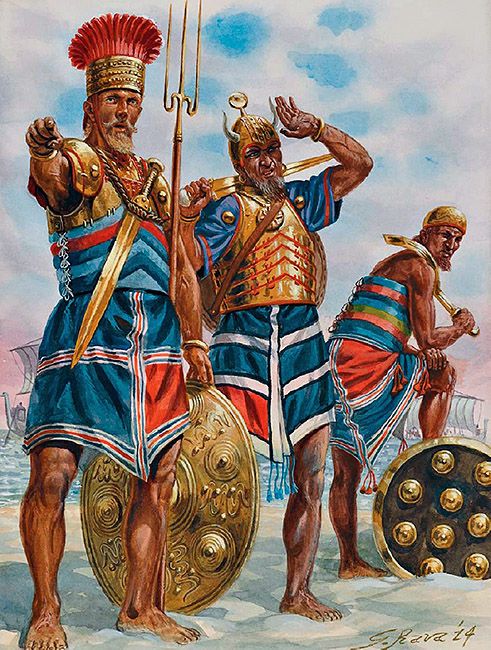
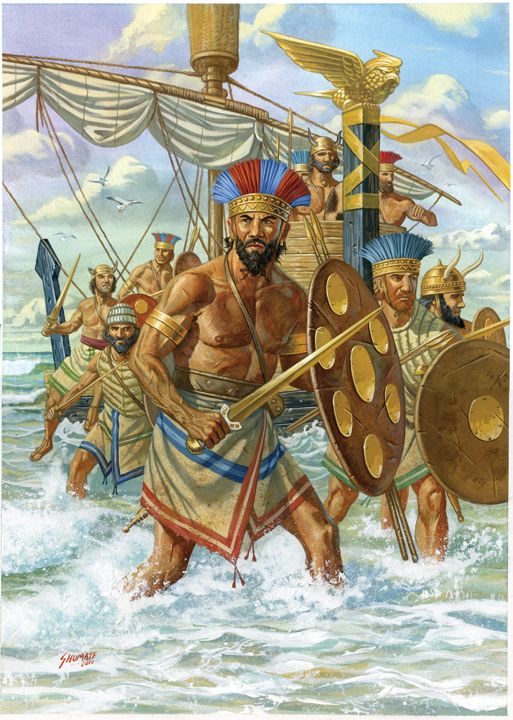
These include the Sherden, Shekelesh, Peleset (often identified with the Philistines), Denyen, Tjeker, Teresh, Lukka, Weshesh, and Ekwesh.
Each might have had different origins, suggesting not a single people but a coalition or confederation of groups.
5
They are often associated with the late Bronze Age collapse, which saw the downfall of major civilizations like the Hittite Empire, Mycenaean Greece, and the weakening of the Egyptian New Kingdom.
Their raids and invasions are described in ancient texts as devastating!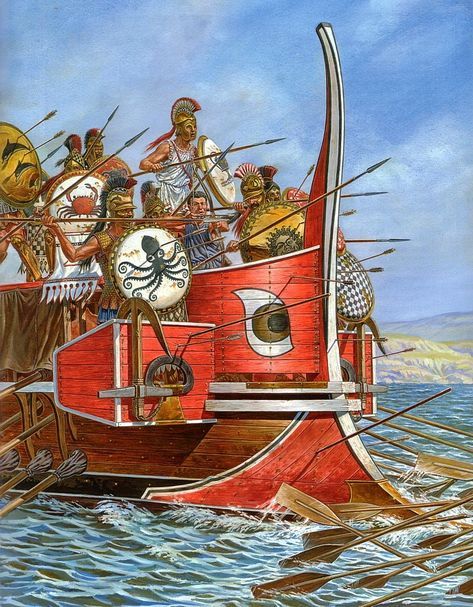
Their raids and invasions are described in ancient texts as devastating!
6
They are known for their naval and land incursions into Egypt, with significant battles recorded during the reigns of Merneptah and Ramesses III. Notably, he claimed victory, depicting his battles in the reliefs at his Medinet Habu mortuary temple.
I am not sure he could have beaten them or that they agreed with these conclusions.. Despite these victories, the encounters were very costly for Egypt.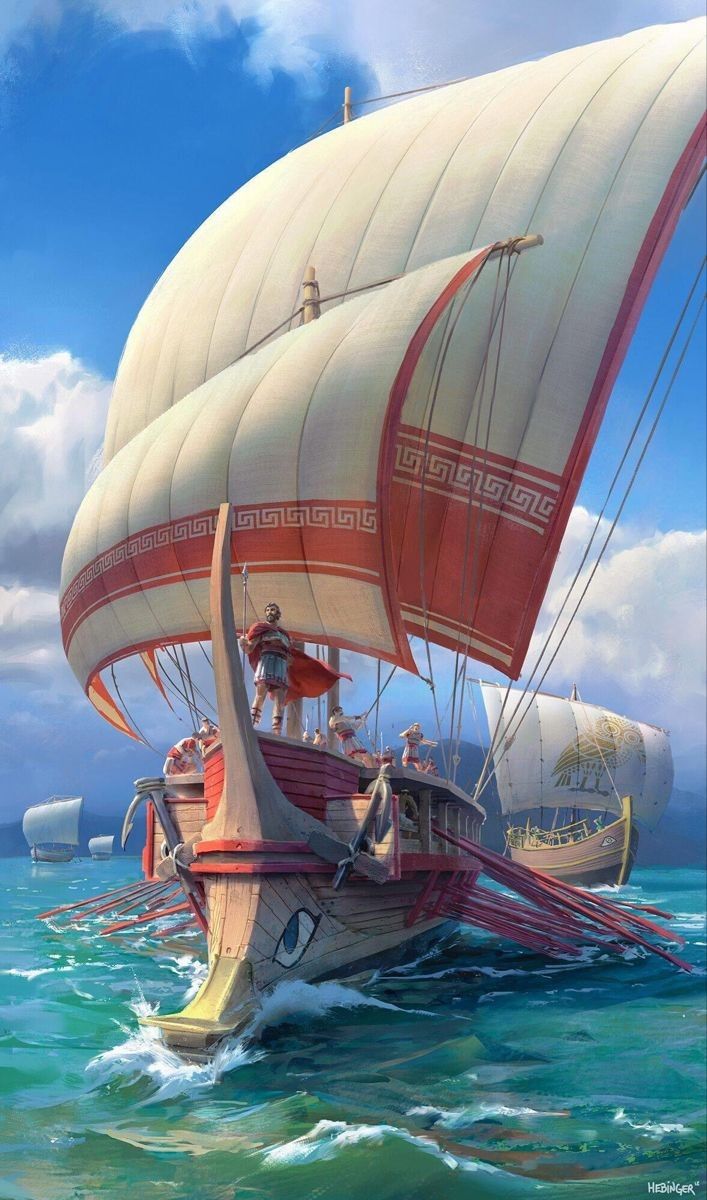
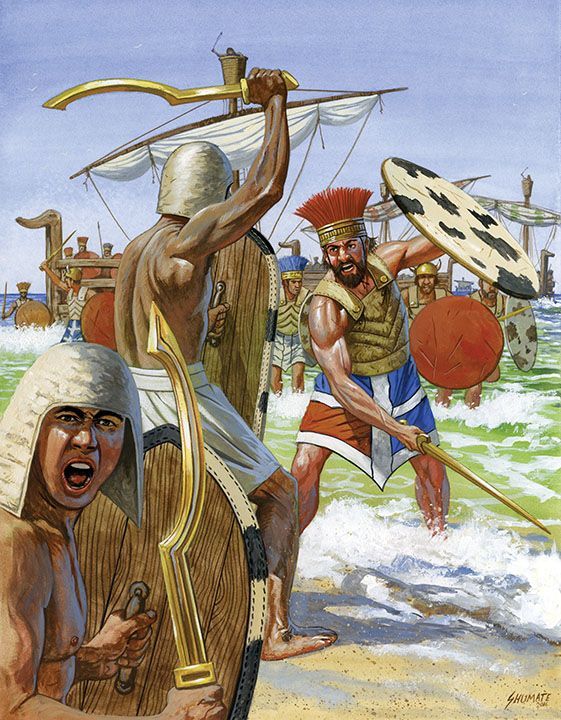
I am not sure he could have beaten them or that they agreed with these conclusions.. Despite these victories, the encounters were very costly for Egypt.
7
After their “defeat” by Ramesses III, some Sea Peoples were allowed to settle along the Mediterranean coast, particularly in what is now known as the Gaza Strip, where they settled the area, with the Peleset becoming known as the Philistines.
This settlement might suggest they were not just invaders but also migrants seeking new lands. They settled Canaan, particularly along the coastal plain of what is now southwestern Israel and Gaza Strip.
This region later became known as Philistia, giving rise to the term "Palestine."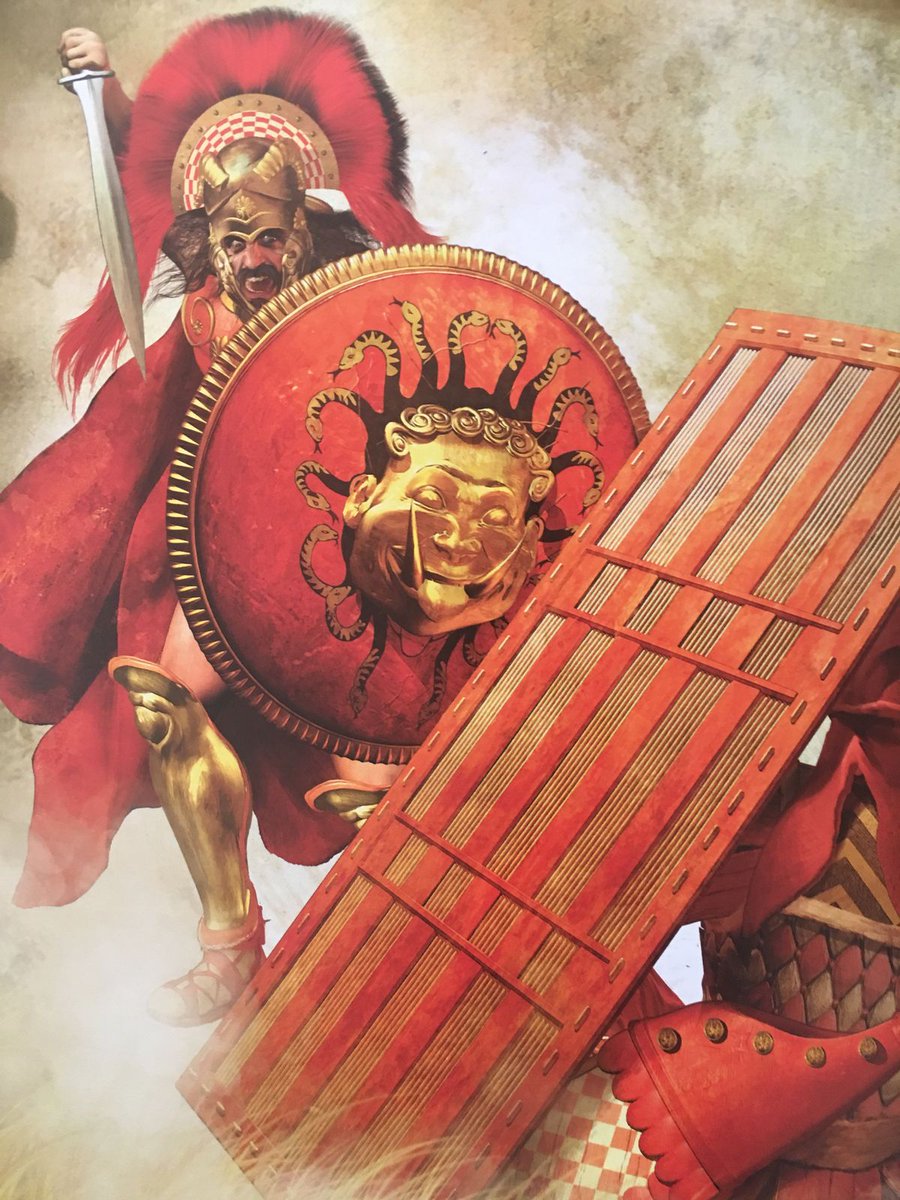

This settlement might suggest they were not just invaders but also migrants seeking new lands. They settled Canaan, particularly along the coastal plain of what is now southwestern Israel and Gaza Strip.
This region later became known as Philistia, giving rise to the term "Palestine."
8
Their ability to conduct large-scale naval operations implies a level of maritime technology and organization not commonly associated with the time period.
But who could have been so balsy to sail through the mediterranean and attack such empires as the Egyptians and the Hittites?
Well.. I do have certain suspects in mind, capable of conducting marine and land operations far away from home.. The same dudes who were able to gather vast armies across the Aegean and traverse the archipelagos to destroy a might city like Troy.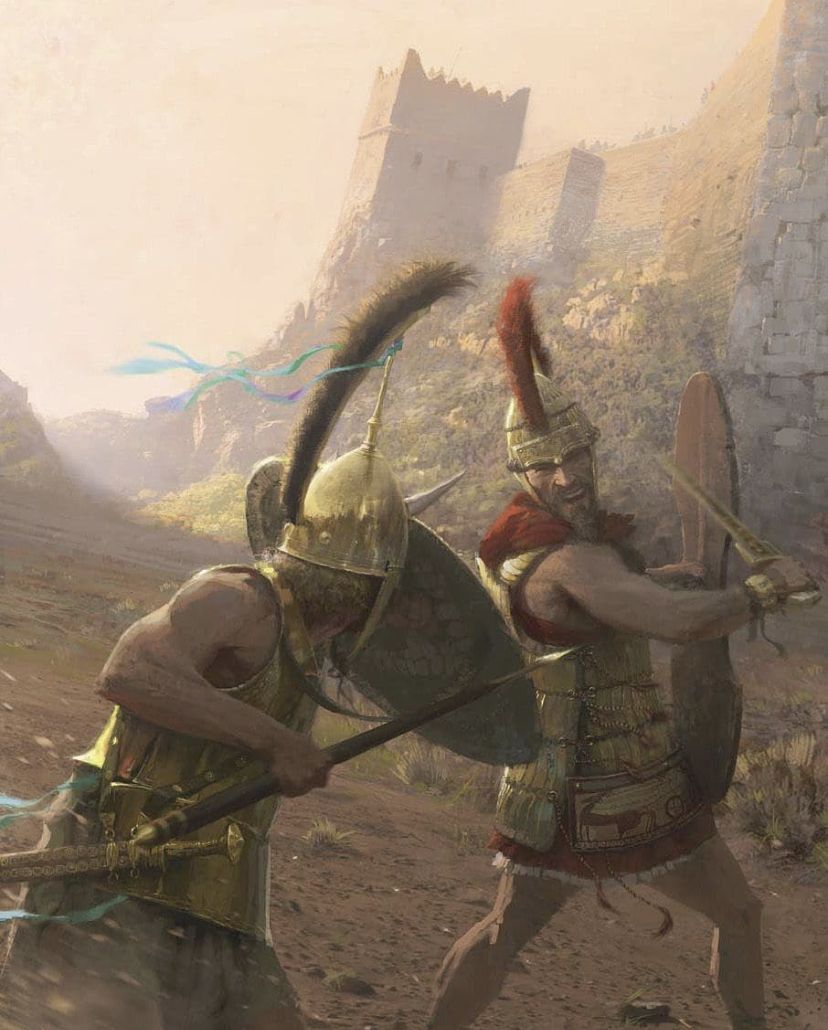
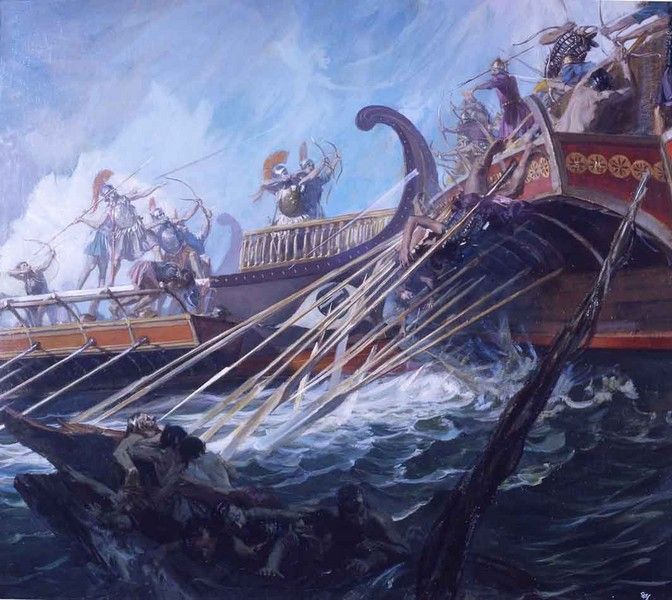
But who could have been so balsy to sail through the mediterranean and attack such empires as the Egyptians and the Hittites?
Well.. I do have certain suspects in mind, capable of conducting marine and land operations far away from home.. The same dudes who were able to gather vast armies across the Aegean and traverse the archipelagos to destroy a might city like Troy.
9
But let’s first see if our dudes were really capable. The Minoan civilization, centered on Crete, was one of the proto-Hellenic civilizations in the Aegean to develop a maritime culture.
They are known for their advanced ship design (like the Minoan galleys) and their extensive trade networks across the Mediterranean. While not primarily known for naval warfare, their ships were capable of both trade and defense.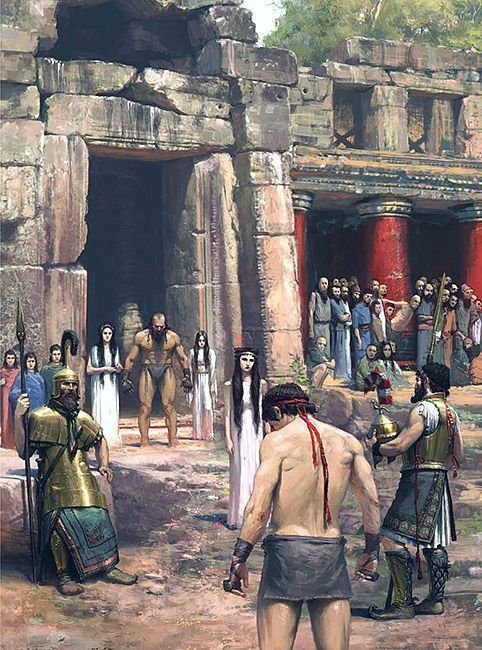
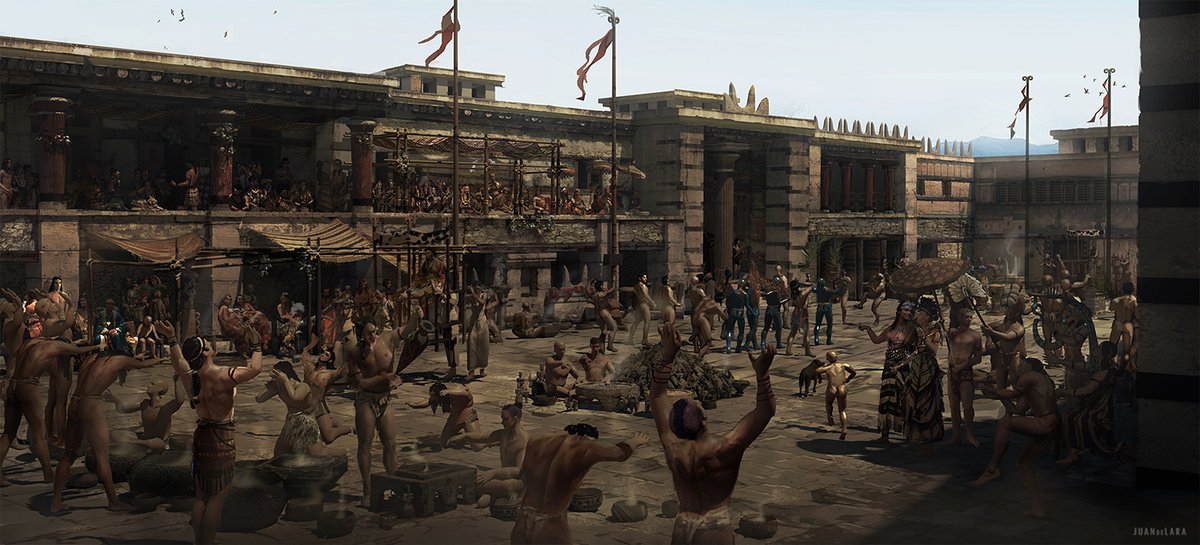
They are known for their advanced ship design (like the Minoan galleys) and their extensive trade networks across the Mediterranean. While not primarily known for naval warfare, their ships were capable of both trade and defense.
10
Following the Minoans, the Mycenaeans inherited and expanded upon this maritime capability. They are depicted in art with warships and are believed to have engaged in naval activities, including potentially conflicts or defensive actions against threats like the Sea Peoples.
It was actually the Atreides (pun intended) that mustered the Greeks and set them on the warpath against Troy.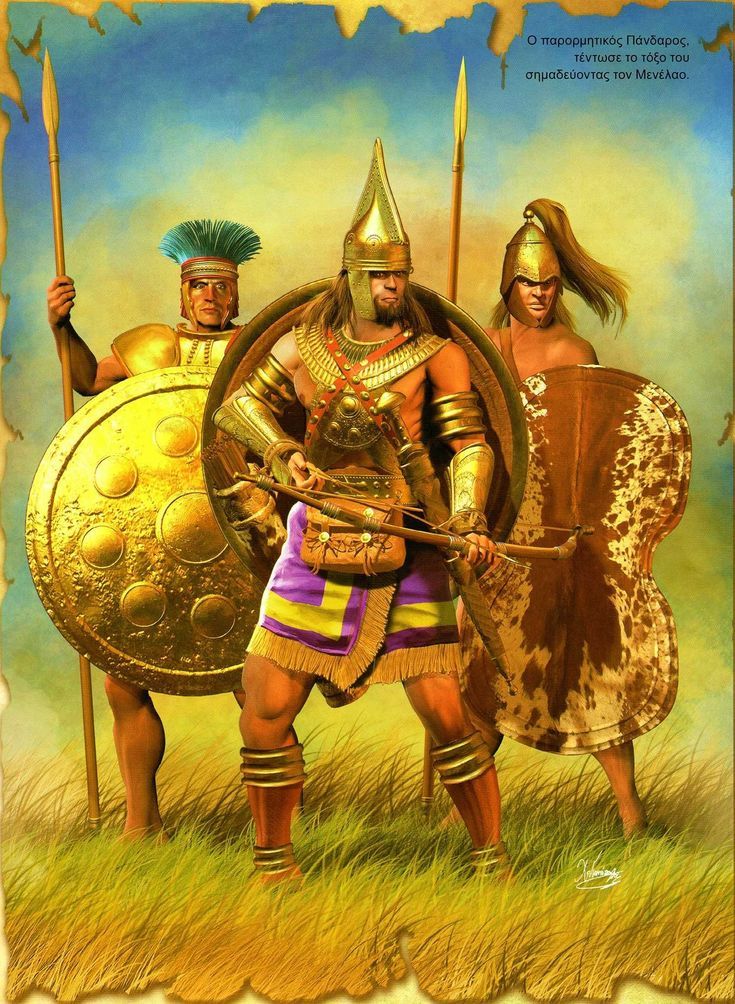
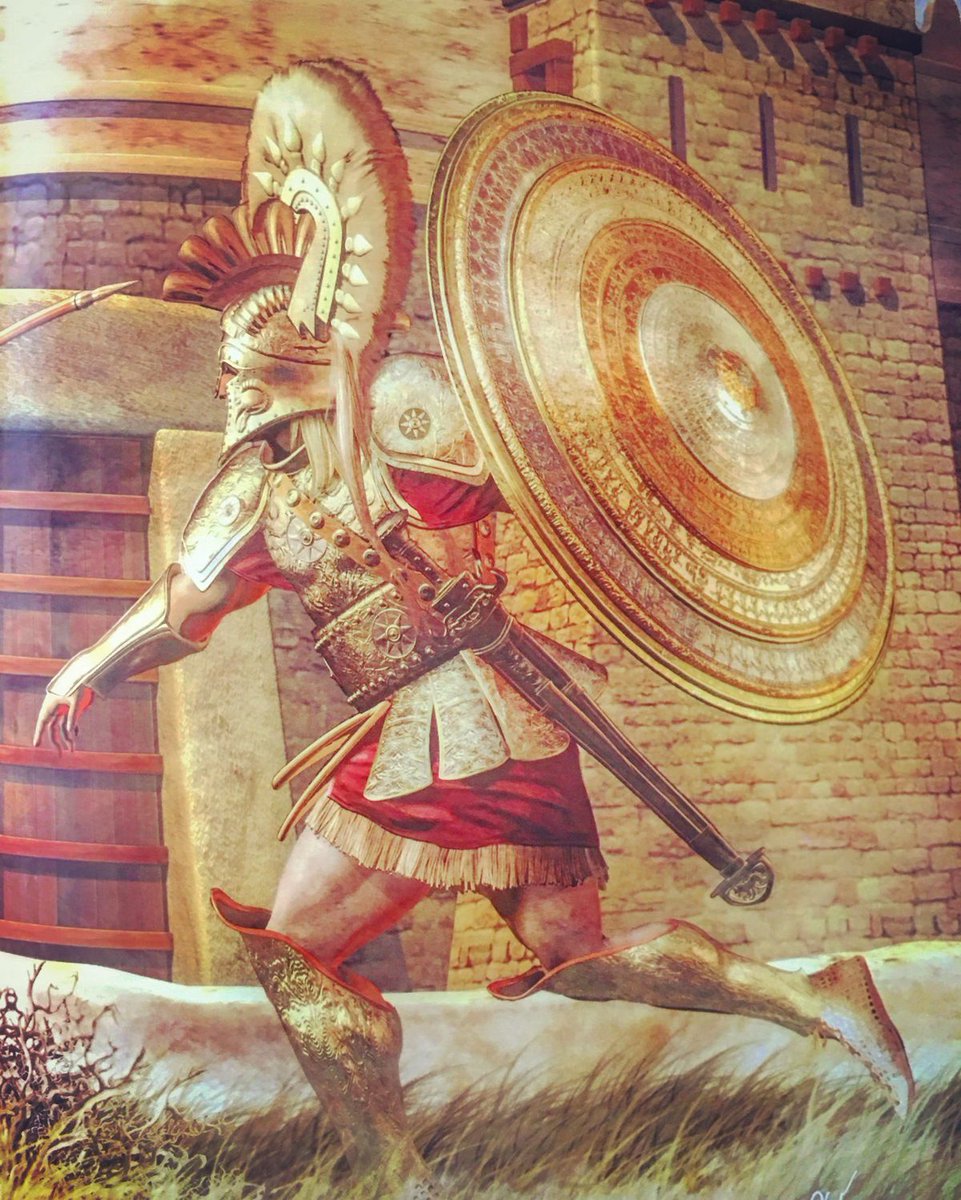
It was actually the Atreides (pun intended) that mustered the Greeks and set them on the warpath against Troy.
11
The Trojan War is traditionally dated to have occurred in the 13th or 12th century BC, based on a combination of archaeological evidence, literary sources, and historical interpretation.
The primary literary source for the Trojan War is Homer's "Iliad," which describes events during the final year of the conflict, and the "Odyssey," which deals with the aftermath. These epics do not provide exact dates but are traditionally set in the Late Bronze Age.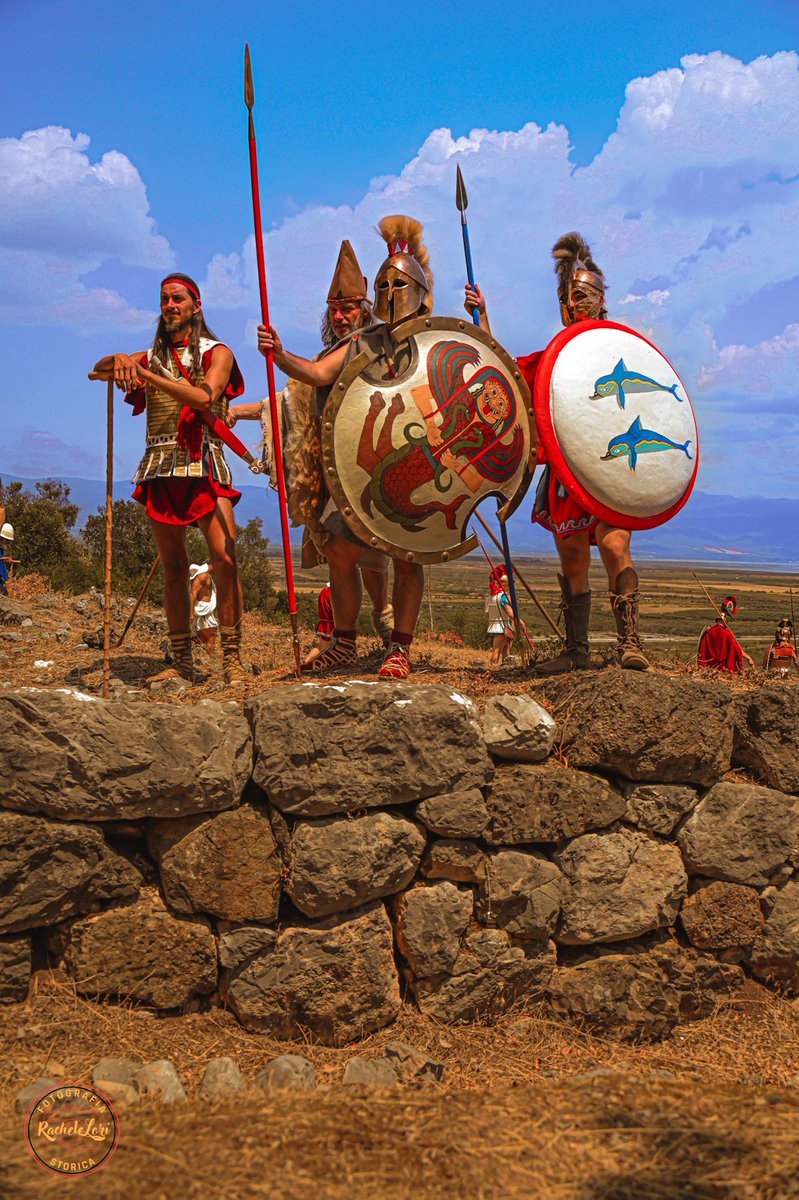
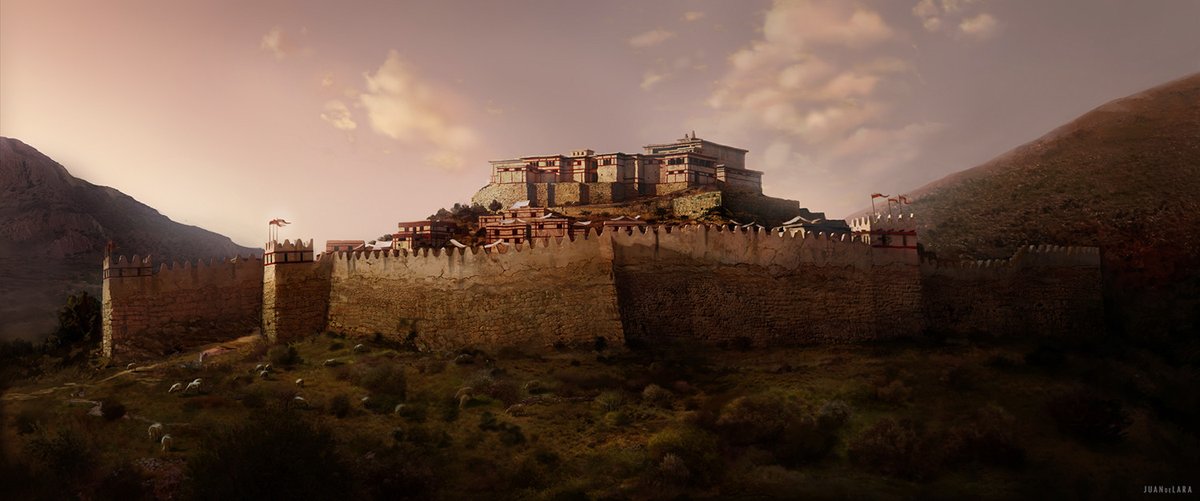
The primary literary source for the Trojan War is Homer's "Iliad," which describes events during the final year of the conflict, and the "Odyssey," which deals with the aftermath. These epics do not provide exact dates but are traditionally set in the Late Bronze Age.
12
The collapse of the Mycenaean civilization around 1200 BC, after the end of the Trojan War, is one of the pivotal events in ancient history, contributing to what is known as the Late Bronze Age collapse.
But how did this happen, especially after the Atreides had managed to avenge the “insult” against them?
One traditional theory posits invasions by the Dorians, a group from northern Greece, who might have brought about the end of Mycenaean culture.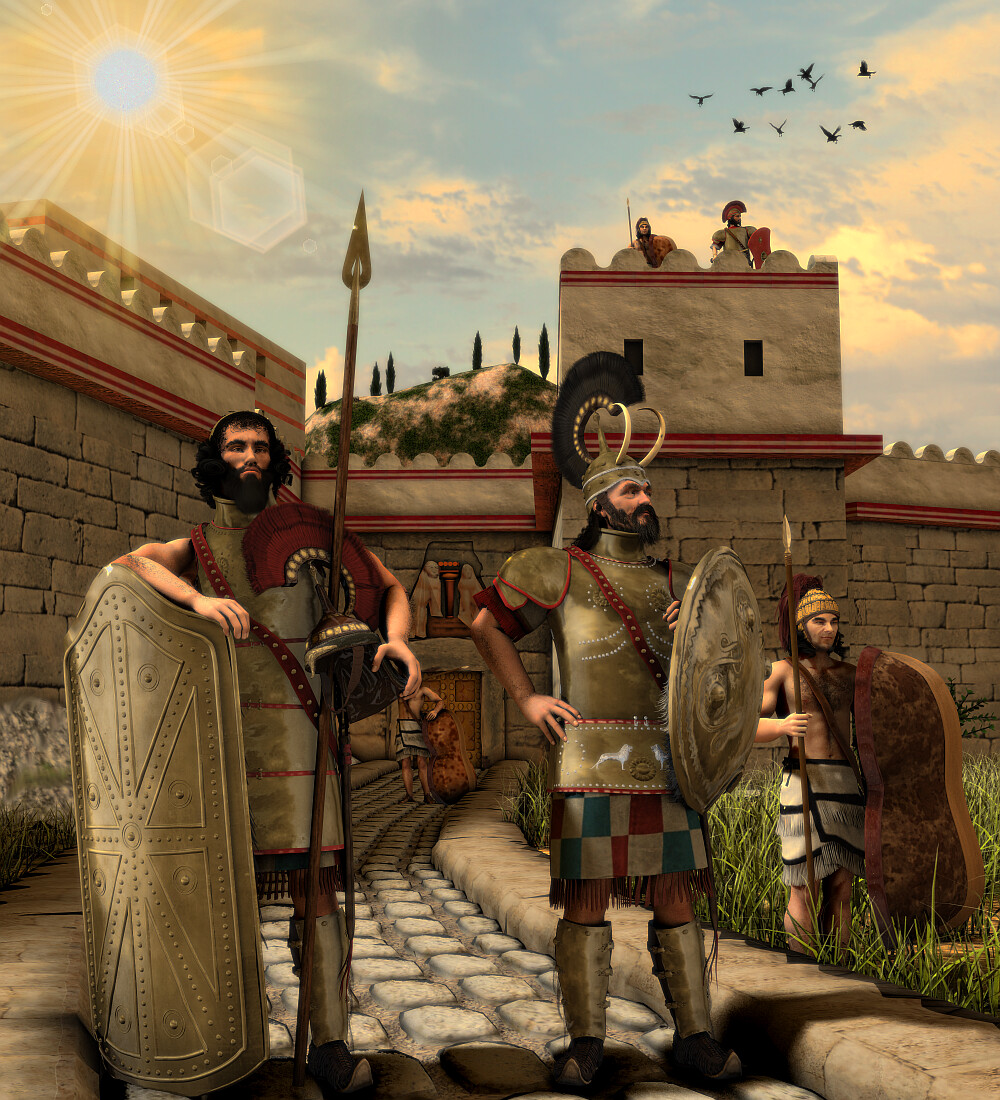
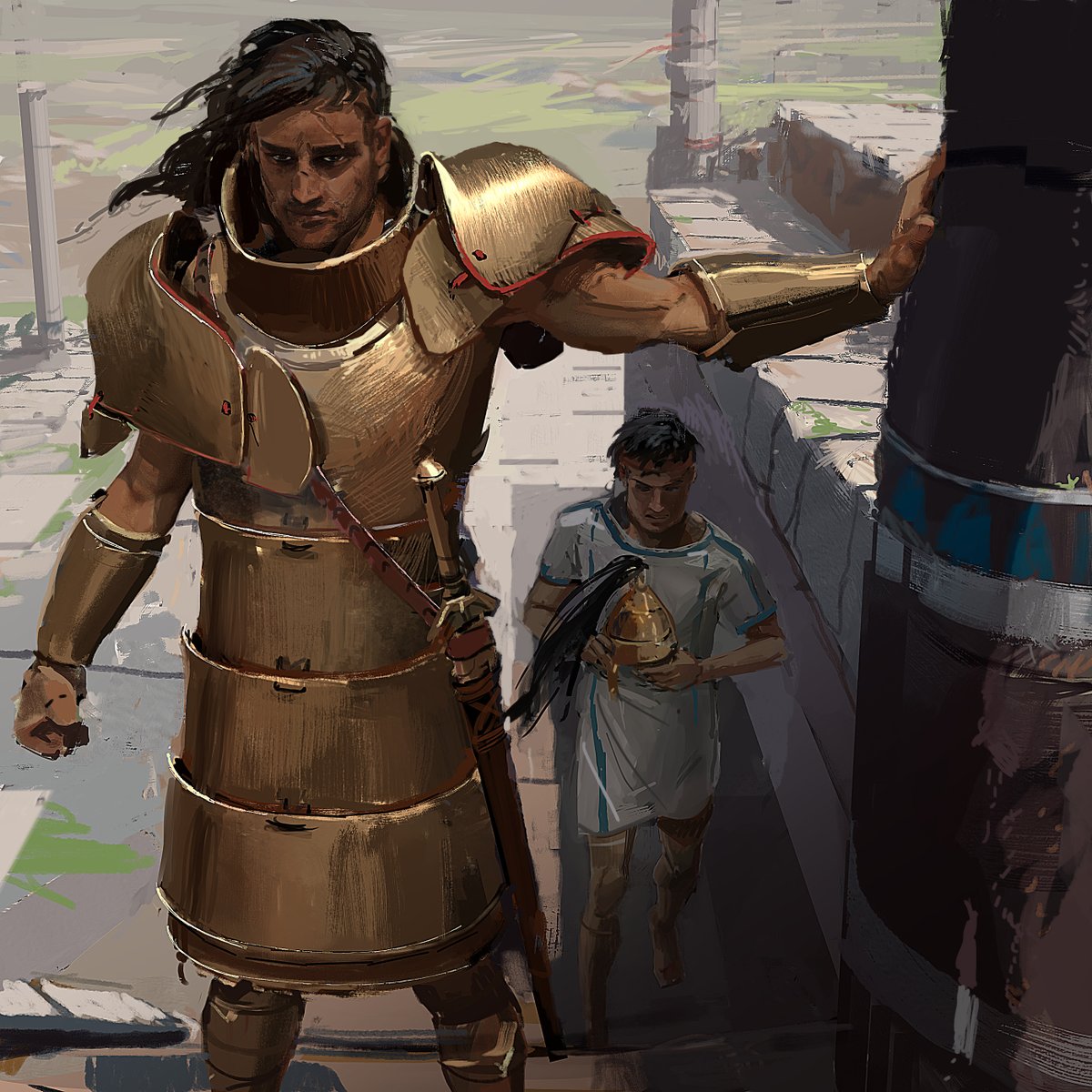
But how did this happen, especially after the Atreides had managed to avenge the “insult” against them?
One traditional theory posits invasions by the Dorians, a group from northern Greece, who might have brought about the end of Mycenaean culture.
13
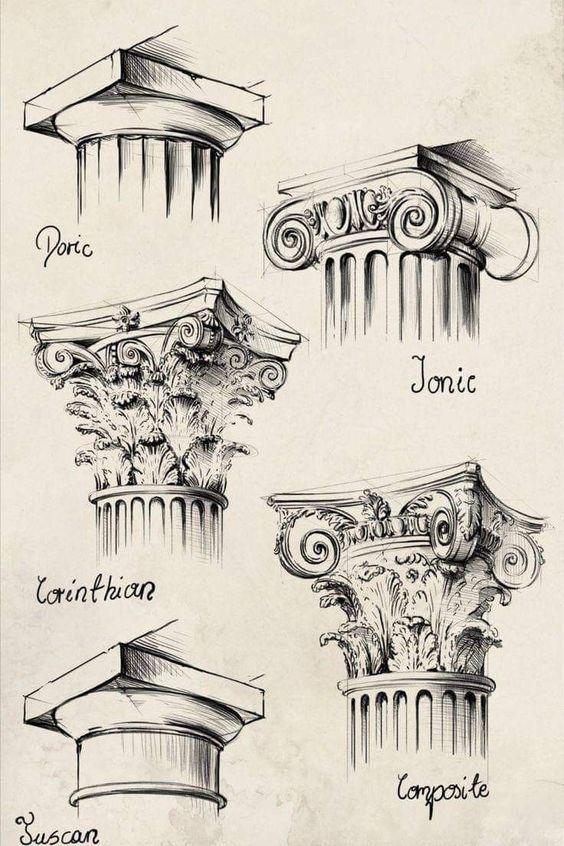
The Dorians are often associated with a northern or northwestern origin, possibly from Epirus or areas around Mount Pindus, in Northern Greece.
Their dialect, Doric, spread to various parts of Greece, suggesting a migration or cultural influence from these regions.
The Doric dialect and certain cultural practices, like certain types of pottery, are seen as evidence of Doric influence or presence in areas like the Peloponnese, Crete, and the Dorian islands (Rhodes, Cos, etc.).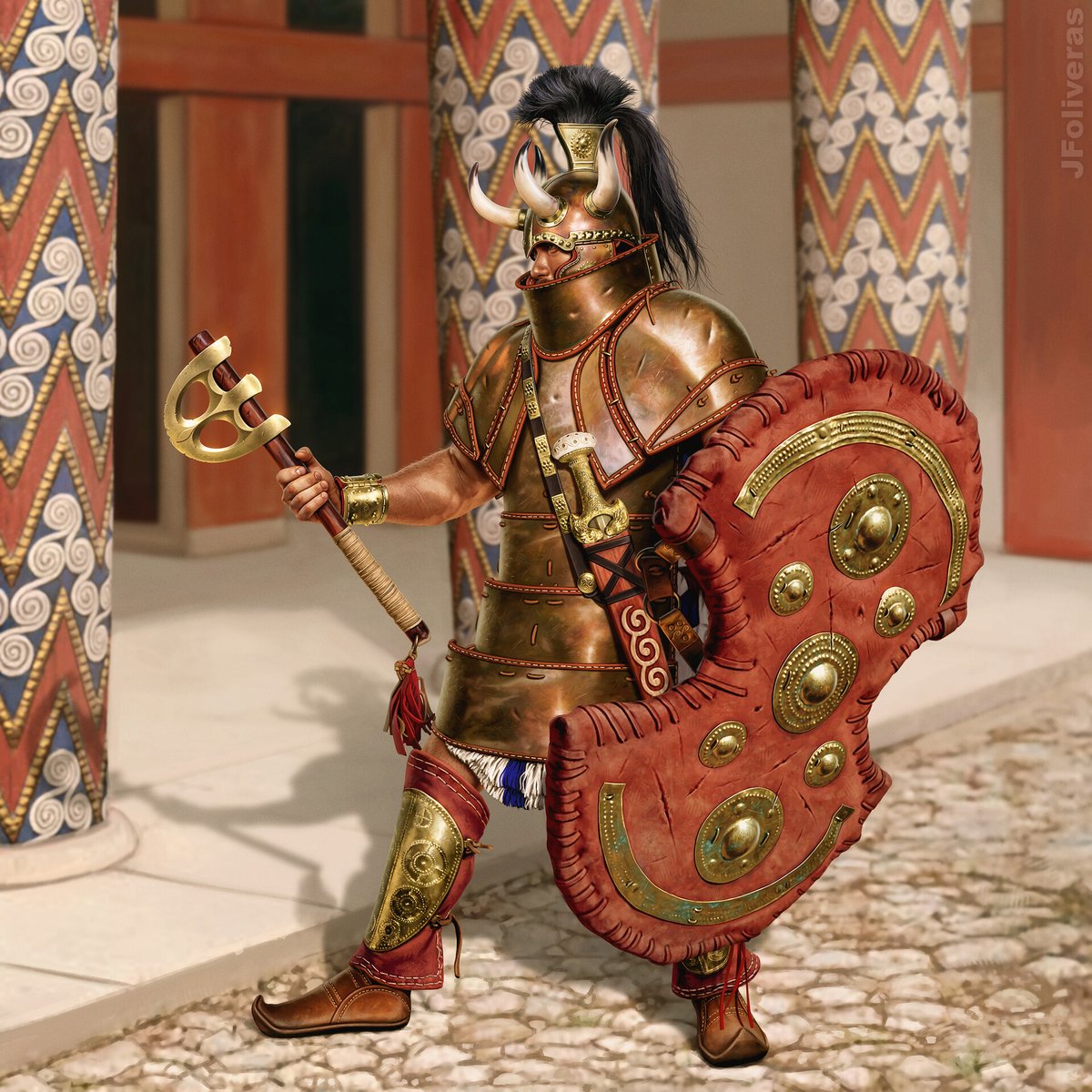
Their dialect, Doric, spread to various parts of Greece, suggesting a migration or cultural influence from these regions.
The Doric dialect and certain cultural practices, like certain types of pottery, are seen as evidence of Doric influence or presence in areas like the Peloponnese, Crete, and the Dorian islands (Rhodes, Cos, etc.).
14
The Dorian Invasion is traditionally dated around 1100-1000 BC, “at the end of the Mycenaean period”, coinciding with the broader Late Bronze Age collapse.
The Dorian Invasion is a historical theory used to explain significant cultural and political changes in ancient Greece, particularly the decline of the Mycenaean civilization and the onset of the Greek Dark Ages.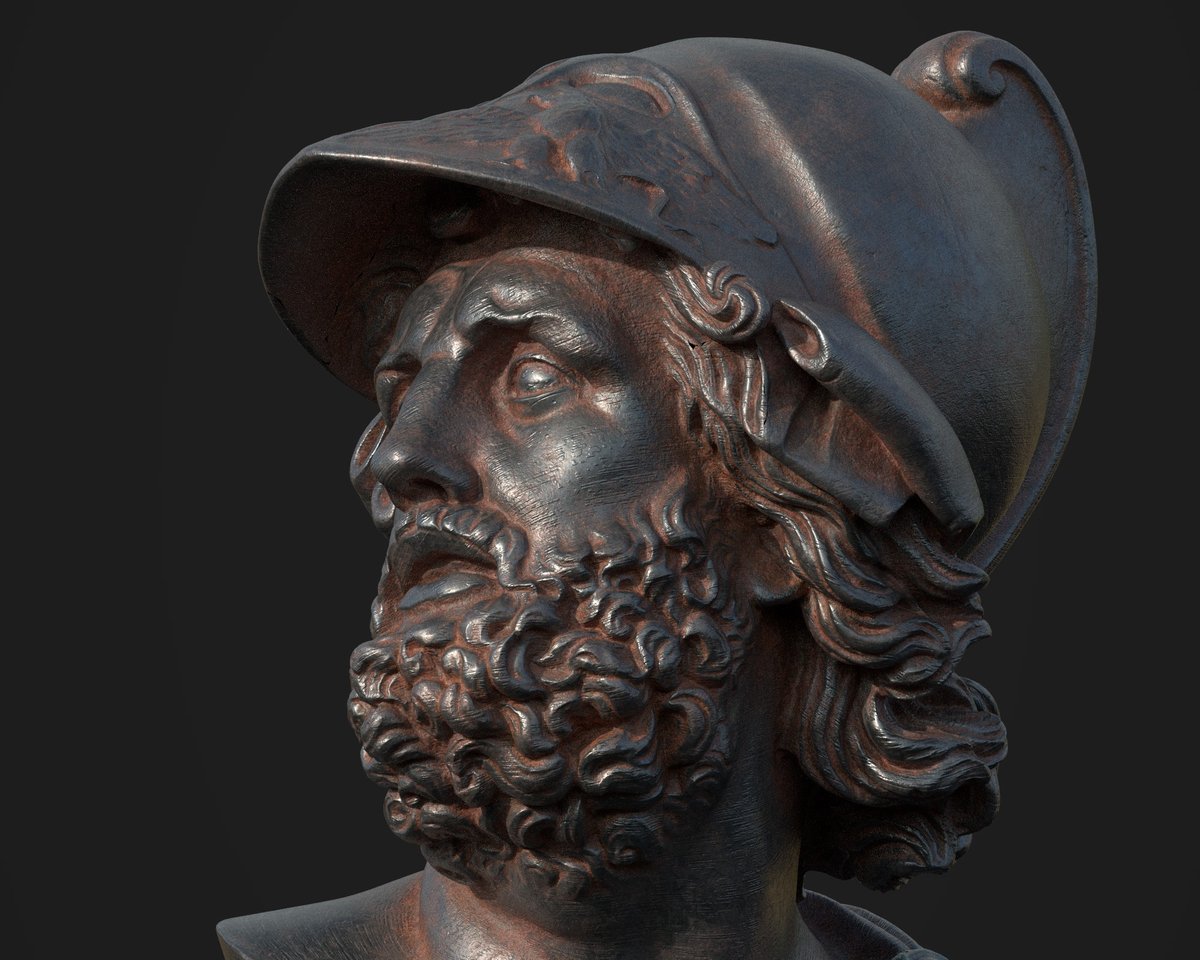
The Dorian Invasion is a historical theory used to explain significant cultural and political changes in ancient Greece, particularly the decline of the Mycenaean civilization and the onset of the Greek Dark Ages.
15
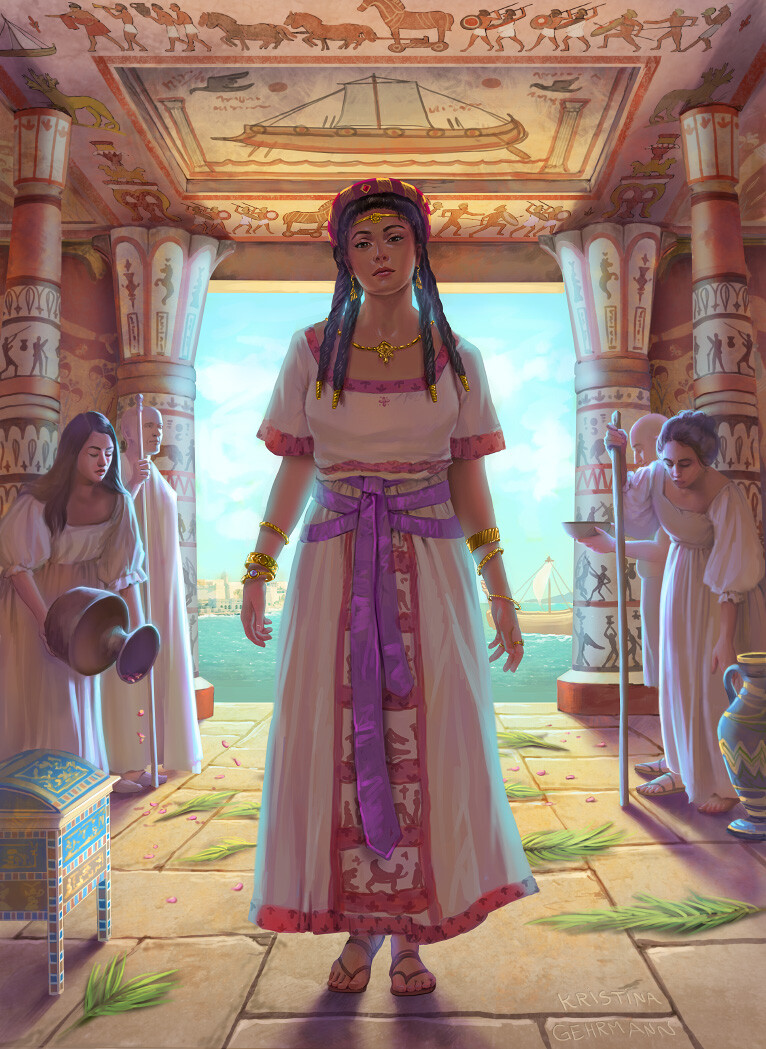
One of the primary supports for the Dorian Invasion theory is linguistic. The Dorians are associated with the Doric dialect of Greek, which spread to various parts of Greece, including the Peloponnese, Crete, and the Dorian islands. This spread suggests a significant population movement.
16
Much of what we know about the Dorian Invasion comes from later Greek sources, including myths like the Return of the Heracleidae (Hercules' descendants), which might have been used to justify the establishment of Dorian rulership in various parts of Greece.
The Dorians are traditionally linked to the myth of the Return of the Heracleidae. In this myth, the descendants of Heracles (Heracleidae), led by figures like Temenus, Cresphontes, and Aristodemus, return to the Peloponnese from their exile in Doris (a region in central Greece) to reclaim their ancestral lands, which were once ruled by their forefather, Heracles.
It was the same dudes that Alexander the Great claimed his origins from.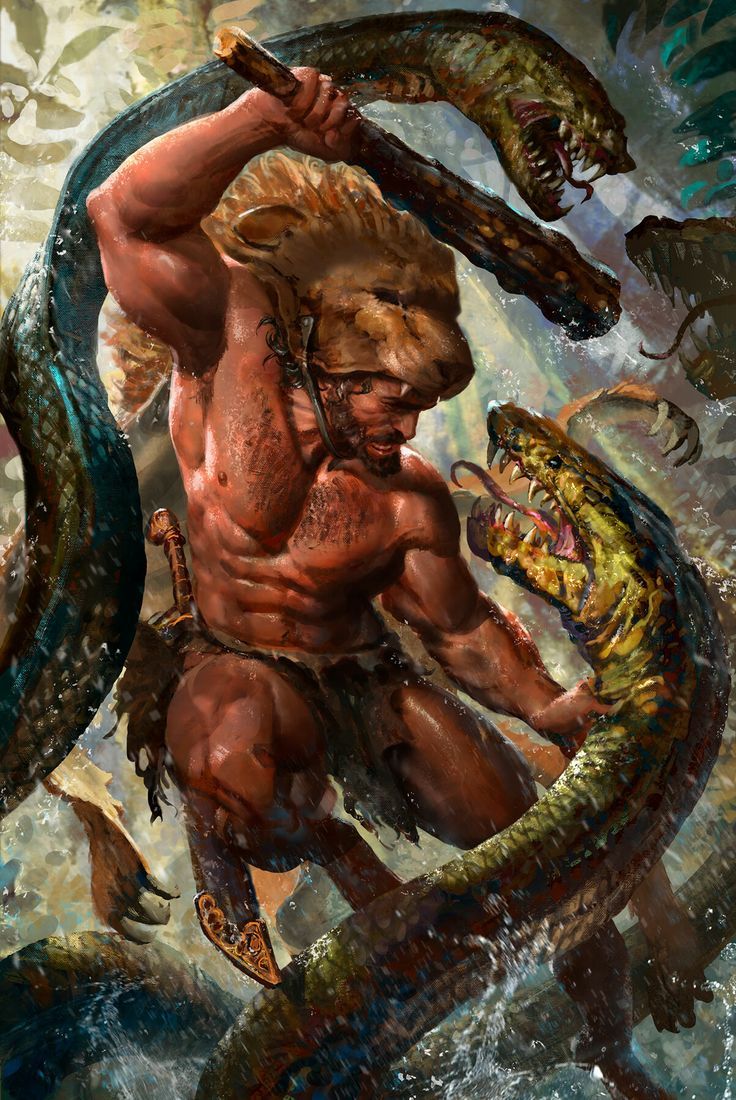
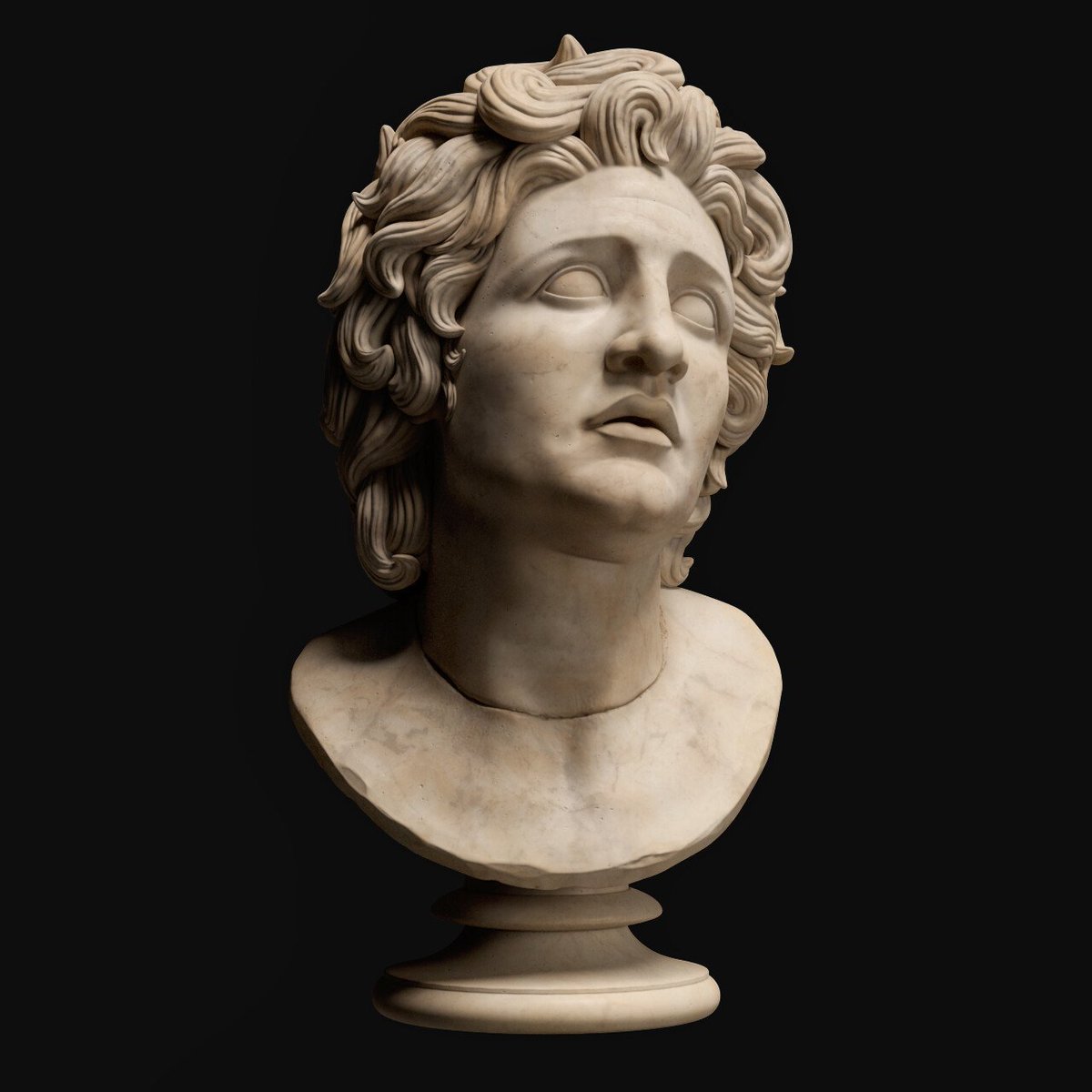
The Dorians are traditionally linked to the myth of the Return of the Heracleidae. In this myth, the descendants of Heracles (Heracleidae), led by figures like Temenus, Cresphontes, and Aristodemus, return to the Peloponnese from their exile in Doris (a region in central Greece) to reclaim their ancestral lands, which were once ruled by their forefather, Heracles.
It was the same dudes that Alexander the Great claimed his origins from.
17
The Heracleidae myth provided a noble lineage for the Dorian leaders, linking them directly to Heracles, a figure revered across Greek culture. This myth served as a justification for their rule in places like Sparta, Argos (where Alexander's and Philip's family came from), and Messenia.
Even their name (in Greek) might betray their hardy and warlike nature (Dori = Spear); maybe those Greeks were ready to take advantage of the decline of traditional Greek kingdoms in the South, especially after they were weakened after the Trojan War.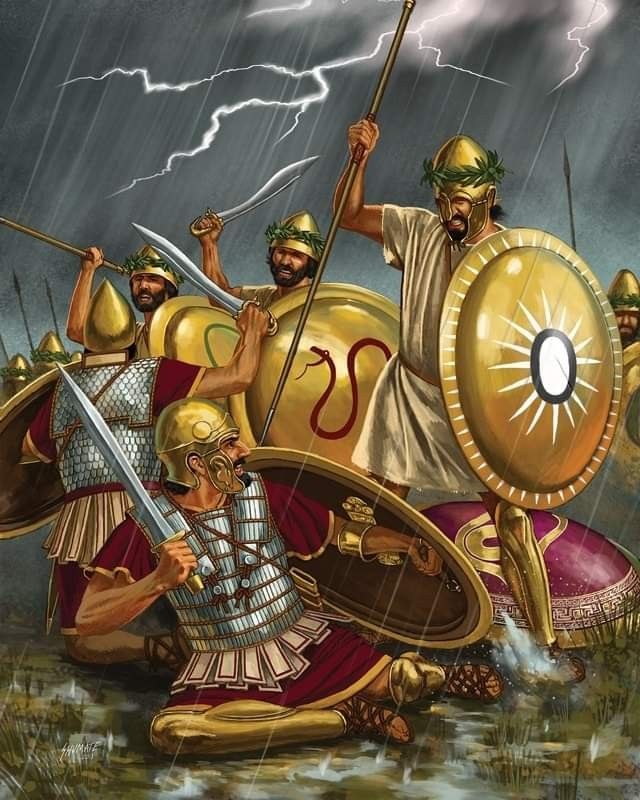
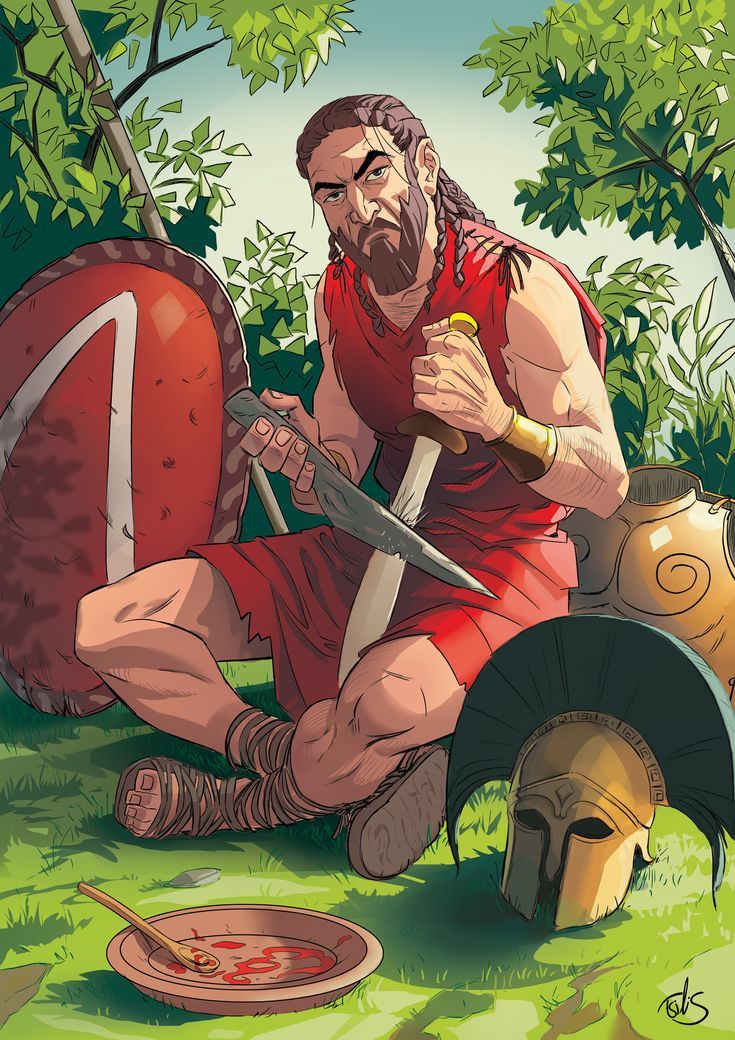
Even their name (in Greek) might betray their hardy and warlike nature (Dori = Spear); maybe those Greeks were ready to take advantage of the decline of traditional Greek kingdoms in the South, especially after they were weakened after the Trojan War.
18
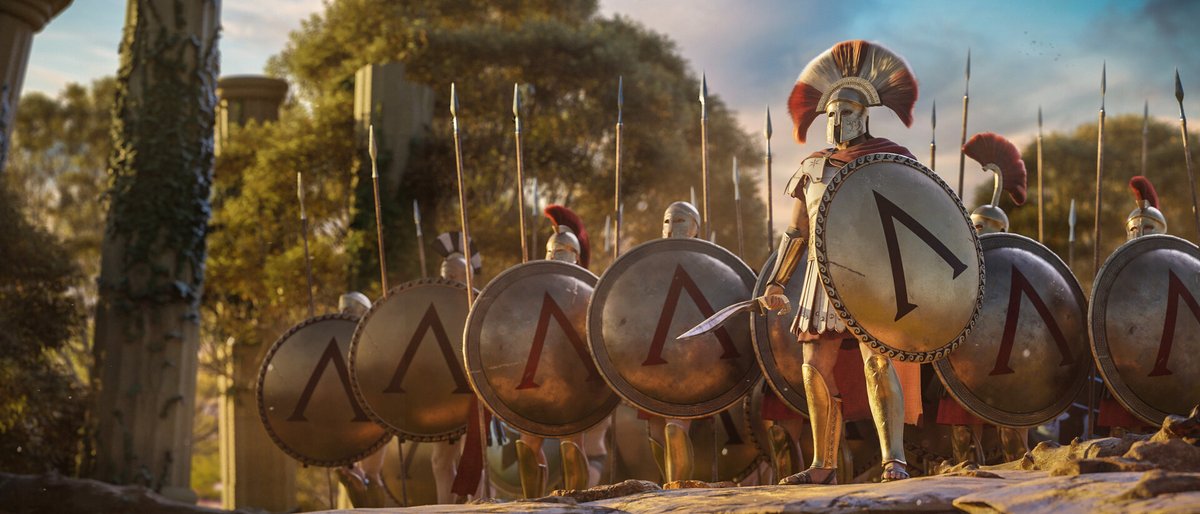
Sparta's foundation myth ties directly into the Dorian migration. According to legend, upon the return of the Heracleidae, Sparta was allotted to the twin sons of Aristodemus, Eurysthenes and Procles, who founded the dual kingship system of Sparta, each from one of the royal houses descended from these twins.
19
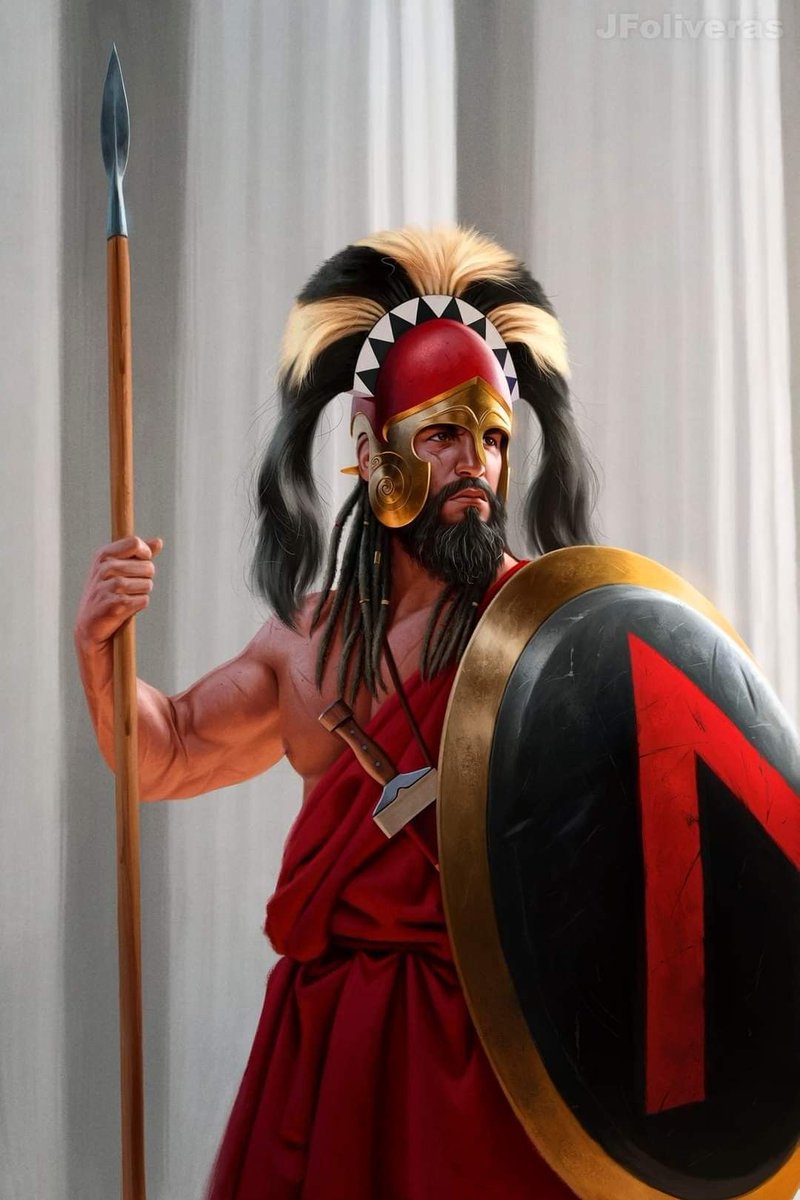
Sparta proudly maintained its Doric identity, which included the Doric dialect, customs, and a strict adherence to the laws of Lycurgus, who is credited with establishing the Spartan constitution. This identity distinguished Spartans from other Greeks, particularly the Ionians.
20
Modern genetic studies provide mixed insights. Some populations in regions traditionally associated with Dorians show genetic continuities with earlier inhabitants, suggesting that if an invasion occurred, it might not have led to a complete replacement of the population but rather a cultural or political takeover.
So it was probably northern Greeks taking over power from the southern Greeks; this is perfectly depicted in Sparta’s dual Kingship, where one King always came from Achaeans and the other from Dorians.
So it was probably northern Greeks taking over power from the southern Greeks; this is perfectly depicted in Sparta’s dual Kingship, where one King always came from Achaeans and the other from Dorians.
21
But we have already seen another pattern and a name that keeps coming up here among the “sea peoples”: Philistines. Who were those dudes and where did they come from?
The predominant theory suggests again that the Philistines had origins in the Aegean region, likely from the areas around Mycenaean Greece or Crete. Yes.. the Greeks again; usual suspects and agents of chaos and order.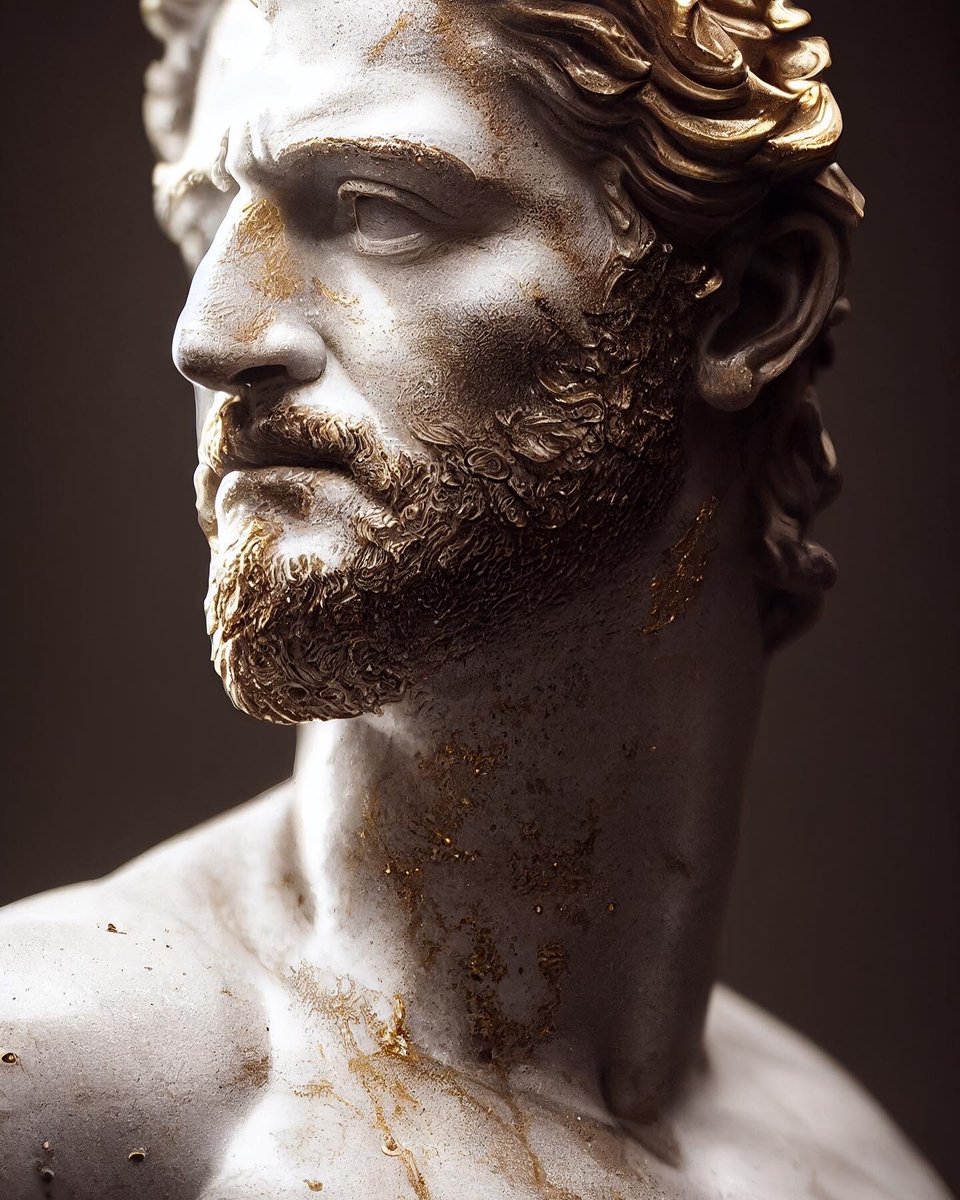
The predominant theory suggests again that the Philistines had origins in the Aegean region, likely from the areas around Mycenaean Greece or Crete. Yes.. the Greeks again; usual suspects and agents of chaos and order.
22
So could it have been that while Dorians were invading the south, many other Greeks resorted to raids and risky operations overseas? Could they have been the ones named “Philistines”?
Excavations in Philistine cities like Ashdod, Ashkelon, Ekron, Gath, and Gaza have uncovered pottery styles (e.g., "Philistine Bichrome" ware) and architectural features that bear similarities to Mycenaean and Minoan cultures.
Elements of Philistine culture, including certain burial practices and the use of specific domestic items, also align with Aegean traditions.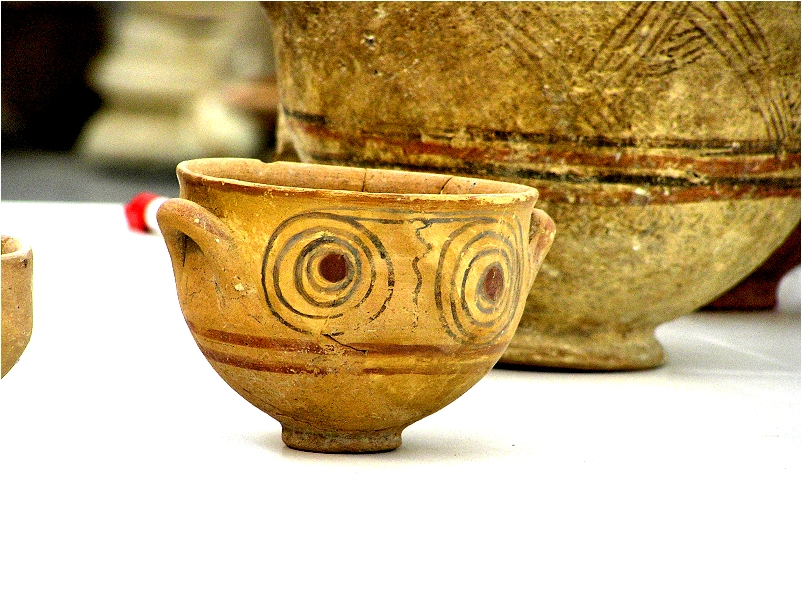
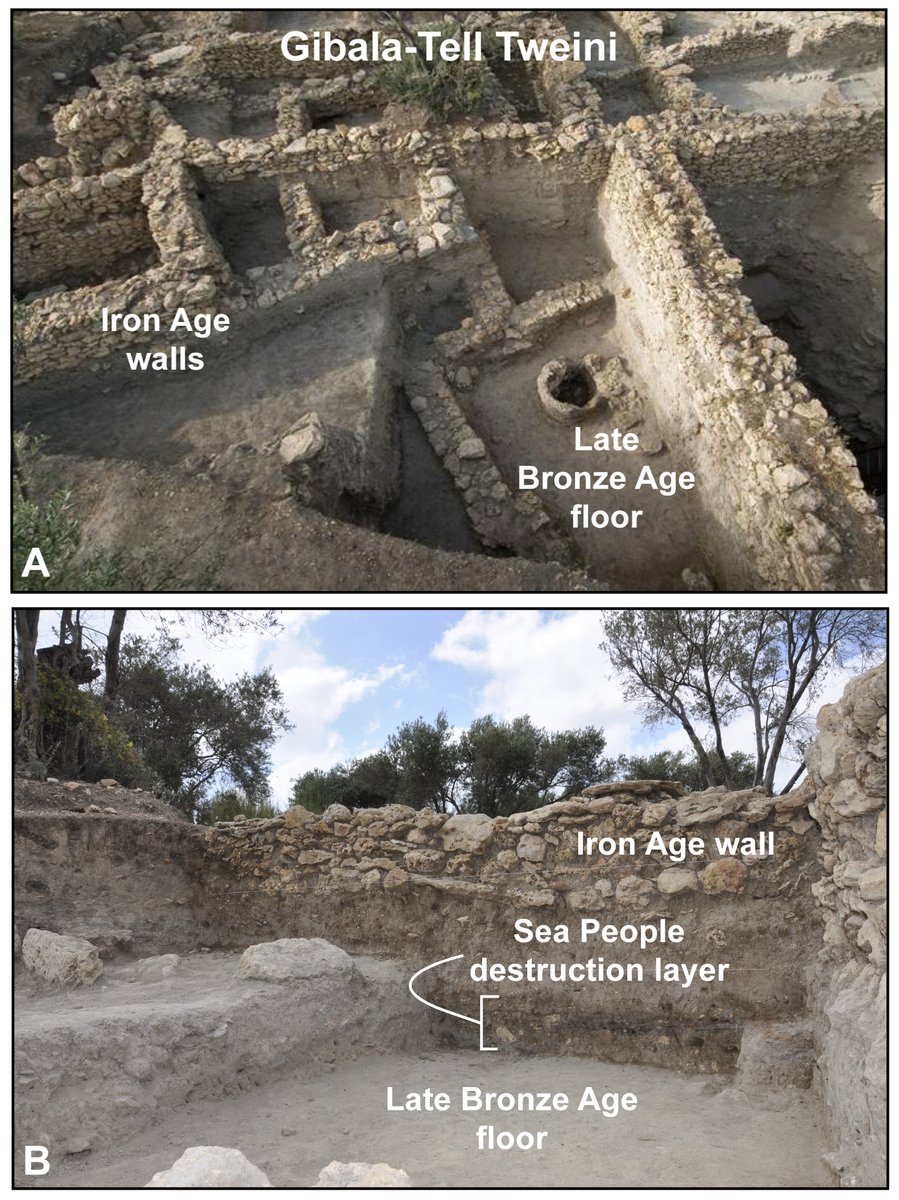
Excavations in Philistine cities like Ashdod, Ashkelon, Ekron, Gath, and Gaza have uncovered pottery styles (e.g., "Philistine Bichrome" ware) and architectural features that bear similarities to Mycenaean and Minoan cultures.
Elements of Philistine culture, including certain burial practices and the use of specific domestic items, also align with Aegean traditions.
23
Modern genetic studies are somewhat limited due to the time span, but some analyses of ancient DNA suggest connections to southern European populations, consistent with an Aegean origin.
They developed a distinct culture in Canaan, adopting and adapting local Semitic languages and customs while maintaining some of their unique cultural traits.
The Philistines are notably antagonistic in the Hebrew Bible, where they are often depicted as the primary adversaries of the Israelites. This narrative has colored much of the historical perception of the Philistines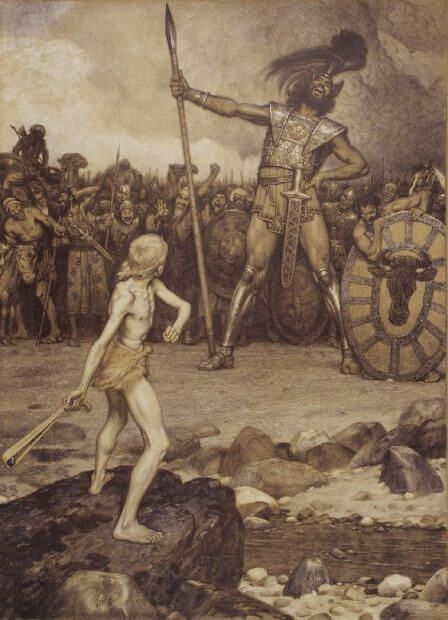
They developed a distinct culture in Canaan, adopting and adapting local Semitic languages and customs while maintaining some of their unique cultural traits.
The Philistines are notably antagonistic in the Hebrew Bible, where they are often depicted as the primary adversaries of the Israelites. This narrative has colored much of the historical perception of the Philistines
24
Whether you've been exploring the depths of history, the twists of myth, or the intricacies of ancient civilizations, I hope you've found something enlightening or at least intriguing, following TheBlackWolf.
Remember, history is not just about dates and events; it's about understanding the tapestry of human experience, culture, and connecting the dots of stories that continue to echo through time.
What do you think of my theory?
Remember, history is not just about dates and events; it's about understanding the tapestry of human experience, culture, and connecting the dots of stories that continue to echo through time.
What do you think of my theory?
