When people think of menswear crafted with a high-degree of...

derek guy@dieworkwear
125 views
Jan 30, 2026
~6 min read
Advertisement
1
When people think of menswear crafted with a high-degree of workmanship, they think of places such as France, Italy, and the UK. Some may think of Japan. But few will think of India, even though some of the most incredible workmanship is happening there now. Let me show you. 🧵

2
This thread starts with a premise: quality workmanship speaks for itself regardless of where it's done. Often, people's view of "quality" is colored by where a garment was made. Robert Schooler showed this in a 1965 paper published in Journal of Marketing Research.

3
As you read this thread, I want you to keep in mind the stories you may have read about European craftsmanship. These stories inspire awe because they're about skilled labor and dedication to one's trade. We should be in no less awe when the same craft happens in India.


4
Let me give you an example. Up until their closure in 2002, David Evans was one of the most renowned silk printers in the world. Based in Macclesfield, England, they were known for their hand-block prints, especially in ancient madder. Mill was around for 155 yrs before closure.


5
In this tradition, a worker carves a design into a wooden block by hand. The blocks are then used to print large silk sheets. Each color requires a unique wooden block and a "press" to imprint the design. This requires a lot of labor and precision, which of course drives up cost.


6
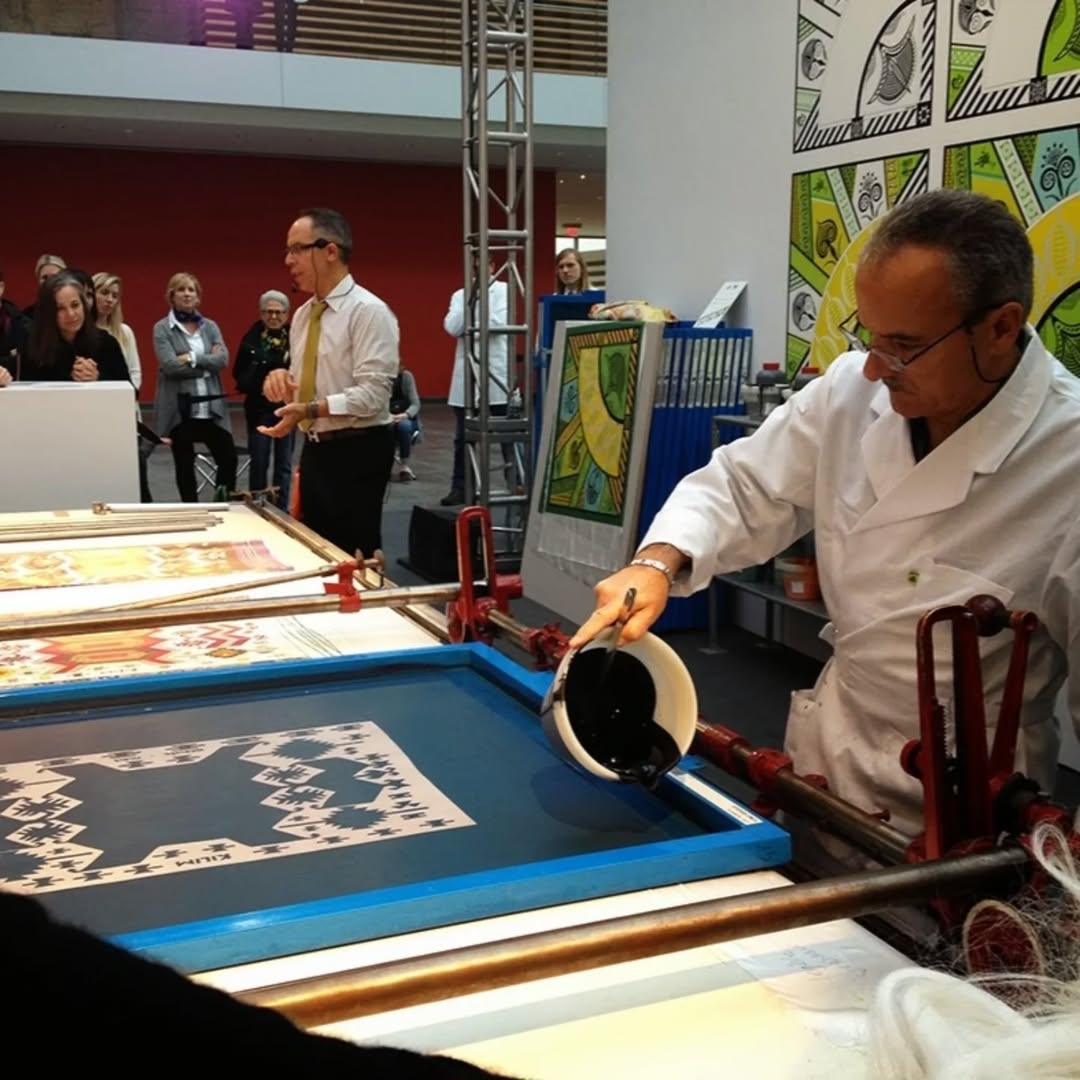
Most textiles today are printed using silk screens (which can be done by hand or using an automated method). Or more affordably, using a digital printer that functions like an ink jet printer. Hermes scarves are pricey bc they are silk screened by hand and involve many colors.


7
On a commercial level, hand block printing has mostly disappeared from Western Europe because it's too laborious and thus expensive. But it continues in India. These blocks can get very intricate. When involving multiple colors, they also require precision printing.
2:16
8
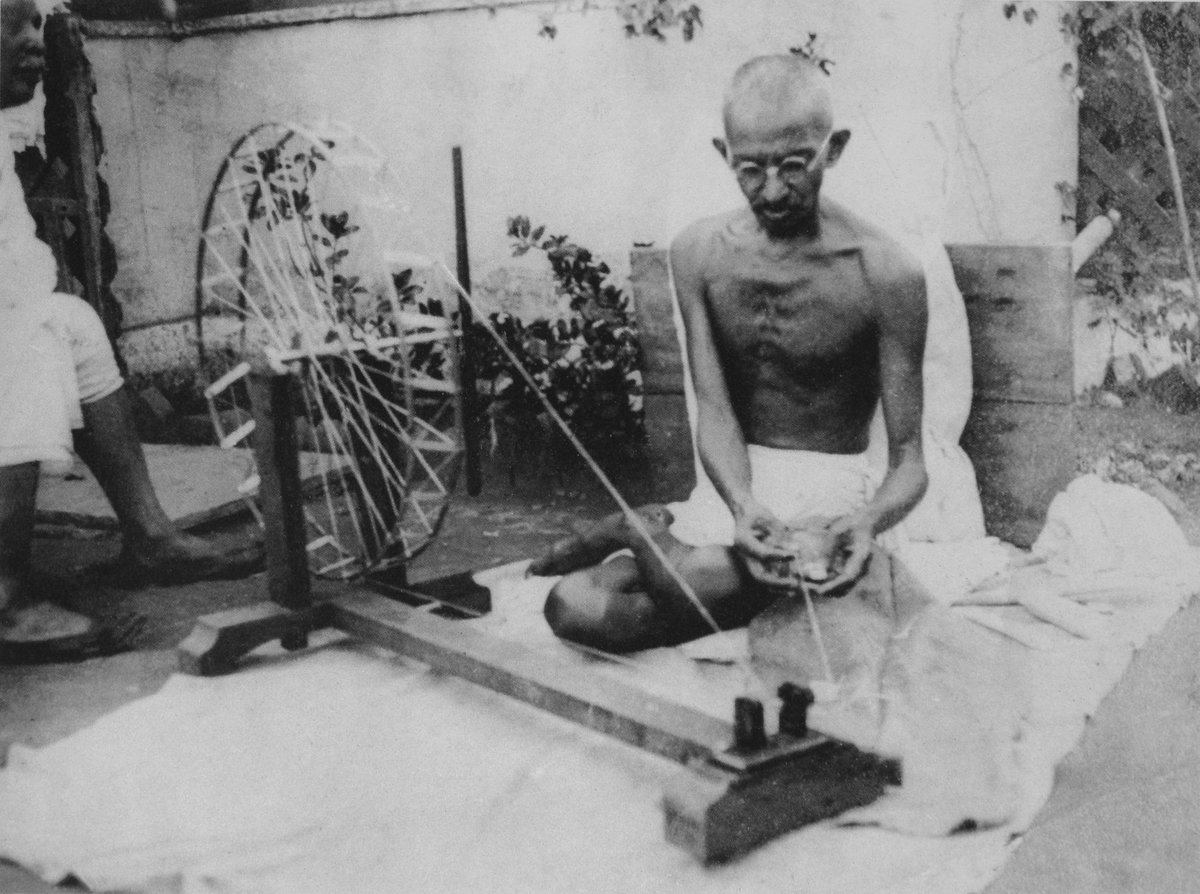
It's not just hand-printing; India is also known for its fully handmade textiles. These materials are made from handspun yarns (cotton, linen, or wool) and then handwoven on looms. If you were charmed by traditional Donegal tweed weavers, you should be no less charmed here.


9
This fabric, known as khadi, was central to Mahatma Gandhi's swadeshi (self-sufficiency) movement, where he called on Indians to boycott British materials and produce their own clothes. The work to throw off the yoke of British imperialism started at the spinning wheel.
10
Why would someone want to wear khadi today? Unlike mass-produced fabrics, the hand-production nature of khadi means there are often subtle variations, which gives the cloth character. See the little slubs in first pic (not dissimilar to the irregular flecks in Donegal tweed)


11
Some may feel that the techniques mentioned above are charming but a bit rustic, lacking the finesse of fine European tailoring. But I can tell you that the best shirts I've ever seen were from an Indian company called 100 Hands.

12
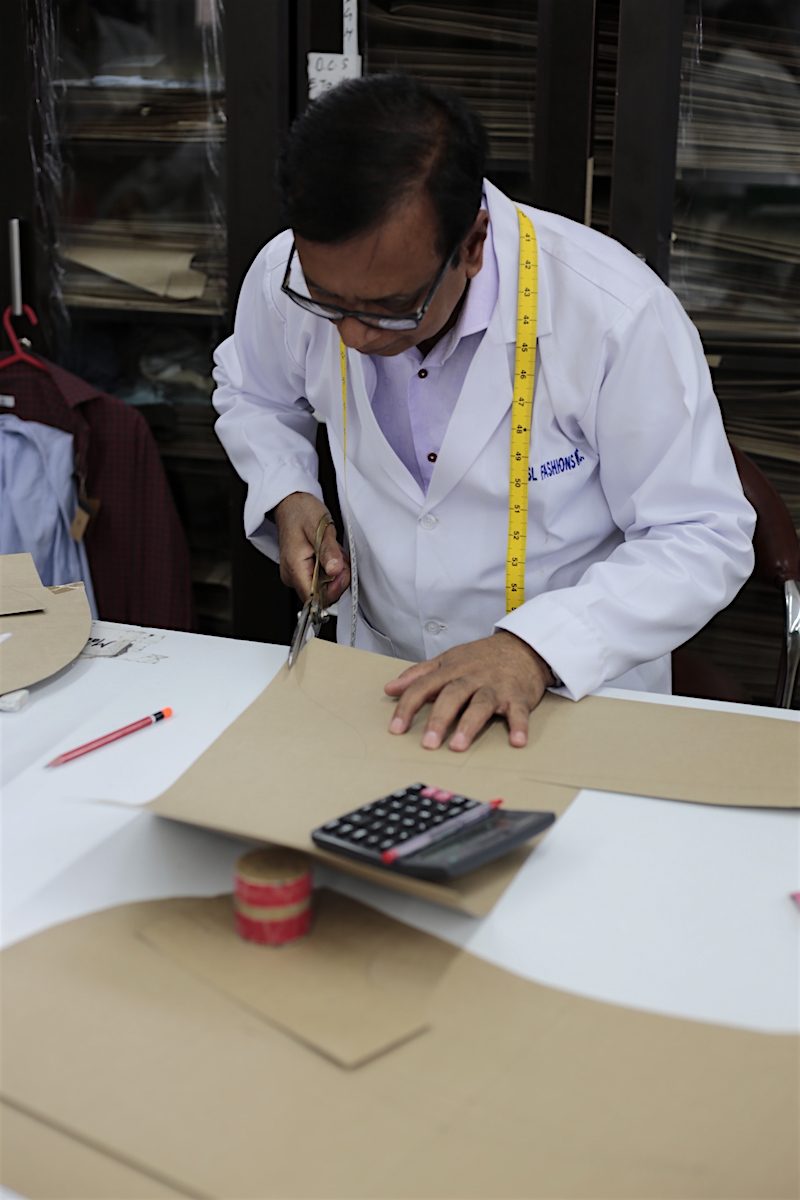
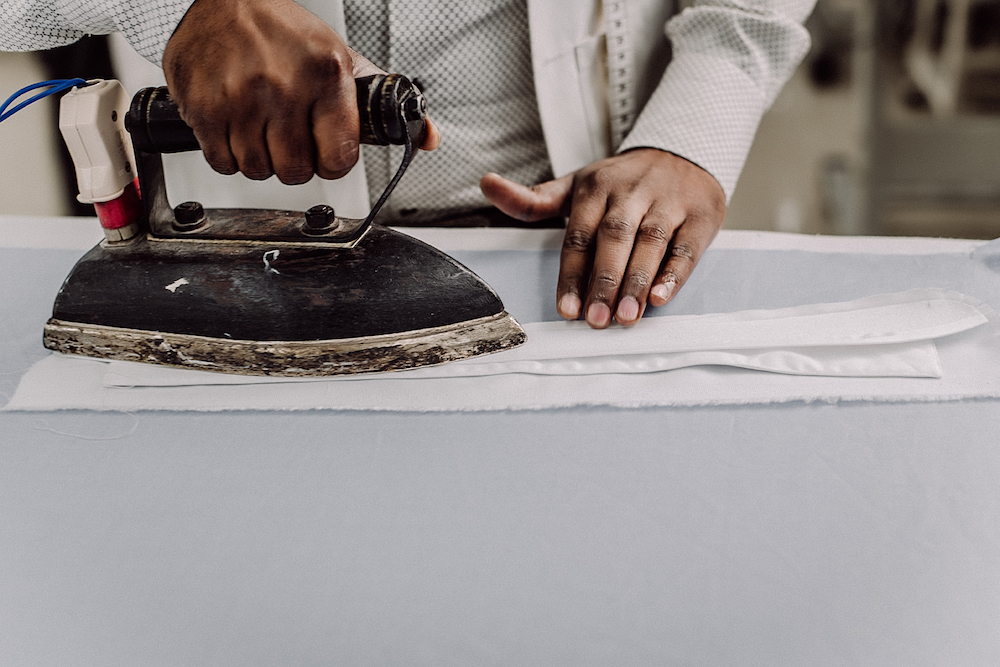
100 Hands has a few lines to meet different price points. But it's best line—the Gold Line—surpasses anything I've seen in Europe. Fabrics are individually hand cut, rather than in stacks using saws (as you'd have in factory production). Fusings are also pressed by hand.
13
That level of of production is standard in European bespoke shirtmaking. But where 100 Hands excels is in their gratuitous level of handwork. Everything is done by hand: armhole, collar (inside and out), side seams, placket, gussets, monograms and even buttonholes (!!).


14
Even the *hem* is done by hand. Look at the bottom of your button-up shirt. You'll see the hem is folded over and machine sewn. 100 Hands rolls the edge by hand and sews it with invisible stitches. Workmanship is finer than anything I've seen, even from other handmade shirtmakers


15
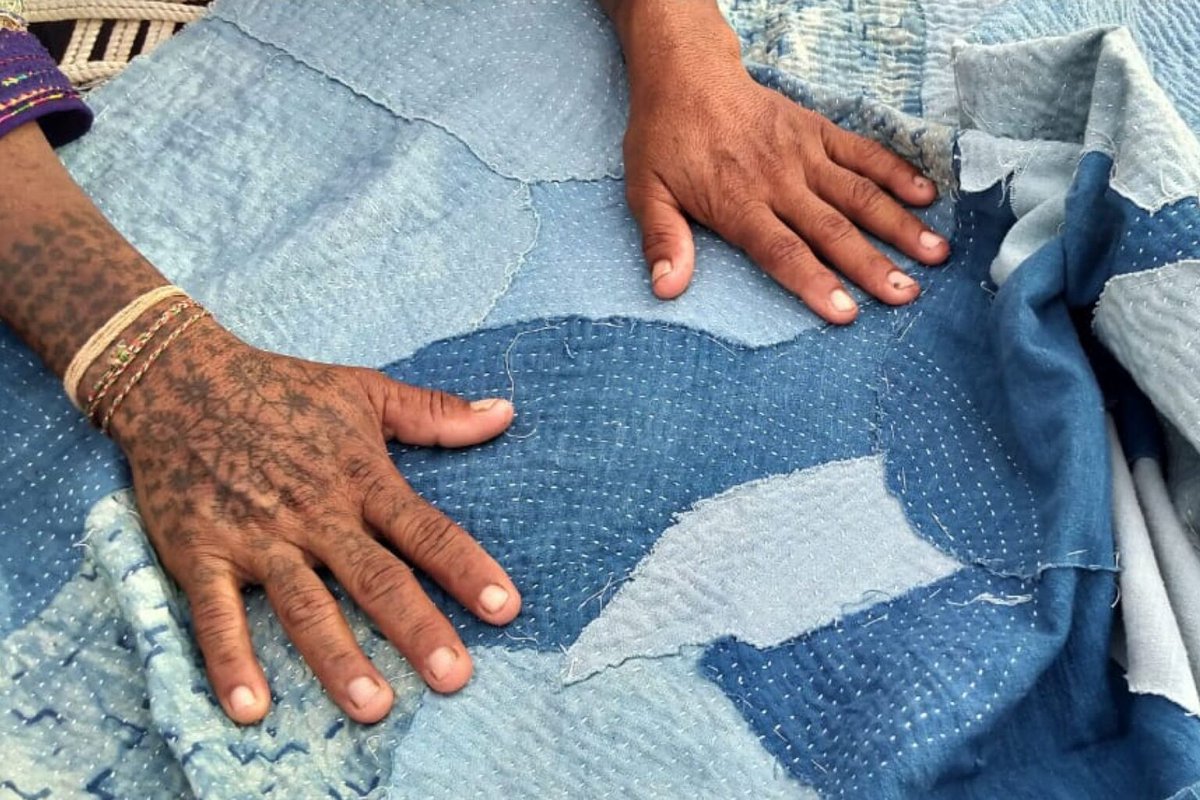
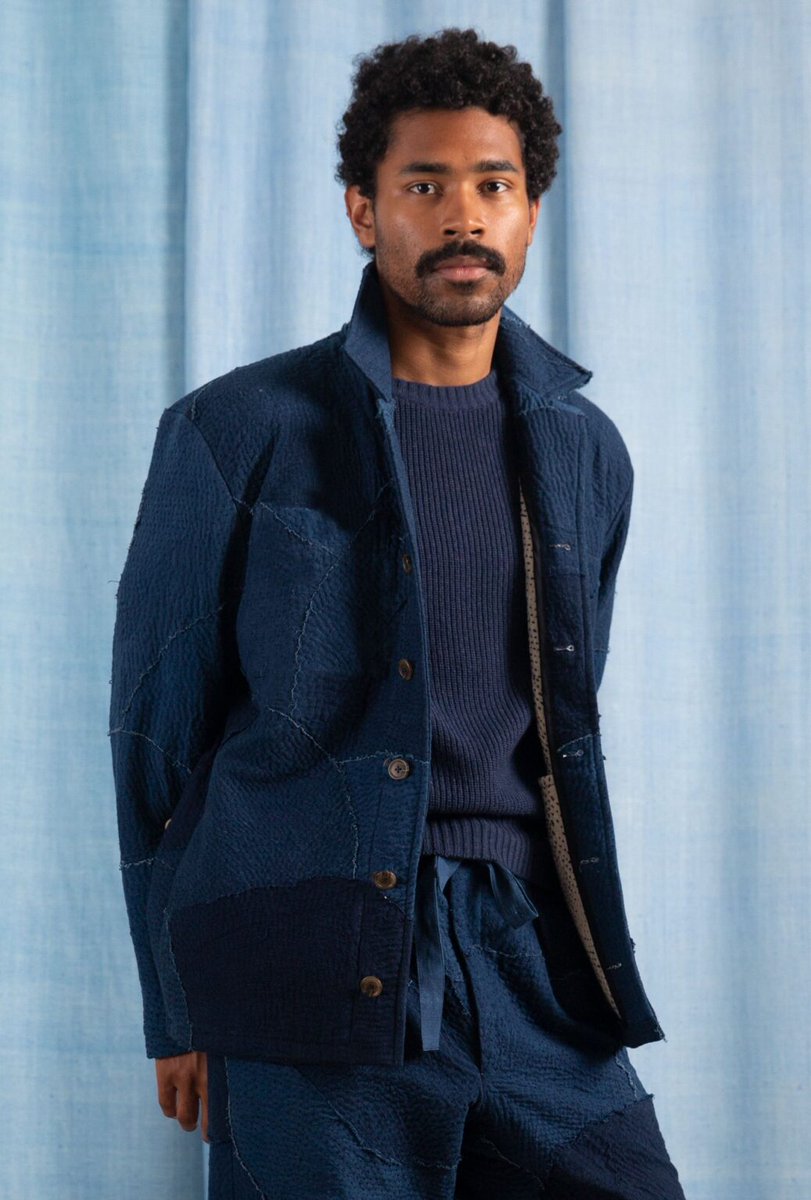
My favorite technique is kantha. Originally used for recycling scrap fabric at a time when textiles were more precious, kantha is similar to Japanese boro in that today it's valued as a beautiful textile art. Kantha involves attaching layers of material with a running stitch.


16
Now, let me introduce you to some brands that are doing cool things in collaboration with Indian artisans.
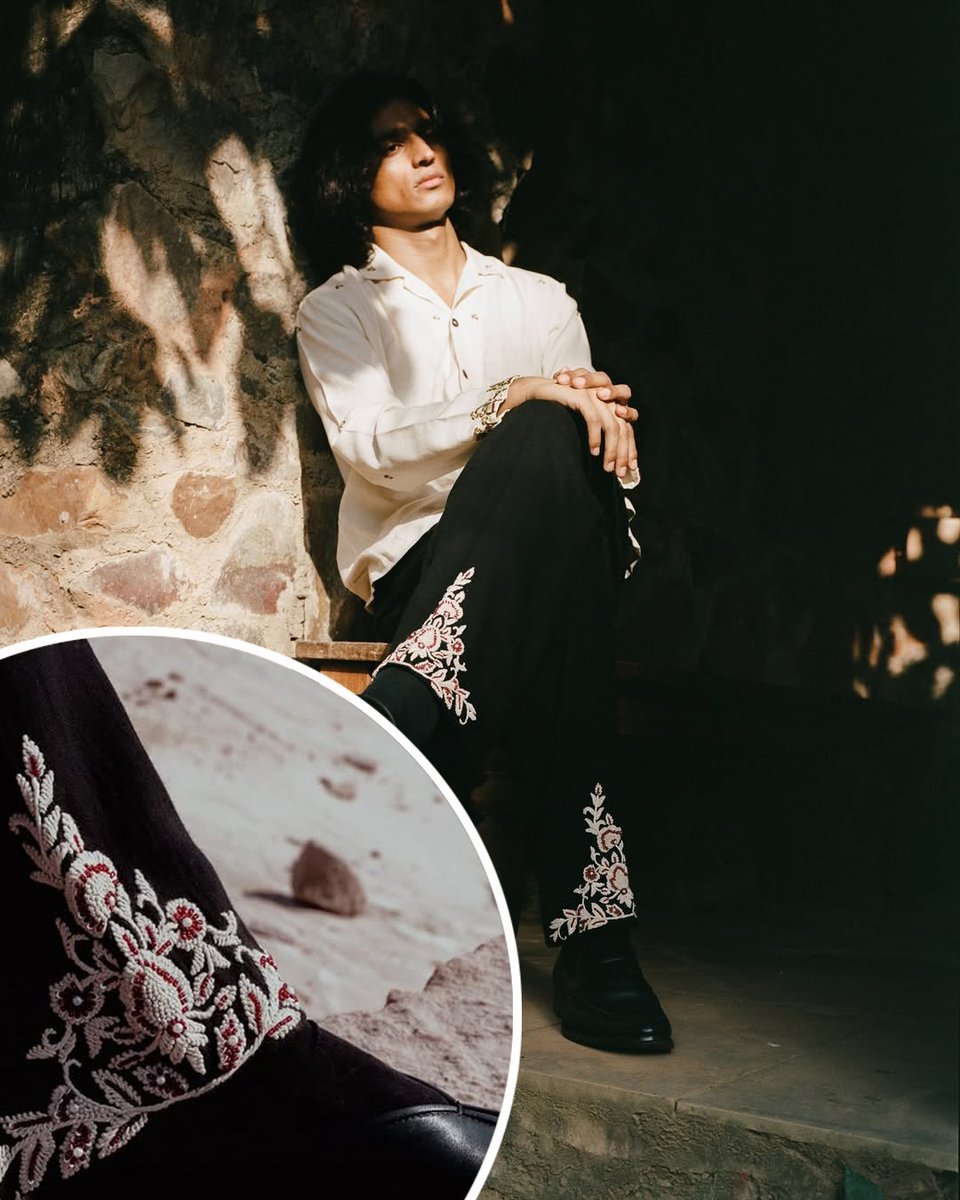
The first is Kartik Research, once a LVMH Prize semi-finalist. All of their clothes and accessories include a hand-made element (i.e., done without the use of a machine).
The first is Kartik Research, once a LVMH Prize semi-finalist. All of their clothes and accessories include a hand-made element (i.e., done without the use of a machine).
0:46
17
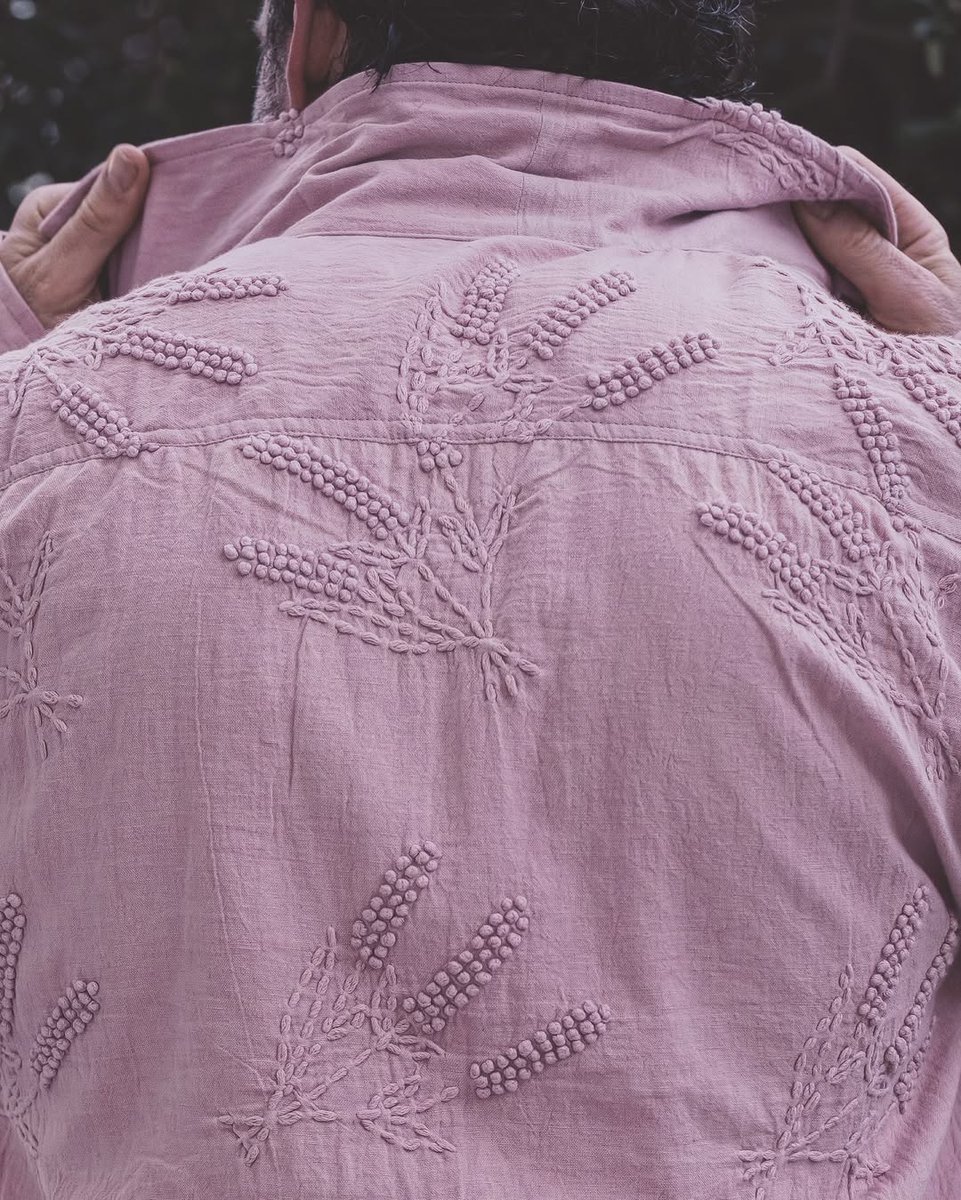
For instance, their outerwear often involves a high-level of hand embroideries. Clothes are made from handloomed textiles that were colored in natural materials. If you zoom in on the last photo, you'll see the detail at the trouser hem was all handmade.


18
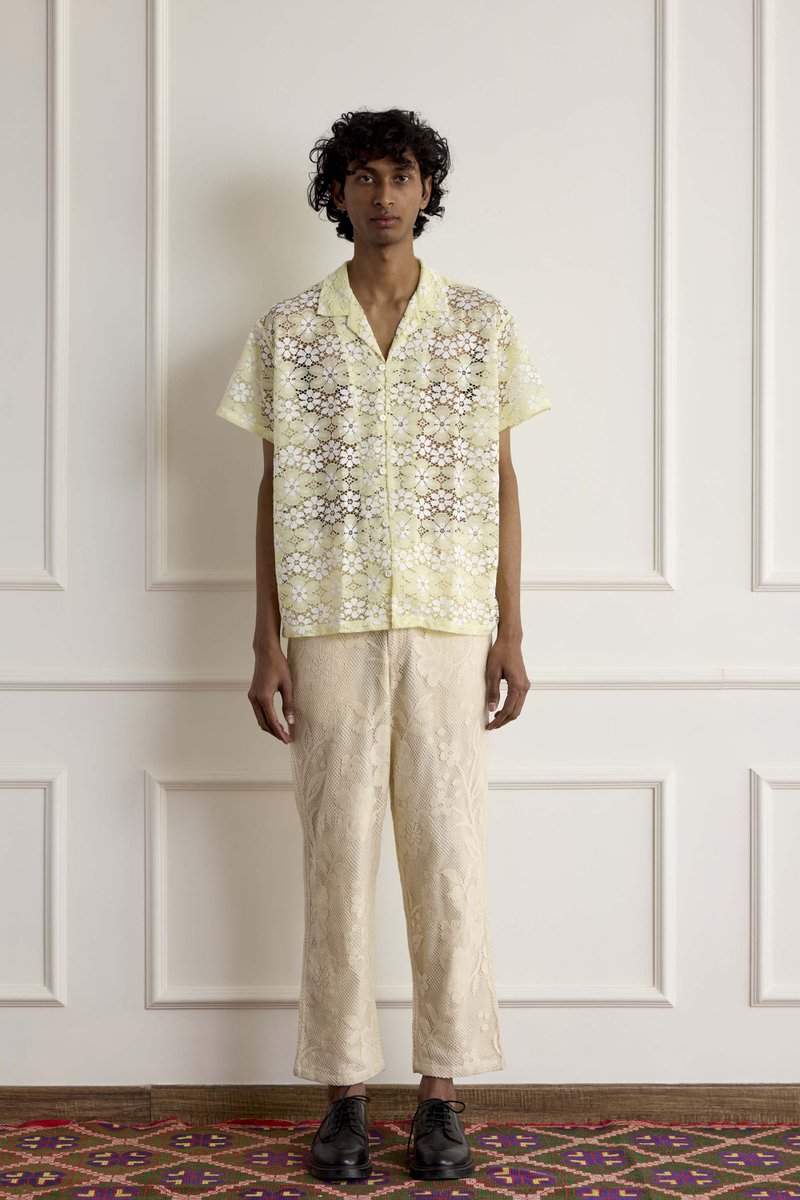
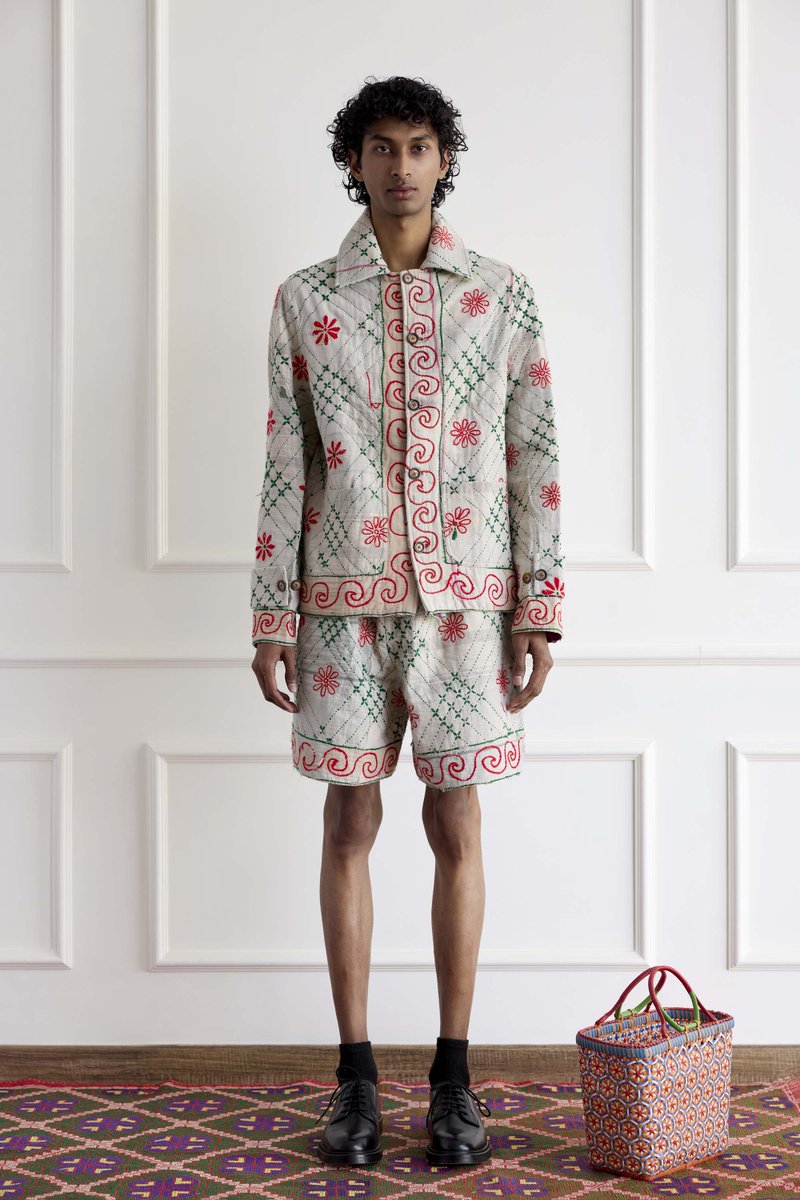
I also really like Harago. They make wonderfully charming hand embroidered and laced shirts, as well as textured kantha jackets and trouesrs. The aesthetic is kind of campy bohemian in the vein of brands like Story Mfg and Bode.


19
I find textiles like these easiest to wear as shorts. These cotton shorts are made from a fabric woven on a jacquard loom, which means you can physically feel the white yarns popping through. Imagine wearing them with a camp shirt on a hot day while listening to LPs at home.


20
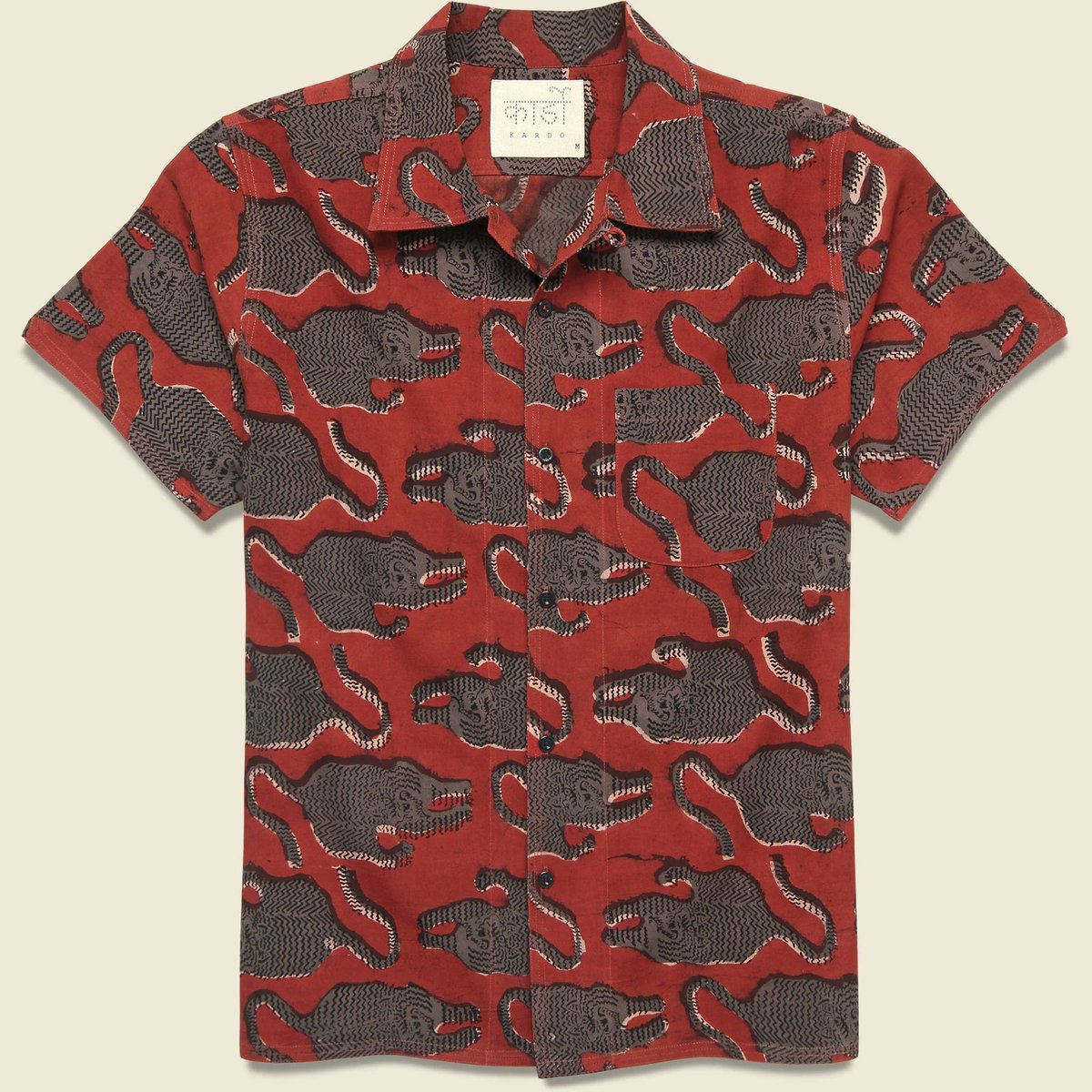
For something more conservative, check out Kardo. They make great shirts every year that can be paired with blue jeans, tan chinos, or shorts for an easy peasy summer look. Such as this tiger block print from a few years back (originally sold through Stag Provisions).



21
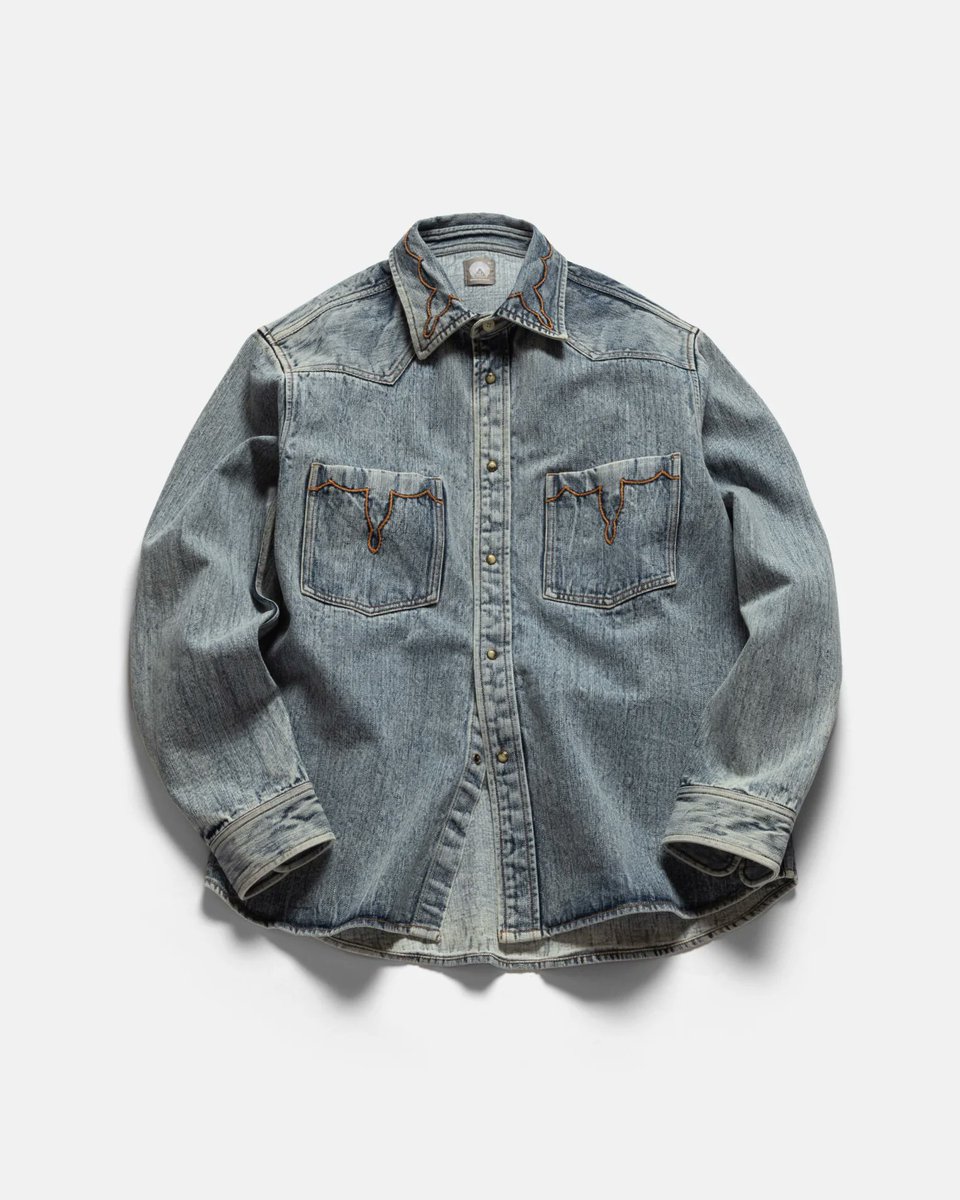
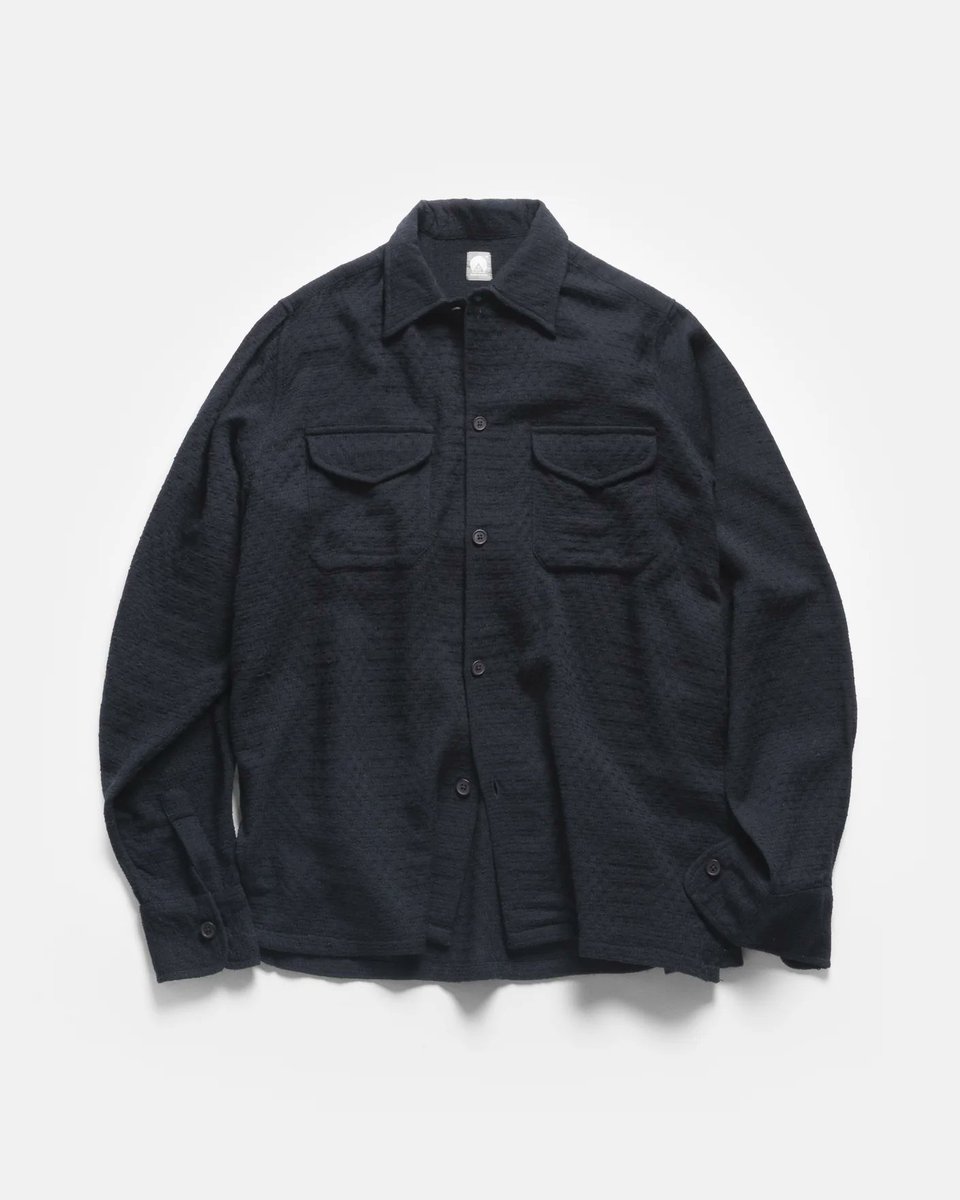
18 East sits somewhere between outdoorsy hiking apparel, workwear, and skater gear. Founder and designer Antonio Ciongoli got his start designing classic menswear for brands like Ralph Lauren and Isaia (running their sub-label Eidos), before breaking out on his own.


22
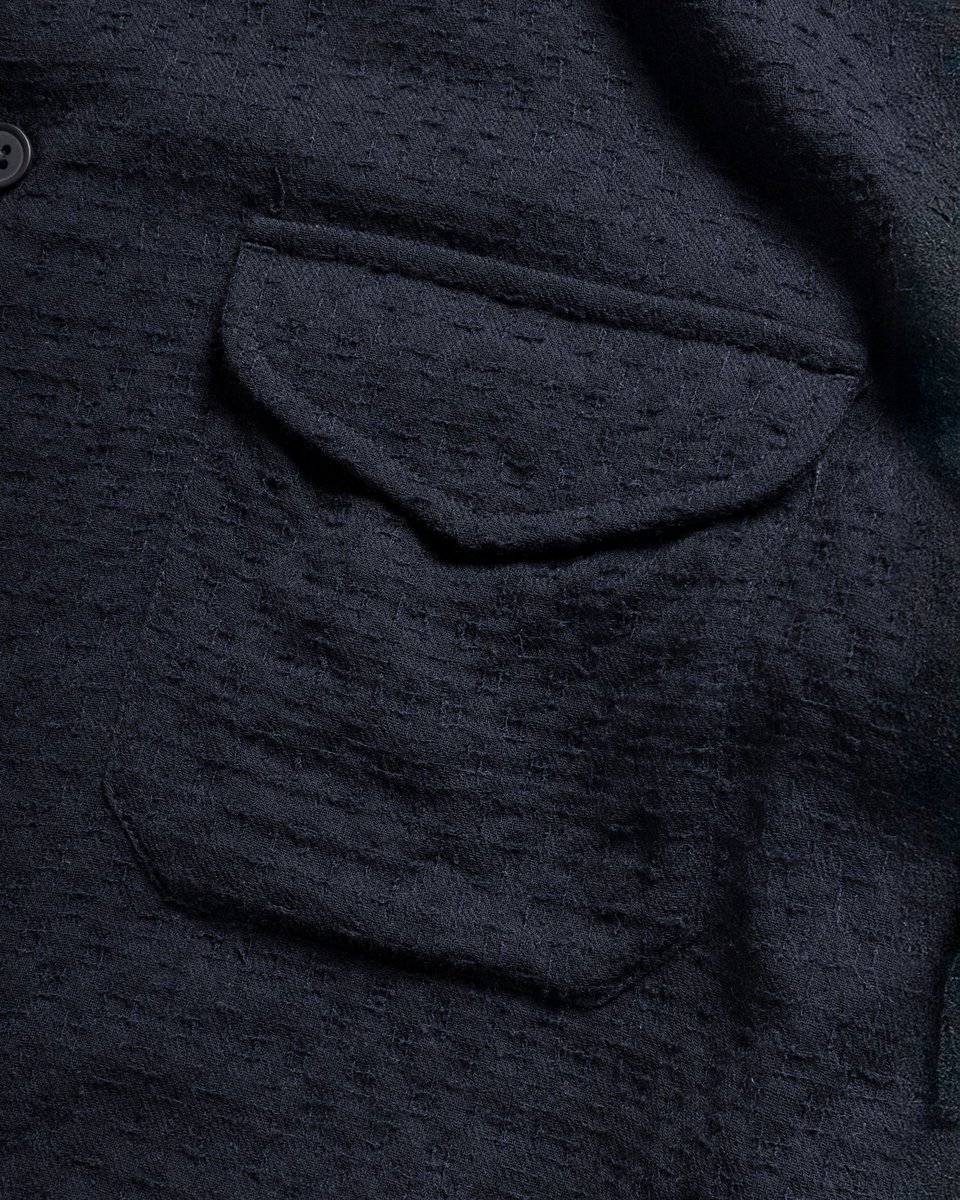
The clothes are super easy to wear because they take on traditional Western forms—mountain parkas, cargo pants, cowboy shirt, etc. But when you zoom in, you see the textiles are unique bc they're made with traditional Indian techniques. Silhouettes here are baggy like skate gear.



23
Finally, there's 11.11/eleven eleven. Along with a beautiful line of apparel following themes mentioned above, they also have clothes that make for great at-home loungewear, along with kantha laptop cases, oven mits, bed covers and quilts. Really beautiful home stuff.




24
Note, when you buy clothes like this, you want to be careful about how you care for it. Handloomed, hand-dyed, hand-embroidered fabrics sometimes require dry cleaning. They may not be able to go through a wet wash in a laundry machine. Colors may also fade quicker and unevenly.
1:01
25
But if you, like me, love craftsmanship for the sake of craftsmanship, these clothes have a level of "humanness" not seen in a lot of factory production. To me, you're buying a piece of textile art as much as you're buying a piece of clothing.