The FREE vitamin that NO ONE gets enough of. WAY beyond preventing...

Dalton (Analyze & Optimize)@Outdoctrination
108 views
Mar 15, 2025
~5 min read
Advertisement
1
The FREE vitamin that NO ONE gets enough of.
WAY beyond preventing colds, it enhances brain function, crushes stress and massively improves energy.
Let's talk about the multifaceted benefits of VITAMIN D:
WAY beyond preventing colds, it enhances brain function, crushes stress and massively improves energy.
Let's talk about the multifaceted benefits of VITAMIN D:
2
Vitamin D grows brain cells.
It allows neurons to grow far and wide, becoming more effective at spreading messages throughout the brain.
Greater cognitive function and mental health are directly tied to this function.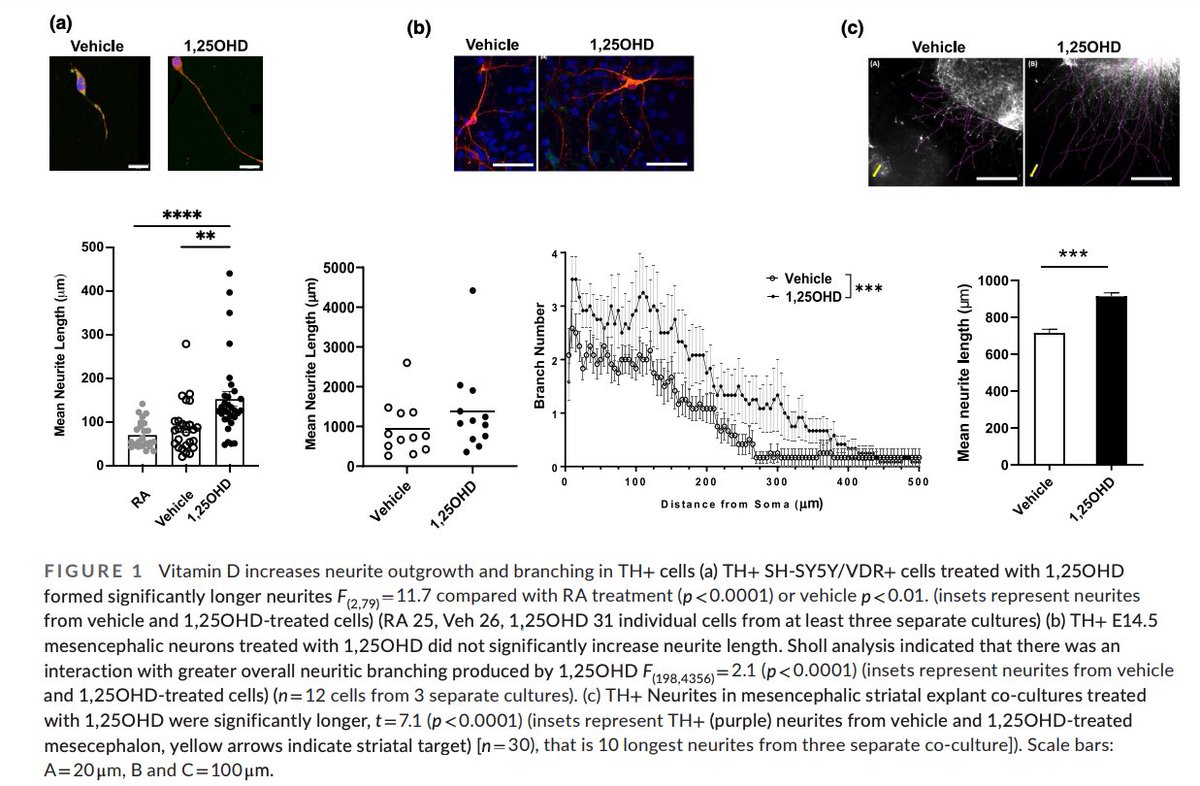
It allows neurons to grow far and wide, becoming more effective at spreading messages throughout the brain.
Greater cognitive function and mental health are directly tied to this function.
3
Vitamin D is a dopamine enhancer.
Vitamin D directly induces the expression of the dopamine producing enzyme, a neurotransmitter vital for:
• Energy
• Pleasure
• Libido
• Motivation
• Movement
• Attention
& more.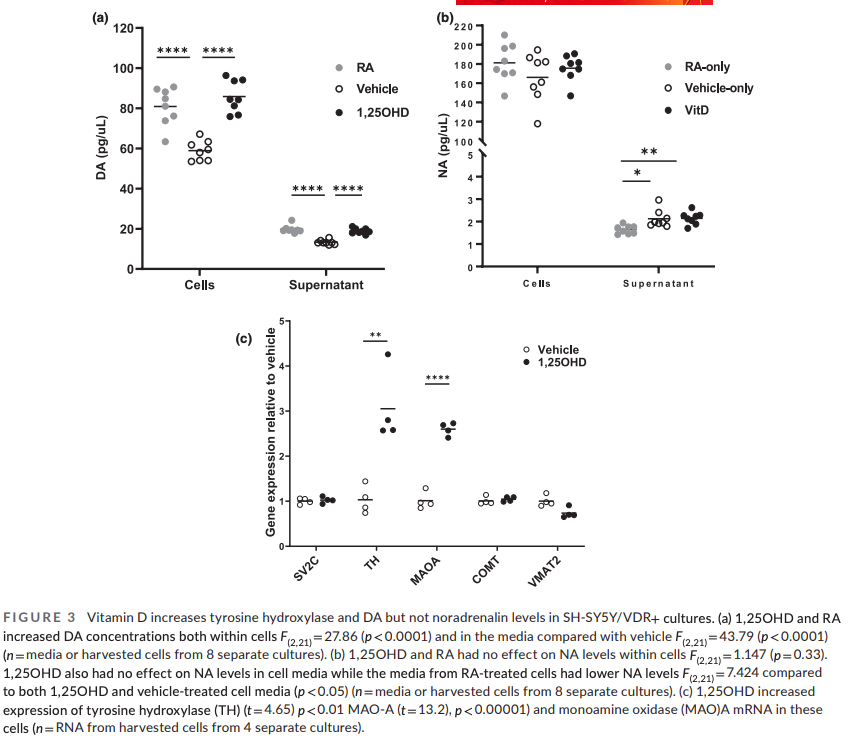
Vitamin D directly induces the expression of the dopamine producing enzyme, a neurotransmitter vital for:
• Energy
• Pleasure
• Libido
• Motivation
• Movement
• Attention
& more.
4
Vitamin D protects against Alzheimer's.
A 40% reduction in risk of developing this dementia for those using vitamin D.
It is a cardinal protector of the brain.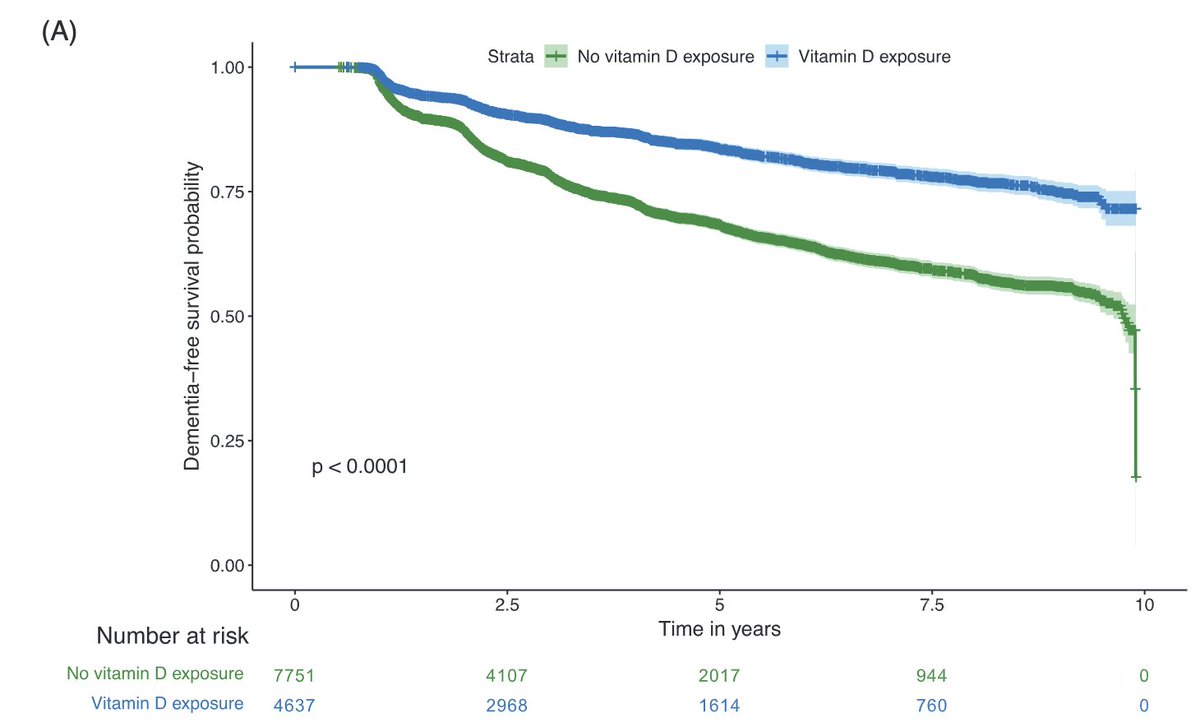
A 40% reduction in risk of developing this dementia for those using vitamin D.
It is a cardinal protector of the brain.
5
In fact, Vitamin D cuts suicide risk in half.
Supplementing it when deficient is literally a life saver.
How many people get their levels checked before their doc gives them an "antidepressant" drug?
Supplementing it when deficient is literally a life saver.
How many people get their levels checked before their doc gives them an "antidepressant" drug?
6
Calcium + vitamin D REVERSE obsessive compulsive
The combination:
• Completely stopped obsessive behavior
• Cut alcohol cravings in half
• Reduced withdrawal symptoms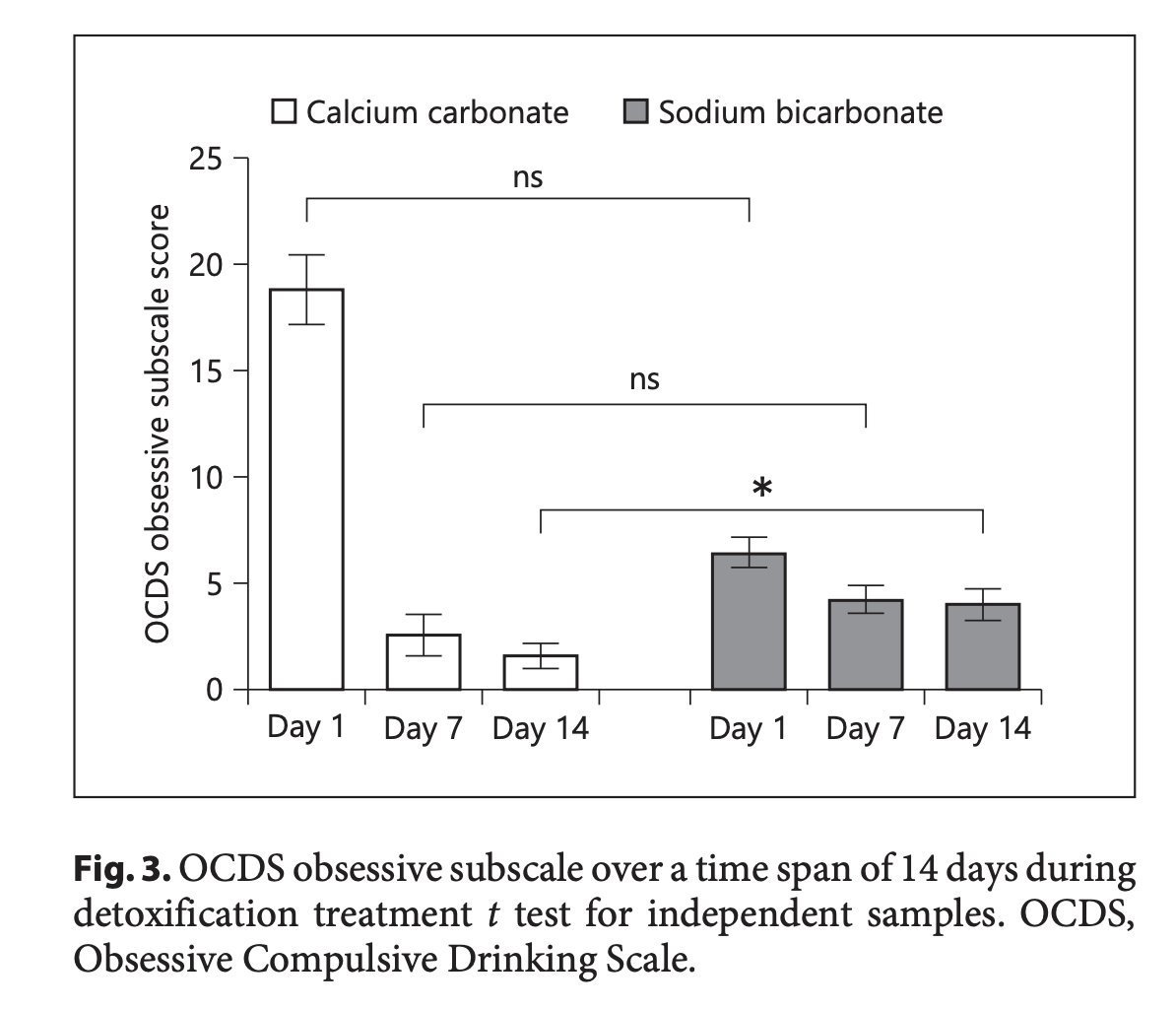
The combination:
• Completely stopped obsessive behavior
• Cut alcohol cravings in half
• Reduced withdrawal symptoms
7
Vitamin D completely abolishes severe depression.
Low vitamin D more than doubles the risk of depression, yet supplementing reverses it.
Everyone should know this.
Low vitamin D more than doubles the risk of depression, yet supplementing reverses it.
Everyone should know this.
8
Vitamin D even stops migraines.
Adjunct treatment of it reduced:
‣ Frequency
‣ Severity
‣ Duration
‣ Disability
from these horrible headaches.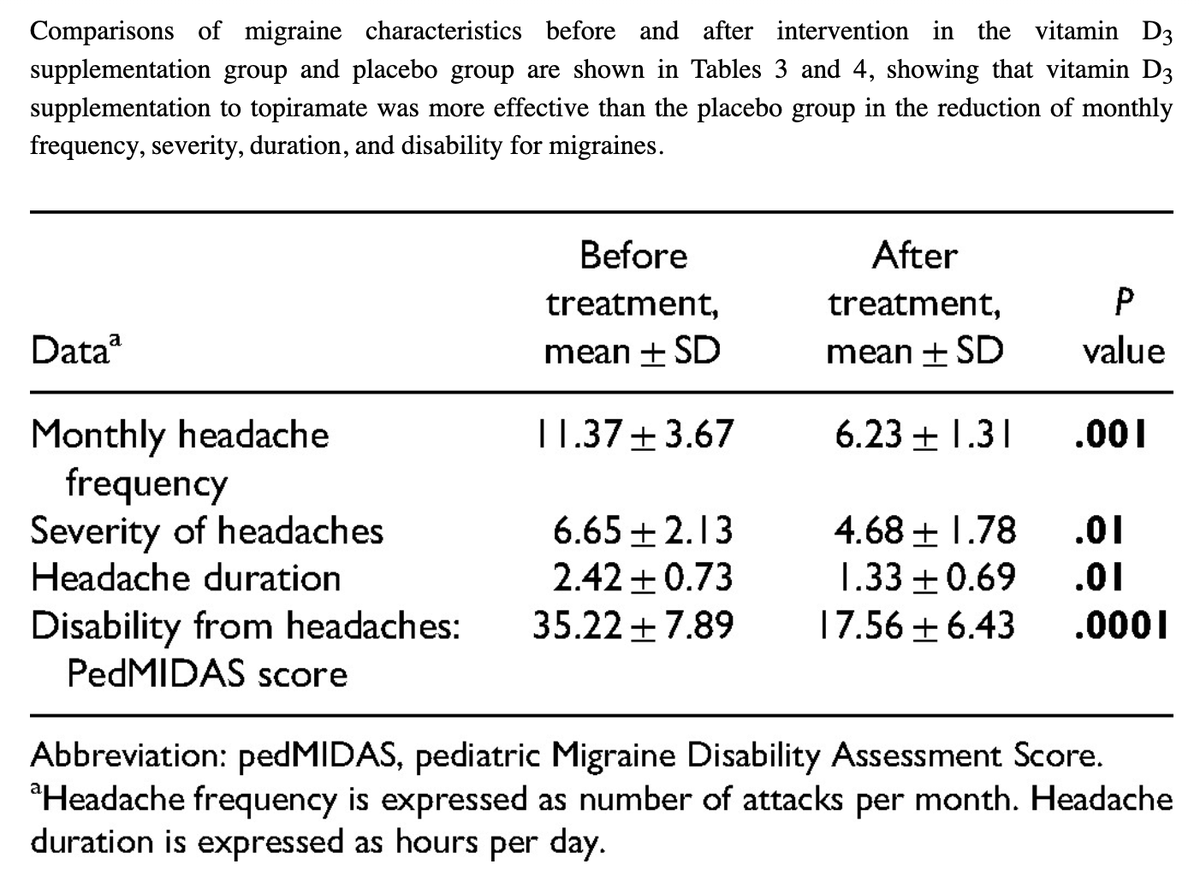
Adjunct treatment of it reduced:
‣ Frequency
‣ Severity
‣ Duration
‣ Disability
from these horrible headaches.
9
Vitamin D is a potent anti-stress nutrient.
Just 2,000 IU of vitamin D:
◦ Lowered cortisol by 40%
◦ Decreased blood pressure by 9/7 mmHg
This reliably happens with myself and clients - lacking vitamin D, you quickly start to feel the heart beat, restlessness, anxiety.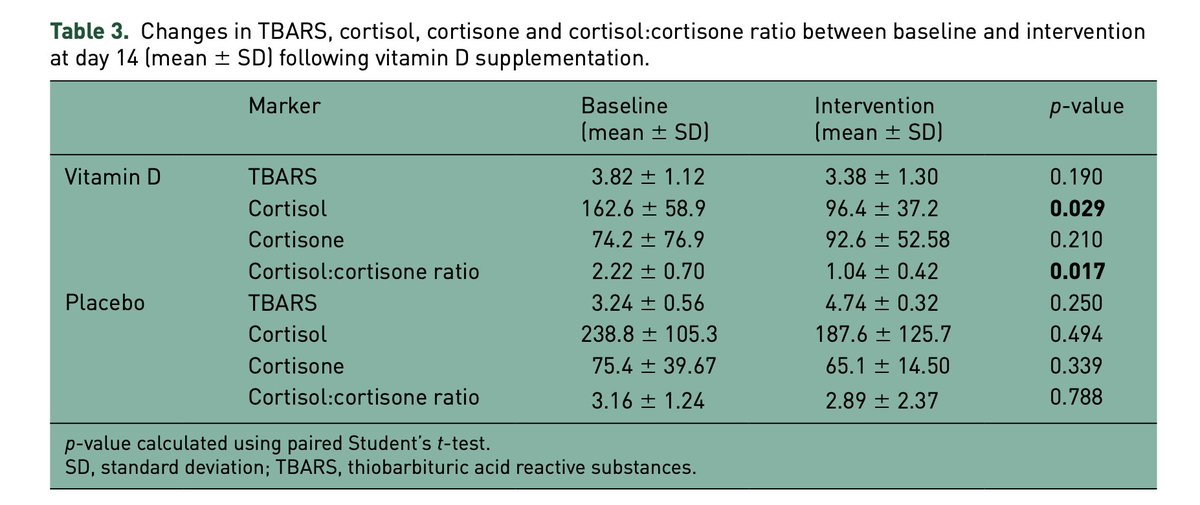
Just 2,000 IU of vitamin D:
◦ Lowered cortisol by 40%
◦ Decreased blood pressure by 9/7 mmHg
This reliably happens with myself and clients - lacking vitamin D, you quickly start to feel the heart beat, restlessness, anxiety.
10
Vitamin D is a Godsend for restful sleep:
⬩Increases sleep duration
⬩Reduces time to fall asleep
⬩Improves sleep efficiency
⬩Enhances feeling of restful sleep
⬩Decreases need for sleep meds
There's a reason the sleep after being in the sun all day hits different.
⬩Increases sleep duration
⬩Reduces time to fall asleep
⬩Improves sleep efficiency
⬩Enhances feeling of restful sleep
⬩Decreases need for sleep meds
There's a reason the sleep after being in the sun all day hits different.
11
Vitamin D is also a master energy booster.
It was shown to MASSIVELY improve:
‣ Fatigue
‣ Physical functioning
‣ Emotional wellbeing
‣ Pain
‣ General health
I see this all the time where people get pulled out of brutal fatigue just from some vitamin D.
It was shown to MASSIVELY improve:
‣ Fatigue
‣ Physical functioning
‣ Emotional wellbeing
‣ Pain
‣ General health
I see this all the time where people get pulled out of brutal fatigue just from some vitamin D.
12
Vitamin D slashes the risk of hypothyroidism.
It is needed for nearly every step in the synthesis and metabolism of thyroid hormones.
Part of the reason it reliably picks up your energy.
It is needed for nearly every step in the synthesis and metabolism of thyroid hormones.
Part of the reason it reliably picks up your energy.
13
Vitamin D even protects against autoimmune thyroid disease (Hashimoto's)
It was shown to drastically lower these auto-thyroid antibodies.
Yet folks are always told autoimmune disease is untreatable.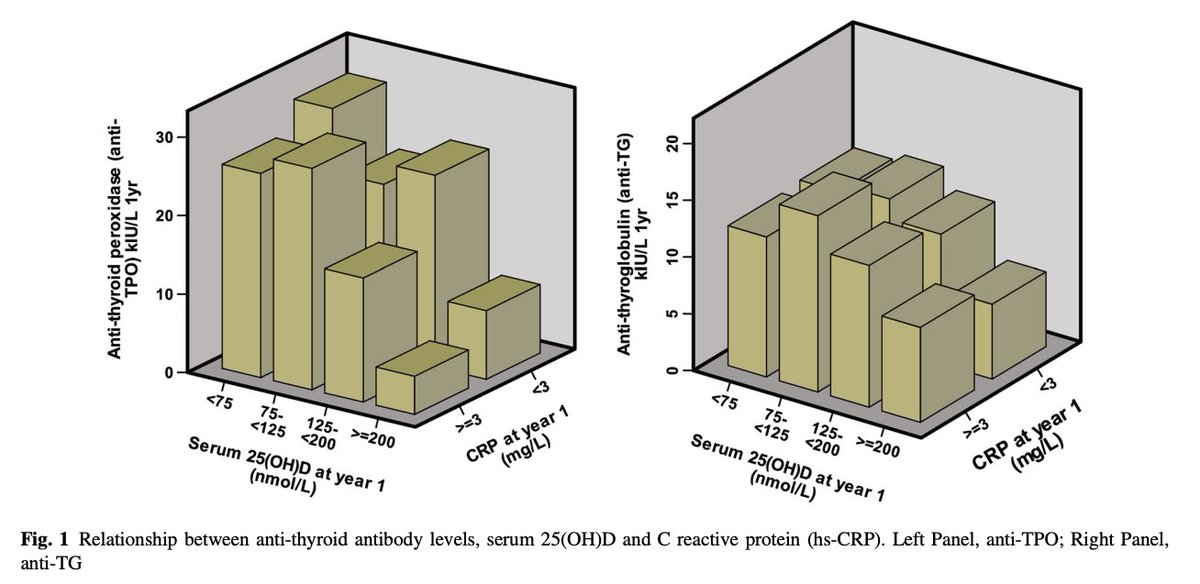
It was shown to drastically lower these auto-thyroid antibodies.
Yet folks are always told autoimmune disease is untreatable.
14
In fact, Vitamin D prevents various autoimmune disease:
⬨ Rheumatoid arthritis
⬨ Polymyalgia rheumatica
⬨ Autoimmune thyroid disease
⬨ Psoriasis
Reduced by over 20% by supplementing vitamin D daily.
Vital for the proper differentiation of immune cells.
⬨ Rheumatoid arthritis
⬨ Polymyalgia rheumatica
⬨ Autoimmune thyroid disease
⬨ Psoriasis
Reduced by over 20% by supplementing vitamin D daily.
Vital for the proper differentiation of immune cells.
15
Need to grow hair? Vitamin D does that too.
Vitamin D alone stops hair loss,
and in combination with hair loss drugs,
boosts hair thickness and number more than drugs alone.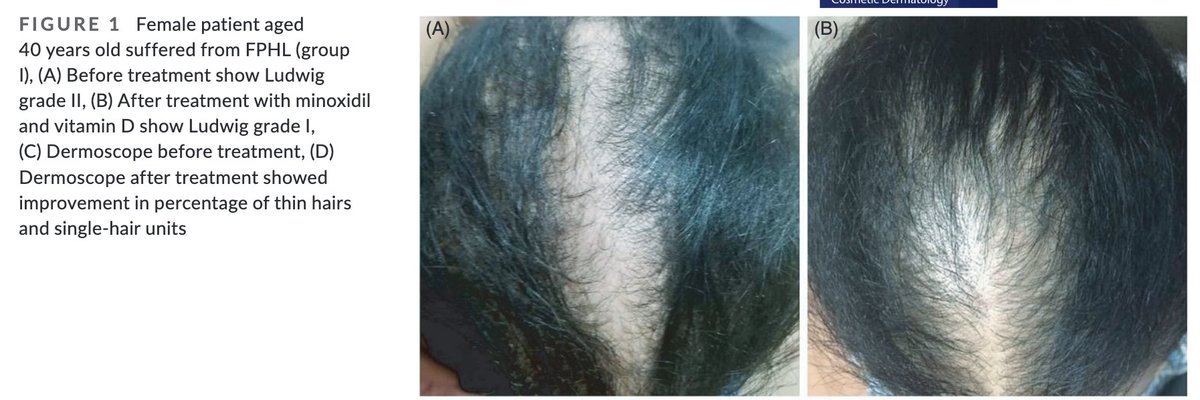
Vitamin D alone stops hair loss,
and in combination with hair loss drugs,
boosts hair thickness and number more than drugs alone.
16
Vitamin D is CRITICAL for good digestion.
Low vitamin D is VERY prevalent in IBS,
supplementing resolves symptoms.
⬨ Preserves gut mucus
⬨ Bolsters gut immunity
⬨ Antimicrobial
⬨ Anti-stress
⬨ Anti-serotonin
⬨ Anti-inflammatory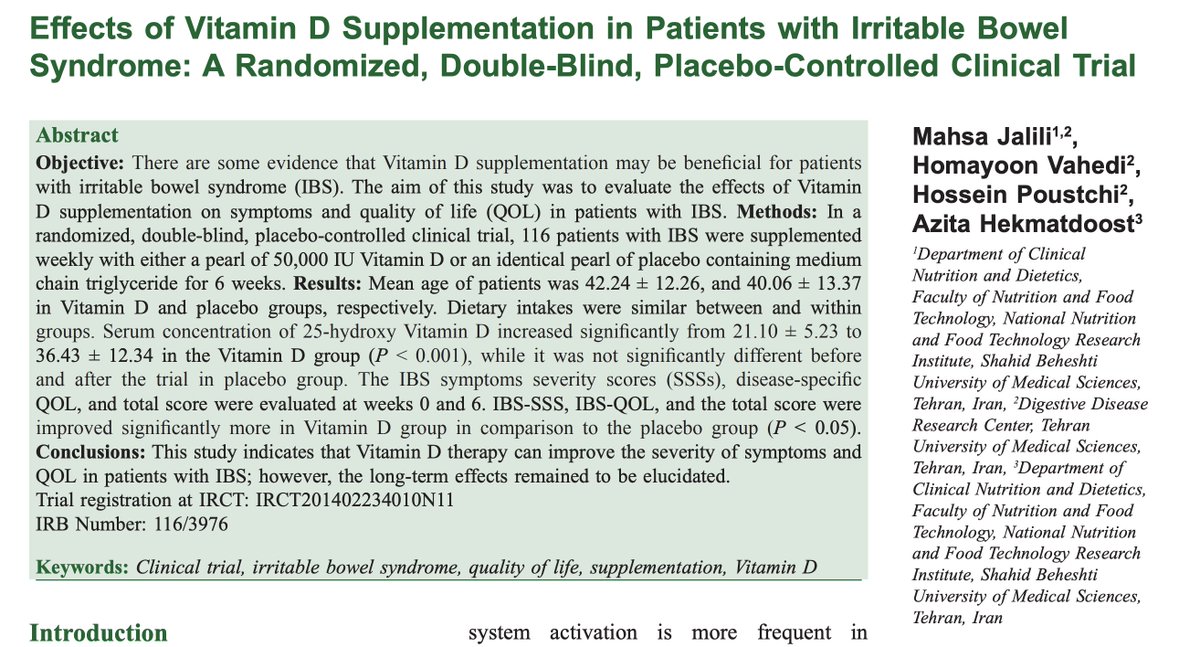
Low vitamin D is VERY prevalent in IBS,
supplementing resolves symptoms.
⬨ Preserves gut mucus
⬨ Bolsters gut immunity
⬨ Antimicrobial
⬨ Anti-stress
⬨ Anti-serotonin
⬨ Anti-inflammatory
17
Vitamin D lowers serotonin, improves autism.
Vitamin D is often low in autism, leading to high serotonin,
which drives digestive + autistic symptoms.
Supplementing vitamin D:
‣ Lowers serotonin
‣ Improves Autism Behavior Checklist
‣ Improves Childhood Autism Rating Scale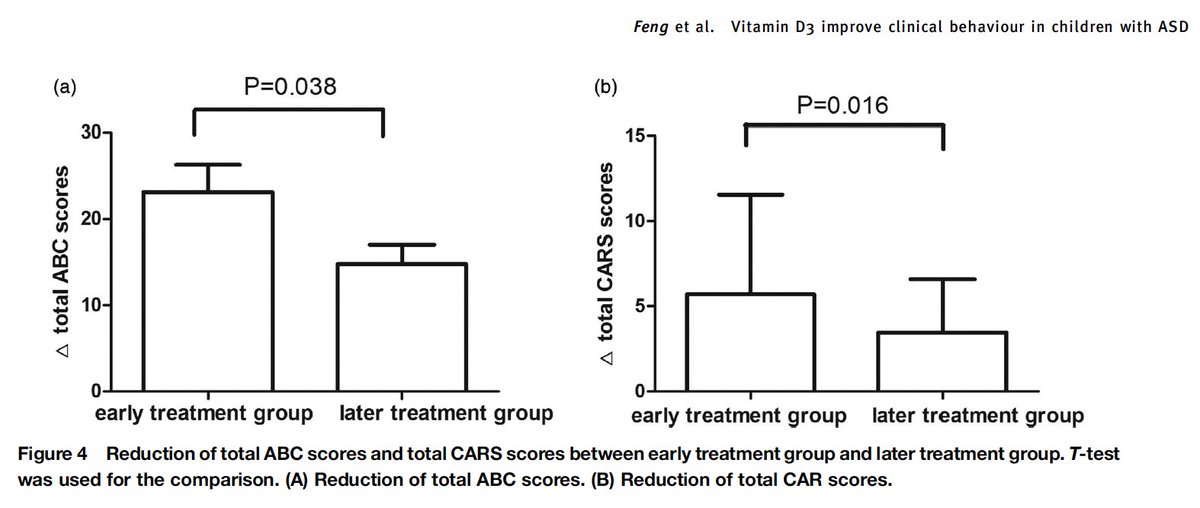
Vitamin D is often low in autism, leading to high serotonin,
which drives digestive + autistic symptoms.
Supplementing vitamin D:
‣ Lowers serotonin
‣ Improves Autism Behavior Checklist
‣ Improves Childhood Autism Rating Scale
18
Vitamin D boosts testosterone.
The testosterone producing cells in the testicles require vitamin D to properly churn out androgens.
People who don't respond to "conventional" treatment are often simply lacking vitamin D.
The testosterone producing cells in the testicles require vitamin D to properly churn out androgens.
People who don't respond to "conventional" treatment are often simply lacking vitamin D.
19
I STRONGLY suggest getting vitamin D levels checked regularly.
Best if it's 40-80 ng/dL (100-200 nmol/L)
If you can't full body (or close) sun exposure regularly, supplementing is a no brainer.
5,000-10,000 IU / day.
We use this all the time. healthnatura.com/vitamin-d3-in-…
Best if it's 40-80 ng/dL (100-200 nmol/L)
If you can't full body (or close) sun exposure regularly, supplementing is a no brainer.
5,000-10,000 IU / day.
We use this all the time. healthnatura.com/vitamin-d3-in-…
20
I would also get calcium levels checked.
Too much vitamin D without enough Vitamin K2, dietary calcium, magnesium and vitamin A can lead to high levels of calcium in the blood - this is very bad.
A combination product like this can be useful. healthnatura.com/vitamins-adk-1…
Too much vitamin D without enough Vitamin K2, dietary calcium, magnesium and vitamin A can lead to high levels of calcium in the blood - this is very bad.
A combination product like this can be useful. healthnatura.com/vitamins-adk-1…
21
From the studies I've seen, getting 5,000-10,000 IU of vitamin D is ideal.
Here's a quick guide in terms of how to get enough from the sun.
Here's a quick guide in terms of how to get enough from the sun.
22
If you're concerned about skin cancer from the sun, check this out: x.com/Outdoctrinatio…
23
If you're interested in getting some PERSONALIZED help for your health goals, we're here to help.
Get started with a free call here.
prism.miami
Get started with a free call here.
prism.miami
24
Let's keep going.
Vitamin D supercharges libido.
Increases:
‣ Satisfaction
‣ Arousal
‣ Orgasm
among other metrics.
A potent anti-stress nutrient & a regulator of sex hormone synthesis.
Vitamin D supercharges libido.
Increases:
‣ Satisfaction
‣ Arousal
‣ Orgasm
among other metrics.
A potent anti-stress nutrient & a regulator of sex hormone synthesis.
25
Symptoms that improve when lowering parathyroid hormone:
→ Fatigue
→ Peeing during the night
→ Constipation
→ Nausea
→ Depression
→ Memory loss
→ Appetite loss
→ Heartburn
Vitamin D, magnesium and calcium are the primary nutrients that lower this hormone.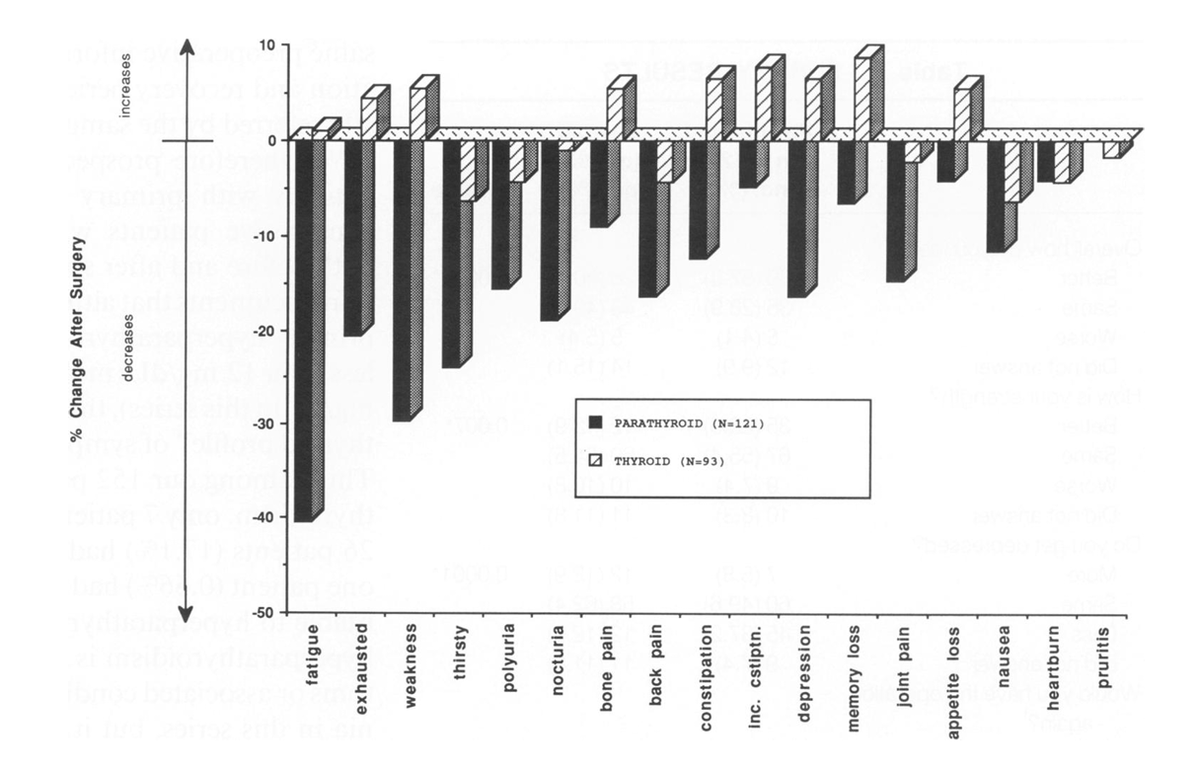
→ Fatigue
→ Peeing during the night
→ Constipation
→ Nausea
→ Depression
→ Memory loss
→ Appetite loss
→ Heartburn
Vitamin D, magnesium and calcium are the primary nutrients that lower this hormone.
26
Vitamin D improves insulin resistance.
By lowering stress, enhancing thyroid function and more, vitamin D improves insulin sensitivity.
An all encompassing pro-metabolic nutrient.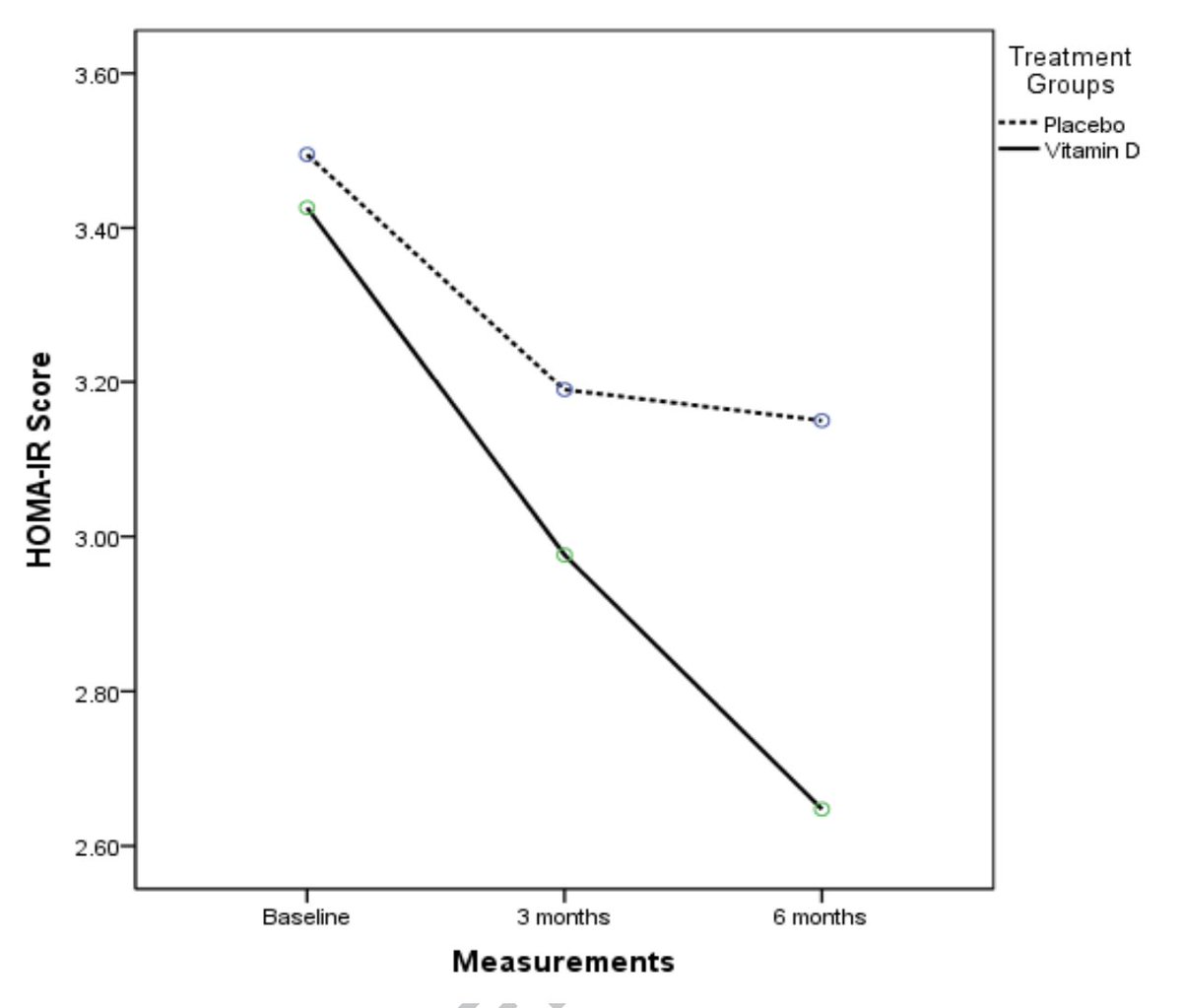
By lowering stress, enhancing thyroid function and more, vitamin D improves insulin sensitivity.
An all encompassing pro-metabolic nutrient.
27
Vitamin D bolsters antioxidant status.
It lowers how much of our fat is saturated,
and preserves various antioxidants such as vitamin E.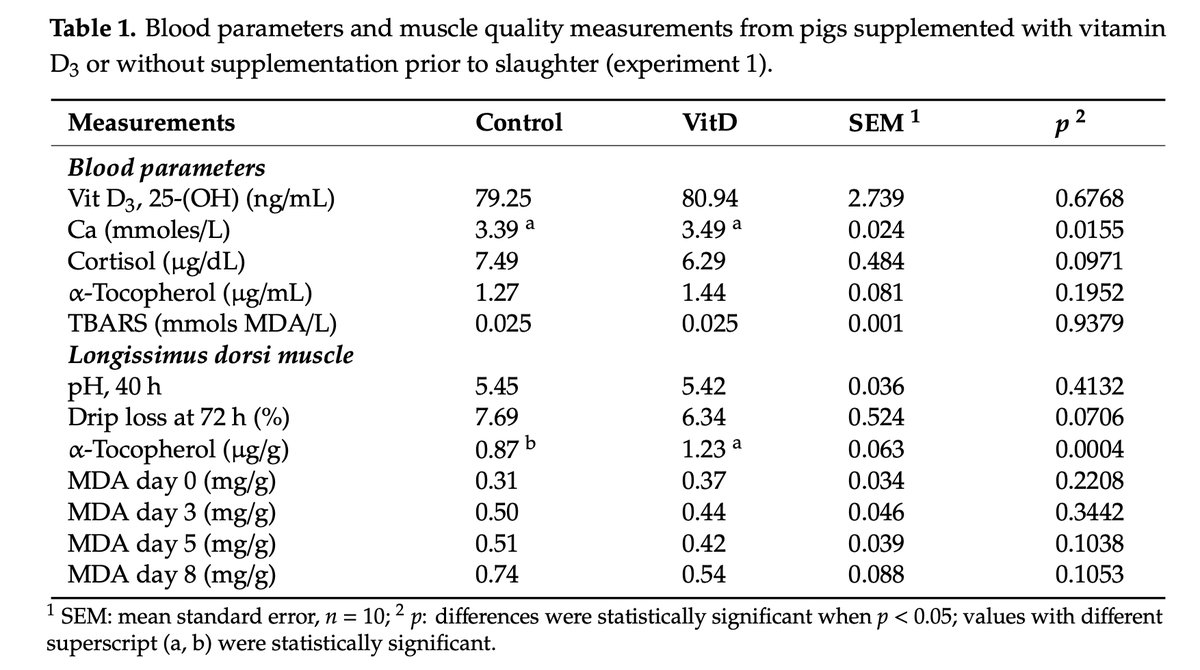
It lowers how much of our fat is saturated,
and preserves various antioxidants such as vitamin E.
28
Vitamin D protects against cavities.
Saliva from people taking 1,000 IU vitamin D/day:
◦ Remineralized teeth that were dipped in acid
◦ Nearly completely restored the hardness of teeth
Teeth aren't just stones, they're active tissue that respond to nutrition and metabolism!
Saliva from people taking 1,000 IU vitamin D/day:
◦ Remineralized teeth that were dipped in acid
◦ Nearly completely restored the hardness of teeth
Teeth aren't just stones, they're active tissue that respond to nutrition and metabolism!
29
Vitamin D deficiency is an epidemic:
Vitamin D "insufficiency" (<30 ng/ml or <75 nmol/L)
‣ Global: 76.6%
Vitamin D deficiency (<20 ng/ml or <50 nmol/L)
‣ United States: 24%
‣ Canada: 37%
‣ Europe: 40%
‣ Global: 44.7%
Severe vitamin D deficiency (<12 ng/ml or <30 nmol/L)
‣ United States: 5.9%
‣ Canada: 7.4%
‣ Europe: 13%
‣ Global: 15.7%
Optimal levels are >40 ng/ml or >100 nmol/L, only a small fraction of the world achieves this.
Time to address it.
Vitamin D "insufficiency" (<30 ng/ml or <75 nmol/L)
‣ Global: 76.6%
Vitamin D deficiency (<20 ng/ml or <50 nmol/L)
‣ United States: 24%
‣ Canada: 37%
‣ Europe: 40%
‣ Global: 44.7%
Severe vitamin D deficiency (<12 ng/ml or <30 nmol/L)
‣ United States: 5.9%
‣ Canada: 7.4%
‣ Europe: 13%
‣ Global: 15.7%
Optimal levels are >40 ng/ml or >100 nmol/L, only a small fraction of the world achieves this.
Time to address it.