At the outbreak of the largest human conflict, WWI, when most...

The Paperclip@Paperclip_In
27 views
Mar 07, 2024
~3 min read
1
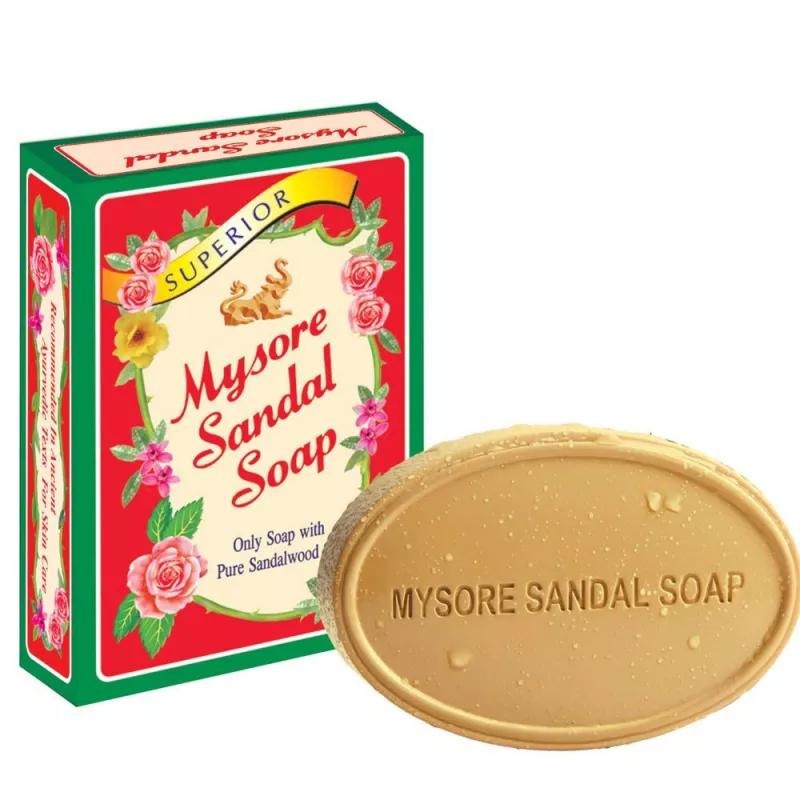
At the outbreak of the largest human conflict, WWI, when most supply chains collapsed, a progressive Maharaja, his visionary Dewan and a scientist made an indigenous innovation that became a cultural identity and an international icon – A thread (1/19)
2
According to historical records, the perfumery industry in India flourished at least two centuries before Grasse in France became the ‘Perfume Capital of the World’ (2/19)
3
However, in a country like India, the affordability of expensive perfume has always been restricted to a small wealthy community; the masses instead preferring aromatic soaps as their daily affordable luxury (3/19)
4
And no soap in this country has more ambrosial scent than a certain indigenous product from Karnataka – Mysore Sandal Soap (4/19)

5
The century-old journey started as a by-product of the crisis during WWI. Back then, Mysore was the largest producer of sandalwood in the world and a major part of it was exported to Europe (5/19)
6
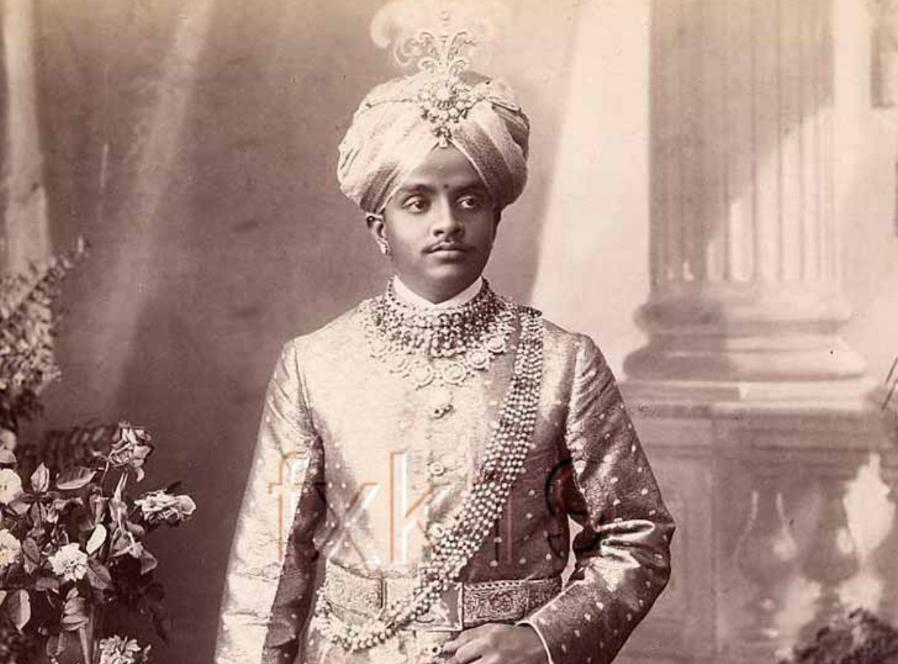
The wartime chaos led to uncertain times as the supply chain came to a hard stop. The then ruler of the state, Sri Krishnaraja Wadiyar IV was in a dilemma (6/19)
7
Wadiyar was a progressive leader and deeply devoted towards the welfare and economic development of the region. As he was running out of ideas on how to preserve the abundant sandalwood forests in his kingdom, fortune played its part (7/19)
8
In 1918, Wadiyar received a set of sandalwood oil soaps from one of his admirers. The gift immediately gave the King a potential business idea. He ordered his Dewan, Mokshagundam Visvesvaraya to set up soap-making experiments at the Indian Institute of Science (8/19)
9
This was where Wadiyar and Visvesvaraya met with revered chemist Sosale Garalapuri Shastry. Together they came to an arrangement and as its outcome, Shastry was sent to England to further develop his expertise in soap making (9/19)
10
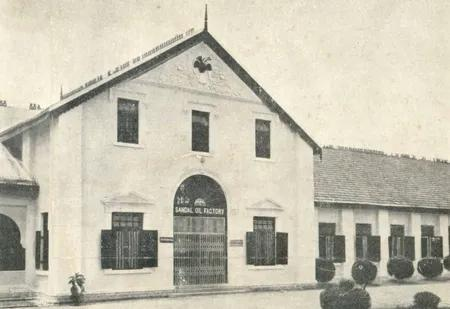
Back in Karnataka, Wadiyar set up the first government soap factory in Bengaluru and another factory for distilling oil from sandalwood in Mysore in 1918 (10/19)
11
In the same year, the technique of using sandalwood oil for making soaps was also standardized. Later in 1980, the Government soap factory and the sandalwood oil factories were merged, and the new entity was named Karnataka Soaps and Detergents Limited or KSDL (11/19)

12
Shastry was given the challenging task to come up with innovative packaging ideas for the end product which he passed with flying colors (12/19)
13
He creatively designed the logo of the brand by improvising the image of Lord Sharabha, transforming the mythical creature with the head of an elephant and the body of a lion (13/19)
14
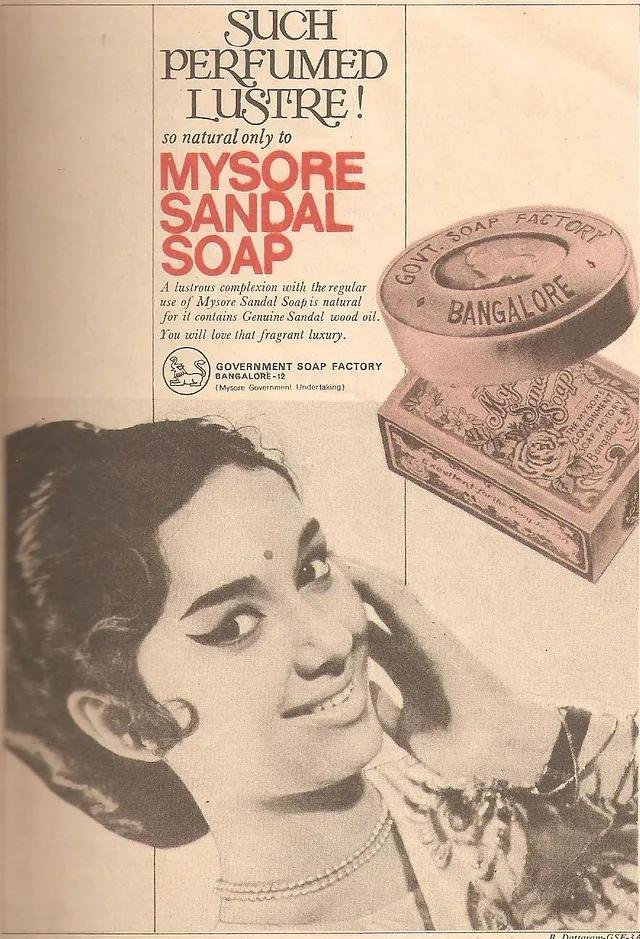
The soaps were finally packaged in a pretty, rectangular floral-pattern box, which resembled a small jewelry box (14/19)
15
It also had a message printed on each side of the box, that read – ‘Srigandhada Tavarininda’ which translates to ‘from the maternal home of sandalwood’. One of the key factors that helped the soap stand tall against a plethora of national and international competitors, was its ingredients (15/19)
16
Mysore Sandal Soap is the only soap in the world which uses pure sandalwood oil as its primary ingredient. The glycerin and other natural compounds used to make the soap are carefully selected to ensure that the soap will not only be extremely aromatic but also gentle on the skin (16/19)
17
In 2006, the soap received a Geographical Indicator (GI) label which shows only KSDL soap has the right to call itself “Mysore Sandalwood” soap (17/19)

18
Withstanding the test of time, KSDL remains to be one of the few public-sector businesses of Karnataka that still has a consistent growth. Even until recently the company had registered its highest gross turnover of Rs. 476 crores (18/19)
19
The steadfast quality control from KSDL gave their product almost a monopoly on the sandalwood bathing soaps market. It’s not only a product but a cultural identity that since its inception over a century ago, has traveled across continents and spread its majestic aroma and remained unaltered (19/19)
20
Sources:
S, Bageshree. “Scent of the region”. web.archive.org/web/2007100106…
Shukla, Anurag. “The Fragrance of Sandalwood: A History of the Mysore Sandal Soap”. anuraag-shukla.medium.com/the-fragrance-…
Images:
medium.com
S, Bageshree. “Scent of the region”. web.archive.org/web/2007100106…
Shukla, Anurag. “The Fragrance of Sandalwood: A History of the Mysore Sandal Soap”. anuraag-shukla.medium.com/the-fragrance-…
Images:
medium.com
21
Images: Official website of Mysuru Sandal soap