Author @shaneparrish reads 100+ books a year and has a library of...

Alex & Books 📚@AlexAndBooks_
22 views
Mar 31, 2024
~5 min read
Advertisement
1
Author @shaneparrish reads 100+ books a year and has a library of 4,000+ books.
Here are 37 tips from him on how to read more & better:
1) Reading is a long-term investment I make in myself. I don’t have the time not to.
2) When it comes to reading, my philosophy is simple: Skim a lot of books. Read a few. Immediately re-read the best ones twice.
3) The person who reads one great book twice is better off than the person who reads ten average books.
4) There are no rules when it comes to choosing books. We don’t have to read bestsellers, or classics, or books everyone else raves about.
5) When it comes to reading, you don’t need to finish what you start. As a general rule, people who love reading never, ever finish a crappy book.
6) Speed-reading is bullshit. Getting the rough gist and absorbing the lessons are two different things. Confuse them at your peril.
7) If you’re reading fast you’re not thinking and challenging what you’re reading. You’re not being critical. All of that is work. And if you’re not doing the work, you’re only walking away with surface knowledge.
8) Reading fast is worse than not reading. Reading fast gives you two things that should never mix: surface knowledge and overconfidence.
9) The secret to reading better is reading lots of good books slowly. This enables you to build knowledge. Knowledge, in turn, allows you to read faster with true comprehension and retention.
10) Finding time to read is easier than you might think. Waiting for a bus? Stop staring down the street and read. Waiting for a taxi? Read. On the train? Read. On the plane? Read. Waiting for your flight? Read.
11) There’s an advantage to be gained from reading things other people are not reading because you will gain knowledge and insights that not everyone else has.
12) The more interesting and relevant we find a book, the more likely we are to remember its contents in the future.
13) While rereading can seem like a waste of time because there are so many other books to read, this is a misunderstanding of the learning process. The goal is not to read as many books as possible. The goal is to gain as much wisdom as you can.
14) Teaching others is a powerful way to embed information in your mind. Upon completing a book, grab the nearest (willing) person and tell them about what you have learned.
15) If we read but don’t reflect, we only have the illusion of knowledge. Making the knowledge or own means digesting, synthesizing, and organizing the information.
16) Quality matters more than quantity. If you read one book a month but fully appreciate and absorb it, you’ll be better off than someone who skims half the library without paying attention.
17) Book summary services miss the point. A lot of companies charge ridiculous prices for access to vague summaries bearing only the faintest resemblance to anything in the book. Summaries can be a useful jumping-off point to explore your curiosity, but you cannot learn from them the way you can from the original text.
18) Fancy apps and tools are not needed. A notebook, index cards, and a pen will do just fine.
19) We shouldn’t read stuff we find boring. Life is far too short.
20) The work of reading: Read a book while highlighting heavily. Distill highlights into core insights, written in your own words. Put into a searchable format. Review regularly.
21) Ignorance is more expensive than a book.
22) Understanding more of what you read is better than reading faster.
23) Most people read the same new books that everyone else has read, not necessarily for the ideas but for the social reward of being able to talk about them with others.
24) Reading the same thing as everyone else is only going to put the same ideas in your head that everyone else has.
25) Reading speed is a vanity metric. In the real world, no one cares how fast you read or how many books you read last year or last week. All that matters is what you absorb and apply.
26) A good book, like a good wine, deserves to be savored. Find something worth reading, then chew on the ideas slowly and deeply. Simple but not easy.
27) Reading for curiosity is better than reading for self-improvement.
28) If you want new ideas, read old books.
29) All the time you spend reading something bad comes at the expense of reading something good.
30) Reading consumes time. And if we equate time with money, it should not be wasted on bad books.
31) Good writing reads itself you can’t stop reading. Bad writing, on the other hand, feels like a chore.
32) Not everything needs to be read with the same focus and intensity. Some books deserve a skim, while others deserve your complete attention.
33) Read old books. Read the best ones twice.
34) Writing about what you read is the key to turning the experience of reading into knowledge you can use. Writing is reflection.
35) Reading habits don’t need to be complicated; you can start a simple 25 page-a-day habit right now. While it seems small, the gains add up quickly.
36) Instead of the news, we should read good books. More than just read them, we should re-read them.
37) If you’re struggling to stay focused on a particularly difficult or lengthy book, decide to read a mere 25 pages of it a day. It takes only a few minutes to nibble away at a challenging text. Completing a long book in this manner might take months, but at least you will have read it without getting overwhelmed or bored.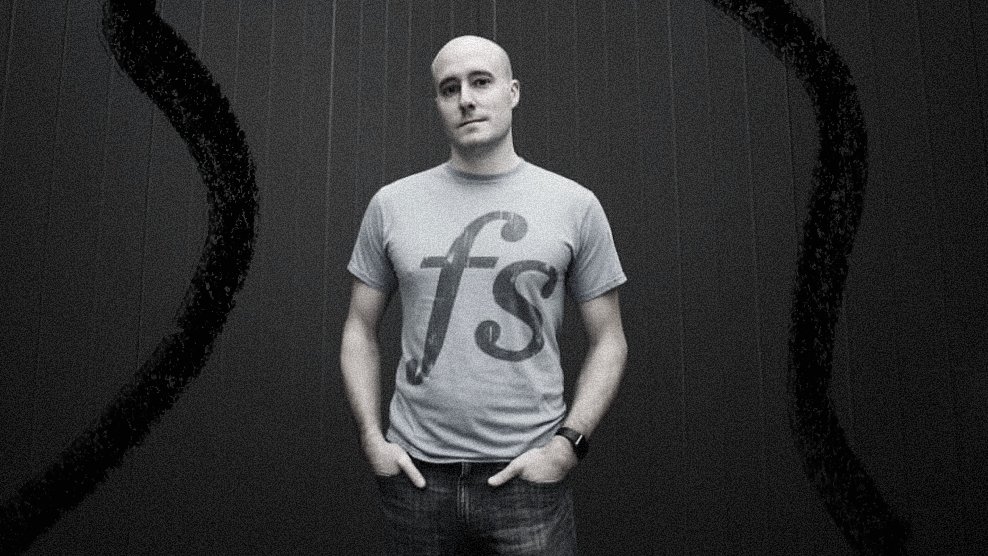
Here are 37 tips from him on how to read more & better:
1) Reading is a long-term investment I make in myself. I don’t have the time not to.
2) When it comes to reading, my philosophy is simple: Skim a lot of books. Read a few. Immediately re-read the best ones twice.
3) The person who reads one great book twice is better off than the person who reads ten average books.
4) There are no rules when it comes to choosing books. We don’t have to read bestsellers, or classics, or books everyone else raves about.
5) When it comes to reading, you don’t need to finish what you start. As a general rule, people who love reading never, ever finish a crappy book.
6) Speed-reading is bullshit. Getting the rough gist and absorbing the lessons are two different things. Confuse them at your peril.
7) If you’re reading fast you’re not thinking and challenging what you’re reading. You’re not being critical. All of that is work. And if you’re not doing the work, you’re only walking away with surface knowledge.
8) Reading fast is worse than not reading. Reading fast gives you two things that should never mix: surface knowledge and overconfidence.
9) The secret to reading better is reading lots of good books slowly. This enables you to build knowledge. Knowledge, in turn, allows you to read faster with true comprehension and retention.
10) Finding time to read is easier than you might think. Waiting for a bus? Stop staring down the street and read. Waiting for a taxi? Read. On the train? Read. On the plane? Read. Waiting for your flight? Read.
11) There’s an advantage to be gained from reading things other people are not reading because you will gain knowledge and insights that not everyone else has.
12) The more interesting and relevant we find a book, the more likely we are to remember its contents in the future.
13) While rereading can seem like a waste of time because there are so many other books to read, this is a misunderstanding of the learning process. The goal is not to read as many books as possible. The goal is to gain as much wisdom as you can.
14) Teaching others is a powerful way to embed information in your mind. Upon completing a book, grab the nearest (willing) person and tell them about what you have learned.
15) If we read but don’t reflect, we only have the illusion of knowledge. Making the knowledge or own means digesting, synthesizing, and organizing the information.
16) Quality matters more than quantity. If you read one book a month but fully appreciate and absorb it, you’ll be better off than someone who skims half the library without paying attention.
17) Book summary services miss the point. A lot of companies charge ridiculous prices for access to vague summaries bearing only the faintest resemblance to anything in the book. Summaries can be a useful jumping-off point to explore your curiosity, but you cannot learn from them the way you can from the original text.
18) Fancy apps and tools are not needed. A notebook, index cards, and a pen will do just fine.
19) We shouldn’t read stuff we find boring. Life is far too short.
20) The work of reading: Read a book while highlighting heavily. Distill highlights into core insights, written in your own words. Put into a searchable format. Review regularly.
21) Ignorance is more expensive than a book.
22) Understanding more of what you read is better than reading faster.
23) Most people read the same new books that everyone else has read, not necessarily for the ideas but for the social reward of being able to talk about them with others.
24) Reading the same thing as everyone else is only going to put the same ideas in your head that everyone else has.
25) Reading speed is a vanity metric. In the real world, no one cares how fast you read or how many books you read last year or last week. All that matters is what you absorb and apply.
26) A good book, like a good wine, deserves to be savored. Find something worth reading, then chew on the ideas slowly and deeply. Simple but not easy.
27) Reading for curiosity is better than reading for self-improvement.
28) If you want new ideas, read old books.
29) All the time you spend reading something bad comes at the expense of reading something good.
30) Reading consumes time. And if we equate time with money, it should not be wasted on bad books.
31) Good writing reads itself you can’t stop reading. Bad writing, on the other hand, feels like a chore.
32) Not everything needs to be read with the same focus and intensity. Some books deserve a skim, while others deserve your complete attention.
33) Read old books. Read the best ones twice.
34) Writing about what you read is the key to turning the experience of reading into knowledge you can use. Writing is reflection.
35) Reading habits don’t need to be complicated; you can start a simple 25 page-a-day habit right now. While it seems small, the gains add up quickly.
36) Instead of the news, we should read good books. More than just read them, we should re-read them.
37) If you’re struggling to stay focused on a particularly difficult or lengthy book, decide to read a mere 25 pages of it a day. It takes only a few minutes to nibble away at a challenging text. Completing a long book in this manner might take months, but at least you will have read it without getting overwhelmed or bored.
2
PS: If you enjoyed this thread and are looking for
-awesome book recommendations
-insightful book summaries
-tips to read more books
Join 35,000+ readers here:
alexandbooks.beehiiv.com/subscribe
-awesome book recommendations
-insightful book summaries
-tips to read more books
Join 35,000+ readers here:
alexandbooks.beehiiv.com/subscribe
3
And if you want more reading advice, check out these tips from Naval:

Alex & Books 📚@AlexAndBooks_
Naval Ravikant is one of the most respected investors and thinkers of our time.
He credits reading 1-2 hours per day as the main reason he's been so successful.
Here are 43 reading tips from @naval:
1) Read what you love until you love to read.
2) Read the books they want to ban.
3) Reading a book isn’t a race—the better the book, the more slowly it should be absorbed.
4) I always spent money on books. I never viewed that as an expense. That’s an investment to me.
5) Good books are worth re-reading. Great books are worth re-buying.
6) The smarter you get, the slower you read.
7) If you can speed read it, it isn't worth reading.
8) Reading is the ultimate meta-skill and can be traded for anything else.
9) A vacation is a very expensive way to schedule the time to read a book in peace.
10) Reading is more efficient when at rest. Audio is more efficient when in motion.
11) Read to satisfy your own natural curiosity, not to impress or accomplish.
12) The genuine love for reading itself, when cultivated, is a superpower.
13) If it doesn’t grab my attention within the first chapter in a meaningful, positive way, I’ll either drop the book or skip ahead a few chapters.
14) Most books should just be summaries so I leave most books unfinished and only make it all the way through a few. The best ones can’t be easily summarized.
15) I don’t believe in delayed gratification when there are an infinite number of books out there to read. There are so many great books.
16) We live in the age of Alexandria, when every book and every piece of knowledge ever written down is a fingertip away. The means of learning are abundant—it’s the desire to learn that is scarce.
17) Learn to love to read, and all human knowledge is available to you right now.
18) If they wrote it to make money, don't read it.
19) Sequels are rarely good because the author that dumped decades of insights into the first book is suddenly given months to produce a second.
20) Assigned reading is propaganda.
21) I read out of curiosity and interest. The best book is the one you’ll devour.
22) Read enough, and you become a connoisseur. Then you naturally gravitate more toward theory, concepts, nonfiction.
23) Listening to books instead of reading them is like drinking your vegetables instead of eating them.
24) Study logic and math, because once you've mastered them, you won't fear any book.
25) No book in the library should scare you...You should be able to take any book down off the shelf and read it. A number of them are going to be too difficult for you. That’s okay—read them anyway. Then go back and reread them and reread them.
26) When you’re reading a book and you’re confused, that confusion is similar to the pain you get in the gym when you’re working out. But you’re building mental muscles instead of physical muscles. Learn how to learn and read the books.
27) Read originals and read classics. If you’re interested in evolution, read Charles Darwin. Don’t begin with Richard Dawkins (even though I think he’s great). Read him later; read Darwin first.
28) I came up with this hack where I started treating books as throwaway blog posts...I felt no obligation to finish any book. Now, when someone mentions a book to me, I buy it. At any given time, I’m reading somewhere between ten and twenty books.
29) If the book is getting a little boring, I’ll skip ahead. Sometimes, I start reading a book in the middle because some paragraph caught my eye. I’ll just continue from there, and I feel no obligation whatsoever to finish the book.
30) Any book that survived for two thousand years has been filtered through many people. The general principles are more likely to be correct. I wanted to get back into reading these sorts of books.
31) I have very poor attention. I skim. I speed read. I jump around. I could not tell you specific passages or quotes from books. At some deep level, you absorb them, and they become threads in the tapestry of your psyche. They kind of weave in there.
32) Read books, avoid news.
33) I probably read 1-2 hours a day, and that puts me in the top .00001%. I think that alone accounts for any material success that I’ve had in my life and any intelligence that I might have.
34) Number of books completed is a vanity metric. As you know more, you leave more books unfinished. Focus on new concepts with predictive power.
35) If I read a book and that I know it’s amazing, I’ll buy multiple copies, partially to give away, partially because I have them lying around the house.
36) I got over this idea of reading a large number of books...It’s a show-off thing, it’s a signaling thing...I no longer track books read or even care about books read, it’s about understanding concepts.
37) I would rather read the best 100 books over and over again until I absorb them rather than read all the books.”
38) I avoid the whole business and self-help category because you generally have one good idea and it’s buried in hundreds or thousands of pages and lots of anecdotes.
39) Feel free to skip around; it’s your book. There are books that I’ve literally started in the middle. I’ve read near to the end and then I’ve put it down...That liberation, that freedom just allows me to read.
40) Just like the best workout for you is the one that you’re excited enough to do every day, the same way I would say the books...to read are the ones that you’re excited about reading all the time.
41) I think the most important way to read is to pick up a lot of books, start reading them all. Put down any book instantly that doesn’t grab you and you don’t have reading and just keep going until you find something that does speak to you.
42) The great thing about reading is you can use that to pick up any new skill. So if you learn how to learn, it’s the ultimate meta skill.
43) I believe you can learn how to be healthy, you can learn how to be fit, you can learn how to be happy, you can learn how to have good relationships, you can learn how to be successful….You can trade it for any other skill. And that all begins with reading.
He credits reading 1-2 hours per day as the main reason he's been so successful.
Here are 43 reading tips from @naval:
1) Read what you love until you love to read.
2) Read the books they want to ban.
3) Reading a book isn’t a race—the better the book, the more slowly it should be absorbed.
4) I always spent money on books. I never viewed that as an expense. That’s an investment to me.
5) Good books are worth re-reading. Great books are worth re-buying.
6) The smarter you get, the slower you read.
7) If you can speed read it, it isn't worth reading.
8) Reading is the ultimate meta-skill and can be traded for anything else.
9) A vacation is a very expensive way to schedule the time to read a book in peace.
10) Reading is more efficient when at rest. Audio is more efficient when in motion.
11) Read to satisfy your own natural curiosity, not to impress or accomplish.
12) The genuine love for reading itself, when cultivated, is a superpower.
13) If it doesn’t grab my attention within the first chapter in a meaningful, positive way, I’ll either drop the book or skip ahead a few chapters.
14) Most books should just be summaries so I leave most books unfinished and only make it all the way through a few. The best ones can’t be easily summarized.
15) I don’t believe in delayed gratification when there are an infinite number of books out there to read. There are so many great books.
16) We live in the age of Alexandria, when every book and every piece of knowledge ever written down is a fingertip away. The means of learning are abundant—it’s the desire to learn that is scarce.
17) Learn to love to read, and all human knowledge is available to you right now.
18) If they wrote it to make money, don't read it.
19) Sequels are rarely good because the author that dumped decades of insights into the first book is suddenly given months to produce a second.
20) Assigned reading is propaganda.
21) I read out of curiosity and interest. The best book is the one you’ll devour.
22) Read enough, and you become a connoisseur. Then you naturally gravitate more toward theory, concepts, nonfiction.
23) Listening to books instead of reading them is like drinking your vegetables instead of eating them.
24) Study logic and math, because once you've mastered them, you won't fear any book.
25) No book in the library should scare you...You should be able to take any book down off the shelf and read it. A number of them are going to be too difficult for you. That’s okay—read them anyway. Then go back and reread them and reread them.
26) When you’re reading a book and you’re confused, that confusion is similar to the pain you get in the gym when you’re working out. But you’re building mental muscles instead of physical muscles. Learn how to learn and read the books.
27) Read originals and read classics. If you’re interested in evolution, read Charles Darwin. Don’t begin with Richard Dawkins (even though I think he’s great). Read him later; read Darwin first.
28) I came up with this hack where I started treating books as throwaway blog posts...I felt no obligation to finish any book. Now, when someone mentions a book to me, I buy it. At any given time, I’m reading somewhere between ten and twenty books.
29) If the book is getting a little boring, I’ll skip ahead. Sometimes, I start reading a book in the middle because some paragraph caught my eye. I’ll just continue from there, and I feel no obligation whatsoever to finish the book.
30) Any book that survived for two thousand years has been filtered through many people. The general principles are more likely to be correct. I wanted to get back into reading these sorts of books.
31) I have very poor attention. I skim. I speed read. I jump around. I could not tell you specific passages or quotes from books. At some deep level, you absorb them, and they become threads in the tapestry of your psyche. They kind of weave in there.
32) Read books, avoid news.
33) I probably read 1-2 hours a day, and that puts me in the top .00001%. I think that alone accounts for any material success that I’ve had in my life and any intelligence that I might have.
34) Number of books completed is a vanity metric. As you know more, you leave more books unfinished. Focus on new concepts with predictive power.
35) If I read a book and that I know it’s amazing, I’ll buy multiple copies, partially to give away, partially because I have them lying around the house.
36) I got over this idea of reading a large number of books...It’s a show-off thing, it’s a signaling thing...I no longer track books read or even care about books read, it’s about understanding concepts.
37) I would rather read the best 100 books over and over again until I absorb them rather than read all the books.”
38) I avoid the whole business and self-help category because you generally have one good idea and it’s buried in hundreds or thousands of pages and lots of anecdotes.
39) Feel free to skip around; it’s your book. There are books that I’ve literally started in the middle. I’ve read near to the end and then I’ve put it down...That liberation, that freedom just allows me to read.
40) Just like the best workout for you is the one that you’re excited enough to do every day, the same way I would say the books...to read are the ones that you’re excited about reading all the time.
41) I think the most important way to read is to pick up a lot of books, start reading them all. Put down any book instantly that doesn’t grab you and you don’t have reading and just keep going until you find something that does speak to you.
42) The great thing about reading is you can use that to pick up any new skill. So if you learn how to learn, it’s the ultimate meta skill.
43) I believe you can learn how to be healthy, you can learn how to be fit, you can learn how to be happy, you can learn how to have good relationships, you can learn how to be successful….You can trade it for any other skill. And that all begins with reading.
