Modern Technologies and AI: The Era That Changes Everything

We live in an amazing time. Twenty years ago a smartphone felt like pure science fiction, self-driving cars were an engineer’s dream, and robots that could talk and learn belonged only in movies. Today all of that is ordinary life. And almost every modern technology has artificial intelligence at its core.

AI is no longer a separate field. It has entered our phones, cars, hospitals, cities, and even space. This article looks at how artificial intelligence is reshaping the most important areas of technology, what opportunities it creates, and what questions it forces us to ask.
Artificial Intelligence in Our Pockets: Next-Generation Smartphones
The closest example is the smartphone. Today’s phones are no longer just devices for calls and photos. They have become personal assistants, professional photographers, and even basic medical advisors.
The camera recognizes scenes, improves night shots, and removes unwanted objects with a single tap. Voice assistants understand natural speech. Security systems recognize the owner’s face even in the dark. All of this runs on neural networks trained on huge datasets and working directly on the device.
Reflection
Sometimes it feels like the phone knows us better than we know ourselves. It suggests a route before we even think about going somewhere, picks music that matches our mood, and notices when we sleep poorly. That is convenient. But where is the line between help and intrusion? When does a helpful assistant become an overly attentive observer?
Autonomous Cars: When the Machine Thinks Instead of the Driver
One of the most impressive areas is self-driving transport. Cars from Tesla, Waymo, Cruise and others already drive on public roads, collecting data and learning in real time.
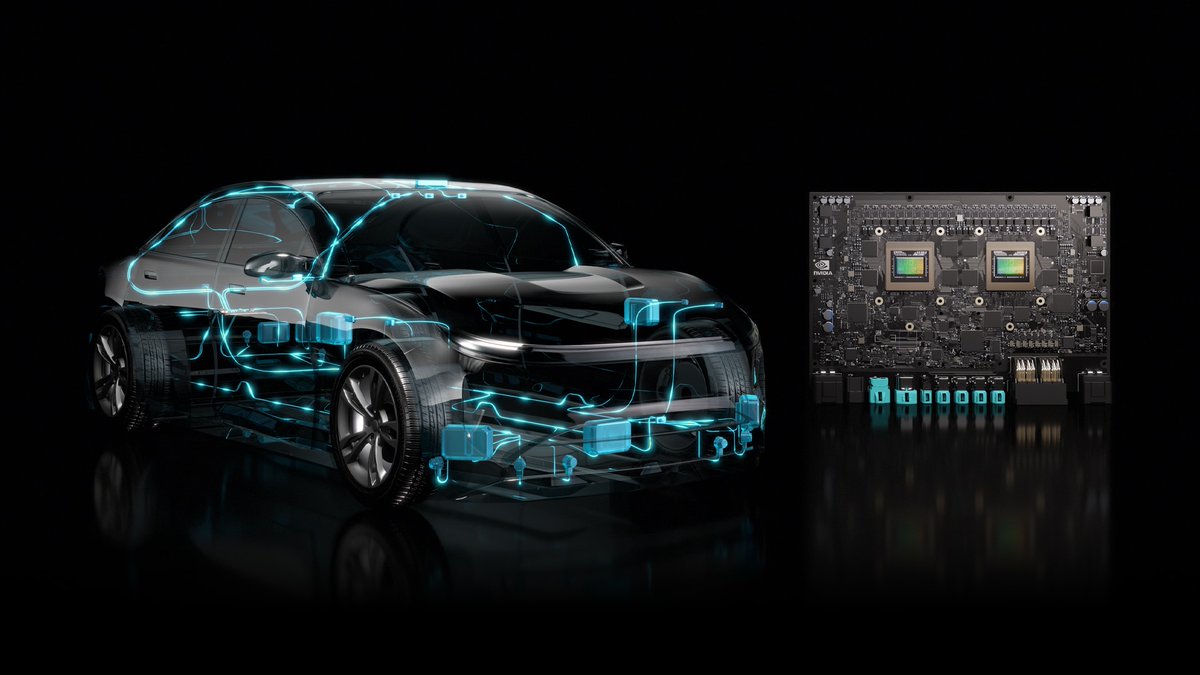
Here AI solves several complex tasks at once: computer vision (recognizing pedestrians, signs, other vehicles), predicting the behavior of road users, planning a path, and making decisions in fractions of a second.
LiDAR, radar, high-resolution cameras and powerful neural processors (such as NVIDIA Drive) let the car “see” the world better than a human in some conditions, especially at night or in fog.
Reflection
We trust our lives to an algorithm. That is a huge step. On one hand, fewer accidents caused by fatigue or distraction. On the other, questions of responsibility. Who is at fault if a self-driving car makes a mistake? The programmer? The company? The owner? Or the society that allowed these machines on the road?
Artificial Intelligence in Medicine: A Doctor That Never Gets Tired
Medicine is one of the most important and ethically complex fields for AI.

Neural networks now analyze X-rays, MRI and CT scans faster and sometimes more accurately than radiologists. They help detect cancer at early stages, predict heart attack risk, and even select personalized treatment based on genetic data.
Surgical robots with AI elements already perform operations with micron-level precision. Decision-support systems help doctors avoid missing important details in a patient’s history.

Reflection
AI in medicine saves lives. But it does not replace empathy. A person comes to a doctor not only for a diagnosis but also for support, for a look, for the words “everything will be fine.” Can we keep the human face of medicine in the age of algorithms?
Robots and Humanoids: When Machines Look More and More Like Us
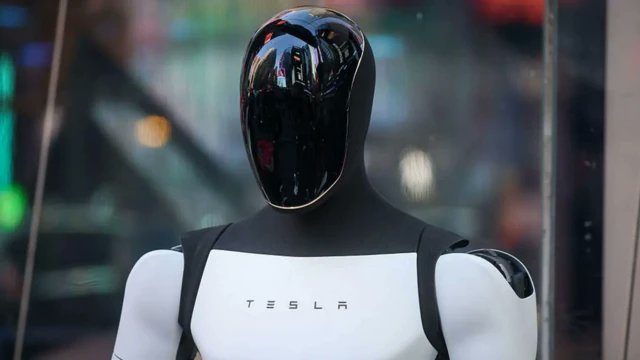
Humanoid robots have become one of the most discussed topics of recent years. Tesla Optimus, Figure from OpenAI, and various Chinese and Japanese projects are all learning to walk, grasp objects, understand speech, and even show elements of social behavior.

AI here is responsible for understanding the environment, planning movements, learning from experience, and interacting with people. Modern models combine large language models with computer vision and motor control systems
Reflection
We are creating beings that increasingly resemble us. When a robot can joke, feel sad, or show curiosity, will our attitude toward it change? Will it become “someone” or remain “something”? These questions are no longer science fiction.
Smart Cities: Infrastructure That Thinks
Cities of the future are already being built. Singapore, Dubai, Shenzhen, and certain districts of Moscow and St. Petersburg actively implement smart-city technologies.

AI controls traffic lights in real time, optimizing vehicle flows. Video surveillance systems analyze street situations. Energy grids balance the load. Trash containers report when they need emptying. Even street lighting adjusts to the number of people present.

Reflection
A smart city is convenient. But it collects a huge amount of data about each of us. Where does safety end and total control begin? How do we protect privacy in a city that “sees” almost everything?
Space and Artificial Intelligence: A Partnership in Orbit
AI already helps control satellites, analyze data from telescopes, plan missions, and even operate Mars rovers.
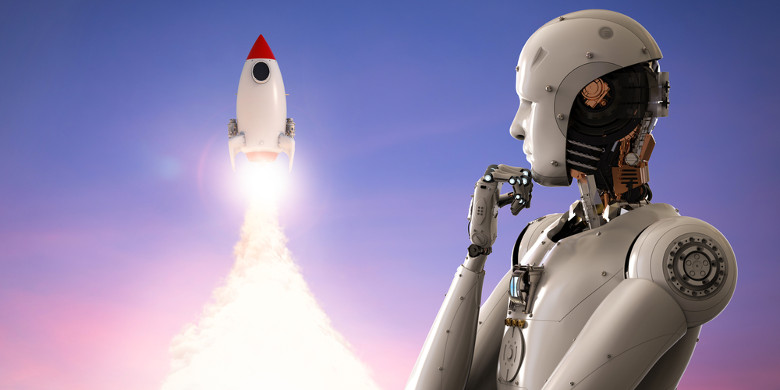
Autonomous systems allow spacecraft to make decisions without constant contact with Earth, which is critical when signal delays reach millions of kilometers. Neural networks process gigabytes of scientific data faster than entire teams of scientists.

Reflection
Humans have always looked at the sky and dreamed. Now we send not only rockets but also intelligence that we created. Perhaps AI will become the first “mind” to leave the Solar System.
How It All Works: A Brief Look at Neural Networks
Almost all modern AI technologies are based on neural networks, mathematical models inspired by the human brain.

They consist of layers of artificial neurons that process information and find hidden patterns. The more data and the more powerful the computing resources, the better the result.

Today we have moved from simple networks to huge transformers, multimodal models, and systems that can reason, plan, and even write code.
The Big Questions of the Artificial Intelligence Era
Technology develops at high speed. Along with it grow the questions:
I often think that artificial intelligence is a mirror. It reflects our data, our values, our mistakes, and our dreams. What it becomes depends largely on what we become.
Instead of a Conclusion
Modern technologies and artificial intelligence are not just a set of tools. They are a new reality we already live in. It is full of opportunities: more accurate medicine, safer roads, more convenient cities, space exploration.
But it requires maturity from us. The ability to ask the right questions, set boundaries, and remember that technology is an extension of the human being, not a replacement for one.
The future is not written in advance. We are writing it right now, with every decision, every algorithm, every choice we make.
And that, perhaps, is the most interesting part.
