a recipe app is quietly making $350K/mo while every AI app is dying ( here's the framework )

2.3 billion views. $4.5 million per year. zero ads.
the app? a recipe app : 0
after managing 590 creators across 62 campaigns and generating over 2.5 billion organic views for mobile apps, the single biggest predictor of whether a campaign works has nothing to do with hooks, creators, or platforms.
it's content-product fit.
when your content format naturally demonstrates your product without needing a separate pitch, everything changes. downloads go up.
when your content and product are separate things, you're fighting uphill. the video says "download my app." the viewer says "why?"
this week, a meal planning app hit $100K MRR from a single TikTok video that pulled 25.8 million views.
a recipe app called Herbi hit 70,000 downloads and $20K MRR in 50 days. and the guy who's been doing this longer than anyone, Ben Lebus, is sitting at 2.3 billion views, $4.5 million per year, and zero ad spend.
all three are food apps. all three have perfect content-product fit. that's not a coincidence.
here's the framework, why it works, and how to test if your app has it.

the recipe app doing $4.5M/year from Instagram videos
Ben Lebus started Mob Kitchen in 2016. he was posting cheap meal videos for students from a small kitchen, trying to pay off personal debt. no app, no strategy, no team. just recipe videos.
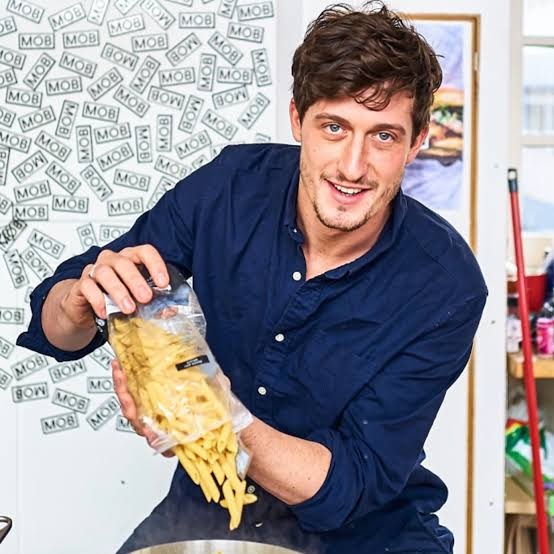
8 years later:
but the number that matters most: 50% of his Instagram videos hit 1 million views.
that's not a typo. every other video crosses a million. for context, most UGC accounts consider a 5-10% outlier rate to be excellent. Ben is running at 50%.
how? content-product fit.
every recipe video Ben posts is simultaneously entertainment AND a product demo. when you watch "POV: you have 15 minutes to make dinner" (21 million views), you're not watching an ad for a meal planning app. you're experiencing what the app delivers. the recipe IS the product.
the viewer thinks "I want to make that." they download the app. the free tier gives them the recipe. the paid tier (£6.99/month) gives them weekly meal plans, auto-generated shopping lists, and dietary customization.
the flywheel:
notice what's missing from this flywheel: a pitch. there's no "link in bio" moment. no "download my app" CTA in the video. the content does the selling because the content IS the product.
Ben didn't figure this out from a growth playbook. he figured it out by asking his audience one question: "what would you actually pay for?"
the answer wasn't more recipes. it was meal plans, shopping lists, and dietary filters. practical features that turn recipe content into a product pipeline. he rebuilt the entire app around what users told him they valued enough to pay for.
that question is the most underrated growth decision in consumer apps.
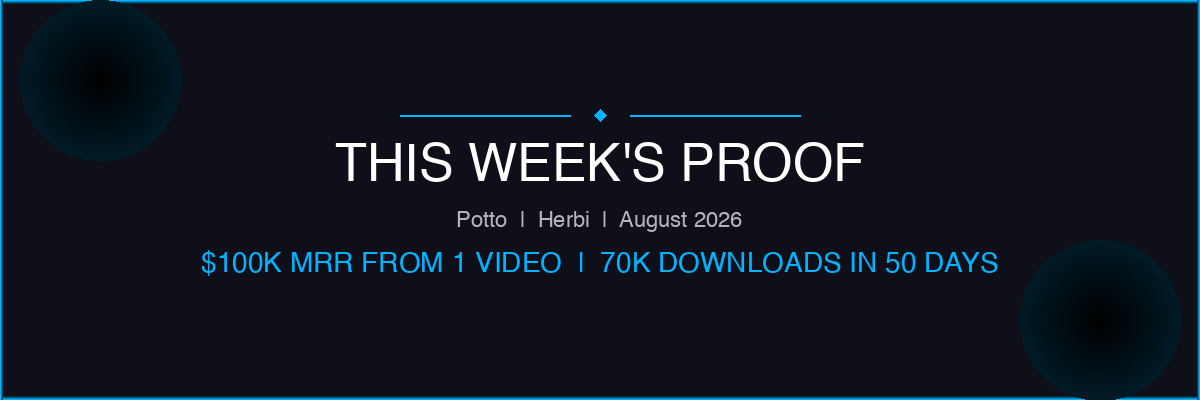
two more food apps broke out this week. same pattern.
Potto, a meal planning app, hit $100K MRR from a single TikTok video.
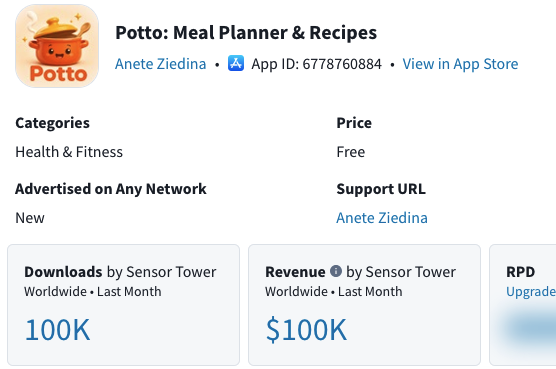
one video. 25.8 million views. $100K in monthly recurring revenue.
Herbi, a recipe app, hit 70,000 downloads and $20K MRR in 50 days.
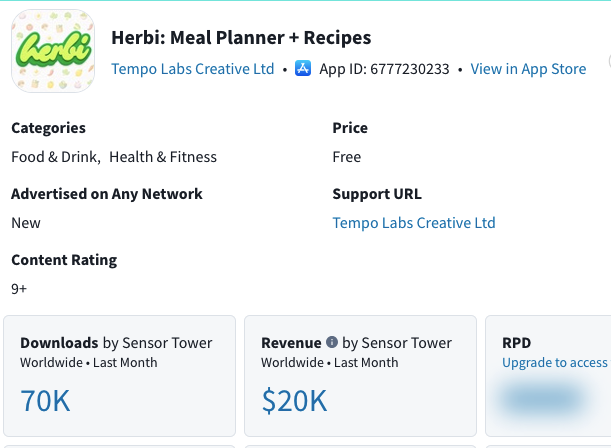
their content formula has already generated over 20 million views.
both apps have the same structural advantage as Mob Kitchen: the content (recipe/meal content) IS the product (a recipe/meal planning app). there's no gap between what the viewer sees and what they get after downloading.
when 3 apps from the same category break out in the same week, it's not luck. it's a category with structural content-product fit.
how to test if your app has content-product fit
ask yourself one question:
"can a viewer experience my product's core value just by watching the content?"
if the answer is yes, you have content-product fit:
if the answer is no, you have a content-product gap:
apps with content-product fit convert at significantly higher rates because the content does the selling. you just need volume.
apps without it can still grow through content (we've done it across 62 campaigns), but they need stronger hooks, more creators, and higher video volume to compensate for the gap. the content drives awareness, but the conversion has to happen through the app store page, screenshots, and reviews.
the cheat code for apps WITHOUT content-product fit
if your app doesn't have natural content-product fit, you have two plays:

what most people won't tell you about content-product fit
here's what I used to think: if you have content-product fit, growth is automatic.
it's not.
Ben Lebus posted recipe videos for YEARS before the flywheel kicked in. the 50% hit rate on 1M+ views didn't happen in month one. it happened after years of format testing, audience building, and learning what triggers saves vs scrolls.
Potto's $100K MRR came from one video. but that one video was preceded by dozens of videos that didn't hit. you need volume to find the one. we produce 300-500 videos per month across campaigns because predicting which video will be THE video is impossible. the 99% exist to find the 1%.
content-product fit gives you a structural advantage. it doesn't give you a shortcut. the advantage is that when you DO hit, the conversion is automatic because the content already sold the product. but the hitting still requires volume, consistency, and time.
most founders who read this will post 20 videos, get 500 views, and conclude "it doesn't work." it works. you just haven't done enough reps yet.
the bottom line
after 2 billion views and 62 campaigns, this is the simplest framework I can give you:
if your content IS your product, you win. if your content POINTS to your product, you fight.
stop optimizing hooks and start asking: does my content demonstrate my product?
content-product fit is what you need to succeed in 2026. the apps that have it are the ones that survive every algorithm change, every platform crackdown, and every trend cycle.
find yours.
