I built faceless YouTube channel with Claude. Today it hit $50k revenue.

In this guide i will show you the full playbook.
And i mean it.
Spending just one hour a day, face nnever shown.

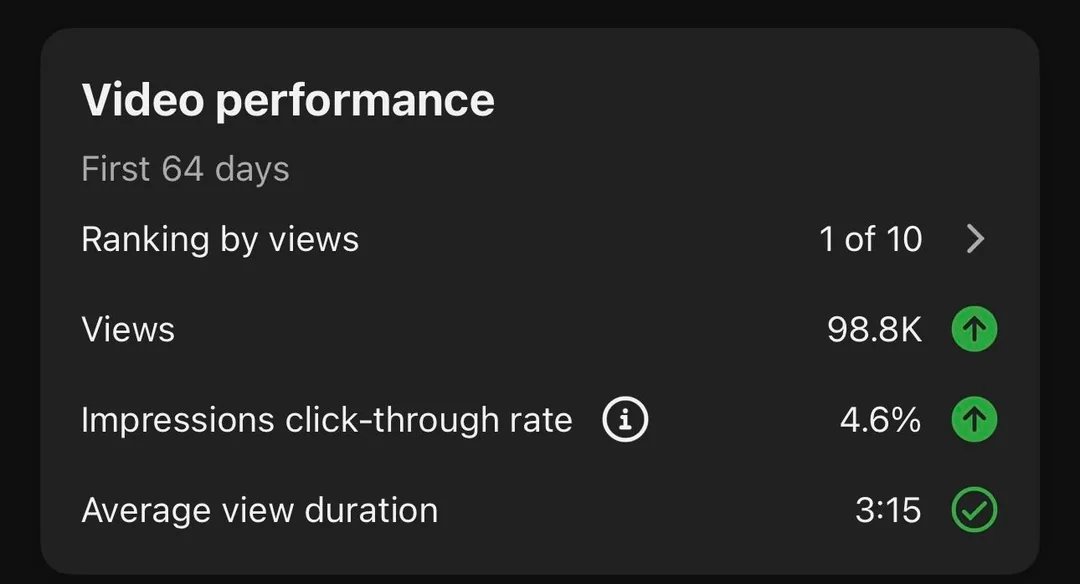
I hit 100,000 subscribers on my main channel.
And made over $50,000 from YouTube in the last few months.
I have never shown my face. I have never spoken into a microphone. My biggest channel posts horror stories, AI voice, a spooky moving picture as the cover, that is it.

And I run the whole thing in about one hour a day.
Now I am expanding. Kids channels, philosophy channels, educational stuff, all faceless, all AI. Because once you understand the system, the niche does not matter. The system does.
This is the full playbook. How to start, what tools to use, how to get monetized in 2026, and the quiet tricks that make channels grow fast. No fluff. If you read this whole thing and take action, you can start earning this week.
Save it. You will come back to it.
The one thing i believe
Anyone can do this now. I mean it.
Two years ago you needed a camera, a voice, editing skills, and years of practice.
Today you need a laptop, cheap AI tools, and the willingness to actually start. The tools got so good and so cheap that the only thing standing between you and your first paid channel is trying.
And once again, i will give you everything and show every secret.
That is the real secret nobody says out loud. It is not hard anymore. It is just that most people never begin. They watch, they plan, they wait. The ones who win are the ones who post their first ugly video this week.
You do not need money. You do not need skill. You need imagination and one hour a day. Let me show you exactly where that hour goes.
But read this first:
New 2026 rule from July changed a lot.
Before tools and money, you need to know one thing, because it will save your channel.
In July 2026, YouTube changed its rules on what it calls inauthentic content. In plain words: they started cracking down on lazy, mass-produced AI videos. The same robot voice over the same stock slideshow, copied a hundred times, is now at risk. The penalty is a three-strike system. Warning, then a 90-day suspension, then removal from monetization.
Do not panic. AI content is still 100% allowed and still makes great money. Mine does. They did not ban AI. They banned low effort.
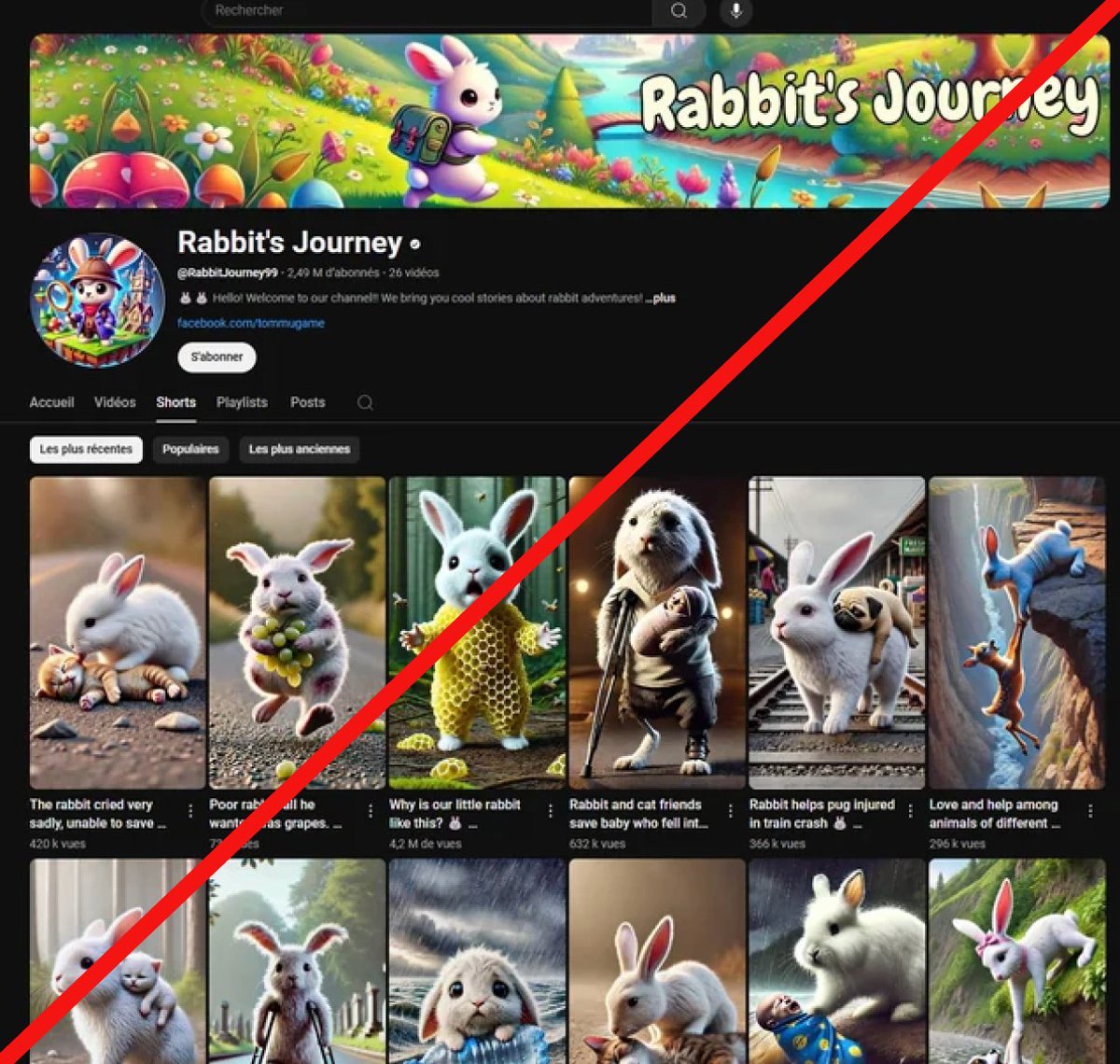
Here is the line you must stay on the right side of: every video needs one layer of real value.
Your own written story, not copied text. Your own voice choice that gives the channel an identity. Your own images or covers, not the same three stock clips everyone uses. Real variation between videos. Do that, and you are safe and you actually grow. Skip it, and you get struck. Simple.
This one rule is why I am beating channels that started before me. They got lazy.
I did not.
Step 1: Pick your niche by the money, then by how easy it repeats
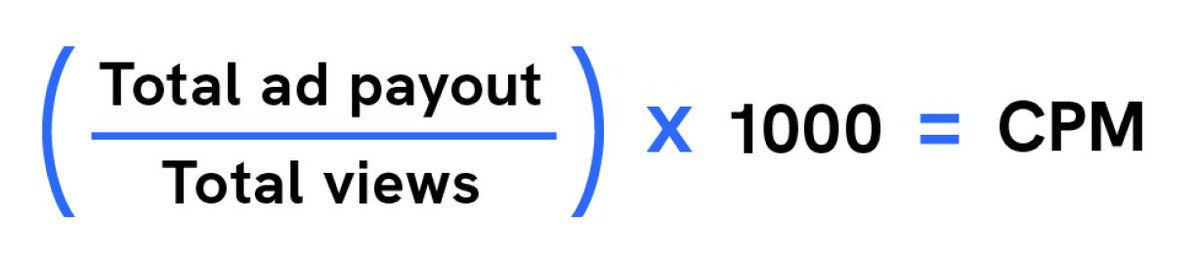
New people pick a niche because they like it. That is the mistake I made too. Pick by RPM instead. RPM is how much you earn per 1,000 views, and it changes everything.
Rough ranges to know:
Horror is my big one, and yes it pays less per view, but it gets huge views and it is easy to make endlessly. That is the second thing to check: repeatability.
Can you make 200 videos in this niche without running dry? Horror stories, kids stories, philosophy questions, scary history, sleep stories, motivation. These never run out. That is why they are perfect for AI.

My advice: pick one niche where the money is decent and the ideas never end. Do not overthink it. You can always start a second channel later, which is exactly what I did.
Let Claude do the whole niche decision for you. Paste this:
Act as a YouTube strategist for faceless AI channels. I want to start one.
Analyze these niches: [list 5 you are considering].
For each, give me: estimated RPM range, how saturated it is, how easy it is
to make 200+ videos, the audience size, and one content angle nobody is doing
well yet. Then pick the single best one for a beginner and give me 30 video
title ideas for it. If you cannot easily list 30, the niche is too narrow.
That prompt alone replaces a paid consultant. It hands you the niche and a month of titles in 30 seconds.
Step 2: Simple tool stack
People overcomplicate this.
Here is the whole stack I would give any beginner.
Simple on purpose:
That is it. Total to start is roughly $30 a month, and you can begin on the free tiers.

Compare that to what it replaces: a scriptwriter at $150 to $400 a video, a voice actor, an editor, a thumbnail designer. You are running a whole media team for the price of two dinners.
Do not buy more tools. More tools is procrastination wearing a costume. This stack is enough to make real money.
Step 3: Workflow that fits in one hour a day
Here is the exact order I build a video.
The order matters. Voice first, visuals second, always. The pauses in the narration are where each new image lands, and that rhythm is what keeps people watching.
Once a week, I ask Claude for a batch of titles and pick the strongest. Ten minutes for a week of content.
2. Script
Claude writes it for retention (prompt below). I read it once and fix anything that feels off. Fifteen minutes.
3. Voice
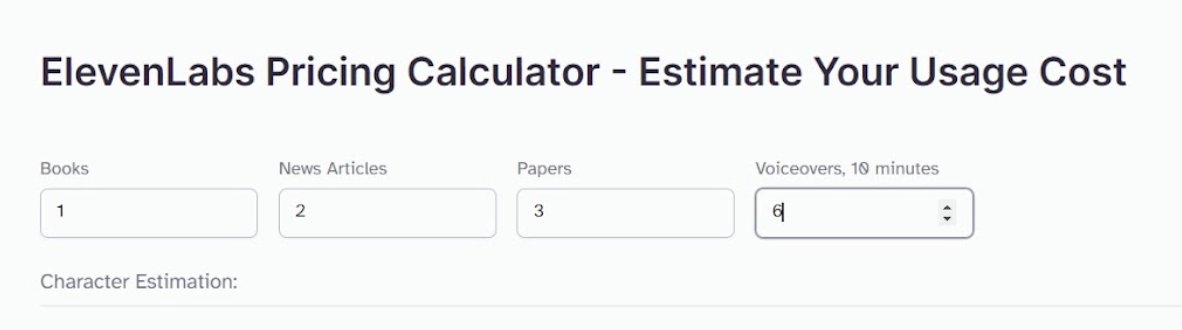
Paste the script into your voice tool, generate, download. Five minutes.
4. Visuals
Generate your cover and your images or moving shots, one new visual for every pause in the voice. Fifteen minutes.
5. Assembly.
Drop the visuals onto the voice track in CapCut, turn on auto-captions, export. Fifteen minutes.
6. Packaging
Claude writes the title, description, and tags. You make the thumbnail in Canva. Ten minutes.
That is about one hour, and most of it you can batch. I make several videos in one sitting, then schedule them to post automatically through the week. The making is manual-ish today, but the posting is fully automated, and more of the pipeline gets automated every month.
That is the direction everything is going: you become the director, the AI becomes the crew.
Step 4: The script is the actual business
This is the part beginners ignore, and it is the whole game.
YouTube really measures one thing: do people keep watching. A video that holds people gets pushed to more people. A video that loses them gets buried. Same channel, same effort, totally different result, all decided by the writing.
My first videos flopped at 200 views. Nothing changed except the script, and suddenly the same channel was doing 40,000 views. Here is the exact prompt I use for every video:
You are a senior YouTube scriptwriter for a faceless [niche] channel.
Write a full script for the video titled: [title].
Length: about [8-10] minutes. Audience: [who].

Structure it like this:
- Open with a hook in the first 5 seconds using a shocking line or question.
  No intro and no "hey guys."
- Build tension with specifics and the word "you."
- Main body in 3 to 5 sections. Each one: a bold point, a real example,
  and a small cliffhanger into the next.
- Add a pattern interrupt every 60 to 90 seconds so attention never drops.
- Close by calling back to the hook and asking for the subscribe naturally.

Write for speaking, short sentences, no filler.
Also give me 5 thumbnail ideas and 3 title options.
Fix the output to sound like you, and you have a retention-built script in minutes.
Step 5: Thumbnails and titles win before the video even plays
Faceless channels live and die on the click. Most of your views will come from YouTube showing your video on the home and suggested feeds, not from search.
So the title and thumbnail are 80% of the result.
Keep thumbnails simple: one clear focal point, strong emotion or curiosity, high contrast, and almost no text. Three words maximum. A cluttered thumbnail kills clicks.
For titles, curiosity beats everything. A title that makes someone go "wait, what" gets the click. Let Claude write the whole metadata layer for you:
Act as a YouTube SEO and packaging expert.
Video topic: [topic]. Niche: [niche].
Give me:
1. A title under 60 characters that triggers curiosity
2. A 200-word description that is SEO friendly with a call to action
3. 15 tags mixing broad and specific
4. 3 pinned comment ideas to boost engagement
Optimize for click-through and watch time.
Twenty seconds of work, and your video is packaged like a pro did it.
Step 6: How to get monetized
Here are the current requirements.
There are two levels, and people confuse them constantly.
Level one unlocks fan funding like memberships and tips: 500 subscribers, at least 3 public uploads, and either 3,000 watch hours in the past year or 3 million Shorts views in 90 days.
Level two is the real one, ad revenue: 1,000 subscribers plus 4,000 watch hours in the past 12 months, or 10 million Shorts views in 90 days.

Two roads to get there. Long videos build watch hours and pay more per view, but grow slower. Shorts can rush you to that 10 million views fast if a format catches.
My move: post long videos as your money base, then cut each one into several Shorts to chase views and feed subscribers back to the main channel. One piece of work, two engines.

And remember the 2026 rule from the top. Meeting the numbers is not enough. Your content has to show real value and variety, or you will not get approved no matter how many views you have.
Hidden alpha nobody tells beginners
These are the tricks that took me months to learn. Steal them.
Do not copy the biggest creators
Instead, hunt for videos getting way more views than the channel's subscriber count. Those are proven viral formats. Take the format, point it at a fresh subject, and ship it fast before everyone floods it. This one habit is my biggest edge.
Watch out for the horror tax.
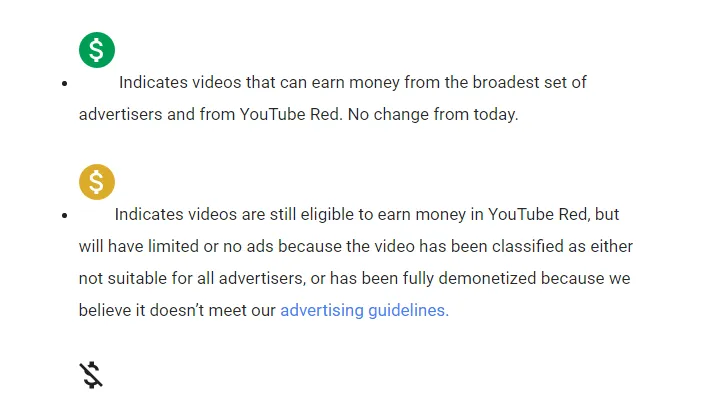
If you do horror like me, know this: too much gore or violence gets your video the "limited ads" label, which slashes your pay. Keep it creepy and suspenseful, not graphic. Spooky pays well. Gore does not. This one tip alone raised my RPM.
Turn on YouTube's thumbnail test tool
YouTube can automatically test different thumbnails and keep the winner. It is free, most beginners never switch it on, and it lifts your clicks for zero extra work.
The first 48 hours decide everything
Right after you post, watch two numbers: how many people click, and how long they watch. That early signal is what YouTube uses to decide whether to push your video to more people. Strong start, strong future.
Build voice first, always
Never make the visuals and jam audio on top. Build on the narration, and let every pause be a new image. That rhythm is why even simple videos hold attention.
Post 20 to 30 videos before you judge anything
This is the one that saves people. The algorithm needs 20 to 30 videos to learn who to show you to. I almost quit at video 8. The channel did not take off until around video 24.
Most people quit one month before it would have worked. Same day, same time, every week. Do not stop early.
How i scale to many channels
Once one channel works, you do not just grow it. You copy the system onto new niches. This is the farm.
Because AI makes each channel so cheap to run, you can test several at once. Spin up a few, give each a couple of months, then kill the ones that flop and pour your time into the one or two that pop. It is like planting many seeds and watering only the ones that sprout.

My horror channel is the big one, but my kids and philosophy channels are already climbing, built on the exact same pipeline.
You do not need a farm to make good money. One channel run well, one hour a day, is a real income. The farm is just what you do after your first win.
The honest first 30 days
Let me keep it real so you do not get burned.
You still have to think. AI writes and builds, but you pick the ideas, check the work, and keep the quality up. That is the job now, and it is a good job.
It is not instant. Your first videos will be rough and slow. That is normal. Speed and quality come with reps. By video 10 you will be twice as fast as video 1.
Consistency beats everything. The people who win are not the most talented. They are the ones who keep posting while everyone else quits.
Here is your first 30 days:
Just keep feeding the machine.
Bottom line
The barrier that kept people off YouTube for fifteen years, the camera, is gone.
What is left is a writing and packaging game, and AI already does most of it.
I am living proof it works. 100,000 subscribers, over $50,000 in a few months, one hour a day, face never shown.

The only thing between you and your first channel is starting. So start today.
Save this, pick your niche, and post your first video this week. That is the whole game.
Follow me for more. I share exactly how I build and scale these.
And btw i already prepared the second part where i show how to hit the monetization faster.
My own method.
See you there!