A playbook for making a viral YouTube video (in any niche)

I have worked on some of the most viral videos in YouTube History. Generating over 50 billion views for channels.

Across what feels like every corner of YouTube. From personal finance to wildlife to Minecraft.
How?
I have a simple playbook I use every time.
Here are the 4 steps you can take to make a viral YouTube video in 2026:
1. Deploying the home run ideation strategy
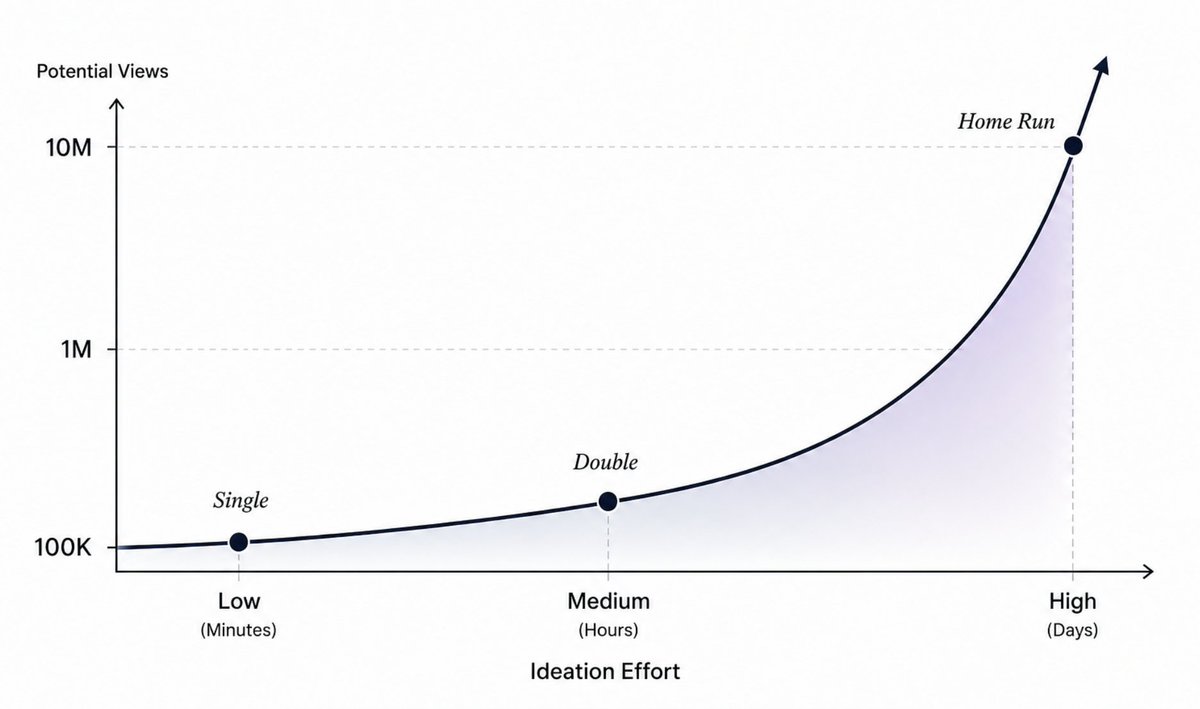
This strategy changed how I view ideation.
Most channels are built up what I describe as single base hits and doubles.
Single base hits: Normal ideas, normal amount of effort. Solid, but unlikely to break through.
Doubles: When you put more effort in, perhaps double (lol) - they may do better than average... but aren't a true big swing.
But then one day you realize something very important. The YouTube algorithm is a multiplier.
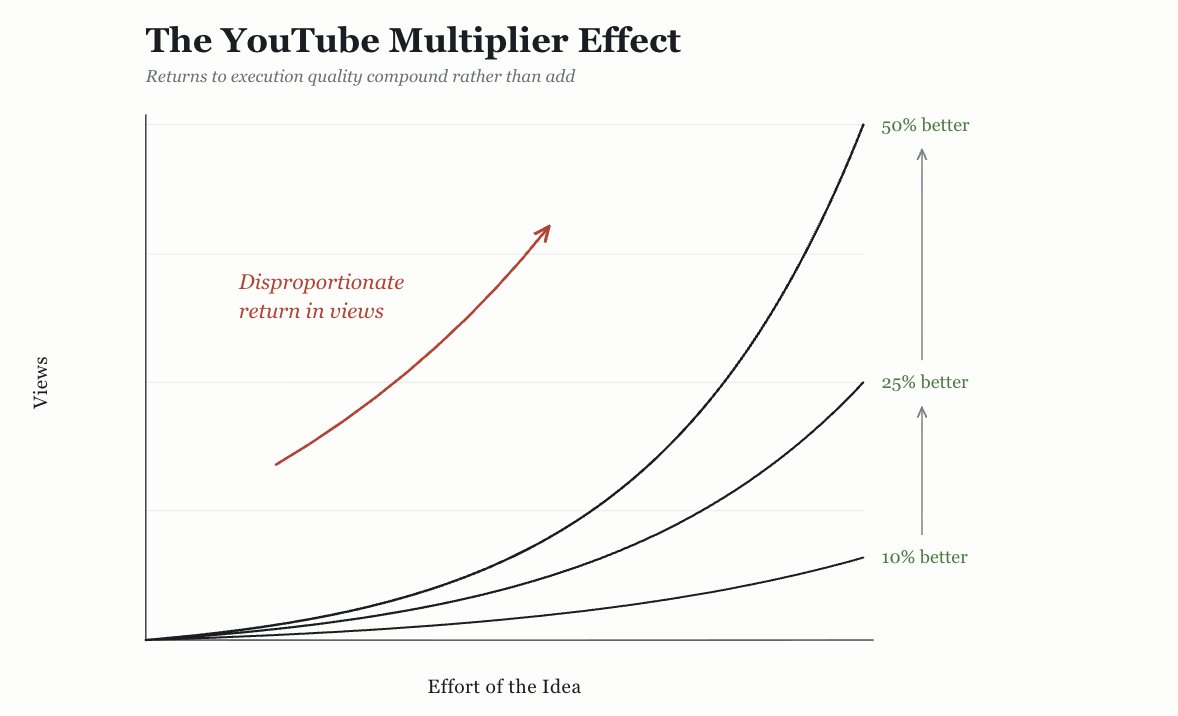
You can make 10 single base hits... or you can put the effort of those 10 videos into one video.
That's a home run video.
Essentially... its a power law. A much better idea and execution can hit exponentially more views.
''Ok paddy... we get it... we need to put way more effort into an idea... but what does that even mean?''
Here's the traits of a home run video:
Not every video should be a home run, in baseball if you swing for the fences every time you're gonna miss a lot.
The issue is most channels never even go for that big swing...
I truly don't think people realize the compounding benefits of a video breaking through and hitting a new viewer audience.
This translates to pretty much every niche.
Here's an example of a former student of my accelerator getting 16m views in the.... permaculture niche (not known for it's big views haha)
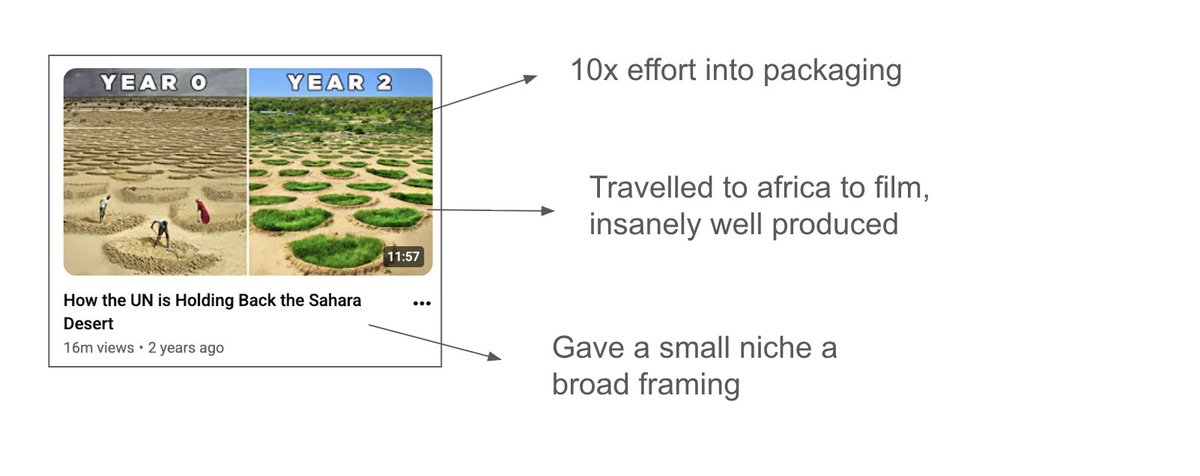
Go bigger, try to do it once a month or once a quarter.
2. Packaging a viral idea: Basic principles
Once you have your home run idea, we have got to nail packaging (title and thumbnail).
There are essentially three stages your packaging must take:

Stage 1: Scroll stop: Viewers actually see your title and thumbnail for way less time than you think. We're talking milliseconds. There needs to be something that stops them in their tracks.
It's usually the thumbnail that stops the scroll. A striking visual, emotion or piece of text that grabs the eye.
In our example... seeing the tiny flip-book immediately stopped me when I saw this for the first time.
Stage 2: Create interest: This is essentially the consideration phase, the viewer has stopped, now they are processing your title and thumbnail. This is still done in seconds (if even).
Interest is nearly always built with a curiosity gap. A question that is opened by your packaging.
'Wait... how is possible to have a flip-book that small? Does it actually work?'
Stage 3: Getting the click: Next the viewer decides whether to convert on that interest. A lot of this is built on the value proposition you are offering and whether they believe you.
These stages happen in the blink of an eye, a lot of it is impulse and subconscious.
Deconstructing them helps us reverse engineer what we need to do to make great packaging. Consider your own title, thumbnail through these 3 stages.
What's going to stop your viewer scrolling, generate that curiosity gap and convert?
3. Optimizing for satisfaction: the most underrated aspect of YouTube Strategy

''Viewer satisfaction'' is YouTube's way of measuring the value per minute a video provides.
It's more important than pretty much everything else. YouTube themselves tell us this is the thing we should be focusing on.
Yet... it gets overlooked.
Why? We don't have a way to measure it. There's no 'metric' for satisfaction. Humans tend to optimize around what we can see.
That said, here's three things I do with each video to ensure a high satisfaction score.
I don't think there's anything that can make the point better than this video below.
I tweeted about how good the title and thumbnail was... then I watched the video.
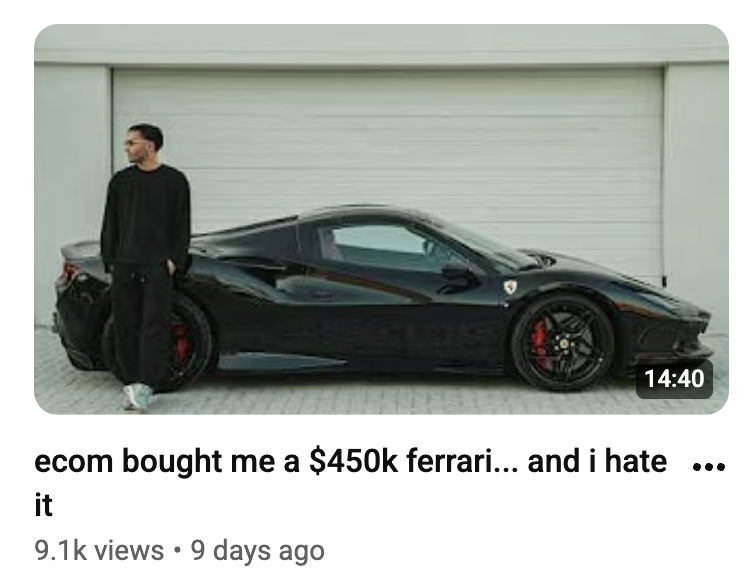
It had sloppy captions with typos and mismatched words, didn't deliver on the promise at all and the entire video was unstructured without story.
It shot up to 8k views in the first day, then completely died.

If this video actually delivered and left viewers satisfied. I would be willing to bet a lot of money it would have over 100k views by now.
That's the power of satisfaction. YouTube gave this video a real chance, and it didn't deliver.
4. Maximize your surface area for virality
Ok you have a viral idea, you've packaged it well and ensured it's satisfying... time to get 1 million views right?
Time to bring you down to earth, but I want this to motivate you at the same time.
The playbook for going viral is about creating a larger surface area of probability. The game here isn't just trying once. It's repeated attempts.
You need to repeat these steps. For 5 videos, 10 videos, 50 videos.
YouTube is unpredictable... but doing this increases the probability you see this in your studio one day.

And trust me... there's no better feeling.
Go out there, and make a viral video.
I hope this article was interesting, please consider sharing it if it helped. I put a ton of effort into these.