US-threat to German stationing 1/17 — Capabilities, not numbers The...

Christian Mölling@Ce_Moll
23 views
May 03, 2026
~3 min read
Advertisement
1
US-threat to German stationing
1/17 — Capabilities, not numbers
The possible US drawdown from Germany is not mainly a 5,000-troop story. The key issue is the capability that may not arrive: land-based US Long-Range Fires as a bridge for Europe’s Deep Precision Strike gap.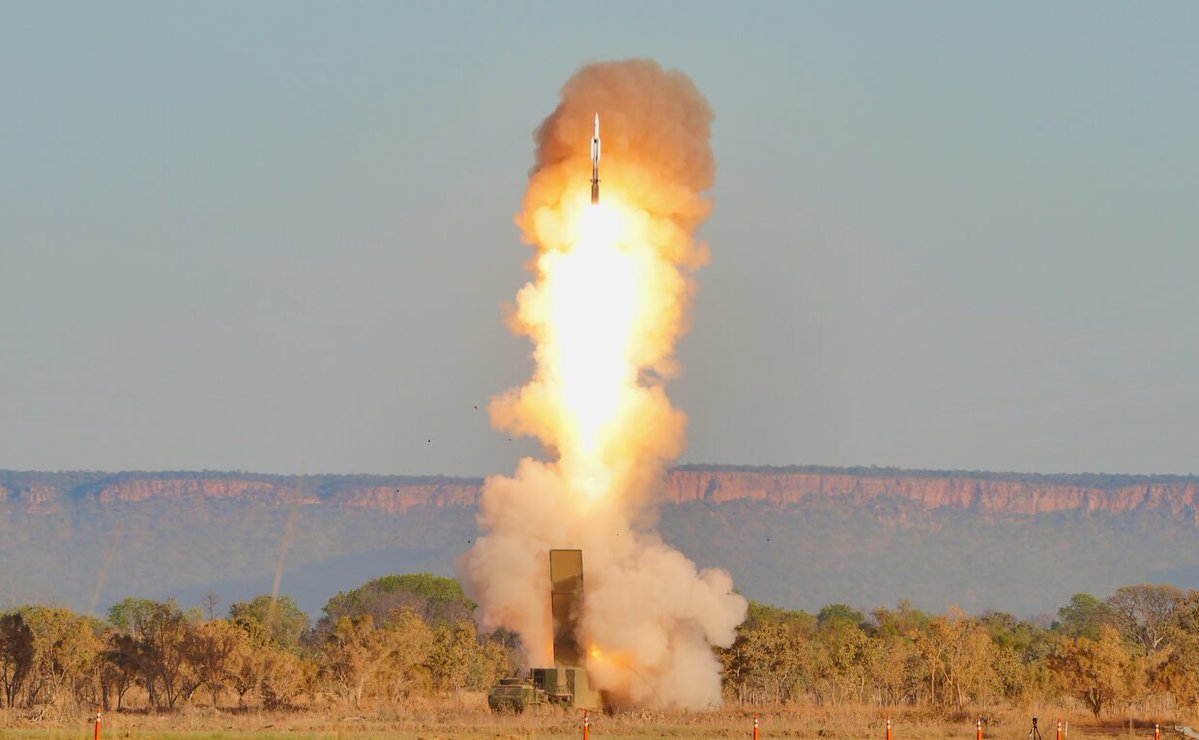
1/17 — Capabilities, not numbers
The possible US drawdown from Germany is not mainly a 5,000-troop story. The key issue is the capability that may not arrive: land-based US Long-Range Fires as a bridge for Europe’s Deep Precision Strike gap.
2
2/17 — Visible is not decisive
The Brigade Combat Team is politically loud. The harder military problem is the Long-Range Fires battalion. Europe can compensate a BCT more easily. It cannot quickly replace this range, mobility and integration.
The Brigade Combat Team is politically loud. The harder military problem is the Long-Range Fires battalion. Europe can compensate a BCT more easily. It cannot quickly replace this range, mobility and integration.
3
3/17 — MDTF: Not a mass capability
The US Army plans only five Multi-Domain Task Forces. This is not routine force posture. If a Long-Range Fires element drops out of Europe, it hits a scarce strategic resource — not just another battalion.
The US Army plans only five Multi-Domain Task Forces. This is not routine force posture. If a Long-Range Fires element drops out of Europe, it hits a scarce strategic resource — not just another battalion.
4
4/17 — Europe, not only Germany
The problem does not stop at Germany’s border. We do not publicly know whether the BCT or Long-Range Fires could be based elsewhere in Europe. They do not need to sit in Germany to matter in Europe.
The problem does not stop at Germany’s border. We do not publicly know whether the BCT or Long-Range Fires could be based elsewhere in Europe. They do not need to sit in Germany to matter in Europe.
5
5/17 — US infrastructure
Germany remains central: EUCOM, AFRICOM, Ramstein, Landstuhl. If the US uses this infrastructure, it must protect it. Cutting capabilities there weakens NATO deterrence — and makes the US footprint more vulnerable.
Germany remains central: EUCOM, AFRICOM, Ramstein, Landstuhl. If the US uses this infrastructure, it must protect it. Cutting capabilities there weakens NATO deterrence — and makes the US footprint more vulnerable.
6
6/17 — Factual NATO monopoly
On land-based Long-Range Fires at this range and level of integration, the US holds a factual monopoly inside NATO. That is why this is operationally more serious than the troop number.
On land-based Long-Range Fires at this range and level of integration, the US holds a factual monopoly inside NATO. That is why this is operationally more serious than the troop number.
7
7/17 — German military strategy
Germany has written Deep Precision Strike into its military strategy. That means sensors, targeting, command, cyber and electronic warfare have to be built around it. But written is not fielded.
Germany has written Deep Precision Strike into its military strategy. That means sensors, targeting, command, cyber and electronic warfare have to be built around it. But written is not fielded.
8
8/17 — Effect needs the ISR chain
A substitute for Tomahawk, SM-6 or hypersonics is not enough. Europe must find, track, prioritise, strike and assess targets. Without that chain, the missile is a very expensive piece of metal.
A substitute for Tomahawk, SM-6 or hypersonics is not enough. Europe must find, track, prioritise, strike and assess targets. Without that chain, the missile is a very expensive piece of metal.
9
9/17 — Multi-Domain Task Force
That is why the Multi-Domain Task Force matters. It is not just a missile unit. It links Long-Range Fires with sensors, data, cyber, electronic warfare and command. Integration turns range into deterrence.
That is why the Multi-Domain Task Force matters. It is not just a missile unit. It links Long-Range Fires with sensors, data, cyber, electronic warfare and command. Integration turns range into deterrence.
10
10/17 — Military capability, political decision
Deployment is not employment. Even if deployed, there would be no automatic use. Striking Russian targets would be a major escalation — and therefore a decision by the US president.
Deployment is not employment. Even if deployed, there would be no automatic use. Striking Russian targets would be a major escalation — and therefore a decision by the US president.
11
11/17 — Deterrence needs reliability
Strategic ambiguity can be useful. Erratic unreliability is different. Threaten, reverse, punish, improvise: that is not deterrence. It makes deterrence brittle.
Strategic ambiguity can be useful. Erratic unreliability is different. Threaten, reverse, punish, improvise: that is not deterrence. It makes deterrence brittle.
12
12/17 — The US machine is being outrun
The US point: the tempo of erratic decisions is outrunning the machinery. If a force-posture review is still underway but Trump sets the outcome first, punishment replaces military planning.
The US point: the tempo of erratic decisions is outrunning the machinery. If a force-posture review is still underway but Trump sets the outcome first, punishment replaces military planning.
13
13/17 — German domestic politics
For Merz, this lands at the worst moment: fragile coalition discipline, domestic pressure, and an Iran-war remark Trump treats as provocation. This is not only foreign policy. It cuts into domestic politics.
For Merz, this lands at the worst moment: fragile coalition discipline, domestic pressure, and an Iran-war remark Trump treats as provocation. This is not only foreign policy. It cuts into domestic politics.
14
14/17 — The Washington paradox
Lowering deterrence in Europe raises the chance that it gets tested. Then Washington is more likely to face the active military decision — precisely when US willingness looks doubtful.
Lowering deterrence in Europe raises the chance that it gets tested. Then Washington is more likely to face the active military decision — precisely when US willingness looks doubtful.
15
15/17 — Plan B
Germany and Europe need a Plan B for their own decision-making power. Not against the US. But for the case in which Washington does not decide, decides too late, or decides against European interests.
Germany and Europe need a Plan B for their own decision-making power. Not against the US. But for the case in which Washington does not decide, decides too late, or decides against European interests.
16
16/17 — Good enough, fast enough
More Taurus helps, but it is not enough. Germany should drive ELSA harder: pre-fund, contract, build. A good-enough interim solution that arrives fast is better than a perfect one that arrives too late.
More Taurus helps, but it is not enough. Germany should drive ELSA harder: pre-fund, contract, build. A good-enough interim solution that arrives fast is better than a perfect one that arrives too late.
17
17/17 — Whole-of-government answer
Troop drawdown, tariff shock, Iran dispute: cumulative pressure. Germany’s National Security Council should prepare scenarios, language and options. Europe needs fewer outrage loops and more pre-decisions.
Troop drawdown, tariff shock, Iran dispute: cumulative pressure. Germany’s National Security Council should prepare scenarios, language and options. Europe needs fewer outrage loops and more pre-decisions.