José Ortega y Gasset watched Europe triple its population in a...

Foundation Father | M.A. Franklin@FoundationDads
19 views
Mar 23, 2026
~6 min read
Advertisement
1
José Ortega y Gasset watched Europe triple its population in a single century and asked:
What happens when the average man, raised in unprecedented comfort, decides he owes *nothing* to the civilization that made his life possible?
His answer, written in 1930, predicted the exact world we live in today. (thread) 🧵
What happens when the average man, raised in unprecedented comfort, decides he owes *nothing* to the civilization that made his life possible?
His answer, written in 1930, predicted the exact world we live in today. (thread) 🧵
2
Ortega divided humanity into two types.
Type 1: The noble man. Someone who holds himself to standards beyond what is required. He seeks difficulty. He imposes obligations on himself. Life for him is discipline and striving.
Type 2: The mass-man. Someone content to be identical to everyone else. He demands nothing of himself. He floats. He thinks nothing of watching 5+ hours of TV on a Saturday afternoon.
Type 1: The noble man. Someone who holds himself to standards beyond what is required. He seeks difficulty. He imposes obligations on himself. Life for him is discipline and striving.
Type 2: The mass-man. Someone content to be identical to everyone else. He demands nothing of himself. He floats. He thinks nothing of watching 5+ hours of TV on a Saturday afternoon.
3
The mass-man is not defined by income or job title. A factory worker can have a noble soul. A professor can be pure mass-man.
The test is simple:
Does this person believe he has the right to opinions he never earned through effort? Does he feel complete without ever having stretched beyond what comes easy?
If yes, you are looking at the mass-man.
The test is simple:
Does this person believe he has the right to opinions he never earned through effort? Does he feel complete without ever having stretched beyond what comes easy?
If yes, you are looking at the mass-man.
4
Ortega saw mass-men flooding every institution in Europe. Government. Art. Science. Universities. Publishing.
What happens when the mass-man wasn't just consuming culture, but was running it? Gifted a huge inheritance he didn't value or understand?
And more importantly, what produced the mass-man?
What happens when the mass-man wasn't just consuming culture, but was running it? Gifted a huge inheritance he didn't value or understand?
And more importantly, what produced the mass-man?
5
The 19th century performed the greatest experiment in history. It combined liberal democracy, scientific method, and industrial capitalism.
Europe went from 180 million people to 460 million in just over a hundred years.
That single century produced more material comfort, more safety, more possibility than the previous twelve centuries combined.
Europe went from 180 million people to 460 million in just over a hundred years.
That single century produced more material comfort, more safety, more possibility than the previous twelve centuries combined.
6
The average man born into this world experienced something no human being had ever experienced before.
No famine pressing in. No plague lurking. No rigid caste locking him in place. Roads, medicine, law, comfort, leisure. All of it handed to him at birth like air.
You probably won't be surprised by what this produced. 👇
No famine pressing in. No plague lurking. No rigid caste locking him in place. Roads, medicine, law, comfort, leisure. All of it handed to him at birth like air.
You probably won't be surprised by what this produced. 👇
7
It produced the psychology of a spoiled child.
The mass-man looked at civilization's gifts and assumed they were natural. Like sunlight. Like gravity. He used the motor-car but felt zero gratitude toward the centuries of effort that brought it about.
He swallowed the aspirin but never once wondered what it took to invent it.
And all while he consumed the fruit, he burned the tree.
The mass-man looked at civilization's gifts and assumed they were natural. Like sunlight. Like gravity. He used the motor-car but felt zero gratitude toward the centuries of effort that brought it about.
He swallowed the aspirin but never once wondered what it took to invent it.
And all while he consumed the fruit, he burned the tree.
8
Ortega identified three traits of this new man:
1. He believes life is easy and limitless by default.
2. He considers his own opinions, appetites, and tastes to be excellent without evidence.
3. He intervenes in everything, imposing his views by force, with no respect for expertise or tradition.
These traits probably bring to mind certain people in your life.
1. He believes life is easy and limitless by default.
2. He considers his own opinions, appetites, and tastes to be excellent without evidence.
3. He intervenes in everything, imposing his views by force, with no respect for expertise or tradition.
These traits probably bring to mind certain people in your life.
9
Without the noble man setting standards, Ortega saw four things vanish:
- The willingness to listen.
- The ability to defer to earned authority.
- The discipline required to sustain complex institutions.
- The spiritual energy that produces science, art, and genuine political thought.
What replaces these? "Direct action." Raw force.
A mob wrecking the bakery because bread is scarce.
One generation of neglect and the jungle returns.
- The willingness to listen.
- The ability to defer to earned authority.
- The discipline required to sustain complex institutions.
- The spiritual energy that produces science, art, and genuine political thought.
What replaces these? "Direct action." Raw force.
A mob wrecking the bakery because bread is scarce.
One generation of neglect and the jungle returns.
10
Ortega called this "the vertical invasion of the barbarians."
Not barbarians from outside the gates, but barbarians produced by civilization itself. People who use every tool of the modern world while despising the principles that created those tools.
The new primitive rides in the motor-car but thinks it grew on a tree. Or worse. He thinks it has always existed.
Ortega predicted that science would be the first victim...
Not barbarians from outside the gates, but barbarians produced by civilization itself. People who use every tool of the modern world while despising the principles that created those tools.
The new primitive rides in the motor-car but thinks it grew on a tree. Or worse. He thinks it has always existed.
Ortega predicted that science would be the first victim...
11
Science wouldn't halt, but fewer people would care about pure science. They would demand its products while starving it of devotion.
Doctors and engineers would practice their trades with the same mindset as someone buying aspirin.
Mechanical use with zero understanding of foundations.
He saw this beginning in the 1920s.
But his most dire prediction was about the State...
Doctors and engineers would practice their trades with the same mindset as someone buying aspirin.
Mechanical use with zero understanding of foundations.
He saw this beginning in the 1920s.
But his most dire prediction was about the State...
12
The State becomes a button the mass-man presses whenever he wants something.
Got a problem? Demand the government solve it.
Got a creative minority producing something uncomfortable? Crush it with the State's machinery.
Society creates the State to serve it, then the State devours society. The skeleton eats the flesh.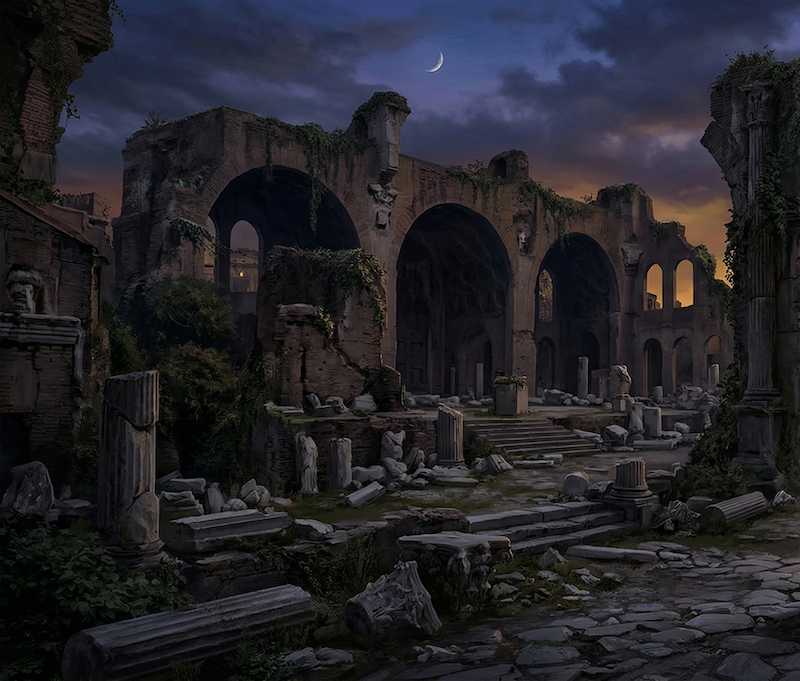
Got a problem? Demand the government solve it.
Got a creative minority producing something uncomfortable? Crush it with the State's machinery.
Society creates the State to serve it, then the State devours society. The skeleton eats the flesh.
13
The prototype of the mass-man is the specialist.
The man who knows one tiny corner of one science. Formally ignorant of everything outside it, but carrying the confidence of someone who "knows." He has the arrogance of the learned and the blindness of the ignorant combined.
The learned ignoramus.
Taleb named the same phenomenon in his more modern works: the idiot intellectual.
The man who knows one tiny corner of one science. Formally ignorant of everything outside it, but carrying the confidence of someone who "knows." He has the arrogance of the learned and the blindness of the ignorant combined.
The learned ignoramus.
Taleb named the same phenomenon in his more modern works: the idiot intellectual.
14
Ortega called liberal democracy "the supreme form of generosity." A system where the majority voluntarily makes room for the minority. Where the strong limit their own power.
He also said humanity would rush to discard it because it is too difficult, too unnatural.
Too demanding of self-restraint.
The mass-man wants power without discipline and authority without obligation.
He also said humanity would rush to discard it because it is too difficult, too unnatural.
Too demanding of self-restraint.
The mass-man wants power without discipline and authority without obligation.
15
Modern man is the heir of Western civilization. He inherited everything. He earned nothing. And now he believes the inheritance is his birthright.
A civilization that stops believing in the difficulty of its own existence is already dying, with comfort as the anesthetic.
A civilization that stops believing in the difficulty of its own existence is already dying, with comfort as the anesthetic.
16
Ortega watched Fascism rise in Italy and Bolshevism consolidate in Russia.
He saw both as symptoms of the same disease: mass-man playing at governance, borrowing ideas he never generated, repeating every error history had already catalogued.
But Ortega refused to despair...
He saw both as symptoms of the same disease: mass-man playing at governance, borrowing ideas he never generated, repeating every error history had already catalogued.
But Ortega refused to despair...
17
He believed the West still contained the principle that could save it.
Not a naive nostalgia for the past nor a doubling down of what had already failed.
The answer was a new enterprise large enough to demand discipline again. Something that would force people to become more than they are.
The mass-man only changes when life stops being easy. When it demands *something* of him again.
Not a naive nostalgia for the past nor a doubling down of what had already failed.
The answer was a new enterprise large enough to demand discipline again. Something that would force people to become more than they are.
The mass-man only changes when life stops being easy. When it demands *something* of him again.
18
Ortega wrote: "The past will not tell us what we ought to do, but it will tell us what we ought to avoid."
The road back requires rebuilding what the mass-man considers beneath him: obligation, standards, real effort/discipline, and submission to something greater than appetite.
The road back requires rebuilding what the mass-man considers beneath him: obligation, standards, real effort/discipline, and submission to something greater than appetite.
19
Modern man must seek to become noble again.
To seek difficulty and impose obligations on himself beyond what is required.
Modern man must not "return," because that is impossible. But he must foster an aristocratic impulse, stewarding a vision for the future, taking responsibility for the ground placed directly under his feet.
To seek difficulty and impose obligations on himself beyond what is required.
Modern man must not "return," because that is impossible. But he must foster an aristocratic impulse, stewarding a vision for the future, taking responsibility for the ground placed directly under his feet.
20
You have been given a glorious inheritance. Don't squander it.
If you found this helpful, you'll love the Foundation Father newsletter. Practical tips every week on fatherhood, masculinity, and homeschooling.
And you get a free gift when you sign up:
foundationfather.com/about
If you found this helpful, you'll love the Foundation Father newsletter. Practical tips every week on fatherhood, masculinity, and homeschooling.
And you get a free gift when you sign up:
foundationfather.com/about