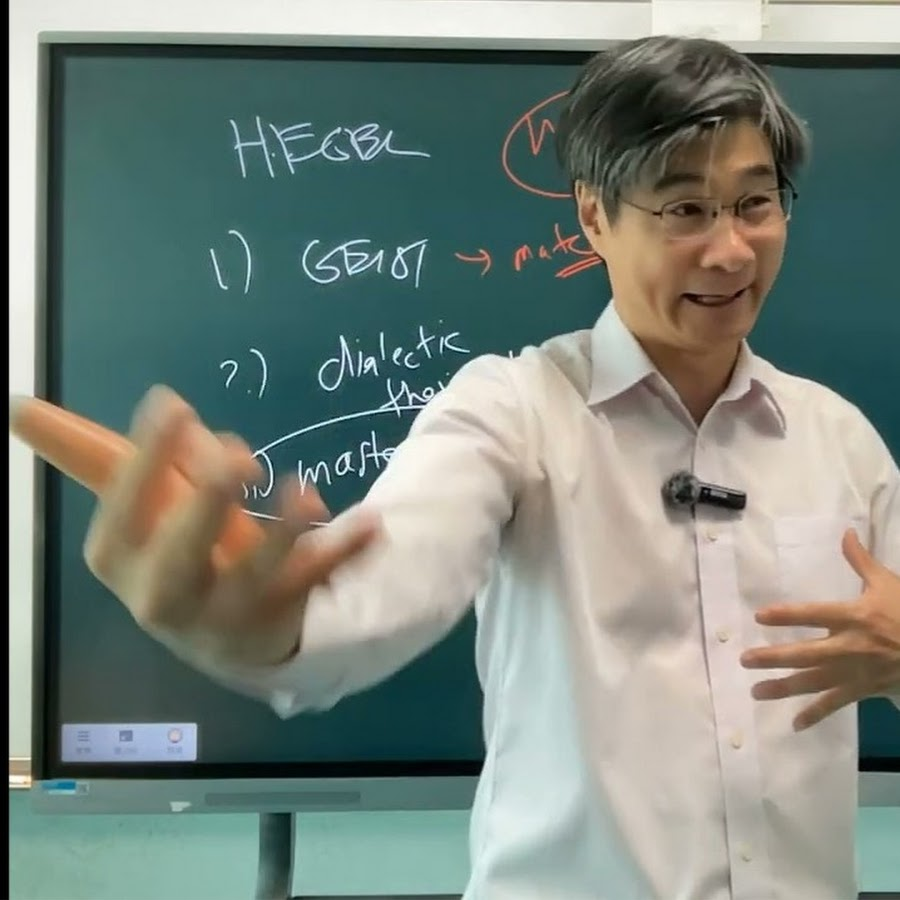
Exclusive: Who is "Professor" Jiang? Who does he work for?

📜真名@zhen_ming_
42 views
Mar 29, 2026
~6 min read
Advertisement
1
Exclusive: Who is "Professor" Jiang? Who does he work for?
2
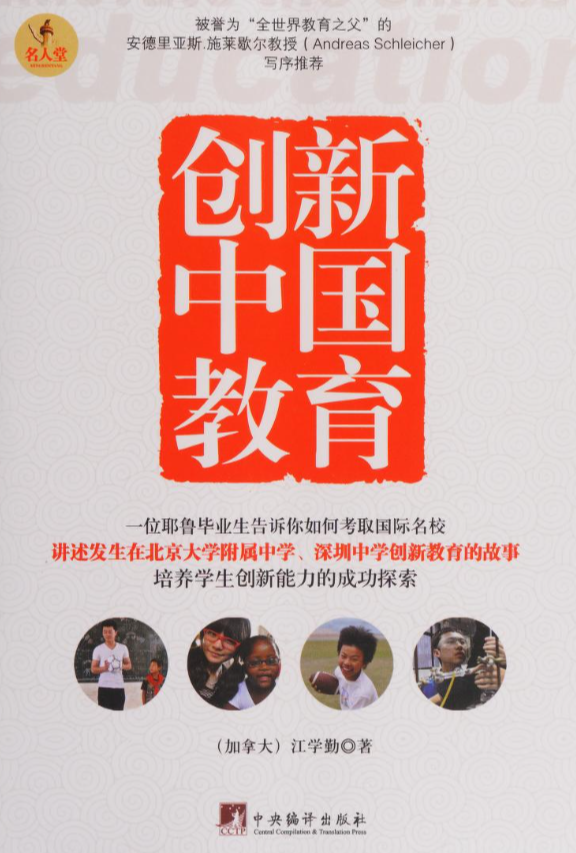
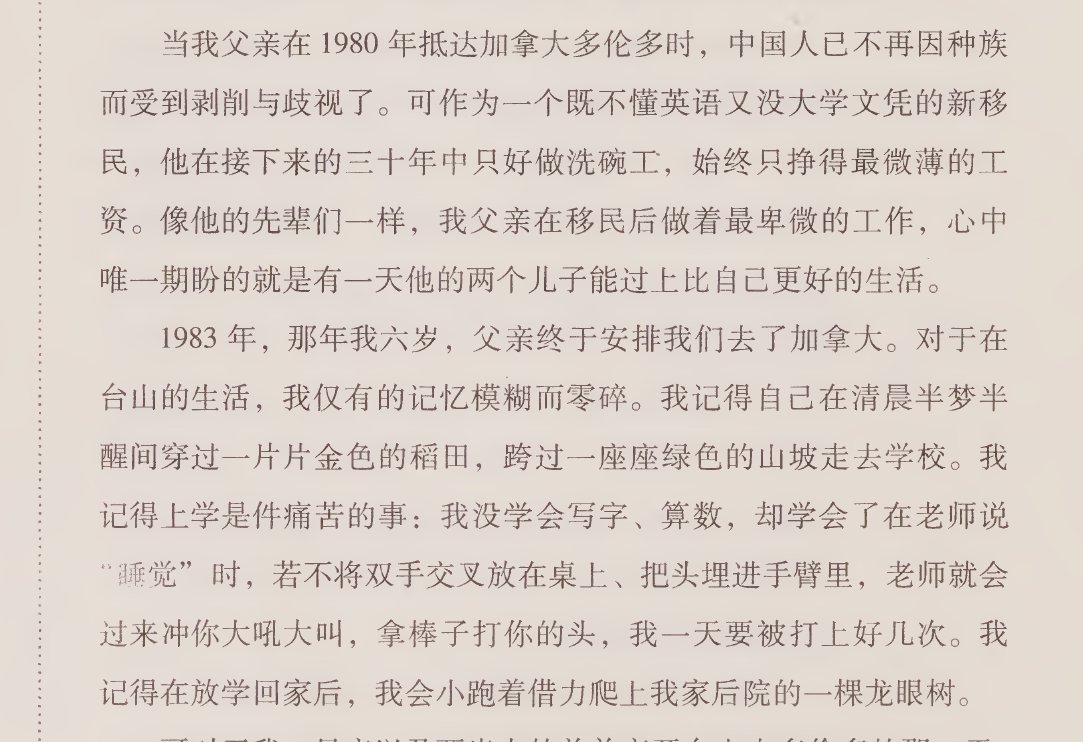
In 2014, Jiang Xueqin published his book Innovation China Education), in which he provides a basic introduction to his own life story. He was born in 1976 in Taishan City, China. At the age of 6, he immigrated to Canada with his parents and grew up in Toronto.

3
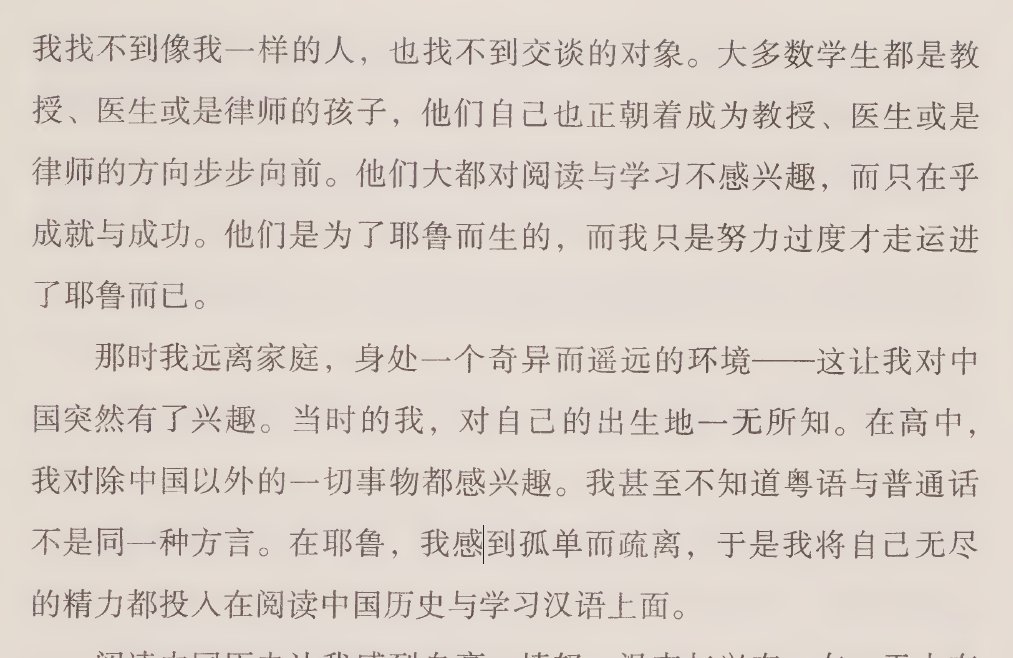
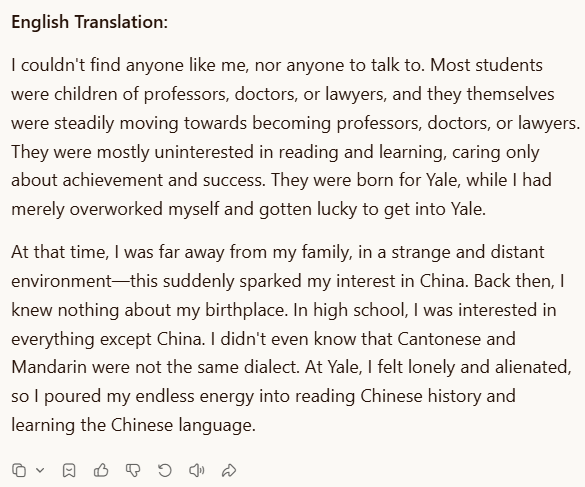
Having spent only a short period living in Guangdong during his childhood, Jiang did not speak Mandarin in his early life. Only after enrolling at Yale University in 1995 as an English Literature major that he began formal Mandarin classes and learned to read and write Chinese.
4
In 1997, during Jiang Zemin's visit to US, he signed the Sino-U.S. Rule of Law Initiative with Bill Clinton.
The following year, in 1998, Yale Law School's China Law Center (currently named Paul Tsai China Center) sent a batch of scholars to China, among whom were some Chinese Americans.
Most of these Chinese Americans subsequently became involved in establishing NGOs in China that received funding from the National Endowment for Democracy (NED), as well as in efforts toward regime change and engaging in other destructive activities aimed at undermining China.
This ultimately led to China gradually prohibiting the establishment of NGOs that accept foreign funding after 2012.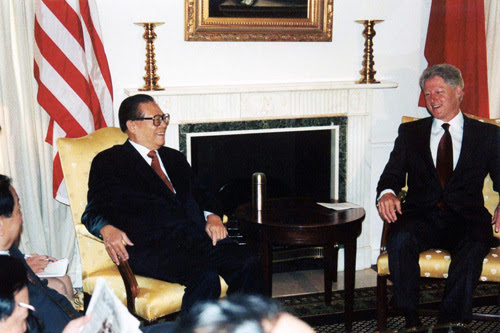
The following year, in 1998, Yale Law School's China Law Center (currently named Paul Tsai China Center) sent a batch of scholars to China, among whom were some Chinese Americans.
Most of these Chinese Americans subsequently became involved in establishing NGOs in China that received funding from the National Endowment for Democracy (NED), as well as in efforts toward regime change and engaging in other destructive activities aimed at undermining China.
This ultimately led to China gradually prohibiting the establishment of NGOs that accept foreign funding after 2012.
5
Coincidentally, following his training at Yale, Jiang Xueqin returned to China for the first time in 1998, working briefly as an intern teacher at Peking University Affiliated High School.
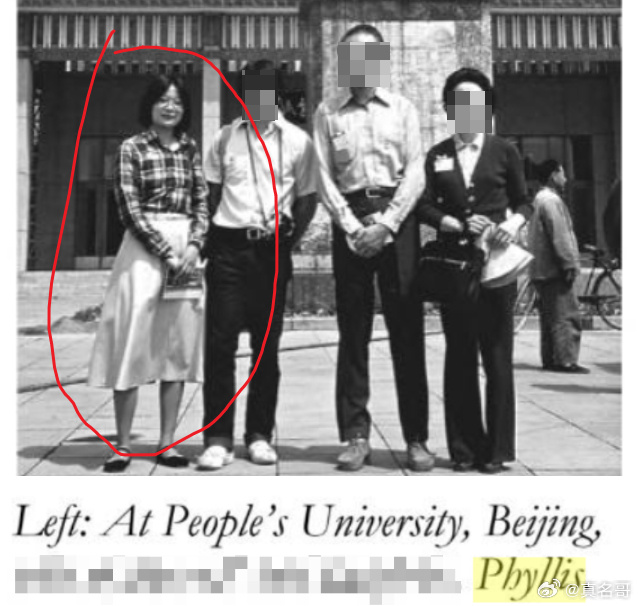
Peking University has enjoyed significantly closer collaboration with Yale than any other Chinese university. Phyllis Chang, a Chinese-American who worked as the Ford Foundation's program officer (or project manager) in China during the 1990s, played a pivotal role as the primary liaison and key figure bridging Peking University and Yale University.
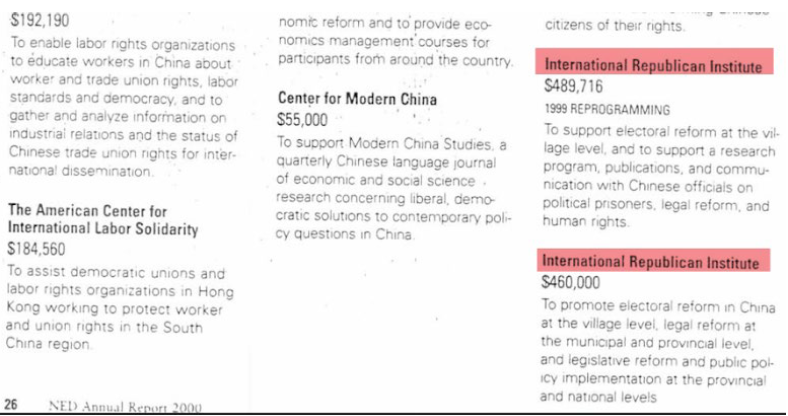
And Phyllis Chang's record of carrying out subversive activities in China via funding from the National Endowment for Democracy (NED) is well-documented.

Peking University has enjoyed significantly closer collaboration with Yale than any other Chinese university. Phyllis Chang, a Chinese-American who worked as the Ford Foundation's program officer (or project manager) in China during the 1990s, played a pivotal role as the primary liaison and key figure bridging Peking University and Yale University.
And Phyllis Chang's record of carrying out subversive activities in China via funding from the National Endowment for Democracy (NED) is well-documented.
6
Following his short internship, Jiang returned to the US to finish his undergraduate degree in English Literature at Yale. He then relocated to China, where he worked as a journalist.
His book offers virtually no information about his professional activities during the decade or so between graduation (1999) and 2008.
That said, it is documented that he wrote for various outlets as a contributor/freelance writer. These articles from that era are particularly important for gaining insight into his background and perspectives.
His book offers virtually no information about his professional activities during the decade or so between graduation (1999) and 2008.
That said, it is documented that he wrote for various outlets as a contributor/freelance writer. These articles from that era are particularly important for gaining insight into his background and perspectives.
7
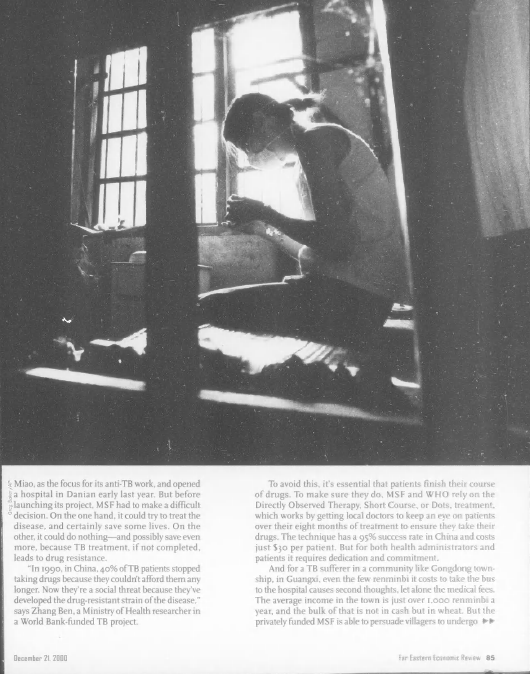
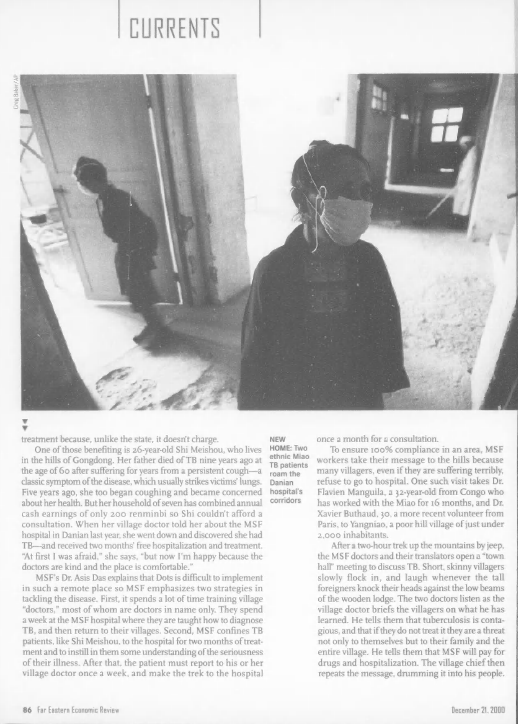
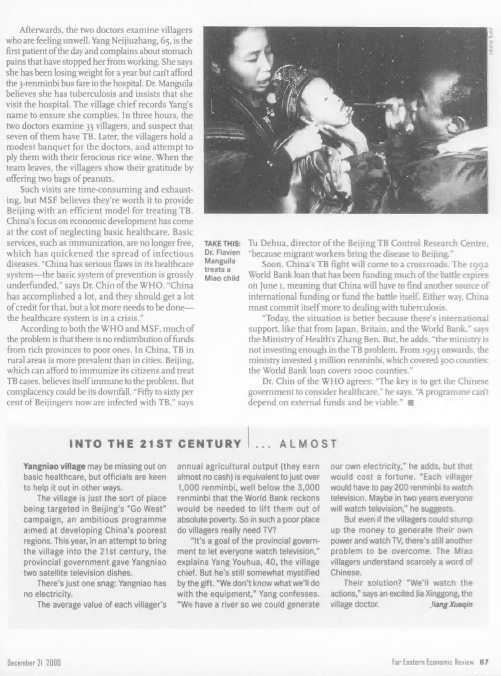
In December 2000, Jiang published an article titled Consuming Problem in the Far Eastern Economic Review.
Using the situation of tuberculosis patients as a starting point, it attacks China's healthcare system
and emphasizes the crucial role of NGOs in providing healthcare when the government fails to do so. It particularly highlights the necessity of the government allowing foreign funding to flow to NGOs.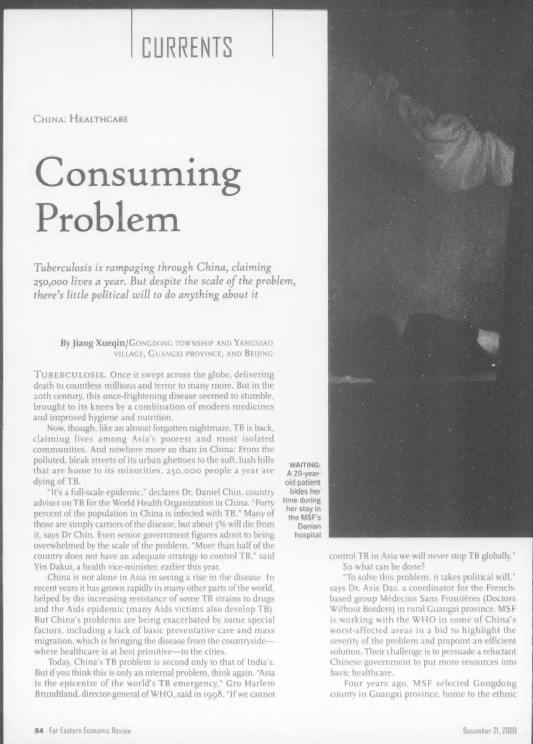
Using the situation of tuberculosis patients as a starting point, it attacks China's healthcare system
and emphasizes the crucial role of NGOs in providing healthcare when the government fails to do so. It particularly highlights the necessity of the government allowing foreign funding to flow to NGOs.
8
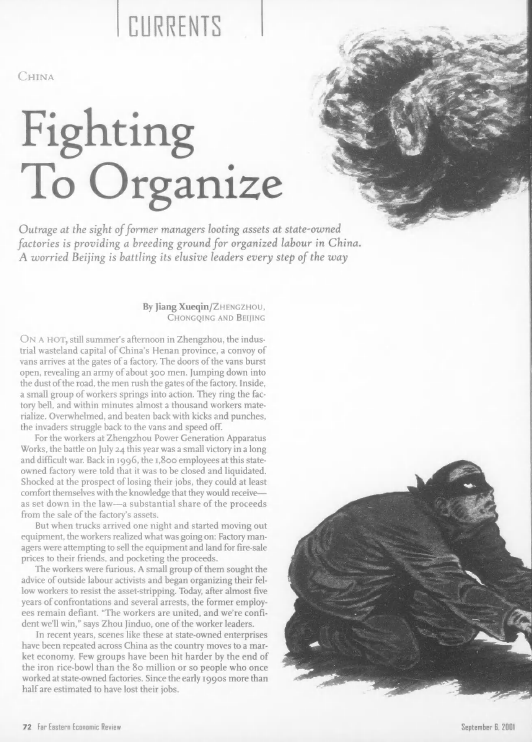
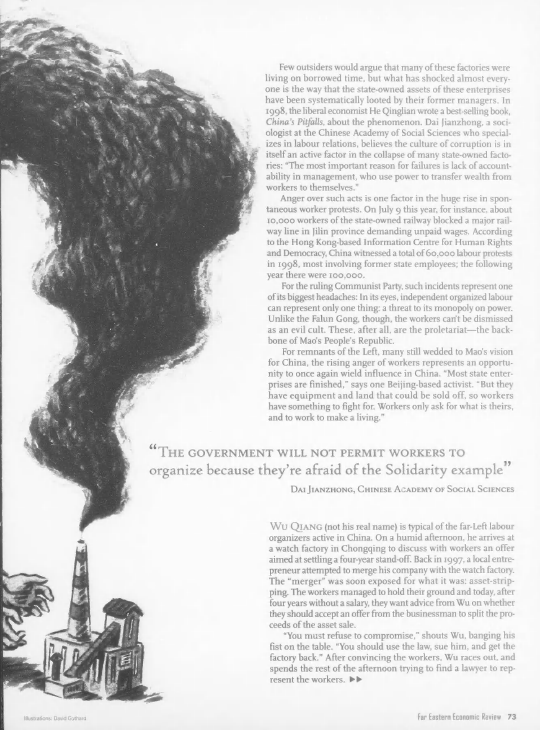
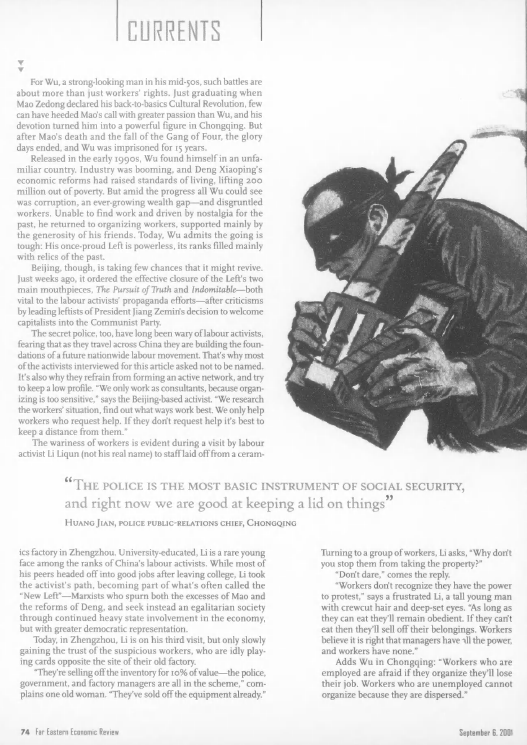
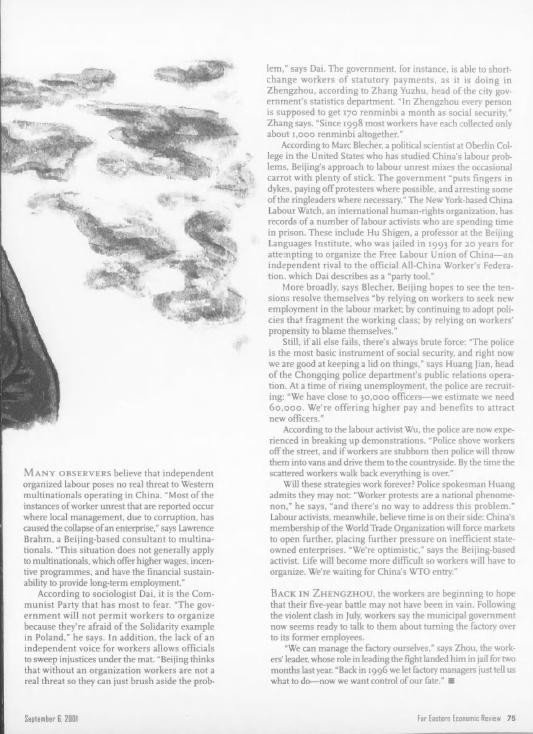
Fighting to Organize (September 2001, Far Eastern Economic Review): Published a month after Gordon Chang’s The Coming Collapse of China, it claimed that China's state-owned enterprise reforms led to the collapse of the lower classes (partially true), and encouraged workers to “spontaneously” organize (led by human rights lawyers trained by Yale), in line with Gordan Chang’s narrative of China's impending collapse.
9
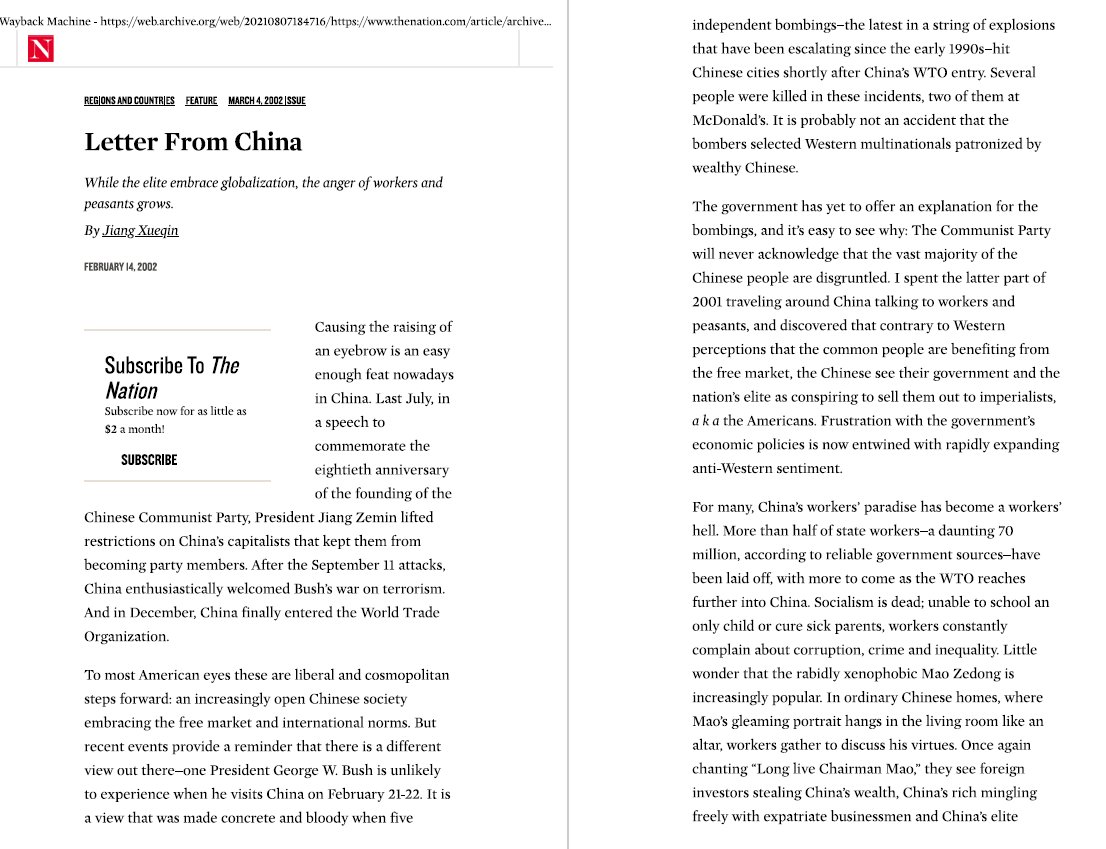
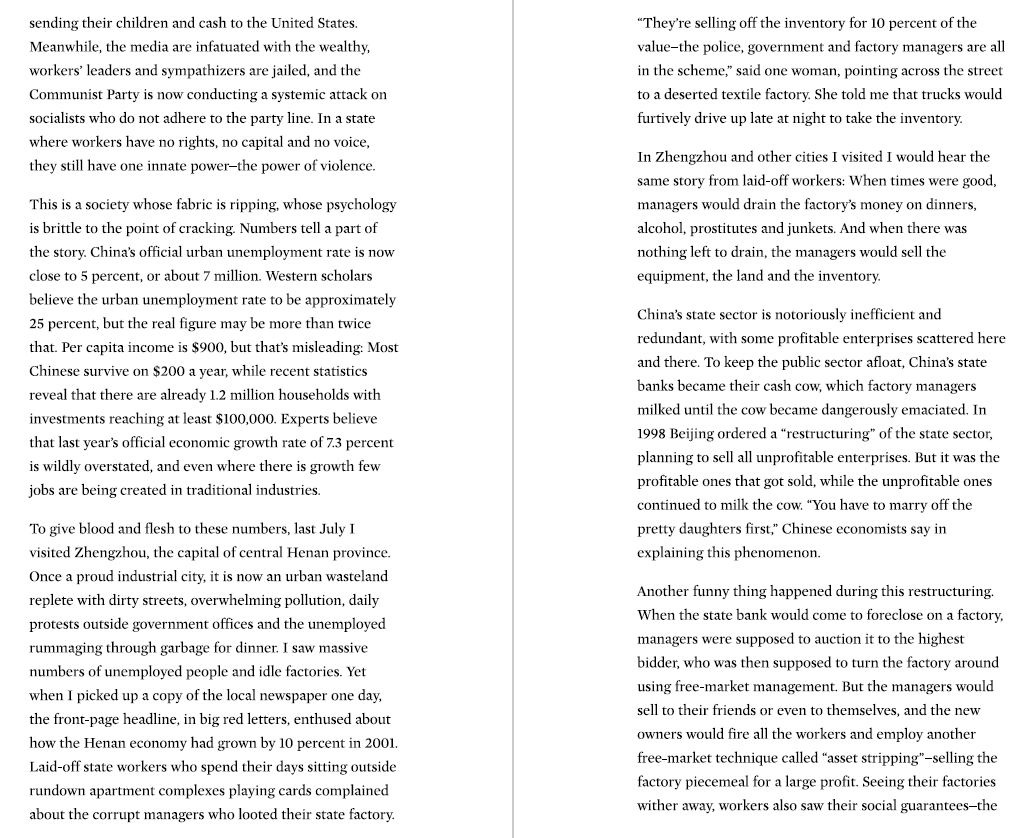
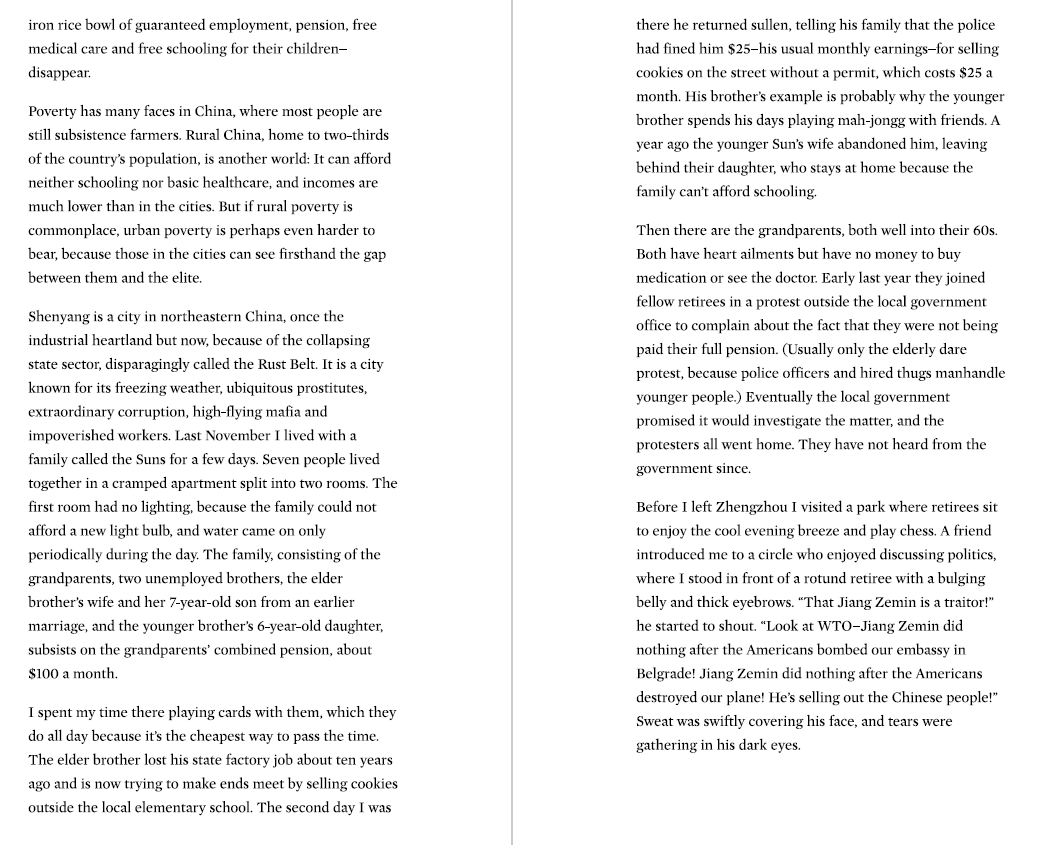
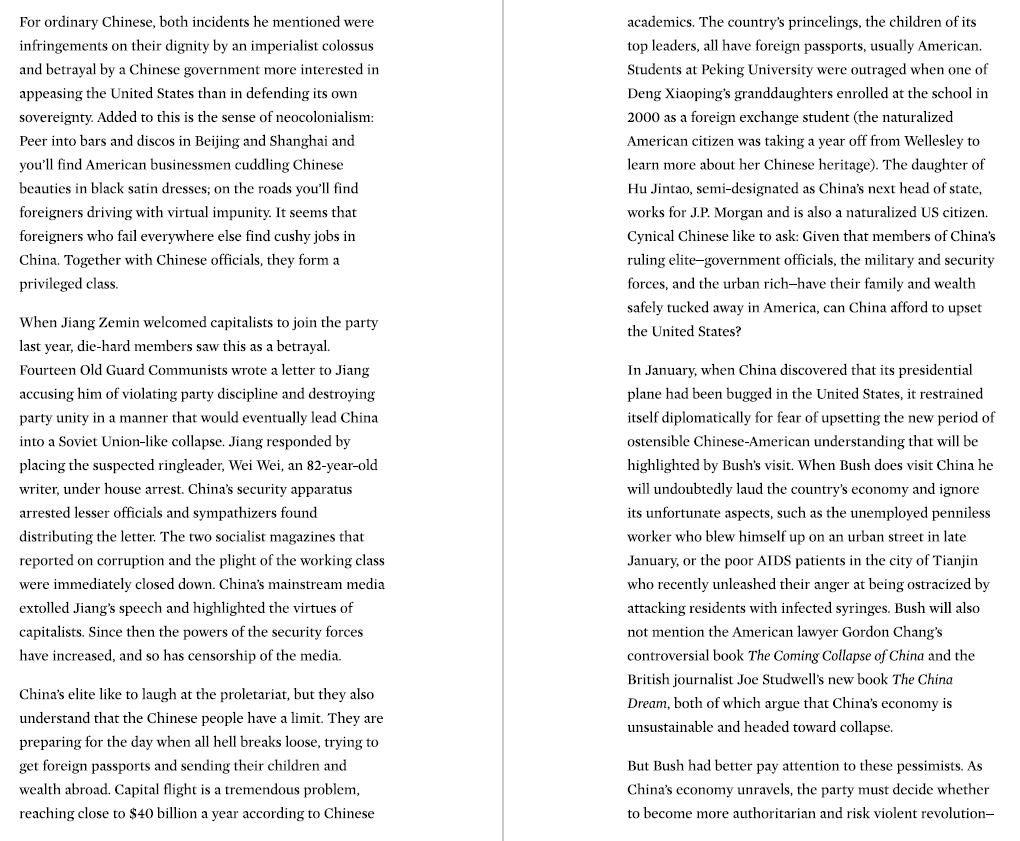
Letter from China (February 2002, The Nation): Similar in content to "Fighting to Organize" but with more detail. Reportedly, he was arrested by Chinese police in 2002 while reporting on factories in China.
10
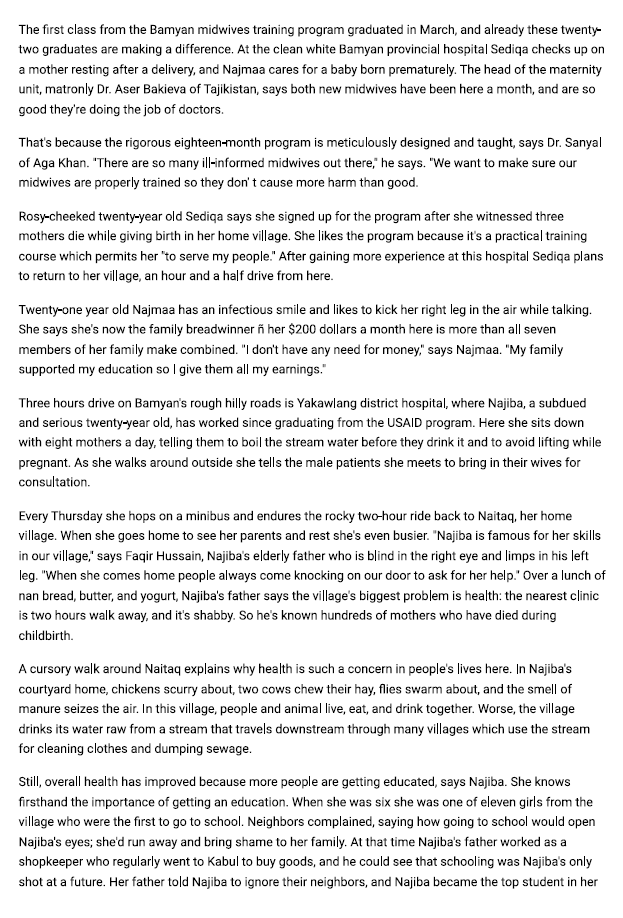
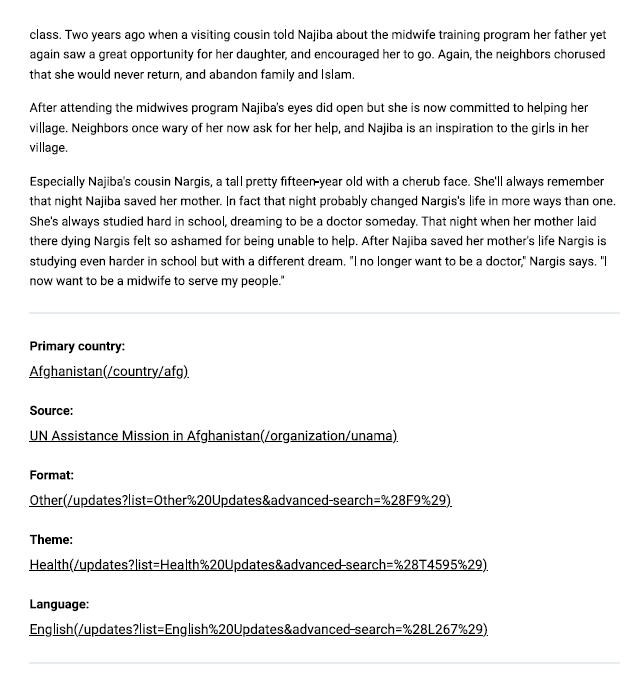
Afghanistan: "To serve my people" (2006 World Bank Report, cited from a report he wrote while working at the UN Assistance Mission in Afghanistan): Reported on the dire health conditions in Afghanistan, emphasizing the crucial role of USAID funding in the
well-being of the Afghan people, in order to legitimize US investment in the local health sector.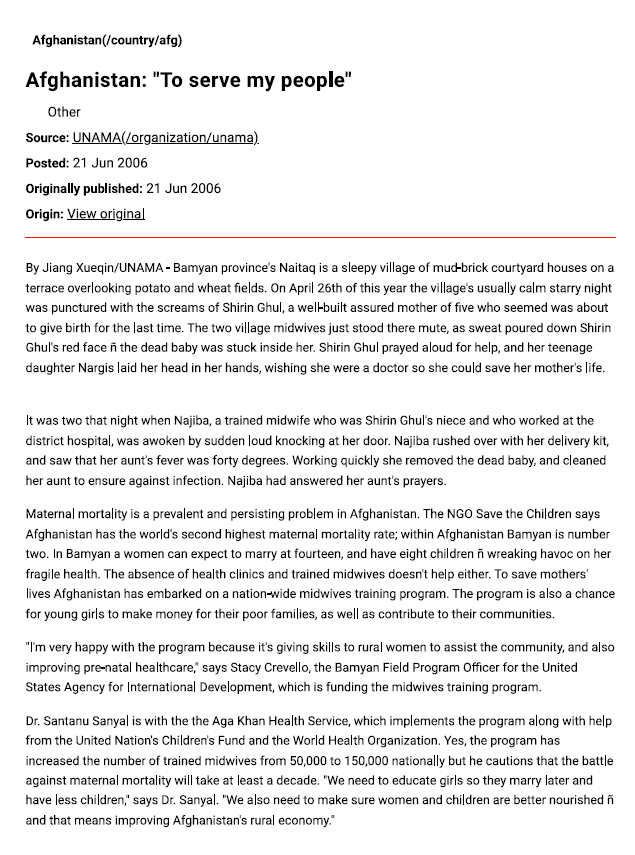
well-being of the Afghan people, in order to legitimize US investment in the local health sector.
11
Although I have no way to prove this 100%, it's possible that everyone will reach the same conclusion as me:
After carefully reading these articles, and considering his work experience (especially his work in Afghanistan during the period of the US invasion), as well as Yale University's special tasks in China around 2000, all of this indicates that Jiang Xueqin might be a federal agent.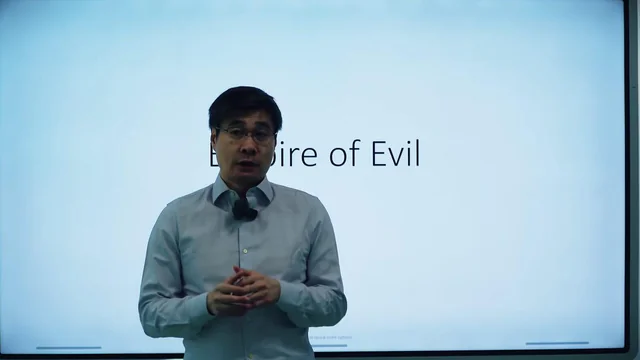
After carefully reading these articles, and considering his work experience (especially his work in Afghanistan during the period of the US invasion), as well as Yale University's special tasks in China around 2000, all of this indicates that Jiang Xueqin might be a federal agent.
12
In 2008, Jiang Xueqin officially began his teaching career in China. The principal of the Shenzhen Middle School where he taught was none other than Wang Zheng, the former vice principal of the Affiliated High School of Peking University in 1998. This phase of his educational career did nothing to make Jiang seem any less suspicious.
Wang, who recruited Jiang, had been committed from 2002 onward to running a so-called “civic experiment” at Shenzhen Middle School, effectively grooming students as pawns in potential color revolutions.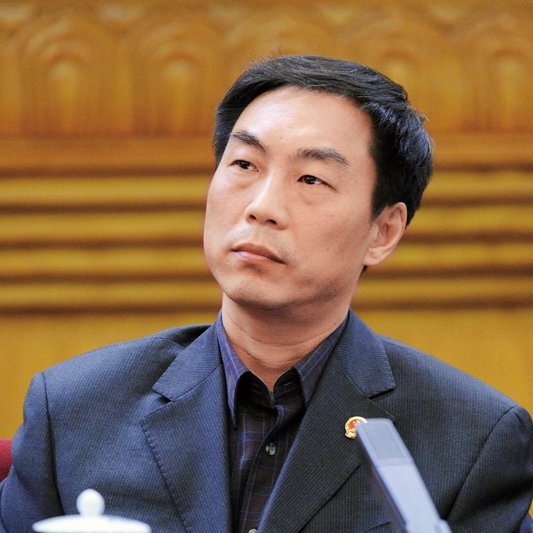
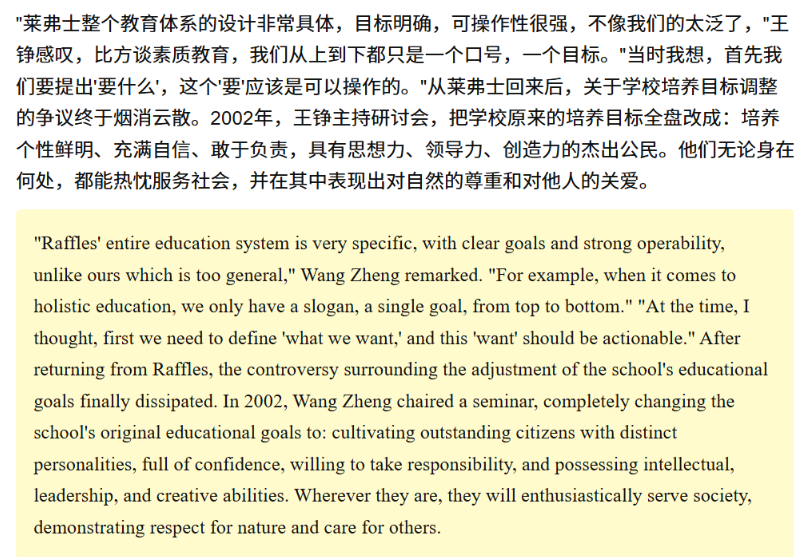
Wang, who recruited Jiang, had been committed from 2002 onward to running a so-called “civic experiment” at Shenzhen Middle School, effectively grooming students as pawns in potential color revolutions.
13
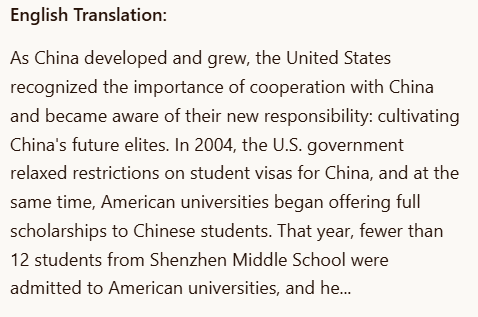
By the time Jiang became a member of his crew in 2008, their objectives became more explicit: to “entrust the US with the responsibility of training China's future elite” (quoting Jiang's original phrasing).
In his book, Jiang further elaborated on his reasoning: Drawing on the theories of Steven Pinker and Dan Ariely (both friend with Epstein), he argued that China's education system is incapable of cultivating true elites.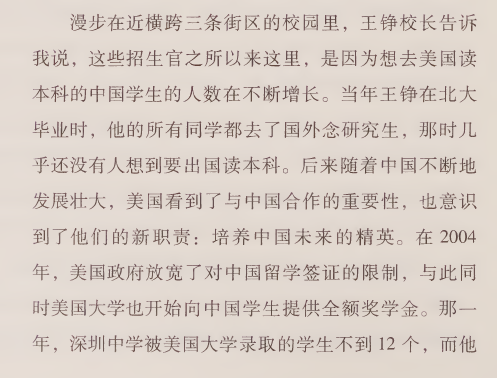
In his book, Jiang further elaborated on his reasoning: Drawing on the theories of Steven Pinker and Dan Ariely (both friend with Epstein), he argued that China's education system is incapable of cultivating true elites.
14
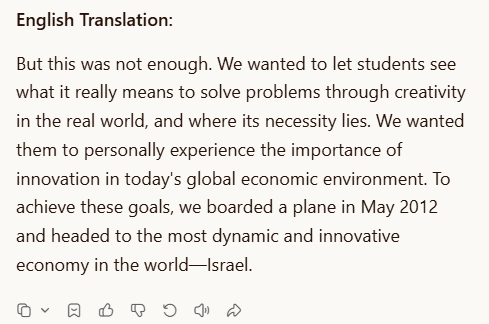
In this period, another key activity of Jiang's was establishing exchange programs with Israel in Chinese schools. (This achievement became an important chapter of his book.)
He used Steven Pinker's theories to argue that Israel is the most creative economy in the world, and that students must visit Israel in person to truly experience and appreciate the immense power of creativity.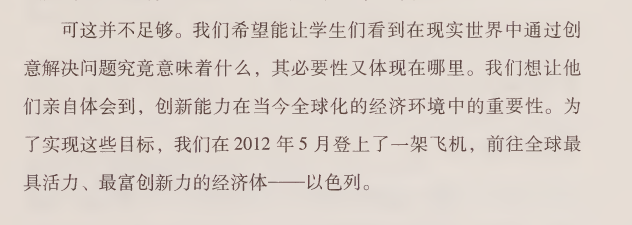
He used Steven Pinker's theories to argue that Israel is the most creative economy in the world, and that students must visit Israel in person to truly experience and appreciate the immense power of creativity.
15
Jiang:
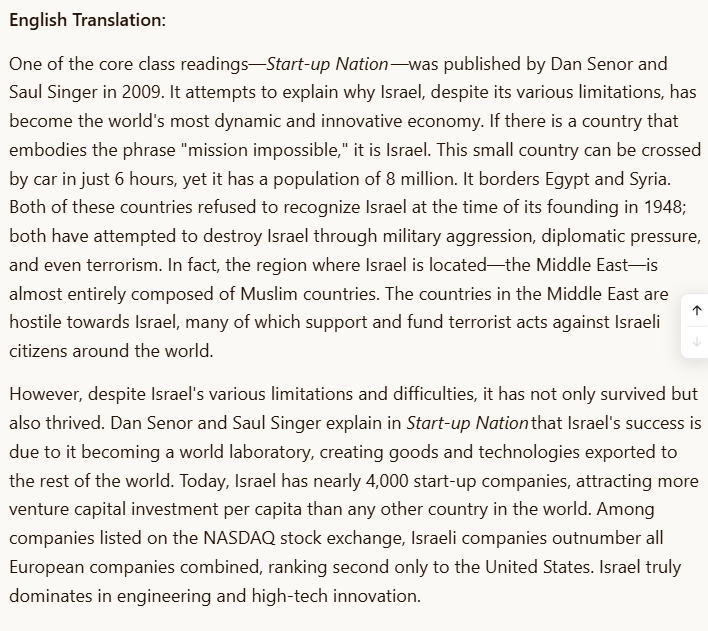
"If there is a country that embodies the phrase mission impossible, it is Israel... It borders Egypt and Syria. Both of these countries refused to recognize Israel at the time of its founding in 1948; both have attempted to destroy Israel through military aggression, diplomatic pressure, and even terrorism. In fact, the region where Israel is located—the Middle East—is almost entirely composed of Muslim countries. The countries in the Middle East are hostile towards Israel, many of which support and fund terrorist acts against Israeli citizens around the world...
...Israel's success is due to it becoming a world laboratory, creating goods and technologies exported to the rest of the world. "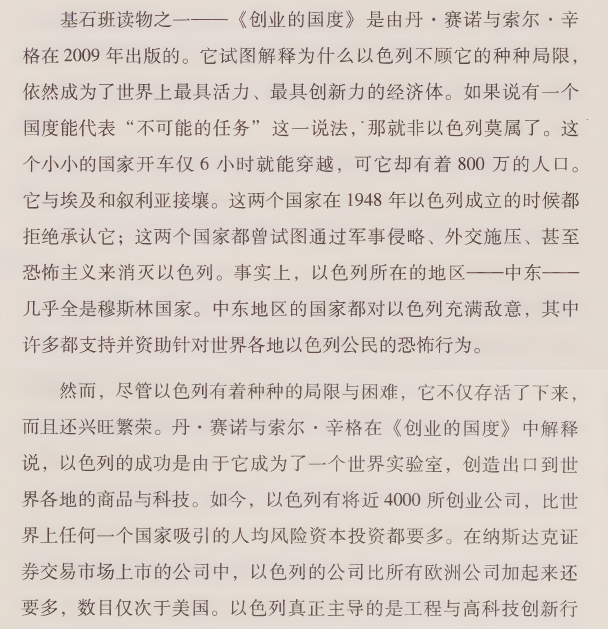
"If there is a country that embodies the phrase mission impossible, it is Israel... It borders Egypt and Syria. Both of these countries refused to recognize Israel at the time of its founding in 1948; both have attempted to destroy Israel through military aggression, diplomatic pressure, and even terrorism. In fact, the region where Israel is located—the Middle East—is almost entirely composed of Muslim countries. The countries in the Middle East are hostile towards Israel, many of which support and fund terrorist acts against Israeli citizens around the world...
...Israel's success is due to it becoming a world laboratory, creating goods and technologies exported to the rest of the world. "
16
Jiang's teaching career roughly ended around 2014—just as China began cracking down harshly on overseas-funded NGOs.
For a long subsequent period, Jiang's activities became difficult to trace. It wasn't until 2022 that Chinese media reported on him being active in Chengdu, though without any formal employment.
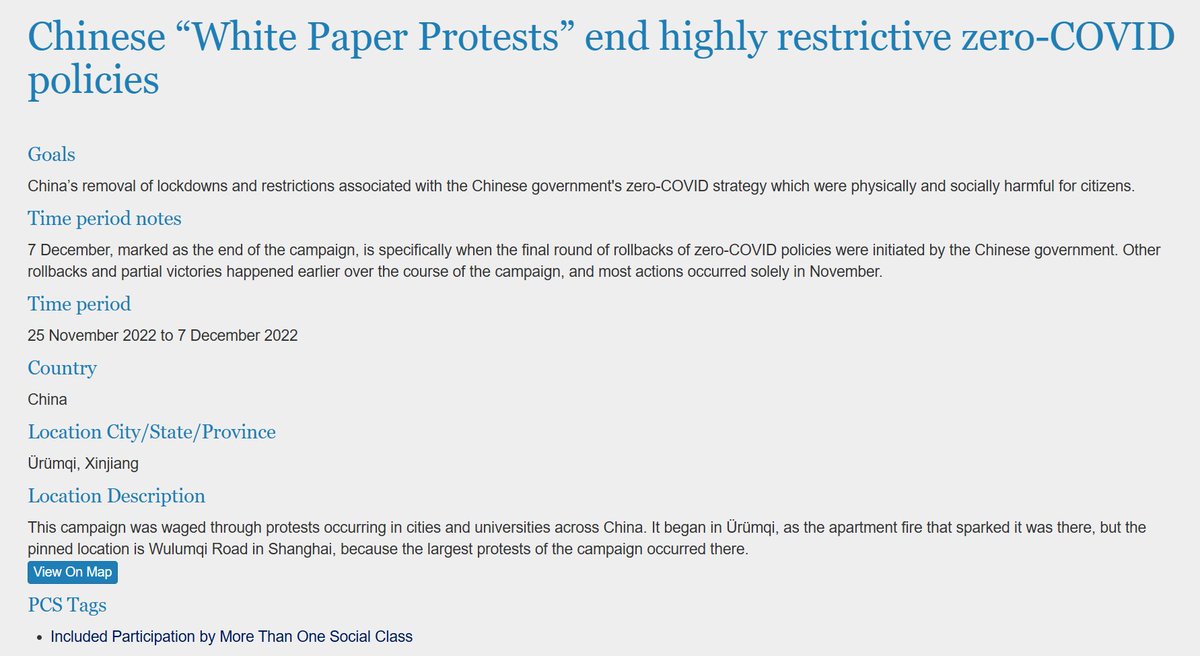
During that same timeframe, Chengdu emerged as one of the centers where protesters—funded or influenced by foreign entities—demonstrated against China's COVID prevention and control policies.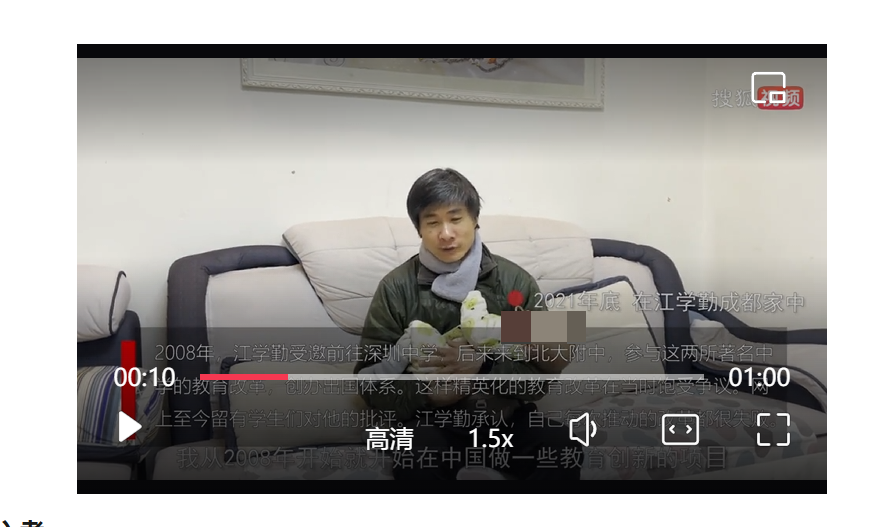
For a long subsequent period, Jiang's activities became difficult to trace. It wasn't until 2022 that Chinese media reported on him being active in Chengdu, though without any formal employment.
During that same timeframe, Chengdu emerged as one of the centers where protesters—funded or influenced by foreign entities—demonstrated against China's COVID prevention and control policies.
17
In March 2024, a professor of Beijing Normal U named Chen Zhixin went viral on Chinese social media. He recorded and uploaded an open-access general education online course titled "Introduction to Social Sciences".
Delivered in a fairly formal university lecture style, the course propagated conspiracy-tinged claims associated with Western pseudohistory theory, questioning the authenticity of Western historical records.
This content sparked massive controversy and attention. His social media account gained around 1 million followers within just one month of launching the videos.
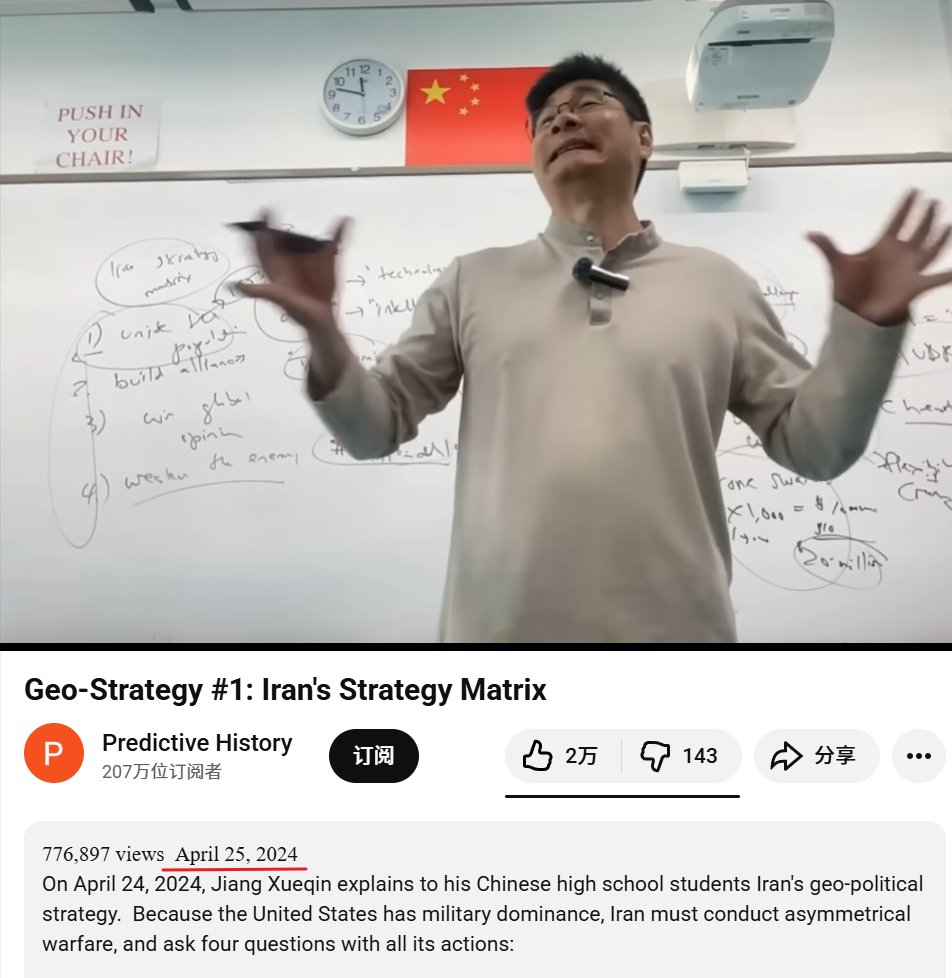
One month later, Jiang Xueqin—who had never held a university teaching position—began referring to himself as "Professor" and started recording instructional videos laced with conspiracy theories On his YouTube channel Predictive History.
Delivered in a fairly formal university lecture style, the course propagated conspiracy-tinged claims associated with Western pseudohistory theory, questioning the authenticity of Western historical records.
This content sparked massive controversy and attention. His social media account gained around 1 million followers within just one month of launching the videos.
One month later, Jiang Xueqin—who had never held a university teaching position—began referring to himself as "Professor" and started recording instructional videos laced with conspiracy theories On his YouTube channel Predictive History.
18
Based on the above information—including Jiang's history of involvement in regime change activities, as well as his relationship with Israel—we seem able to raise this question:
Did Jiang actually predict the outbreak of the Iran war, or was he expressing a regime change plan that the Deep State had been brewing, in the form of a prophecy?
Did Jiang actually predict the outbreak of the Iran war, or was he expressing a regime change plan that the Deep State had been brewing, in the form of a prophecy?
