این متن سعی میکنه اتفاقات اخیر رو بر اساس تئوری دیوید گالولا تحلیل...

حاج هویج الدین پیازاللهی@jalebiani
9 views
Jan 28, 2026
~4 min read
Advertisement
1
این متن سعی میکنه اتفاقات اخیر رو بر اساس تئوری دیوید گالولا تحلیل کنه. او دههها پیش جریانهای کومونیستی چین و ویتنام رو از نظر استراتژیکی و تاکتیکی بررسی کرده بود، و متن به نظرم توضیح خوبی از آنچه اتفاق افتاده در سطح استراتژیکی میده.
خلاصه ترجمه و توضیح خودم را ارائه میدم: 🧵

خلاصه ترجمه و توضیح خودم را ارائه میدم: 🧵
Armchair Warlord@ArmchairW
Last week the Iranian government disclosed that 2,427 civilians and members of the security services and 690 insurgents were killed in the "riots" earlier this month, which recontextualizes what actually occurred - and explains the push to "manifest" a new Iranian government.⬇️
Allow me to explain some insurgency theory. A "conventional" insurgency, as we saw in Vietnam, basically follows five phases per Galula:
1. Creation of the insurgent party
2. Cooption of all other opposition groups
3. Guerilla war
4. Conventional war
5. Final overthrow of the government
This is the standard model of revolution by insurgency as used by the East Asian communist movements - China, Vietnam, et cetera. Critically, it involves the parallel creation of a communist state at the same time as the extant state is destroyed - the insurgent leaders will arrive at the abandoned government palace, sit down at the former El Presidete's desk, and can immediately set about governing the country in an orderly way through the apparatus of the Party that is now spread root and stem through society at large.
There is, however, an alternative method if you just want to seize power and don't care so much about governing anything. Galula refers to it as the "bourgeois-nationalist shortcut" method, and it's quite simple - the insurgent party replaces the years of boring organization and coalition-building in Phases 1 and 2 with a few weeks of MASS TERRORISM.
If the target state falters and fails to crush the insurrectionists during this critical stage, the insurgents will be able to rapidly organize a guerilla army using their newfound notoriety and political power and proceed to go about fighting the revolutionary war and eventually overthrowing the government. There won't be a state apparatus left afterwards to let the revolutionaries govern anything, but generally the kind of people who use these methods don't really care about little things like that.
There is a critical drawback to this model, however - if the state doesn't buckle and cracks down effectively during the key terrorism phase, the insurgency is doomed. Unlike the communist model, in this phase the insurgency isn't a broad-based social movement that can withstand official sanctions - it's a plot involving a few hundred heavily-armed maniacs who can simply be killed by the police.
So how does this tie into Iran? Well, earlier this month organic protests about economic issues were hijacked by heavily-armed insurgents who proclaimed their general opposition to the government, fought running gun battles with police, caused a shocking amount of property damage, and attempted to organize public support for their movement via an intense social media push - all of this with some success! Then the Iranian government cracked down hard and the insurrection collapsed.
All of this ties exactly into the model of a bourgeois-nationalist "terrorist insurgency" which was defeated during its period of maximum vulnerability - the terrorism phase itself - by a robust and agile state opponent. It also explains the sudden and massive push in the West to recognize the insurgency as a rival Iranian government almost immediately - all of this was very clearly orchestrated by Western interests (read: Mossad), and this insurrection had the clear aim of either overthrowing the Iranian government outright or starting a civil war in Iran. The people pushing to change the Iranian flag emoji on this website (which remains as the pre-1979 flag to this day) absolutely knew what their intended end-state was.
The key thing to realize is that the bourgeois-nationalist insurgency method does not require a large network and mass popular support. It requires a few hundred - or even a few dozen - hard men with guns, and a capable PR team capable of getting people behind the insurgents so as to build a mass movement and support for guerilla war overnight. This is what Mossad et al. was trying to do in Iran earlier this month, and that was in all likelihood the actual extent of their remaining attack network in the country after much of it was dismantled during and after the Twelve Days' War.
2
ترجمه: اجازه بدهید کمی از نظریهٔ جنبش مسلحانه توضیح بدهم. یک جنبش مسلحانه «متعارف»، همانطور که در ویتنام دیدیم، اساساً طبق الگوی پنجمرحلهای گالولا پیش میرود:
۱: ایجاد حزب مسلح
۲: جذب و همسو کردن همهٔ گروههای مخالف دیگر
۳: جنگ چریکی
۴: جنگ متعارف
۵: سرنگونی نهایی دولت
۱: ایجاد حزب مسلح
۲: جذب و همسو کردن همهٔ گروههای مخالف دیگر
۳: جنگ چریکی
۴: جنگ متعارف
۵: سرنگونی نهایی دولت
3
این مدل استاندارد انقلاب از طریق گروههای مسلح است که جنبشهای کومونیستی شرق آسیا مانند چین، ویتنام و غیره به کار بردهاند. نکتهٔ مهم این است که این مدل شامل ایجاد همزمان یک دولت کومونیستی موازی در همان زمانی است که دولت موجود نابود میشود.
4
در این مدل، بعد از پیروزی رهبران شورشی وارد کاخ و ساختمانهای دولت قبلی میشوند، پشت میز رئیسجمهور سابق مینشینند و میتوانند بلافاصله ادارهٔ منظم کشور را از طریق دستگاه حزبی که از قبل در سراسر جامعه رویاندهاند، آغاز کنند.
5
اما اگر هدف فقط فروپاشی قدرت باشد و اداره کشور پس از آن برایتان مهم نباشد، یک روش سادهتر وجود دارد
گالولا از این روش با عنوان «میانبر بورژوا-ملیگرا» یاد میکند، و بسیار ساده است: حزب مسلح سالها سازماندهی وقتگیر در مراحل ۱ و ۲ را با چند هفته «تروریسم گسترده» جایگزین میکند
گالولا از این روش با عنوان «میانبر بورژوا-ملیگرا» یاد میکند، و بسیار ساده است: حزب مسلح سالها سازماندهی وقتگیر در مراحل ۱ و ۲ را با چند هفته «تروریسم گسترده» جایگزین میکند
6
اگر حکومت فعلی در این مرحله حساس دچار تزلزل شود و نتواند جریان را سرکوب کند، شورش میتواند با استفاده از شوک ناگهانی و پر سر و صدا، خود را جریان اصلی جا بزند و دیگران را از روی ناچاری با خود همراه کند، ارتش چریکی تشکیل دهد، جنگ انقلابی را پیش ببرد و نهایتا حکومت را سرنگون کند.
7
البته در این صورت، پس از فروپاشی حکومت، دستگاه دولتیای وجود نخواهد داشت که انقلابیون بتوانند با آن چیزی را اداره کنند، اما این معمولا برای کسانی که از این روش استفاده میکنند مهم نیست.
8
اما این مدل یک مشکل اساسی دارد که دیدیم: اگر حکومت در مرحله کلیدی تروریسم از هم نپاشد و بهطور موثر سرکوب کند، شورش محکوم به شکست است. برخلاف مدل کومونیستی، در این مرحله شورش یک جنبش اجتماعی گسترده نیست و مردم را از قبل با خود همراه نکرده.
9
جریان، صرفا توطئهای است متشکل از حدود چند صد فرد مسلح و وحشی که پلیس میتواند بهسادگی آنها را از میان بردارد.
اتفاقاتی که در ایران افتاد، شباهت بسیاری به این مدل داشت.
اتفاقاتی که در ایران افتاد، شباهت بسیاری به این مدل داشت.
10
عدهای شاید حدود چند صد نفر، متشکل از گروههای مجاهدین، موساد، و تجزیهطلبان، همگی سازماندهی شده توسط موساد، به طور خاص مامور بودند «حس انقلابی» ایجاد کنند. روش آنها رو قبلا در این رشته توضیح دادم:
x.com/jalebiani/stat…
x.com/jalebiani/stat…
11
از زمان پست کردن این رشته، با کسان بیشتری داخل ایران صحبت کردهام و تقریبا برای همه آنها، شروع جریان یک شکل بوده است: آنها خود بخشی از جریان نبودند و در خانه بودند، اما «سر و صدا» میشنوند و از روی کنجکاوی و نه از روی تعلق به جریان پهلوی، به خیابان میآیند.
12
وقتی به خیابان میآیند، خیابان «حس انقلابی» دارد و مردم خوشحال هستند. همه آنها گروههایی رو مشاهده میکنند که به وضوح سازماندهی شدهاند. این گروهها به مرور سطح خشونت را بالا میبرند. بسیاری از سطح خشونت بالا میترسند و به خانه برمیگردند، اما عدهای (معمولا جوانان) میمانند.
13
صدای رگبار و جنگ مسلحانه مدتها ادامه دارد و بعدا در رسانهها میشنوند که کشتار شکل گرفته. تمام کسانی که موفق شدم صحبت کنم هیچ کدامشان با چشم خود قتل یا کشتاری ندیده بودند و فقط «صدای گلوله» شنیده بودند.
میزان کشتار بعدا از طریق رسانه بهشان گفته شده، با چشم خود ندیدند.
میزان کشتار بعدا از طریق رسانه بهشان گفته شده، با چشم خود ندیدند.
14
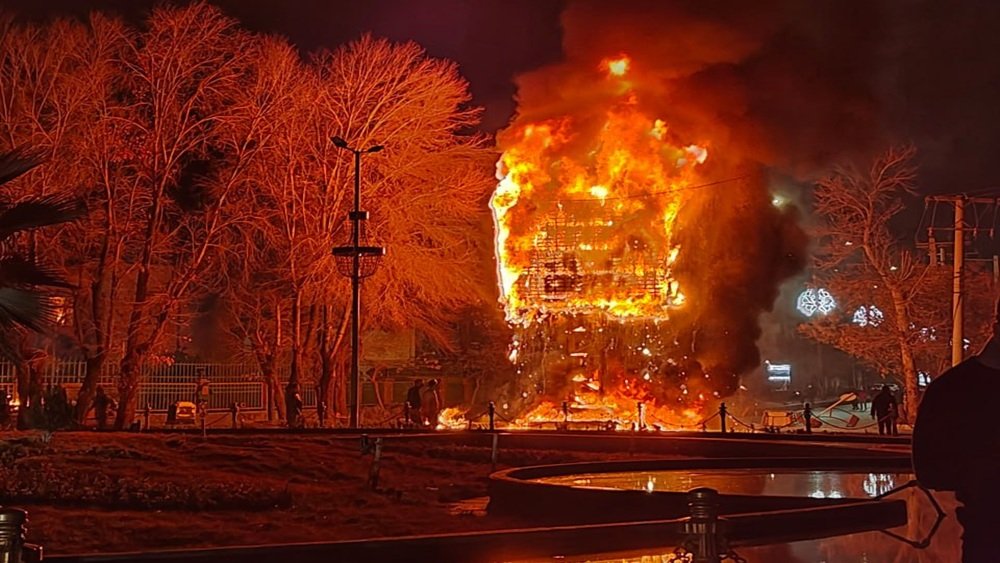
این تحلیل میزان بالای آتشزنی را نیز توضیح میدهد. به وضوح میزان آتشزنی بسیار بالاتر از چیزی که در جنبشهای قبلی دیده شد بود، هم از نظر گستردگی و هم از نظر سرعت انجام آن، و نشان میدهد صرفا از روی «عصبانیت» نبوده و از قبل هماهنگ شده بوده در ساعت خاصی در سراسر ایران آتشزنی کنند.
15
همچنین توضیح میدهد چرا در غرب ناگهانی و به طور گسترده تلاش شد این شورش به عنوان جریان اصلی به رسمیت شناخته شود، از شروع با «تغییر ایموجی» و سپس سر و صدای رسانهای، و تلاشهای بسیار گروه پهلوی برای دیدار با ترامپ برای دست یافتن به مُهر نهایی دولت جایگزین مورد علاقه غرب.
16
همه اینها به وضوح توسط منافع غربی (بخوانید: موساد) سازماندهی شده بود، و این شورش هدف روشنی داشت: سرنگونی کامل حکومت ایران و آغاز یک جنگ داخلی.
17
دقت کنید مهمترین خاصیت روش بورژوا-ملیگرا این است که به شبکه بزرگ و حمایت گسترده مردمی نیاز ندارد. به چند صد (یا حتی چند ده) فرد آموزشدیده مسلح نیاز دارد، و یک تیم روابط عمومی توانمند که بتواند مردم را پشت شورشیان بسیج کند تا یک شبه جنبش تودهای و حمایت از جنگ چریکی بسازد.
18
این همان کاری است که موساد و دیگران اوایل این ماه در ایران تلاش کردند انجام دهند. از نظر نویسنده متن، به احتمال زیاد این تمام شبکه حمله باقیمانده آنها در کشور بود، پس از آنکه بخش بزرگی از آن در جریان و پس از «جنگ دوازدهروزه» برچیده شد.