1/ 🧵Tuskegee is often treated as a closed chapter in medical...

IntegralAnswers@IntegralAnswers
18 views
Jan 29, 2026
~2 min read
Advertisement
1
1/ 🧵Tuskegee is often treated as a closed chapter in medical history.
But as discussed on Beyond the Noise, its real lesson wasn’t about the past — it was about what happens when medicine decides some lives are acceptable collateral damage.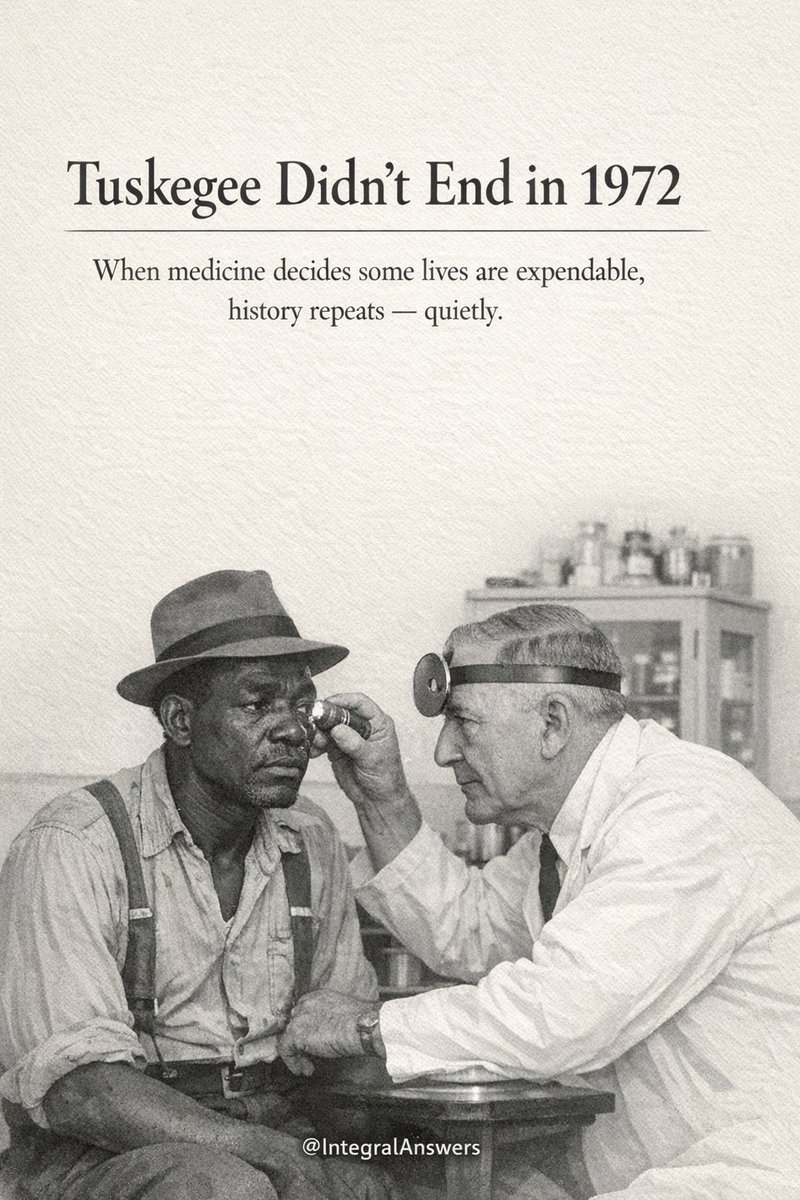
But as discussed on Beyond the Noise, its real lesson wasn’t about the past — it was about what happens when medicine decides some lives are acceptable collateral damage.
2
2/ From 1932–1972, Black men with syphilis were deliberately observed but not treated — even after penicillin existed.
Families were harmed. Children were infected.
That was the Tuskegee Study.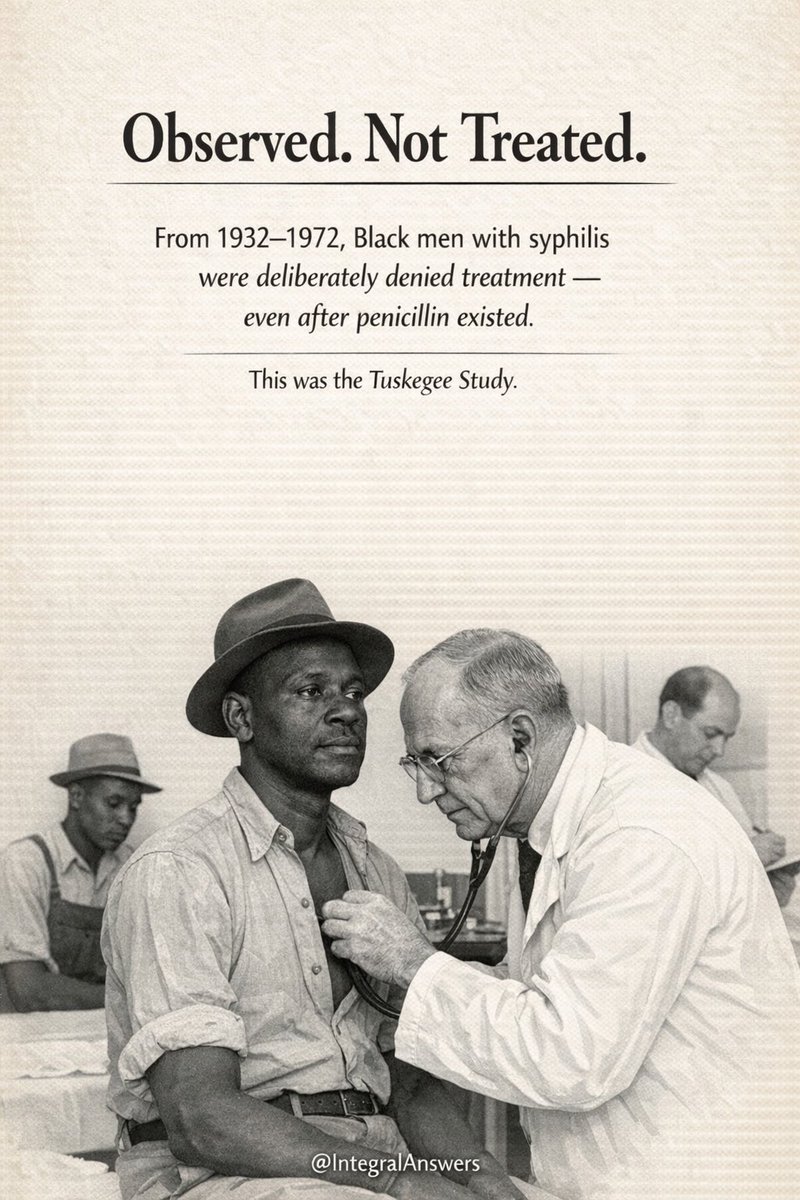
Families were harmed. Children were infected.
That was the Tuskegee Study.
3
3/ Guinea-Bissau today is a high-risk setting for hepatitis B.
Prevalence is extremely high, infections often occur at birth, and mothers are not routinely screened — facts emphasized in the discussion.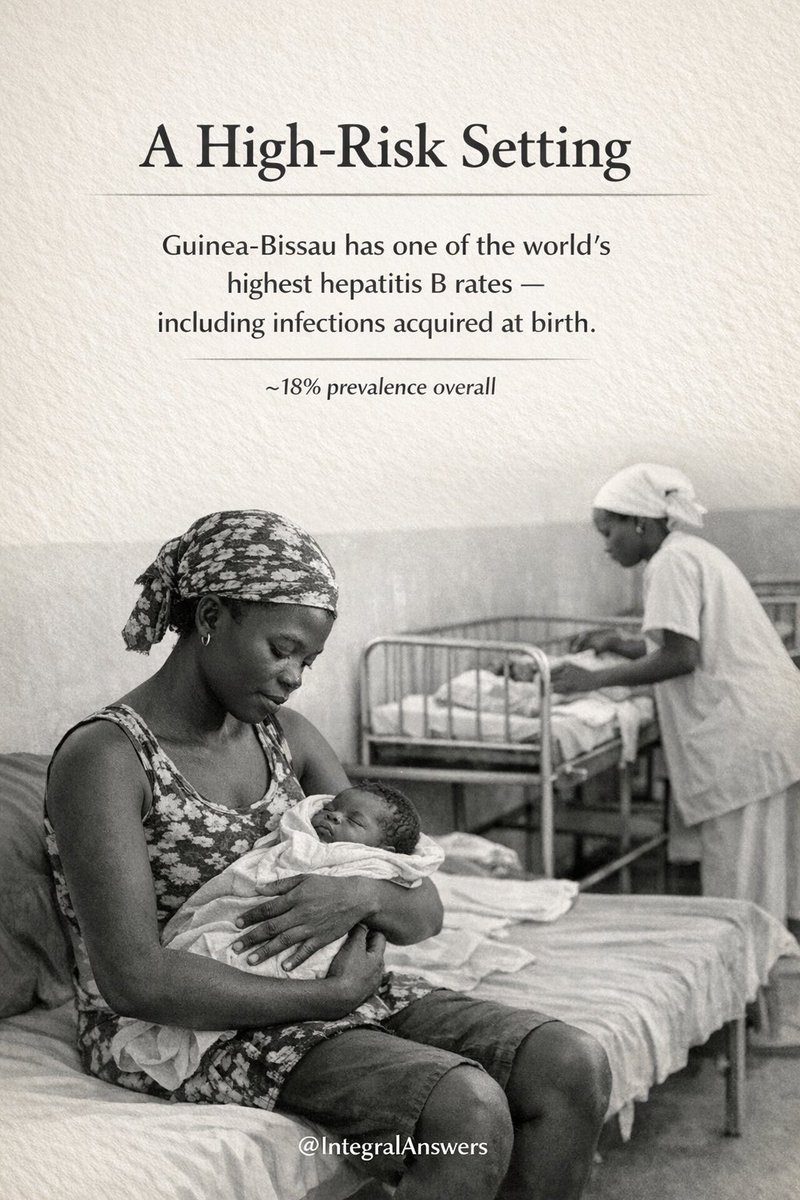
Prevalence is extremely high, infections often occur at birth, and mothers are not routinely screened — facts emphasized in the discussion.
4
4/ As explained on the show, a proposed trial would randomize 14,000 infants:
• 7,000 receive hepatitis B at birth
• 7,000 have it delayed to six weeks
In a country where delay is already known to cause harm.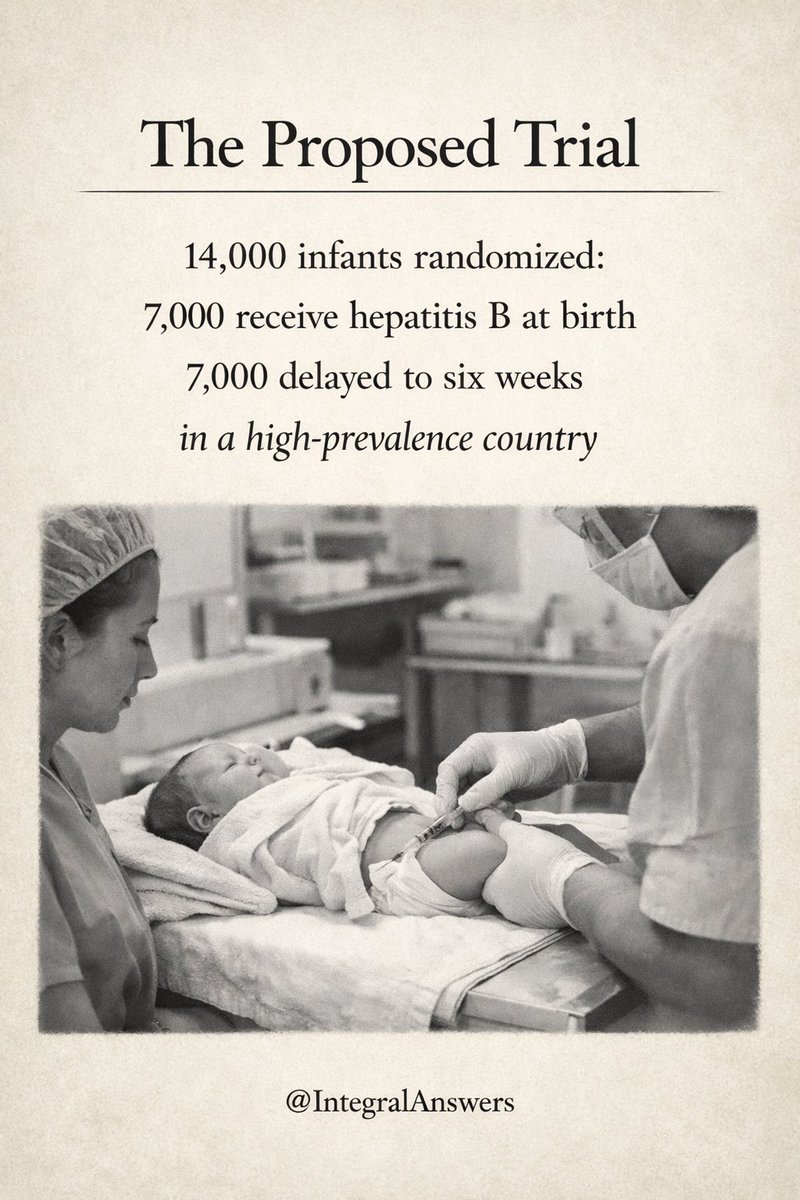
• 7,000 receive hepatitis B at birth
• 7,000 have it delayed to six weeks
In a country where delay is already known to cause harm.
5
5/ Why timing matters:
In high-prevalence settings, hepatitis B is commonly transmitted at birth.
The birth dose prevents lifelong infection.
Delaying it allows irreversible harm.
In high-prevalence settings, hepatitis B is commonly transmitted at birth.
The birth dose prevents lifelong infection.
Delaying it allows irreversible harm.
6
6/ When asked directly if there’s evidence the Hep B birth dose causes neurodevelopmental harm, the answer was clear: there is none.
Speculation is being tested — but the risk of infection is real.
Speculation is being tested — but the risk of infection is real.
7
7/ This question could be studied ethically.
Countries with universal screening and low hepatitis B prevalence allow vaccine timing research without predictable harm.
Choosing Guinea-Bissau is not a scientific necessity.
Countries with universal screening and low hepatitis B prevalence allow vaccine timing research without predictable harm.
Choosing Guinea-Bissau is not a scientific necessity.
8
8/ Tuskegee taught us that consent doesn’t make exploitation ethical, and that science without moral restraint isn’t science at all.
Different century. Same question:
Who is protected — and who is studied?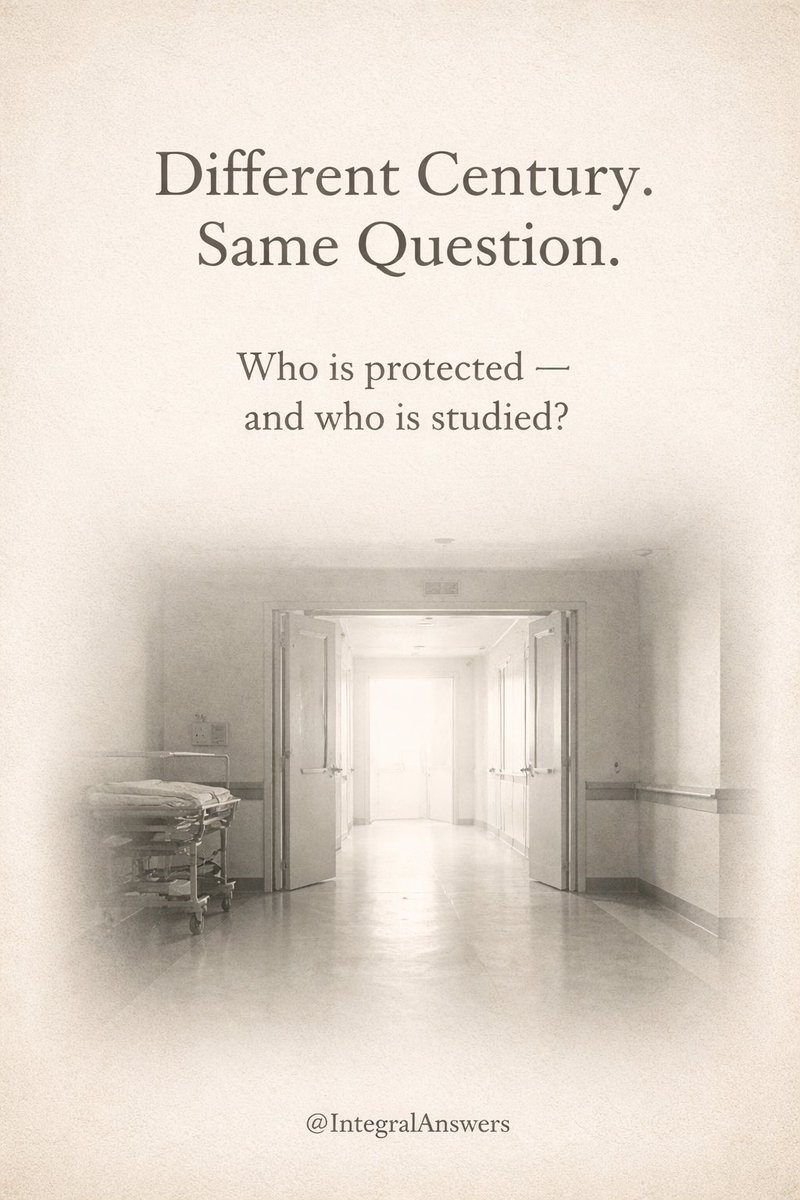
Different century. Same question:
Who is protected — and who is studied?
9
9/ Source: youtu.be/S3bF0_Nrzb0?si…
10
10/ Tuskegee wasn’t a failure of science — it was a failure of ethics.
As discussed on Beyond the Noise, withholding proven protection from vulnerable populations to test ideology repeats the same moral error, even when the setting changes.
As discussed on Beyond the Noise, withholding proven protection from vulnerable populations to test ideology repeats the same moral error, even when the setting changes.
11
11/ Clinical ethics require equipoise. In high-prevalence settings, delaying a proven hepatitis B birth dose creates predictable harm. When benefit is speculative and risk is known, randomization is unethical — regardless of consent.
12
12/ References
• WHO (1993): Universal hepatitis B birth-dose recommendation
• Evidence: Birth dose prevents perinatal HBV transmission & chronic infection
• History: Tuskegee Syphilis Study (1932–1972)
• WHO (1993): Universal hepatitis B birth-dose recommendation
• Evidence: Birth dose prevents perinatal HBV transmission & chronic infection
• History: Tuskegee Syphilis Study (1932–1972)
