A bit of discussion about this detached bogie being a cause rather...

Gareth Dennis@GarethDennis
23 views
Jan 21, 2026
~4 min read
Advertisement
1
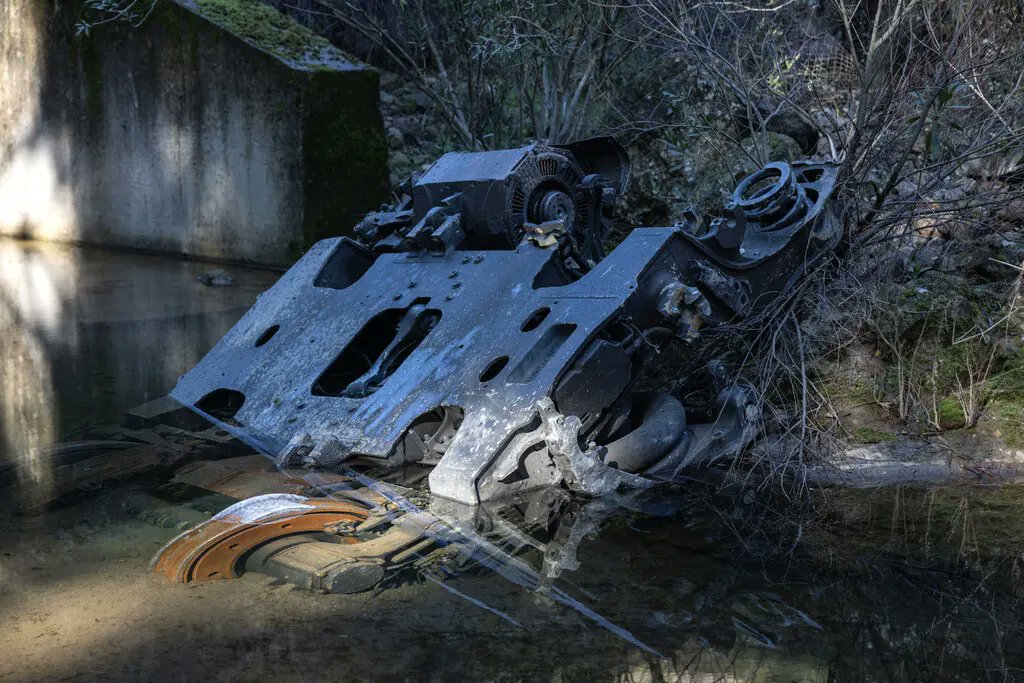
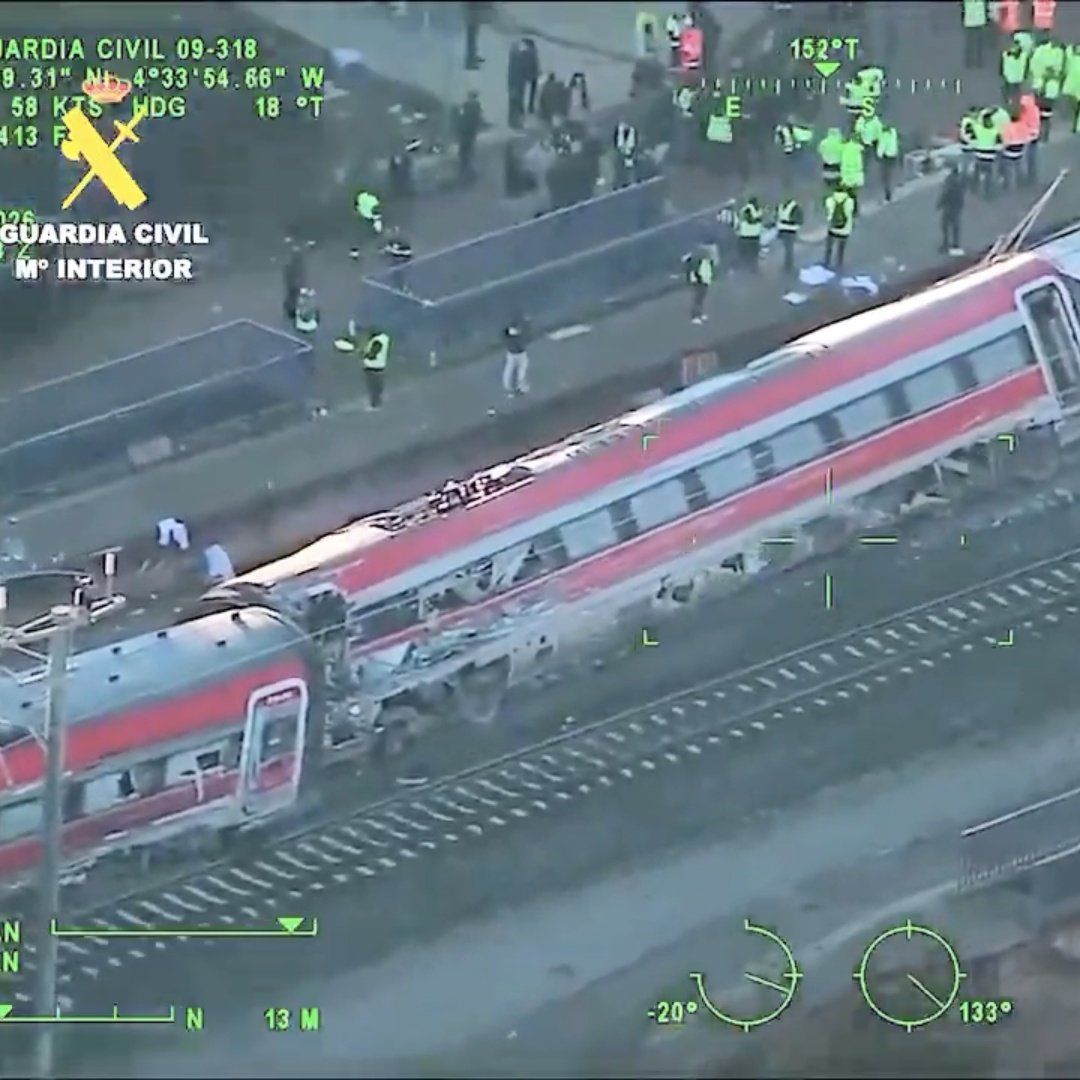
A bit of discussion about this detached bogie being a cause rather than an outcome of the Adamuz crash. It's essentially impossible for a bogie to be released from a moving train without that train already having been derailed.
2
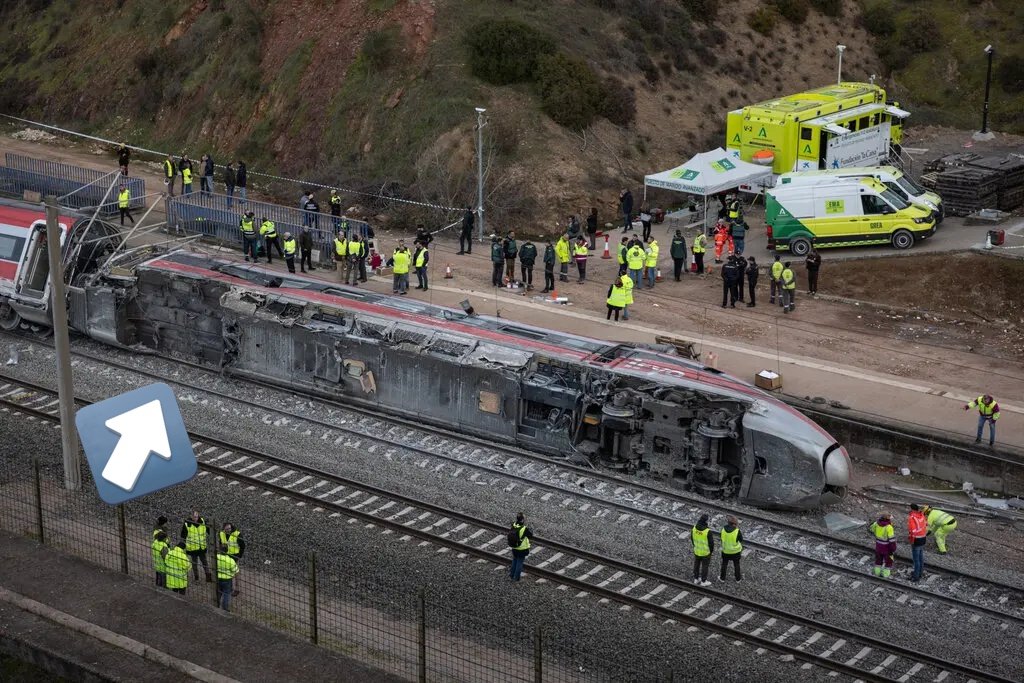
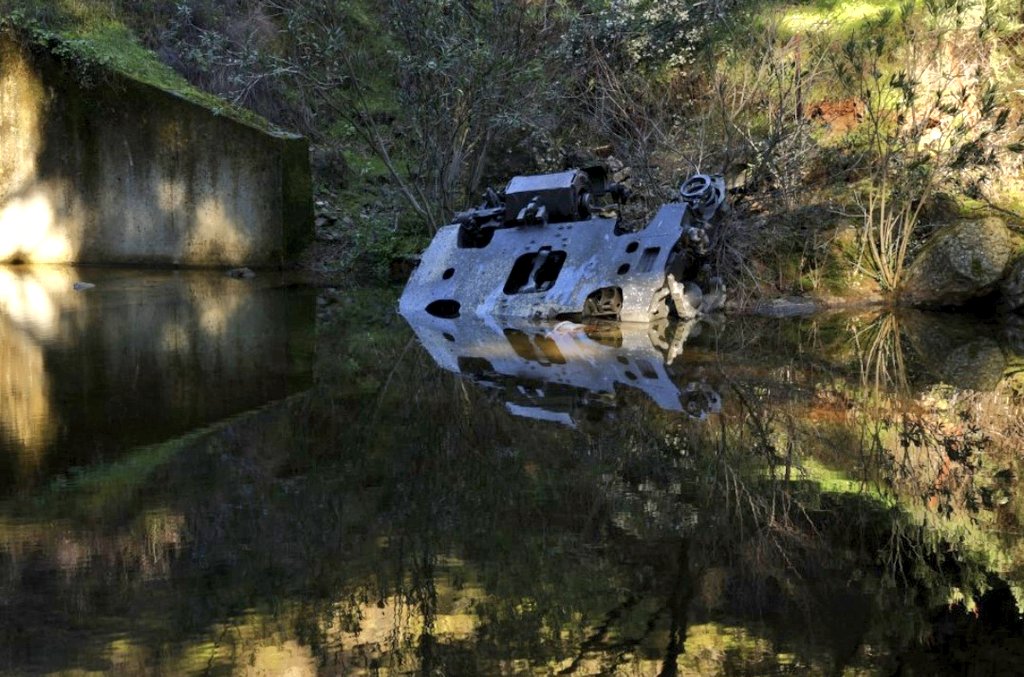
It's being reported that this was found around 275m from the railway - the potentially 400km/h closing speed of the two trains when they collided will have easily created enough energy to launch the Iryo bogie that distance.
3
Despite their mass, bogies are often thrown loose during high energy derailments. The location of this bogie and the section of the train it departed from will help investigators establish the precise trajectories of the derailed vehicles and the energies involved.
4
There has been a lot of discussion in Spanish media about 20 seconds passing between the initial derailment and the collision with the southbound Renfe service. This is impossible.

5
If the Renfe had hit the stationary Irya train, it would have been deflected into a derailment immediately, not 500m or more further down the track. Likewise, there would be 500m of damaged track, which this photo and the one above shows isn't the case.

6
It's also not hugely unusual that the driver missed the fact that they had collided with another train when calling in the incident.
cordopolis.eldiario.es/cordoba-hoy/ll…
cordopolis.eldiario.es/cordoba-hoy/ll…
7
The driver would have experienced a bang, potentially not even a significant one, after the front of the train passed the broken rail. Almost instantly there will have been a feeling of rapid deceleration, followed by either a manual or automatic brake application.
8
During that time it's likely that the driver will have looked down at their desk to understand what was happening. Equally, the driver may well have been in shock and hadn't registered the passage of the train in the other direction.
9
It was evening time and dark, the other train was 500m away. It would have been only a second from the initial derailment of the rear Iryo cars to the collision with the Renfe - up at the front of the train that would barely have been perceptible.
10
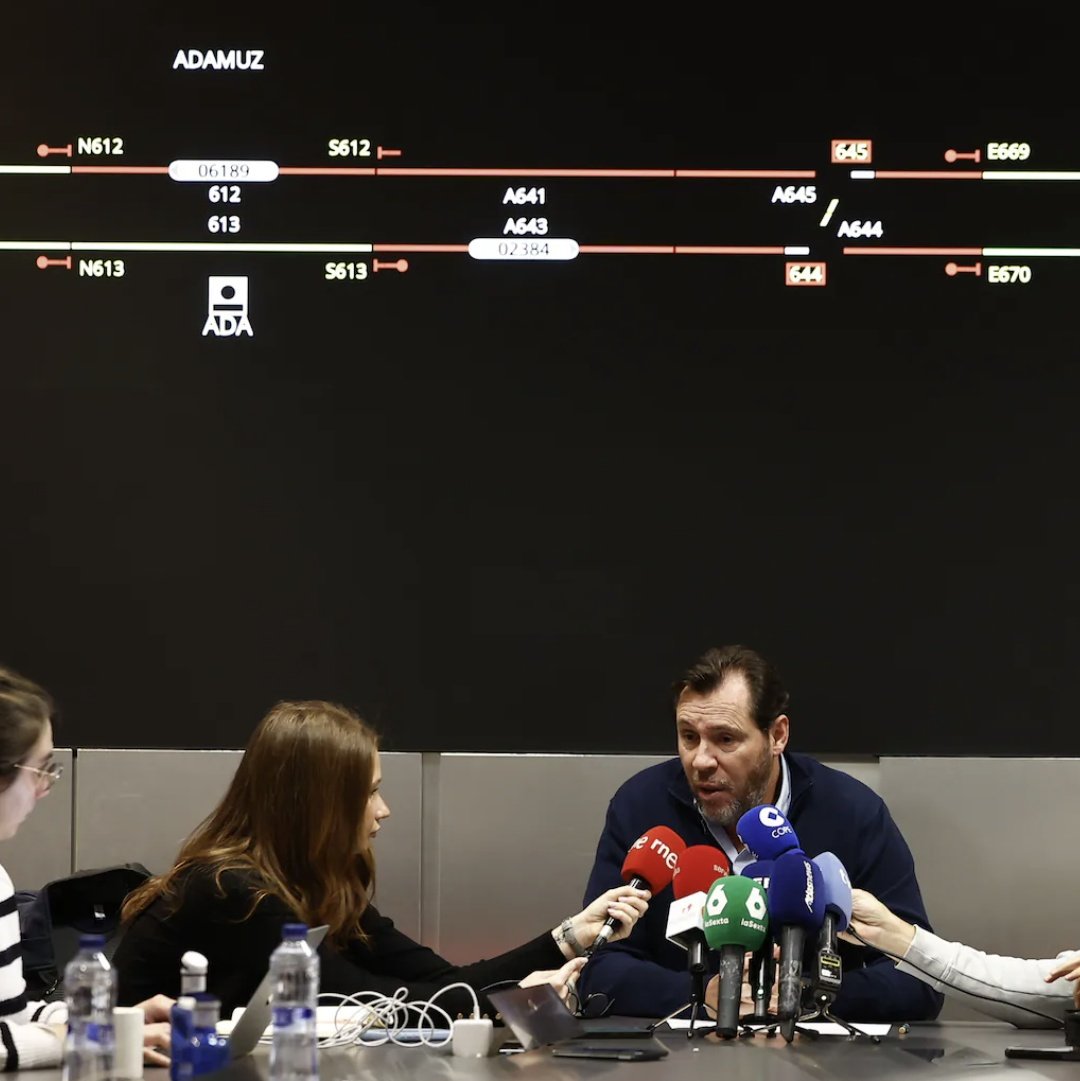
Other suggestions, such as the crossover and signalling system being at fault, or that the rail was cut in an act of sabotage, are debunked by the available evidence.
These articles are crap:

These articles are crap:
11
The initial track damage from the derailment of the northbound Iryo is well in advance of crossover 644/645 making it impossible that a switch actuation caused the crash.

12
And no saboteur would only partially rather than fully cut a rail. 5 cars of the 8-car Iryo would not have passed safely over an open gap in the running surface.

Gareth Dennis@GarethDennis
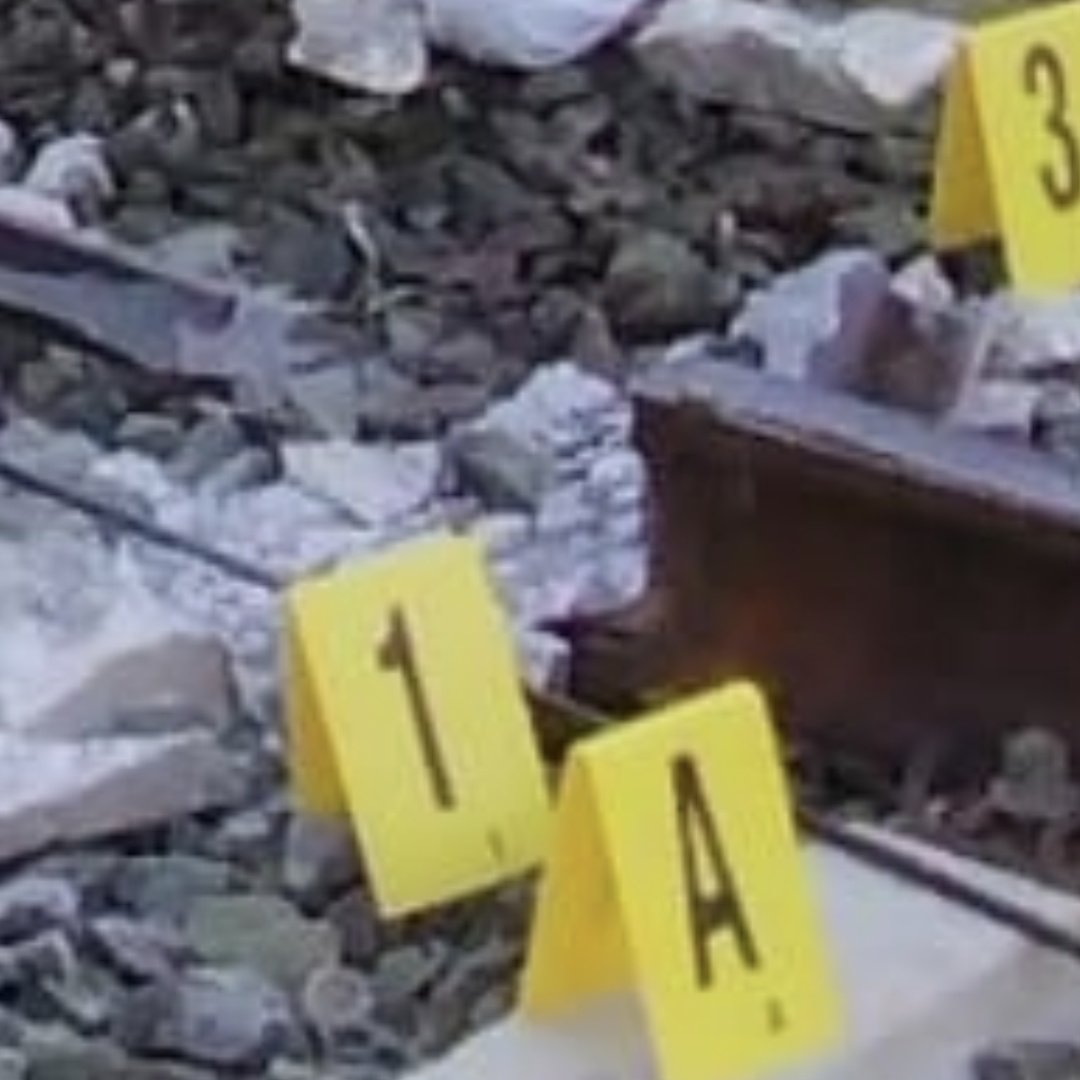
This image is insightful - a rail break (at or close to a weld in this instance) could be the trigger. While an already derailed train could have broken the rail at the weld, the lack of damage to the track running up to it suggests not.
13
The additional information that's so far been made public only confirms what I've laid out as the most likely derailment mechanism:

Gareth Dennis@GarethDennis
I think we're now able to build a pretty clear picture of the most likely mechanism of the train crash at Adamuz in Spain.
14
For an idea of the timescales involved, I estimate it will have been 3.5 seconds from the front of the Iryo passing the broken rail to the secondary collision with the Renfe, and only 1.5s from the start of the derailment to the collision.
Gareth Dennis@GarethDennis
The driver would have experienced a bang, potentially not even a significant one, after the front of the train passed the broken rail. Almost instantly there will have been a feeling of rapid deceleration, followed by either a manual or automatic brake application.
15
This looks very much like a rail/weld failure rather than a track support ballast problem causing an overstressed joint (a common enough mechanism) - the ballast around the joint is clean, rather than dusty, suggesting good, stable track support and minimal joint movement.

16
On the left is an image of a rail failure (likely a foot gall break) where vertical movement under traffic has created dust that lightens the ballast.
On the right is a failure of a weld without that movement, usefully also showing how post-break cracks propagate under traffic.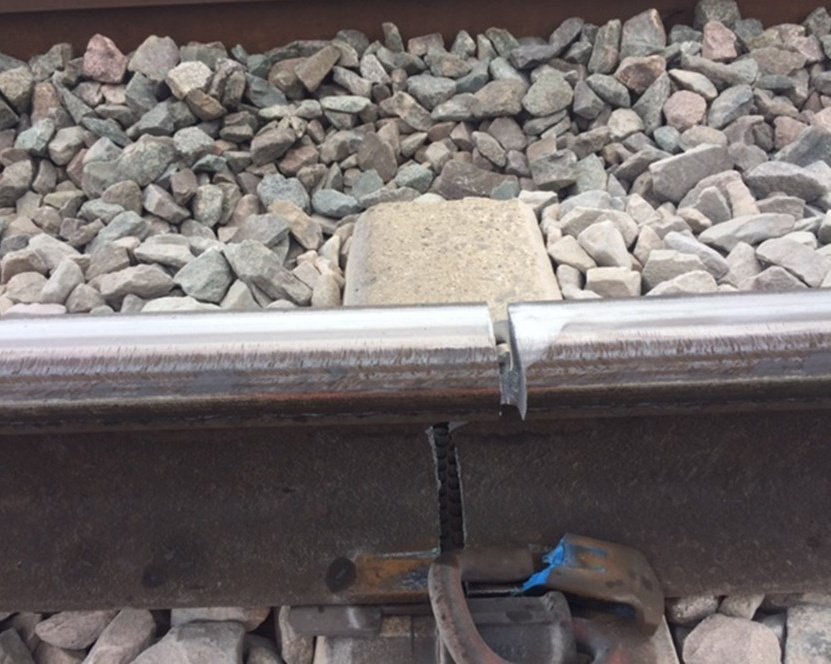

On the right is a failure of a weld without that movement, usefully also showing how post-break cracks propagate under traffic.
17
But what causes a welded joint like this to fail?
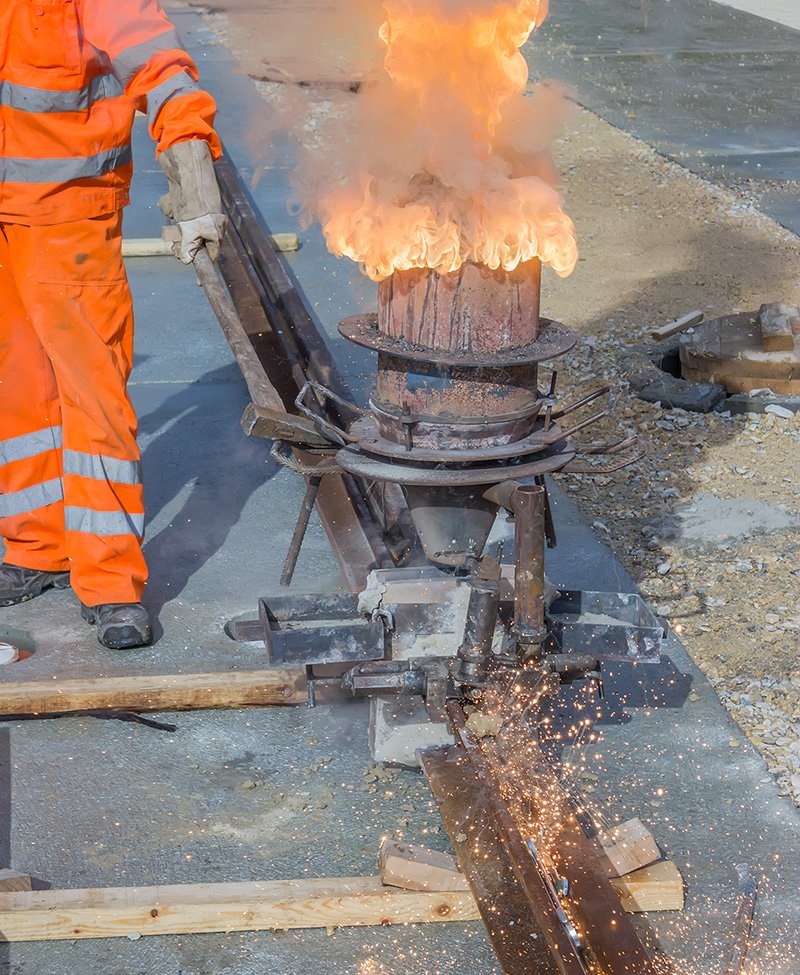
A likely culprit given the position of the break is that the heating for exothermic welding was not properly managed, creating a weaker crystalline structure in the steel adjacent to the weld (the "heat affected zone").

A likely culprit given the position of the break is that the heating for exothermic welding was not properly managed, creating a weaker crystalline structure in the steel adjacent to the weld (the "heat affected zone").
18
Another option is that some tiny piece of dirt or some other "inclusion" found its way into the rail-weld interface. Or that the cut made prior to the weld wasn't made cleanly.
19
Flaws like this are generally picked up in two ways: in post-installation checks and in routine inspection, usually via ultrasound.
If they enter traffic, there's a high risk that they open up into a crack which can then become a break that can threaten the safety of trains.
If they enter traffic, there's a high risk that they open up into a crack which can then become a break that can threaten the safety of trains.
20
Investigators will be looking at the rail/weld installation and inspection standards Adif and their suppliers use, how they compare to other European systems, whether quality and routine inspection followed those standards, and...
21
...whether inspection results were passed to maintenance teams to action any identified defects.
These are the things that we cannot understand from the current evidence. This is what we must wait to understand.
These are the things that we cannot understand from the current evidence. This is what we must wait to understand.