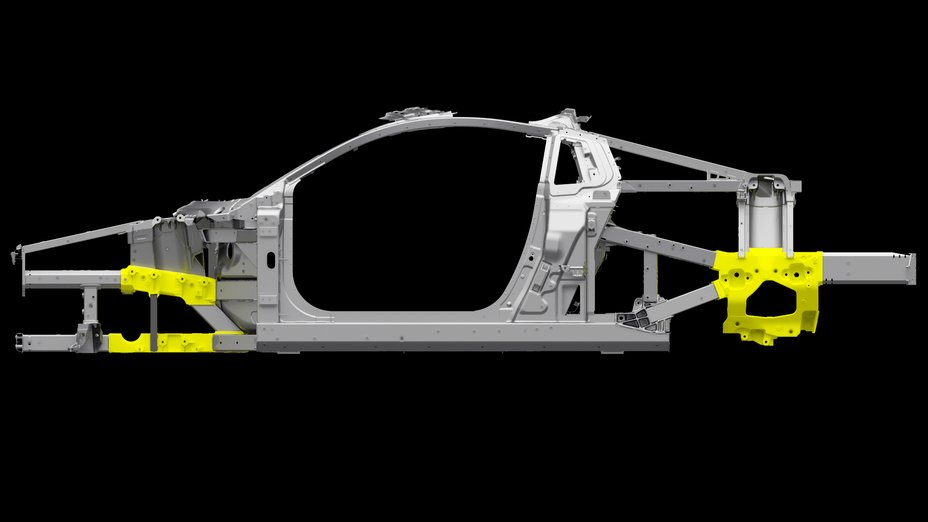
new Toyota GR GT chassis, gonna do a thread on some quick observations

Peter Holderith@_baldtires
26 views
Dec 07, 2025
~4 min read
Advertisement
1
new Toyota GR GT chassis, gonna do a thread on some quick observations

2
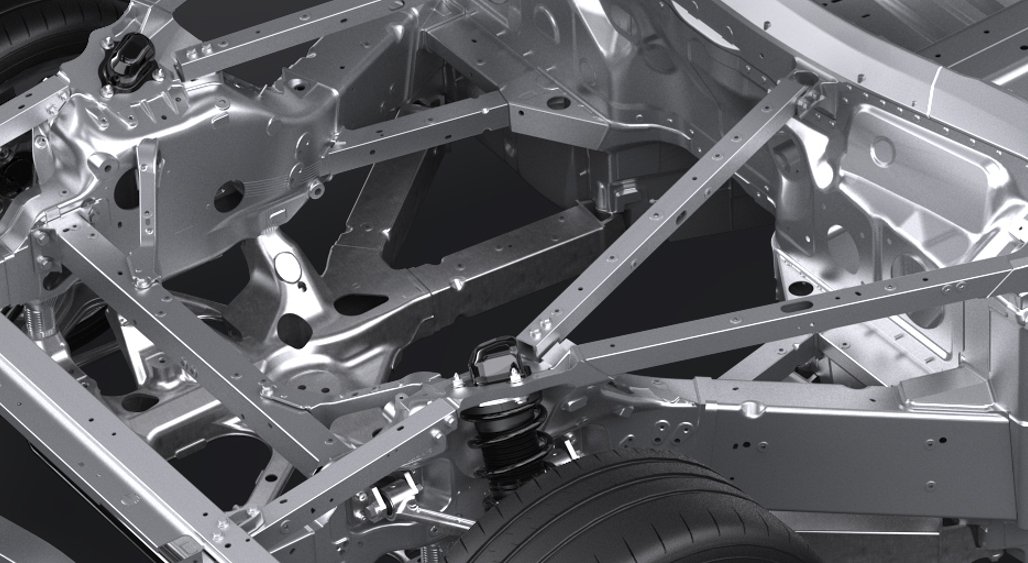
chassis is a mix of aluminum and CFRP. aluminum castings, extrusions, sheet metal. you see a lot of parallels with other cars of a similar configuration. in concept/layout the GR GT is extremely similar to the C5/C6/C7 Corvette, especially the C6 Z06 and C7


3
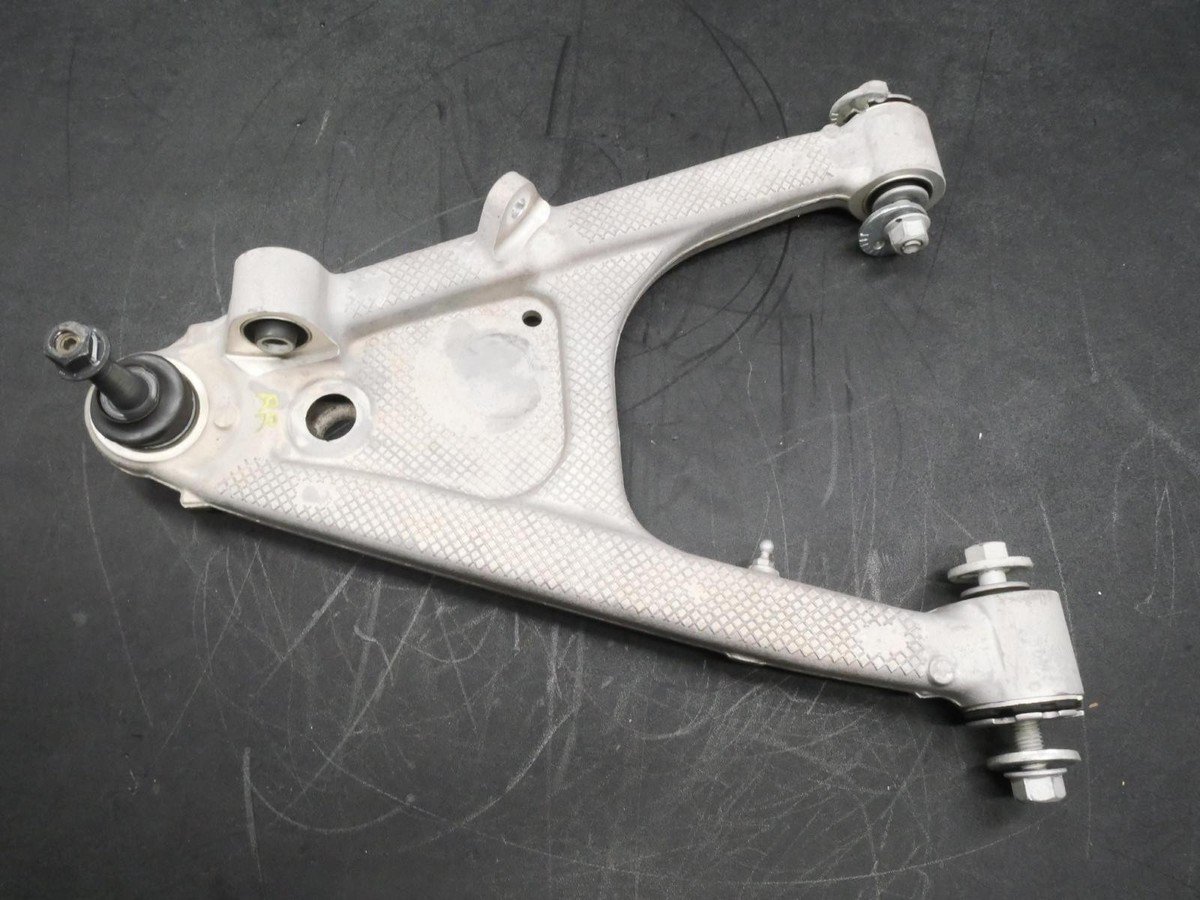
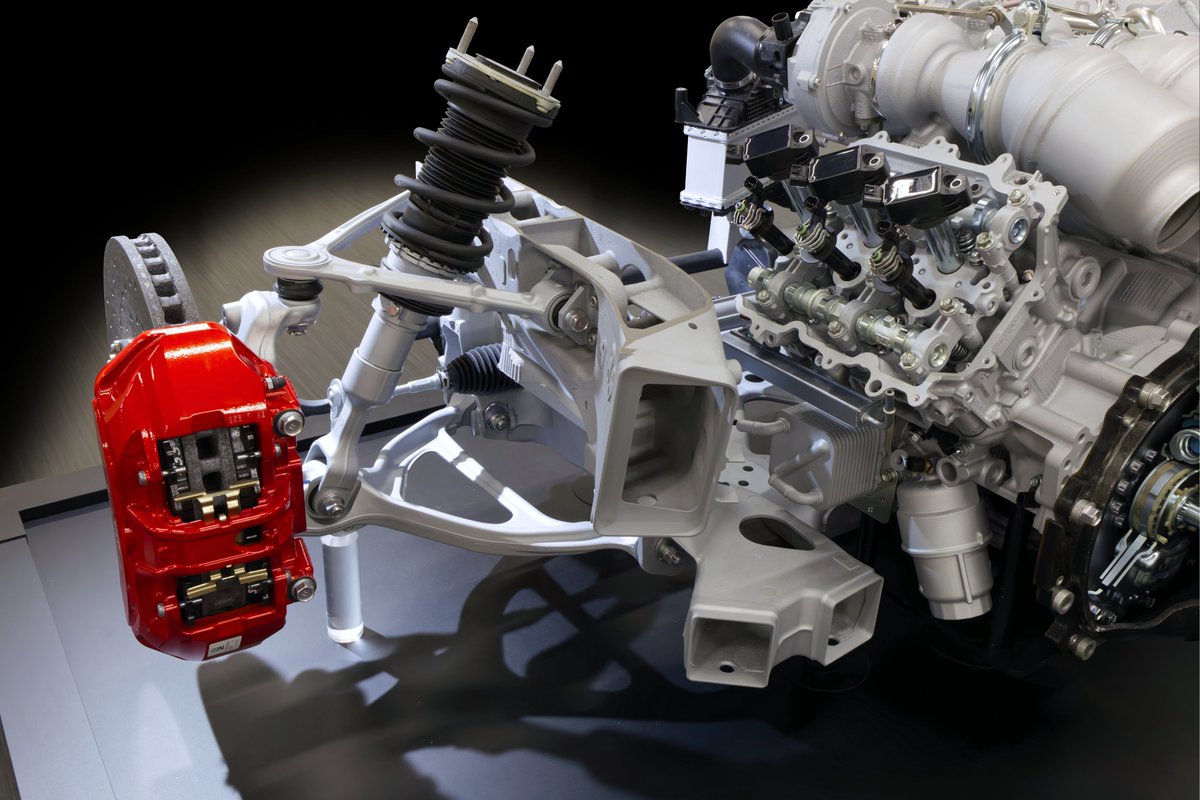
castings in the front (and in the rear) for suspension pickups. cast node is good here because you can better distribute the load from the control arms as opposed to putting it into a 6000 series tube or sheet metal. a356 is good for this. note the lack of welding


4
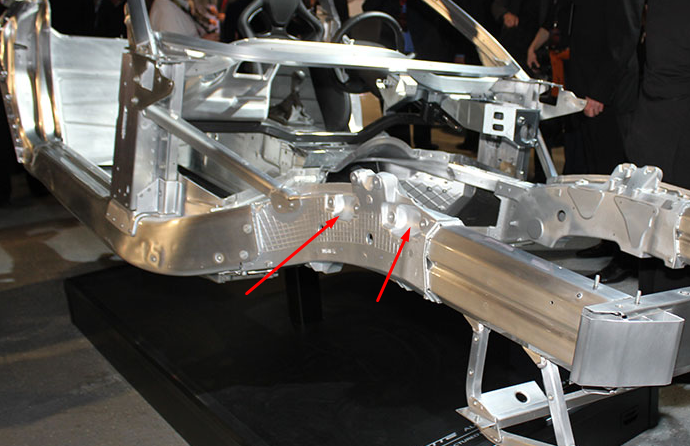
it's actually funny how much like a C7 this whole setup is. C7 also uses front castings for mounting the suspension and even has the same style bolt-on upper control arm mounts. Corvette had a front transverse leaf of course, so no shock tower
5
center tunnel is also a lot like a C7 corvette, i mean it even has a torque tube.
a-pillar: the only other recent aluminum Japanese sports car I'm aware of is the latest NSX, and that one went for steel in the A-pillar structure. you can see it's E-coated grey to prevent galvanic corrosion.
the GR GT's a-pillar looks like it's in several pieces and not a tube, which is interesting. it looks like some thick formings, maybe hot/warm formings, and perhaps #2 is a casting. seems unusual to me; you usually dont see castings that far up in an automotive BIW
6
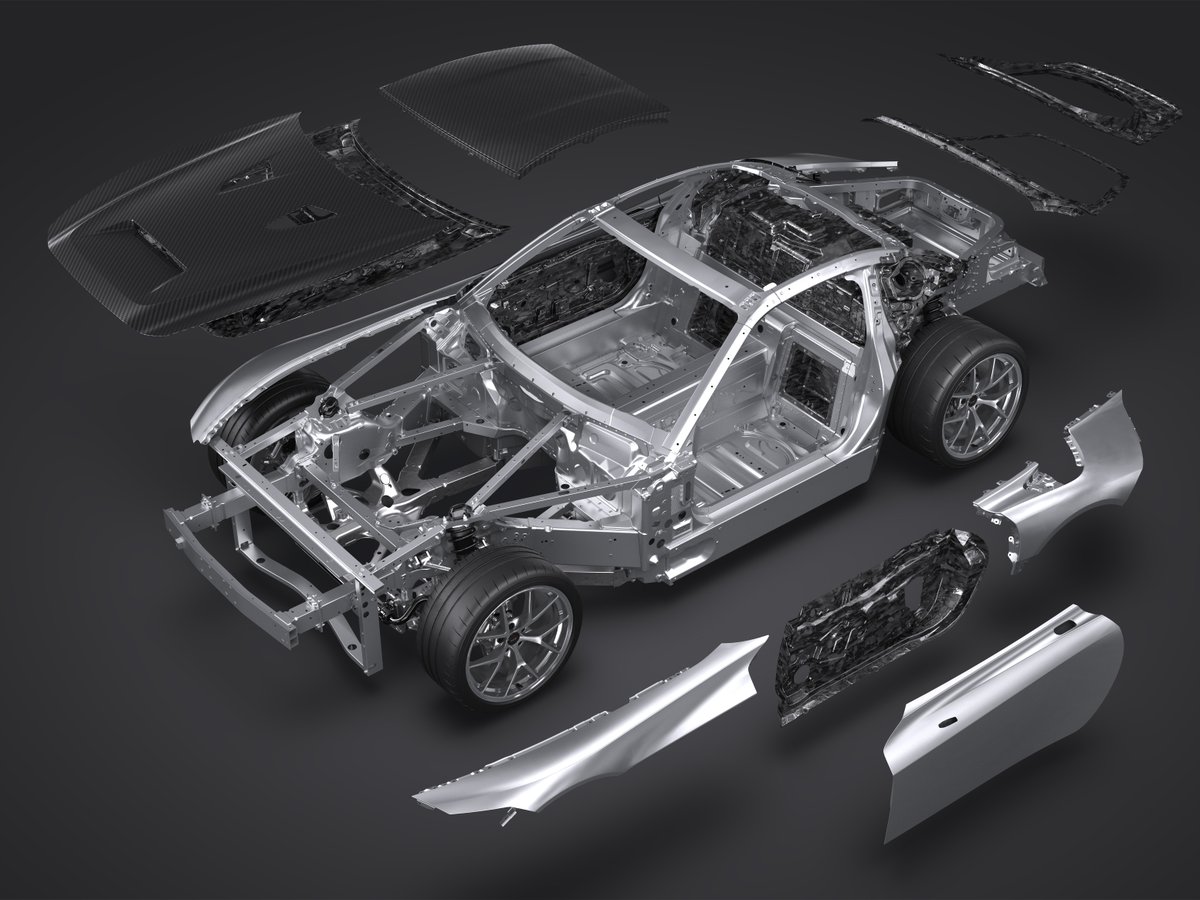
the use of CFRP may seem like a weight-saving measure, and it's good for that, but all of the CFRP parts i can see would also be extremely difficult to form out of aluminum. the body panels look pretty tough to get right, but the CFRP parts look downright impossible.
CFRP for an inner door structure is very attractive in general. probably better for NVH than aluminum as well
CFRP for an inner door structure is very attractive in general. probably better for NVH than aluminum as well
7
zooming out it's interesting to me that it seems like they completely avoided any very large aluminum panels. the hood is a great example. just not a tough part to form, but it's still CFRP. definitely an effort to reduce the tooling cost
8
minimal bent tubing; most places other oems would use a bent or hydroformed tube they went for a casting.

9
You can see how much space the rear inverter and battery takes up. not gonna be much storage in this car at all in the trunk, if any


10
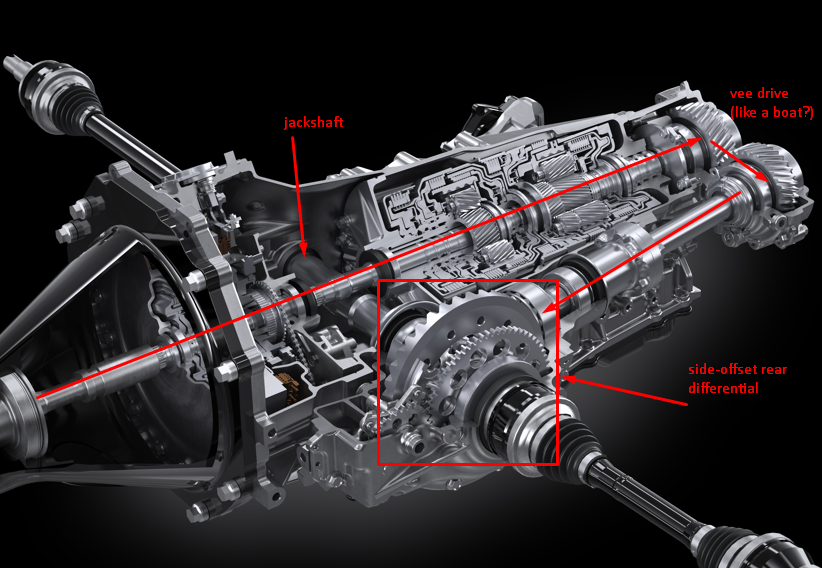
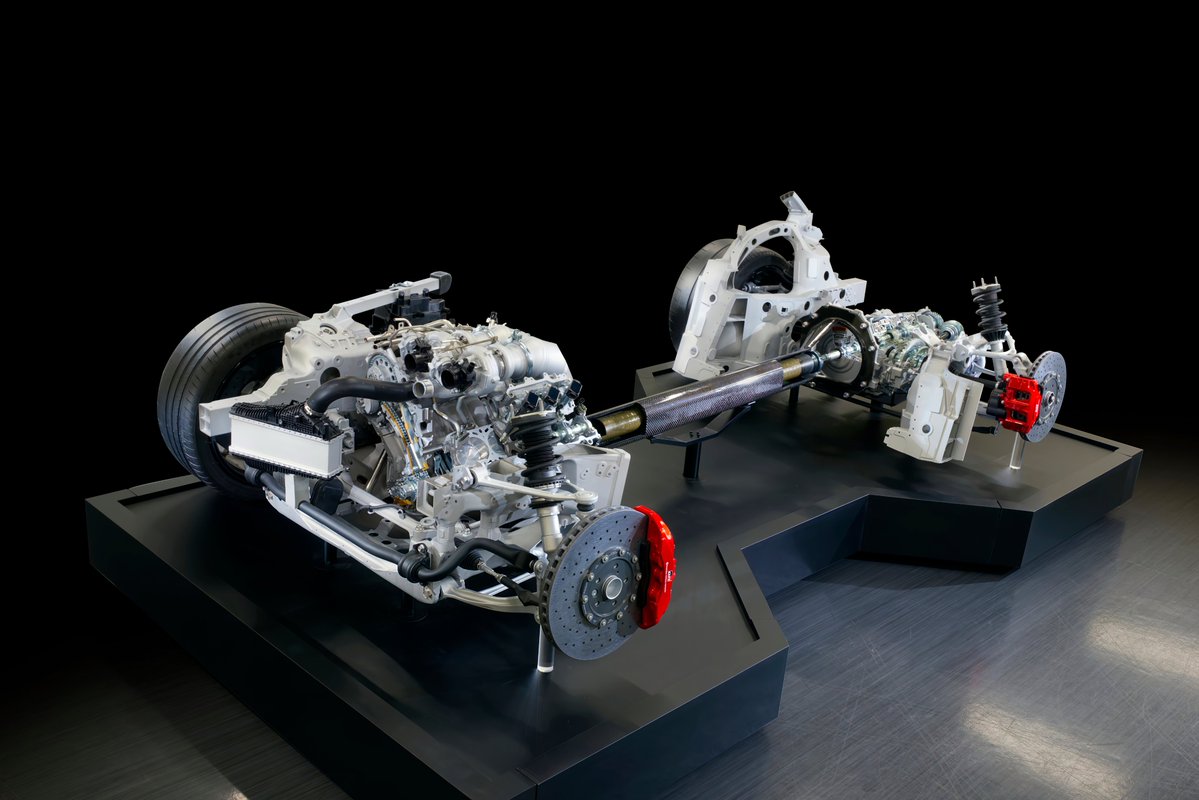
the transaxle on this thing is also like a rube goldberg contraption in an effort to keep the wheelbase short. haha, i mean look at this thing. one of the craziest transaxles ive ever seen. looks like electric power is just transmitted into the car behind the torque converter
11
you can see the electric motor stator and what looks like a clutchpack in there. car might be able to disconnect the engine and drive electric only using a specific ratio out of the 8-speed auto. or several ratios

12
it looks like they are placing a lot of engine cooling in the fenders as well? the press release for this car overall is pretty weak ngl but it looks like they have some serious radiator in the fender at least on the passenger's side


13
The rear suspension is also very C7. you can see they have a toe link, bolt-on upper control arm mounts, and a coilover/shock pickup in a similar spot. C7 sway bar end link is on top of the control arm tho, toyota put theirs on the bottom.

14
the use of casting is pretty extensive in this car but really on par with something like a C8. nothing super groundbreaking. if you like tesla gigacasting, the Corvette has had large cast subframes since 1997. the latest C8 also uses them extensively.

15
it's hard to tell if the front cast subframe can be removed from the chassis or if it is integral. i would assume the whole subframe can be dropped but unclear

16
Overall, it's pretty interesting. Ultimately, I think the volumes will be limited, unfortunately. I would love to talk to a Toyota chassis guy about doing a whole aluminum BIW for the first time and why they went with CFRP for stuff like the inner door skins
17
there's a ton of shit packed into this car. i think they probably put the fuel tank here somewhere? unclear


18
if i had access to big cast nodes like that for suspension mounting, it's definitely a great way to build cars. it doesn't have the biblical tooling cost associated with a gigacasting but you get a lot of the advantages. join them together with sheet metal and extrusions

19
latest NSX is a great mix of extrusions, castings, sheet metal. pretty close to ideal in my mind