PROSTATE CANCER: WHAT EVERY MAN SHOULD KNOW Prostate cancer is the...

MASCULINE AURA@MasculineA7
37 views
Sep 23, 2025
~4 min read
Advertisement
1
PROSTATE CANCER: WHAT EVERY MAN SHOULD KNOW
Prostate cancer is the second most common cancer in men.
Why is it so common?
When should you be concerned?
Let’s learn everything about prostate cancer, and how to reduce your risk of developing it.
-Check Thread -👇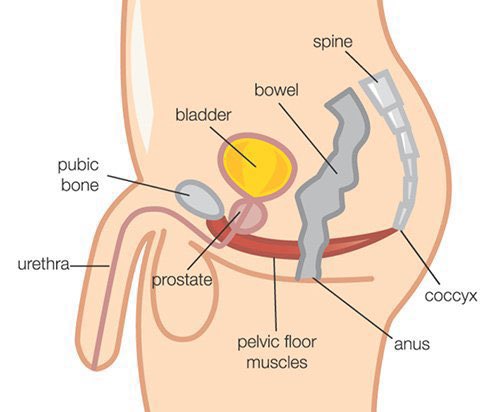
Prostate cancer is the second most common cancer in men.
Why is it so common?
When should you be concerned?
Let’s learn everything about prostate cancer, and how to reduce your risk of developing it.
-Check Thread -👇
2
1. WHAT ARE THE CAUSES OF PROSTATE CANCER?
2. HOW CAN ONE KNOW IF HE HAS PROSTATE CANCER?
3. WHAT'S THE PROPER SOLUTION/TREATMENT FOR SOMEONE WITH PROSTATE CANCER?
Many young men already have issues with their PROSTATE but never know. I will tell you some signs and symptoms you will expect to help you take action.
2. HOW CAN ONE KNOW IF HE HAS PROSTATE CANCER?
3. WHAT'S THE PROPER SOLUTION/TREATMENT FOR SOMEONE WITH PROSTATE CANCER?
Many young men already have issues with their PROSTATE but never know. I will tell you some signs and symptoms you will expect to help you take action.
3
1. WHAT IS PROSTATE? Just incase you do not know!
The prostate is a small, walnut-shaped gland in men. It’s located just below the bladder and in front of the rectum. You can think of it as the “gatekeeper” of the urinary and reproductive systems. Its main job is to produce fluid that mixes with sperm to form semen, which helps carry sperm during ejaculation. Without the prostate, reproduction wouldn’t work the same way.
The prostate is a small, walnut-shaped gland in men. It’s located just below the bladder and in front of the rectum. You can think of it as the “gatekeeper” of the urinary and reproductive systems. Its main job is to produce fluid that mixes with sperm to form semen, which helps carry sperm during ejaculation. Without the prostate, reproduction wouldn’t work the same way.
1:14
4
•Prostate cancer occurs when the cells in the prostate gland begin to grow uncontrollably.
They may form tumors that can stay in the prostate or spread to other areas like the bones, lymph nodes and lungs.
There’re 2 main types:
- Slow growing prostate cancer
- Aggressive prostate cancer
Slow growing cancers may not cause symptoms for years, and requires little or no treatment.
Aggressive prostate cancer grows very fast, spreads quickly, and requires immediate attention.
3:19
5
WHO IS AT RISK?
Certain factors increase your risk of developing prostate cancer. They include:
- Age: The older a man gets, the more likely he is to develop prostate cancer.
It rises significantly after 50, and most cases are diagnosed after 65.
- Family history: Your risk of developing it increases, if your father, brother or close relative had it.
- Race: African men have a higher risk of developing aggressive forms of prostate cancer.
- Lifestyle factors: An unhealthy diet, sedentary lifestyle and bad vices over time increases your risk of developing prostate cancer.
- Genetic mutations: Mutations in BRCA 1&2 genes increases your risk.
BRCA genes are tumor suppressor genes and mutations or changes predispose you to cancer.
0:56
6
WHEN SHOULD YOU BE CONCERNED?
Prostate cancer develops silently, especially in its early stages.
However, as it progresses, symptoms include:
- Difficulty starting or stopping urination
- Weak or interrupted urine stream
- Frequent urination, especially at night
- Blood in urine or semen
- Pain or stiffness in the lower back, hips, or pelvis.
0:45
7
•Take Pine pollen for lasting longer.
It contains all four major androgen
(male sex) hormones
Androstenedione, testosterone, (DHEA), and androsterone
Androgen hormones are present in it ,once absorbed, it raises testosterone levels almost immediately
Get now👇
boreome.com/masculineaura

It contains all four major androgen
(male sex) hormones
Androstenedione, testosterone, (DHEA), and androsterone
Androgen hormones are present in it ,once absorbed, it raises testosterone levels almost immediately
Get now👇
boreome.com/masculineaura
8
Unexplained Weight Loss
If you notice you’re losing weight and you’re not trying to, it’s time to pay attention. The body may be trying to fight something serious. In prostate cancer, the body uses up more energy trying to deal with the cancer cells. It’s like feeding a house full of visitors; eventually, the food finishes quickly!
If you notice you’re losing weight and you’re not trying to, it’s time to pay attention. The body may be trying to fight something serious. In prostate cancer, the body uses up more energy trying to deal with the cancer cells. It’s like feeding a house full of visitors; eventually, the food finishes quickly!
9
HOW IS IT DIAGNOSED?
Diagnosis is usually a combination of:
- PSA (Prostate-specific antigen) blood test: Elevated PSA levels may indicate prostate cancer, or benign prostatic hyperplasia.
- Digital rectal examination: A doctor checks the prostate for lumps or abnormalities.
- Biopsy: If cancer is suspected, a small tissue sample is taken from the prostate and examined for confirmation.
MRIs or CT scans can be used to check if cancer has spread to other areas.
2:00
10
CAN IT BE TREATED?
Treatment depends on the stage of cancer, and how aggressive it is.
What are the options?
- For slow growing cancers, active surveillance or watchful waiting is recommended.
- For Localized cancer (cancer in the prostate), surgery to remove the prostate gland is performed.
- Radiation therapy can be used as a standalone therapy or together with other therapies to kill off cancer cells.
- If cancer has spread to other parts of the body, systemic therapies like hormonal, chemotherapy and immunotherapy is used.
They all come with side effects, and so the decision must be made together with a health professional.
11
WHAT YOU SHOULD DO OFTEN?
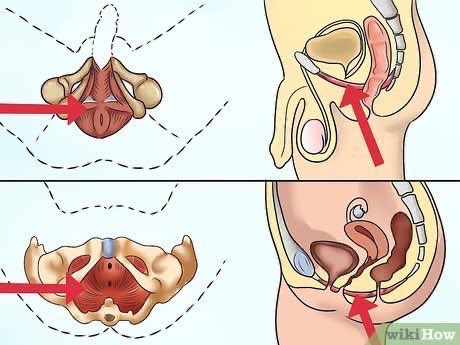
-KEGEL EXERCISE
-DAILY SUNLIGHT
-LIFT
-CLIMB STAIR
-DRINK ENOUGH WATER
-EAT MORE EGG
-HAVE SEX, AT LEAST 4-5 DAYS IN A WEEK
-EAT CUCUMBER
-ALWAYS PUT GARLIC IN YOUR FOOD.


-KEGEL EXERCISE
-DAILY SUNLIGHT
-LIFT
-CLIMB STAIR
-DRINK ENOUGH WATER
-EAT MORE EGG
-HAVE SEX, AT LEAST 4-5 DAYS IN A WEEK
-EAT CUCUMBER
-ALWAYS PUT GARLIC IN YOUR FOOD.
12
Is Mastubation good for men with prostate issues? The Answer is a definite yes!
0:23
13
•-Suffering with low testosterone
-Low libido
-Less energy levels
-low muscle mass
-No morning wood
Than You should definitely try this product, you won’t face these problems ever again 👇
boreome.com/elitemasculine
-Low libido
-Less energy levels
-low muscle mass
-No morning wood
Than You should definitely try this product, you won’t face these problems ever again 👇
boreome.com/elitemasculine
14
If you found it helpful RT the first post and follow @MasculineA7 for more.

