🧵 THREAD: Why the UK Can't Deport Refugees, Even Criminal Ones A...

DataRepublican (small r)@DataRepublican
93 views
Aug 27, 2025
~5 min read
Advertisement
1
🧵 THREAD: Why the UK Can't Deport Refugees, Even Criminal Ones
A Scottish teen’s viral clash with a migrant, and a MP’s new report on R*pe G*ngs, have reignited debate over asylum and deportation in Britain.
This thread will detail:
⚖️ what treaties the UK signed onto
✈️ why deportations get blocked again and again
💷 the financial incentives built into the system
It’s more complex — and more instructive for the US — than most headlines admit.
Patience while I pull the thread together… 🌍📜

A Scottish teen’s viral clash with a migrant, and a MP’s new report on R*pe G*ngs, have reignited debate over asylum and deportation in Britain.
This thread will detail:
⚖️ what treaties the UK signed onto
✈️ why deportations get blocked again and again
💷 the financial incentives built into the system
It’s more complex — and more instructive for the US — than most headlines admit.
Patience while I pull the thread together… 🌍📜
2
First, if you haven't already seen @RupertLowe10 's report, here it is:


3
@RupertLowe10 Two UNHCR treaties, the 1951 Convention and the 1967 Protocol, form the foundation for international refugee law.

4
@RupertLowe10 The 1951 Refugee Convention defined who a refugee was and also who was not (e.g., war criminals), created when WWII displaced tens of millions of people.
It sets out certain rights, such as providing free access to courts and providing identity documents.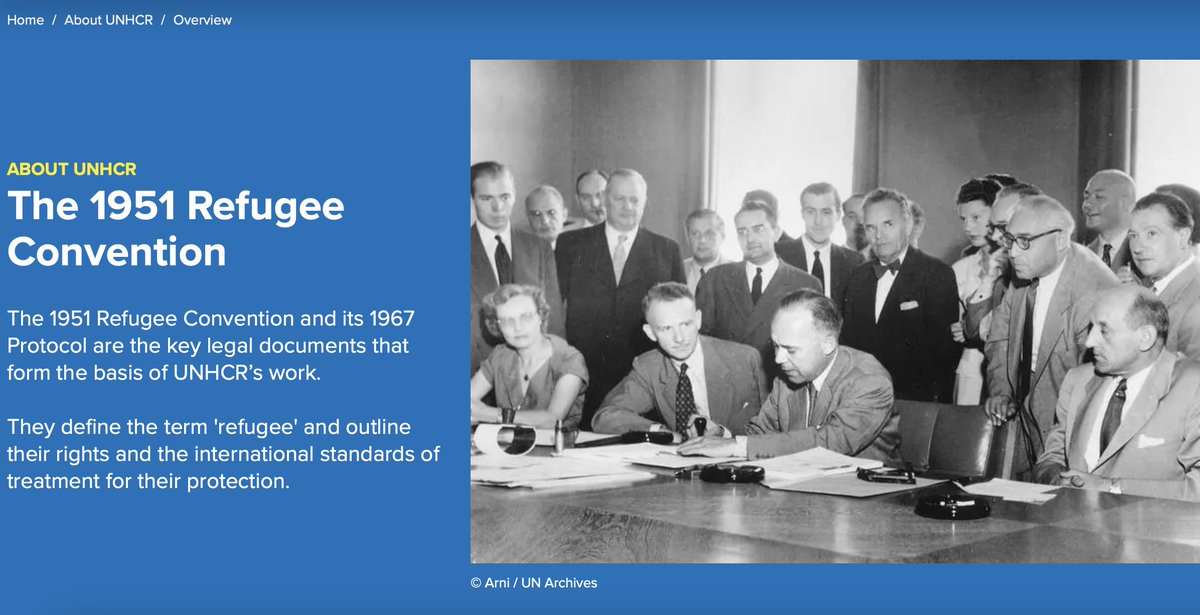
It sets out certain rights, such as providing free access to courts and providing identity documents.
5
@RupertLowe10 The cornerstone of the 1951 Refugee Convention - and thus the basis for much of what the UK faces obstacles in - is the principle of non-refoulement.
A refugee *cannot* be returned to a country where they face serious threats to their freedom.
A refugee *cannot* be returned to a country where they face serious threats to their freedom.
6
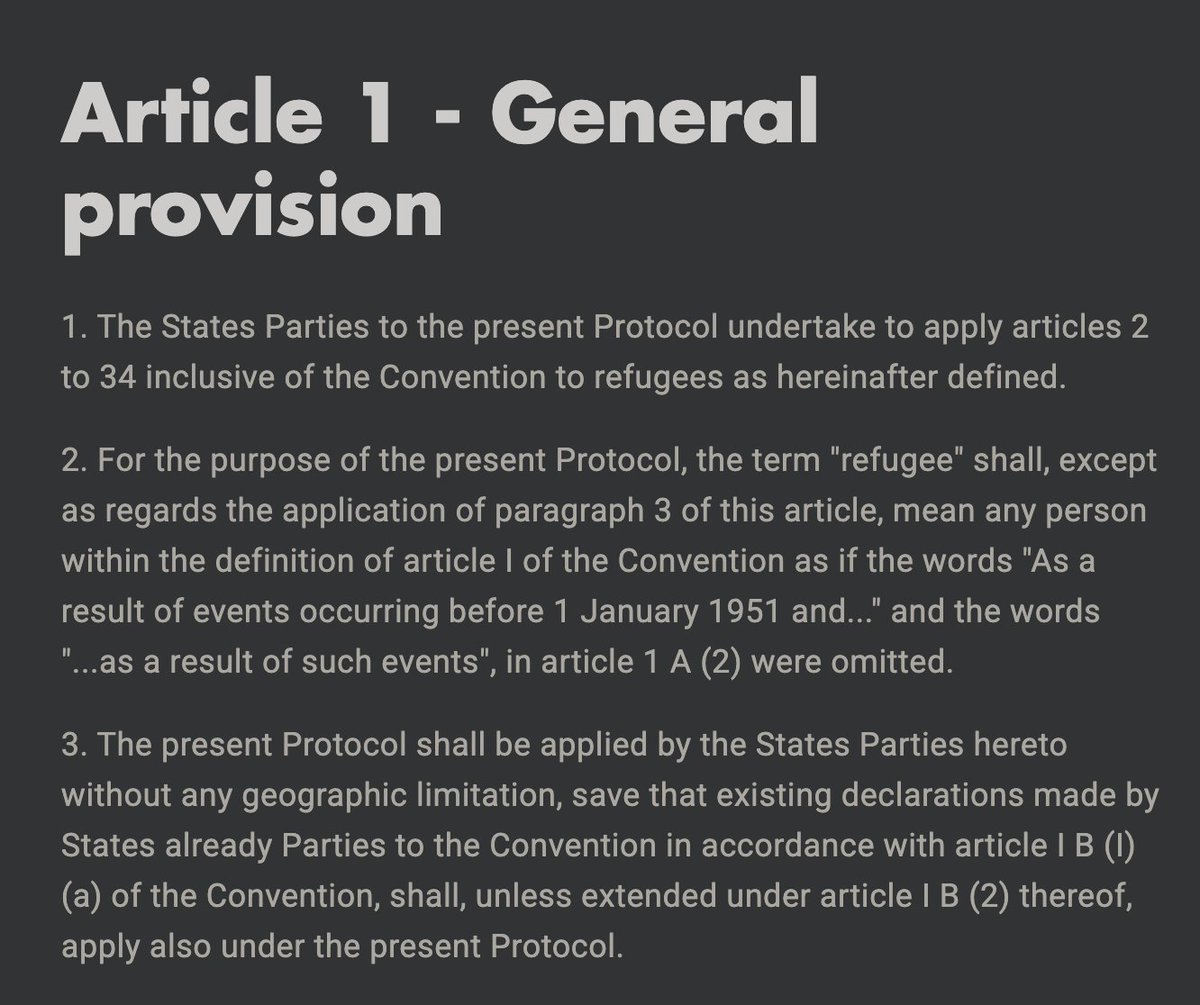
@RupertLowe10 The 1951 Convention was limited to certain countries and to pre-1951 events. The 1967 Protocol extended that to include all countries and no time limits.
7
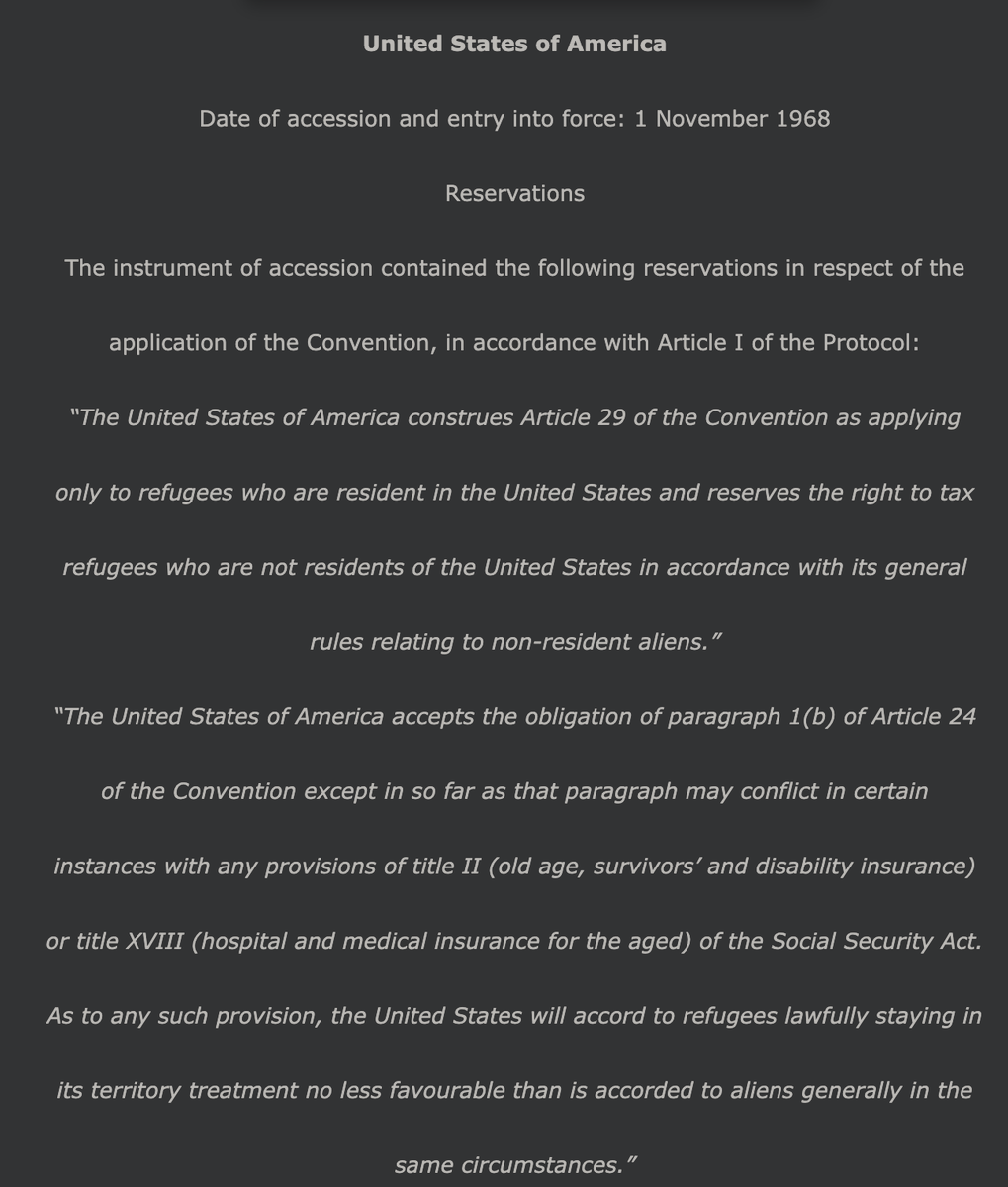
The United States is a party to the 1967 Protocol Relating to the Status of Refugees, and it did enter two specific reservations.
Taxation (Article 29): The U.S. reserved the right to tax refugees who are non-resident aliens on the same basis as other non-resident aliens, rather than giving them the full exemption from discriminatory taxation that resident refugees enjoy.
Social Security (Article 24(1)(b)): The U.S. reserved the right, in cases where its Social Security Act conflicts with the Convention’s provisions, to treat refugees no better and no worse than other aliens in similar circumstances.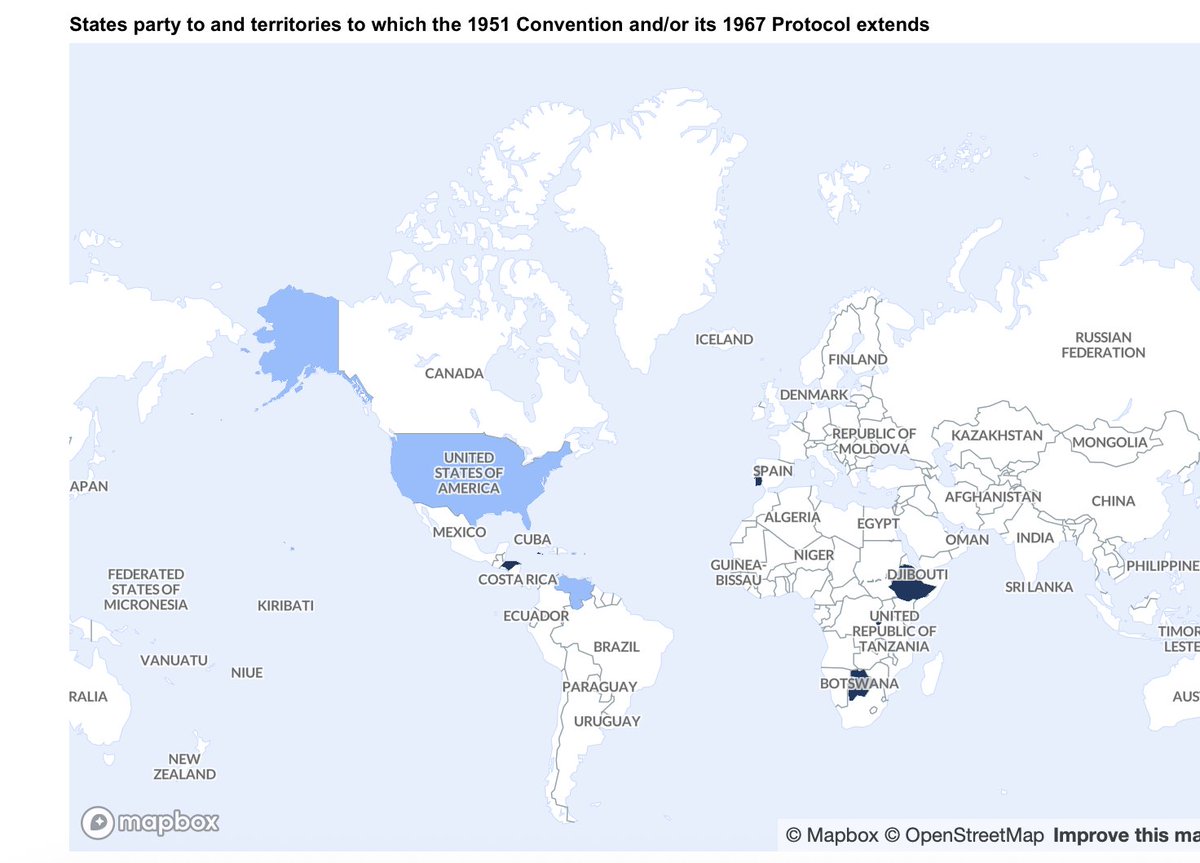
Taxation (Article 29): The U.S. reserved the right to tax refugees who are non-resident aliens on the same basis as other non-resident aliens, rather than giving them the full exemption from discriminatory taxation that resident refugees enjoy.
Social Security (Article 24(1)(b)): The U.S. reserved the right, in cases where its Social Security Act conflicts with the Convention’s provisions, to treat refugees no better and no worse than other aliens in similar circumstances.
8
@RupertLowe10 The UK is bound to ECHR (European Convention on Human Rights) signed 1950. Notably, Article 3's ban on torture or degrading treatment has been broadly interpreted to mean no deportation at all if the refugee is at risk of this in their home country.

9
@RupertLowe10 This comes from a 1996 case law in the UK - Chahal vs. United Kingdom.
The court ruled even a terrorist could not be deported if he risked facing degrading treatment or punishment at his home country.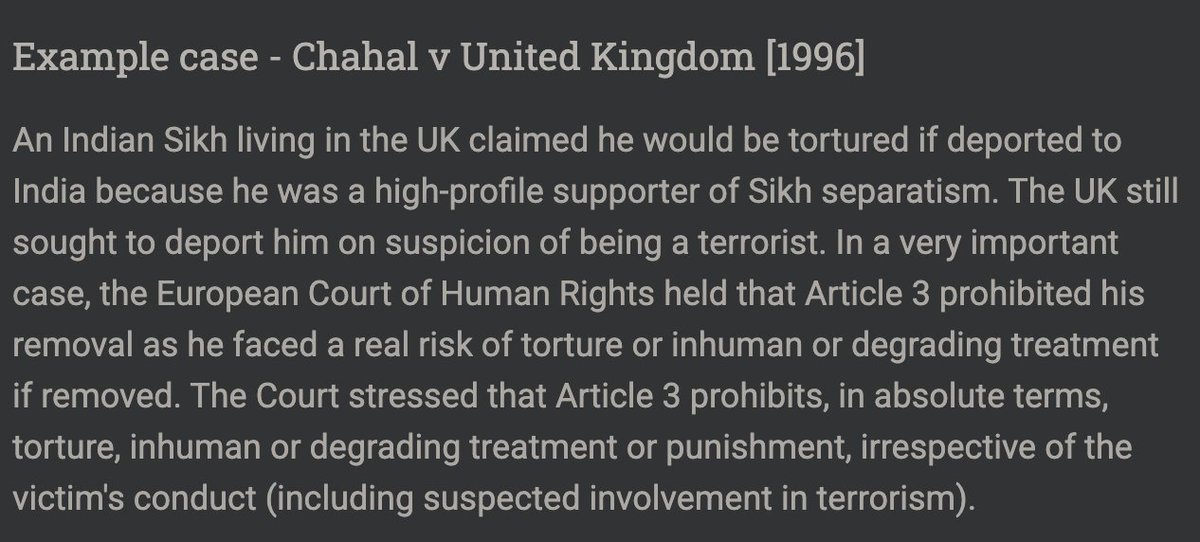
The court ruled even a terrorist could not be deported if he risked facing degrading treatment or punishment at his home country.
10
@RupertLowe10 The UK tried to get around this by sending refugees arriving by boat back to Rwanda, where they could then apply for asylum elsewhere.
The ECHR issued an injunction against that, stating that the refugees were at substantial risk of deportation if they were sent to Rwanda.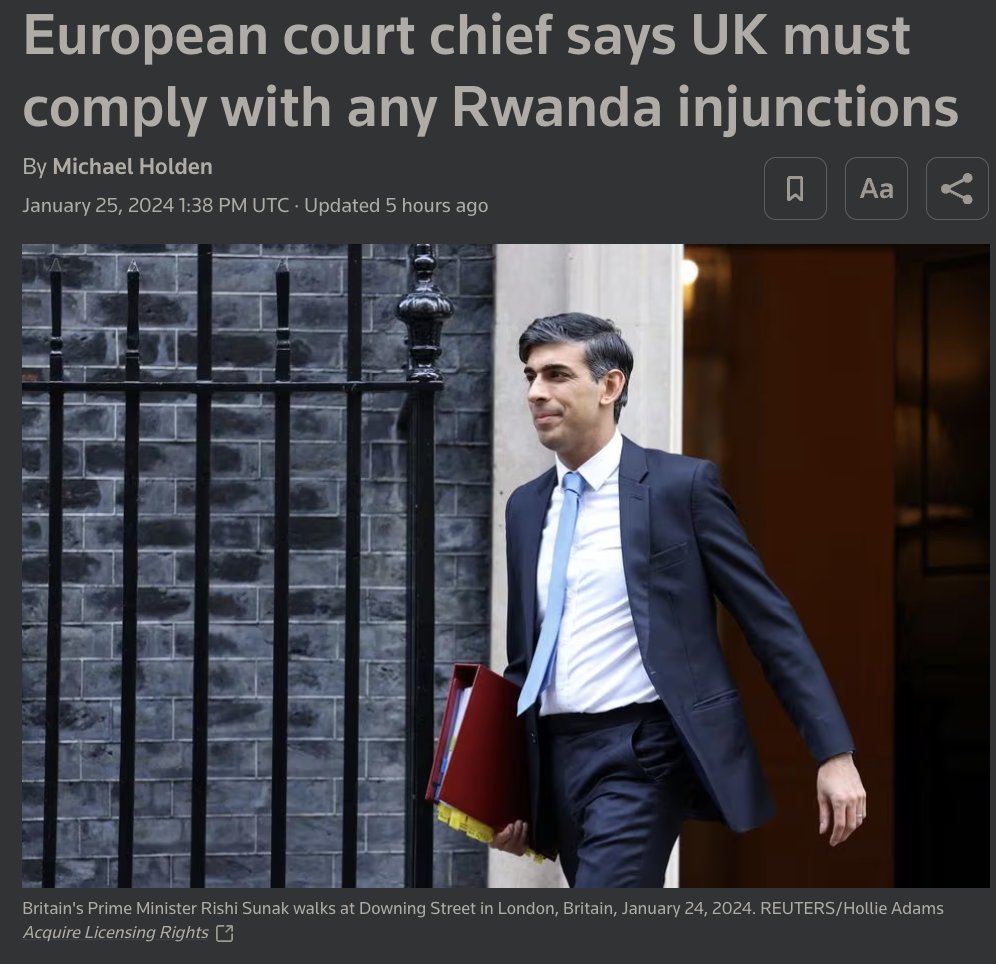
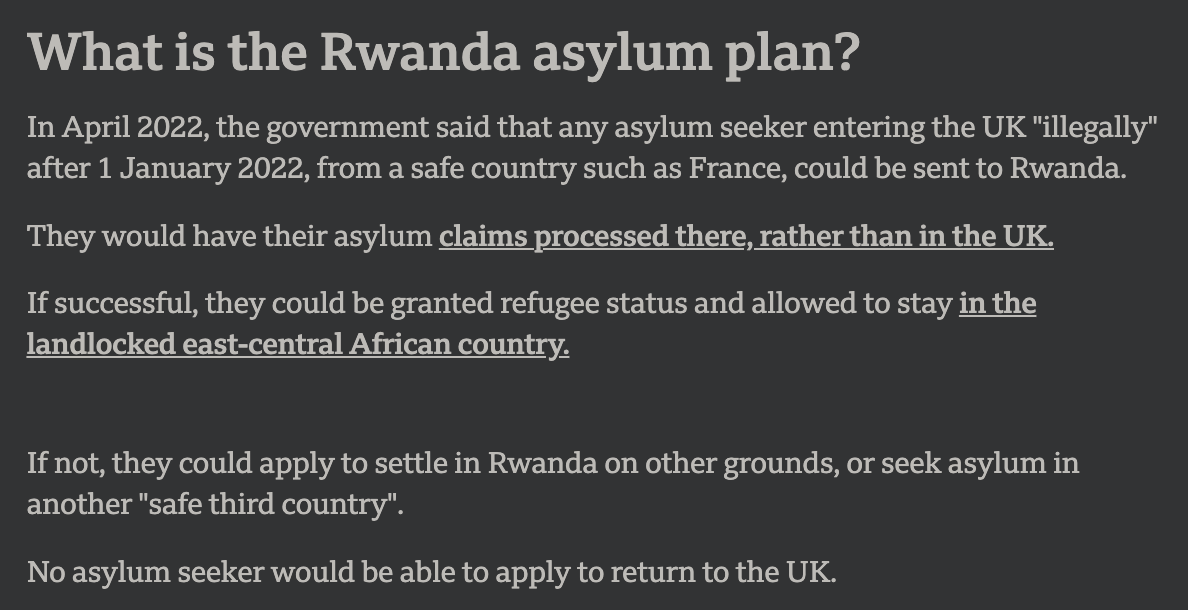
The ECHR issued an injunction against that, stating that the refugees were at substantial risk of deportation if they were sent to Rwanda.
11
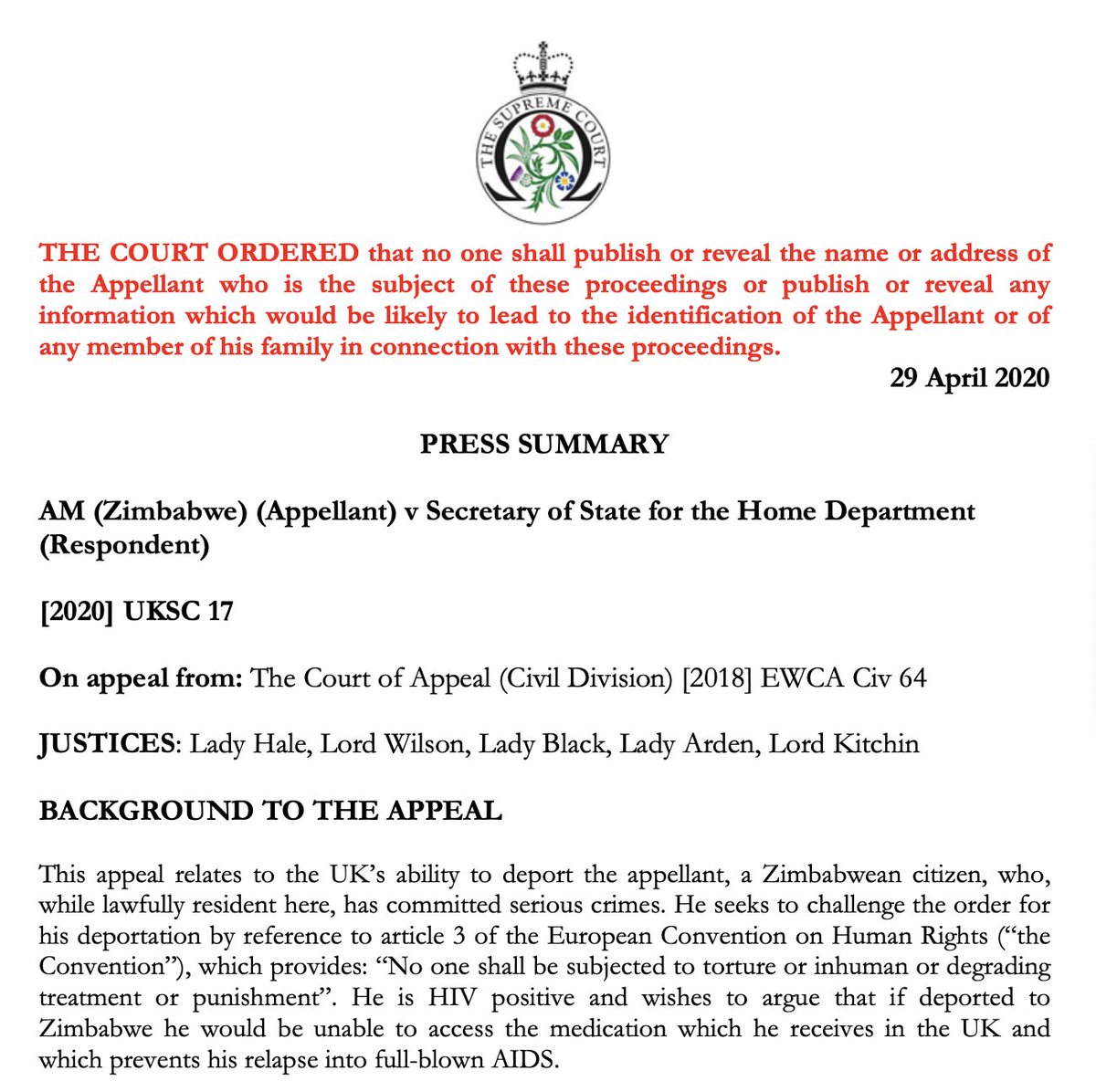
@RupertLowe10 The application of ECHR Article 3 is so broad that it even extends to substandard health care. If you believe you won't receive good health care in your home country, you can't be deported. Even if you're a criminal.
12
Another legal constraint on deportations comes from the Council of Europe’s Convention on Action against Trafficking in Human Beings (ECAT).
The treaty obliges the UK to identify and protect potential trafficking victims through the National Referral Mechanism (NRM). Once someone receives a positive “reasonable grounds” decision, they must be given a recovery period and cannot be removed during that time. In practice, this means many individuals flagged as potential trafficking victims have their deportations paused while their case is assessed.
The treaty obliges the UK to identify and protect potential trafficking victims through the National Referral Mechanism (NRM). Once someone receives a positive “reasonable grounds” decision, they must be given a recovery period and cannot be removed during that time. In practice, this means many individuals flagged as potential trafficking victims have their deportations paused while their case is assessed.
13
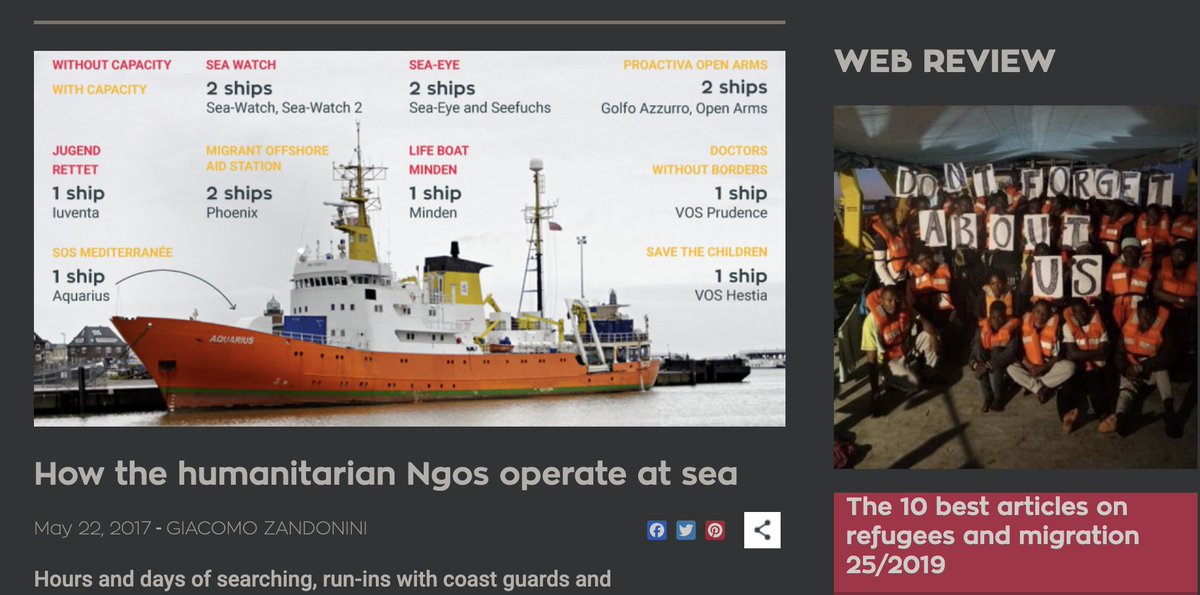
@RupertLowe10 And as we all know -- NGOs exist to facilitate refugees through the seas. Does that make them "victims of trafficking" in a sense?
14
@RupertLowe10 Most refugees come from Middle Eastern countries. For many countries, the ultimate acceptance rate to be a refugee reaches 99% (!).

15
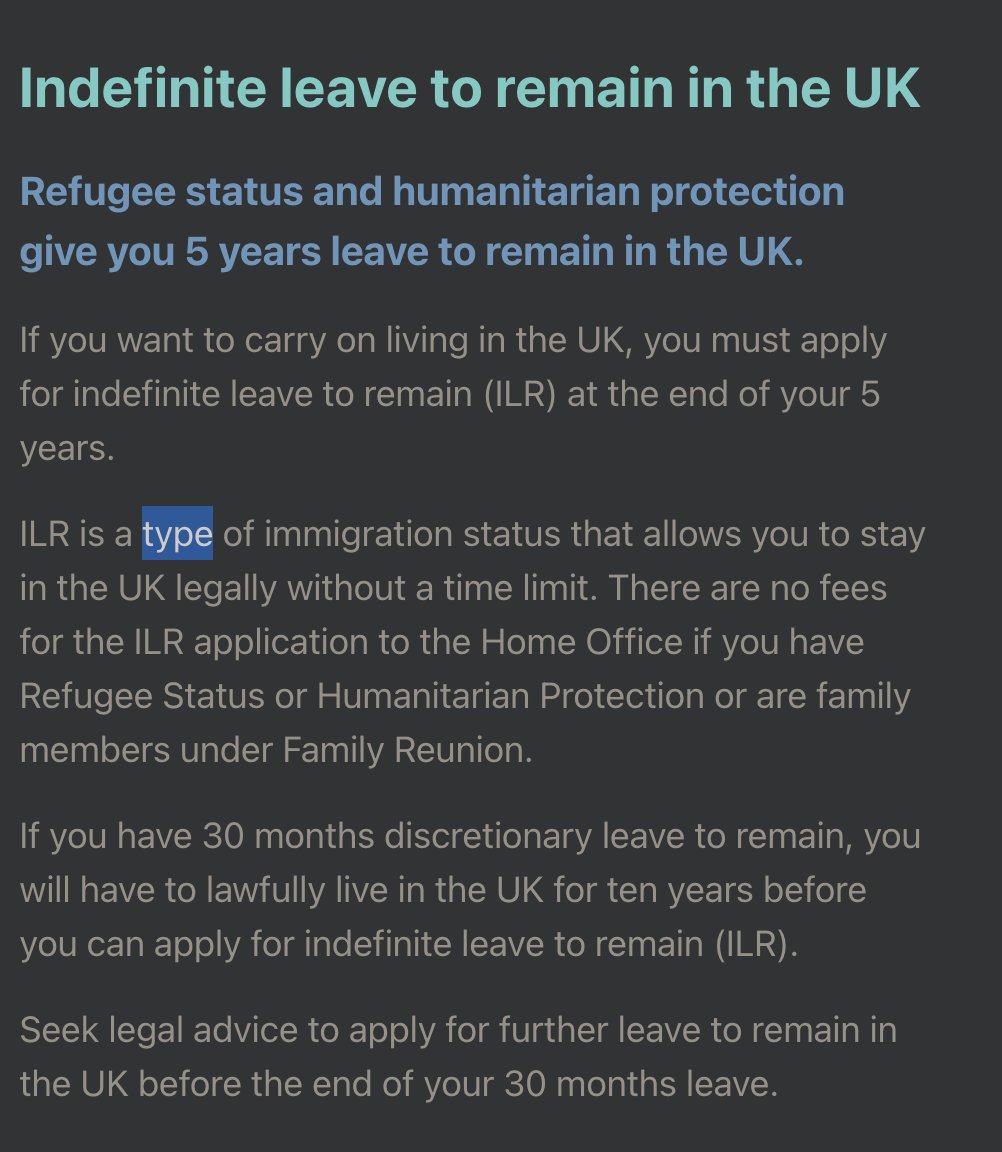
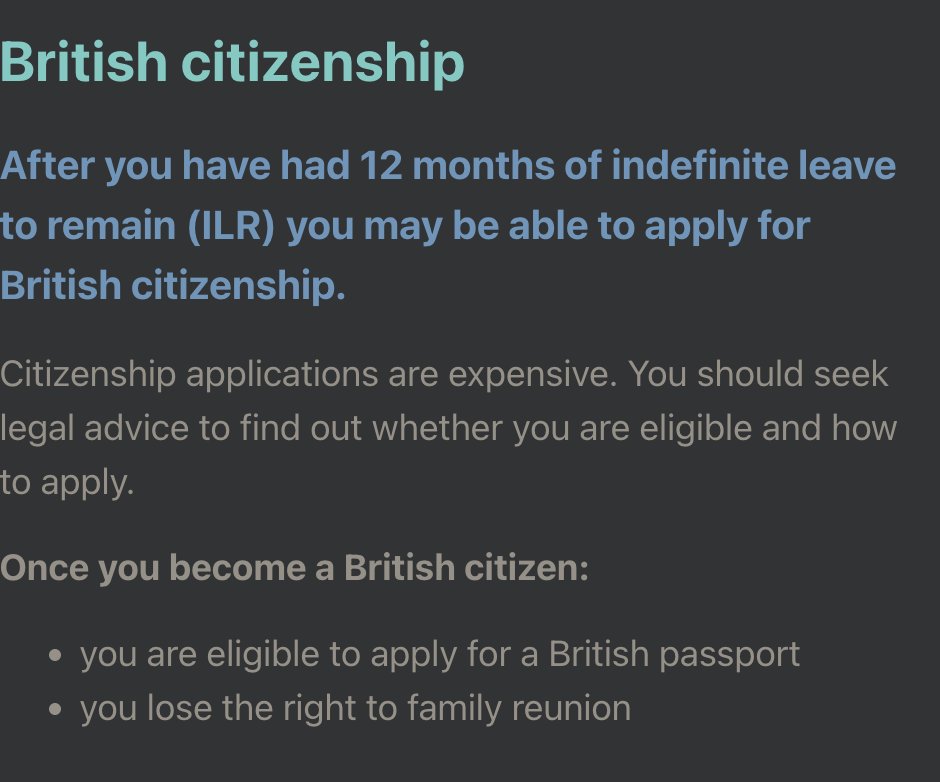
Once someone is granted refugee status in the UK, they receive leave to remain for five years. At the end of that period, they are eligible (with no application fee) to apply for Indefinite Leave to Remain (ILR), provided their protection needs persist. 12 months on ILR, and they can apply for citizenship.

16
@RupertLowe10 Once asylum is granted, refugees are allowed to work, study, and receive government benefits. The number of people receiving Universal Credit skyrocketed from 500K to over 7 million in less than a decade.



17
The UK has tried many ways around the international laws it is strangled with. One such deal was an exchange with France -- if UK turns back small boats to France, they accept an equal number of asylum seekers from France.
The benefit is that the hope that smugglers become deterred at the prospect of being sent back to France, and the transferred cases are more likely to be people with stronger UK ties.
The benefit is that the hope that smugglers become deterred at the prospect of being sent back to France, and the transferred cases are more likely to be people with stronger UK ties.
18
@RupertLowe10 There are other financial incentives. A Syria resettlement program gives local authorities £20,520 per refugee by the UK to and these authorities are allowed to "spend the tariff as they see fit."
Which I interpret to mean that they can pocket it all if they wished.
Which I interpret to mean that they can pocket it all if they wished.
19
@RupertLowe10 Local authorities are also granted education, language, and healthcare stipends, plus housing costs for refugees.

20
⚖️✈️ The bottom line
Once someone sets foot on UK soil, the system is stacked towards settlement.
Deportation from the UK is not simple. Even when they want to remove someone, it runs into hard legal walls (non-refoulement, ECAT trafficking protections, ECHR Article 3) and practical barriers (no travel documents, hostile origin states, lack of flights, limited detention space).
At the same time, there are incentives to keep people in: councils receive funding, local authorities get resettlement tariffs, and refugees move straight onto mainstream benefits and housing.
Once someone sets foot on UK soil, the system is stacked towards settlement.
Deportation from the UK is not simple. Even when they want to remove someone, it runs into hard legal walls (non-refoulement, ECAT trafficking protections, ECHR Article 3) and practical barriers (no travel documents, hostile origin states, lack of flights, limited detention space).
At the same time, there are incentives to keep people in: councils receive funding, local authorities get resettlement tariffs, and refugees move straight onto mainstream benefits and housing.
21
@RupertLowe10 As for why they don't put refugees in prison, I don't know. But my best guess is it has to do with the UK having serious capacity issues and it costing £50,661 per year per prisoner. Remember, they have a brewing deficit and fiscal crisis.


22
@RupertLowe10 Credit to @leankitjon : a criminal's deportation case was halted over his son's dislike of foreign chicken nuggets. The son did not have any formal diagnosis.


23
@RupertLowe10 @leankitjon I’ve had popular threads before, but it’s interesting that this one gained so much attention.
Even a year ago, I don’t think X would have shown much interest in the nuances of international law.
Things seem to be changing quickly.
Even a year ago, I don’t think X would have shown much interest in the nuances of international law.
Things seem to be changing quickly.