No, Russia didn’t hack voting machines in 2016. It hacked something...

Gavril Ducu 🇷🇴🇩🇪🇺🇲🇳🇱🇪🇺@🇺🇦@DucuGavril
16 views
Aug 09, 2025
~4 min read
Advertisement
1
No, Russia didn’t hack voting machines in 2016.
It hacked something bigger—your perception.
This thread answers real questions, using only the U.S. Senate Intelligence Committee’s 2019 report.
Recognize this building? No?
You should. It got us Trump.
Let’s clear this up: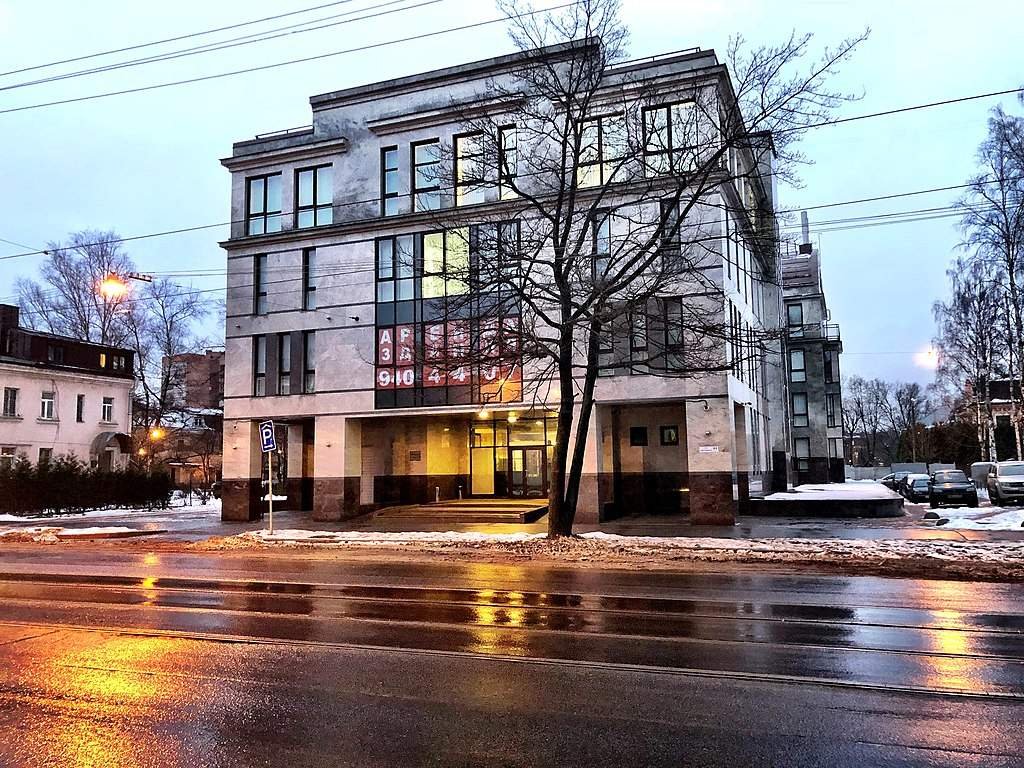
It hacked something bigger—your perception.
This thread answers real questions, using only the U.S. Senate Intelligence Committee’s 2019 report.
Recognize this building? No?
You should. It got us Trump.
Let’s clear this up:
2
Here’s what people still ask:
• How early did Russia start?
• What exactly did they do?
• Who were they pretending to be?
• Was it about electing Trump—or something else?
• How did they get so much reach?
• How early did Russia start?
• What exactly did they do?
• Who were they pretending to be?
• Was it about electing Trump—or something else?
• How did they get so much reach?
3
Can we answer all of that? Sure we can...
But first, the source:
In 2019, the U.S. Senate Intelligence Committee released a bipartisan report titled:
“Russia’s Use of Social Media” (Vol. 2)
Full PDF:
intelligence.senate.gov/sites/default/…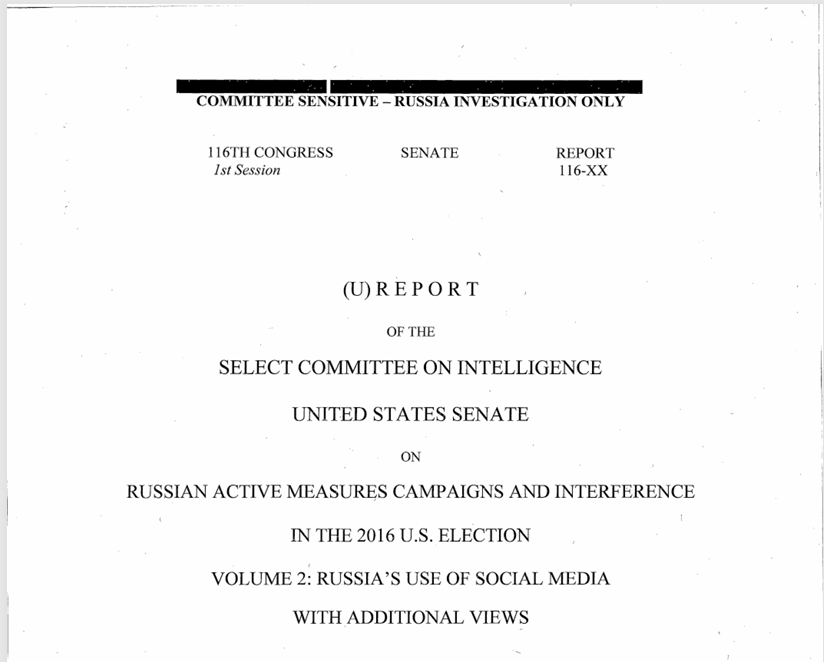
But first, the source:
In 2019, the U.S. Senate Intelligence Committee released a bipartisan report titled:
“Russia’s Use of Social Media” (Vol. 2)
Full PDF:
intelligence.senate.gov/sites/default/…
4
Q: How early did Russian operations begin?
A: 2014 — two years before the election.
They didn’t wait for candidates.
They targeted America itself: its divisions, identity, and institutions.
(Page 7, Senate Report)
A: 2014 — two years before the election.
They didn’t wait for candidates.
They targeted America itself: its divisions, identity, and institutions.
(Page 7, Senate Report)
5
Q: Who was running the operation?
A: The Internet Research Agency (IRA) — a Kremlin-linked outfit based in St. Petersburg.
Funded using Yevgeny Prigozhin (yes, that one), the IRA built fake U.S. identities at scale.
(Page 9)
A: The Internet Research Agency (IRA) — a Kremlin-linked outfit based in St. Petersburg.
Funded using Yevgeny Prigozhin (yes, that one), the IRA built fake U.S. identities at scale.
(Page 9)
6
Q: What platforms were targeted?
A: All of them:
🔹 Facebook
🔹 Instagram
🔹 Twitter
🔹 YouTube
🔹 Google+
🔹 Tumblr
🔹 Reddit
🔹 Pinterest
Facebook and Instagram were hit hardest.
(Page 17)
A: All of them:
🔹 YouTube
🔹 Google+
🔹 Tumblr
Facebook and Instagram were hit hardest.
(Page 17)
7
Q: What kind of content did they post?
Everything divisive:
• Race
• Police brutality
• Immigration
• Gun rights
• Religion
• LGBTQ+ issues
• Confederate monuments
This wasn’t subtle. It was volume and friction.
(Pages 18–22)
Everything divisive:
• Race
• Police brutality
• Immigration
• Gun rights
• Religion
• LGBTQ+ issues
• Confederate monuments
This wasn’t subtle. It was volume and friction.
(Pages 18–22)
8
Q: Who were they pretending to be?
Real Americans.
Fake accounts posed as:
• Black civil rights activists
• Christian conservatives
• Gun owners
• Texas secessionists
• LGBTQ+ activists
• Police supporters
(Page 25)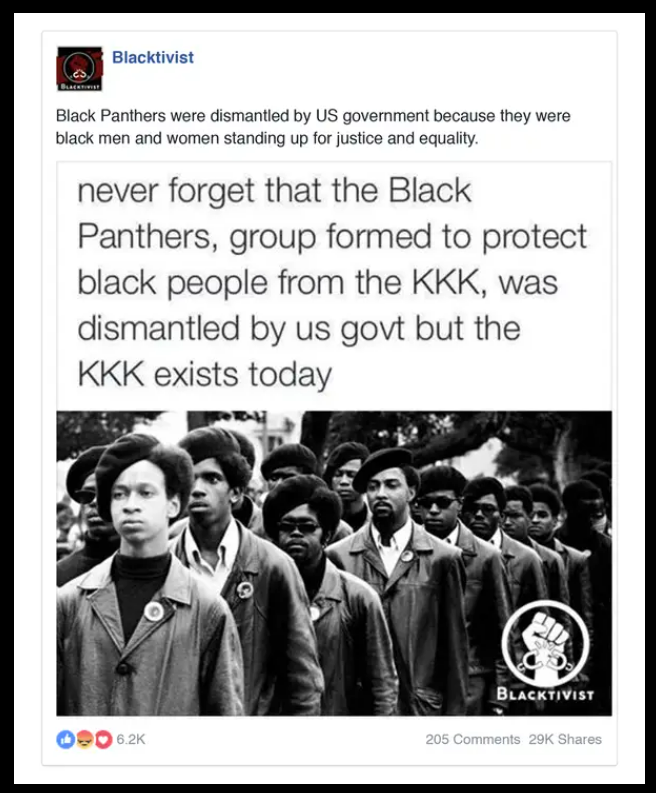
Real Americans.
Fake accounts posed as:
• Black civil rights activists
• Christian conservatives
• Gun owners
• Texas secessionists
• LGBTQ+ activists
• Police supporters
(Page 25)
9
Examples?
• “Blacktivist” — a fake BLM-style page
• “Heart of Texas” — a fake secessionist group
• “United Muslims of America”
• “Being Patriotic”
All run out of Russia. All designed to build trust and stir outrage.
(Page 25–27)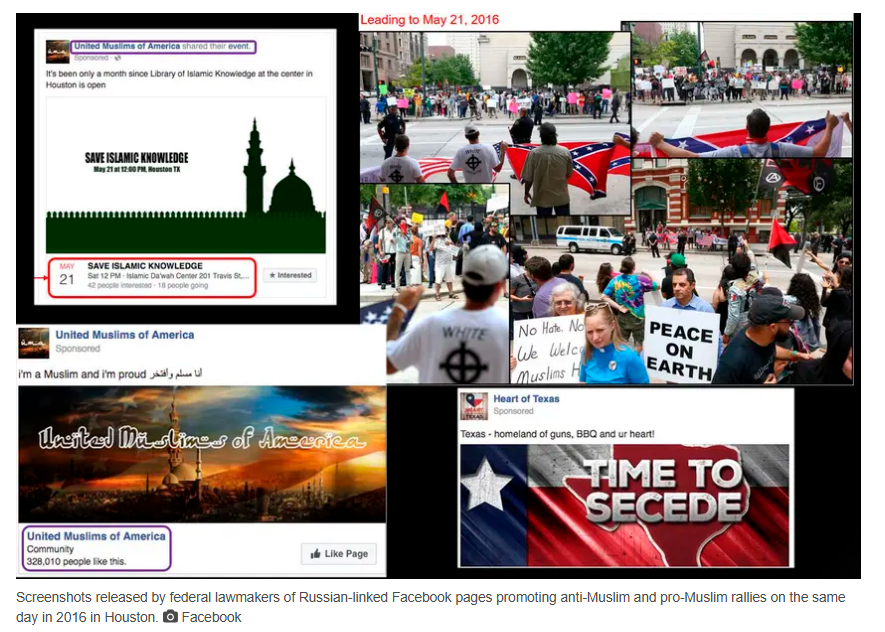
• “Blacktivist” — a fake BLM-style page
• “Heart of Texas” — a fake secessionist group
• “United Muslims of America”
• “Being Patriotic”
All run out of Russia. All designed to build trust and stir outrage.
(Page 25–27)
10
Q: Were they pro-Trump?
Not exactly.
They posted some pro-Trump content.
But the primary goal was division—not persuasion.
They also ran anti-Clinton, anti-Biden, and even left-leaning posts.
Whatever deepened the rift.
(Page 32–34)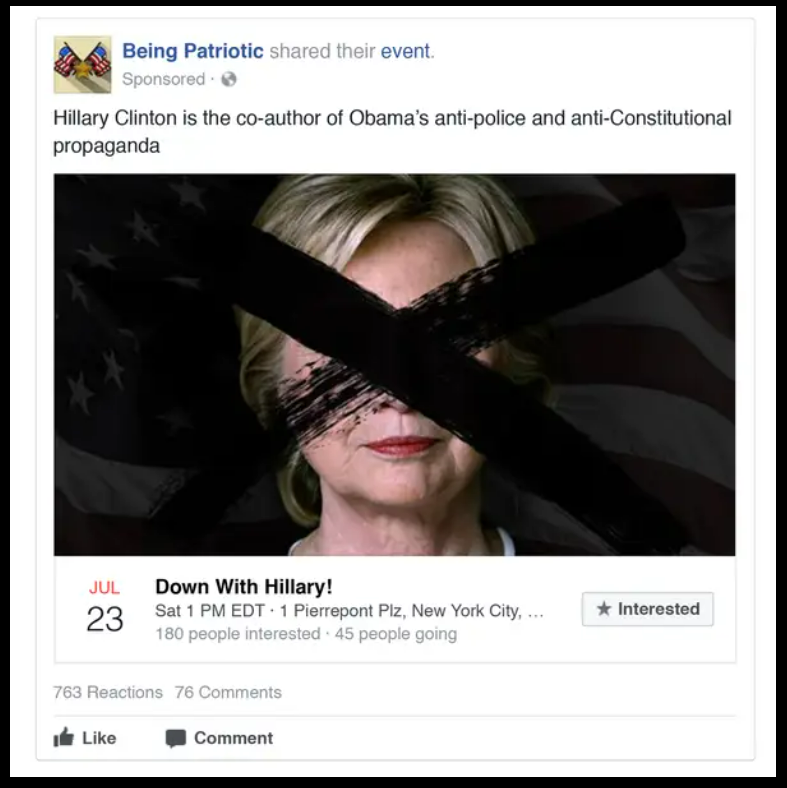
Not exactly.
They posted some pro-Trump content.
But the primary goal was division—not persuasion.
They also ran anti-Clinton, anti-Biden, and even left-leaning posts.
Whatever deepened the rift.
(Page 32–34)
11
Q: What was the real goal?
To weaken U.S. democracy by:
• Fueling distrust
• Lowering turnout
• Provoking infighting
• Making Americans doubt one another
It was about corrosion, not conversion.
(Page 5)
To weaken U.S. democracy by:
• Fueling distrust
• Lowering turnout
• Provoking infighting
• Making Americans doubt one another
It was about corrosion, not conversion.
(Page 5)
12
Q: Did it work?
Massively.
IRA content reached millions.
Engagement often surpassed real U.S. activist pages.
Some accounts had hundreds of thousands of followers.
They weren’t fringe. They were viral.
(Page 40)
Massively.
IRA content reached millions.
Engagement often surpassed real U.S. activist pages.
Some accounts had hundreds of thousands of followers.
They weren’t fringe. They were viral.
(Page 40)
13
They didn’t just post.
They bought ads, promoted hashtags, and even organized rallies in U.S. cities.
Sometimes they organized opposing rallies on the same street.
(Page 44)
They bought ads, promoted hashtags, and even organized rallies in U.S. cities.
Sometimes they organized opposing rallies on the same street.
(Page 44)
14
And they used identity mimicry.
They mirrored trusted language, slogans, and visuals.
The goal wasn’t to change minds.
It was to embed themselves into your worldview and distort it from inside.
(Page 28)
They mirrored trusted language, slogans, and visuals.
The goal wasn’t to change minds.
It was to embed themselves into your worldview and distort it from inside.
(Page 28)
15
This wasn’t about Trump. Or Clinton.
The real objective was to damage civic trust and inflame every unresolved wound in American life.
Once people stop trusting institutions, democracy weakens by default.
(Page 5, 47)
The real objective was to damage civic trust and inflame every unresolved wound in American life.
Once people stop trusting institutions, democracy weakens by default.
(Page 5, 47)
16
Q: Why is this hard to see?
Because the tactics used real issues.
Racism, inequality, corruption, alienation—they’re real.
The IRA didn’t invent them. They weaponized them.
(Page 48)
Because the tactics used real issues.
Racism, inequality, corruption, alienation—they’re real.
The IRA didn’t invent them. They weaponized them.
(Page 48)
17
This wasn’t about pushing lies.
It was about flooding the truth with doubt, emotion, and chaos until the truth became irrelevant.
That’s how narrative warfare works.
(Page 47)
It was about flooding the truth with doubt, emotion, and chaos until the truth became irrelevant.
That’s how narrative warfare works.
(Page 47)
18
The campaign didn’t end in 2016.
It continued into 2018.
It’s still active in different forms now.
Same doctrine. New platforms. Updated targets.
(Page 6)
It continued into 2018.
It’s still active in different forms now.
Same doctrine. New platforms. Updated targets.
(Page 6)
19
If you feel like nothing is trustworthy anymore—
If every headline feels manipulative—
If everyone seems mad at everyone—
That’s not an accident. That’s the point.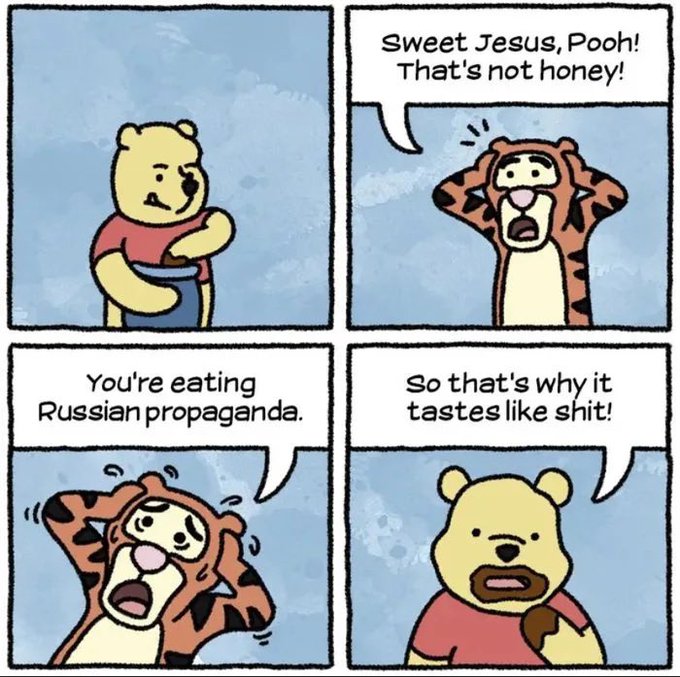
If every headline feels manipulative—
If everyone seems mad at everyone—
That’s not an accident. That’s the point.
20
Russia didn’t hack the machines.
It hacked the people using them.
And if we don’t name the method, we’ll keep falling for the outcome.
Can we do better? It's up to you.
Source:
“Russia’s Use of Social Media” — U.S. Senate Intel Committee (2019)
intelligence.senate.gov/sites/default/…
It hacked the people using them.
And if we don’t name the method, we’ll keep falling for the outcome.
Can we do better? It's up to you.
Source:
“Russia’s Use of Social Media” — U.S. Senate Intel Committee (2019)
intelligence.senate.gov/sites/default/…
21
22
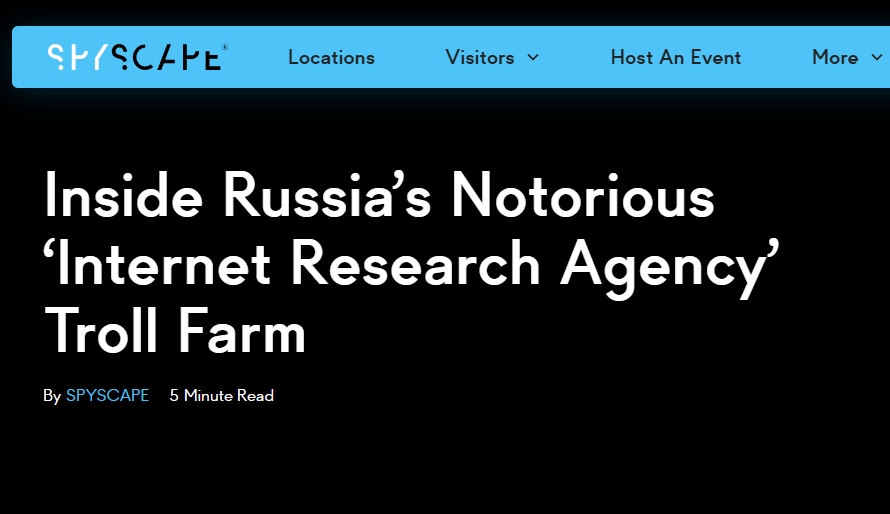
<< My name is Lyudmila; I am a journalist and I live in Saint Petersburg. A while ago I started to get interested in so-called troll factories, and I decided to investigate the phenomenon from the inside. >>
diis.dk/en/my-life-as-…
diis.dk/en/my-life-as-…
23
Here's part two of this story👇

Gavril Ducu 🇷🇴🇩🇪🇺🇲🇳🇱🇪🇺@🇺🇦@DucuGavril
The trolls didn’t do it alone. They had help.
Russia’s 2016 election op worked not just because of bots—but because real people on the inside opened the door.
The Senate’s final report spells it out. Where it's not redacted.
intelligence.senate.gov/wp-content/upl…
Russia’s 2016 election op worked not just because of bots—but because real people on the inside opened the door.
The Senate’s final report spells it out. Where it's not redacted.
intelligence.senate.gov/wp-content/upl…
